In this guide
- 01The Shape Of The Week: Built Backwards From Hanagasa
- 02What Is The Best Order For Towada, Osorezan, And Hanagasa In One Week?
- 03Days 1–2: Oirase Stream And Lake Towada As A Two-Night Base
- 04Days 3–4: Shimokita Peninsula And Osorezan, Planned For Flexibility
- 05Day 5: The Long Leg South (And Why We Keep It Clean)
- 06Days 6–7: Yamagata City For Hanagasa (Two Evenings, Not One)
- 07Which Tohoku Festivals Overlap With Hanagasa Week (And Why This Route Avoids Them)?
- 08How Do You Travel Between Towada, Shimokita, And Yamagata Without Losing The Week?
- 09How Japan Royal Service Plans The Week (What We Handle Privately, And What We Explain Publicly)
- 10Frequently Asked Questions
- 11Why Choose Japan Royal Service
You have three headline stops in Tohoku for summer: Oirase Stream and Lake Towada, Osorezan on the Shimokita Peninsula, and Yamagata’s Hanagasa Matsuri. One week sounds simple. It rarely is.
One date locks the whole route. Hanagasa runs August 5–7 in Yamagata City, and you want to be there on those nights. Everything else has to bend around that.
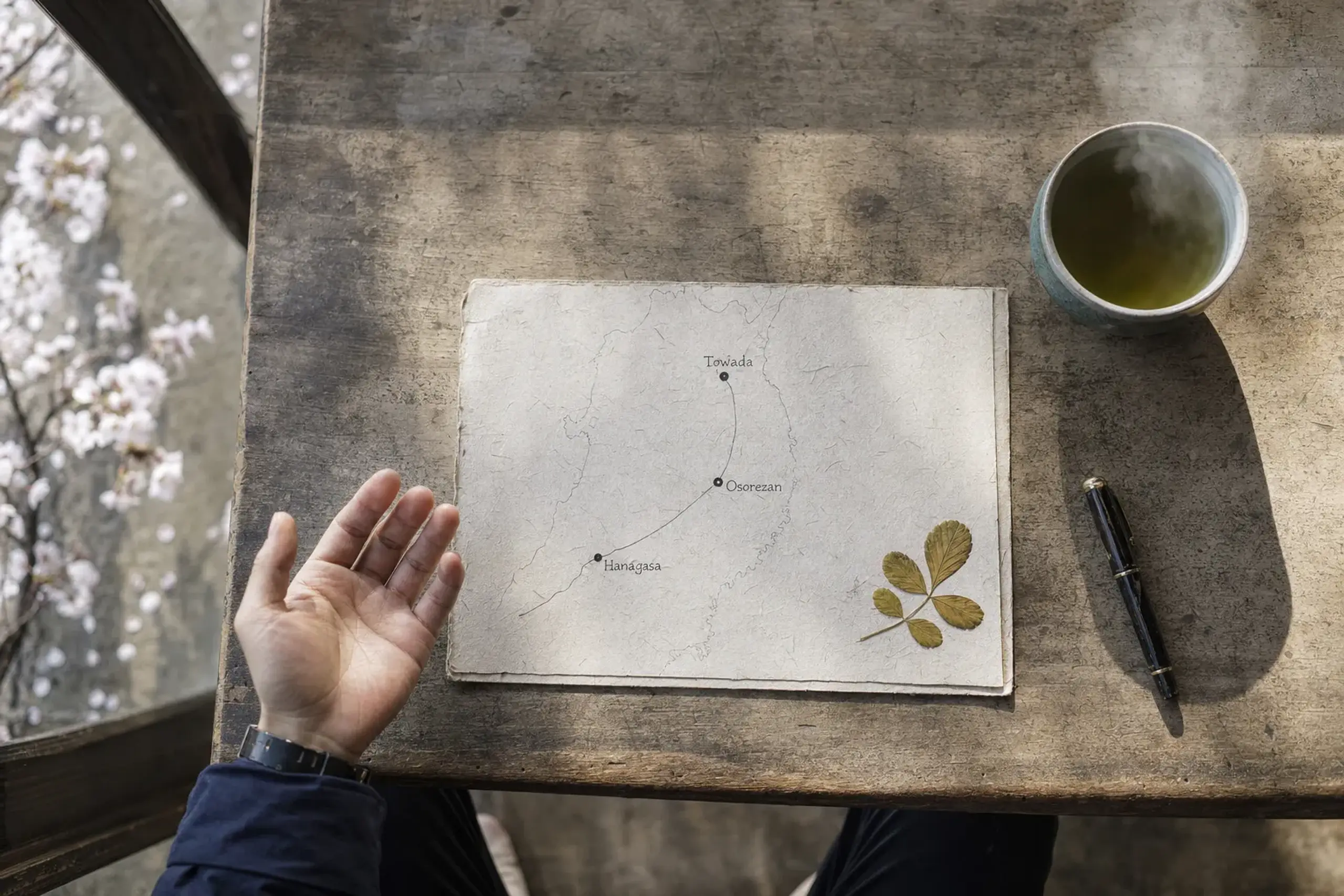
This itinerary is the connective tissue. Sequencing. Transfer logic. Where to place the long travel leg so you don’t burn a “sightseeing day” on transit. Our team at Japan Royal Service uses this structure to build calm, precise weeks in a region where distances are honest and public links can be seasonal.
The Shape Of The Week: Built Backwards From Hanagasa
You end in Yamagata for August 5–7, so the trip starts in northern Aomori and moves south. That’s the core logic. Simple. Non-negotiable.
Oirase and Towada reward a slow pace and boat timing. Osorezan deserves a quiet morning and a flexible car day. Hanagasa is an evening event, which means your daylight hours stay usable if you arrive with margin.
There is another practical reason for this order. Early August is also when Aomori Nebuta (Aug 2–7), Akita Kanto (Aug 3–6), and Sendai Tanabata (Aug 6–8) overlap with Hanagasa. August 6 is the only day all four run. This route avoids those festival cities until you actually need to be in Yamagata.
Key fact: Plan the week to finish in Yamagata City on August 5–7 for Hanagasa; then place Towada and Osorezan first, so you are not competing for the same hotel stock in multiple festival cities.
Day-By-Day At A Glance
- Day 1: Arrive in Tokyo, continue to Hachinohe (about 3 hours by the fastest Tohoku Shinkansen), then transfer to the Towada area for a two-night base.
- Day 2: Oirase Stream walk + Lake Towada boat timing (Yasumiya ⇄ Nenokuchi is roughly 50 minutes by boat).
- Day 3: Travel to the Shimokita side (gateway: Mutsu / Shimokita Station area). Settle in for a quiet night.
- Day 4: Osorezan in the morning (seasonal access; open roughly May–October; buses typically do not run November–April). Afternoon kept light.
- Day 5: The long travel leg south to Yamagata. Treated as a travel day, not squeezed into “one more stop.”
- Day 6: Yamagata City. First Hanagasa evening (August 5–7; our concierge team confirms the year’s schedule and seating at time of arrangement).
- Day 7: A full day in Yamagata with the final Hanagasa evening. Depart the next morning.
What Is The Best Order For Towada, Osorezan, And Hanagasa In One Week?
The best order is Towada first, Osorezan second, and Yamagata last, because Hanagasa’s August 5–7 dates are fixed and the route naturally runs north to south.
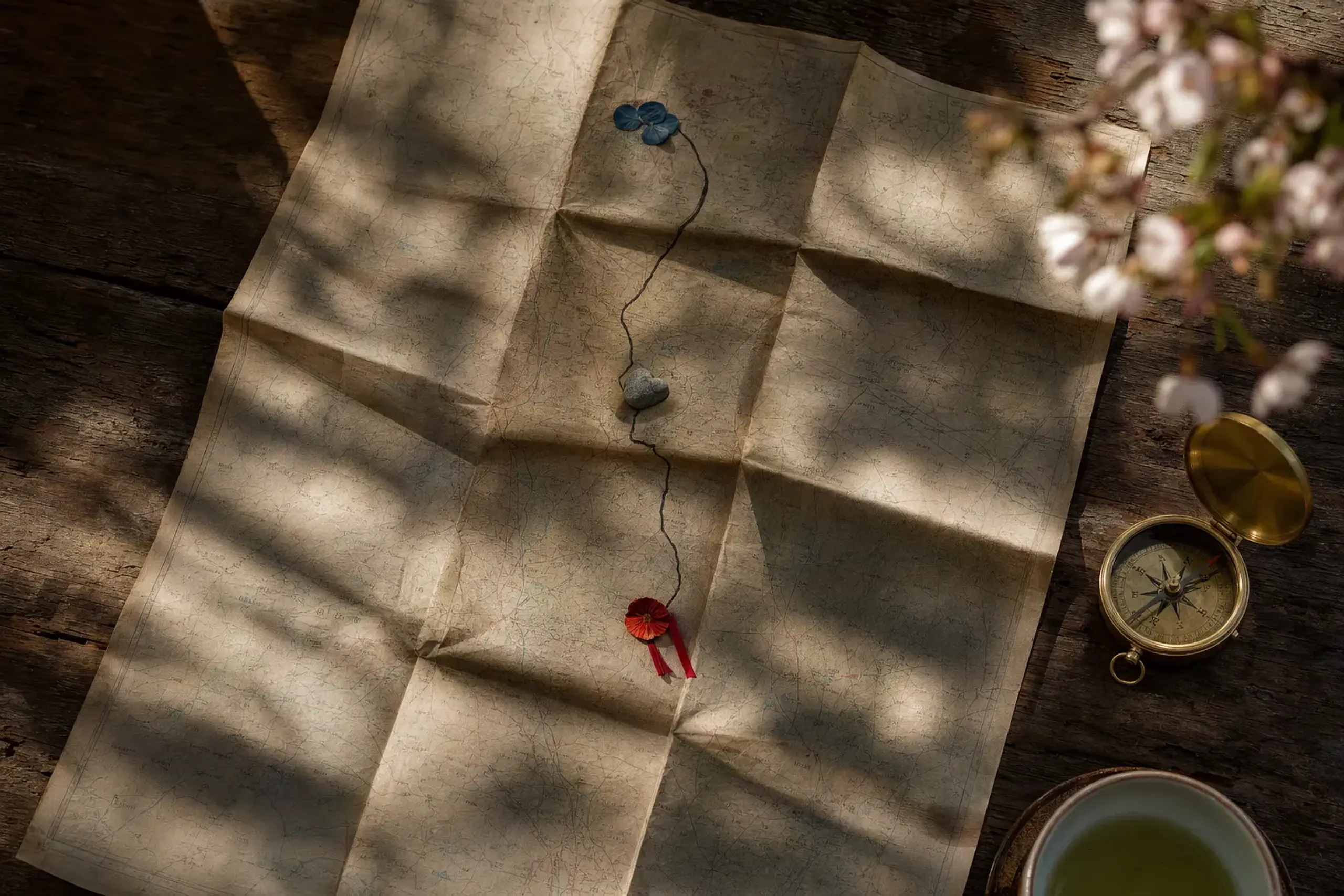
When you reverse it, you pay for it. You end up rushing Osorezan, arriving late for festival evenings, or burning your best daylight on a frantic transfer.
Our approach is to protect three different “day types.” A walking-and-boat day at Towada. A quiet, watchful morning at Osorezan. Then late afternoons in Yamagata where you can reset before the parade.
Days 1–2: Oirase Stream And Lake Towada As A Two-Night Base
Two nights matter here. Big mistake to treat Towada as a drive-by.
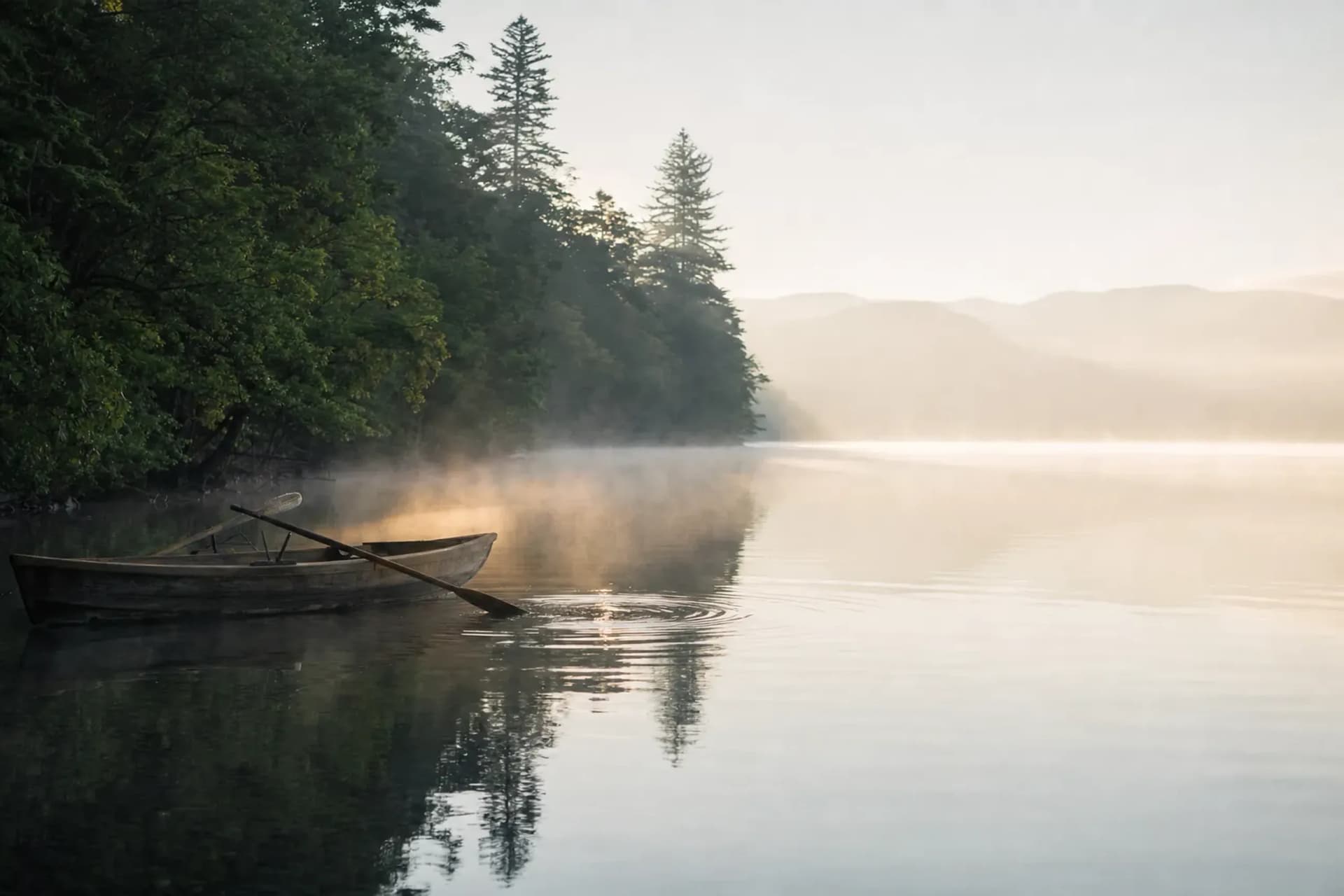
Oirase Stream and Lake Towada sit in Towada-Hachimantai National Park. Lake Towada is the largest crater lake on Honshū, and Oirase is its only outlet.
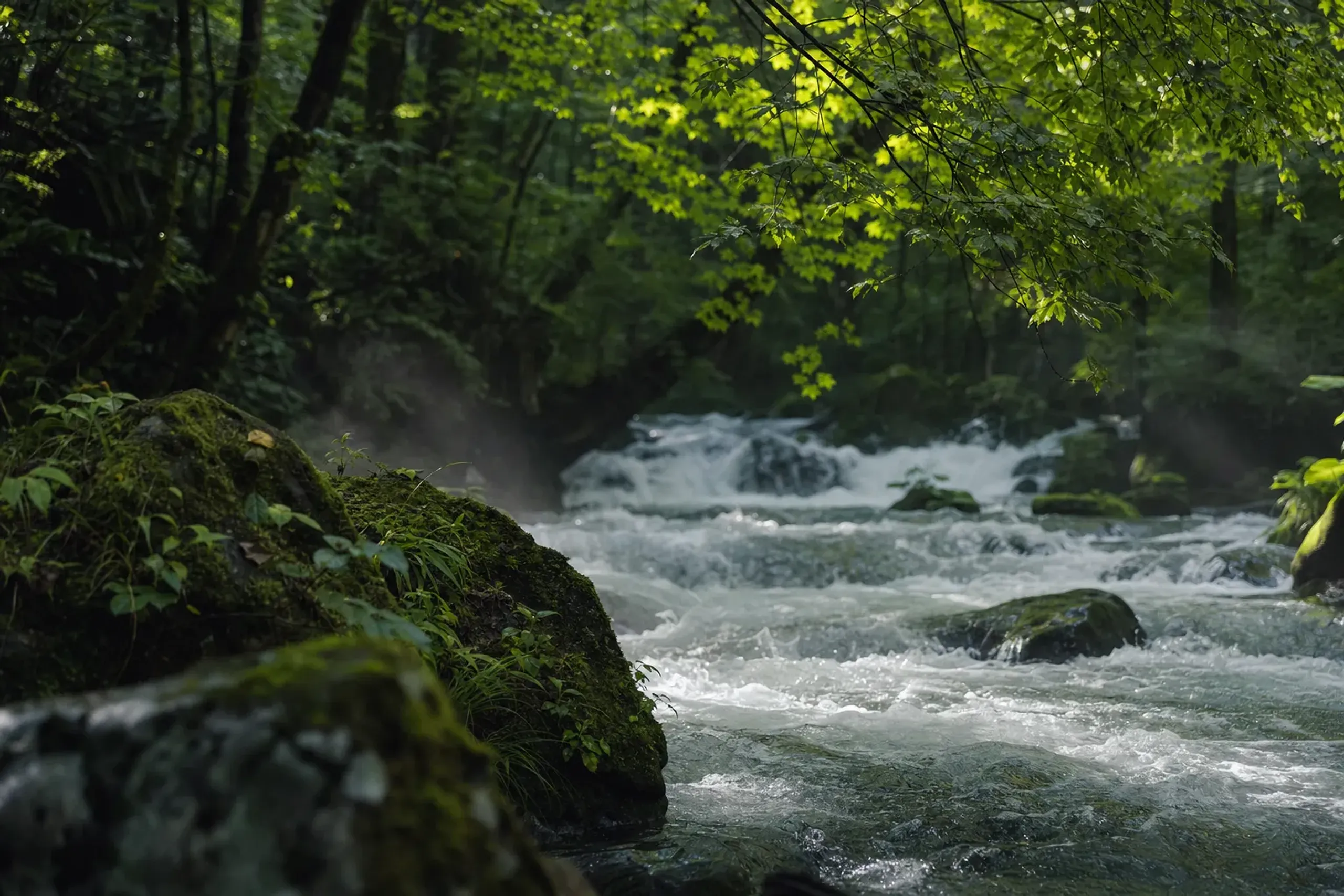
You feel the geography as you move: water gathering, then leaving, then narrowing into a stream you can walk beside.
Yasumiya is the main lakeside hub. A boat links Yasumiya and Nenokuchi in roughly 50 minutes, and that timing shapes the day in a way that is easy to underestimate from a map. Bus service to the area runs outside winter, but the practical timetable changes by season, and our concierge team confirms the current routing directly with you at time of arrangement.
If you want the deeper context for the gorge and the lake, read our dedicated guide: Summer at Lake Towada: The Waterfall That Kept Fish Out. This seven-day post is about how to place it correctly in a week that ends at Hanagasa.
How We Think About This Leg (Without Over-Programming You)
We leave space for the kind of walking you can’t schedule to the minute. A pause at a bend in the stream. A slow look at light on water. The restraint is deliberate. This is where a wabi-sabi sensibility makes the trip feel adult, not busy.
For clients who want craft, we may layer in a small shokunin moment somewhere on this leg. Quietly. No spectacle. If you ask for it, our concierge team will propose options privately based on what is realistic for your dates.
Days 3–4: Shimokita Peninsula And Osorezan, Planned For Flexibility
Shimokita is where rigid planning breaks. A car day matters.
From Aomori, Noheji is about 45 minutes by the Aoimori Railway, then it is about 50 minutes on the JR Ōminato Line to Shimokita Station (Mutsu). Those rail times are useful.
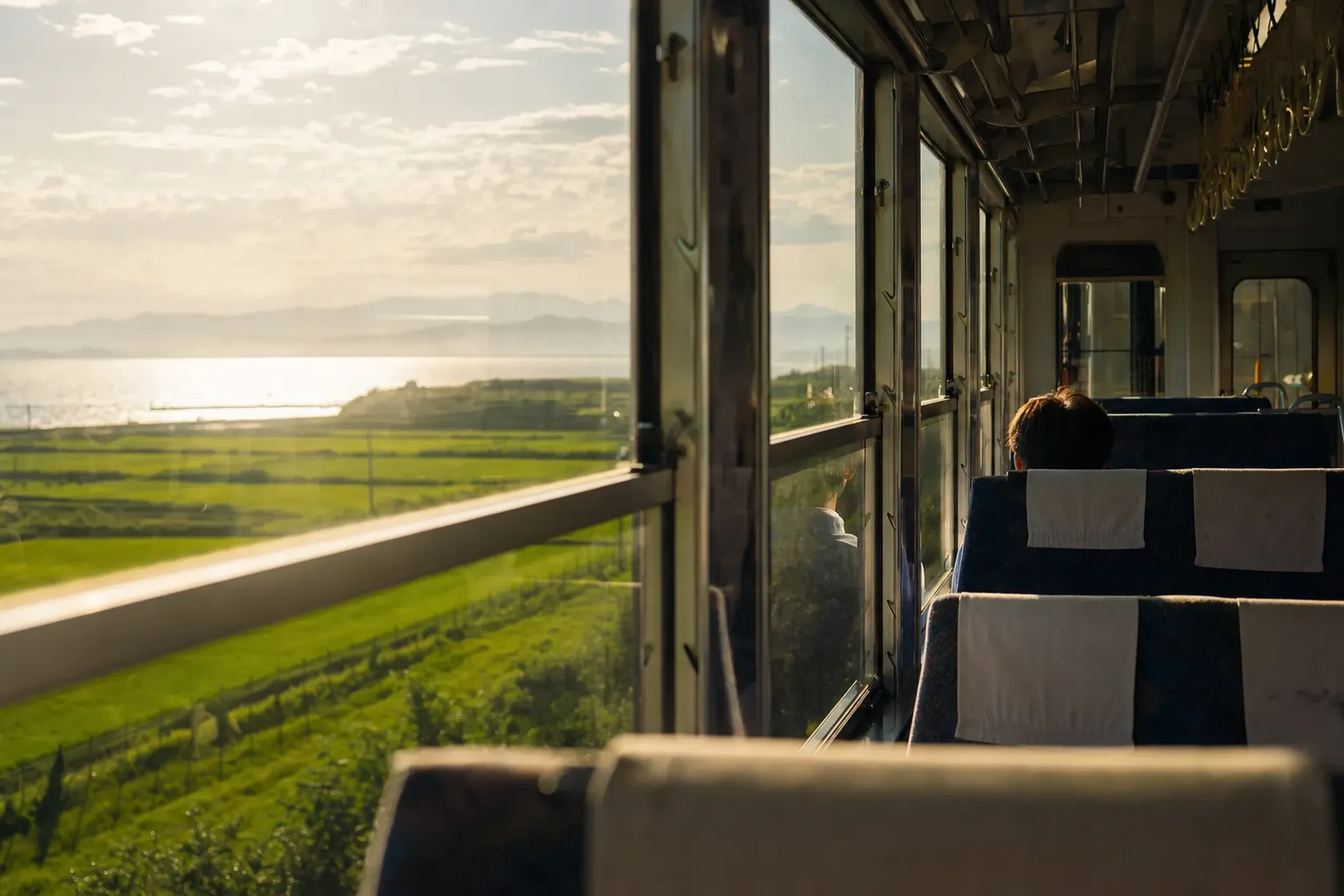
They are not the whole story, because moving around the peninsula often works best by car, especially when you want to choose your own pace and avoid waiting on seasonal connections.
This is where many “DIY itineraries” quietly fail. The stops look close. The friction adds up. Our team treats Day 3 as a positioning day so Day 4 can stay calm.
Osorezan: A Restrained Morning, Not A Checklist
Osorezan is a temple site founded traditionally in 862 by Ennin, and it is associated with mourning. You do not rush it. You also do not narrate it like a theme.
The bus to Osorezan typically does not run from November through April, and the site is open roughly May to October. Even in summer, operational details vary, so our concierge team confirms access directly with you at time of arrangement. If itako are present when you visit, we treat that fact with discretion and no claims.
Where available, we can discuss temple lodging on the Shimokita side as one possible way to keep the morning unhurried. No guarantees. The right fit depends on your preferences and the year’s availability, which our concierge team confirms with you at time of arrangement.
For deeper context on the place itself, here is our dedicated article: Named for an Unfinished Roof: Miyazaki's Udo Shrine. If you are wondering why that is linked here: it’s an example of how we write about sacred sites in a restrained register. For Osorezan specifically, we keep the same restraint in your private itinerary notes.
Key fact: Treat Osorezan as a morning with margin, then plan the transfer as part of the day. The Shimokita side punishes “tight” schedules.
Day 5: The Long Leg South (And Why We Keep It Clean)
This is the hinge day.
Protect it.
Yamagata is far south of northern Aomori. That distance is real, and pretending otherwise steals time from the places you came to feel, not just “tick.” Our team plans Day 5 as a travel leg with a clear start, a clear arrival, and minimal extra obligations.
Depending on your preferences, this leg can be shaped around rail hubs or a private vehicle day. If you use private transportation, the first mention matters here: see our approach to private transportation for long intercity legs, airport transfers, and day touring.
Some guests like to break the journey with an overnight en route. That is possible in principle, but what makes sense changes year by year, so our concierge team confirms the best stopping logic directly with you at time of arrangement.
Days 6–7: Yamagata City For Hanagasa (Two Evenings, Not One)
Plan on two nights in Yamagata City. One night is a gamble.
Yamagata Hanagasa Matsuri is held August 5–7 in Yamagata City, and its modern form dates from the early 1960s. You feel it as an evening rhythm: people gathering, the parade energy building, then the quiet after. Our concierge team confirms the year’s schedule at time of arrangement, since details can shift.
We also treat the viewing plan as part of the experience. Many HNW guests prefer reserved seating so they can watch without constant repositioning. Seating policies and availability vary by year, so our concierge team confirms options directly with you at time of arrangement.
For the festival itself, keep our guide open as your reference point: Yamagata Hanagasa: The Tohoku Festival You Can Join.
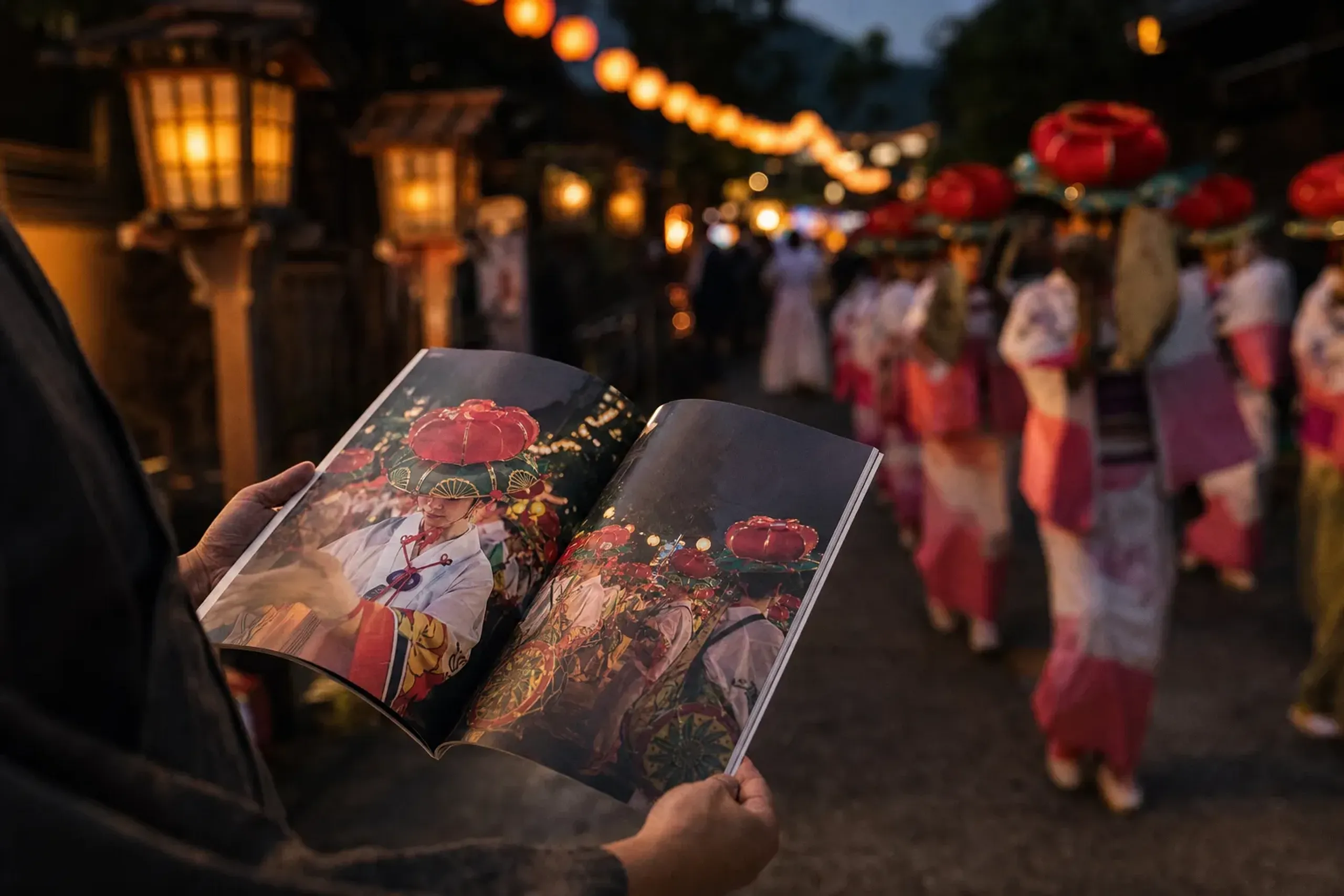
If participation elements are offered in a given year, rules can change, so we keep your plan conservative until we can confirm details with you privately.
Which Tohoku Festivals Overlap With Hanagasa Week (And Why This Route Avoids Them)?
Nebuta (Aug 2–7), Kanto (Aug 3–6), Tanabata (Aug 6–8), and Hanagasa (Aug 5–7) overlap in early August, and August 6 is the only day all four run.
That overlap creates a trap: trying to “sample everything” means you live out of a suitcase and compete for rooms in multiple festival cities at once. You also spend your best hours in transit lines, not in place.
This itinerary makes a different choice. It stays in the north first (Towada, then Shimokita) while the big cities fill up. Then it commits to Yamagata for Hanagasa and keeps your evenings predictable.
If you are mapping the full calendar for another year, use our reference post: Japan's Summer Festival Calendar: Dates and Overlaps. For context on how a single festival becomes the anchor, our team also points travelers to The Schoolboy and the Halberd: Osaka's Tenjin Matsuri as a “one-festival, done properly” example.
How Do You Travel Between Towada, Shimokita, And Yamagata Without Losing The Week?
You avoid losing the week by using Towada as a two-night base, treating Osorezan as a morning anchored from Mutsu, and reserving one full day for the long transfer to Yamagata.
Here is the practical backbone. Tokyo to Hachinohe is about three hours on the fastest Tohoku Shinkansen. Hachinohe to Shin-Aomori is about 23 minutes on the fastest service.
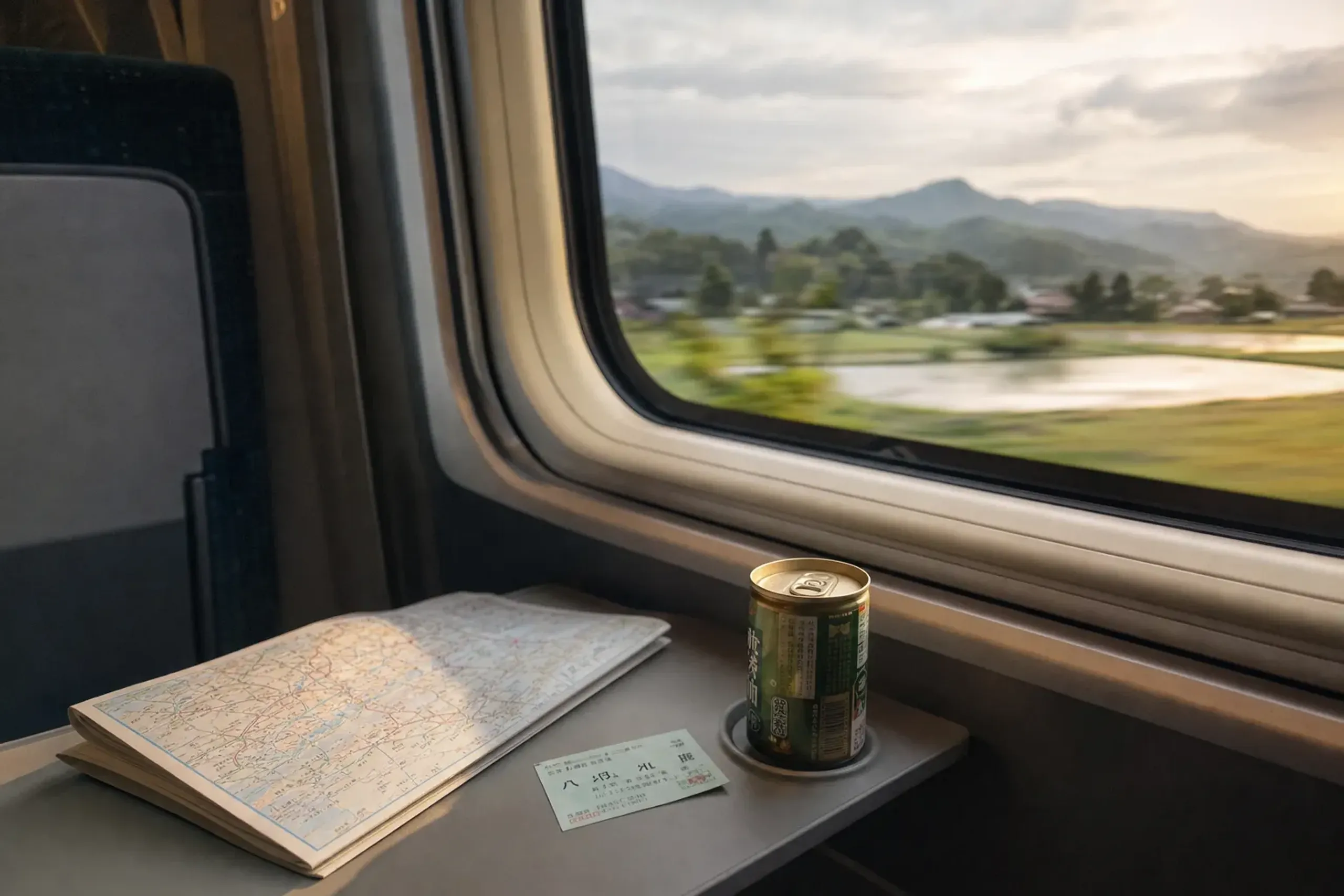
Those numbers help you see what is fast, and what is not.
For Shimokita, the rail spine is clear: Aomori to Noheji (about 45 minutes on the Aoimori Railway), then Noheji to Shimokita Station (about 50 minutes on the JR Ōminato Line). After that, flexibility becomes the priority. A car is often the difference between a composed morning and a day spent watching the clock.
Tokyo to Yamagata City is about three hours by the Yamagata Shinkansen, which matters if you are building the week with rail hubs. When we design a tailor-made itinerary, we use these published rail times as fixed points, then shape everything else around your pace and luggage comfort.
Car Vs Rail In This Week: A Simple Decision Matrix
| Situation | Usually Feels Better | Why |
|---|---|---|
| Towada base + Oirase walking day | Private vehicle for the day | Oirase access and boat timing are easier when you control departures. |
| Shimokita positioning (Aomori ⇄ Mutsu) | Rail spine, then car locally | Rail times are published; local flexibility reduces waiting and routing stress. |
| Festival nights in Yamagata | Rail into the city + short local transfers | You arrive with less friction and keep evenings predictable. |
How Japan Royal Service Plans The Week (What We Handle Privately, And What We Explain Publicly)
We treat this as three bases plus one deliberate travel day. Nothing heroic. That is the point.
Publicly, we explain the logic, the rail anchors, and the seasonal constraints (like Osorezan access). Privately, after you inquire, our concierge team coordinates the moving parts for your dates: lodging suited to the route, transportation by preference, guiding where it improves the day, and a festival viewing plan aligned with your comfort and privacy.
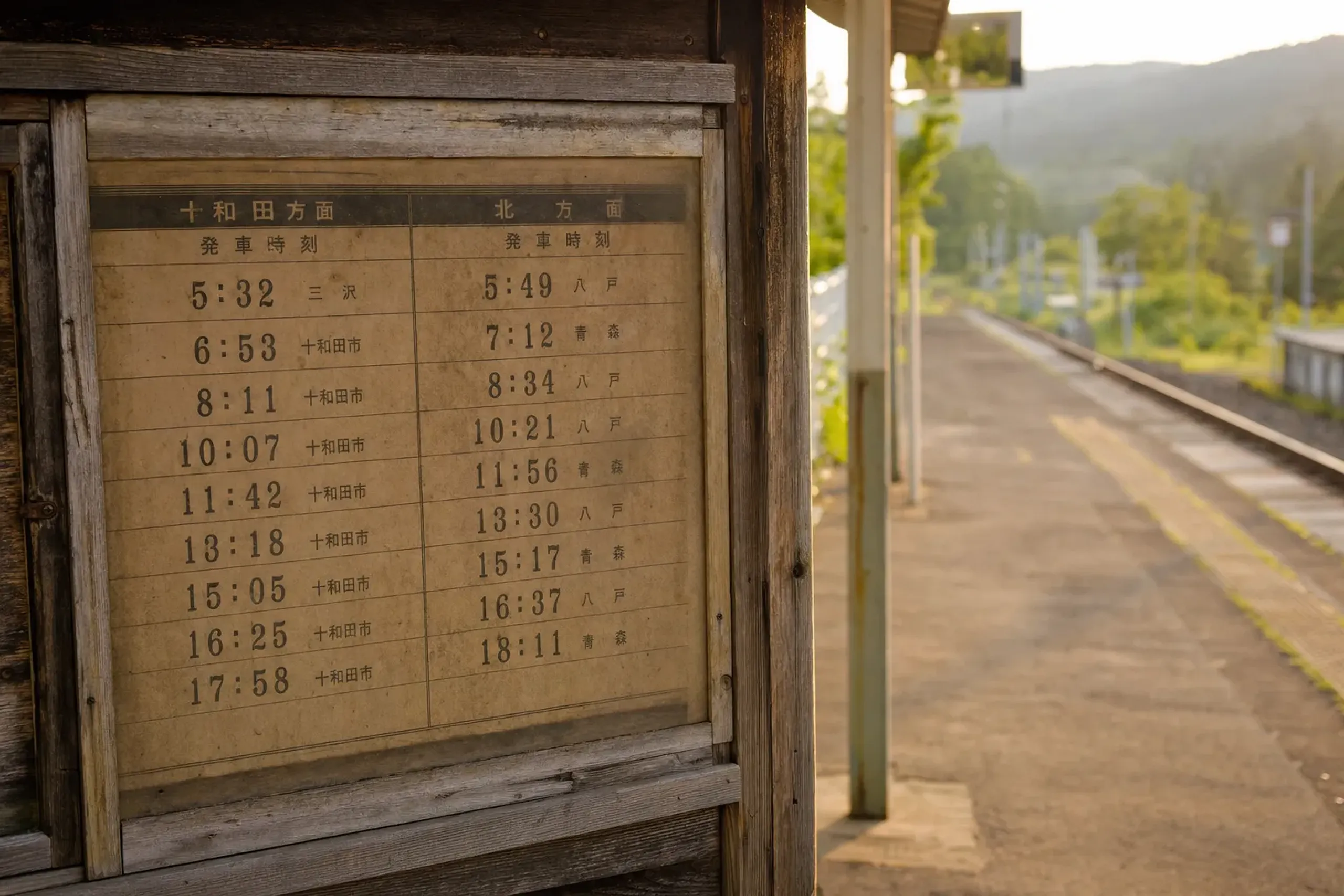
On the ground, discretion is the constant. We keep guest identity and itineraries confidential. We also keep plans quiet in tone, especially around sacred sites and rural communities, because “hidden Japan” only stays hidden when guests arrive respectfully and without broadcast.
Transportation is partner-supplied and selected to match your party size and luggage. If you care about cabin calm, tell us. If you want a flagship people-mover such as a Lexus LM 500 or an executive-style Mercedes V-Class, we discuss availability privately for your dates and routing. No promises on a public page.
For booking order, we usually start with the immovable pieces: the Hanagasa nights (August 5–7) and the bases around Towada and Shimokita. Availability in festival windows can tighten quickly, and our concierge team confirms what is possible at time of arrangement. If you want a broader planning frame for Japan timing, keep this reference handy: Relais & Châteaux In Japan: What Membership Actually Means. It is useful for understanding how certain properties manage inventory and why earlier decision-making reduces compromises.
Frequently Asked Questions
Can I Do This 7-Day Tohoku Summer Itinerary Without A Car?
You can cover key legs by rail, but Shimokita and Osorezan are much easier with a car due to seasonal services and limited local connections. Our concierge team confirms feasible routing for your dates.
Tokyo to Hachinohe is about three hours on the fastest Tohoku Shinkansen, and Tokyo to Yamagata City is about three hours on the Yamagata Shinkansen. Inside Aomori, public transport to Towada and within Shimokita can be seasonal, so we plan conservatively.
When Should I Schedule Osorezan In Summer?
Schedule Osorezan for a quiet morning and keep the afternoon light, because access can be seasonal and the site should not be rushed.
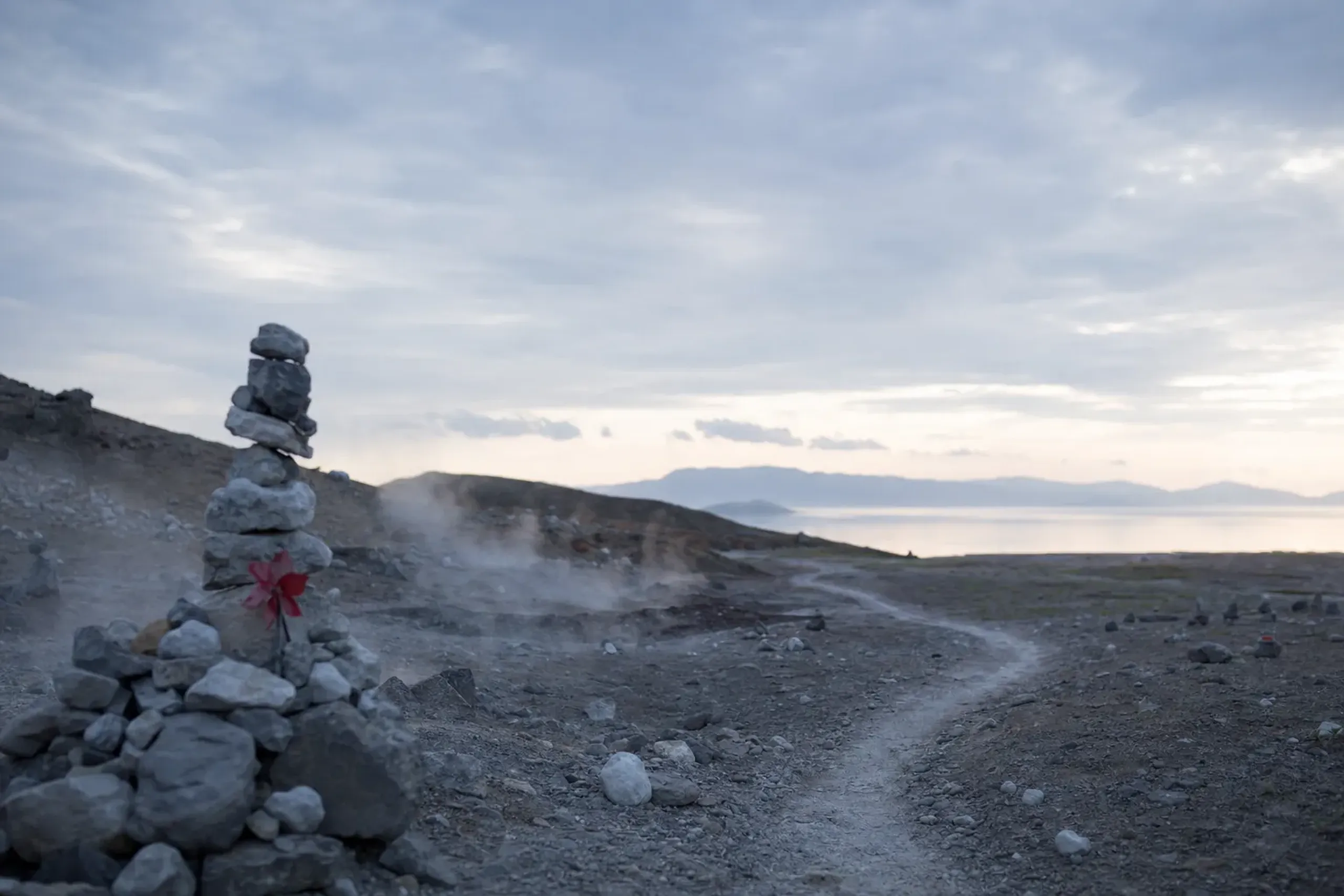
Osorezan is open roughly May to October, and the bus does not run from November through April. Our concierge team confirms access details directly with you at time of arrangement.
Do You Recommend One Or Two Hanagasa Evenings?
Two Hanagasa evenings is the safer plan, because it reduces weather and schedule risk and lets you watch without feeling you must “get it all” in one night.
Hanagasa usually runs August 5–7 in Yamagata City, and our concierge team confirms the year’s schedule and any seating options at time of arrangement.
How Long Does Tokyo To Hachinohe Take By Shinkansen?
Tokyo to Hachinohe takes about three hours on the fastest Tohoku Shinkansen services.
That time anchor helps you decide whether to travel up on Day 1 or reposition the night before, depending on your arrival flight and how you want Day 1 to feel.
Why Choose Japan Royal Service
Luxury in Tohoku is not about excess. It is about timing, silence, and control over friction.
Our team at Japan Royal Service builds this week around one fixed truth: Hanagasa’s dates. Then we protect the experience of each place with the right pacing, the right bases, and transfers that feel intentional rather than punishing. We work with a shokunin mindset—quiet competence, clean edges—while keeping discretion as the default and reserving “hidden Japan” moments for guests who value restraint.
If you want this exact 7-day route shaped to your party size, mobility needs, and preferred comfort level, reach our team privately via WhatsApp or LINE, or contact us here.