
LINE ID japanroyalservice
+817013781777 click here
+817013781777 click here
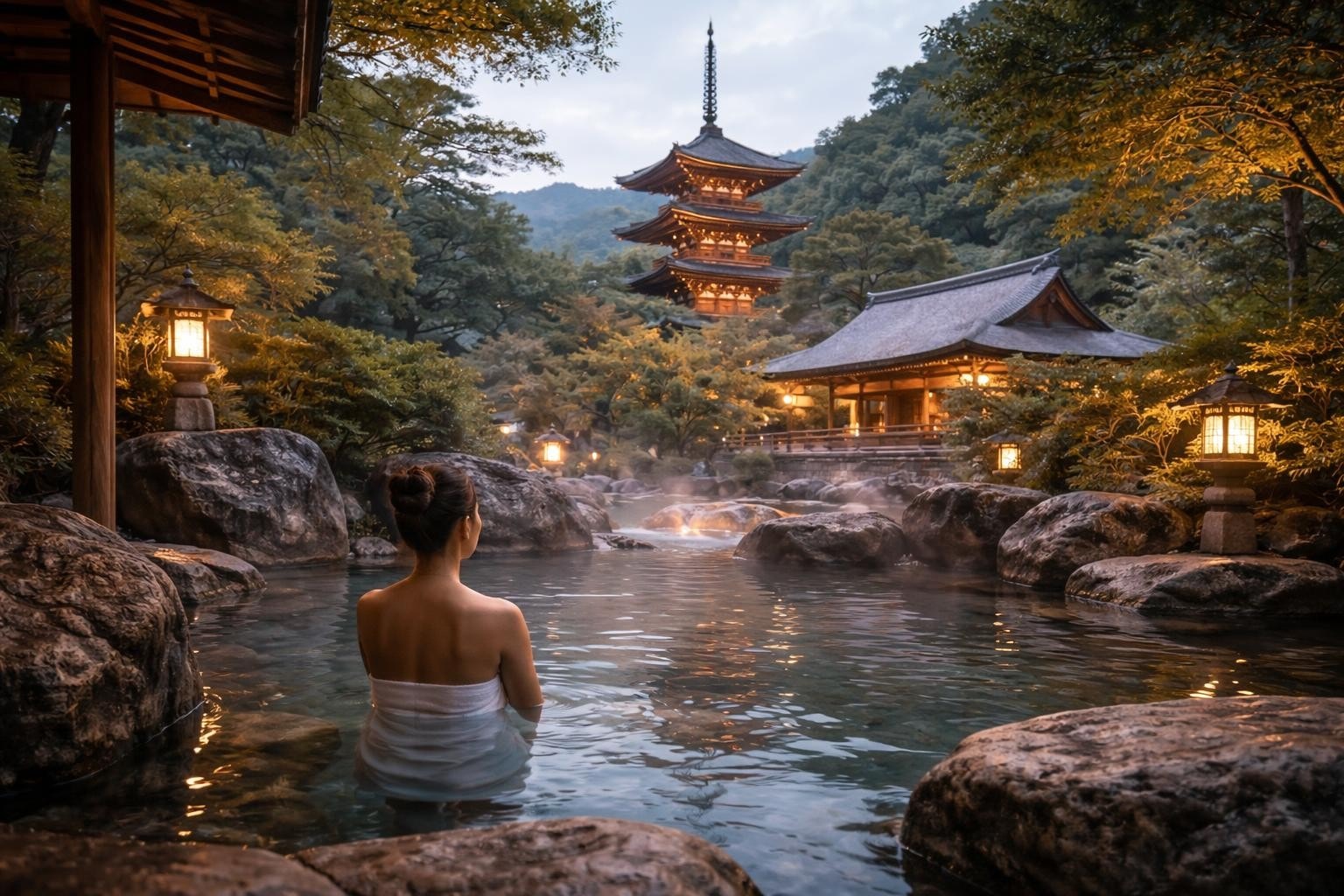
Kyoto stands as Japan’s cultural heartland, where ancient temples meet modern luxury and tradition flows through every cobblestone street. Beyond the golden pavilions and zen gardens lies another facet of Japanese culture that offers profound relaxation and cultural immersion: the onsen experience. While many travelers associate hot springs with mountainous regions like Hakone or Kusatsu, Kyoto’s unique selection of urban bathhouses and nearby natural hot springs provides an exceptional opportunity to combine cultural exploration with therapeutic wellness. For discerning travelers seeking authentic Japanese experiences, understanding the landscape of onsens in Kyoto opens doors to both hidden gems and historic treasures that have served locals and visitors for centuries.
Kyoto’s onsen experience differs significantly from that of typical resort-town hot springs. The city’s bathing culture emerged from a blend of necessity, tradition, and urban development rather than abundant natural geothermal activity. Many establishments within the city proper are technically “sentō” (public bathhouses) rather than authentic onsens, though several do pipe in natural hot spring water from distant sources.
What sets Kyoto apart includes:
Not all bathing facilities in Kyoto qualify as genuine onsens. The term “onsen” legally requires water with a specific mineral composition originating from geothermal sources. However, this technical distinction matters less than the quality of experience and cultural authenticity each establishment provides.
Traditional sentō bathhouses offer their own unique charm, featuring elaborate tile murals depicting Mount Fuji, intricate architectural details, and deep connections to neighborhood communities. Some of these historic bathhouses have served the same Kyoto districts for over a century and have been designated cultural properties.

Located in the Kita ward, Funaoka Onsen represents one of Kyoto’s most historically significant bathing establishments. Built in 1923 and designated as a Tangible Cultural Property, this facility showcases extraordinary craftsmanship through its carved ranma transoms, Tennyo celestial maiden reliefs, and traditional architectural elements that transport visitors to the Taishō era.
The facility features both indoor and outdoor baths heated to traditional temperatures, with the outdoor “denki-buro” (electric bath) providing unique stimulation through mild electrical currents-a distinctive feature found in traditional Japanese bathhouses. While technically a sentō using heated municipal water rather than natural hot spring sources, Funaoka’s cultural significance and architectural beauty make it an essential stop for those exploring onsens in Kyoto.
Key Features:
Situated in Kyoto’s northern mountains, Kurama Onsen delivers authentic hot spring experiences just 30 minutes from central Kyoto. Natural spring water emerges from underground sources, creating genuine onsen conditions amid forested mountain scenery. The facility offers both indoor baths and an expansive outdoor rotenburo that provides stunning views throughout the seasons.
Winter visits transform the experience as snow blankets the surrounding cedars, creating ethereal atmospheres particularly appealing to luxury travelers seeking memorable moments. The establishment also operates an upscale restaurant featuring seasonal kaiseki cuisine, allowing guests to combine bathing with sophisticated dining experiences.
| Feature | Details |
|---|---|
| Water Source | Natural underground hot springs |
| Temperature | 41-43°C (106-109°F) |
| Minerals | Simple alkaline springs, sodium bicarbonate |
| Facilities | Indoor baths, outdoor rotenburo, private rooms |
| Access | 30 minutes from Kyoto Station via Eizan Railway |
While technically beyond Kyoto’s boundaries, Kinosaki Onsen ranks among Japan’s most celebrated hot spring towns and makes an exceptional day trip or overnight excursion. Located approximately 2.5 hours from Kyoto by limited express train, this historic town features seven public bathhouses where yukata-clad visitors stroll along willow-lined canals.
The town’s distinctive “sotomeguri” (external bathing circuit) tradition encourages visitors to sample multiple bathhouses, each offering unique architectural styles and water compositions. For travelers partnering with luxury concierge services, private ryokan experiences with exclusive kaiseki dinners and in-room onsen facilities elevate the visit to extraordinary levels.
The Seven Public Baths of Kinosaki:
The famous Arashiyama district, known for its bamboo groves and temples, also provides access to several quality onsen facilities. These establishments combine natural hot spring experiences with proximity to Kyoto’s most photographed landscapes, creating efficient itineraries for time-conscious luxury travelers.
Exploring the best onsens near Kyoto reveals options ranging from traditional ryokan with private baths to modern spa facilities offering comprehensive wellness programs. Many high-end accommodations in this area offer exclusive onsen access, combining cultural touring with restorative bathing.
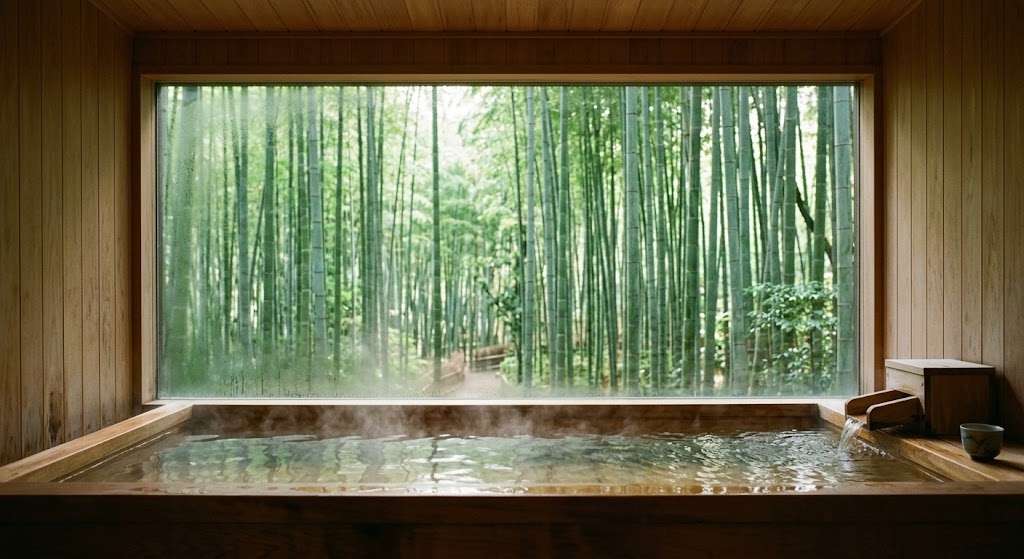
The therapeutic advantages of onsen bathing extend beyond simple relaxation. Natural hot spring waters contain dissolved minerals that enter the body through skin absorption and inhalation, providing documented health benefits recognized by Japanese medical professionals.
Different onsens in Kyoto offer varying mineral compositions, each providing specific therapeutic properties:
| Mineral Type | Primary Benefits | Common Conditions Addressed |
|---|---|---|
| Sodium Bicarbonate | Softens skin, promotes circulation | Skin conditions, cardiovascular health |
| Sulfur | Antibacterial properties, detoxification | Dermatological issues, metabolic disorders |
| Iron | Energizing effects improve anemia | Fatigue, circulatory problems |
| Calcium | Strengthens bones, calming effects | Osteoporosis, nervous tension |
Beyond mineral content, the heat itself stimulates blood flow, reduces muscle tension, and promotes deep relaxation. The practice of alternating between hot baths and cool rests, common in traditional onsen protocols, enhances these benefits through controlled thermal stress that improves cardiovascular function.
The ritualistic nature of onsen bathing provides mental health benefits comparable to meditation practices. The required pre-bath cleansing ritual, quiet atmosphere, and enforced digital disconnection create environments conducive to mindfulness and stress reduction. For travelers managing demanding schedules, these forced pauses offer necessary mental restoration.
Traditional Japanese bathing culture emphasizes “hadaka no tsukiai” (naked communion), suggesting that bathing together without social markers, such as clothing, fosters genuine human connection and equality. This philosophy creates unique social dynamics rarely experienced in Western spa environments.
First-time visitors to onsens in Kyoto often feel uncertain about proper behavior. Understanding fundamental etiquette ensures comfortable experiences and demonstrates cultural respect.
Essential Onsen Rules:
Tattoo policies represent the most common concern for international visitors. While tattoo restrictions stem from associations with organized crime rather than artistic objection, many traditional facilities maintain strict no-tattoo policies. However, increasing numbers of establishments now accommodate tattooed guests, particularly in tourist-oriented areas. Luxury concierge services excel at identifying tattoo-friendly facilities or arranging private bath reservations.
Gender separation defines most traditional onsen experiences, though some facilities offer “kazoku-buro” (family baths) or private room options for couples and families. Resources highlighting mixed onsens in Kyoto help travelers seeking coed bathing opportunities, though these remain relatively rare compared to gender-separated facilities.

Timing significantly influences the onsen experience in Kyoto, with each season offering distinct advantages and atmospheric qualities.
March through early April, Kyoto transforms into Japan’s most celebrated hanami destination. Several onsens feature gardens with cherry trees, offering ephemeral opportunities to bathe amid falling petals. The moderate temperatures make outdoor rotenburo particularly comfortable, and the cultural significance of the sakura season adds profound depth to the bathing experience.
Luxury travelers should note that the sakura season marks peak tourism, with premium facilities and private bath times requiring reservations. Strategic planning ensures access to the most sought-after experiences during this magical but crowded window.
Kyoto’s humid summers drive locals and visitors alike toward cooling water-based activities. While hot baths might seem counterintuitive in the heat, Japanese bathing wisdom suggests that summer onsen visits help regulate body temperature and combat fatigue from prolonged exposure to the heat. Mountain onsens near Kyoto provide particularly appealing summer destinations, where elevation moderates temperatures and forest surroundings create natural air conditioning.
November transforms Kyoto’s maple trees into crimson canopies, creating Japan’s premier “koyo” (autumn leaves) destination. Onsens with outdoor baths surrounded by deciduous trees offer extraordinary visual experiences as fiery foliage contrasts with rising steam. The moderate temperatures and lower humidity make autumn ideal for extended bathing sessions and outdoor experiences.
Though Kyoto itself receives limited snowfall, nearby mountain onsens transform into winter wonderlands. The experience of bathing in steaming natural waters while snow falls creates iconic Japanese moments featured in countless travel photographs. The contrast between frigid air and hot water intensifies the sensory experience, while the therapeutic warmth provides welcome relief from winter’s chill.
Discerning travelers seeking elevated onsen experiences in Kyoto find numerous options beyond standard public bathing facilities. High-end ryokan throughout the region offer private onsen suites where guests enjoy exclusive hot spring access without time constraints or shared spaces.
Premium features include:
Some establishments offer kashikiri (private, reserved) bathing periods, during which the entire facility is reserved for a single party. These arrangements suit groups, families, or couples desiring complete privacy while enjoying larger bathing areas typically shared with other guests. Luxury concierge services excel at arranging these specialized reservations, often combining them with private kaiseki dining and cultural performances.
Modern luxury onsens increasingly incorporate comprehensive wellness programs combining traditional bathing with contemporary spa treatments, meditation sessions, and nutritional consulting. These multi-day programs appeal to health-conscious travelers seeking transformative experiences beyond simple relaxation.
Just as premium sauna facilities have evolved to offer comprehensive wellness ecosystems, leading Kyoto onsen destinations now offer holistic health approaches that integrate traditional Japanese bathing wisdom with evidence-based wellness methodologies.
Strategic itinerary planning allows travelers to integrate onsen experiences with Kyoto’s renowned cultural attractions seamlessly. Guides to historic temple-town onsens in Kyoto help visitors understand the geographic relationships between bathing facilities and major cultural sites.
Northern Kyoto Circuit:
Morning visits to Kinkaku-ji (Golden Pavilion) and Ryōan-ji temples pair perfectly with afternoon bathing at Funaoka Onsen or with a continuation north to Kurama Onsen for mountain hot-spring experiences. This routing allows cultural exploration during cooler morning hours and bathing during warmer afternoons.
Eastern Kyoto Exploration:
The Higashiyama district’s temple concentration near Kiyomizu-dera and Gion’s geisha quarters positions visitors ideally for evening onsen experiences at city center facilities. Post-bathing relaxation naturally transitions into traditional kaiseki dining at nearby establishments.
Onsen culture shares deep philosophical connections with Buddhist and Shinto practices prevalent throughout Kyoto—the purification rituals preceding bathing mirror religious ablutions performed before entering sacred spaces. The meditative quality of hot spring bathing complements the contemplative practices associated with temple visits and zen gardens.
Successfully incorporating onsens in Kyoto into luxury travel itineraries requires attention to logistical details and cultural nuances.
Public bathhouses typically operate on a walk-in basis without reservations, though arriving during off-peak hours (weekday afternoons) ensures less crowded conditions. Premium ryokan onsens require reservations, particularly during peak seasons, with booking windows sometimes extending up to 6 months ahead for the most exclusive properties.
| Facility Type | Price Range (per person) | Typical Amenities |
|---|---|---|
| Public Sentō | ¥450-800 ($3-6) | Basic bathing facilities |
| Day-Use Onsen | ¥1,000-2,500 ($8-20) | Multiple baths, towel rental |
| Luxury Ryokan (day visit) | ¥5,000-15,000 ($40-120) | Private baths, meals, and facilities |
| Overnight Ryokan Package | ¥30,000-100,000+ ($240-800+) | Accommodation, kaiseki, private onsen |
Most onsens in Kyoto proper remain accessible by public transportation, though some premium mountain facilities offer private car services. Luxury travel providers offer chauffeur-driven experiences that eliminate navigation stress and allow seamless transitions between cultural sites and bathing destinations.
While onsen bathing offers numerous benefits, certain health conditions warrant caution or medical consultation before participating.
Contraindications include:
Pregnant travelers should consult physicians and facility staff, as some onsens discourage expectant mothers from bathing due to heat exposure and slipping risks. However, many facilities accommodate pregnancy with temperature-modified baths and additional safety measures.
The combination of heat exposure and mineral absorption can cause dehydration. Traditional guidance suggests limiting individual bathing sessions to 10-15 minutes with rest periods between immersions. Most facilities provide water stations and encourage regular fluid intake.
Increasing numbers of Kyoto onsen facilities now accommodate diverse accessibility needs, though traditional bathhouses may present challenges for mobility-impaired visitors.
Accessibility features to inquire about:
Premium facilities and modern developments typically incorporate comprehensive accessibility features, while historic bathhouses may maintain traditional layouts with steps and narrow passages that challenge wheelchair users.
As interest in onsens in Kyoto grows among international travelers, sustainable tourism practices become increasingly important for preserving these cultural treasures and natural resources.
Responsible visitors support sustainability by:
The philosophical approach to sustainable travel mirrors the mindful relaxation at the heart of onsen culture, where conscious presence and respect for surroundings create harmonious experiences.
Kyoto’s onsen landscape offers discerning travelers unique opportunities to engage with Japanese wellness traditions while exploring one of the world’s most culturally significant cities. Whether soaking in historic urban bathhouses or escaping to mountain hot springs, these experiences provide profound relaxation and cultural insight that complement temple visits and culinary adventures. Japan Royal Service specializes in curating bespoke onsen experiences tailored to individual preferences, arranging exclusive access to premium facilities, coordinating private transportation, and designing seamless itineraries that integrate bathing culture with Kyoto’s countless treasures. Let our dedicated team craft your perfect journey through Japan’s ancient capital and its timeless traditions of wellness and hospitality.