
LINE ID japanroyalservice
+817013781777 click here
+817013781777 click here
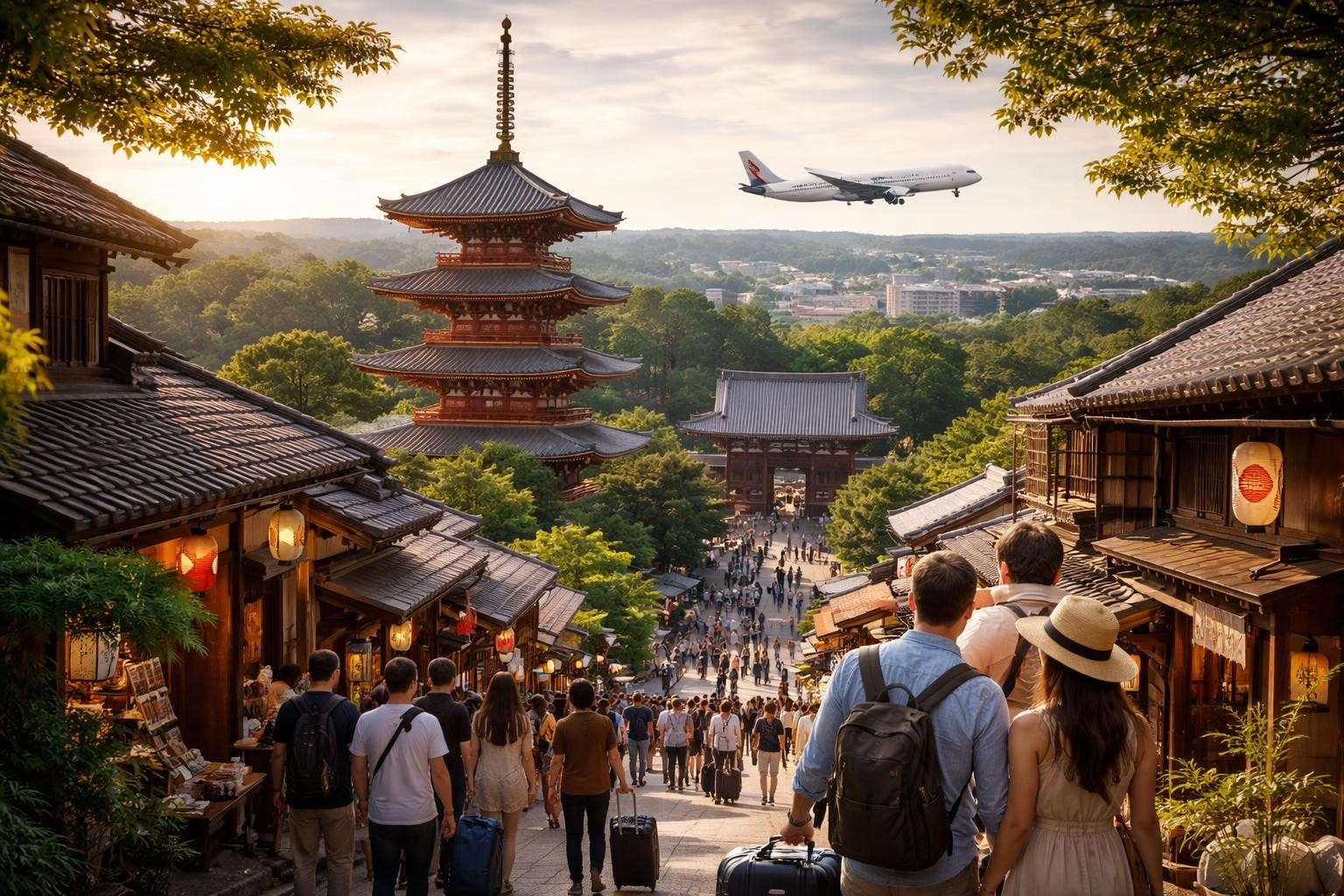
When planning a journey to Japan, most international travelers first encounter the country through Narita, a city that serves as both a literal and symbolic gateway to the nation’s wonders. Located in Chiba Prefecture, approximately 60 kilometers from central Tokyo, this historic destination offers far more than its renowned international airport. For discerning travelers seeking authentic cultural experiences and seamless luxury travel arrangements, understanding Narita’s unique position in Japan’s landscape proves essential to crafting an unforgettable journey.
Narita’s history extends back over a millennium, centered around the magnificent Naritasan Shinshoji Temple, founded in 940 AD. This sacred Buddhist temple has attracted pilgrims and visitors for more than a thousand years, creating a spiritual atmosphere that permeates the entire city. The temple complex features stunning traditional architecture, meticulously maintained gardens, and peaceful walking paths that transport visitors to another era.
The city’s development accelerated dramatically with the establishment of Narita International Airport in 1978. According to Britannica’s comprehensive overview, this transformation positioned the city as Japan’s primary international aviation hub, fundamentally changing its economic and cultural landscape while preserving its historical essence.
The approach to Naritasan Shinshoji Temple follows Omotesando, a charming street lined with traditional shops, restaurants, and establishments that have served visitors for generations. Walking these historic pathways offers an immediate immersion into Japanese culture, where artisans craft traditional goods and family-owned restaurants prepare regional specialties using centuries-old recipes.
Key attractions along Omotesando include:

Narita International Airport stands as one of the world’s premier aviation facilities, handling approximately 40 million passengers annually. The airport’s three terminals provide exceptional amenities, from luxury shopping boutiques to Michelin-starred dining establishments, ensuring that even your arrival or departure becomes part of your premium Japan experience.
Terminal facilities showcase Japanese hospitality at its finest, offering prayer rooms, shower facilities, spa services, and even traditional Japanese gardens for relaxation between flights. The airport’s commitment to passenger comfort and convenience reflects the broader Japanese dedication to omotenashi, the spirit of selfless hospitality.
Modern travelers arriving at the airport have multiple sophisticated transportation options connecting them to Tokyo and beyond. The Narita Express (N’EX) provides direct rail service to major Tokyo stations, offering comfortable reserved seating and luggage storage in approximately one hour.
| Transportation Option | Travel Time to Tokyo | Comfort Level | Best For |
|---|---|---|---|
| Private Car Service | 60-90 minutes | Luxury | Discerning travelers with luggage |
| Narita Express | 53-60 minutes | Premium | Solo or couple travelers |
| Limousine Bus | 75-120 minutes | Comfortable | Budget-conscious groups |
| Skyliner | 36-44 minutes | Express | Time-sensitive travelers |
For luxury travelers who prioritize comfort and privacy, bespoke private travel services offer personalized airport transfers with professional chauffeurs, luxury vehicles, and seamless coordination from arrival through your entire journey.
Many international visitors overlook Narita’s cultural offerings in their rush to reach Tokyo or other destinations. However, spending time exploring this historic city provides authentic Japanese experiences away from the tourist crowds that pack major metropolitan areas.
The Naritasan complex itself requires several hours to appreciate fully. The main hall, Great Pagoda, and surrounding gardens demonstrate traditional Japanese religious architecture and landscaping principles. Visitors can participate in Buddhist ceremonies, receive blessings from monks, or enjoy the peaceful atmosphere that has drawn spiritual seekers for over a millennium.
Narita hosts several significant festivals throughout the year, offering visitors unique opportunities to witness traditional Japanese celebrations. The Narita Gion Festival, held annually in July, features elaborate processions with traditional floats, music, and dance performances that date back hundreds of years.
Annual festivals include:
These cultural events provide windows into Japanese traditions that remain vibrant in contemporary society, offering experiences that transcend typical tourist activities.

The Narita region boasts distinctive culinary traditions that reflect both its historical significance as a pilgrimage destination and its agricultural bounty. The area’s specialty, unagi (freshwater eel), has been prepared according to traditional methods for centuries, creating a culinary experience that exemplifies Japanese attention to detail and technique.
Traditional unagi restaurants along Omotesando have perfected their craft across multiple generations. The preparation process involves careful selection, precise grilling techniques, and proprietary sauce recipes that families guard closely. Each establishment offers slight variations in preparation style, creating opportunities for culinary exploration.
Chiba Prefecture, where Narita is located, provides exceptional agricultural products, including premium rice, fresh vegetables, and high-quality seafood from nearby coastal areas. Local restaurants emphasize seasonal ingredients, preparing dishes that reflect Japan’s agricultural calendar and the principle of shun, which holds that foods are best eaten at their peak of freshness.
The region’s sake breweries also merit attention. Several establishments around Narita maintain traditional brewing methods, creating sake varieties that pair beautifully with local cuisine. Many breweries welcome visitors for tours and tastings, providing insight into this essential aspect of Japanese culinary culture.
Beyond its own attractions, Narita serves as an excellent base for exploring eastern Japan’s diverse regions. The city’s location provides convenient access to multiple destinations that showcase different aspects of Japanese culture and landscape.
Day trips from Narita can include visits to historic Sawara, a beautifully preserved merchant town with canals and traditional architecture, or Kashima Shrine, one of Japan’s most ancient and revered Shinto sites. The coastal areas of Chiba Prefecture offer beautiful beaches, fresh seafood, and scenic ocean views.
For travelers beginning their Japanese journey, exploring Tokyo’s diverse neighborhoods becomes effortless from Narita. The city’s transportation infrastructure ensures smooth connections to the capital’s major districts, from the traditional atmosphere of Asakusa to the contemporary energy of Shibuya.
Accessible destinations from Narita include:
This strategic positioning allows travelers to design itineraries that maximize their time while maintaining access to both urban sophistication and natural beauty.
While many travelers view Narita purely as a transit point, the city offers sophisticated accommodation options suitable for discerning visitors. Several luxury hotels near the airport offer exceptional service, spa facilities, and fine-dining restaurants showcasing both Japanese and international cuisine.
These establishments cater specifically to travelers seeking comfort before or after long international flights, offering late check-in flexibility, early morning airport transfers, and amenities designed for rest and rejuvenation. Some properties feature traditional Japanese baths, allowing guests to experience onsen culture without traveling to remote hot spring destinations.

The evolution of luxury travel services around Narita reflects increasing demand from sophisticated international visitors who value personalized attention and seamless experiences. Private lounge access, expedited immigration services, and dedicated concierge support transform the arrival and departure experience.
For those seeking comprehensive support, specialized services for Narita visitors can arrange everything from airport meet-and-greet services to cultural experiences in the temple district, ensuring every aspect of your time reflects your preferences and interests.
Incorporating Narita into your Japanese itinerary requires thoughtful consideration of timing, interests, and overall travel objectives. Many travelers benefit from spending at least one night in the area, either at the beginning or end of their journey, to adjust to the time difference and experience the city’s cultural offerings.
The comprehensive airport history reveals how this facility has grown to accommodate increasing international travel while maintaining operational excellence. Understanding this evolution provides context for appreciating the sophisticated infrastructure that serves millions of visitors annually.
| Season | Advantages | Considerations |
|---|---|---|
| Spring | Cherry blossoms, pleasant weather | Peak tourist season, higher prices |
| Summer | Vibrant festivals, long daylight | Hot and humid conditions |
| Autumn | Stunning foliage, comfortable temperatures | Popular season, booking essential |
| Winter | Fewer crowds, winter illuminations | Cold weather, shorter days |
Each season offers distinct advantages depending on your priorities and preferences. Spring and autumn typically offer the most comfortable weather, while summer festivals offer unique cultural experiences despite the heat and humidity.
What distinguishes Narita from typical airport cities is its successful balance between modern infrastructure and historical preservation. The juxtaposition of ancient temples and cutting-edge aviation facilities creates a unique environment where tradition and innovation coexist harmoniously.
This balance reflects broader Japanese cultural values that honor heritage while embracing progress. Walking from the contemporary airport terminals to the centuries-old temple complex demonstrates how Japan maintains its cultural identity while participating fully in the global community.
For international travelers, this transition offers immediate insight into Japan’s distinctive culture. The attention to detail visible in both airport operations and temple maintenance reveals shared principles of excellence and respect that permeate Japanese society.
High-end travelers visiting Narita should consider several factors that enhance comfort and maximize the experience. Currency exchange services at the airport offer competitive rates, and ATMs throughout the city accept international cards, though carrying some cash remains advisable for traditional shops and restaurants.
English signage throughout the airport and major areas proves generally adequate, though learning basic Japanese phrases demonstrates respect and often elicits warmer interactions from locals. Many establishments in the temple district have limited English capabilities, adding authenticity to the cultural experience.
Essential practical tips include:
These preparations ensure smooth experiences and allow you to focus on enjoying rather than managing logistics.
Viewing Narita solely as a transit point misses opportunities for cultural enrichment and authentic Japanese experiences. Even travelers with tight schedules can incorporate meaningful encounters with Japanese culture, cuisine, and hospitality by allocating a few extra hours to explore the area.
The city’s proximity to Tokyo makes it an ideal starting or ending point for comprehensive Japanese journeys. Beginning your trip with Narita’s temples and traditional atmosphere provides a cultural context that enriches subsequent experiences throughout the country. Concluding your journey there offers opportunities for reflection and final authentic encounters before returning home.
For travelers seeking to understand Japan beyond surface-level tourist experiences, Narita demonstrates how the country honors its past while building its future. This perspective proves invaluable for appreciating the complexity and depth of Japanese culture during your broader journey.
Narita represents far more than an airport gateway; it offers cultural depth, culinary excellence, and authentic Japanese experiences that enrich any journey to this remarkable country. Whether you’re beginning an extensive exploration of Japan or concluding a transformative journey, taking time to appreciate this historic city’s unique character adds meaningful dimensions to your travels. For discerning travelers seeking seamless, personalized experiences that honor both Japan’s heritage and your individual preferences, Japan Royal Service specializes in crafting bespoke itineraries that transform every moment into an unforgettable encounter with Japanese culture, from your first steps in Narita through your entire journey across this extraordinary nation.