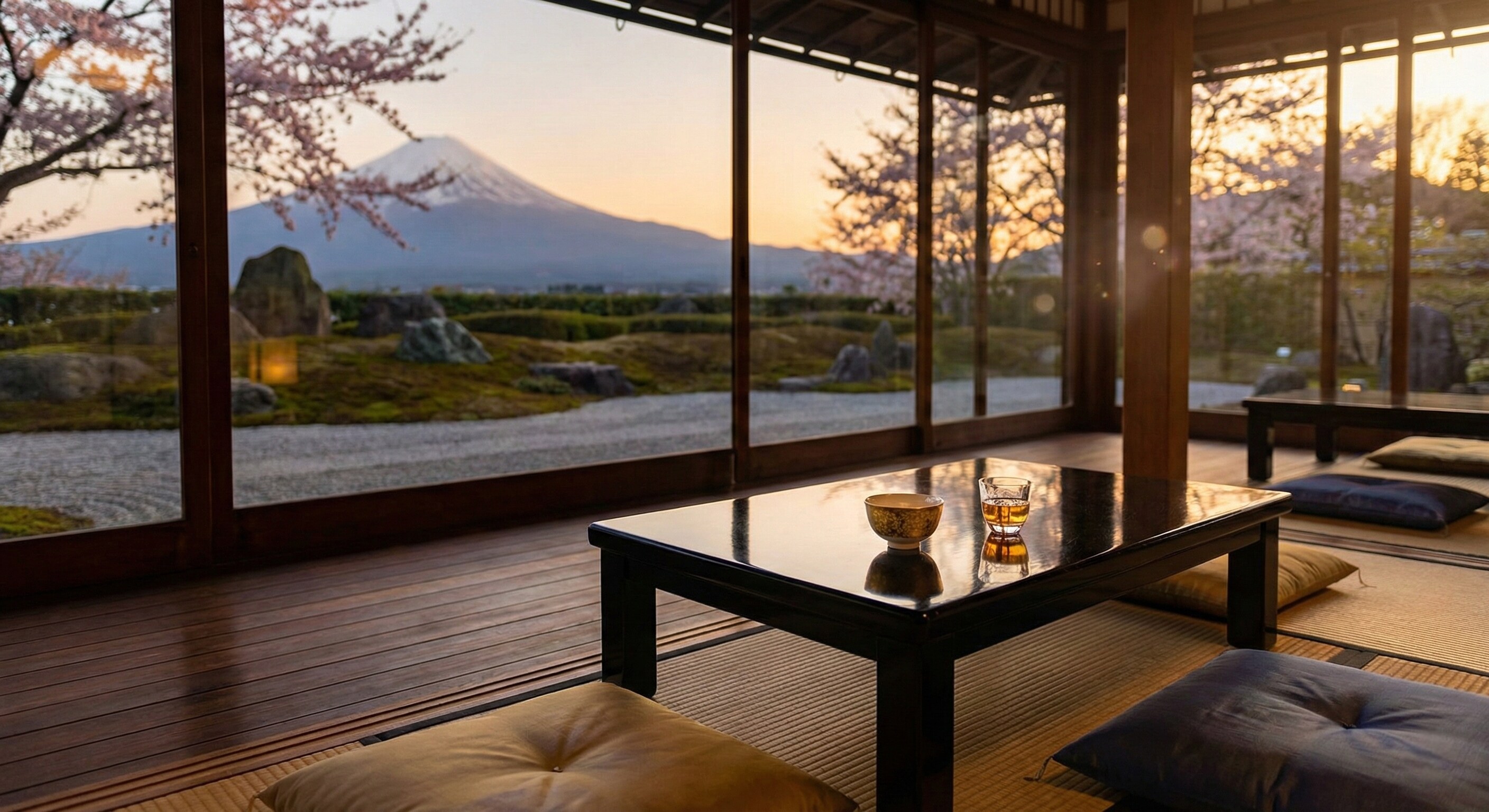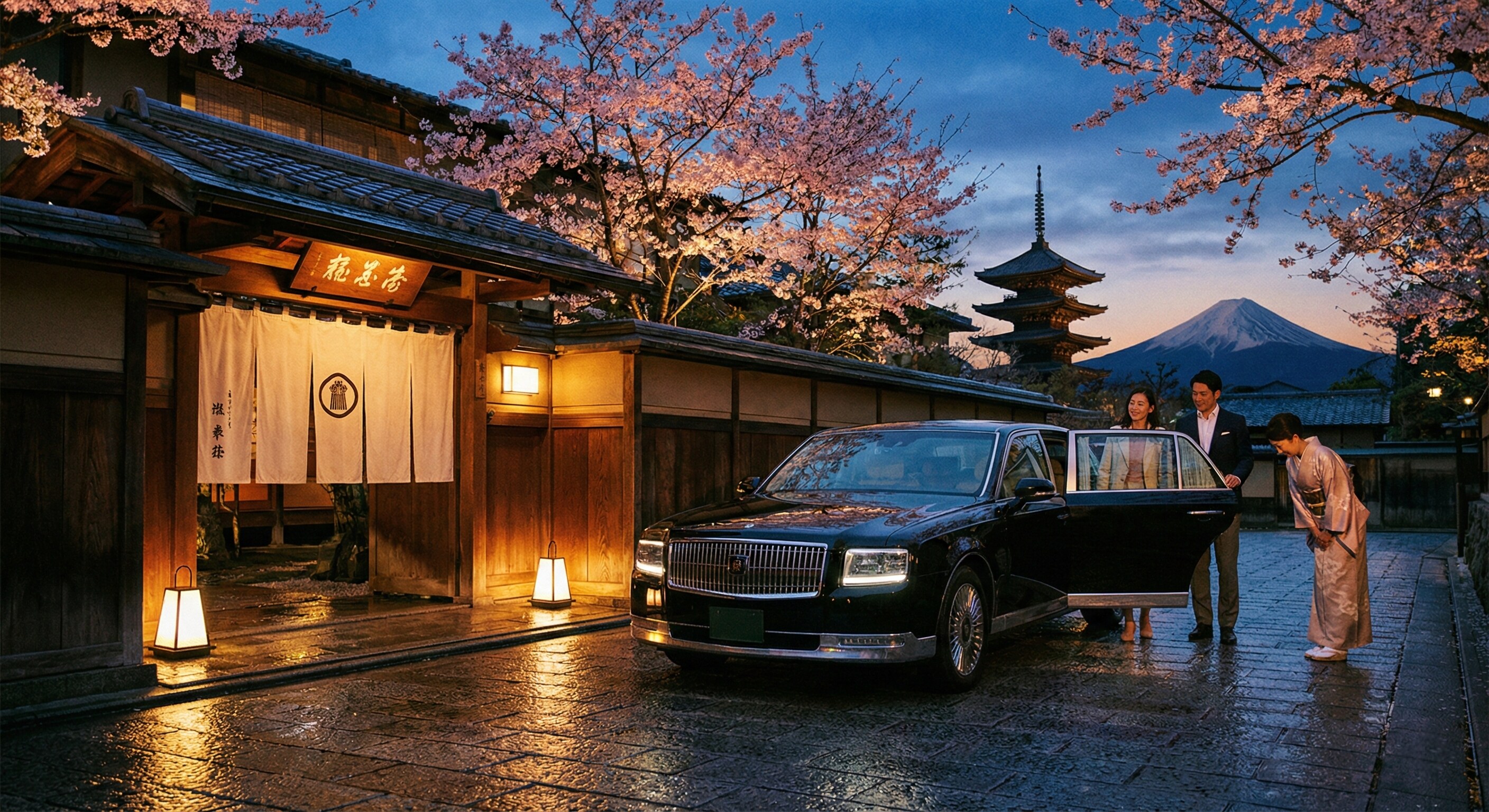
Every spring, Japan transforms into a breathtaking canvas of pink and white as millions of cherry blossoms bloom across the archipelago. This natural phenomenon inspires one of the country's most beloved traditions: sakura matsuri, or cherry blossom festivals. These celebrations represent far more than admiring beautiful flowers. They embody centuries of Japanese philosophy about impermanence, renewal, and the delicate beauty of fleeting moments. For luxury travelers seeking authentic cultural immersion, sakura matsuri offers an unparalleled window into Japanese traditions, combining natural splendor with vibrant festivals, traditional performances, and culinary excellence.
The Cultural Significance of Cherry Blossom Festivals
Sakura matsuri holds profound meaning within Japanese culture, extending beyond simple appreciation of spring flowers. The cherry blossom, or sakura, symbolizes the transient nature of life-a concept deeply rooted in Buddhist philosophy. The flowers bloom spectacularly for only one to two weeks before their petals scatter, creating a poignant reminder of life's ephemeral beauty.
Historical Roots and Evolution
The tradition of hanami, or flower viewing, dates back over a thousand years to the Heian period (794-1185). Initially reserved for the imperial court and aristocracy, these gatherings gradually spread throughout society. The Japanese American Association of New York recognizes sakura matsuri as a powerful symbol of cultural exchange and friendship, demonstrating how this tradition has transcended borders.
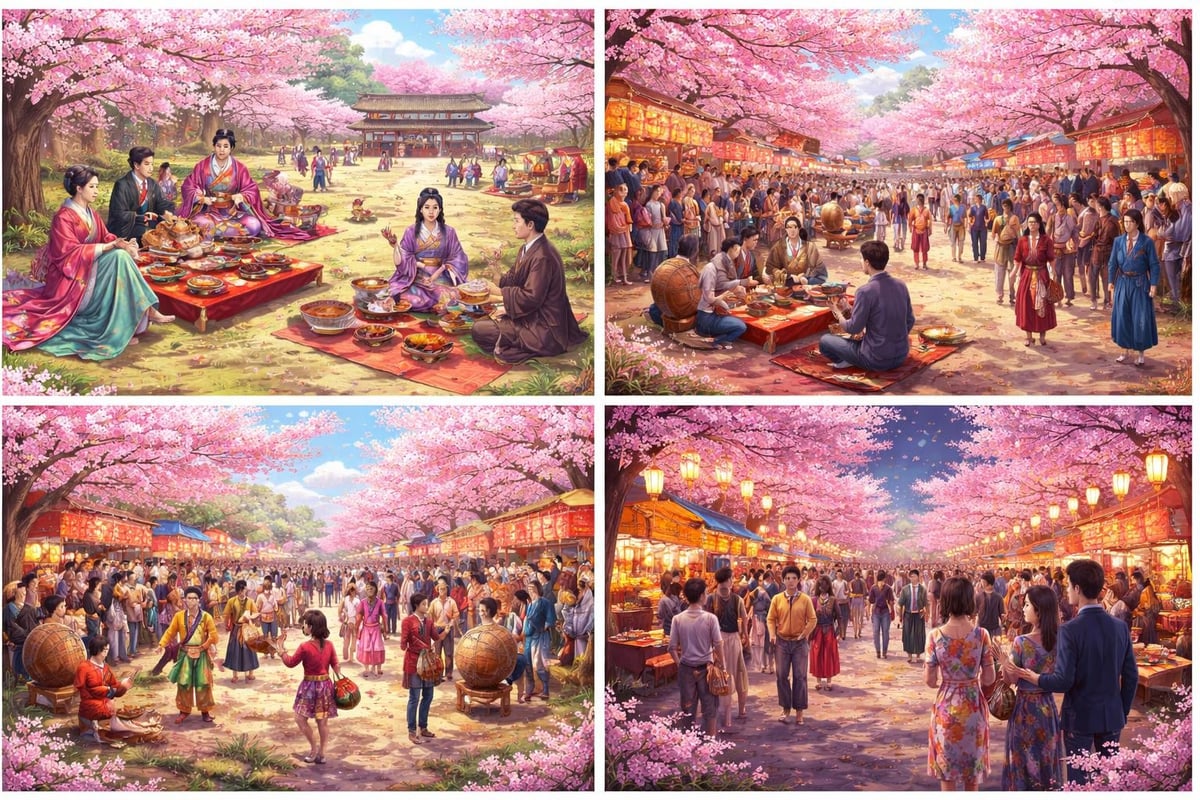
During the Edo period (1603-1868), cherry blossom viewing became democratized, with common people joining samurai and nobles in celebrating under the blooming trees. This evolution transformed personal contemplation into community festivals featuring:
- Traditional music and dance performances
- Food and sake vendors
- Poetry competitions and artistic displays
- Evening illuminations creating ethereal nighttime experiences
- Religious ceremonies at Shinto shrines and Buddhist temples
Regional Sakura Matsuri Celebrations Across Japan
Japan's diverse geography creates a cherry blossom season that travels from south to north, beginning in late January in Okinawa and concluding in May in Hokkaido. Each region celebrates sakura matsuri with distinct local character and traditions.
Tokyo's Premier Cherry Blossom Festivals
The capital hosts numerous sakura matsuri events, with Ueno Sakura Matsuri standing as one of the most famous. Ueno Park contains over 1,000 cherry trees representing multiple varieties, creating waves of blooms throughout March and April.
Major Tokyo Sakura Matsuri Locations:
| Location | Trees | Special Features | Best Viewing Period |
|---|---|---|---|
| Ueno Park | 1,000+ | Festival stalls, traditional performances | Late March – Early April |
| Chidorigafuchi | 260 | Night illuminations, boat rentals | Late March – Early April |
| Shinjuku Gyoen | 1,000+ | Multiple species, extended season | Late March – Late April |
| Meguro River | 800 | 4km tunnel of blossoms | Late March – Early April |
Tokyo's festivals combine traditional elements with modern urban energy, offering discerning travelers both authentic cultural experiences and contemporary comforts. Premium viewing locations often provide exclusive access away from crowds, enhanced by expert guides who explain the cultural nuances.
Kyoto's Traditional Celebrations
As Japan's ancient capital, Kyoto approaches sakura matsuri with reverence for tradition and aesthetics. The city's temples and shrines provide stunning backdrops for cherry blossoms, creating scenes that have inspired artists and poets for centuries.
Maruyama Park hosts one of Kyoto's most celebrated festivals, centered around a magnificent weeping cherry tree that becomes illuminated after dark. The Philosopher's Path, a canal-side walkway lined with hundreds of cherry trees, offers a contemplative alternative to crowded festival grounds.
Regional Hidden Gems
Beyond major cities, regional sakura matsuri festivals offer intimate experiences showcasing local culture. The Fujiyoshida Sakura Matsuri at Arakurayama Sengen Park presents the iconic view of cherry blossoms with Mount Fuji and the Chureito Pagoda-a composition that epitomizes Japanese aesthetics.
The Tsuruoka Sakura Matsuri in Yamagata Prefecture combines natural beauty with samurai history, as Tsuruoka Park was once the grounds of a powerful feudal lord's castle. Similarly, Tambasasayama’s annual celebration emphasizes the city's dedication to cherry blossom preservation alongside spring culinary festivals.
Essential Sakura Matsuri Experiences
Attending a sakura matsuri involves more than passive observation. These festivals invite participation in time-honored traditions that connect visitors to Japanese cultural values.
The Art of Hanami
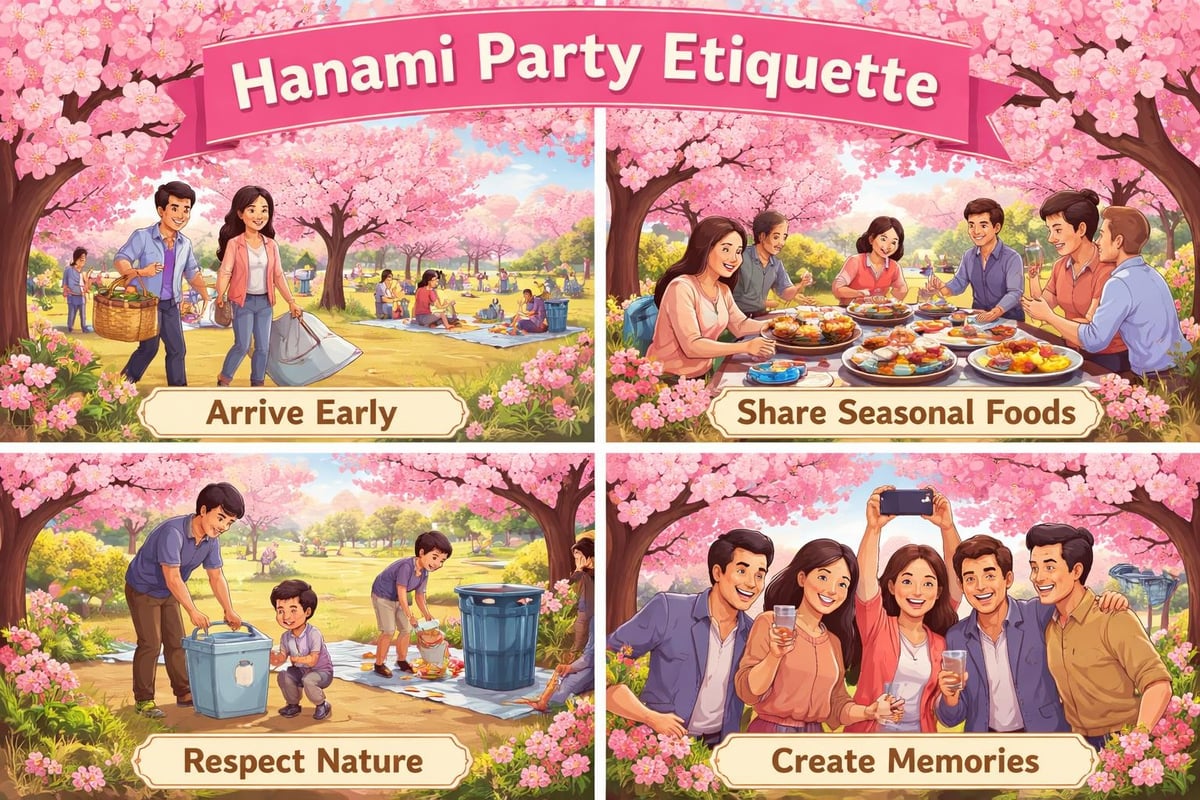
Hanami parties form the social heart of sakura matsuri celebrations. Groups gather beneath blooming trees with blankets, sharing food and drinks while appreciating the blossoms. Traditional etiquette guides these gatherings:
- Arrive early to secure prime viewing locations, especially at popular sites
- Bring appropriate refreshments including seasonal foods and sake or tea
- Respect the trees by avoiding breaking branches or damaging roots
- Maintain cleanliness by removing all trash after your gathering
- Share the space courteously with other viewers, especially during peak bloom
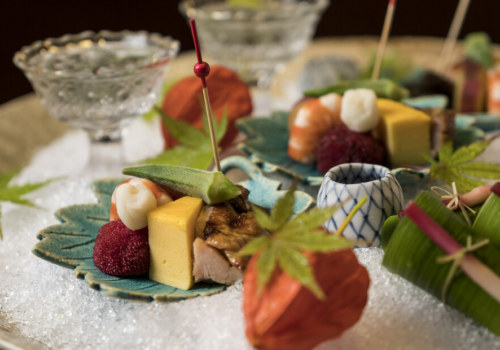
Luxury hanami experiences elevate these traditions through curated settings. Private gardens, exclusive temple access, and kaiseki meals served beneath the blossoms transform hanami into unforgettable celebrations of Japanese refinement.
Nighttime Illuminations: Yozakura
Yozakura, or night cherry blossom viewing, adds magical dimension to sakura matsuri. Strategic lighting transforms the delicate flowers into ethereal displays that appear to float in darkness. The interplay of light and shadow creates dramatically different aesthetics from daytime viewing.
Premium yozakura locations often feature:
- Professional lighting design highlighting tree architecture
- Traditional lanterns creating warm, nostalgic atmospheres
- Reflection viewing in ponds and waterways
- Extended evening hours with reduced crowds
- Cultural performances timed with illuminations
These evening experiences particularly appeal to photographers and romantic couples, offering intimate alternatives to daytime festivals.
Festival Entertainment and Performances
Sakura matsuri celebrations incorporate diverse traditional entertainment. Taiko drumming reverberates through parks, while classical dance performances demonstrate centuries-old techniques. Many festivals feature:
- Kabuki and Noh theater excerpts performed outdoors
- Traditional music using shamisen, koto, and shakuhachi
- Tea ceremonies conducted in temporary pavilions
- Calligraphy demonstrations inspired by cherry blossom themes
- Flower arrangement showcasing ikebana principles with sakura
The National Cherry Blossom Festival’s Sakura Matsuri in Washington D.C. demonstrates how these cultural elements translate internationally, featuring over 200 performers and exhibitors celebrating Japanese heritage.
Culinary Traditions of Cherry Blossom Season
Sakura matsuri coincides with special seasonal foods that appear only during cherry blossom season. These delicacies incorporate cherry blossom flavors and aesthetics, creating multi-sensory festival experiences.
Sakura-Flavored Delicacies
Japanese confectioners craft exquisite sweets highlighting cherry blossom essence. Sakura mochi, pink rice cakes wrapped in pickled cherry leaves, provides subtle floral notes balanced with sweet red bean paste. Hanami dango, colorful rice dumplings on skewers, represent the pink blossoms, white clouds, and green spring growth.
Essential Sakura Season Foods:
| Food Item | Description | Significance |
|---|---|---|
| Sakura Mochi | Pink rice cake with cherry leaf wrapper | Traditional hanami sweet |
| Hanami Dango | Tri-colored rice dumplings | Represents spring colors |
| Sakura Tea | Preserved blossoms in hot water | Ceremonial festival drink |
| Sakura Soba | Noodles infused with cherry essence | Spring seasonal specialty |
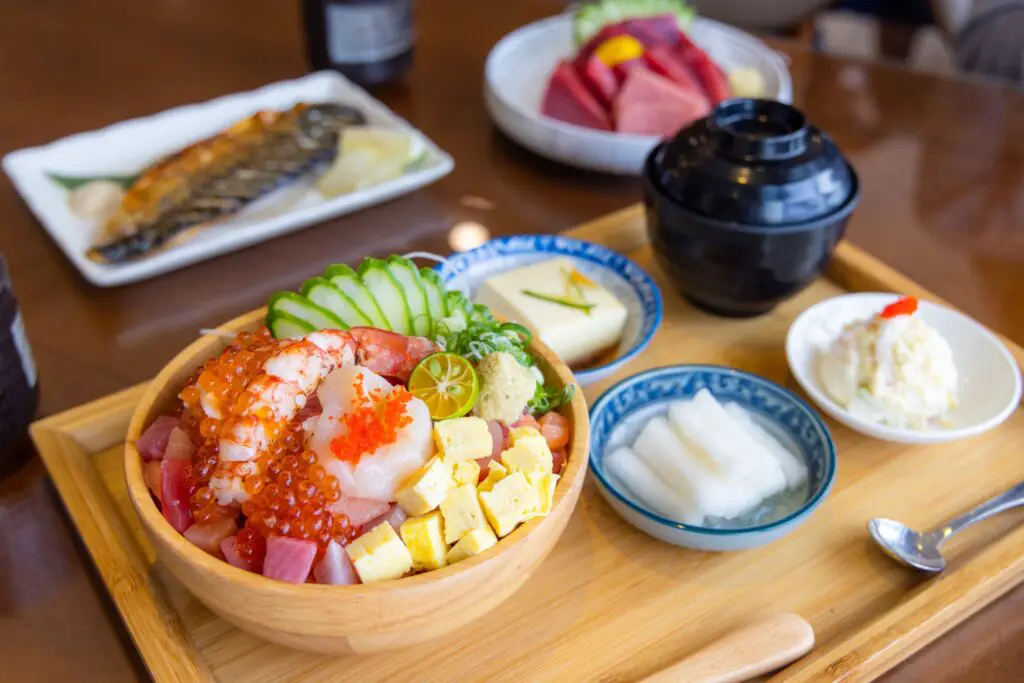
| Chirashi Sushi | Scattered sushi with seasonal ingredients | Celebration meal |
Festival Food Vendors
Sakura matsuri festivals feature yatai (food stalls) serving both traditional favorites and modern innovations. Yakitori, takoyaki, and okonomiyaki satisfy festival-goers while they appreciate the blossoms. Premium festivals may include local craft sake brewers offering seasonal varieties designed to complement spring flavors.
Planning Your Sakura Matsuri Experience
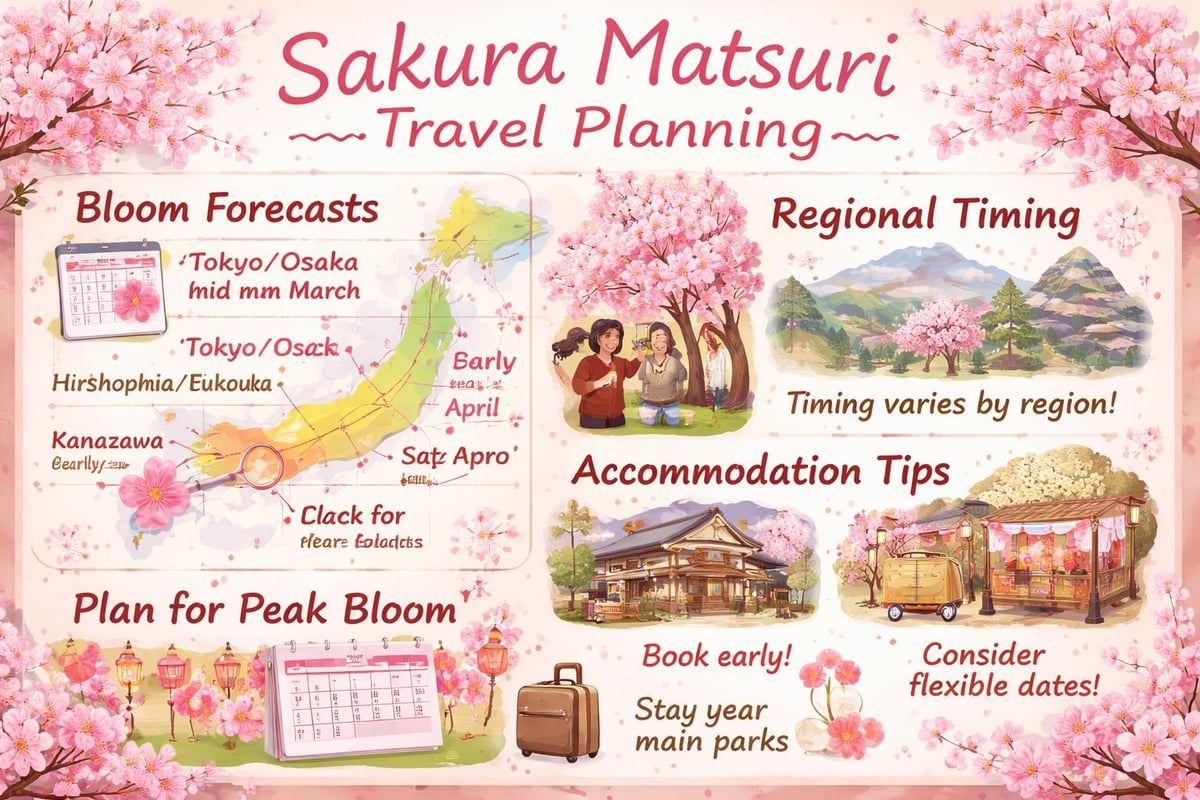
Successful cherry blossom festival attendance requires careful planning, as bloom timing varies annually based on weather conditions. The Japan Meteorological Corporation releases sakura forecasts (sakura zensen) starting in January, predicting bloom progression across the country.
Timing and Bloom Forecasts
Cherry blossoms typically follow predictable regional patterns, though climate variations create annual differences of one to two weeks. Understanding bloom stages helps optimize your visit:
- Kaika (Opening): First blossoms appear, about 20-30% bloom
- San-bu Zaki: Thirty percent bloom, building toward peak
- Go-bu Zaki: Fifty percent bloom, vibrant viewing begins
- Mankai (Full Bloom): Peak bloom at 80-100%, ideal viewing window
- Hazakura (Last Blossoms): Petals begin falling, creating "sakura snow"
Peak bloom typically lasts three to seven days, with full viewing season extending approximately two weeks. Planning flexibility proves essential, as weather significantly impacts bloom timing and duration.
Accommodation and Access Strategies
Premium sakura matsuri experiences require advance planning, particularly for accommodations near major festival sites. Luxury ryokan and hotels near famous cherry blossom locations book months ahead for peak season.
Strategic planning considerations:
- Reserve accommodations six to twelve months advance for peak dates
- Consider shoulder dates when blossoms near peak but crowds diminish
- Book transportation early, especially for regional festivals
- Arrange private guides for exclusive access and cultural interpretation
- Confirm festival schedules, as some events occur only on specific dates
International Sakura Matsuri Celebrations
The cultural significance of sakura matsuri has expanded globally, with major celebrations occurring in cities worldwide. These international festivals promote cross-cultural understanding while honoring Japanese traditions.
The Sakura Matsuri Japanese Street Festival in Washington D.C. represents the largest Japanese cultural festival in the United States, attracting over 250,000 visitors annually. This celebration commemorates the 1912 gift of 3,000 cherry trees from Tokyo to Washington, symbolizing enduring friendship between nations.
Other significant international celebrations occur in:
- Brooklyn Botanic Garden, New York
- Philadelphia's Fairmount Park
- Vancouver's Stanley Park
- Amsterdam's Amstelpark
- Paris's Parc de Sceaux
While these events honor Japanese traditions, experiencing sakura matsuri in Japan offers unmatched authenticity and cultural depth. The combination of natural settings, centuries-old traditions, and genuine cultural participation creates transformative experiences unavailable elsewhere.
Etiquette and Cultural Considerations
Respectful participation in sakura matsuri demonstrates appreciation for Japanese culture and enhances your experience. Understanding proper etiquette prevents unintentional offense while fostering meaningful cultural connections.
Viewing Etiquette Fundamentals
Japanese cherry blossom viewing follows unwritten social codes that maintain harmony and preserve the experience for all visitors. Key principles include:
- Protect the trees: Never shake branches to create petal showers or break branches for souvenirs
- Maintain quietude: Appreciate the contemplative atmosphere, especially at temples and shrines
- Queue respectfully: Wait patiently for photography opportunities at popular spots
- Dispose of waste properly: Use designated receptacles or carry trash with you
- Respect reserved spaces: Blue tarps mark spots claimed for hanami parties
Photography Considerations
Cherry blossom photography attracts enthusiasts worldwide, but considerate practices ensure everyone enjoys viewing opportunities. Professional tripods may be prohibited at crowded locations during peak times. When photographing people, especially in yukata or kimono, request permission respectfully.
The Philosophy of Mono no Aware
Understanding mono no aware-the bittersweet appreciation of impermanence-deepens sakura matsuri experiences. This aesthetic principle recognizes that beauty's transience makes it more precious. Cherry blossoms perfectly embody this philosophy, their brief spectacular bloom followed by gentle decline creating poignant beauty.
This concept influences Japanese art, literature, and daily life. Experiencing sakura matsuri through this philosophical lens transforms simple flower viewing into profound cultural participation. The falling petals (hanafubuki, or "flower snowstorm") often evoke stronger emotional responses than peak bloom, as they dramatically demonstrate the passage of time and life's ephemeral nature.
Luxury Sakura Matsuri Experiences
Discerning travelers can access exclusive sakura matsuri experiences that transcend typical tourist activities. These curated opportunities provide intimate cultural immersion while maintaining comfort and refinement.
Premium sakura experiences include:
- Private early-morning access to famous temples before public opening
- Kaiseki dinners in traditional ryokan gardens during peak bloom
- Helicopter tours viewing cherry blossom coverage across regions
- Traditional tea ceremonies in historic teahouses surrounded by sakura
- Exclusive nighttime illumination viewings with cultural performances
- Photography workshops led by renowned Japanese photographers
These elevated experiences honor the cultural significance of sakura matsuri while accommodating the preferences of luxury travelers who value authenticity, exclusivity, and expert curation.
Regional Seasonal Variations
Japan's extended geography creates a remarkably long cherry blossom season, allowing flexible planning for sakura matsuri experiences. Understanding regional variations enables travelers to witness multiple celebrations or extend their viewing season.
Southern Regions: Early Blooms
Okinawa's cherry blossoms (primarily the darker pink Ryukyu kan-hizakura variety) bloom as early as mid-January. These early festivals offer unique experiences distinct from the later Somei Yoshino blooms that dominate most Japanese celebrations.
Central Japan: Classic Viewing
Tokyo, Kyoto, and Osaka experience peak bloom typically between late March and mid-April. These timing windows align with school year transitions and new beginnings, adding cultural significance to the celebrations.
Northern Regions: Extended Season
Hokkaido's cherry blossoms bloom from late April through mid-May, offering final opportunities to experience sakura matsuri. The northern climate creates distinct viewing conditions with often fewer crowds than southern festivals.
Sakura matsuri represents one of Japan's most enchanting cultural celebrations, combining natural beauty with profound philosophical meaning and centuries of tradition. Whether experiencing the vibrant festivals of Tokyo, the refined aesthetics of Kyoto's temple gardens, or the intimate charm of regional celebrations, these cherry blossom festivals offer transformative insights into Japanese culture. Japan Royal Service specializes in creating bespoke sakura matsuri experiences that provide exclusive access to Japan's most spectacular cherry blossom locations, private cultural encounters, and luxury accommodations timed perfectly with peak bloom, ensuring your cherry blossom journey becomes an unforgettable celebration of Japanese beauty and tradition.