
LINE ID japanroyalservice
+817013781777 click here
+817013781777 click here
LINE ID japanroyalservice
+817013781777 click here
+817013781777 click here
Kyoto rewards patience—but most visitors are rushed by crowds, fixed tour routes, and “must-see” checklists that leave little room for the quiet, human Kyoto you came for. A truly private tour in Kyoto solves a different problem: how to step gently behind the obvious and into places where the air changes—moss-dark stone, incense, the soft knock of a wooden mallet in a workshop—without feeling like you are trespassing on a living culture. This guide shows how to plan a temple tour in Japan that is refined, calm, and deeply personal, pairing hidden temples with master artisans through a cultural experience curated around your pace and interests.
Kyoto is not difficult to visit. It is difficult to enter. The difference is time, timing, and interpretation—knowing which lane to turn into, which gate to approach, and when to arrive so a temple garden feels like a private room rather than a public corridor.
For many high-net-worth travelers, the goal is not “more luxury.” It is less friction and more meaning. A private tour of Kyoto experience gives you a guide who can adjust in real time to weather, crowds, and your energy—while keeping the day unhurried and coherent.
“Hidden” does not mean secret or forbidden. In Kyoto, it usually means one of three things: places that are real and open, but overlooked; famous sites visited at the right time and via the right approach; or sub-temples and side streets that most visitors never notice because they are focused on a single photo.
Below are real, verifiable Kyoto temple sites that work beautifully for a private, high-touch day—especially when your guide can manage timing and context.
A temple tour for Japanese visitors often includes the famous names, and they can be extraordinary with the right choreography.
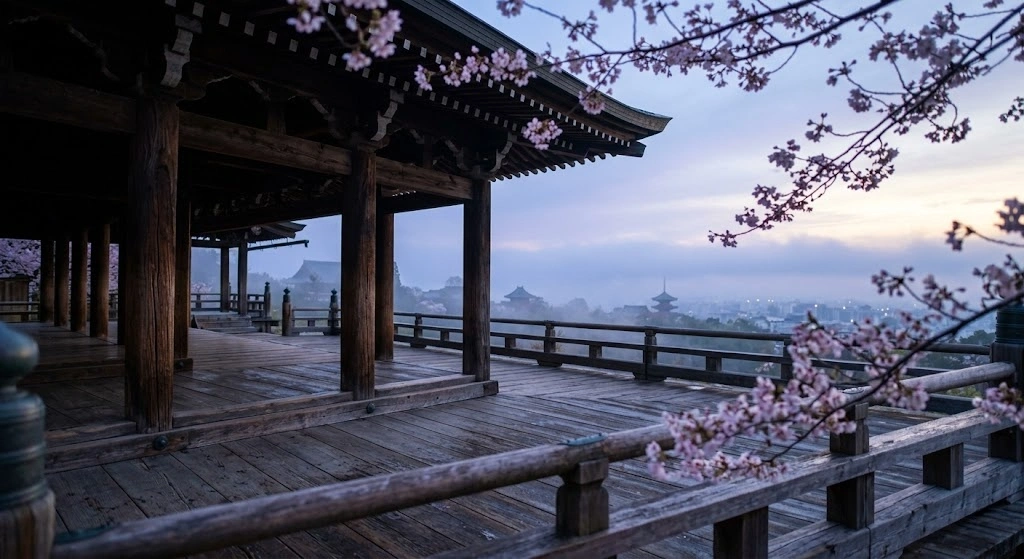
Kyoto’s crafts are not a side activity. They are the city’s living language—wood, clay, lacquer, paper, textile, and metal. The most satisfying artisan workshop is not about making something quickly; it is about understanding what “mastery” looks like in Japan.
Because availability can vary by season, schedule, and the artisan’s own commitments, the right approach is to treat artisan time as a curated appointment rather than a plug-in activity.
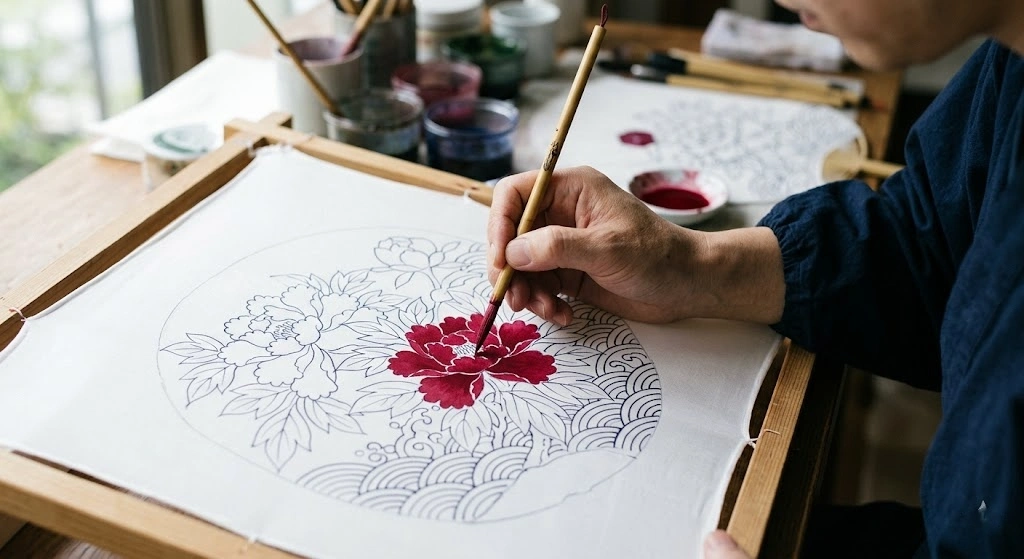
This is a practical framework you can adapt to Japan Royal Service. It keeps the day elegant and realistic—no rushing, no zig-zagging across the city, and no overload.
Start before most tour buses move. Your guide will time the first temple so you enter during its quietest window. This is not about being extreme; it is about buying calm with planning instead of paying for it with stress.
Choose two nearby temples that feel different: one garden-centered, one path-centered. The contrast keeps the morning emotionally fresh.
This is where a private guided tour shows its value. Workshops worth your time often require advance coordination, clear etiquette, and translation that respects the craft.
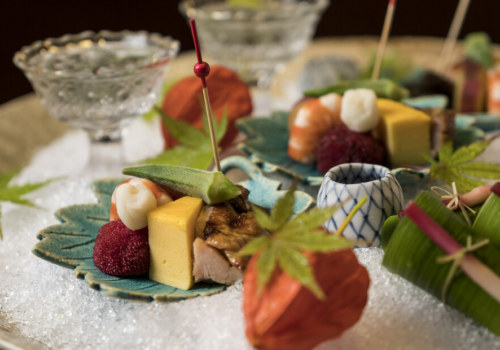
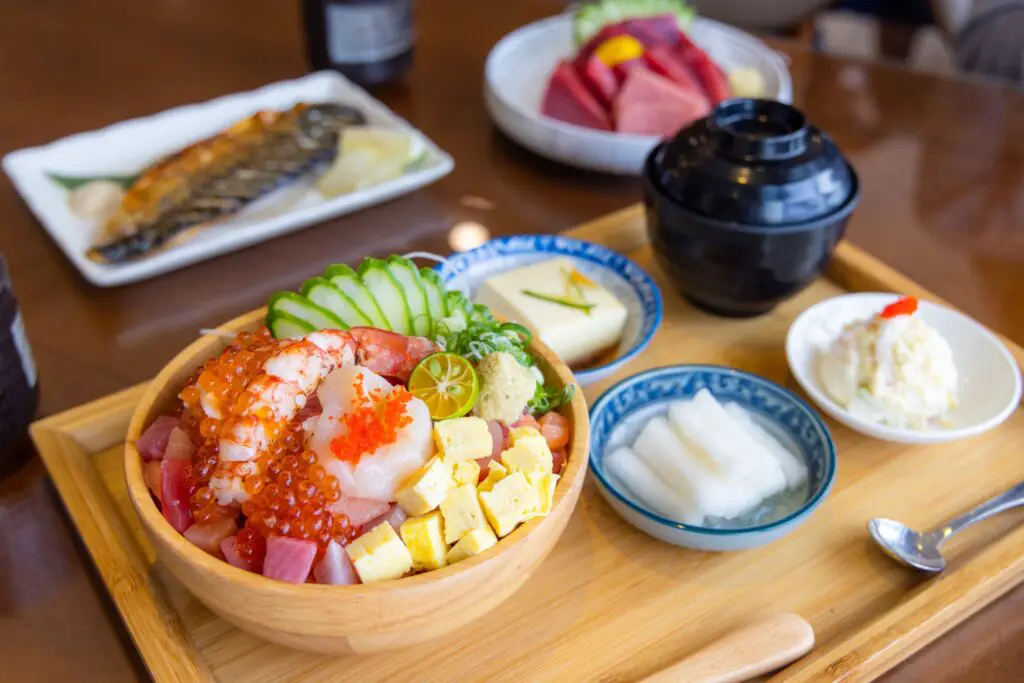
A temple-and-craft day calls for food that is seasonal, quiet, and not performative. Kyoto is the home of refined simplicity—especially when your schedule allows a calm table.
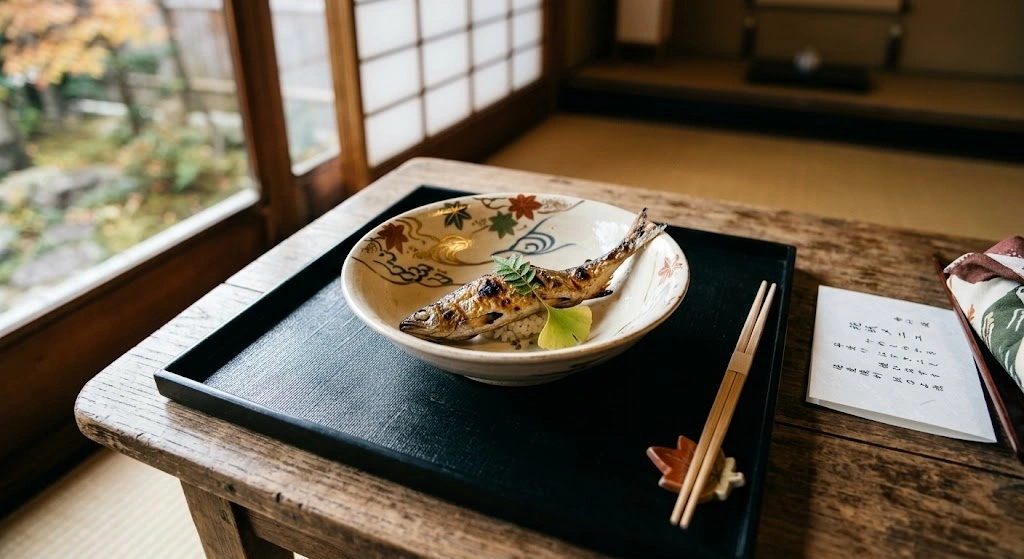
In the afternoon, choose one iconic site that matters to you and do it properly. Your guide will route you through less-crowded approaches to reduce wasted time.
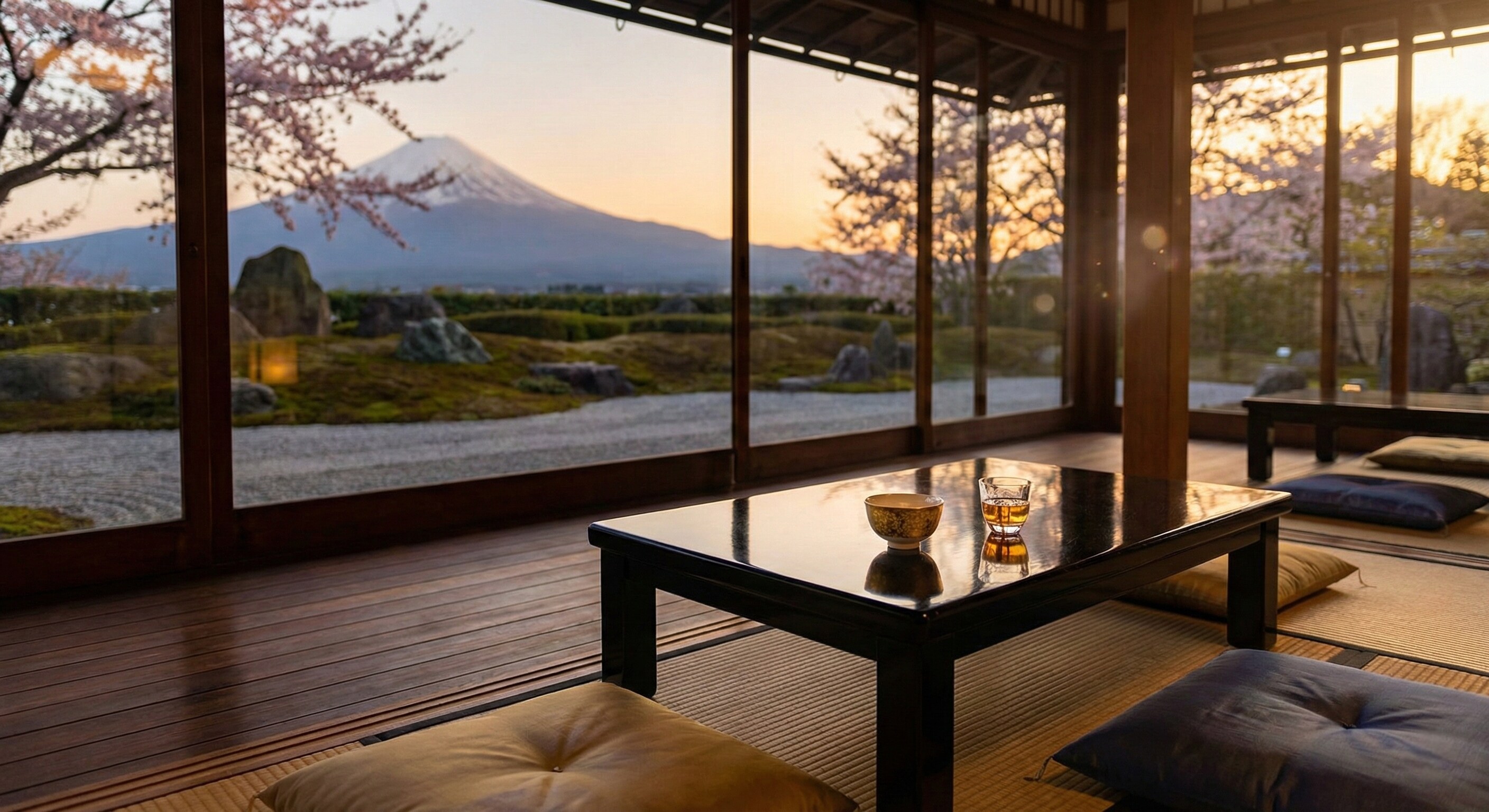
Kyoto days end best when they taper into quiet. Depending on your interests, this could be a short tea moment, a garden pause, or simply a discreet drive back to your hotel with a few curated stops for evening photos.
Kyoto is famously seasonal, but the experience changes not only by month, but also by time of day and neighborhood. Japan Royal Service plans around these nuances so your cultural experience feels natural, not crowded.
Good manners are not about formality. In Kyoto, they protect the atmosphere that makes these places worth visiting.
Many companies can sell you “a private guide.” Japan Royal Service is built for travelers who value refinement, cultural depth, and privacy—without making the day feel stiff or scripted.
Kyoto is small in the way that matters: relationships matter. Japan Royal Service treats your identity and itinerary as confidential. That includes practical discretion—minimal branding, quiet coordination, and a preference for low-friction logistics.
A private guided tour is only as good as the person leading it. Japan Royal Service matches guides not just by language but by interests —architecture, Zen gardens, craft, culinary culture, or photography—so your temple tour experience in Japan has coherence.
Competitors often run the same Kyoto loop year-round. Japan Royal Service designs your day around the season, light, and crowd rhythm. This is where Kyoto shifts from “beautiful” to “yours.”
Kyoto is full of shops that look traditional but are built for quick purchases. Japan Royal Service focuses on shokunin culture—workshops and encounters where the craft itself is central, and where etiquette and translation protect the experience for both guest and maker.
Kyoto’s taxis and buses are fine—until they interrupt the mood. With premium private transportation, your day stays quiet between stops. You do not lose energy to navigation, lines, or decision fatigue.
These details are small, but they are where luxury becomes real.
To keep the day running smoothly, Japan Royal Service typically designs routes around one main zone and one secondary stop.
To build a complete itinerary around this private tour of Kyoto experience, these Japan Royal Service resources are a useful next step:
A private guided tour of Kyoto is not about exclusivity for its own sake. It is about protecting the feeling that brought you to Japan: quiet beauty, skilled hands, and the rare comfort of being looked after without having to ask. When hidden temples are chosen with seasonality in mind, and artisan encounters are treated with respect, Kyoto stops being a list of sights and becomes a personal experience.
Japan Royal Service curates this style of travel with omotenashi, shun, shokunin access, and discretion—so your temple-tour journey in Japan feels calm, precise, and deeply Kyoto.
At Japan Royal Services, we specialize in offering a diverse range of luxury vehicles tailored to meet the unique travel needs of our esteemed clientele. Whether you prioritize spaciousness, comfort, or a harmonious blend of both, our fleet is designed to provide an unparalleled travel experience in Japan. With our wide variety of vehicles, we can tailor your travel experience to your unique needs and preferences. At Japan Royal Services, we don’t just provide transportation; we deliver a travel experience that is both luxurious and versatile, ensuring each journey with us becomes a cherished memory.
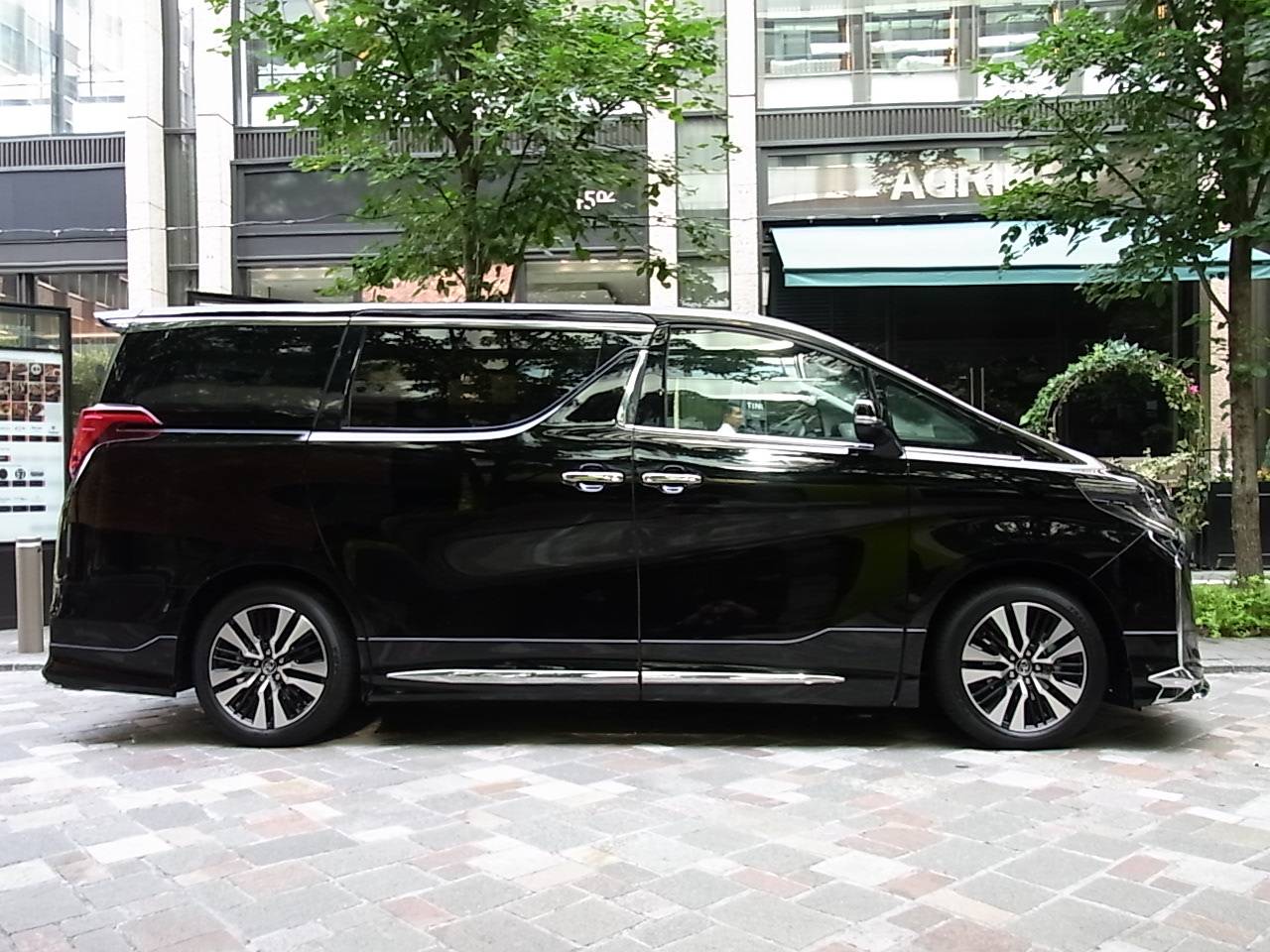
Known for its expansive and high-quality interior, the Toyota Alphard is a preferred choice for both families and business travelers. Whether you’re en route to a high-stakes business meeting or exploring Kyoto’s historic landmarks, the Alphard offers the perfect amalgamation of luxury and utility.

A sophisticated and spacious van, offering premium comfort with its luxurious interior and advanced features. Designed to accommodate up to six passengers, it ensures a relaxing journey with ample legroom and high-quality seating. Combining sleek design with top-notch performance, the Gran Ace stands out as an excellent choice for small group travel in style
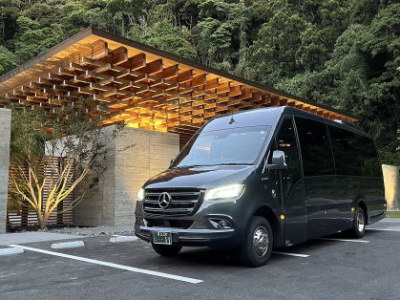
Mercedes Sprinter Van
Known for its expansive and high-quality interior, the Toyota Alphard is a preferred choice for both families and business travelers. Whether you’re en route to a high-stakes business meeting or exploring Kyoto’s historic landmarks, the Alphard offers the perfect amalgamation of luxury and utility.

The High Ace Grand Cabin is a practical and efficient vehicle, designed to comfortably accommodate groups of up to 9 passengers. Its spacious interior makes it well-suited for group travels, such as family outings or business trips.
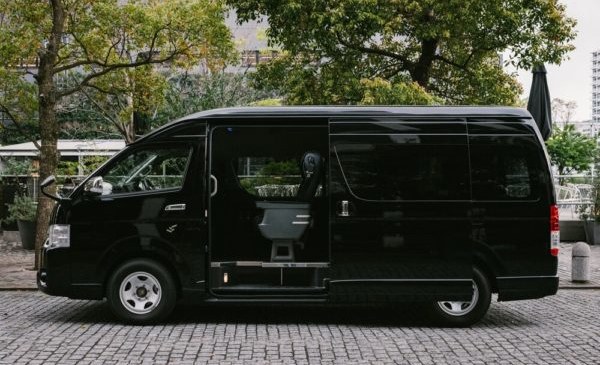
The High Ace Grand Cabin is a practical and efficient vehicle, designed to comfortably accommodate groups of up to 5 passengers. Its spacious interior makes it well-suited for group travels, such as family outings or business trips.
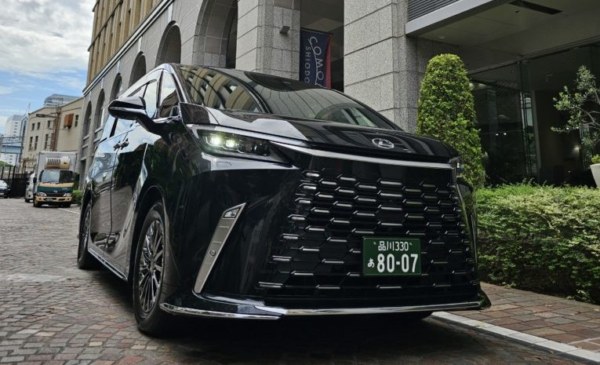
Luxury travel in Japan reaches new heights with the introduction of the Lexus LM 500, a minivan that redefines opulence on the road. Designed for the discerning traveler, this vehicle offers unparalleled comfort, cutting-edge technology, and sophisticated aesthetics. In this blog post, we will explore the key features of the Lexus LM 500, its luxurious amenities, and why it is the perfect choice for those seeking the ultimate travel experience in Japan.

Discover seamless group travel with our well-equipped microbuses, designed to offer comfort and privacy. Whether it’s a family outing or a corporate event, our microbuses deliver an efficient and personalized journey tailored to your needs.
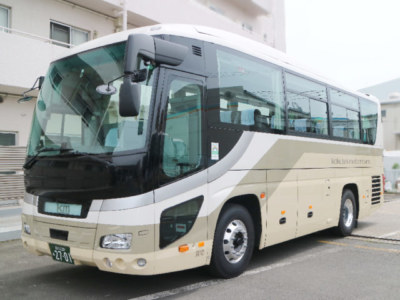
Experience the epitome of comfort and luxury as you traverse Japan’s iconic landscapes in our midsize bus, equipped with plush seating and state-of-the-art amenities. Ideal for small groups, this vehicle offers an intimate yet spacious environment for discerning travelers seeking a premium journey.
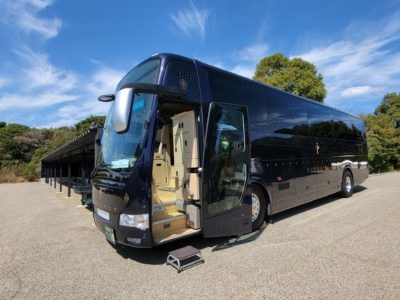
Grand Class Bus
Experience unparalleled luxury and comfort on the road with our Big Bus Hino Selega, the epitome of high-end travel. With its spacious interior, top-of-the-line amenities, and state-of-the-art technology, this coach offers an exceptional journey tailored for the discerning traveler.
TAILOR-MADE LUXURY
We specialize in customizing itineraries to meet the unique needs and preferences of each client. From arranging luxury accommodations and transportation to organizing exclusive experiences, we ensure a seamless and personalized travel experience.

LUXURY TRANSPORTATION
Travel in style with our premium car service, offering seamless transfers throughout the day in a luxurious Toyota Alphard.
EXPERT GUIDES
Our knowledgeable guides provide rich insights and cultural context, enhancing your understanding and appreciation of Japan’s heritage and natural beauty.

Contact Us Today