LINE ID japanroyalservice
+817013781777 click here
+817013781777 click here
Kobe beef is easy to say. Harder to do properly.
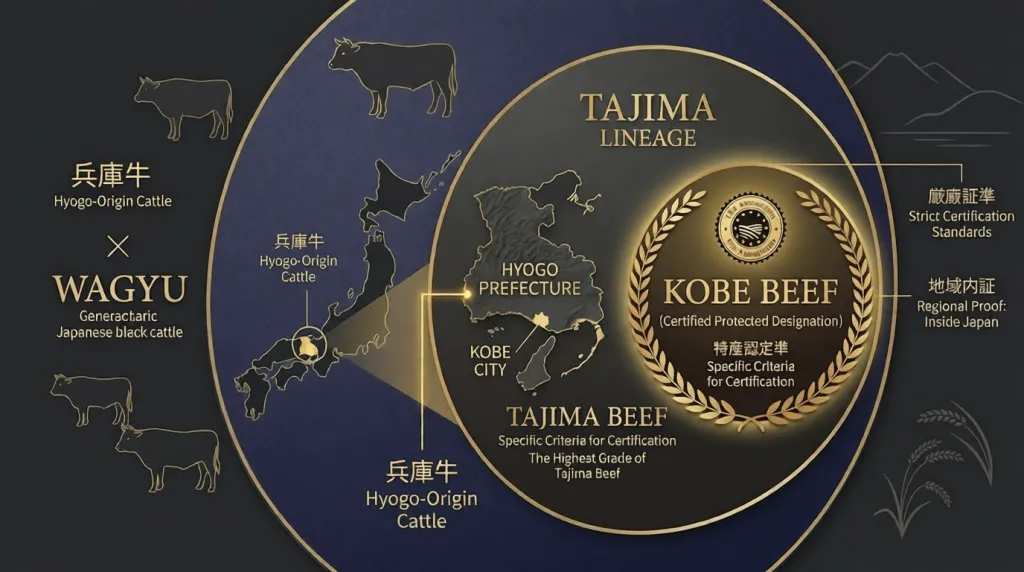
In Japan, “Kobe” is not a vibe or a menu flourish. It is a certification system tied to Hyogo Prefecture, the Tajima strain of Japanese Black cattle, and rules set by the Kobe Beef Marketing & Distribution Promotion Association.
Our team at Japan Royal Service sees the same pattern each season: travelers want the real thing, but they also want privacy, calm pacing, and a plan that doesn’t collapse the day into a single steak dinner.
Kobe beef is Wagyu from the Tajima strain of Japanese Black cattle raised in Hyogo Prefecture, certified under defined rules. That definition matters. A lot.
One word changes everything. “Kobe-style” is not the same claim.
For HNW travelers, authenticity is not trivia. It is the difference between a meal you remember for ten years and a meal you forget before the check arrives.
“Wagyu” is a broad category. “Kobe beef” is a protected, specific designation inside Japan.
Tajima is the lineage that underpins Kobe beef, and it is tied to Hyogo. You will also see “Tajima beef” referenced in Hyogo travel materials, including in rural food experiences.
Keep it simple: when you want Kobe beef, look for proof inside Japan—not just marketing outside it.
Verification is the quiet skill most travelers skip. Big mistake.
Our concierge team approaches Kobe beef the way a collector approaches provenance: we want a clear chain of trust, and we want the cues to be visible to you in the dining room.
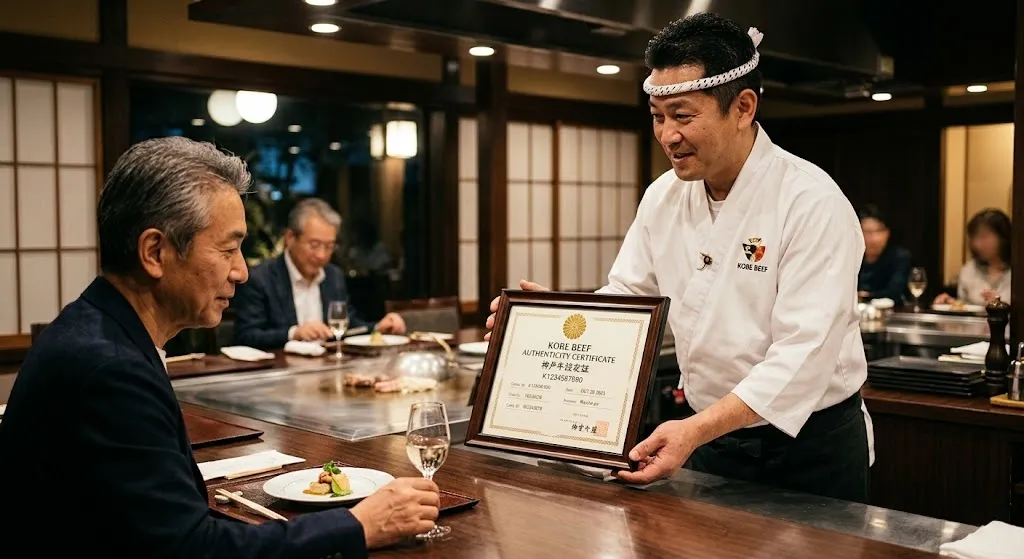
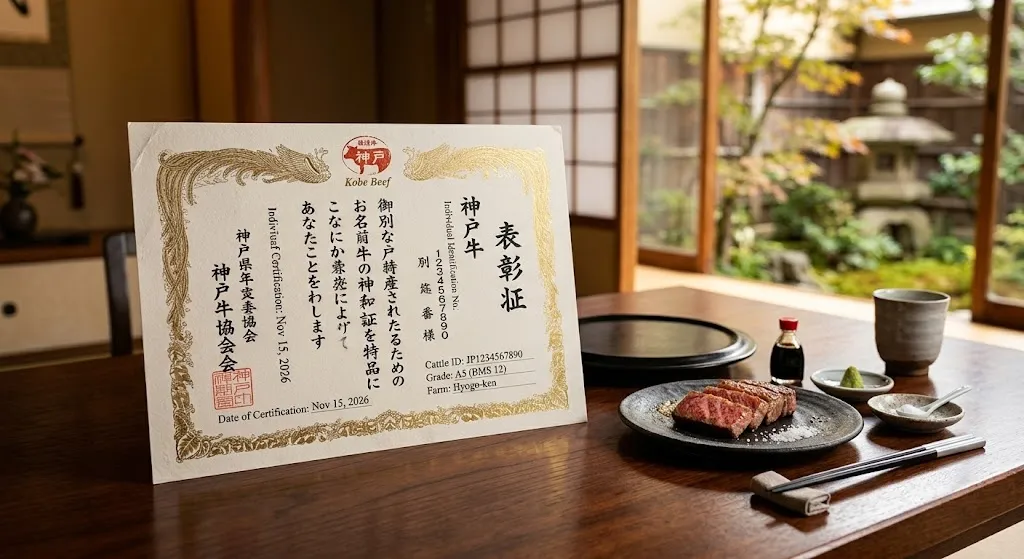
Several travel authorities and references point to an in-restaurant certification plaque as a practical signpost for authenticity.
Start with the room, not the menu. Look near the entrance, host stand, or a wall close to the main counter.
You are looking for a certification plaque displayed by the establishment. If the restaurant is proud of certified Kobe beef, this is usually not hidden.
If you don’t see anything, ask—politely and directly—what certification they display for Kobe beef.
Some signals are subtle. Others are loud.
If a menu leans on “Kobe-inspired,” “Kobe-grade,” or “Kobe style,” treat it as marketing language unless you can verify certification in Japan. Another tell: staff can’t explain what “Kobe” means beyond “premium.”
We advise guests to choose places that welcome verification. Calm confidence is a good sign.
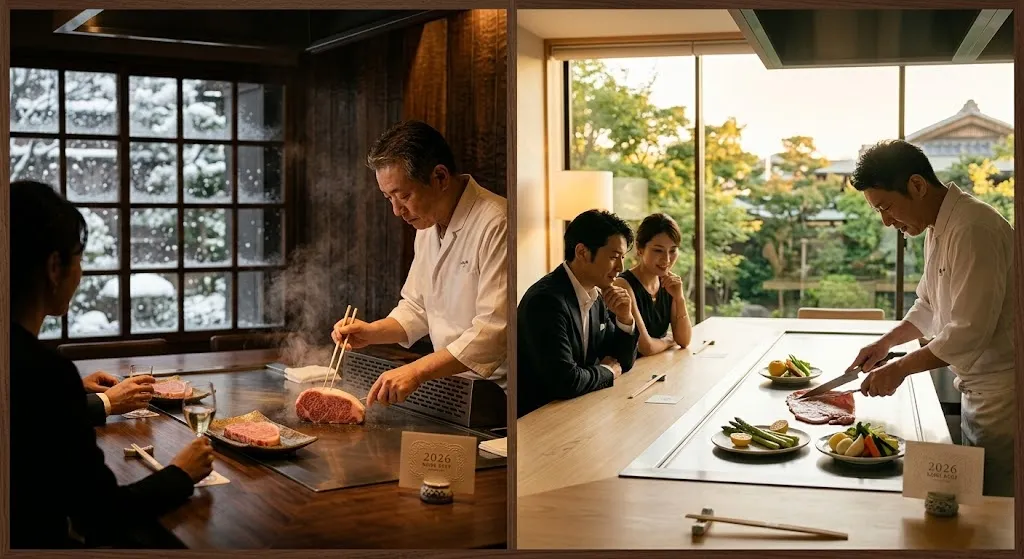
Teppanyaki is not just cooking. It’s controlled theater.
Japan-Guide notes that one of the best ways to enjoy Kobe beef is at a teppanyaki restaurant, where it is grilled on an iron plate in front of guests. That format suits Kobe beef’s appeal: aroma, timing, and a very exact finish.
It also suits HNW travel. You can keep the evening contained, elegant, and discreet.
The room is usually quiet. The heat is localized.
You should hear the blade, the iron plate, and a few short exchanges with the chef. Not much else.
This is shokunin culture in plain sight: a craft performed at close range, without a lecture.
If you want a historically grounded starting point in Kobe, Misono’s Kobe Main Store is widely referenced for its longevity. It is presented by Kobe-area visitor resources as Japan’s oldest teppanyaki restaurant, founded in 1945.
Simple. Specific. Verifiable.
It is also noted in regional directory listings for offering halal Kobe beef options for dietary restrictions. That can matter for families and corporate groups where one person’s needs set the whole table’s options.
We like to protect the room. That’s the priority.
Then we protect timing, because a rushed teppanyaki meal loses its point. Finally, we protect after-dinner flow—so you exit into Kobe’s night with composure, not into a long taxi line.
That is omotenashi as logistics: service that anticipates friction before it appears.
Not every itinerary can spare a Kobe detour. Sometimes you’re in Kyoto for two nights, or you’re threading meetings through Tokyo.
In 2026, the demand signal is clear: inbound-focused Kobe-beef concepts are expanding in high-traffic cities, including a reported Kobe-beef steak concept opening a second location in Kyoto’s Sanjo Keihan area on 2026-05-01 (per a PR Times release).
So yes, you can plan for Kobe beef outside Kobe. But you should stay strict on verification.
We treat “location” as flexible. Certification is not.
When guests ask our team at Japan Royal Service where to eat Kobe beef in Kyoto or Tokyo, we start by discussing how to confirm authenticity on-site (including visible certification cues), then align the choice with the evening’s purpose: celebration, client hosting, or a quiet family dinner.
For tailored guidance matched to your dates and preferences, guests can contact our concierge privately.
Kobe beef tastes best when the day around it makes sense. Hyogo is built for that.
Hyogo luxury tourism materials explicitly bundle the idea of a private Kobe beef dinner course paired with sake. That pairing is not a gimmick; it’s a way to frame the beef through another craft system—fermentation, water, rice, time.
Add onsen, and you get something rarer: a high-end food experience that doesn’t feel “busy.”
Arima Onsen is the classic close option from Kobe. Kinosaki Onsen is the deeper reset.
If your trip is short, Arima can work as a calm punctuation mark. If you can spare nights, Kinosaki becomes a slower chapter, especially when crowds peak in Kyoto.
Shun matters here: the best rhythm depends on month, weather, and daylight.
Hyogo is bigger than the city. Good news.
Visit Kinosaki publishes a “Kannabe Highlands BBQ” tour package, and it states that Tajima beef is the original name of Kobe beef; the page shows 2026/05/01-dated information. This is useful if you want a countryside counterpoint to a formal teppanyaki counter.
For families, it can be a reset button: open air, simpler pacing, and fewer stakes than a white-tablecloth room.
Kobe beef is available year-round. Your enjoyment isn’t.
Shun, in travel terms, is about choosing the month when the whole day supports the meal: temperature, crowds, walking comfort, and how much time you can spare without feeling pressed.
In our experience at Japan Royal Service, the meal lands best when you are not sweating through a long queue or squeezing dinner between crowded temples.
Cooler months often suit richer flavors and longer dinners. Hotter months can call for lighter pacing and earlier start times.
It’s not about rules. It’s about your energy.
Tell our concierge how you like to dine—early, late, slow, or brisk—and we’ll shape guidance around that temperament.
Fame attracts noise. Discretion filters it out.
For HNW guests, the goal is not to be seen. It is to feel unbothered.
We suggest aiming for earlier seatings, choosing counters or private rooms when available, and keeping transport predictable so you never hover at a curb.
In Kobe and across Kansai, our team often sees dinners run long. That’s not a problem—if your car plan can flex.
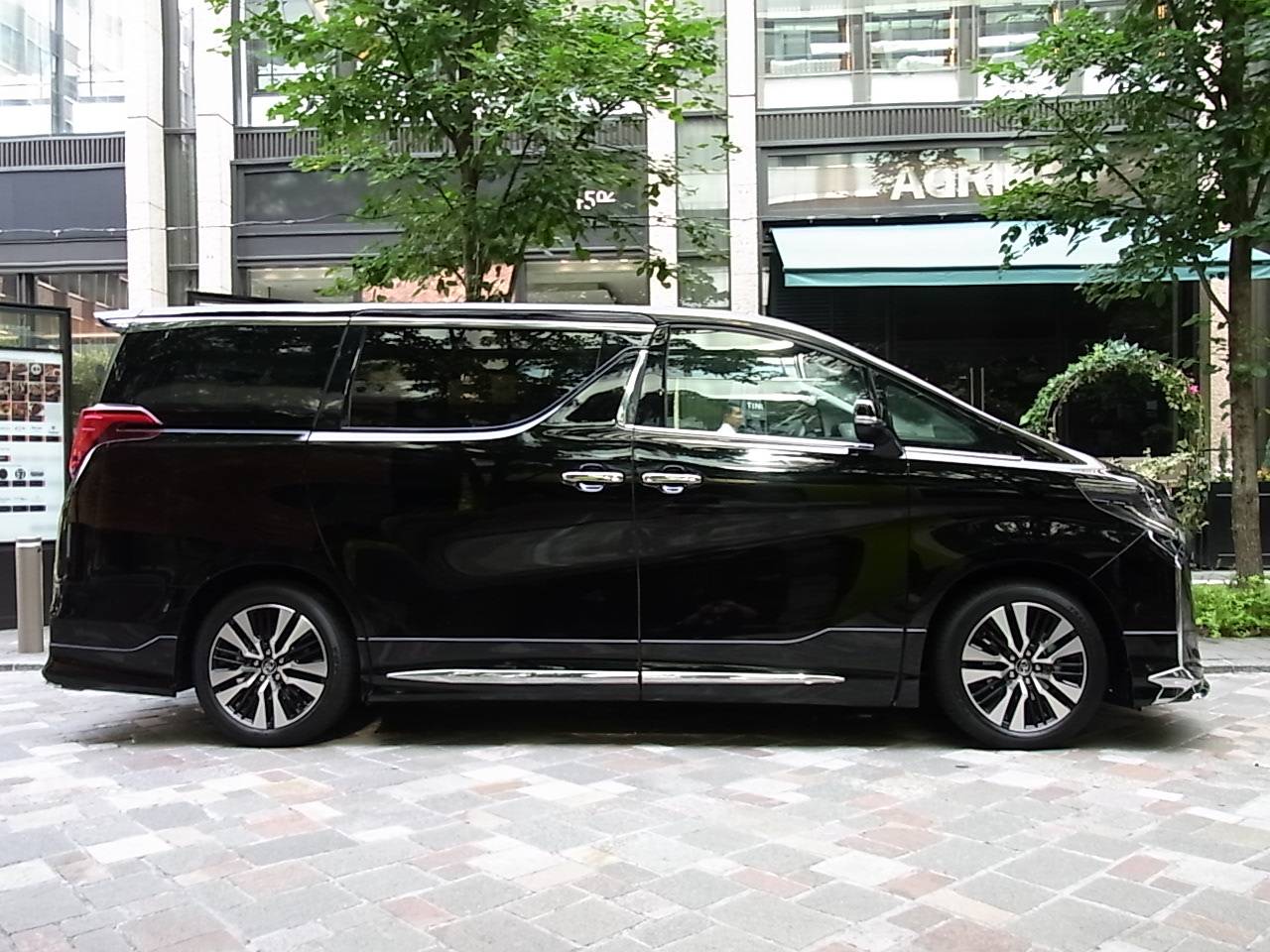
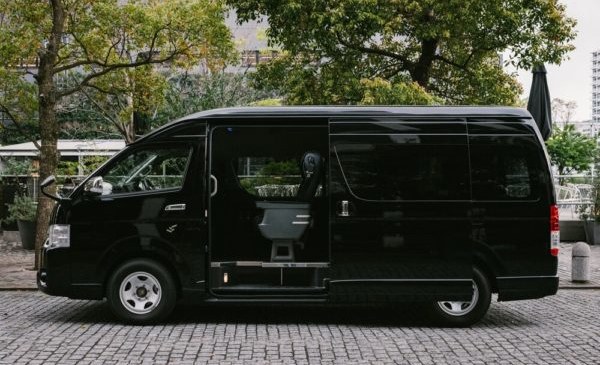
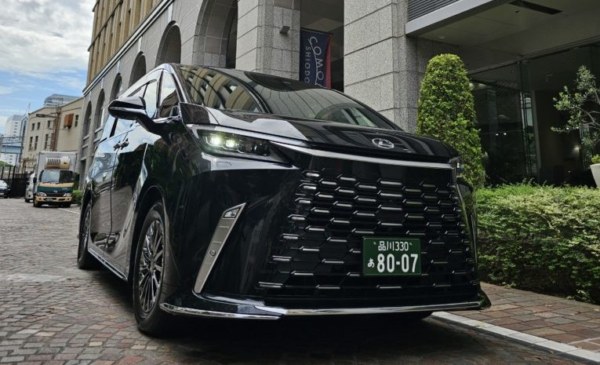
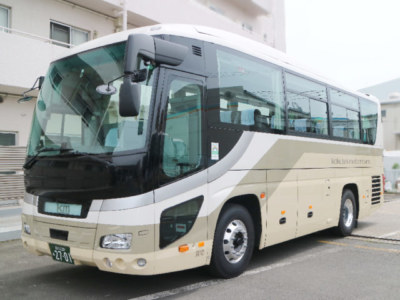
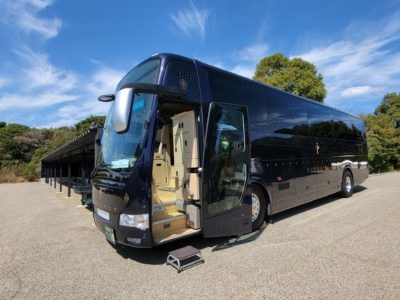
Japan Royal Service provides private chauffeured transport options across Japan, including premium vehicles suited to couples, families, and executive groups. Silence helps.
Guests who want private transport planning around a Kobe beef evening can contact our concierge for tailored guidance.
Dietary constraints are common in international travel. They should not feel awkward.
For Kobe, it is useful to know that directory listings for Misono Kobe Main Store note halal Kobe beef options for dietary restrictions. Always confirm details directly with the venue, since availability and policies can change.
Our team at Japan Royal Service can share practical, trip-specific guidance once we understand your needs and dates.
Most Kobe beef dining is booked directly with the restaurant. No detours.
Methods vary by venue: some accept online reservations, others prioritize phone, and many keep prime seating for repeat local guests or hotel concierge channels. Policies can change by season.
For official information, use the restaurant’s website and confirmed contact details, and look to destination authorities like JNTO’s Kobe beef experience page and VISIT KOBE’s Kobe beef feature for orientation before you choose a venue.
Book earlier in peak travel windows. That’s the entire secret.
When Kyoto, Osaka, and Kobe are under pressure—weekends, holidays, and high inbound periods—top tables disappear first. The meal is the easy part; the timing is the hard part.
If you want a thoughtful plan around your exact dates, contact our concierge for questions.
No. Kobe beef can be served outside Kobe, including in major cities, but travelers should stay strict about authenticity checks and certification cues in the restaurant.
A classic approach is teppanyaki. Japan-Guide notes that one of the best ways to enjoy Kobe beef is at a teppanyaki restaurant, grilled on an iron plate in front of guests.
Look for a Kobe Beef Association certification plaque displayed at the restaurant, a practical indicator cited in travel references. If you cannot verify certification, treat “Kobe” claims cautiously.
Some venues publicly note halal options. For example, Misono Kobe Main Store is described in regional listings as offering halal Kobe beef options, but guests should confirm directly with the venue for current availability.
Start with official orientation sources like JNTO’s Kobe beef experience page and VISIT KOBE’s Kobe beef feature page. Then shortlist restaurants and verify their certification approach.
Kobe beef is a meal. Your trip is a sequence.
Our team at Japan Royal Service focuses on what HNW travelers actually feel on the ground: the quiet of the car after a long flight, the right start time for dinner, and the small frictions that ruin an otherwise serious evening.
We bring three Japanese values into the plan: omotenashi in pacing, shun in seasonal decisions, and discretion as the default posture.
Kobe beef is worth doing once, properly. No shortcuts.
Verify authenticity, choose a format that suits your mood, and build a Hyogo day that has air around it—harbor light, a slower onsen night, or a sake pairing that makes sense.
That is wabi-sabi travel: restrained, intentional, and quietly memorable.