In this guide
- 01How Takaoka Began: Maeda Toshinaga And The Castle Town
- 02Zuiryuji And Its National Treasures
- 03Shokoji: Etchu's Head Temple
- 04What Is The Takaoka Great Buddha Made Of?
- 05Kanayamachi And Yamachosuji
- 06Getting There: Shin-Takaoka And Takaoka Station
- 07Takaoka In A Toyama Stay, With Amaharashi Or Gokayama
- 08How Japan Royal Service Arranges Takaoka
- 09Frequently Asked Questions
- 10Why Choose Japan Royal Service
Takaoka sits in Toyama Prefecture, on the Hokuriku coast of central Japan. It is a castle town. Founded in 1609, it still carries the marks of that founding: a temple built to honour its founder, a district where metal casters were settled, a long merchant street, and a bronze Great Buddha. This guide explains what is there, who built the town, and how you reach it by rail. Our team at Japan Royal Service writes it for travellers planning a Toyama or Hokuriku stay who want a clear, accurate picture before they go.
Everything described here is open to the public. Where a time, a day, or which buildings are open can vary, the JRS concierge team confirms directly with the guest at time of arrangement.
How Takaoka Began: Maeda Toshinaga And The Castle Town
Takaoka was founded in 1609 by Maeda Toshinaga, the second head of the Kaga Maeda clan. He built a castle on the Sekino plateau, named the area Takaoka, and developed a castle town around it. That date is the anchor for almost everything you will see.
The castle itself did not last. Toshinaga died in 1614, and the castle was decommissioned the following year. The ruins were designated a park in 1875.
The other legacy is craft. According to the Toyama prefecture heritage record, metal casting was established in Takaoka about 400 years ago, in the Edo period.
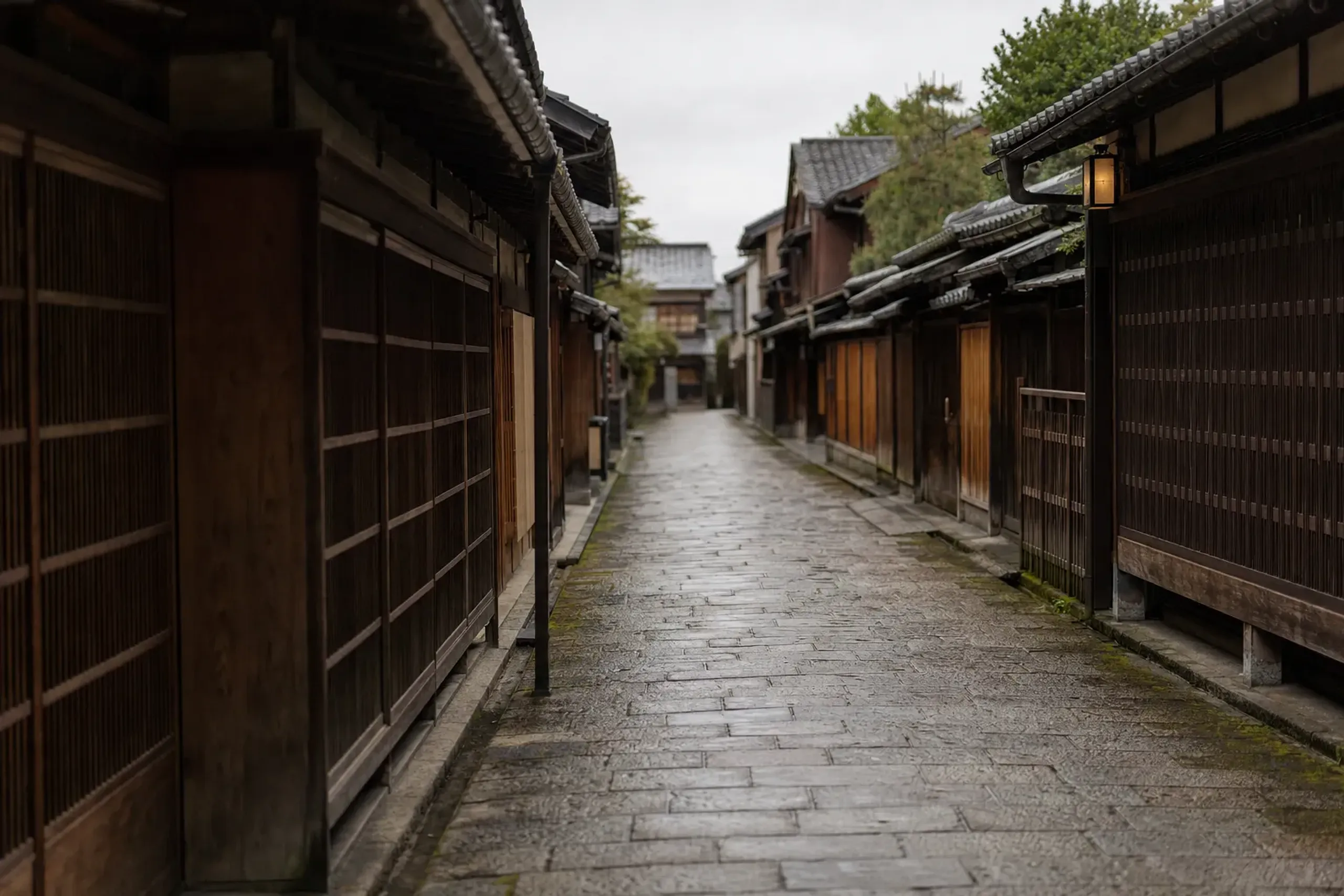
That industry shaped the Kanayamachi district.
Zuiryuji And Its National Treasures
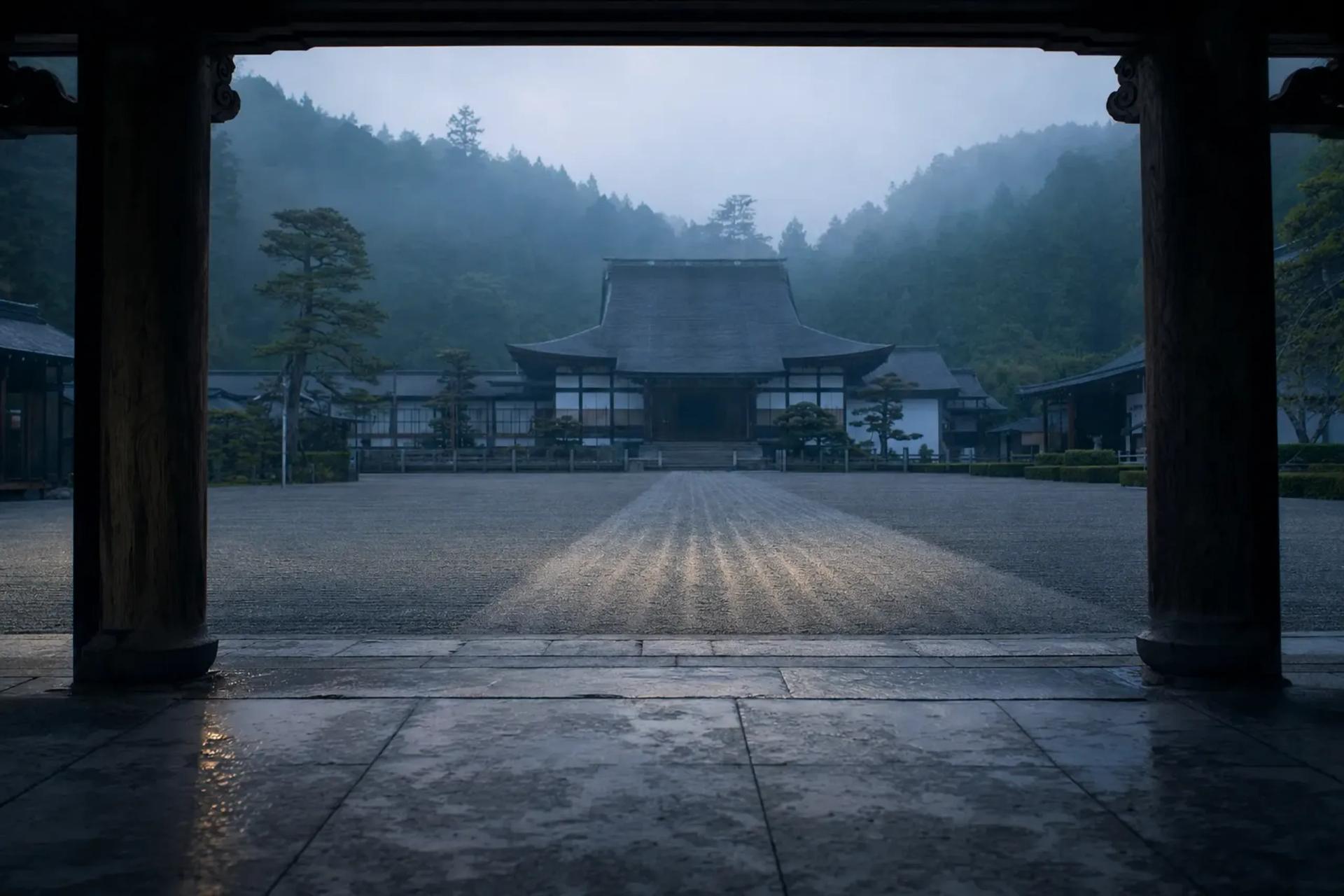
Zuiryuji is a temple built to commemorate Maeda Toshinaga. His successor, Maeda Toshitsune, the third head of the clan, had it constructed. Work began in 1645 and took about 20 years.
Three of its buildings are National Treasures: the Sanmon gate, the Butsuden main hall, and the Hatto lecture hall. The grounds cover 120,000 square metres, according to the prefecture heritage record.
Key fact: Zuiryuji is about a 10-minute walk from the south exit of Takaoka Station on the Ainokaze Toyama Railway, and about 15 minutes on foot from Shin-Takaoka Station on the Hokuriku Shinkansen.
Shokoji: Etchu's Head Temple
Shokoji is described as the head temple of its Buddhist sect in Etchu Province, the old name for this part of Toyama.
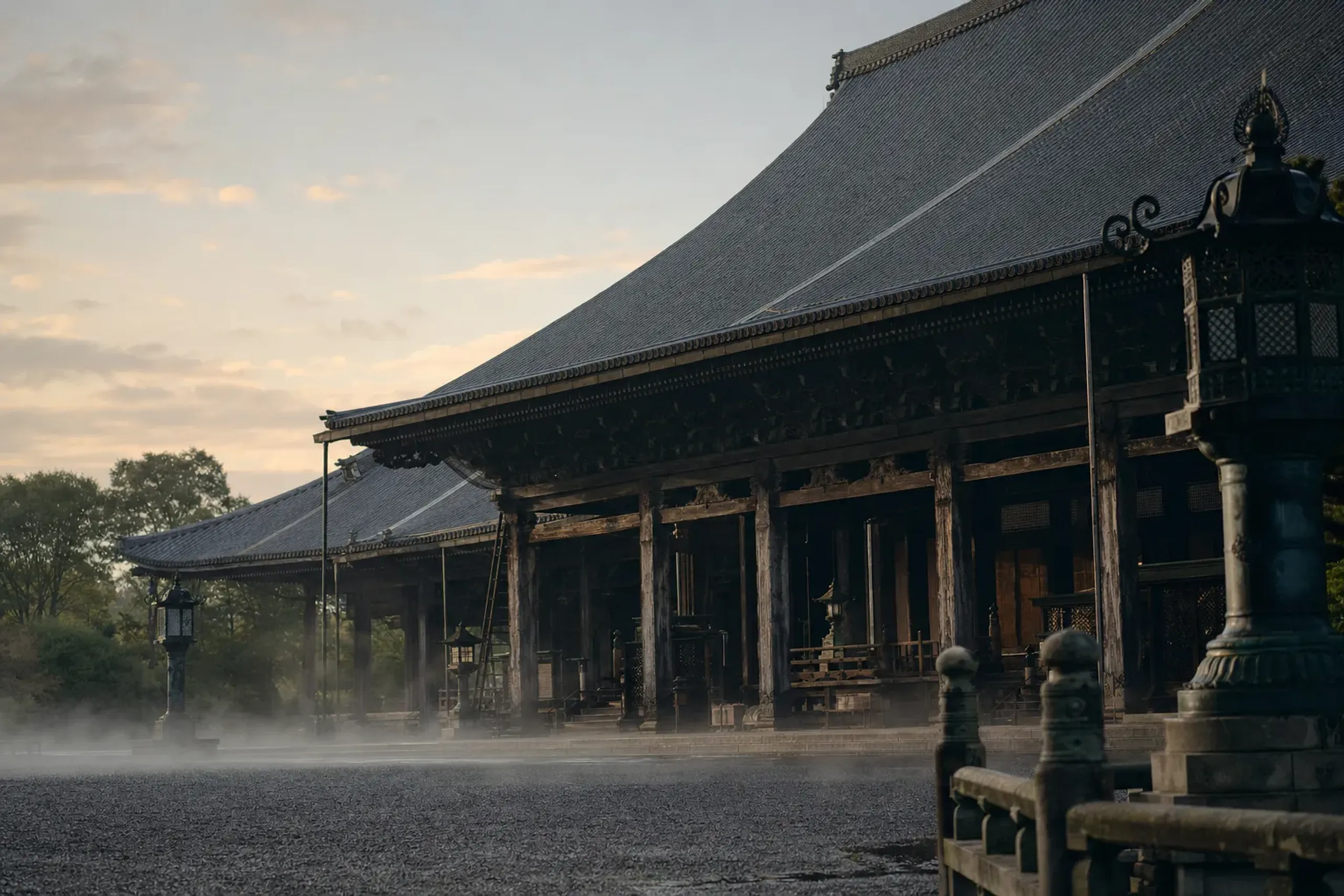
It was founded by Rennyo and was originally called Doyama Gobo. The temple dates to 1471.
Its main hall, reception hall, and ceremonial platform were designated National Treasures in December 2022, according to the Toyama tourism record. Repairs that began in 1998 lasted 23 years.
Access is by bus from Takaoka or Shin-Takaoka to the Fushiki Eki Mae stop, then about 7 minutes on foot. The JRS concierge team confirms the connections directly with the guest at time of arrangement.
What Is The Takaoka Great Buddha Made Of?
The Takaoka Great Buddha is bronze. It stands 15.85 metres tall including its base and weighs 65 tons, and it was made by local craftsmen, according to the japan-guide record of the statue.
Its history runs through fire and rebuilding. The original wooden statue was erected in 1745. It was damaged by fire repeatedly and was replaced. The present bronze figure was completed in 1933 after three decades of work, using local bronze-casting techniques. The wooden head of the earlier statue is displayed below the present one.
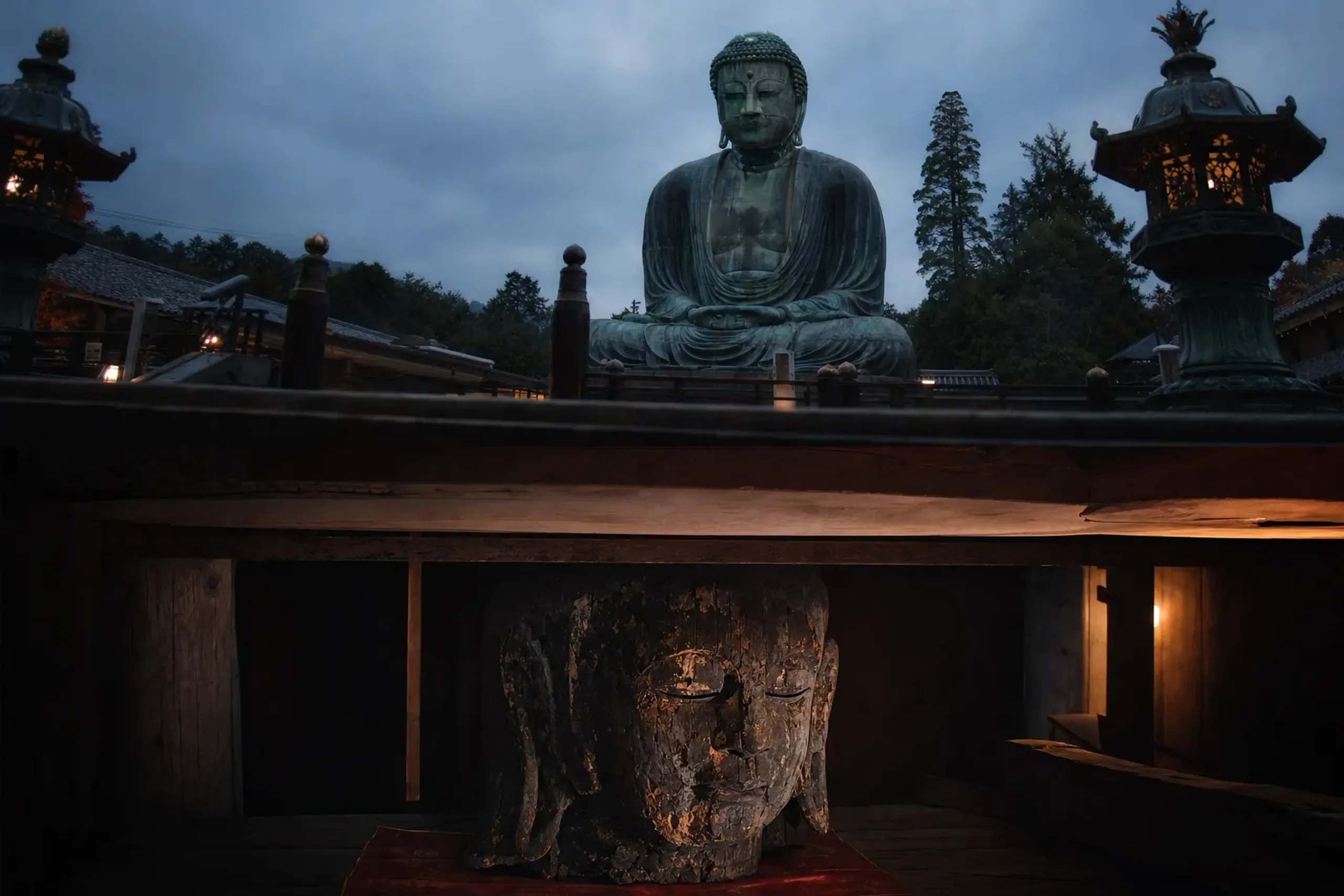
The statue is a ten-minute walk northeast of JR Takaoka Station, which makes it easy to pair with Zuiryuji in a single visit.
Kanayamachi And Yamachosuji
Kanayamachi is the casting district. In the early 17th century, Toshinaga provided residences to seven metal casters here. The street they worked on is now a nationally designated Important Preservation District for Groups of Traditional Buildings — a legal recognition that protects the historic streetscape.
Yamachosuji is the other historic street. It runs about 600 metres and was first established by Toshinaga in the early 17th century as a merchant district. Its storehouse-style buildings were constructed after the Great Fire of Takaoka in 1900. It too is a nationally designated Important Preservation District.
Also in the district stand the Sugano Residence, a National Important Cultural Property, and the former Takaoka Kyoritsu Bank headquarters, built in 1914 by the architect Kingo Tatsuno.
Getting There: Shin-Takaoka And Takaoka Station
Takaoka has two rail gateways. Shin-Takaoka Station is on the Hokuriku Shinkansen.
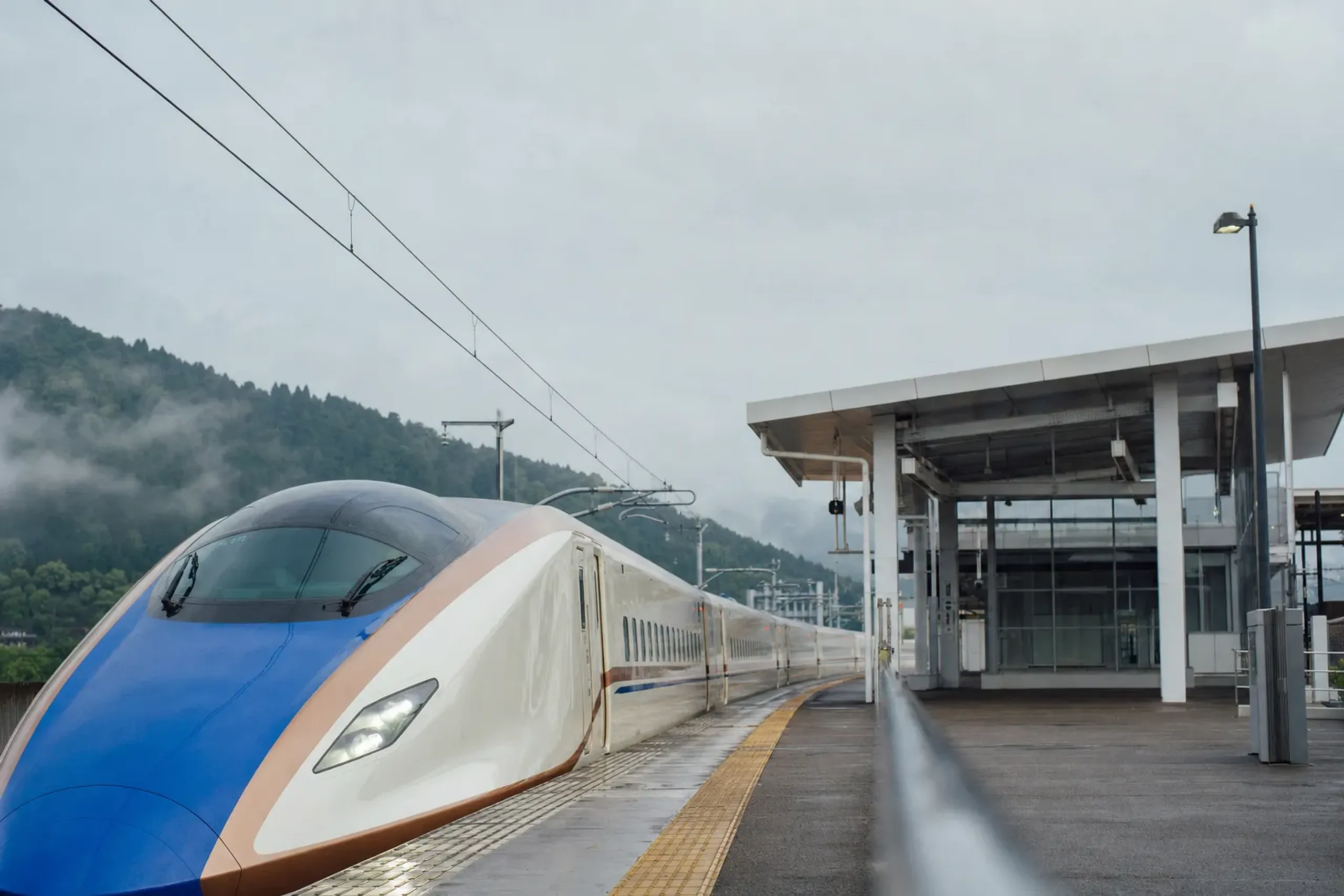
Takaoka Station is on the Ainokaze Toyama Railway. Zuiryuji is walkable from each, as noted above.
The two stations serve different purposes. Shin-Takaoka is your arrival point if you travel by shinkansen along the Hokuriku line. The Great Buddha is about a ten-minute walk from Takaoka Station, according to japan-guide. The practical pattern is simple:
| Station | Line | To Zuiryuji on foot |
|---|---|---|
| Shin-Takaoka | Hokuriku Shinkansen | about 15 minutes |
| Takaoka | Ainokaze Toyama Railway | about 10 minutes (south exit) |
If you prefer not to move between stations on foot, a vehicle from a partner company with an English-speaking driver can link Shin-Takaoka or Takaoka Station with the temples, the casting district, and the Great Buddha. For readers weighing rail against road across a longer trip, our note on private driver versus rail sets out the trade-offs.
Takaoka In A Toyama Stay, With Amaharashi Or Gokayama
Takaoka works as a half day or a full day inside a wider Toyama or Hokuriku trip. It pairs naturally with the coast and the mountains nearby.
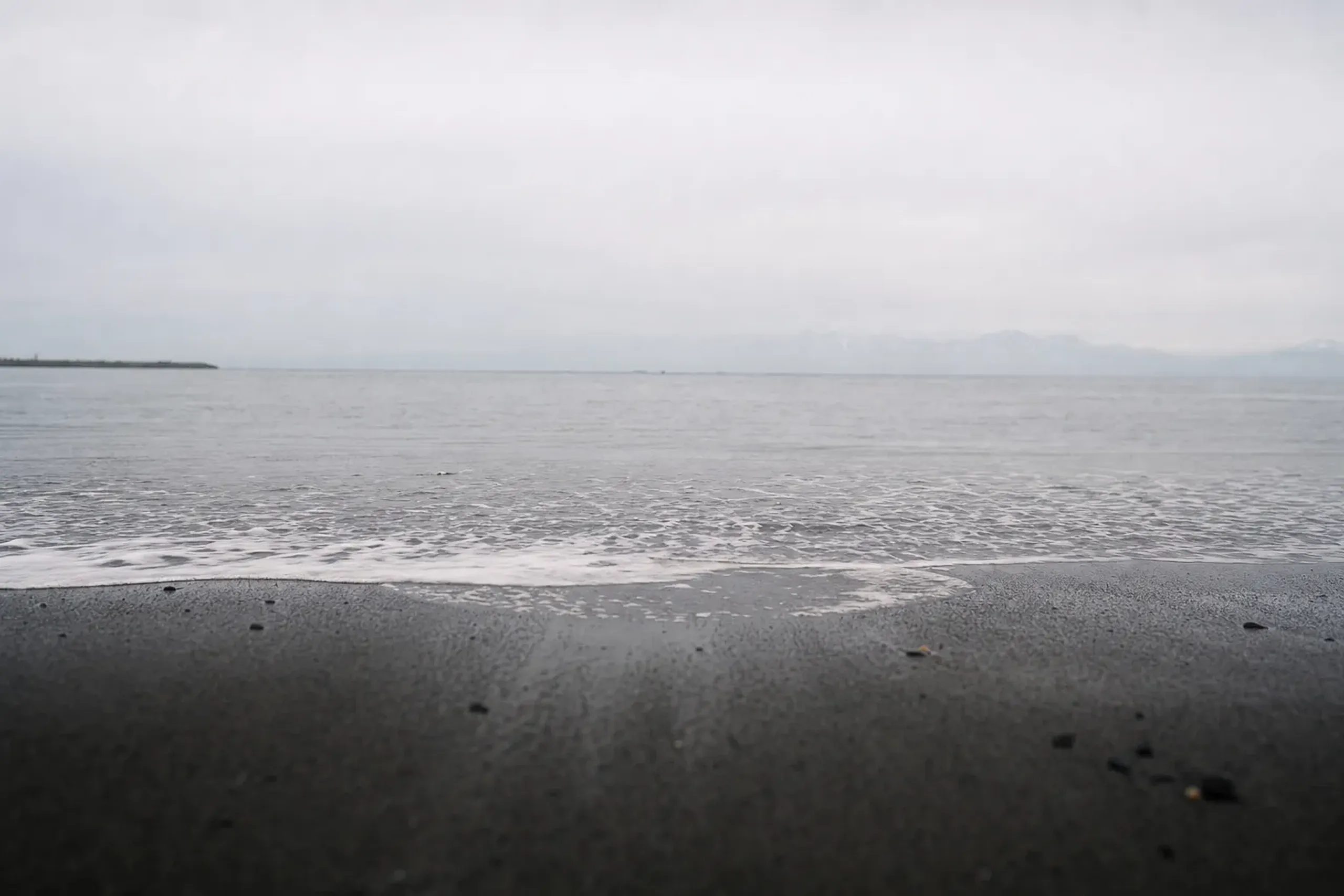
For the sea, the Amaharashi coast looks out across Toyama Bay. For a mountain extension, the thatched-roof valleys of Gokayama lie further inland. And if you are timing a visit around the bay's own calendar, the seasons of Toyama Bay's firefly squid are worth reading before you set dates. For the wider picture, our Hokuriku seasonal calendar helps you place Takaoka in the year.
How Japan Royal Service Arranges Takaoka
Within the scope of a Takaoka visit, here is what our team can put in place.
Planning
The JRS concierge team builds Takaoka into a Toyama or Hokuriku stay, as a half day or a full day, and pairs it with Amaharashi or Gokayama where that suits your route.
Guiding
An English-speaking cultural interpreter guide can accompany you through the temples and the casting district. The guide is booked separately from the driver, so each role is filled by the right person.
Transfers
A vehicle from a partner company with an English-speaking driver can move you between Takaoka or Shin-Takaoka Station and the sites, and onward to the Toyama coast or to Gokayama. Japan Royal Service does not own the vehicles; the driver and the guide are separate roles.
Rail, Dining And Re-Planning
We can arrange tickets on the Hokuriku Shinkansen to Shin-Takaoka, including Green Car and Gran Class where available, with platform assistance and luggage forwarding. Ryokan and restaurant booking in Toyama can be handled with your dietary needs passed ahead. If the weather turns, same-day re-planning keeps the day usable. The JRS concierge team confirms directly with the guest at time of arrangement the train timings and which buildings are open.
Frequently Asked Questions
Who Founded Takaoka And When?
Takaoka was founded in 1609 by Maeda Toshinaga, the second head of the Kaga Maeda clan.
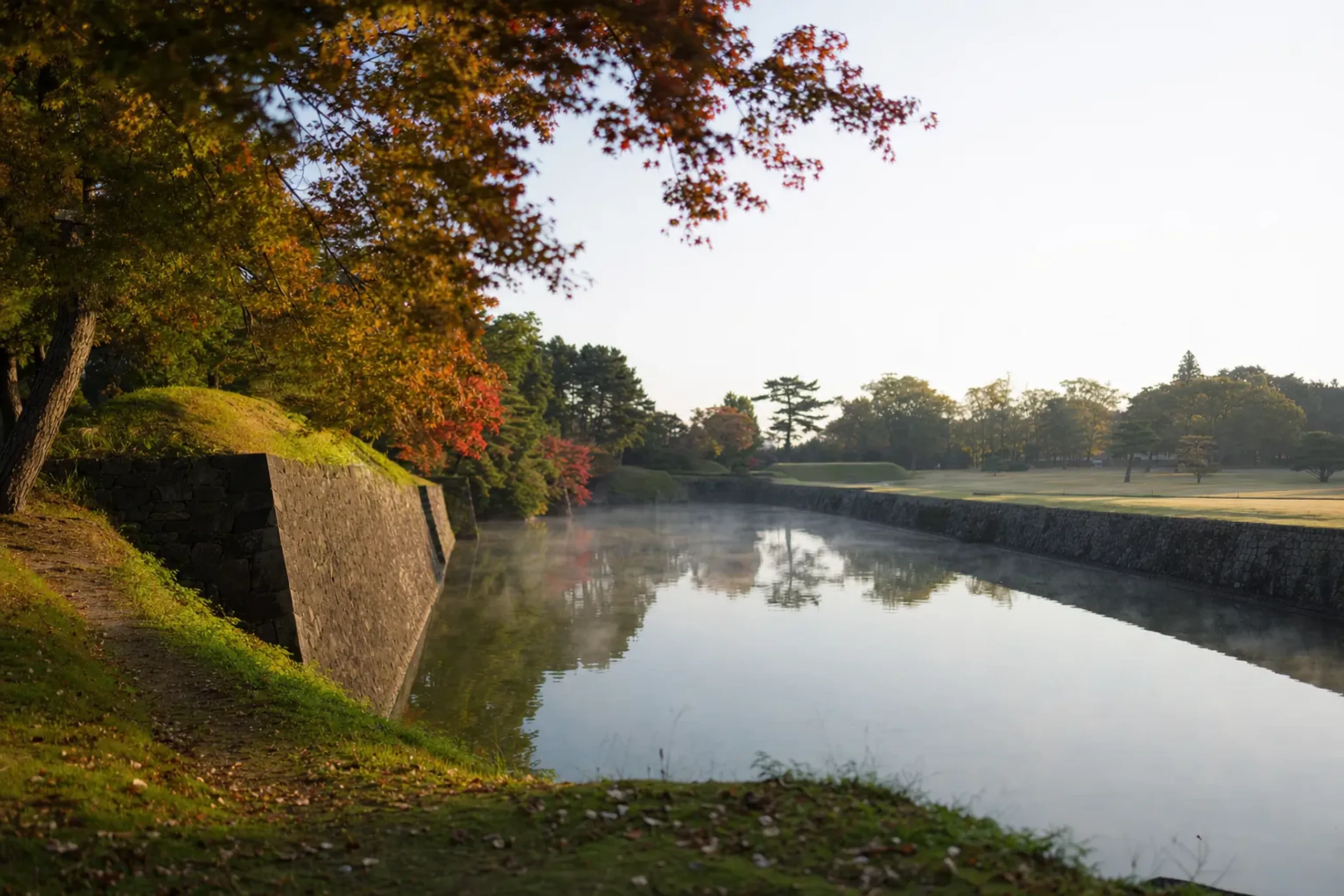
He built a castle on the Sekino plateau, named the area Takaoka, and developed a castle town around it.
What Are The National Treasures At Zuiryuji?
Three buildings at Zuiryuji are National Treasures: the Sanmon gate, the Butsuden main hall, and the Hatto lecture hall. The temple was built to commemorate Maeda Toshinaga and took about 20 years to construct.
What Is The Takaoka Great Buddha Made Of?
The Takaoka Great Buddha is bronze. It stands 15.85 metres tall including its base, weighs 65 tons, and was completed in 1933 after three decades of work using local bronze-casting techniques.
How Far Is Zuiryuji From The Station?
Zuiryuji is about a 10-minute walk from the south exit of Takaoka Station on the Ainokaze Toyama Railway, and about 15 minutes on foot from Shin-Takaoka Station on the Hokuriku Shinkansen.
Why Choose Japan Royal Service
Japan Royal Service plans tailor-made journeys across Japan with precise, verifiable detail. For Takaoka, that means building the town into a Toyama or Hokuriku route at the right pace, pairing an English-speaking cultural interpreter guide with a separate English-speaking driver, and confirming train timings and building status directly with you before you arrive. A tailor-made itinerary and private transportation are arranged around your dates and interests, not a fixed template.
To begin planning, contact our team here.