In this guide
- 01What Is Ise Jingu, And Why Do People Call It Japan’s Most Important Shrine Complex?
- 02How Do You Visit Ise Jingu In The Correct Order (Futami → Gekū → Naikū)?
- 03What Is Shikinen Sengū, And What Changes For Visitors Before 2033?
- 04When Is The Best Time To Visit Ise Grand Shrine In 2026 For Fewer Crowds?
- 05How Do You Get Between Gekū And Naikū Without Losing The Mood?
- 06What Should You Wear, Bring, And Avoid Doing At Ise Jingu?
- 07Ise As An Overnight: Where To Stay For Serenity (Ise City Vs. Shima/Ago Bay)
- 08A Short List Of Real, High-Trust Add-Ons Near Ise (Without Overstuffing The Day)
- 09How To Use Ise Jingu’s Official Ritual Calendar When Planning Your Trip
- 10How Japan Royal Service Plans An Ise Day For HNW Travelers (A Sample Flow)
- 11Frequently Asked Questions
- 12Why Choose Japan Royal Service
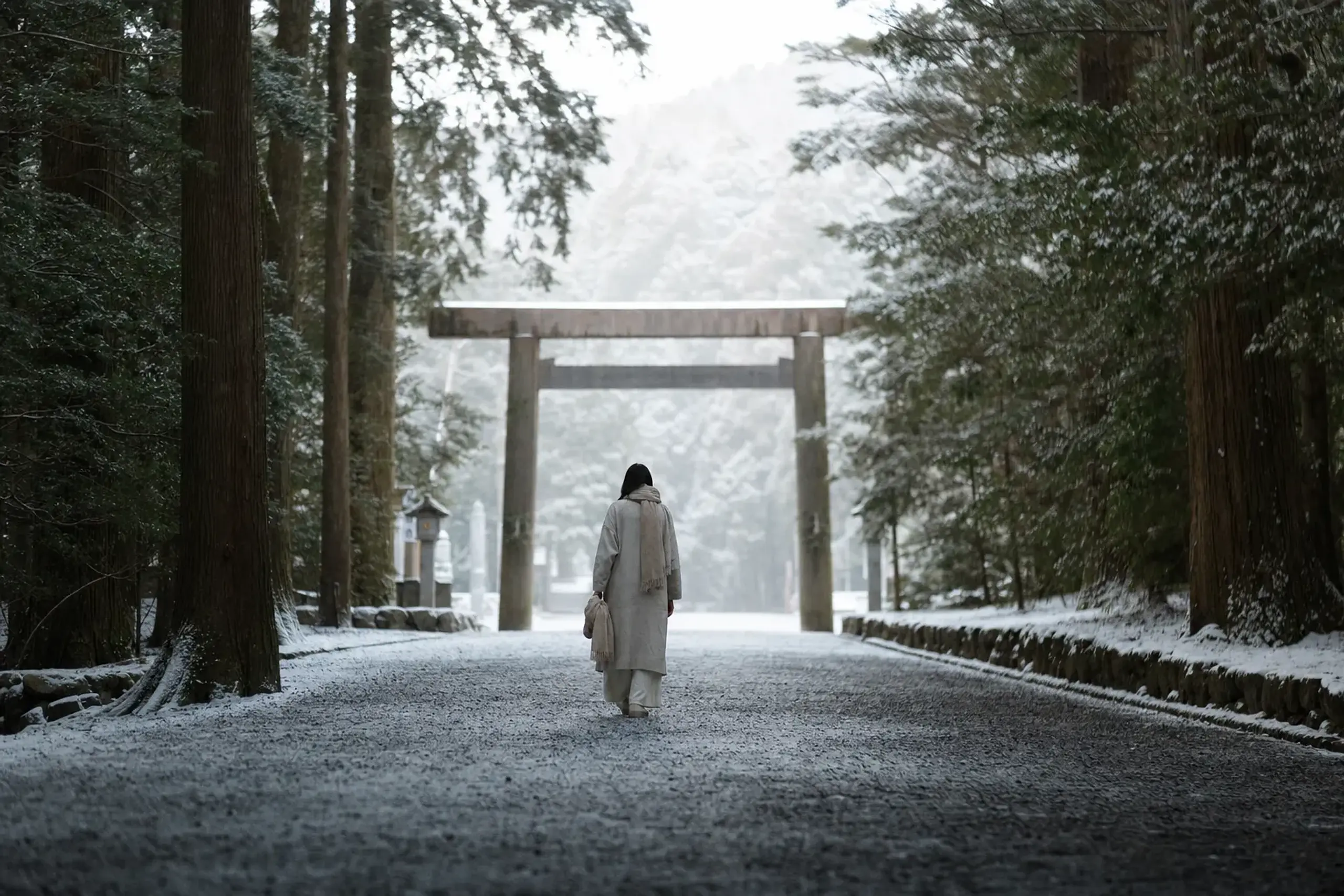
Before dawn, Ise is almost soundless.
A few lamps hold their ground against the dark. Gravel shifts underfoot. Your breath shows for a moment, then vanishes into the cold. This is the hour the shrine keeps for those who arrive quietly.
For many first-time visitors, the worry is simple: How do I do Ise Grand Shrine correctly—without feeling rushed, crowded, or out of place?
Our team at Japan Royal Service plans Ise days for high-net-worth travelers who want quiet, cultural coherence, and privacy. Not theatrics. The point is to arrive calm, walk with respect, and leave with the sense that you were genuinely present—not just “there.” That is the essence of wabi and sabi at Ise: beauty found in restraint, in weathered cypress and moss-edged stone, rather than in anything gilded or loud.
What Is Ise Jingu, And Why Do People Call It Japan’s Most Important Shrine Complex?
Ise Jingu is a complex of 125 Shinto shrines centered on Naikū (Kotaijingu) and Gekū (Toyo'uke Daijingu), closely connected to Imperial tradition.
Ise Jingu is officially referred to simply as “Jingu.” It is not one single building you “finish” in an hour and then move on from. It is a shrine world with its own pace, its own hierarchy, and its own rules.
Naikū (the Inner Shrine) is dedicated to Amaterasu-Ōmikami, regarded as the ancestral kami of the Imperial family. Gekū (the Outer Shrine) is dedicated to Toyo'uke-no-Ōmikami. The bond between this place and the Imperial household gives Ise a register unlike any other shrine in Japan—a quiet, imperial-class gravity that no amount of signage can explain.
That pairing matters when you plan your day. When we design a tailor-made route, we build it around the correct flow and the kind of silence you cannot force once the tour buses roll in.
How Do You Visit Ise Jingu In The Correct Order (Futami → Gekū → Naikū)?
A traditional, culturally coherent route is Futami Okitama Shrine for purification, then Gekū, then Naikū—finishing at the Inner Shrine when your mind is already quiet.
Many travelers go straight to Naikū because it is famous. It works. But it can feel abrupt, like opening a novel at the final chapter.
Futami Okitama Shrine is presented by local tourism authorities as a “place of purification” connected to visits to Ise Jingu, with pilgrimage context tied to Ise-related ceremonial periods. Start there if you want the day to read as one continuous story rather than a series of stops.
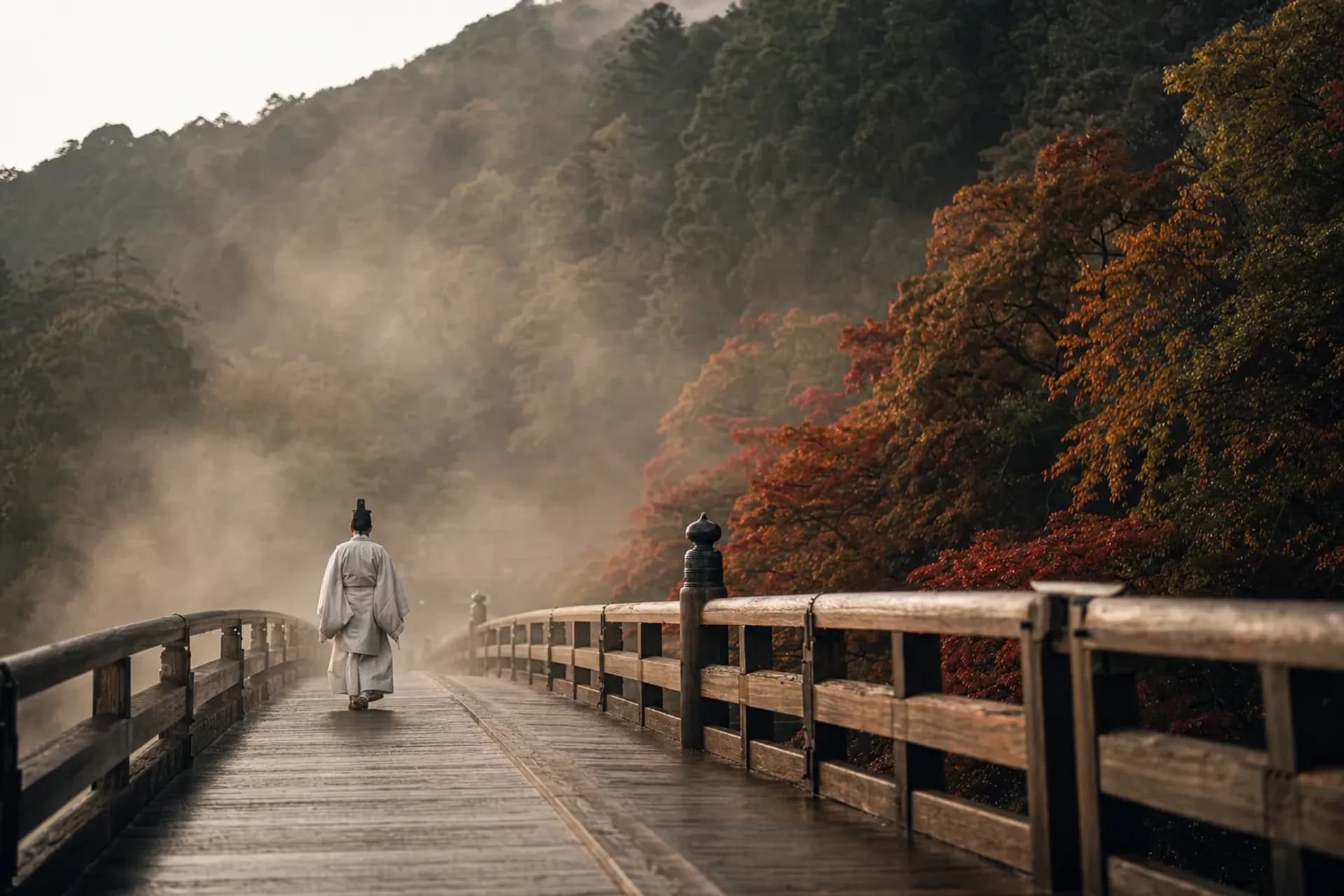
Then move to Gekū before Naikū. Your body learns the rhythm along the way—bowing at each torii, stepping aside, letting others pass, waiting at a bridge without fidgeting. Small things. They change the whole visit.
A Practical Half-Day Versus Full-Day Pacing
For a first visit, our concierge usually suggests one of two tempos. Choose your tempo before you choose your hotel. It affects everything downstream.
Option A: Half-Day Ise (Efficient, Still Respectful)
You focus on Gekū and Naikū, plus a simple approach-town stroll.
- Best for: travelers based in Nagoya or Osaka who want Ise without an overnight.
- Watch-outs: you will meet crowds, especially mid-morning and early afternoon.
Option B: Full-Day Ise (Quiet Starts, Better Texture)
You add Futami and build a real buffer for unhurried walking.
- Best for: travelers who value a calm morning and want time for museums, coastline, and a slower lunch.
- Watch-outs: late starts feel punishing here.
What Is Shikinen Sengū, And What Changes For Visitors Before 2033?
Shikinen Sengū is Ise Jingu’s roughly 20-year rebuilding-and-transfer tradition, practiced for about 1,300 years, with the next major target year in 2033.
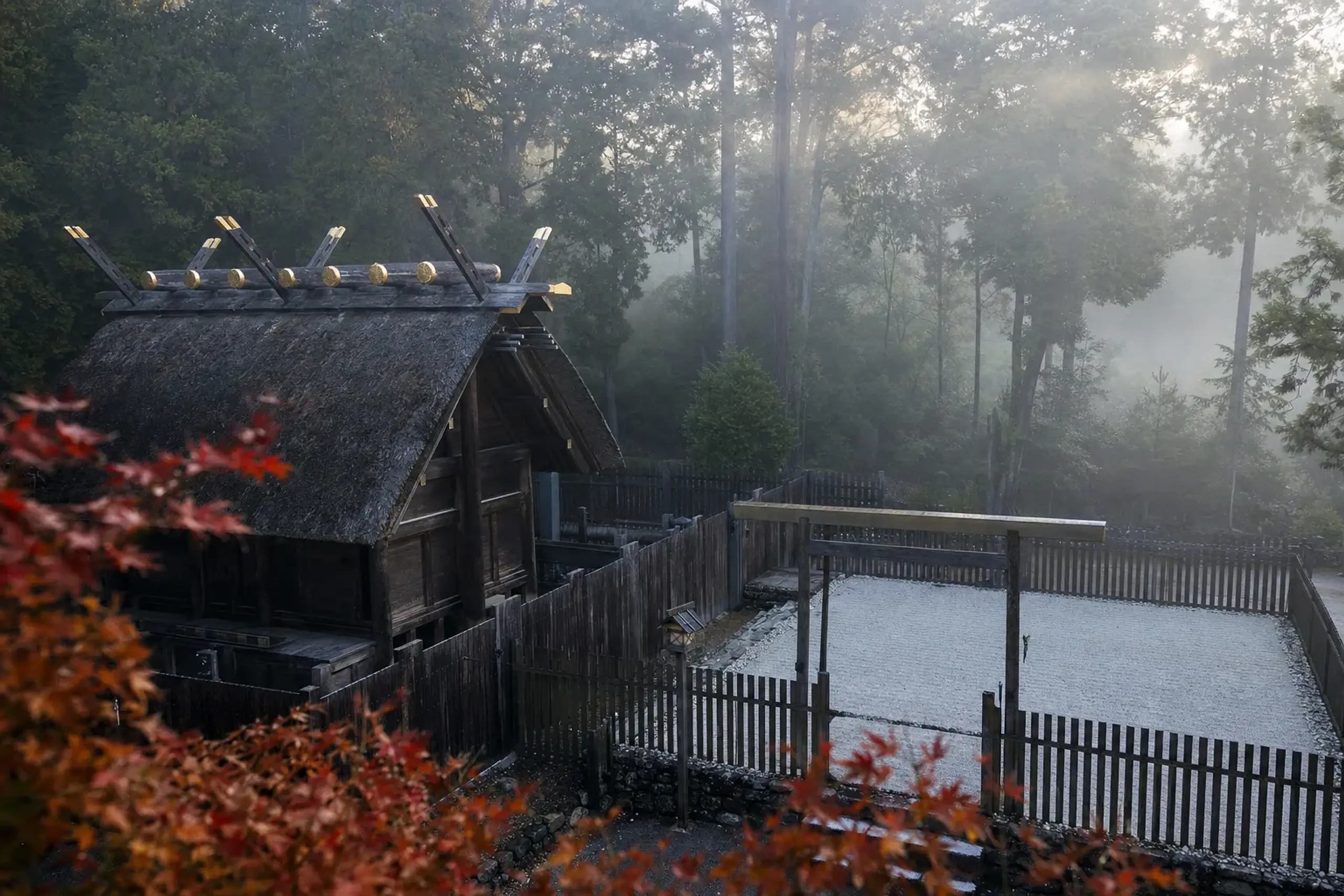
This is not “renovation” in the modern sense. Every two decades, the shrines are rebuilt anew on an adjacent site, and the kami are transferred to their fresh home. The cycle keeps architecture, ritual, and craft knowledge alive across generations—the living inheritance of the shokunin, the master carpenters, thatchers, and metalworkers who hand their skills down so that nothing is lost. The buildings’ visible simplicity can fool you. The sophistication is in the continuity.
In 2026 and beyond, you will hear the 2033 cycle discussed more often. According to Kintetsu Group materials, Shikinen Sengū-related ceremonial activity for the 2033 cycle commenced in 2025. That momentum can shift visitor patterns considerably.
We plan Ise days with that in mind—especially the traffic pinch points and the times when certain areas feel busier due to ceremonial movement. Discretion matters here. So does restraint.
Key fact: Many Shikinen Sengū rites are not “performances.” You may sense activity nearby, but you should not expect a staged viewing opportunity.
When Is The Best Time To Visit Ise Grand Shrine In 2026 For Fewer Crowds?
For calmer paths, arrive early in the morning on a weekday, and avoid national holiday periods; use Ise Jingu’s official monthly ritual calendar to plan around major observances.
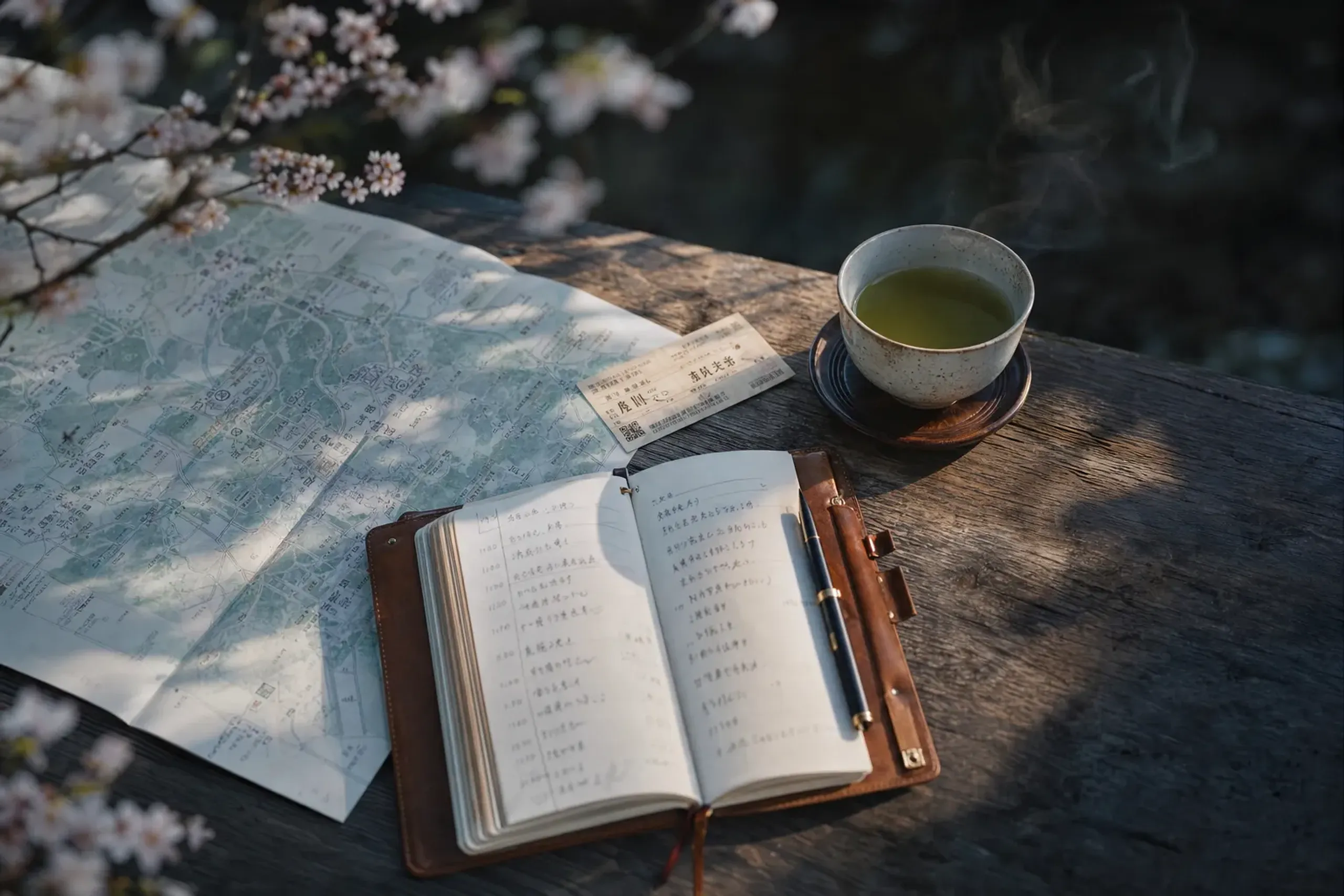
Ise Jingu publishes an official “Rituals and Events” calendar by month. That calendar is the first thing our concierge checks when building an Ise plan, because it tells you when the atmosphere may shift—more locals, more formal movement, a different flow of traffic.
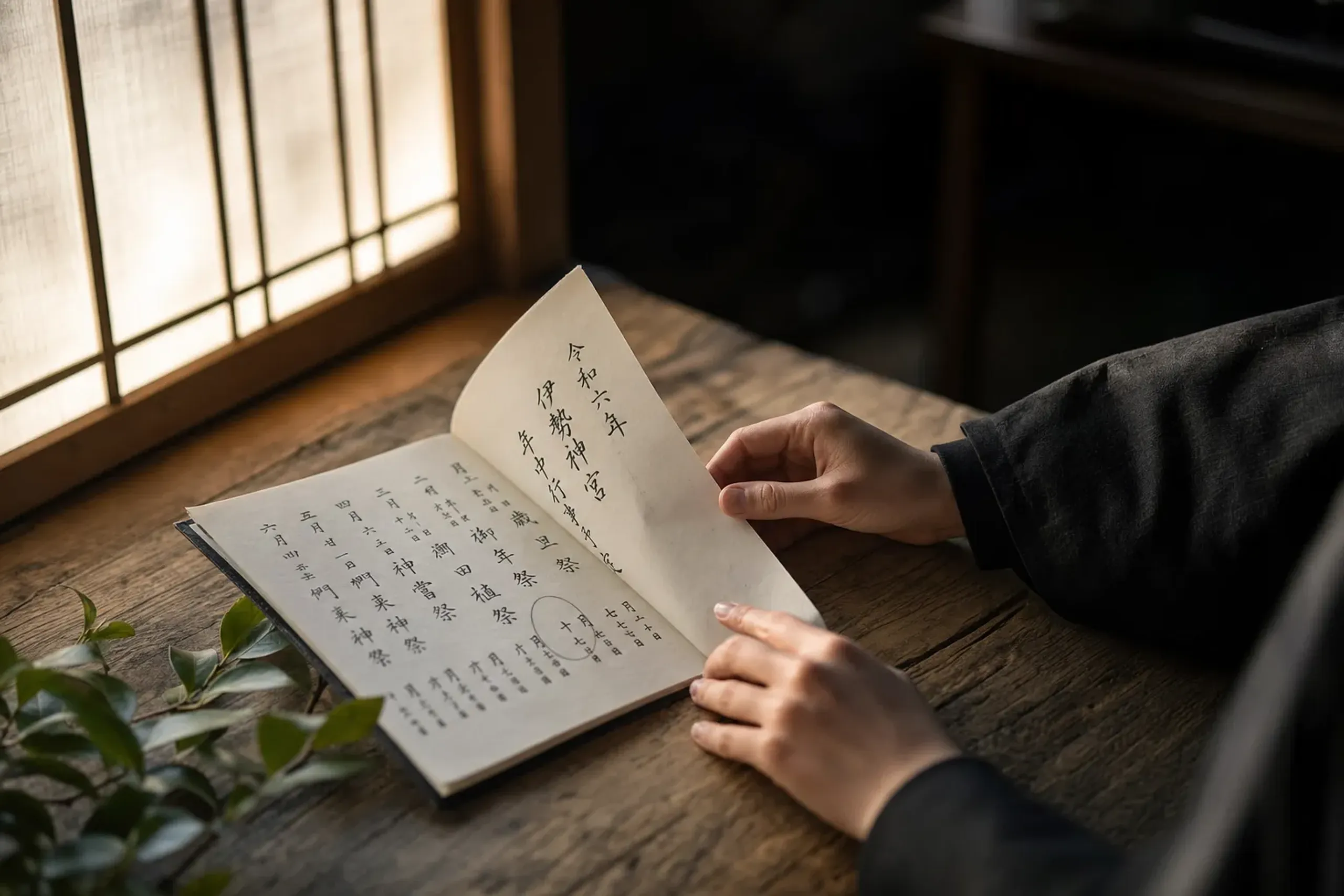
Reading the season correctly is a large part of what makes an Ise day feel effortless.
A clear example is Hassaku on August 1, a local custom described on Ise Jingu’s August 2026 calendar: visiting both shrines (Naikū and Gekū) to pray for health, household safety, and good harvests. It can be a meaningful date to be present. It can also be busier.
Autumn draws travelers who want the season’s shrine rites on the official calendar, including major observances listed in the October pages. If October is your window, we lean into early starts and a gentle itinerary that does not require sprinting between sites.
A Simple Timing Rule That Works
Arrive before the day “begins.” That’s it. Even a 60–90 minute head start changes Ise entirely.
How Do You Get Between Gekū And Naikū Without Losing The Mood?
The common public transfer is a local bus that typically takes about 10–15 minutes between the Outer Shrine and Inner Shrine, plus walking time at each end.
The distance is not the challenge. The mood is.
If you are traveling with family, or you want to keep your clothing crisp in summer humidity, a private transportation plan can protect your pace. You step out, you walk, you step back in. No jostling for space. No “where did we queue?” fatigue.
Our team at Japan Royal Service is based in Japan and plans routes the way a local would: using time, not distance, as the real currency.
Barrier-Free And Mobility Notes
Parts of Ise Jingu involve gravel paths, bridges, and long walks, which can be tiring for guests with mobility concerns.
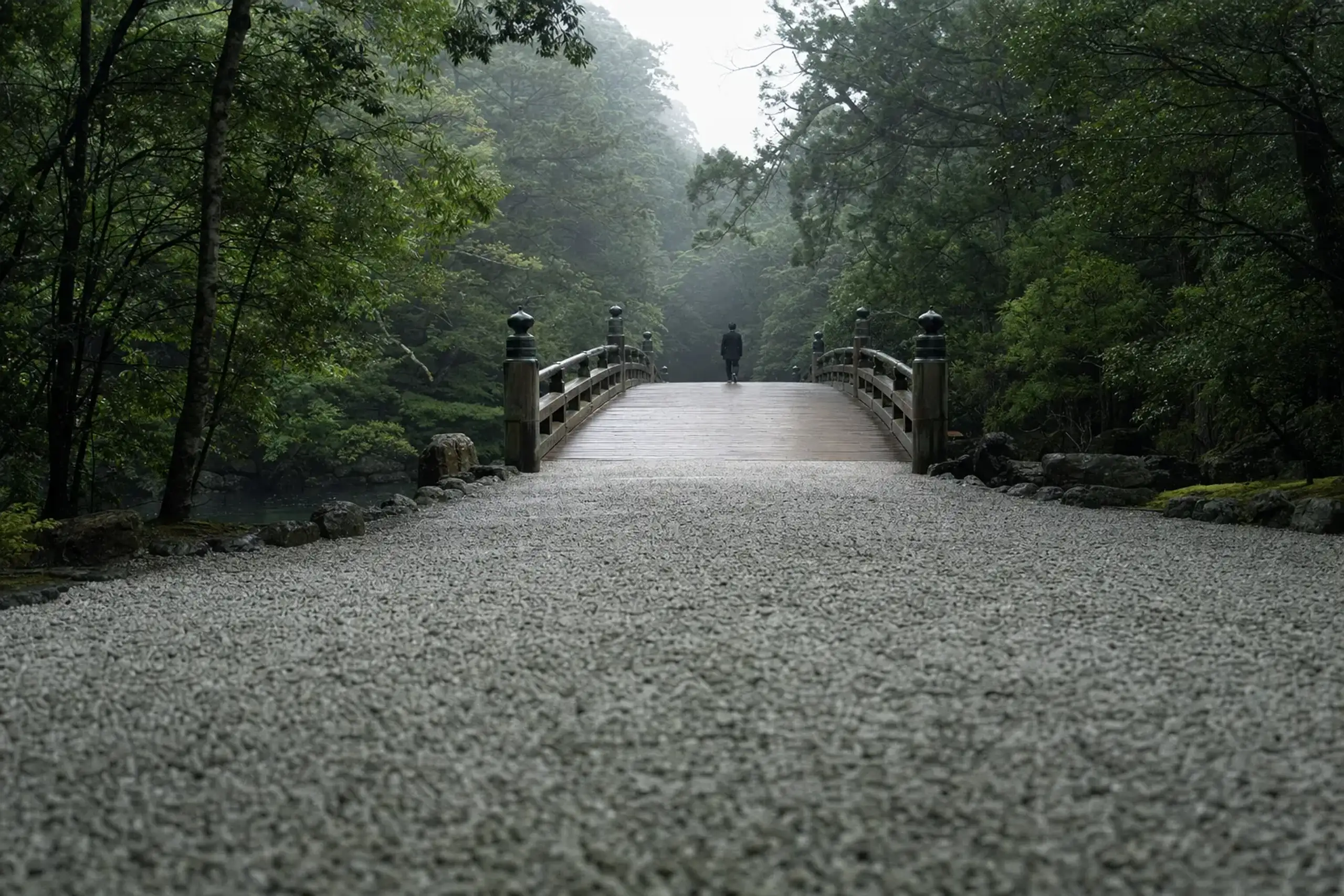
If accessibility is a priority, tell our concierge early so we can suggest realistic pacing, rest stops, and a route that reduces strain.
What Should You Wear, Bring, And Avoid Doing At Ise Jingu?
Wear shoes you trust on gravel. Good soles. No new leather for the first time.
Keep your clothing quiet. Shoulders covered is a safe default. In summer, breathable fabric beats formality that makes you sweat and fidget.
Photography is not a trophy hunt. Some areas may carry restrictions or a different tone; follow the signs and the cues of worshippers around you. If you are unsure, pause. Waiting is never rude at Ise.
And do not build your day around “seeing everything.” Ise is about walking a little slower than you think you should.
Ise As An Overnight: Where To Stay For Serenity (Ise City Vs. Shima/Ago Bay)
A day trip can work. An overnight can feel like the difference between reading a single page and understanding the whole chapter.
If you stay in Ise City, you win on early access and short transfer times. If you stay in the wider Ise-Shima area, you can pair shrine time with coastal decompression and a slower morning after—the sort of quiet, unforced luxury that rewards travelers who let the landscape set the tempo.
Some luxury travelers look toward properties such as Amanemu in the Ise-Shima area as part of a coast-and-shrine pairing. We discuss options privately based on your pace, your privacy needs, and what kind of quiet you want after the walk.
If a private residence or a more secluded base is the goal, our concierge can advise on accommodation strategy during your tailor-made itinerary planning, including how far you are willing to be from Naikū at dawn.
A Short List Of Real, High-Trust Add-Ons Near Ise (Without Overstuffing The Day)
Keep the day light. Ise does not reward overprogramming.
Okage Yokocho is often used as an approach-town stroll after Naikū. Go for one well-chosen snack and a short walk, not a long shopping loop that turns the day noisy.
If you want a second cultural anchor, add Futami Okitama Shrine in the morning, not the evening. The sea air reads better then.
For travelers drawn to regional events, the Ise-Jingu Fireworks Festival is a well-known summer fixture, and event periods can change traffic patterns fast, so we plan with extra buffers.
How To Use Ise Jingu’s Official Ritual Calendar When Planning Your Trip
Check the official “Rituals and Events” calendar by month, then choose a visit day that matches your tolerance for crowds and your interest in observances.
This is the cleanest planning tool available because it comes from Ise Jingu itself. Look for:
- Date-specific customs (like Hassaku on August 1).
- Seasonal peaks where local visitation naturally increases.
- Your own constraints: arrival day, jet lag, and whether you can start early.
We do not recommend building an itinerary around rites you do not understand. That is a common mistake. Instead, choose dates that support your experience of quiet, then treat rituals as context, not spectacle.
How Japan Royal Service Plans An Ise Day For HNW Travelers (A Sample Flow)
This is a planning sketch, not a package. We shape it around your hotel, your walking speed, and the month’s calendar.
Step 1: Start Earlier Than Feels Necessary
Leave while the streets are still rinsed clean by the night air.
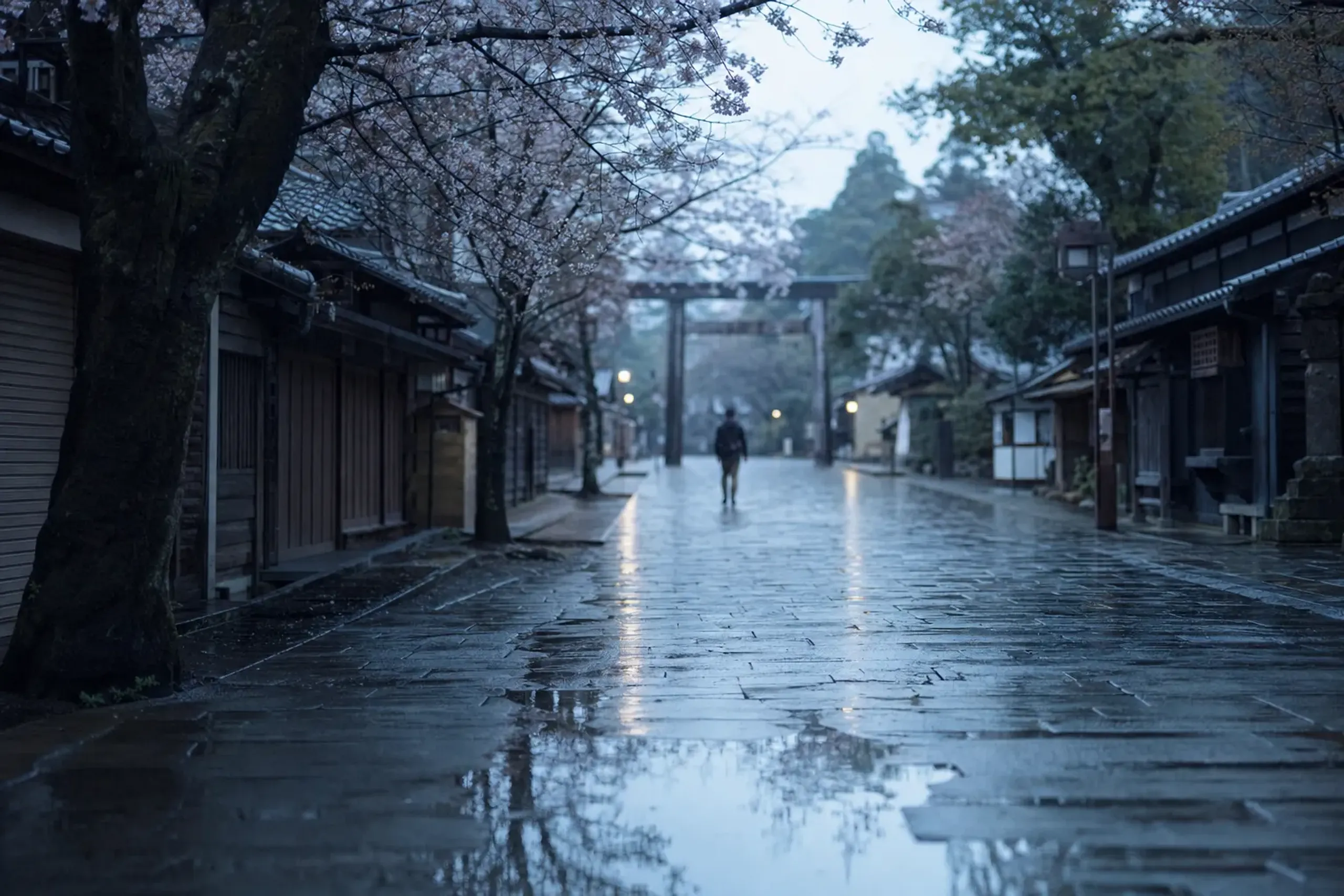
The first hour is the gift.
Step 2: Futami For Purification (Optional, But Coherent)
We keep it short. Twenty to forty minutes can be enough to set the tone for the whole day.
Step 3: Gekū First
Gekū helps you settle into the etiquette before the larger emotional weight of Naikū. It is also a practical warm-up for walking.
Step 4: Transfer And Reset
We plan the move between shrines so it feels like a breath, not a scramble—especially in the summer heat or during busier weekends.
Step 5: Naikū, Then A Gentle Landing
After Naikū, a small meal and a short stroll can be enough. Stop while it still feels clean. Overdoing it is the common mistake.
Frequently Asked Questions
How Long Do You Need At Ise Grand Shrine If You Only Have One Day?
Most first-time visitors should allow at least 3–5 hours for Gekū and Naikū, plus transfer time and breaks.
If you add Futami Okitama Shrine, plan closer to a full day so you are not forced into rushed walking. Our concierge can suggest pacing based on your party size and mobility needs.
Is It Better To Visit Gekū Or Naikū First If You’re Coming From Iseshi Station?
Gekū first is the traditional flow, and it often feels calmer and more coherent before continuing to Naikū.
Naikū is a few kilometers outside central Ise, and typical public transit between the shrines is straightforward. The question is one of emotional rhythm, not difficulty.
How Do I Know What’s Happening At Ise Jingu During My Travel Dates In 2026?
The most reliable source is Ise Jingu’s official “Rituals and Events” calendar, published online by month.
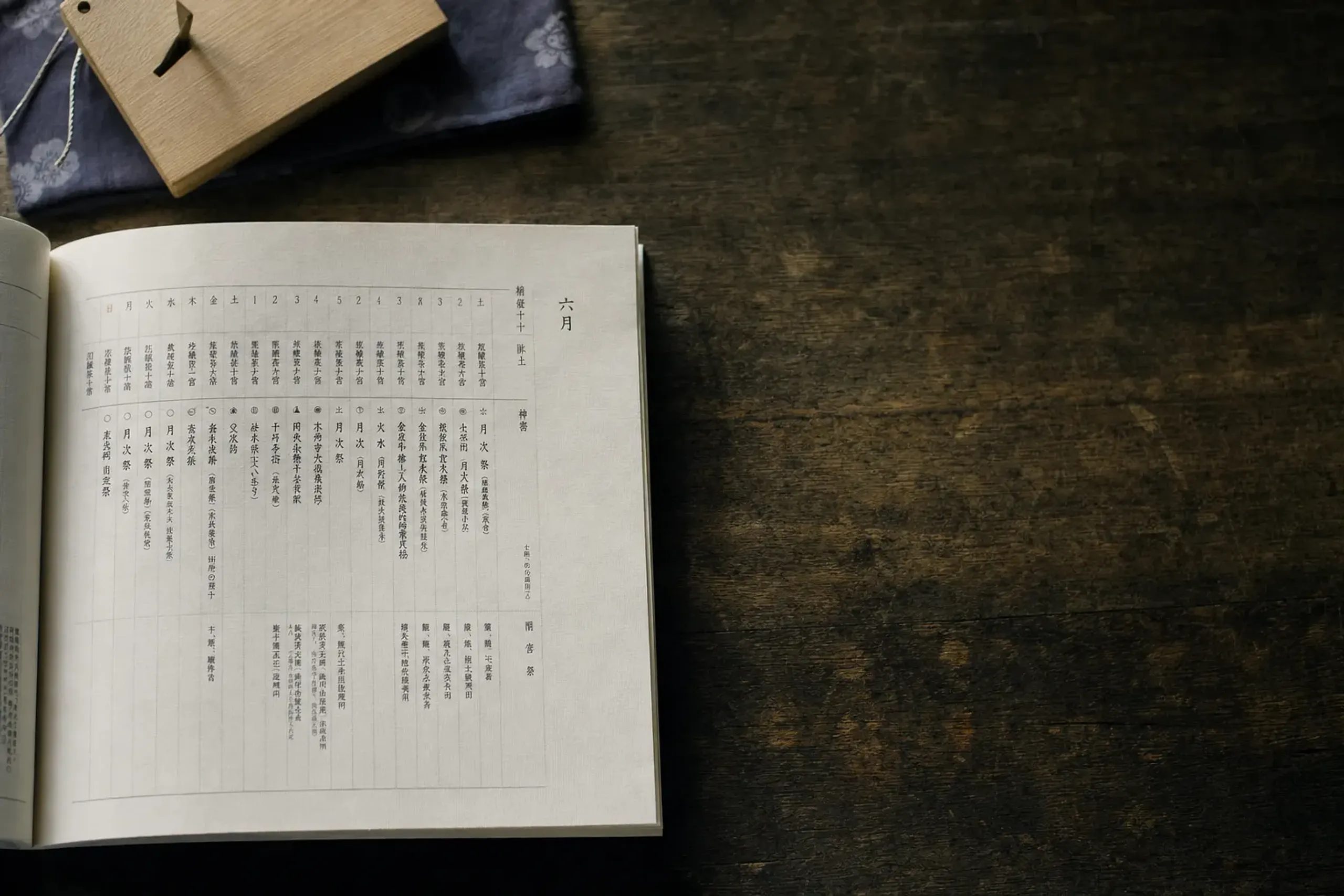
We recommend checking the month of your trip (for example, August 2026 or October 2026) and planning for an earlier arrival on days with notable observances.
Can I Visit Ise Jingu Respectfully If I Don’t Speak Japanese?
Yes—simple etiquette, quiet behavior, and following posted guidance are enough for a respectful visit.
For travelers who want context without information overload, our concierge can suggest a guide-led approach focused on history, shrine layout, and behavioral cues.
Why Choose Japan Royal Service
Luxury at Ise is not a louder plan. It is a cleaner one.
Our team at Japan Royal Service designs Ise journeys around three things many competitors treat lightly: discretion (privacy for your identity and itinerary), imperial-class cultural register (knowing where formality is required), and hidden-Japan pacing (the quiet routes and time choices that keep a sacred place from feeling like a checklist).
We also keep the operational boundary clear. Japan Royal Service provides guiding and transfers as part of a private concierge plan, and we verify time-sensitive details like museum hours or event scheduling ahead of your visit.
If you are comparing firms like InsideJapan Tours, Boutique Japan, Scott Dunn, Black Tomato, or Remote Lands, we encourage a simple test: ask who will protect your privacy, who will control your day’s rhythm on the ground, and who has the Japan-based judgment to keep Ise quiet without inventing “special access.”
When you are ready to walk Ise in the hush of first light—unhurried, unobserved, and precisely on time—contact us here to begin shaping a private itinerary built around the calm you came for.