In this guide
- 01Where Should You Place The Milestone Dinner In A Japan Itinerary?
- 02The Arrival Days: Start Quiet, Keep Options Open
- 03What Should The Milestone Day Schedule Look Like For A Party Of 2–6?
- 04Private Room Or Counter? Choosing The Celebration Evening Format
- 05The Details That Make It Feel Like A Milestone (Without Turning It Into A Production)
- 06The Day After: Protect The Soft Landing
- 07How Do You Book A Small-Party Milestone Trip In Japan?
- 08Frequently Asked Questions
- 09Why Choose Japan Royal Service
A milestone date is fixed. The days around it are not.
If you have two to six people traveling for an anniversary, milestone birthday, or retirement, pacing decides whether the celebration feels calm or cramped. Big difference. Japan rewards restraint, and the best moments often happen when you stop trying to “fit everything in.”
Our team at Japan Royal Service plans small-party milestone trips with one aim: let the milestone evening arrive with everyone present, not rushed. That means choosing the right night, shaping the arrival days, and protecting the day after.
Where Should You Place The Milestone Dinner In A Japan Itinerary?
Place your milestone dinner on night three or four, after one or two settled days, not on arrival night.
Arrival night sounds romantic on paper. In practice, it’s the highest-friction evening of the trip. Flights land, bags lag behind, check-in takes time, and you are still learning the city’s rhythm. Too much, too soon.
Give yourselves one or two “orientation” days first. Simple days. A familiar café for breakfast. A single neighborhood to walk, twice. When the celebration day comes, nothing on the schedule is a first. That’s the point.
For parties of four to six, this matters even more. One late person changes the whole tempo. A well-placed milestone night keeps the group relaxed, and it keeps the host from managing logistics instead of enjoying the toast.
Two Small Signals You Placed The Date Well
First: you do not need to set an alarm on the milestone day. That’s rare in Japan itineraries. Second: the celebration dinner is not followed by a long transfer the next morning. No punishment.
The Arrival Days: Start Quiet, Keep Options Open
The arrival day is for arriving. Full stop.
In our experience, the cleanest start is built from three building blocks: a private airport transfer, a smooth check-in, and an early, low-stakes dinner near your hotel. Nothing experimental. Japan is precise, but you do not want precision on a night that can slide by an hour.
If you plan a ryokan night early in the trip, timing becomes strict. Ryokan check-in is usually around 3 p.m., and dinner is commonly served at a set time around 6 to 7 p.m. A late arrival can mean you miss the meal. That is a rough way to begin a celebration trip.
For most small-party milestone trips, we like to place the first ryokan night after you’ve had at least one city night. Luggage forwarding is usually next-day, which helps. You travel light, and you do not drag suitcases across stations and cobblestones.
Transportation Choices That Keep The Group Together
One vehicle changes the tone. Quietly.
With a chauffeur, two to six people arrive as one party, not as scattered arrivals.
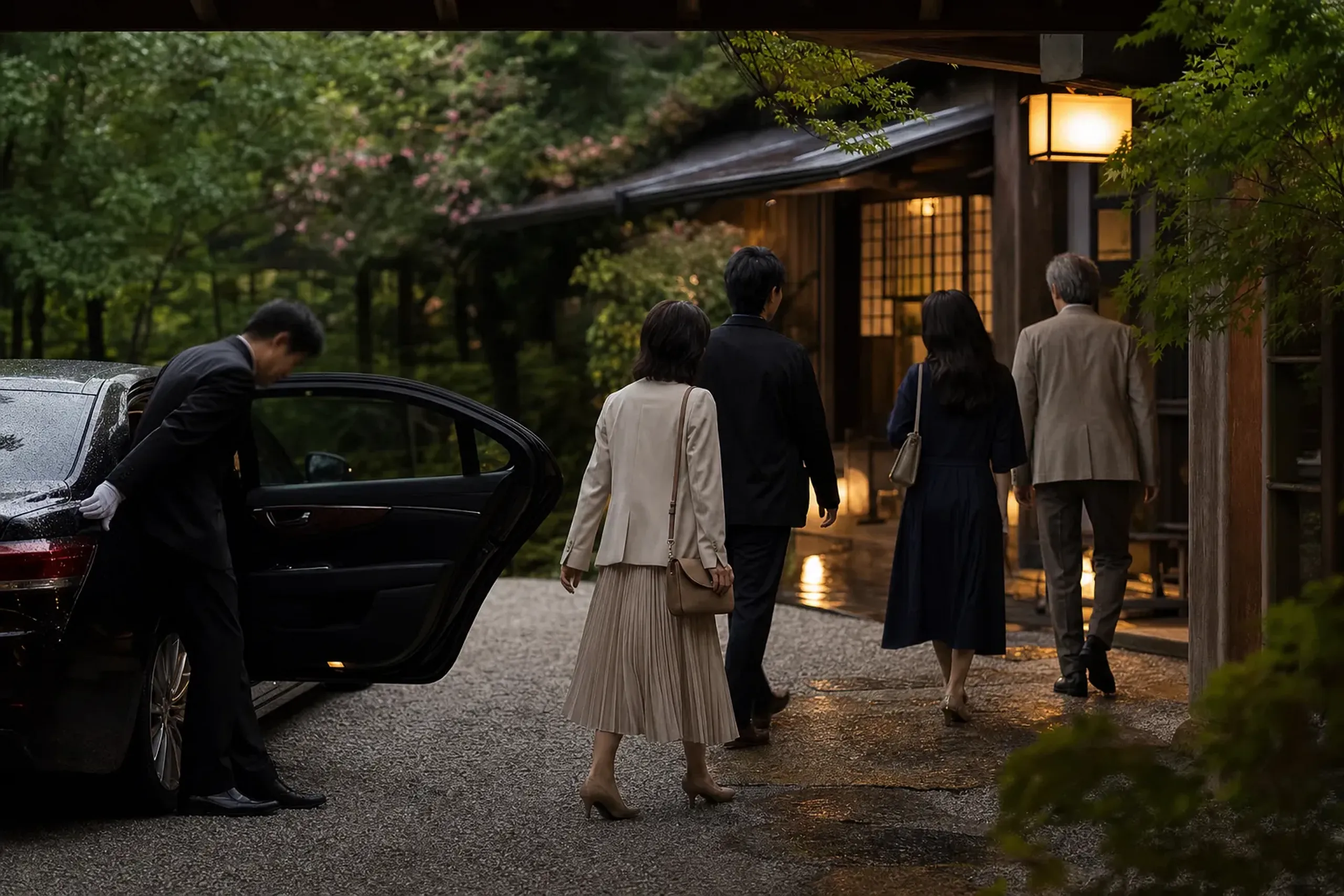
You also avoid the “who has the tickets” problem, and you can keep a jacket, gifts, or flowers in the car without carrying them all day. The first mention matters, so here it is: many milestone travelers ask us about private transportation for airport transfers and day touring.
If you are deciding between a driver and rail for a multi-city trip, our perspective is laid out in The Decision Framework: Private Driver Or Rail?. It’s practical, not ideological.
What Should The Milestone Day Schedule Look Like For A Party Of 2–6?
Keep the milestone day light: a late start, one meaningful morning activity, a long break, then the dinner.
The mistake is stacking “Japan’s greatest hits” onto the date itself. Big mistake. Your milestone day is not the day to learn a new subway line, gamble on a walk-in lunch, and squeeze in three museums before changing clothes.
Instead, choose one morning that feels specific to Japan and specific to your party. For some groups, it’s a garden and a single temple visit. For others, it’s a portrait session in kimono, followed by a quiet lunch you already understand.
Then build a long blank space. Two hours at the hotel. A bath. A short nap. You are not “wasting time.” You are buying a calmer evening.
A Kimono Portrait: The Memory That Shows Up Later
A milestone photo is not about performing Japan.
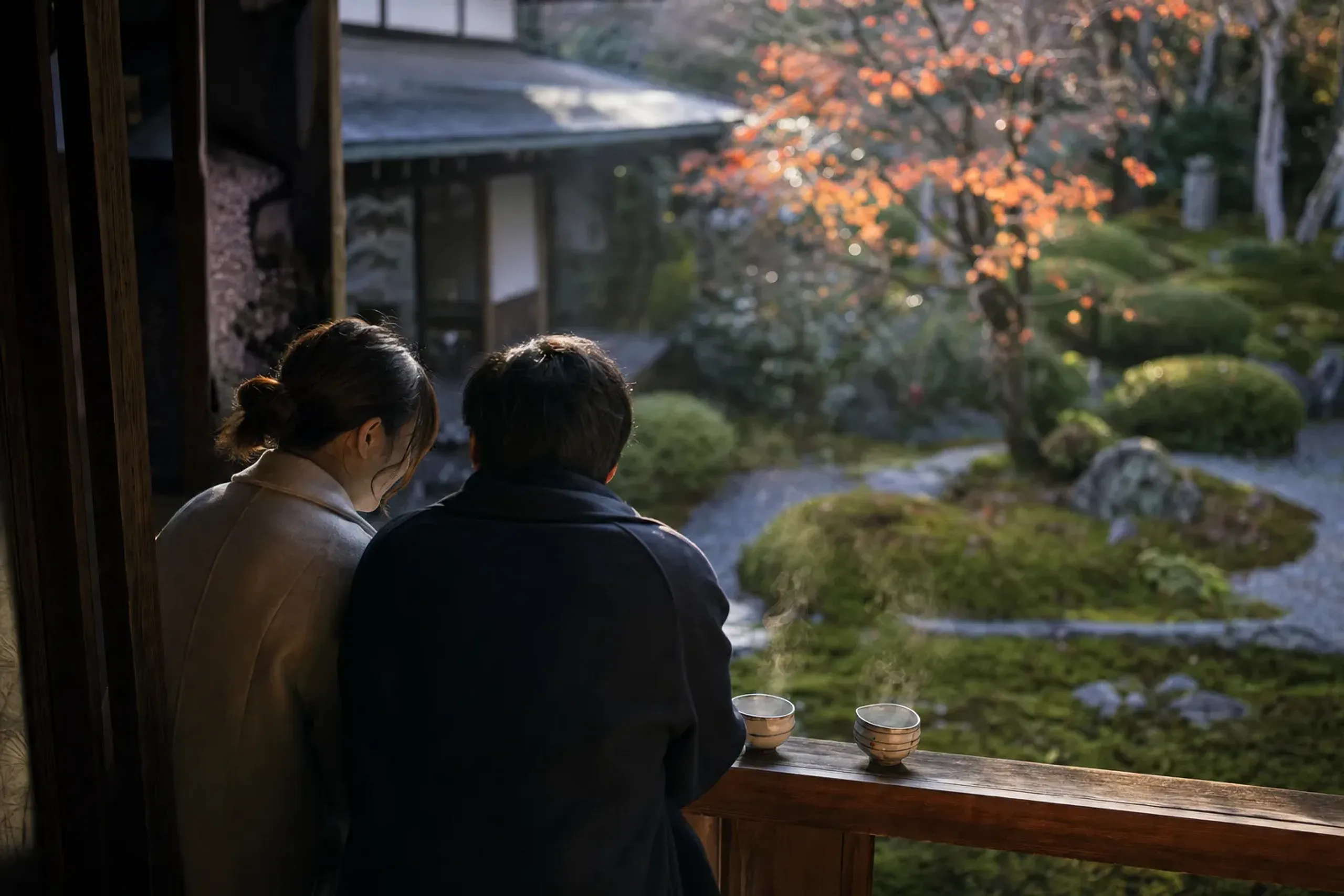
It’s about marking a moment, with craft.
If you choose kimono, treat dressing as an appointment, not a casual add-on. Shoes, hair, and timing need thought. Our concierge team plans the day so you are not hustling across town in formal wear.
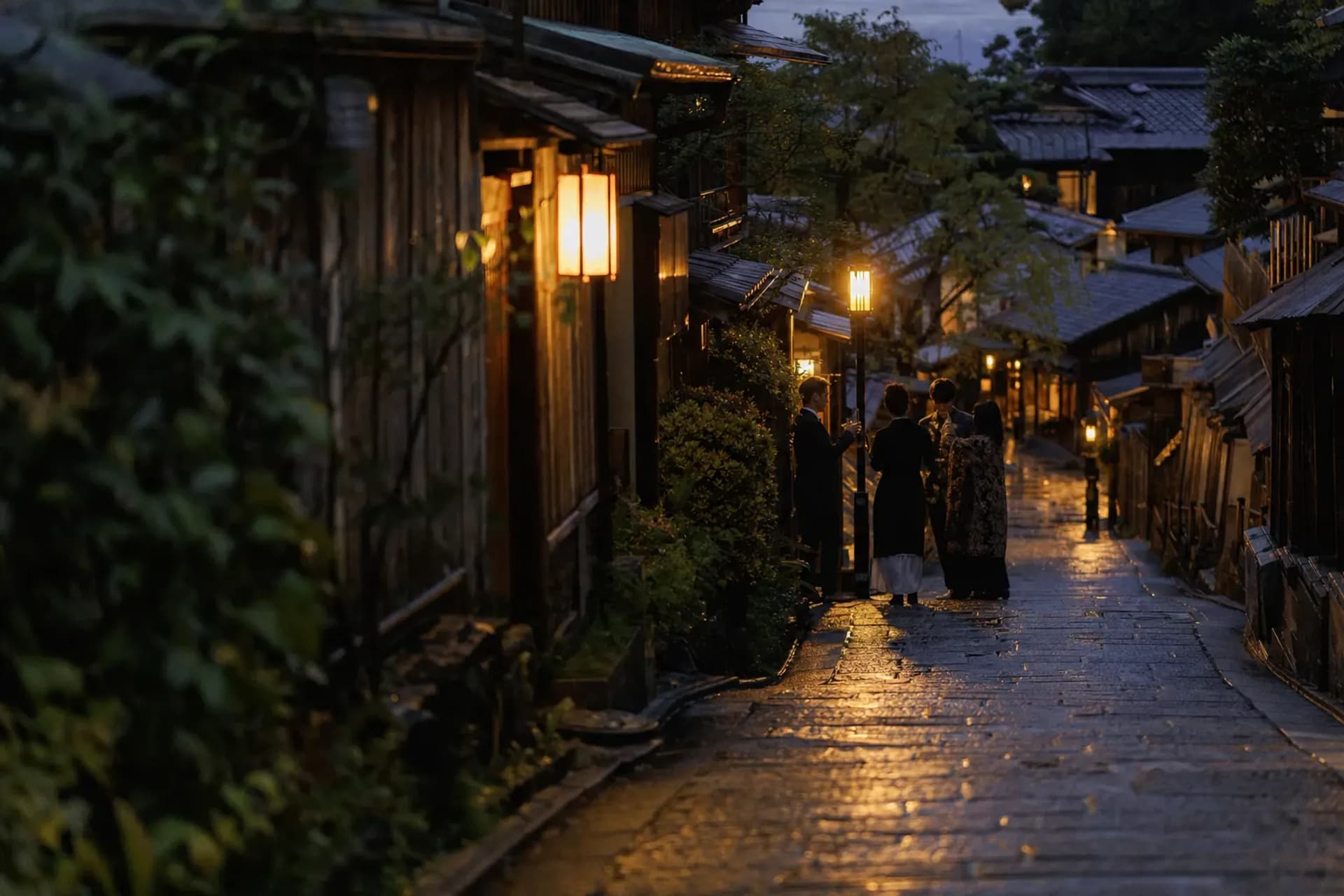
In Kyoto, there is also a conduct point worth knowing. Since 2024, entry to private lanes in parts of Gion has been restricted, and photographing geiko and maiko without permission is discouraged. You can still take beautiful portraits in Kyoto. You just want a plan that respects the city.
If you are drawn to Kyoto’s geisha districts for atmosphere and evening texture, we break down the choice in Gion Or Miyagawa-chō: Choosing A Kyoto Geisha District. The differences are subtle, and they matter.
Seasonal Anchors That Pair Well With A Milestone
One well-chosen public event can frame a celebration week. Crowds included.
If your dates are in Kyoto in July, Gion Matsuri runs throughout the month at Yasaka Shrine. Kyoto’s official tourism guidance for 2026 notes Yoiyama for the Early Festival typically runs July 14–16, and the Latter Festival July 21–23, with key Yoiyama dates on the 16th and 23rd. That can be your “pre-celebration” night: lanterns, street energy, then a quiet retreat.
In May, Aoi Matsuri includes a formal procession, and Kyoto’s official tourism organization publishes information for 2026 paid viewing seats.
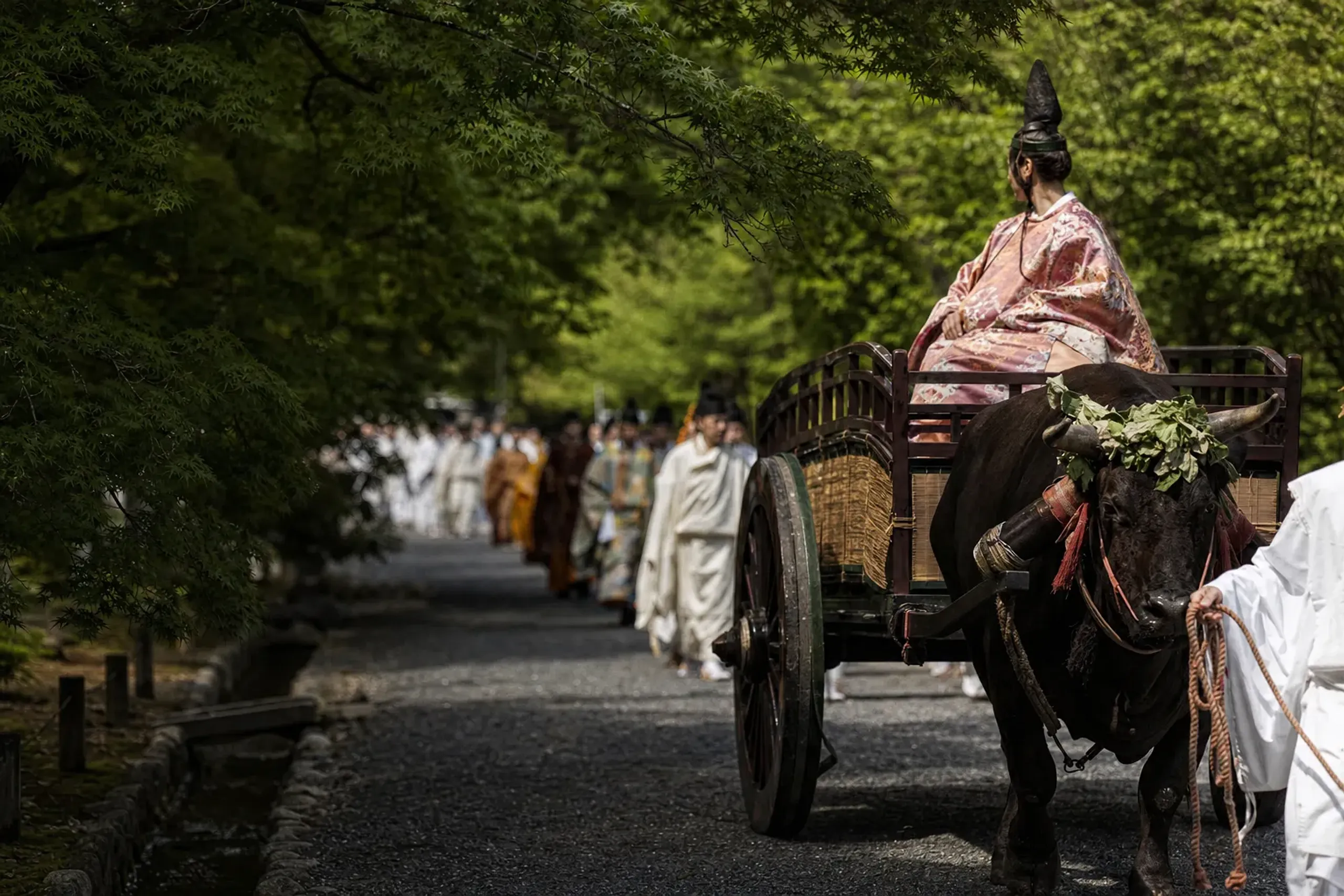
The tone is different from Gion Matsuri. More courtly. It can suit a retirement or a multi-generational birthday where the group prefers daylight and seated viewing.
Private Room Or Counter? Choosing The Celebration Evening Format
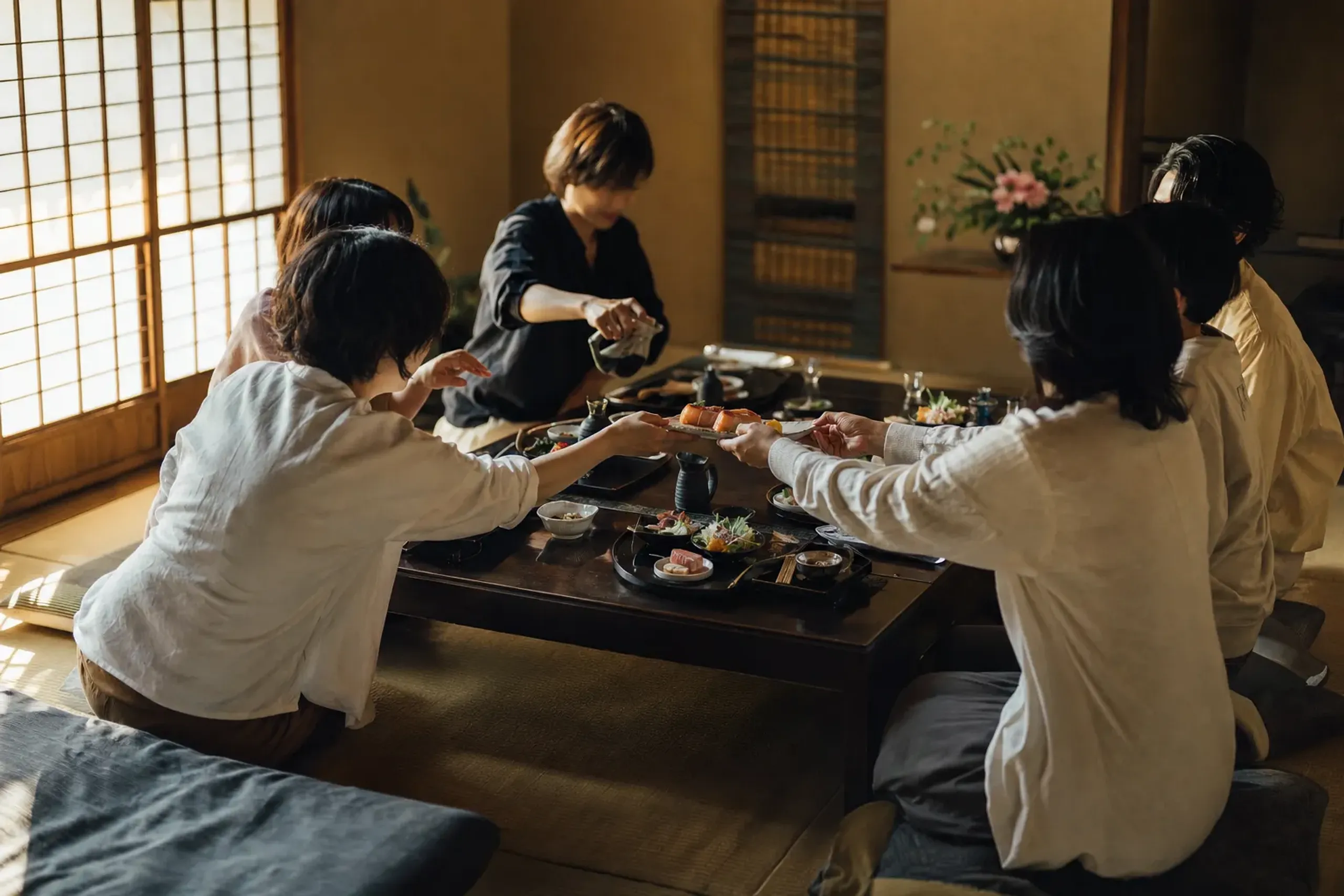
A private room suits conversation and toasts; a counter suits a party of two who want to watch the cooking.
The dinner choice is less about “best restaurant” and more about format. For two people, a counter can feel intimate without needing a speech. You watch the chef’s hands. You let the evening unfold. That’s shokunin in real life, not as a slogan.
For four to six, a private room often works better. You can speak at a normal volume. You can bring a small gift. You can set a pace that fits the family, not the room. The trade-off is that private rooms can book out early, and policies vary by venue.
If you are deciding between sushi, kaiseki, and kappo for the milestone meal, use this guide first: Sushi, Kaiseki Or Kappo: Choosing The Right Japanese Meal. It explains what each format asks of the guest.
Key fact: At set-course counters, dietary restrictions are communicated when booking and substitutions are limited.
This is why we keep the milestone day’s lunch simple. The “special meal” is the evening, and you want to protect it. If someone in your party has restrictions, our concierge team shares them early and helps choose a format that is realistic.
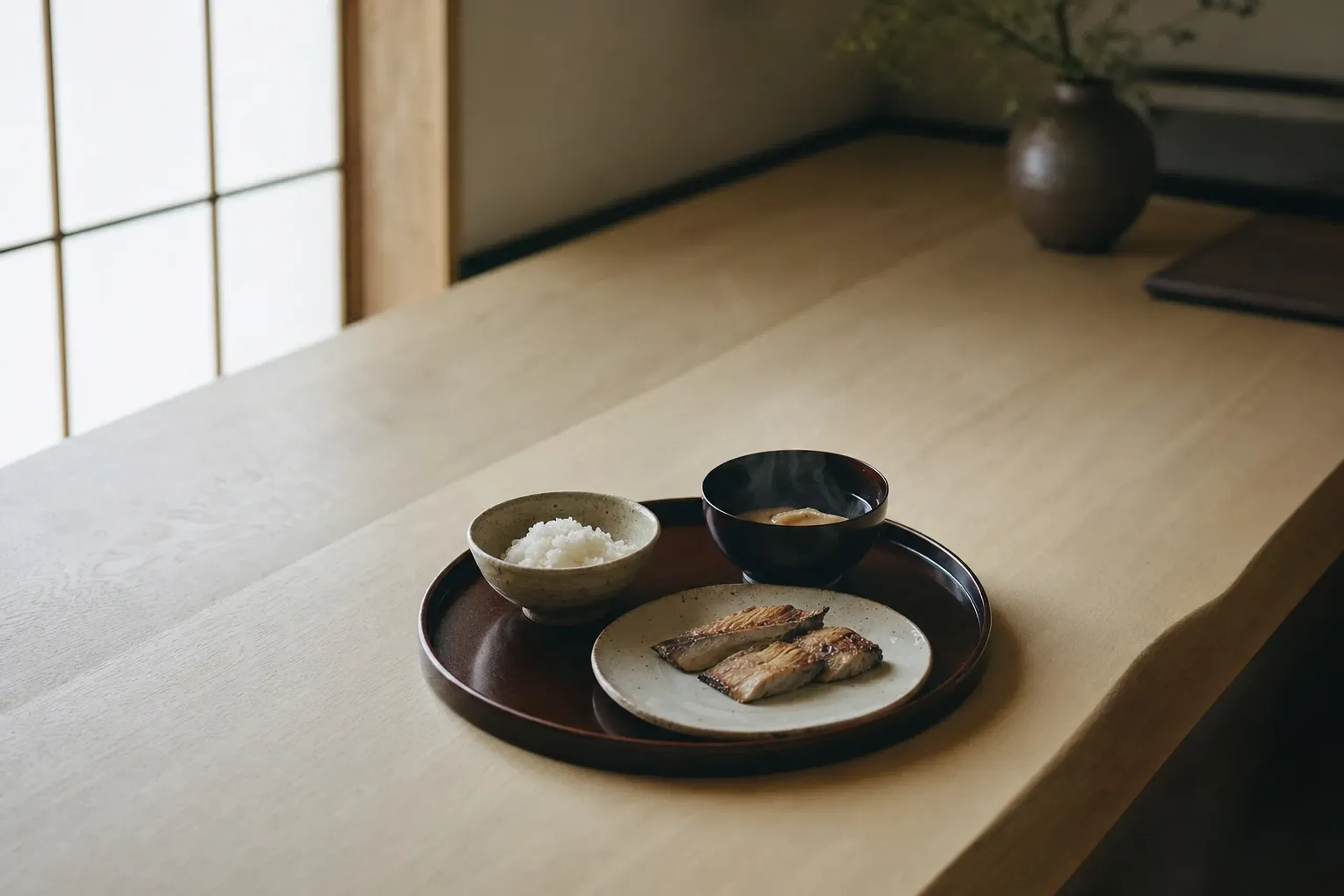
The Details That Make It Feel Like A Milestone (Without Turning It Into A Production)
Small parties do not need a “show.” They need a few well-chosen details that land softly.
Flowers are the simplest signal. Not huge arrangements. One considered bouquet waiting in the room, or a small piece on the dinner table if the venue allows it. Our concierge team confirms directly with the venue at the time of arrangement, because policies vary.
A celebration cake is possible in some settings, but never assume. Some dining rooms cannot accommodate it, and some properties have clear rules. We treat this as a coordination point, not a given, and we confirm directly with the venue before planning the moment around it.
A photographer is often the detail clients thank us for later. Not a long shoot. Thirty to sixty minutes can be enough for two to six people, especially if you pick one location and keep walking to a minimum. Discretion matters here too. The point is not attention; it’s a record of the day.
Kimono, Timing, And The Quiet Version Of “Glamour”
In Japan, the most elegant look is often the restrained one. Wabi-sabi, in the practical sense.
If you plan kimono, we recommend building the day around it rather than squeezing it between stops.
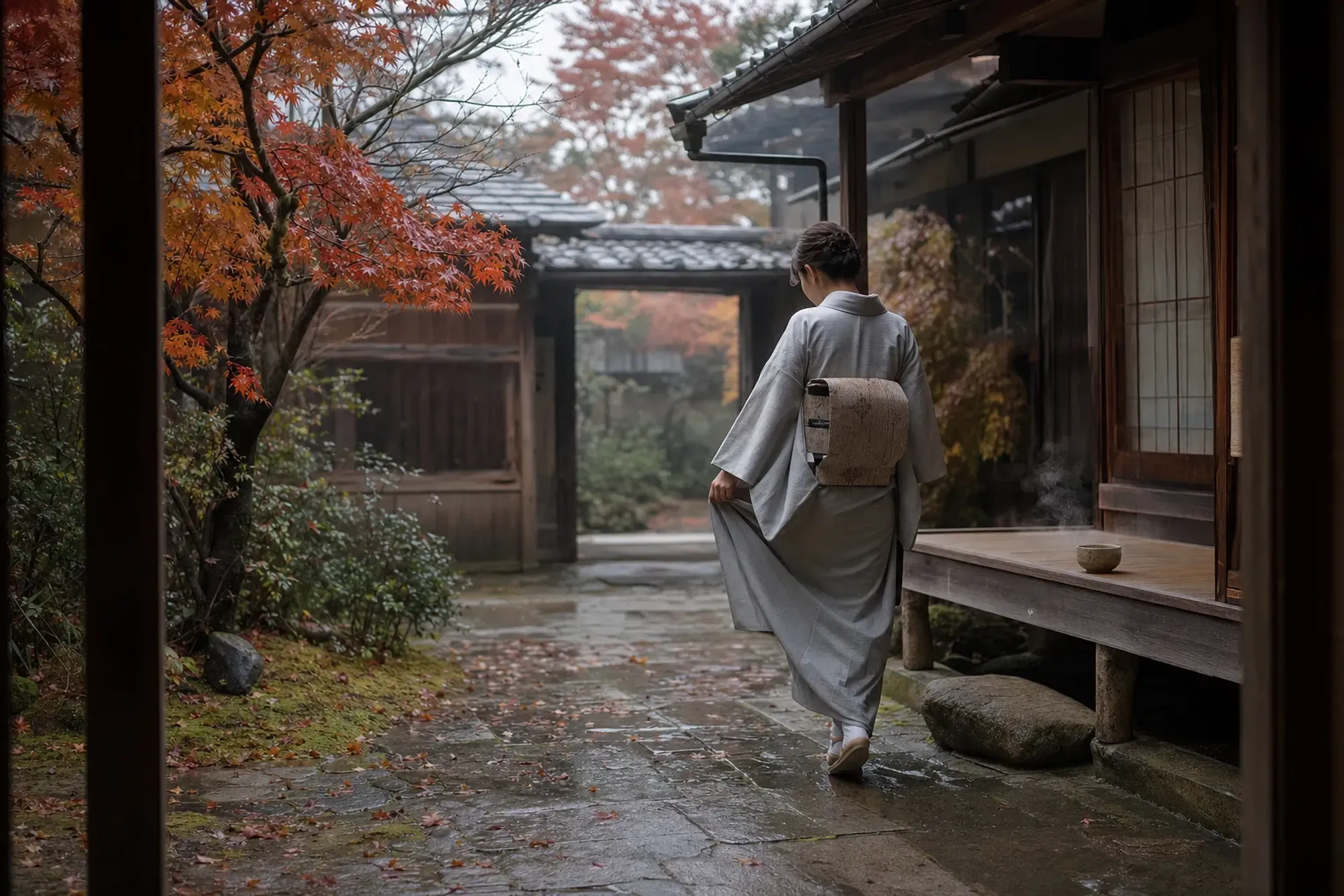
Dressing, hair, and photos take time. If you compress it, you feel it in your shoulders at dinner.
We also think about what happens after the photos. Where do you change, if needed? Where do you store purchases? How do you arrive at dinner without carrying bags? These small choices keep the evening from feeling like a logistics exercise.
Provisioning Lead Times: The Rule That Saves The Evening
Provisioning typically needs one to three days’ notice.
This is the hidden constraint behind many milestone details: flowers, a bottle you want waiting, a small gift staged in the room, or a cake request where it’s permitted. If you decide the day before, options narrow fast. Our concierge team plans these pieces early, then confirms them directly with the venue close to the date.
The Day After: Protect The Soft Landing
The day after a milestone should be slower than the day before. Always.
This is where many itineraries get oddly strict. An early train. A long drive. A hard museum time slot. You end up treating the milestone like a speed bump rather than the center of the trip.
Instead, plan a late breakfast and a single, gentle plan: a garden, a lakeside walk, or a short ride to an onsen town if your routing allows. If a ryokan fits the route, placing it on the night of the milestone or the night after can work well, as long as you respect check-in and dinner timing.
For onsen-focused routing in colder months, logistics matter more than romance. Snow changes everything. Our winter guide is here: Winter Onsen Logistics: Snow Country, Done Comfortably.
How Do You Book A Small-Party Milestone Trip In Japan?
Start by choosing the milestone city and date, then build a three-day frame: an arrival day, the celebration day, and a slower day after.
Once that frame is set, you can decide where a private driver is essential and where rail is enjoyable. You can also choose the dinner format early, because private rooms and set-course counters can have limited flexibility for late changes.
There are also “access rules” in Japan that surprise overseas guests. For example, Sukiyabashi Jiro in Ginza states that reservations for customers coming from overseas can only be made through the concierge of the hotel where the customer is staying. That’s not a hack. It’s simply how the venue works.
Guests who want tailored guidance for milestone logistics—timing, dining format, and how to pace Tokyo, Kyoto, and Hakone without dragging the celebration night through a transfer—can contact our concierge team privately to discuss what is realistic for their dates.
Frequently Asked Questions
Should We Put The Anniversary Dinner On The First Night In Tokyo?
No—arrival night is best kept simple, with an early dinner and a calm schedule, and the anniversary dinner placed after one or two settled days.
This pacing keeps the milestone from being swallowed by airport timing, check-in, and unfamiliar transit. For a party of four to six, it also keeps the group together and reduces decision fatigue.
Can You Add A Celebration Cake Or Flowers To A Private Dinner In Japan?
Sometimes, but policies vary by venue, so the details must be confirmed directly with the restaurant or hotel at the time of arrangement.
Our concierge team plans the timing and handling in advance, and we treat cake, flowers, and table styling as coordination points rather than assumptions.
How Far In Advance Should We Plan A Small-Party Milestone Trip To Kyoto During Gion Matsuri?
For Kyoto in July, plan early, because Yoiyama nights around July 16 and July 23 draw heavy crowds and compress dining and transport availability.
Gion Matsuri runs throughout July at Yasaka Shrine, and Kyoto’s official 2026 guidance notes Yoiyama typically runs July 14–16 for the Early Festival and July 21–23 for the Latter Festival. Even if your milestone dinner is on a quieter night, the city’s rhythm changes during these windows.
Is A Private Driver Worth It For A Party Of Four To Six On A Milestone Trip?
For many small parties, yes—a single vehicle keeps the group together, simplifies timing, and makes it easier to pace a milestone day with a long break before dinner.

It also pairs well with next-day luggage forwarding, because you can move through the trip without everyone managing suitcases. The right balance depends on your route and how many city changes you are attempting.
Why Choose Japan Royal Service
Milestone trips are not hard because Japan lacks options. They are hard because the stakes are high, the policies vary by venue, and one rushed day can flatten the evening you came for. Our team at Japan Royal Service plans the trip around the date, not the other way around.
We work in the details that make a small-party celebration feel considered: meal format choice, dietary communication for set-course dining, discreet photography planning, kimono timing, and provisioning with one to three days’ notice. We also build routes that respect real-world constraints, like ryokan check-in around 3 p.m. and set dinner times around 6 to 7 p.m.
When you want something quieter than a checklist, we lean into hidden-Japan choices and shokunin moments that fit your party’s temperament. Less noise. More meaning.
If you are planning an anniversary trip to Japan or a milestone birthday for a party of two to six, reach our team privately via WhatsApp or LINE, or contact us here to start shaping the dates around the day.