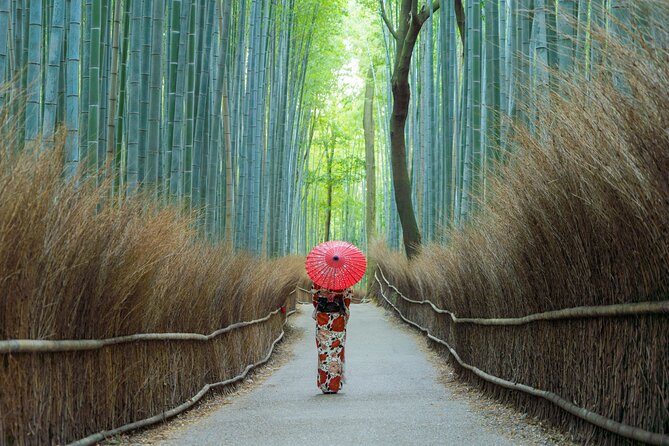
Nara gets short-changed. Most travelers arrive mid-morning, photograph the deer, bow before the Great Buddha, and retreat to Kyoto before dinner. Big mistake. In our experience at Japan Royal Service, that rushed tempo flattens one of Japan’s most quietly profound cities into a single afternoon of crowded paths.
2026 finally gives the discerning traveler a reason to slow down and stay. HOSHINOYA Nara Prison — a luxury property announced to open on June 25, 2026 — reimagines the former Nara Prison, described in official announcements as a nationally important cultural property. The Japan National Tourism Organization has spotlighted this rebirth internationally. Word is spreading. Rooms will be scarce, and expectations sharp.
This guide explains what makes the property remarkable, why an overnight transforms Nara entirely, and how to plan a stay that honors the city rather than skims it.
An Adaptive-Reuse Stay With A Genuine Story
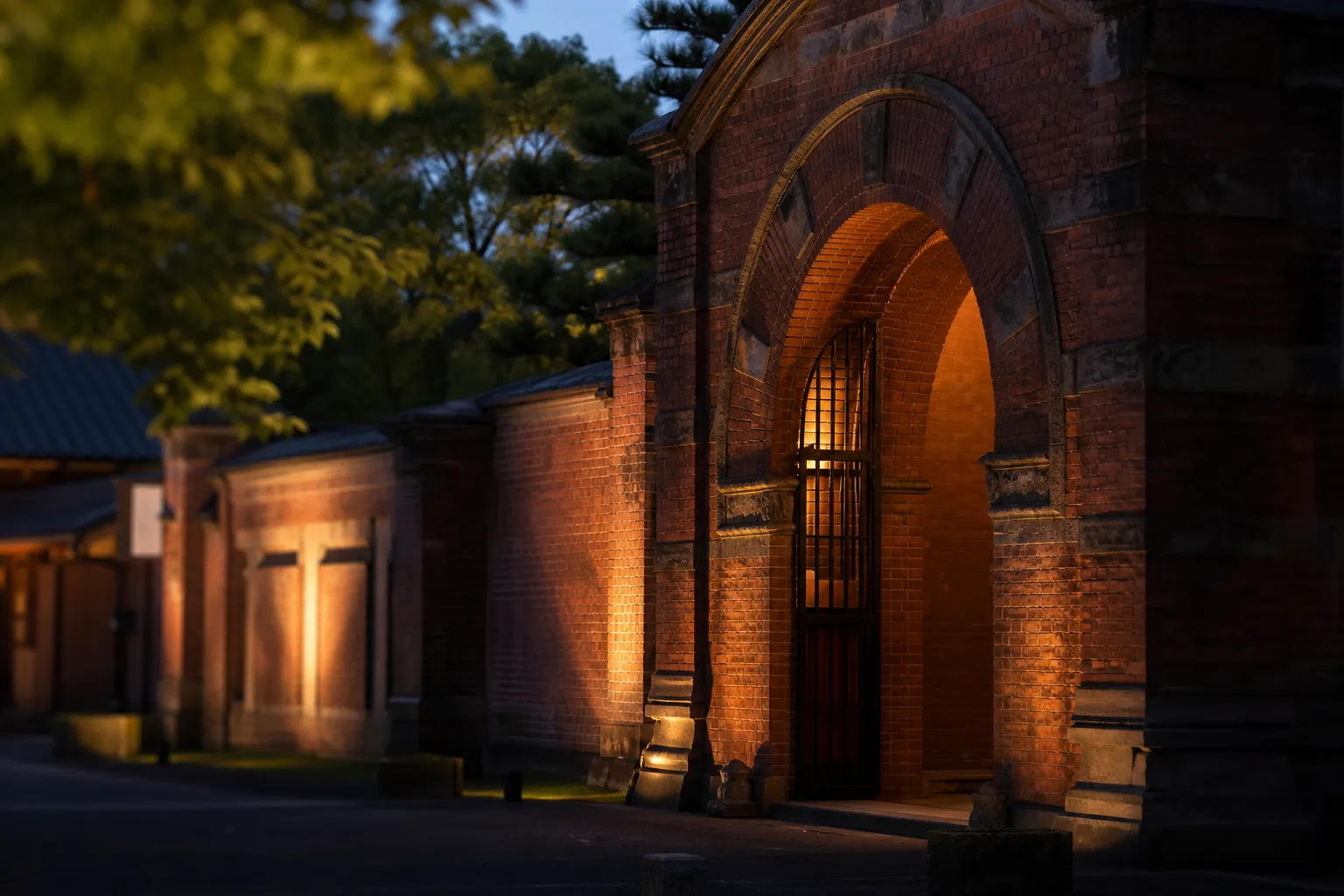
Most luxury hotels invent their atmosphere. This one inherited it. The former Nara Prison was completed in 1908, one of five Meiji-era penal facilities designed in a striking red-brick Romanesque style. For over a century it stood as a working institution. Now it enters a second life as a HOSHINOYA — Hoshino Resorts’ flagship luxury brand.
What draws sophisticated travelers here is not gold leaf or marble. It is patina. Wabi-sabi lives in the weathered brick, the iron details, the long corridors that have absorbed a hundred years of weather and silence. Adaptive reuse, done with restraint, carries a weight that new construction simply cannot manufacture.
The building’s architectural pedigree matters. As a registered cultural property, its exterior and core structures are preserved rather than gutted. That tension — between the gravity of the original walls and the calm of a contemporary stay — is precisely the kind of layered experience our clients quietly seek after they have already done Kyoto’s classics.
Why Nara Deserves An Overnight, Not A Detour
Nara was Japan’s capital from 710 to 784. UNESCO recognizes the “Historic Monuments of Ancient Nara” precisely because this short window shaped Japanese statecraft, religion, and architecture for centuries afterward. This is not a side stop. It is an origin point.
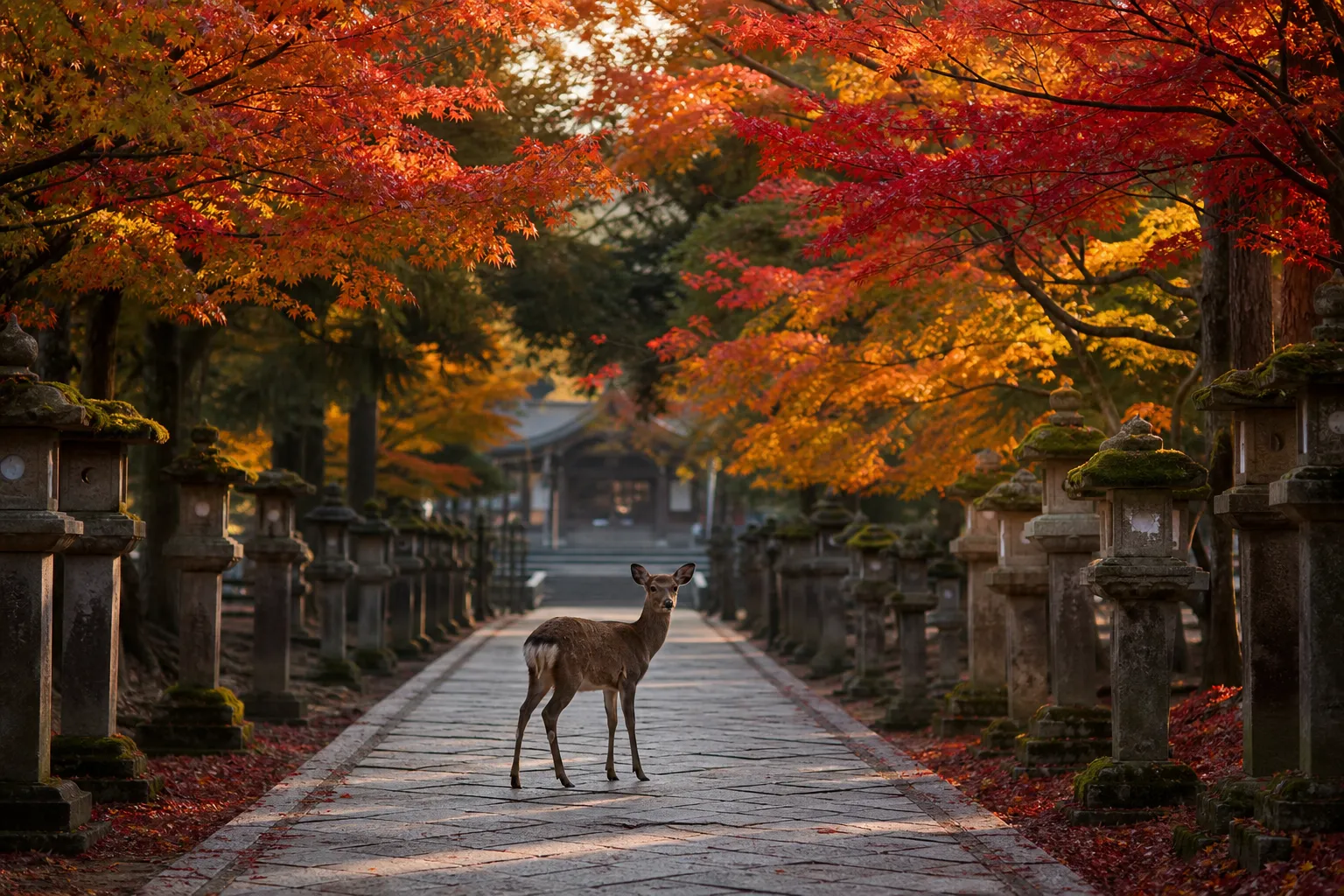
The day-trip rhythm hides the city’s best hours. Early morning and dusk belong to those who stay. When the tour buses clear, Nara Park softens. Moss darkens. The deer move without crowds pressing in. The city stops performing for cameras and returns to itself.
An overnight unlocks two windows ordinary visitors never reach. You can walk the central paths before the first coach arrives. You can dine without watching the clock for the last train back to Kyoto. That spaciousness — quiet, unforced, intimate — is the real luxury our clients remember long after the photographs fade.
How Many Hours Should You Give Nara?
Not everyone has a free night. Our concierge tailors the visit to whatever window you genuinely have, and the right sequencing matters more than the total time.
The Two-Hour Window
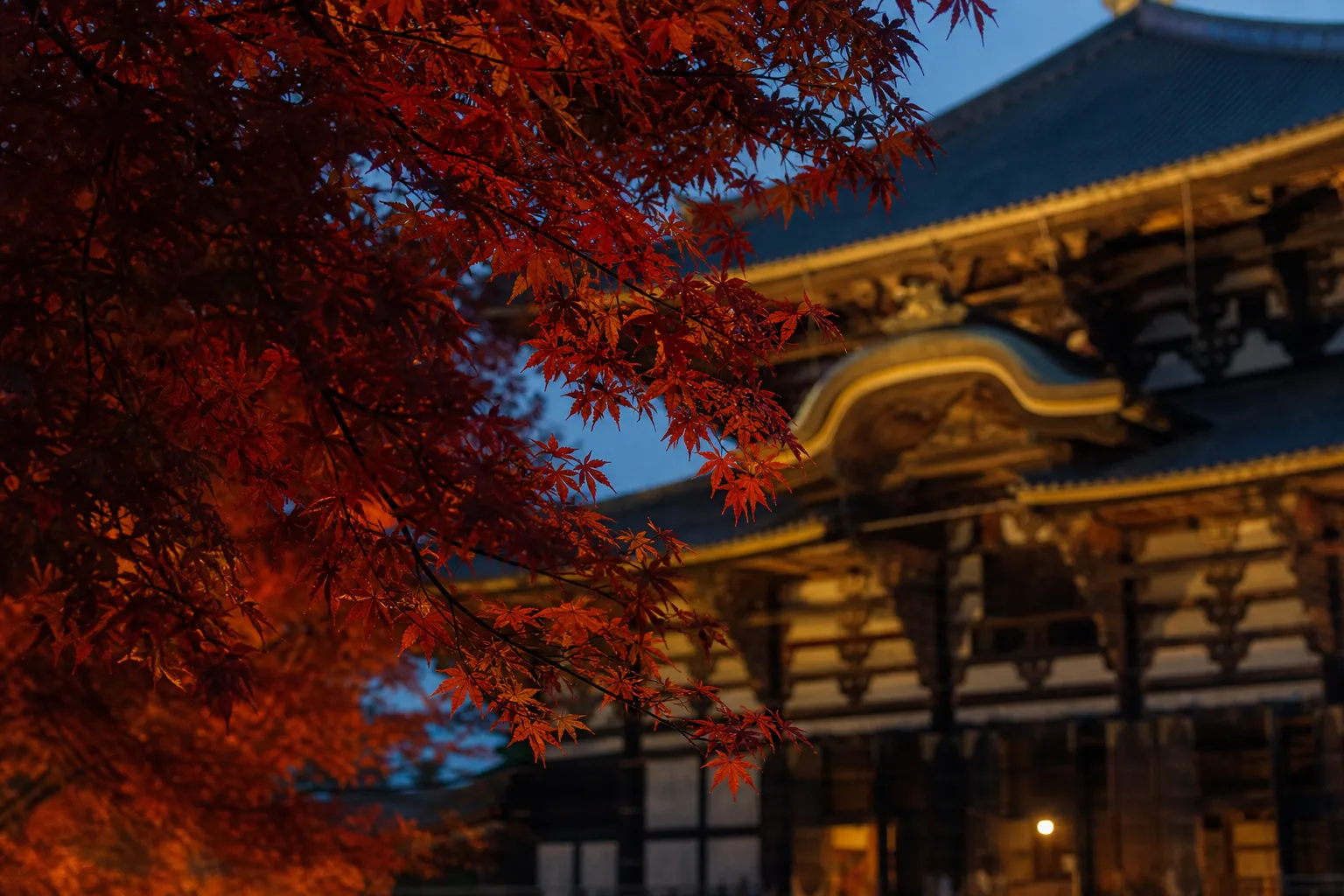
If two hours is all you can spare, we keep it disciplined. One neighborhood. Minimal backtracking. The focus is Tōdai-ji, specifically the Daibutsuden — the Great Buddha Hall, one of the world’s largest wooden structures. A short, deliberate walk through Nara Park follows, with a single calm deer encounter.
Tōdai-ji sits within a dense cluster of highlights: Isuien Garden, Kōfuku-ji, and the Nara National Museum all stand nearby. In two hours we add one adjacent stop at most. Pile on more and the visit becomes a hurried march.
The Half Day
Four to five hours is where Nara begins to feel refined. Timing is everything. Our coordinators usually steer guests away from the mid-day congestion that swallows the park’s central routes.
- Arrive early, or in late afternoon, to ease the pressure around the main paths
- Visit Tōdai-ji first, before group tours fully stack up
- Pause for a quieter garden interlude, often Isuien
- Finish with a measured walk past Kōfuku-ji toward the museum zone if time allows
This is when wabi-sabi registers. The wood grain reads differently in lower light. The crowds thin. The city exhales.
One Night — Our Recommended Choice
One night changes the entire character of the trip. You gain the morning and evening hours that define a great Nara stay. And in 2026, the lodging anchor for that overnight is unmistakable: the announced June 25 opening of HOSHINOYA Nara Prison.
The most memorable stays in Japan are those you can feel in the materials — the brick, the iron, the worn stone underfoot. A property with this kind of history delivers exactly that, provided the rest of the itinerary carries the same intention.
Getting To Nara Without The Friction
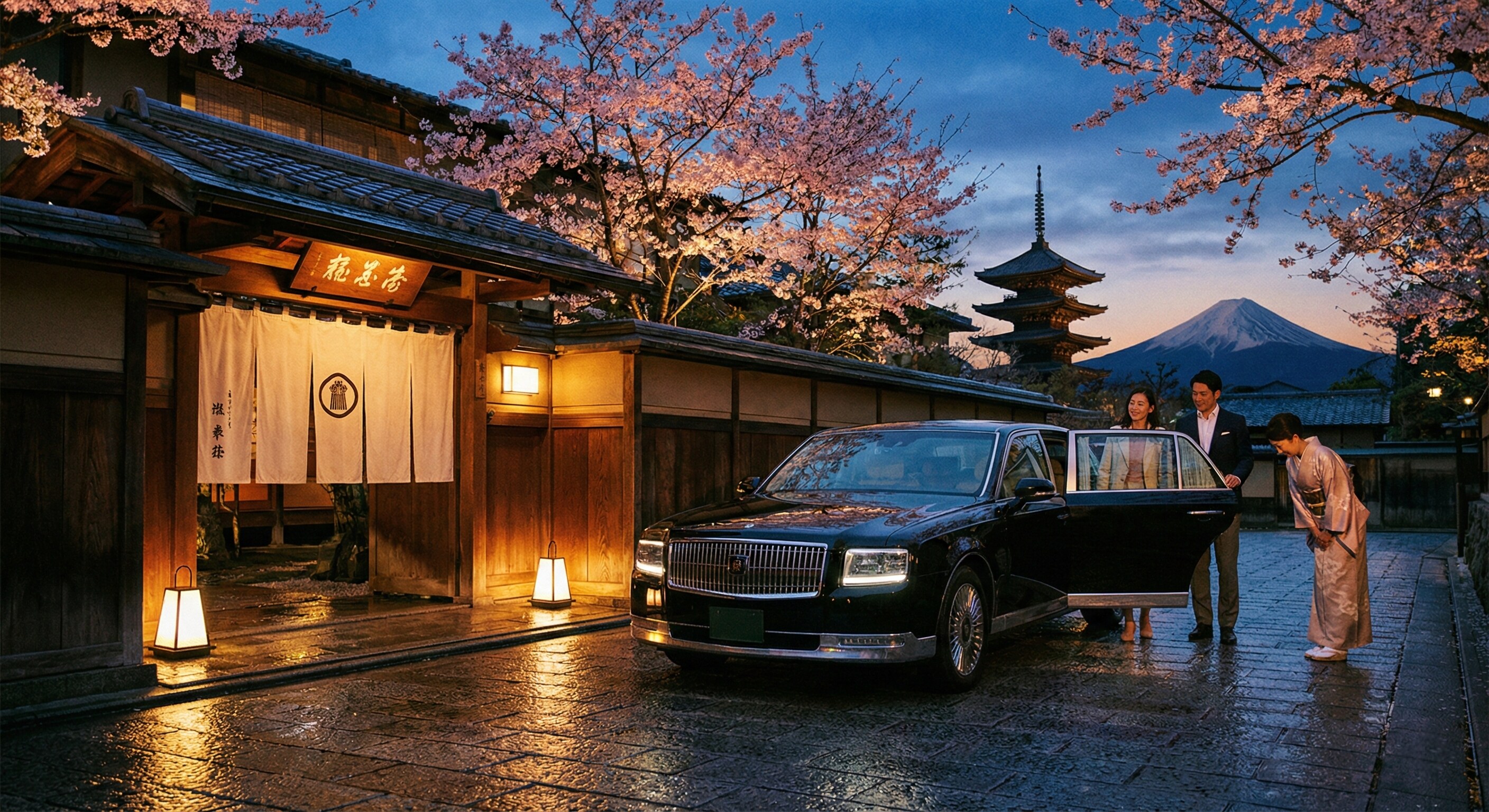
Many guests prefer to base in Kyoto and slip into Nara with a private chauffeur for door-to-door ease. Our Kyoto chauffeur service handles the timing so you arrive when the city is calm rather than when the rail schedule happens to land.
Rail works well when it suits your day. JR “Miyakoji rapid” trains run roughly every 30 minutes between Kyoto Station and JR Nara Station — convenient frequency that, ironically, is why Nara is so often reduced to a quick hop. Frequency is not the same as a good experience. Your arrival time shapes the visit far more than the route.
For most of our clients we propose one of two patterns:
- Arrive early and finish the key sites before the mid-day surge
- Arrive later and let the day-trippers clear before a quieter walk and dinner
We use rail when it is genuinely efficient, and private transport when it protects your time and energy. The aim is rhythm, not extravagance.
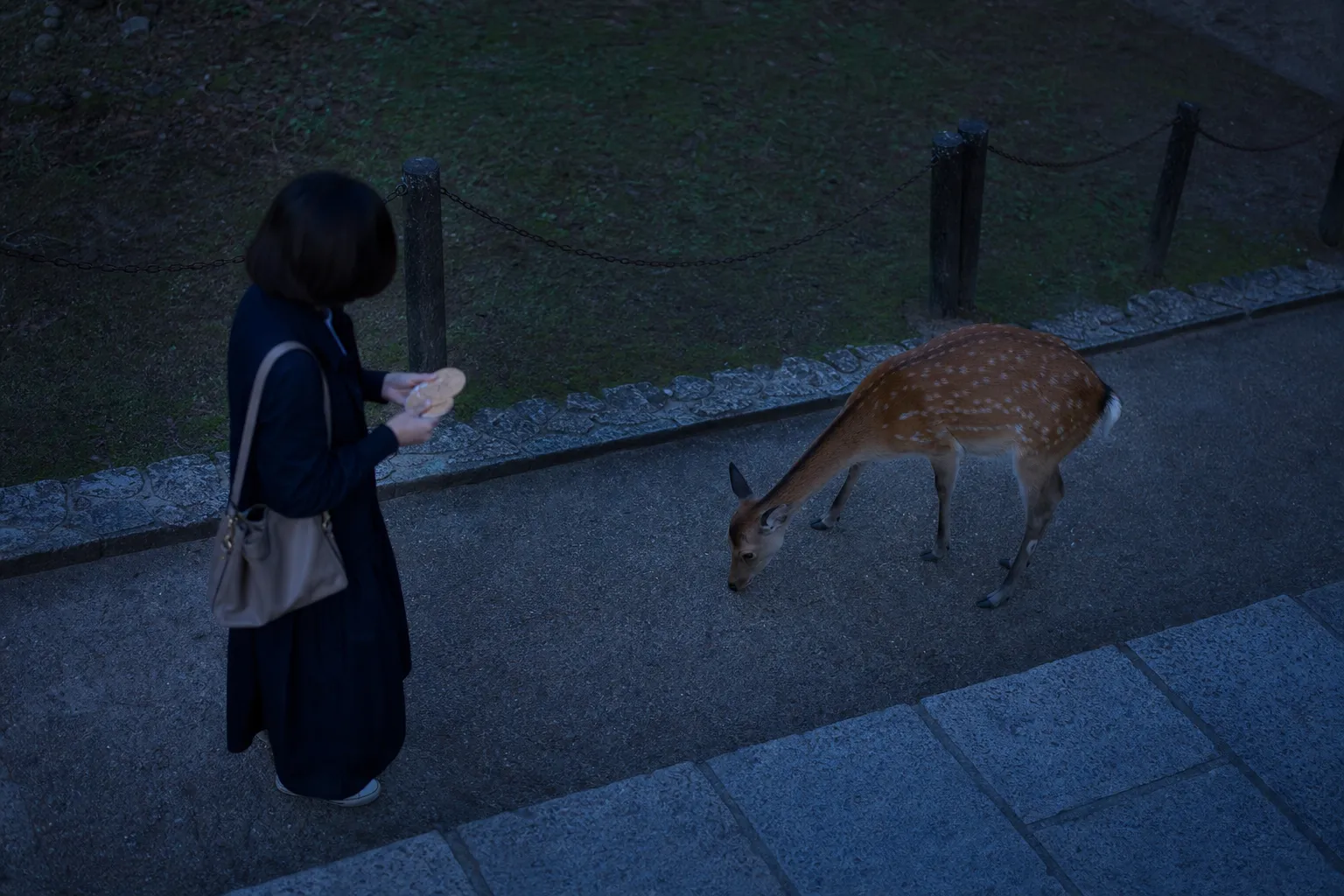
Nara Park Deer: Etiquette That Keeps It Elegant
Nara’s deer are wild animals, freely roaming the park. The only food visitors may offer is the deer senbei (shika senbei) crackers sold on site. Many deer have learned to bow their heads to request one — a charming exchange when handled calmly.
We brief guests in advance, particularly families and first-time visitors. A few simple rules keep the encounter graceful:
- Keep edible items out of easy reach; the deer will investigate bags
- Offer only deer senbei, and do it without sudden movements
- If a deer grows pushy, show open, empty hands and step away slowly
This is about respect for the place, not fear of the animals. A refined Nara experience should never tip into chaos.
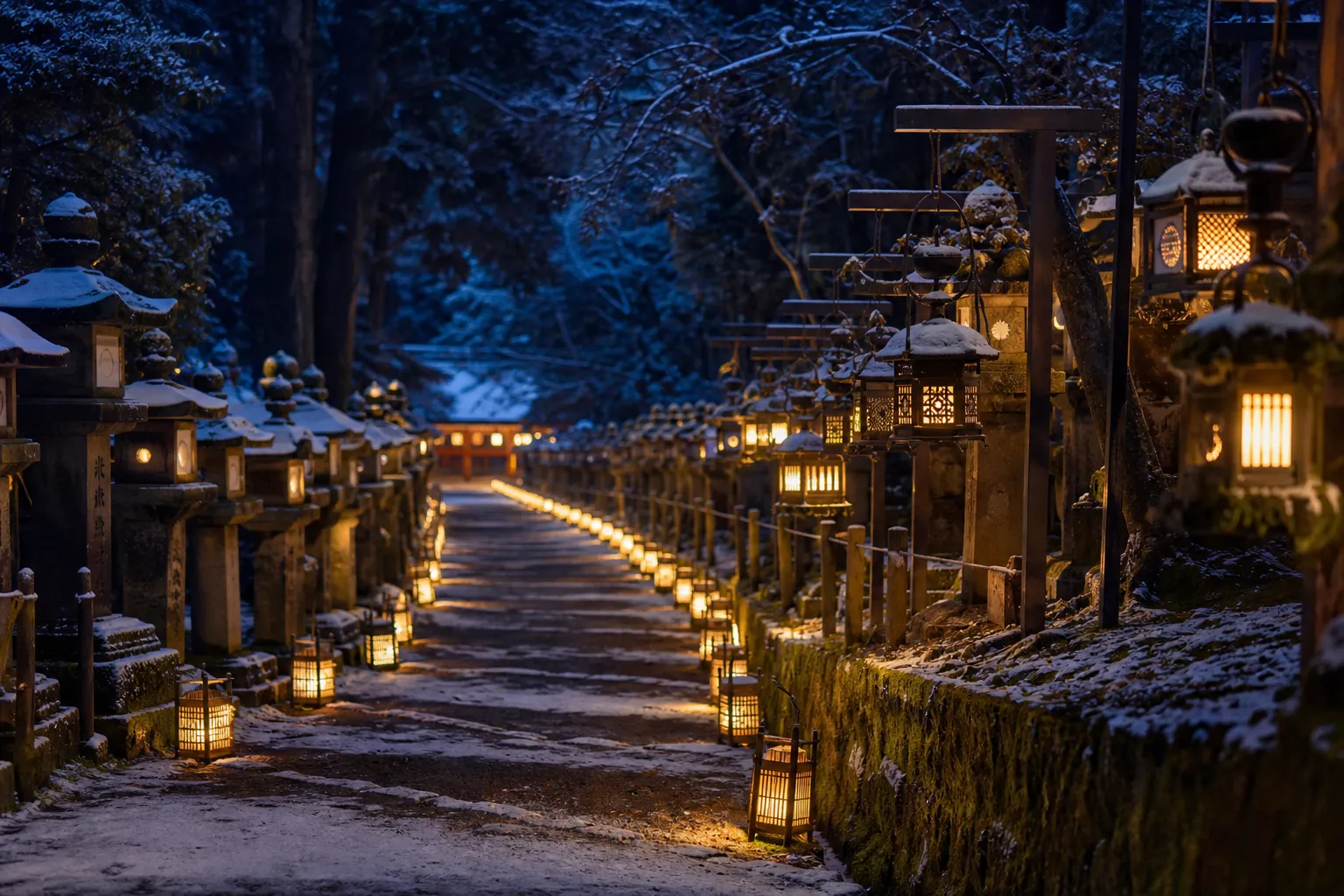
Planning Around Nara’s Seasonal Anchors
Nara is at its most atmospheric when you build the trip around its cultural calendar rather than the weather alone. Two verified anchors are worth planning a 2026 visit around.
February 3 — Setsubun Mantoro at Kasuga Taisha. On this evening, the shrine lights more than 3,000 stone and hanging lanterns. The effect along the moss-flanked approach is hushed and otherworldly. It is also one of the year’s most popular nights, so quiet access requires advance coordination.
August 14–15 — Chūgen Mantoro at Kasuga Taisha. The same lanterns are lit again in mid-August, pairing summer warmth with the same flickering glow. Fewer foreign visitors plan around it, which is part of its appeal.
For the new HOSHINOYA property specifically, the smart move is simple: the months immediately following the June 2026 opening will see the highest demand and the keenest scrutiny. Earlier inquiry gives our team more room to shape the surrounding days.
Pairing The Stay With Hidden-Japan Access
A great property is one element. The days around it determine whether a trip feels merely comfortable or genuinely rare. This is where our team designs the parts of Nara that Google cannot surface for you.
We weave in private cultural sessions that suit the city’s spirit: a quiet calligraphy or kintsugi atelier visit, a temple viewing arranged before the gates open to the public, an unhurried garden walk while the day-trippers are still on the train. These are introductions, not packages — the texture of Hidden Japan rather than a checklist.
Discretion underpins all of it. Guest identities and itineraries stay confidential, always. For travelers who value privacy as much as access, that quiet assurance is the foundation everything else rests on.
Frequently Asked Questions
When does HOSHINOYA Nara Prison open?
The property is announced to open on June 25, 2026, repurposing the former Nara Prison, a nationally important cultural property in the Meiji red-brick style.
Is one night in Nara really worth it?
For travelers who have already seen Kyoto’s headline sights, yes. An overnight unlocks early morning and evening — the hours when Nara Park empties of crowds and the city feels spacious and intimate.
How do I get from Kyoto to Nara?
JR Miyakoji rapid trains run about every 30 minutes between Kyoto Station and JR Nara Station. Many of our guests prefer a private chauffeur for door-to-door comfort and control over arrival timing.
Can I feed the Nara deer?
Only the deer senbei crackers sold within the park. The deer are wild, so offer them calmly and keep other food out of reach.
Why Choose Japan Royal Service
Anyone can suggest a famous hotel. The difference lies in the days that surround it. Our team at Japan Royal Service builds Nara around restraint, careful timing, and access that does not appear in guidebooks — private chauffeured movement between Kyoto and Nara, after-hours cultural moments, and the kind of seasonal sense that places you in the right spot at the right hour.
We coordinate quietly and protect your privacy at every step. We share what is verifiable, suggest what is genuinely worth your time, and leave the polished operational details to a private conversation rather than a public page. That combination — cultural depth, discretion, and a refusal to rush — is what our clients return for.
If the rebirth of Nara Prison as a HOSHINOYA speaks to the kind of story-rich, low-key luxury you favor, we would welcome the conversation. Reach our concierge via WhatsApp or the contact form at japanroyalservice.com for tailored guidance on planning your 2026 stay in Nara.