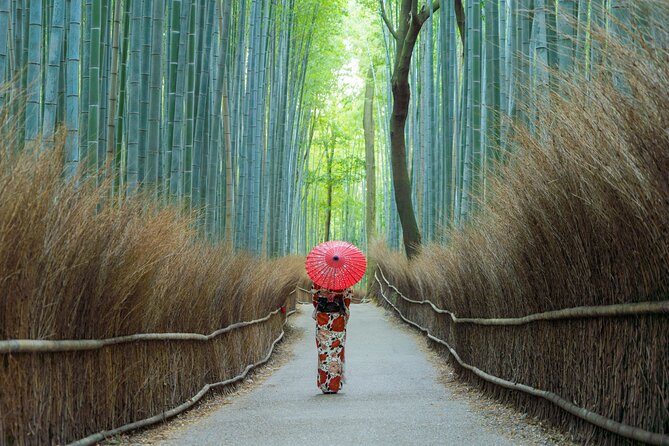
The Quiet Heart Of Old Tokyo
The hyper-modern skyline of Tokyo rarely hints at the city’s feudal past. High-rise towers and illuminated billboards dominate the visual field. Yet, slip away from the busy arterial roads of Asakusa, and a different epoch awaits. Sukeroku No Yado Sadachiyo operates as a physical bridge to the Edo period. Our team at Japan Royal Service frequently observes seasoned travelers experiencing modern fatigue. They want texture. They want quiet. This classic ryokan delivers exactly that. It rejects the sterile shine of contemporary hotels for something far more grounded.
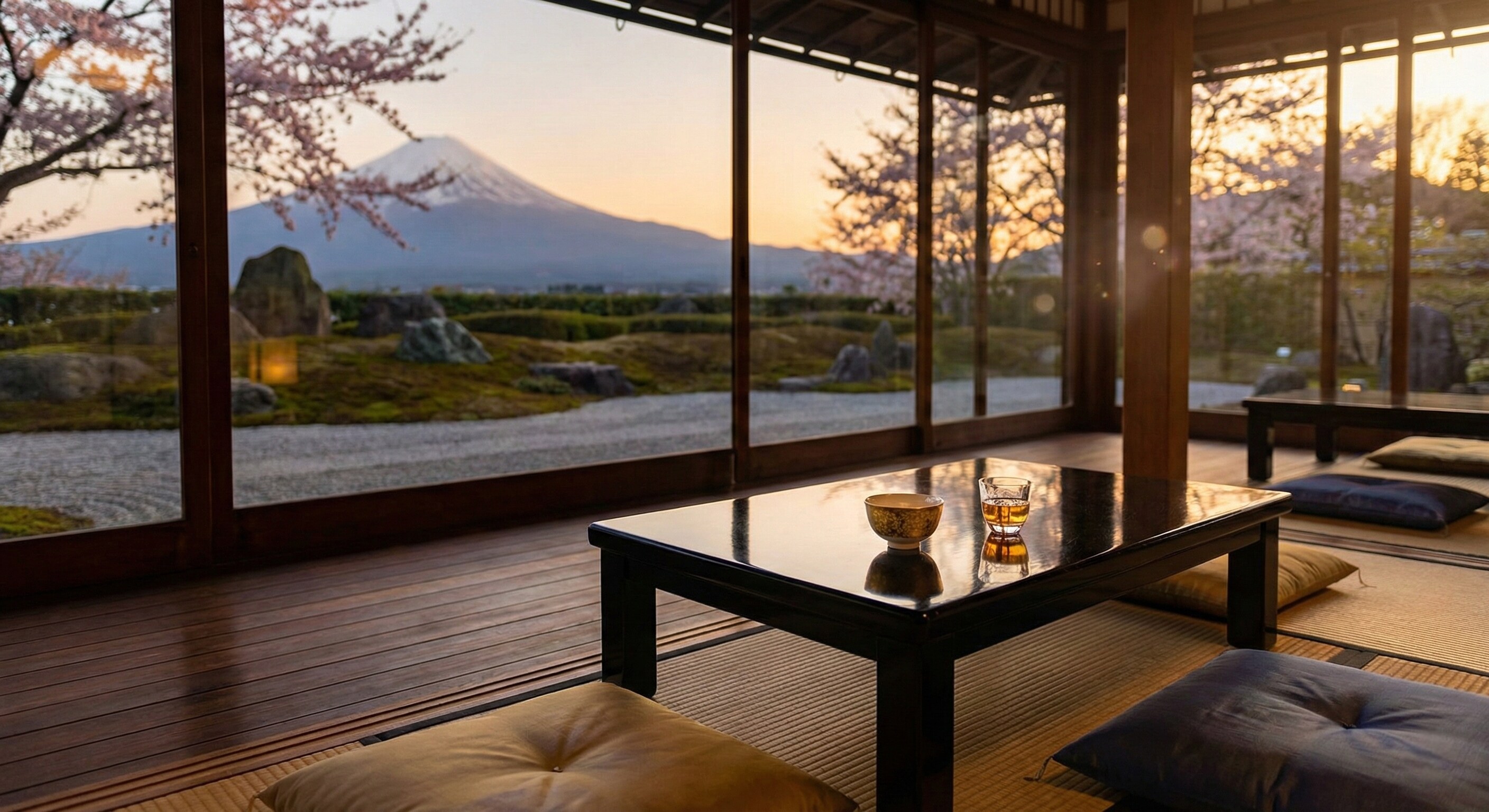
Entering this space requires a shift in mindset. You leave the frantic pacing of the street behind. Wood absorbs sound. The scent of natural rush grass fills the air. It is a completely different cadence.
For high-net-worth individuals who have already explored international luxury chains, true rarity lies in preservation. Authentic ryokans within Tokyo city limits are exceptionally scarce. Finding one that maintains the strict aesthetic principles of the 19th century is even harder. Here, tradition is not a performance. It is a daily operational reality.
The Philosophy Of Iki And Kabuki Legacy
The establishment takes its name from Sukeroku, a legendary figure in Japanese kabuki theater. He embodied the concept of iki. This specific type of Edo-era stylishness demands restraint, quiet confidence, and a slight sense of detachment. This aesthetic philosophy dictates the entire atmosphere of the ryokan. You will not find loud displays of wealth here. Flashiness was considered vulgar by the wealthy merchants of old Edo. Instead, the refinement reveals itself slowly.
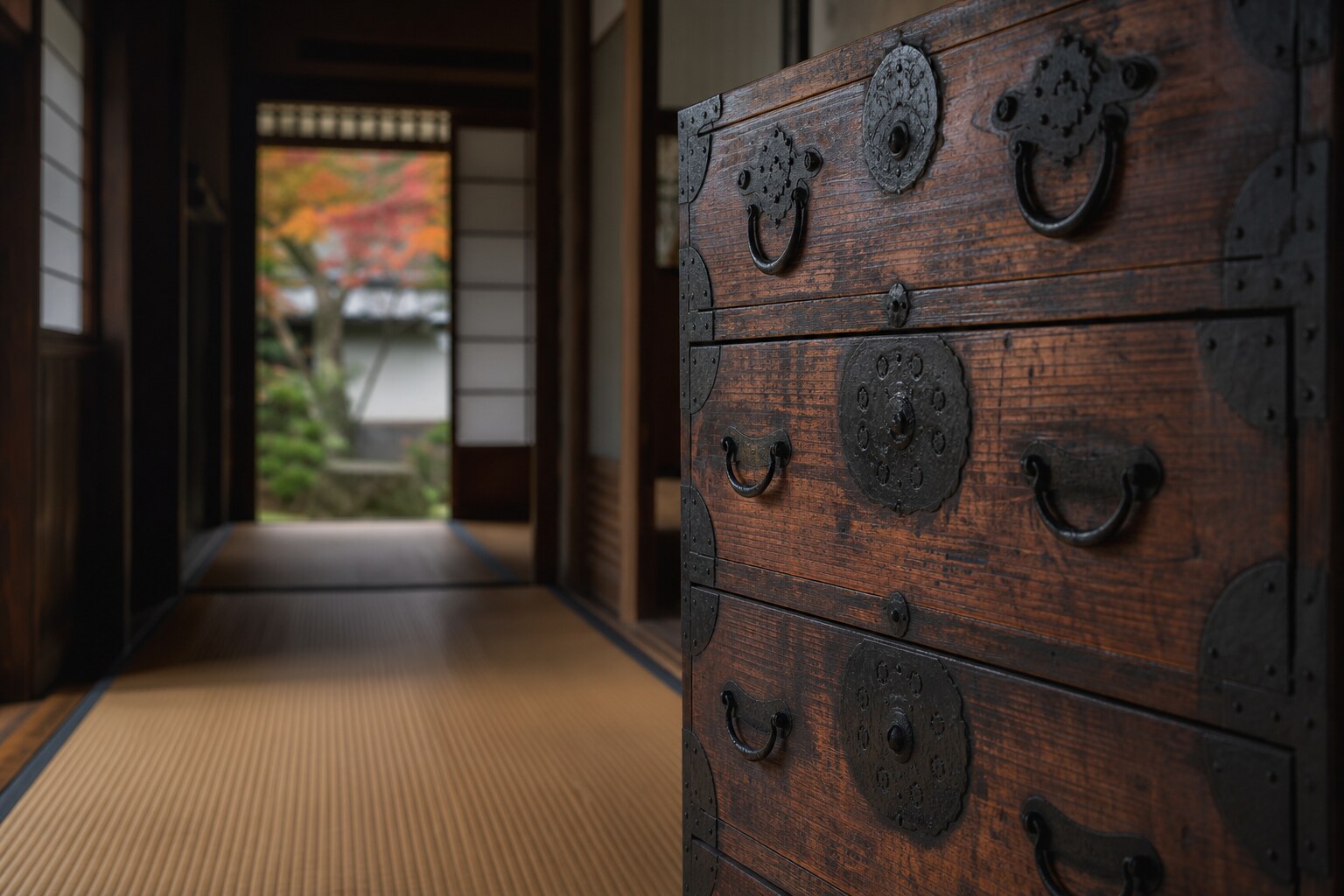
A beautifully carved wooden transom catches the morning light. A remarkably rare ukiyo-e print hangs quietly in an alcove. Perfection hides in the details. The proprietors have spent decades collecting authentic Edo antiques, transforming the corridors into a living museum of Japanese folk craft. Heavy wooden chests, known as tansu, line the halls. These pieces are not mere decorations. They are functional, tactile artifacts.
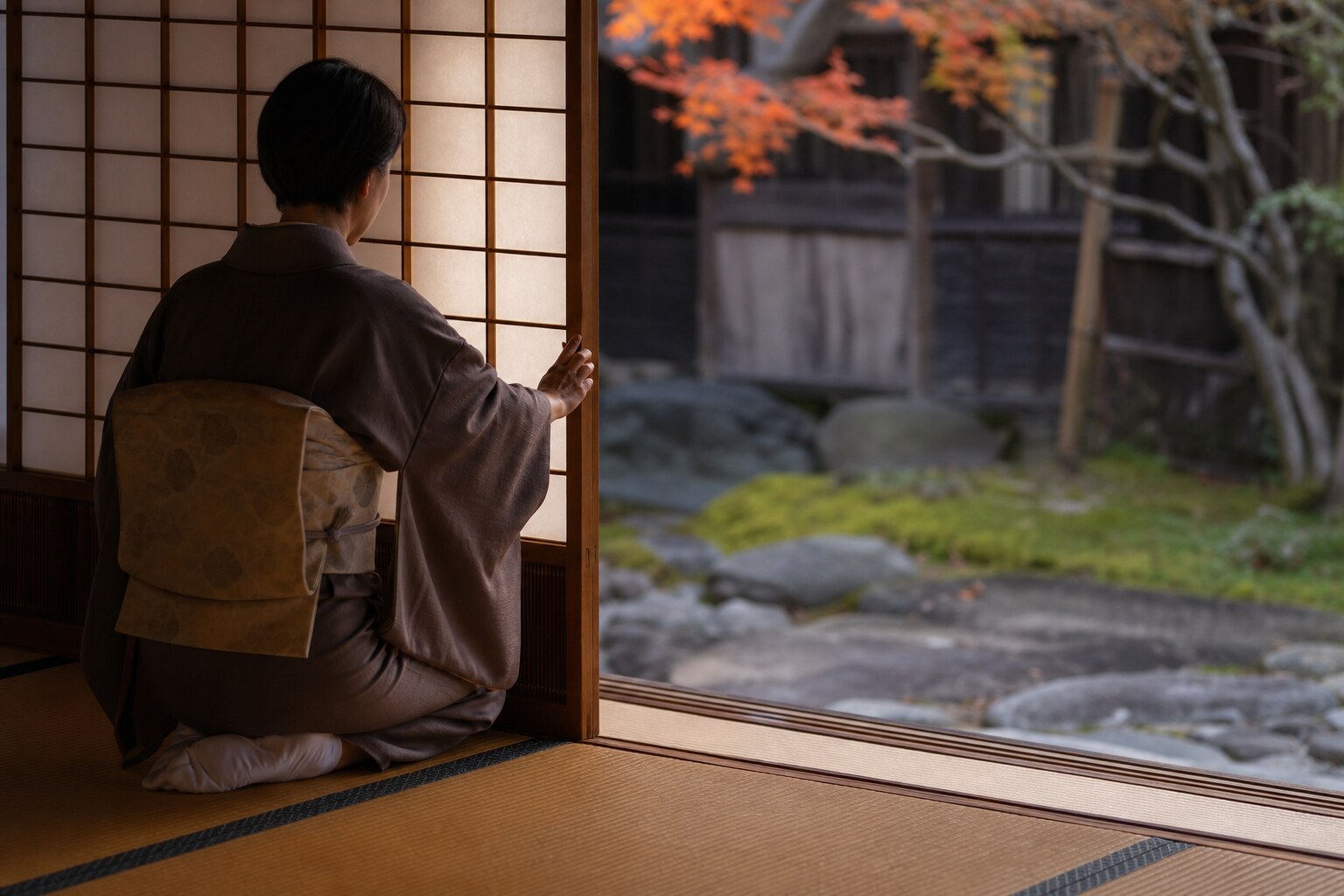
The concept of wabi-sabi also permeates the space. This is the profound appreciation for the beauty of aging and natural imperfections. Wood surfaces show the gentle, polished wear of decades. Paper screens diffuse the harsh city glare into a soft, milky glow. Your shoulders drop. The mind settles.
The Art Of Omotenashi In A Private Setting
The attendants practice omotenashi with invisible precision. They anticipate needs without hovering. Green tea appears just as you sit down to rest. The futons are laid out precisely while you dine in another room. They read the atmosphere effortlessly.
If a guest prefers absolute silence, words are kept to an absolute minimum. If a guest shows curiosity about a specific calligraphy scroll, the attendant shares its history with quiet pride. True hospitality never demands your attention. It simply creates an environment where friction ceases to exist.
| Traditional Ryokan Practice | What To Expect |
|---|---|
| Shoe Removal (Genkan) | Shoes are left at the entrance. Slippers are provided for hallways, but tatami mats require bare feet or socks only. |
| Yukata Wearing | Guests wear light cotton kimonos (yukata) everywhere inside the property, including to meals and baths. |
| Room Transformation | The low table used for tea and dining is moved by staff in the evening to lay out comfortable floor futons for sleeping. |
Many travelers worry about the etiquette of staying in a traditional Japanese inn. The staff at Sadachiyo guide guests with warmth and grace, ensuring that cultural differences become moments of discovery rather than sources of anxiety.
Shun: Capturing The Peak Of The Season
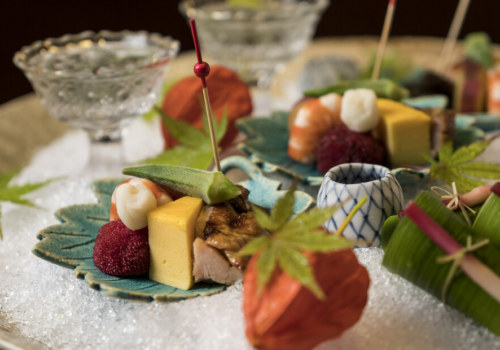
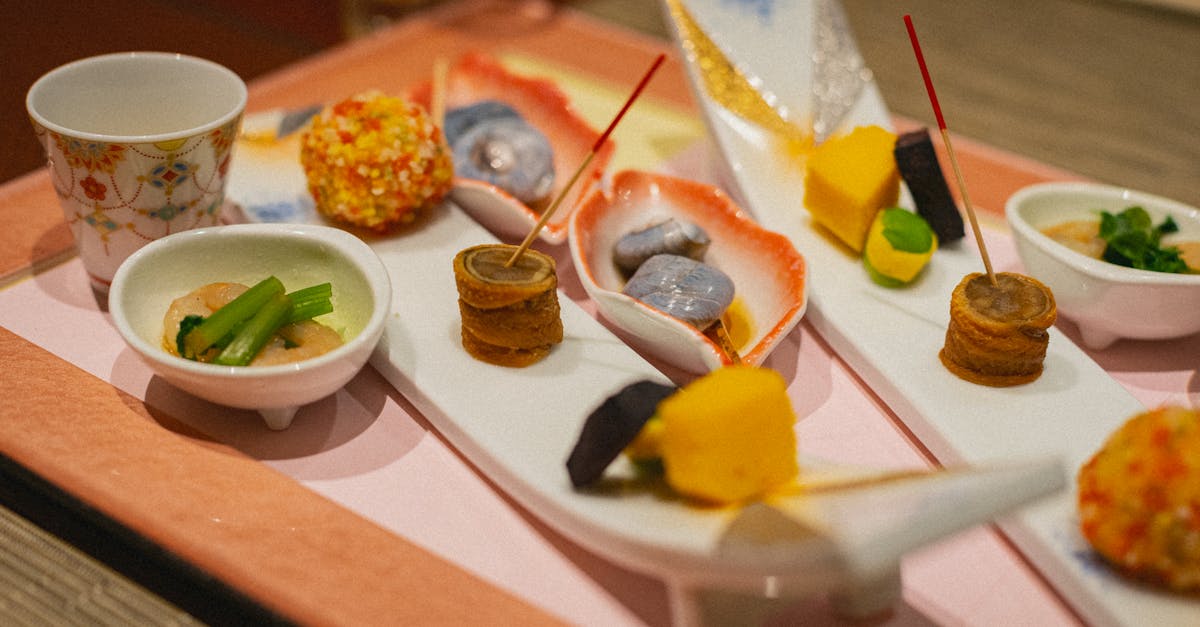
Dining in a traditional ryokan revolves around shun. This culinary principle demands capturing an ingredient at the exact moment it reaches absolute perfection. Sadachiyo serves traditional Edo-style kaiseki, an elaborate multi-course meal designed to reflect the current micro-season.
The flavors here often lean slightly bolder than the subtle dashi broths found in Kyoto. This reflects local Kanto regional history. Winter brings rich, fatty yellowtail and dense root vegetables. Spring offers tender bamboo shoots and cherry blossom sea bream. Each dish arrives on carefully selected ceramics and lacquerware that visually complement the food.
You eat in the deep privacy of your own quarters. No background music plays. No chatter drifts over from neighboring tables. Just the quiet clinking of chopsticks against porcelain. This isolation forces a deeper focus on the textures and temperatures of the meal.
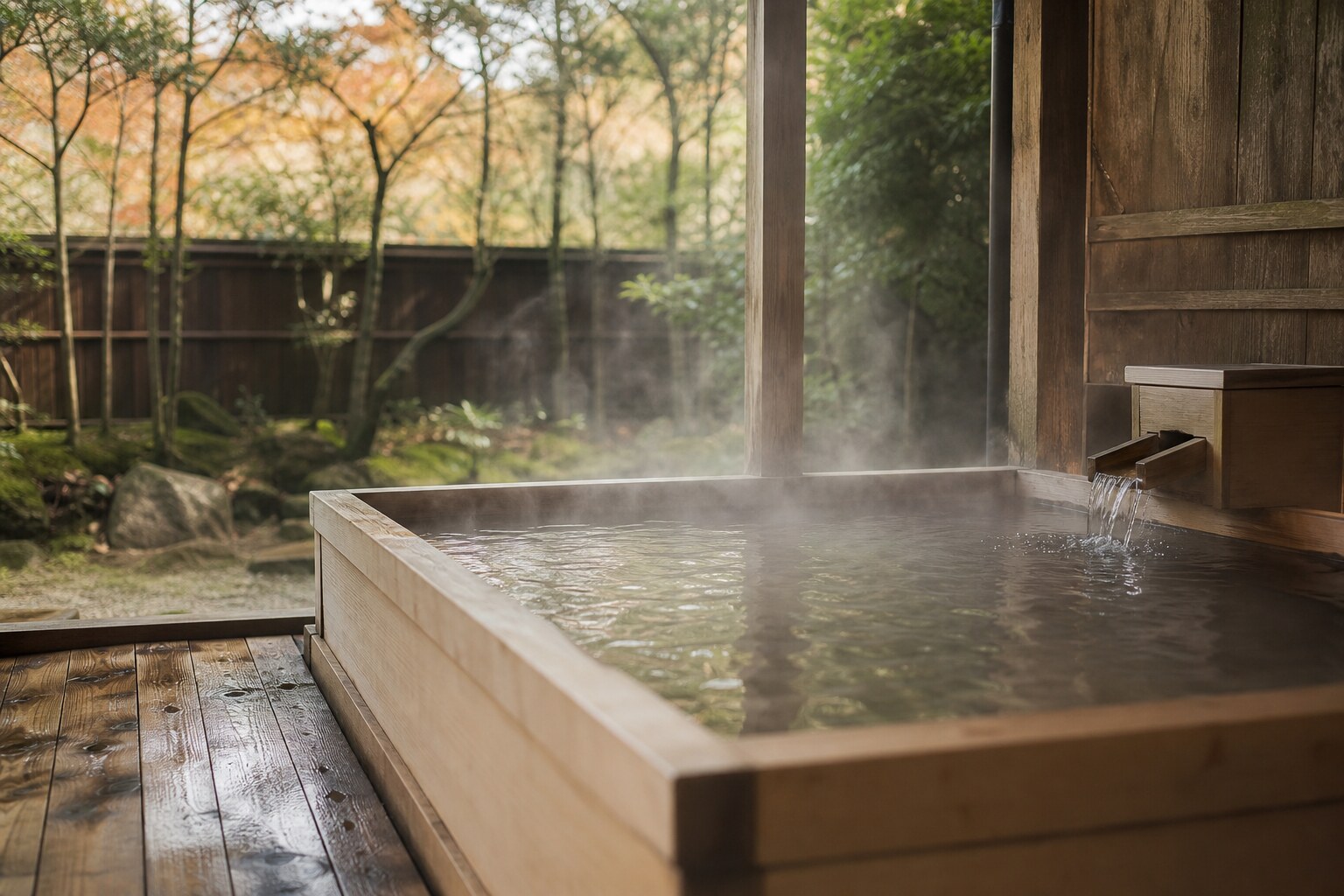
Hinoki Baths: A Forest In The Metropolis
Although located in the middle of a massive metropolis, the bathing facilities offer an illusion of deep rural isolation. The communal baths utilize thick Japanese cypress, known as hinoki. When hot water hits the bare wood, it releases a sharp, forest-like fragrance.
The water soothes tired muscles after a long day of navigating Tokyo. The tactile sensation of the smooth wooden edge against your skin is incredibly grounding. Time stops in the steam. Bathing here is not merely about hygiene. It is a ritual of mental transition, washing away the frantic energy of the outside world before retiring to your tatami room.
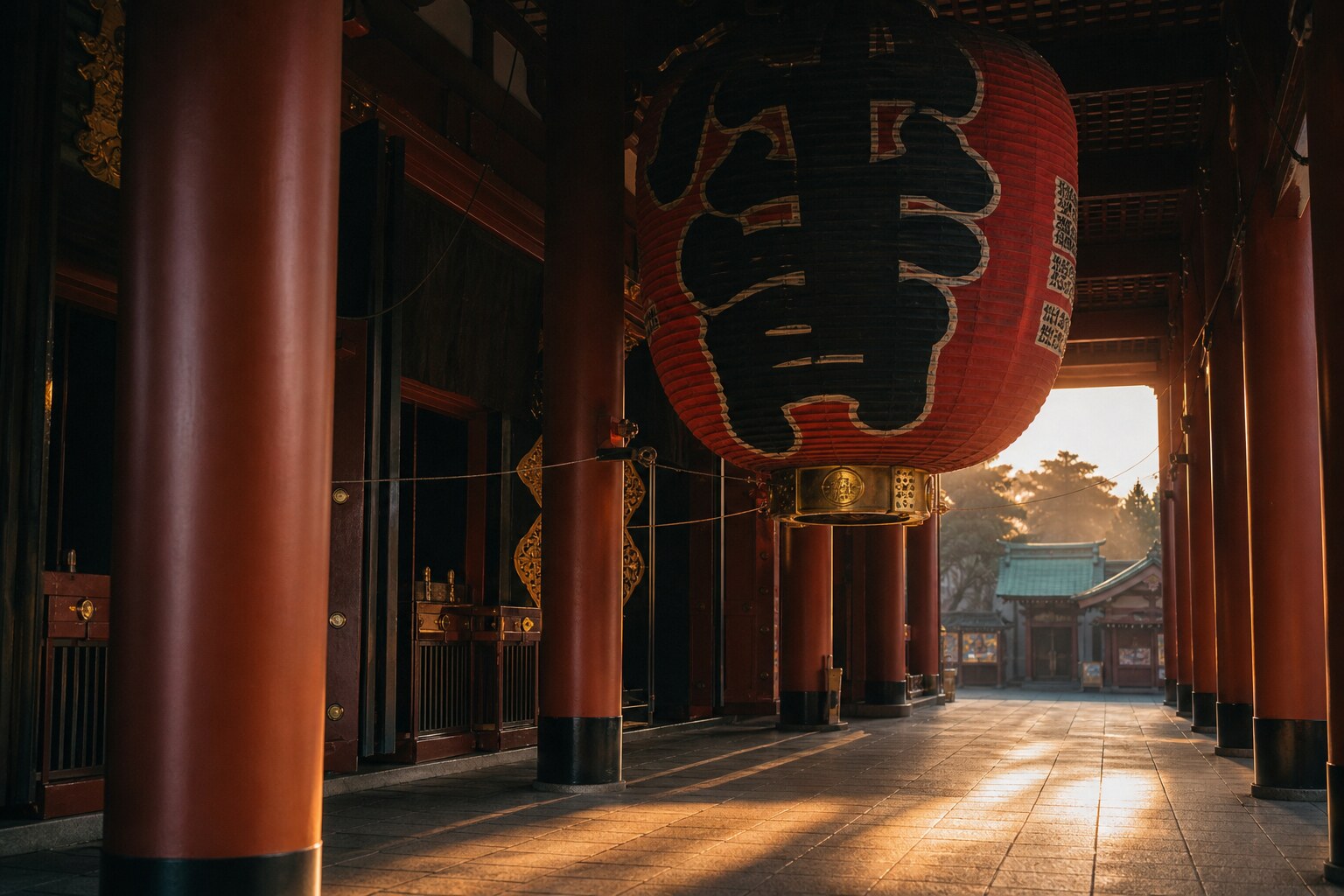
Navigating Asakusa: Beyond The Golden Route
Staying in Asakusa offers a distinct geographic advantage. Most tourists visit the famous Senso-ji temple during the chaotic midday rush. By basing yourself at a local ryokan, you unlock the neighborhood’s quiet hours. In our experience, this is when the true character of the district reveals itself.
Early Morning Serenity
Visit Senso-ji at 6:00 AM. The massive paper lantern hangs in absolute stillness. Monks chant in the main hall. You can photograph the architecture without a single tourist in your frame.
Evening Shadows
After 8:00 PM, the Nakamise shopping street shutters roll down. Many of these shutters feature beautiful painted murals. The illuminated pagoda glows against the dark sky, offering a profoundly peaceful atmosphere.
Beyond the temple, Asakusa is home to generations of shokunin (master artisans). Small ateliers hide in narrow alleys, producing Edo kiriko cut glass, traditional wooden combs, and hand-forged kitchen knives. A well-planned itinerary bypasses the souvenir stalls and connects discerning travelers directly with these craftsmen.
Securing Your Stay: Booking Information
Traditional ryokans operate differently than international hotel chains. Booking windows typically open only three to six months in advance. Room categories are often defined by their size in tatami mats rather than standard square footage. Dietary restrictions for the elaborate kaiseki meals must be communicated well before arrival to allow the chef time to source alternative ingredients.
Due to the limited number of rooms and the highly specialized nature of the hospitality, dates secure quickly during peak cherry blossom and autumn foliage seasons. Guests interested in learning more about integrating an authentic ryokan stay into their Tokyo itinerary may contact our concierge for tailored guidance. For private coordination, reach our team directly via WhatsApp or the contact form.
Why Choose Japan Royal Service
True luxury travel requires far more than securing high-end accommodations. It demands a holistic understanding of rhythm, contrast, and discretion. Our team at Japan Royal Service specializes in curating itineraries that balance the high-speed modernity of Tokyo with moments of profound, quiet reflection.
We understand that our high-net-worth clients value their privacy above all else. We manage the intricate logistics of your journey so you never have to think about routing, timing, or language barriers. Whether you wish to arrange a private viewing of an artisan’s workshop in Asakusa or secure a discreet transfer to your next destination, our concierge handles every detail with complete confidentiality. Experience the highest tier of Japanese hospitality with a team that anticipates your unspoken needs.
Contact us today to begin designing your bespoke journey through Japan’s hidden cultural landscapes.
Frequently Asked Questions
Can you arrange private transfers to Sadachiyo in Asakusa?
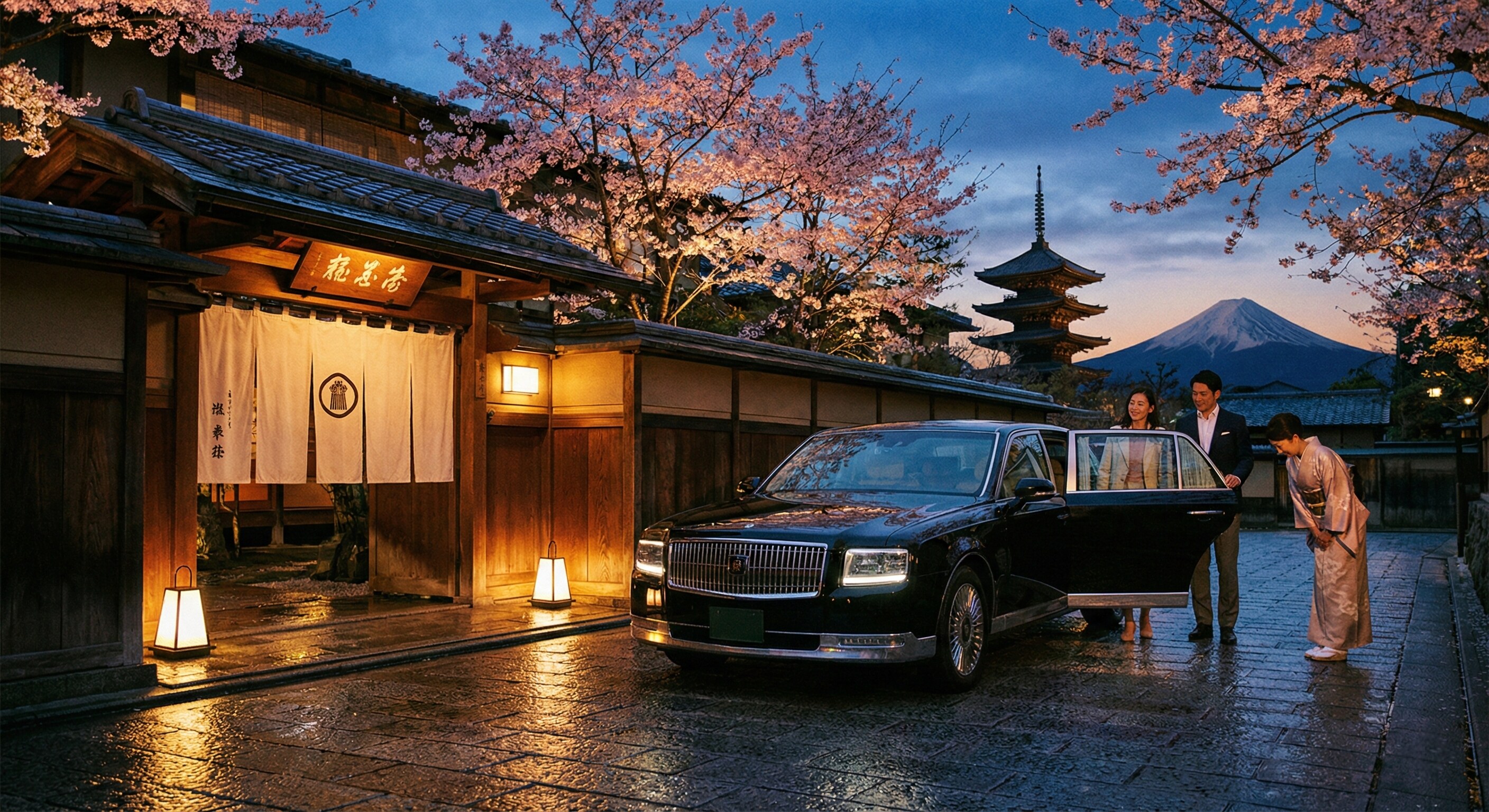
Yes—chauffeured pickup and discreet arrival can be set.
Which room best reflects Edo-era iki without feeling staged?
We’ll recommend rooms with authentic antiques and calm tones.
Can you secure a quiet, top-floor stay away from street noise?
Yes—requesting the most secluded rooms is possible.
Are there private dining or kaiseki options in the ryokan?
We can arrange in-room dining depending on availability.
Can you curate an Asakusa itinerary focused on kabuki and ukiyo-e?
Yes—private guides can tailor arts-focused Edo walks.