Japan rewards the patient traveler. Not the one chasing every landmark, but the one who knows where to slow down. The country holds a strange double pull: hyper-modern towers in one breath, moss-quiet temple gardens in the next. For those who have already seen the famous postcards, the real question is not what to visit, but how to arrive — and through which door.
That distinction is everything. At Japan Royal Service, our work begins where the guidebook ends. The best places to go in Japan are rarely the ones with the longest queues. They are the rooms you enter by introduction, the workshops that close to outside guests, and the gardens you walk before the gates open to anyone else.
This guide maps the destinations worth your time, with an honest eye for craft, calm, and access. No filler. Just the places we return to with our most particular guests.
Tokyo: Old Roots Beneath New Towers
Most first-time visitors meet Tokyo as noise and neon. That is a shame. The city’s deeper pleasures are quiet, layered, and easy to miss if you only follow the crowds through Shibuya Crossing.
Start with the new vertical neighborhoods. Azabudai Hills now anchors a different kind of Tokyo — measured, design-led, restrained. Janu Tokyo, the sister brand to Aman, opened there in 2024 and brought a calmer register to the district. Nearby, the Toranomon area continues to evolve, with the Hotel Toranomon Hills joining The Unbound Collection by Hyatt in late 2025. These are not loud addresses. They are bases built for people who value privacy over spectacle.
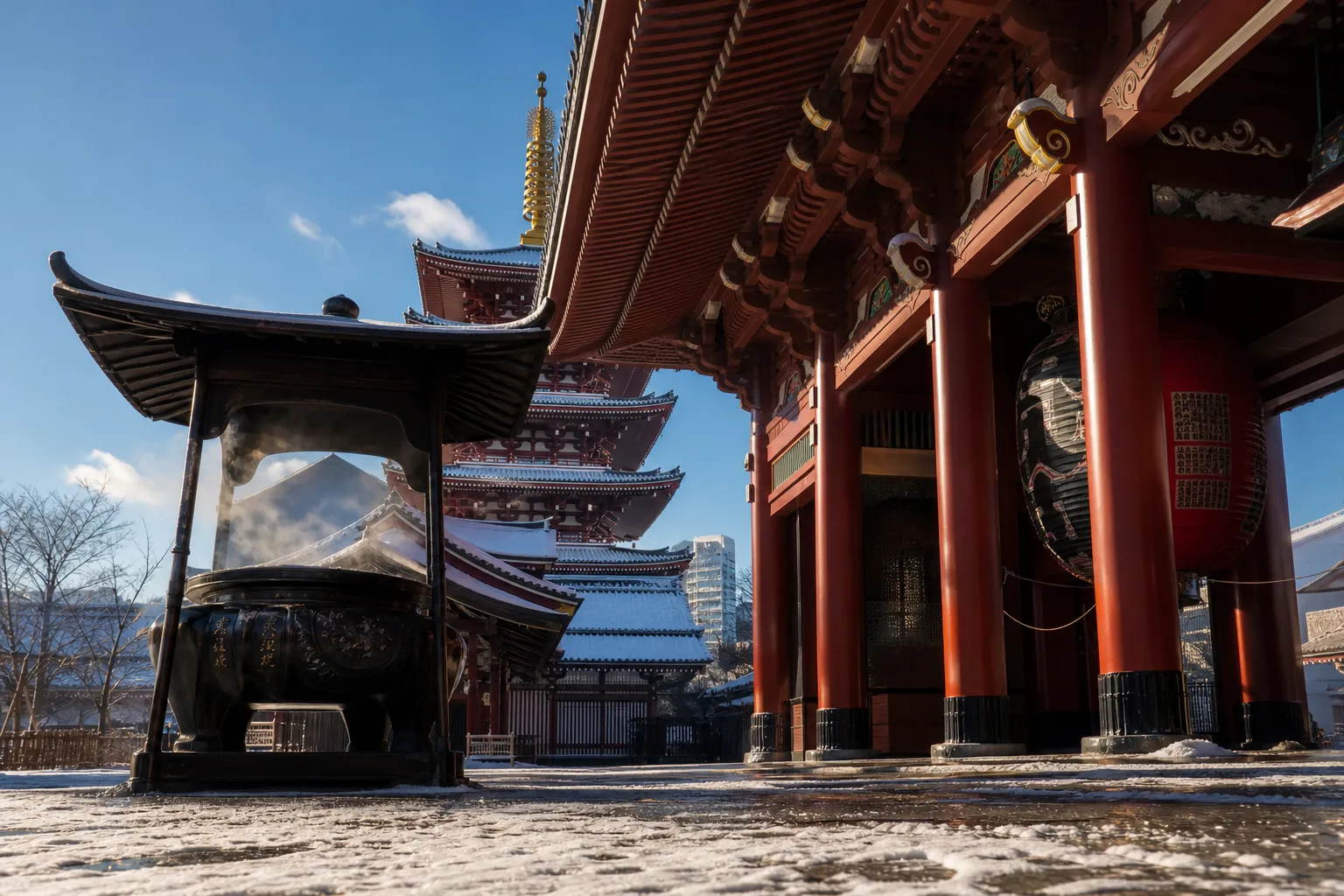
For tradition inside the metropolis, Asakusa holds Sensō-ji, the city’s oldest Buddhist temple. Visit at first light. The incense haze, the swept stone, the silence before the souvenir stalls open — that is the version worth seeing.
Ginza And The Art Of The Counter
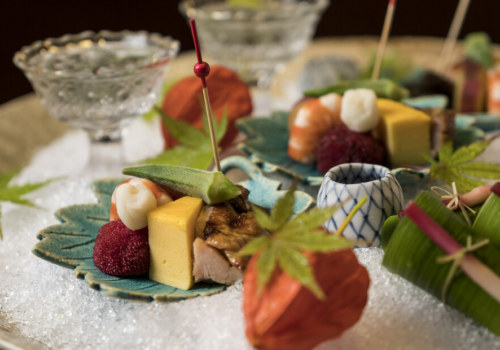
Ginza is where Japanese craftsmanship shows itself quietly. Behind unmarked doors sit some of the finest sushi and kaiseki counters in the world. The best seats are not bought; they are earned through relationships built over years.
Tokyo holds more Michelin stars than any city on earth. That is a fact, not a boast. Securing a place at the most sought-after counters can take months and, often, a trusted introduction. Our concierge can offer tailored guidance on timing and approach for guests who care about these tables.
Where The Shokunin Work
Tokyo still hides true masters. Knife smiths in Kappabashi who forge by hand. Indigo dyers working the same vats their families have used for generations. These are not gift-shop demonstrations. A private visit to a working atelier — arranged with discretion and respect for the maker’s time — is one of the city’s rarest pleasures.
Kyoto: Restraint As The Highest Luxury
If Tokyo is breadth, Kyoto is depth. The former imperial capital guards more than two thousand temples and shrines, and a way of living that prizes subtlety over display. This is the home of wabi-sabi — beauty in the worn, the imperfect, the gently aged.
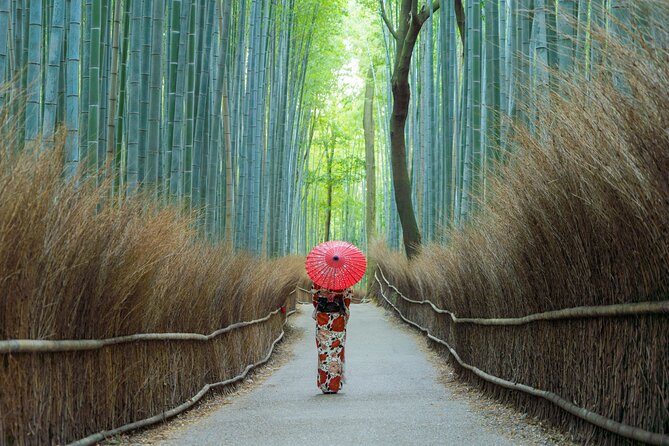
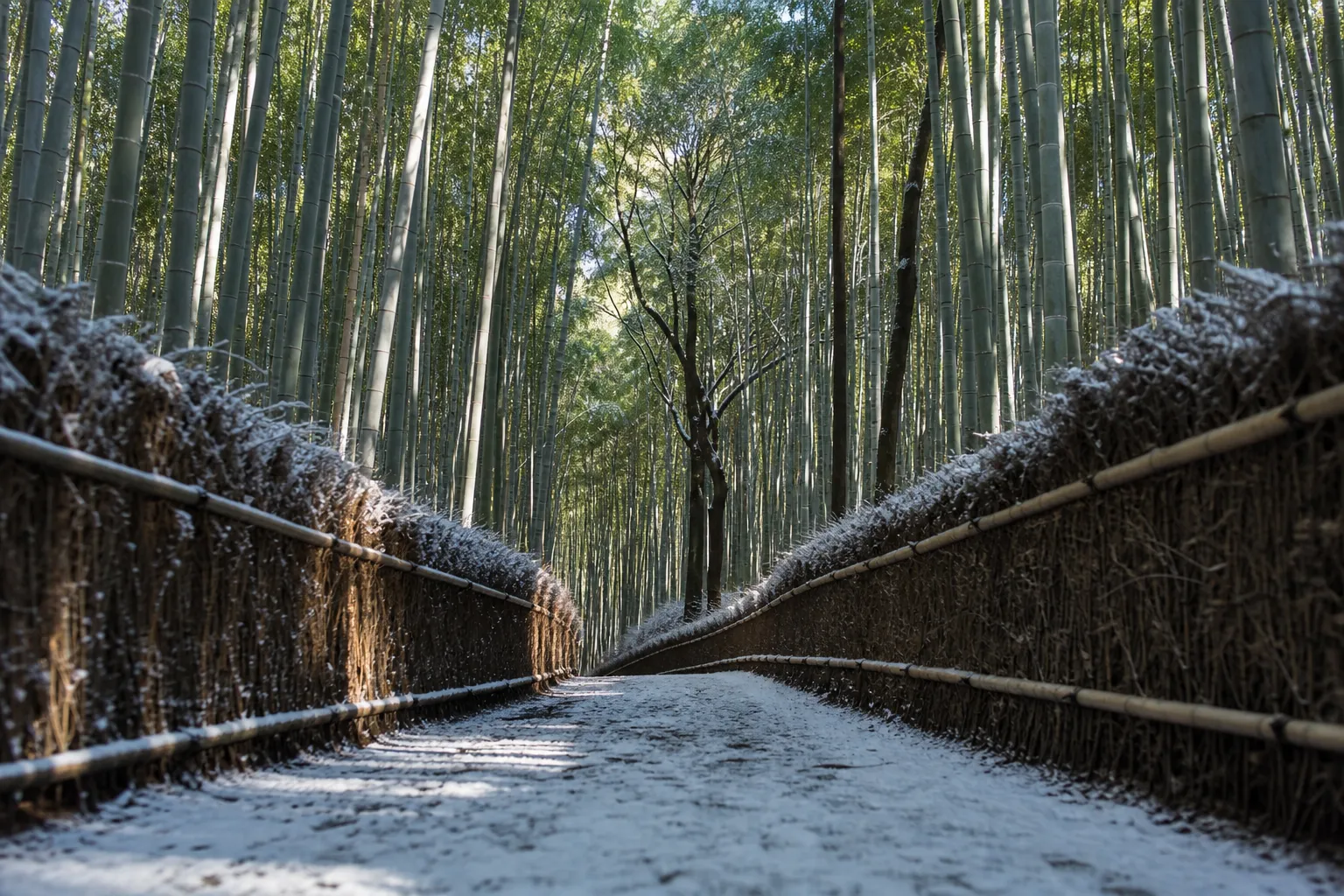
The famous sights are famous for good reason. But timing decides everything. We send our guests to Arashiyama’s bamboo grove and Tenryū-ji, a UNESCO World Heritage temple, in the early morning hush before the buses arrive. The difference between 7am and 10am here is the difference between a meditation and a crowd.
Higashiyama Before The Crowds
The Higashiyama district keeps Kyoto’s old soul. Kiyomizu-dera rests on its great wooden stage above the city. The sloping lanes of Ninenzaka and Sannenzaka still feel like another century. Walk them at dawn.
Certain temples open their inner halls and private gardens only by arrangement. A quiet tea gathering with a respected master, in a room most visitors never enter, is the sort of access that defines a thoughtful Kyoto stay. For those who want it, our team can advise privately.
Gion And The Geiko World
Gion remains one of Japan’s living geisha quarters. An evening walk along Hanamikoji may, with luck, reward you with the sight of a maiko moving between appointments. Photograph the lanterns, not the people — discretion runs both ways here.
A private ozashiki — an evening of dance, conversation, and games inside an ochaya — is among the most guarded cultural experiences in the country. These tea houses admit guests through introduction alone. That gate stays closed to the casual visitor, and properly so.
Mount Fuji And Hakone: Silence With A View
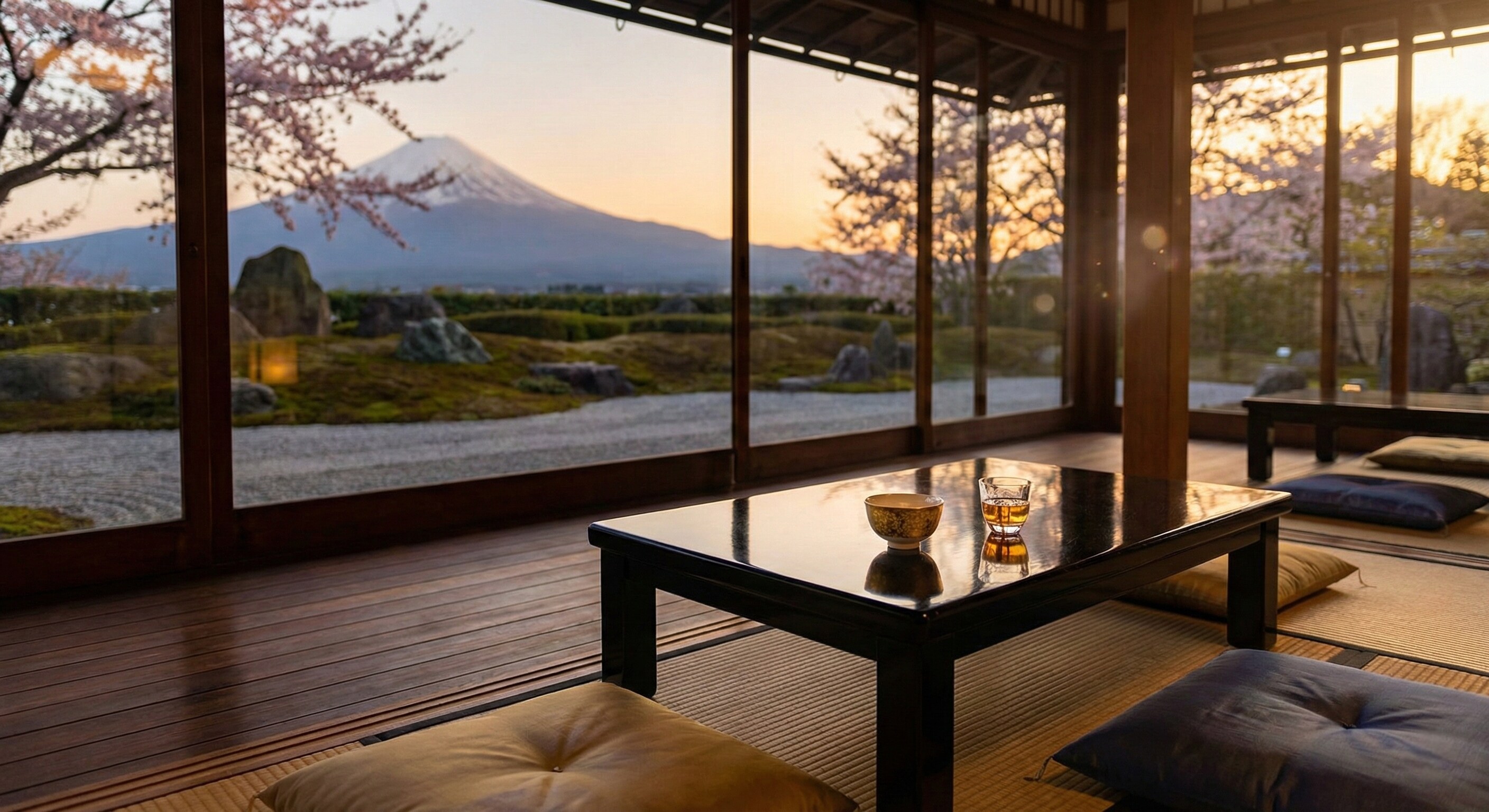
No honest list of the best places to go in Japan skips Fuji. The mountain’s symmetry is almost unreal. But the smart move is not to climb it — it is to view it well, in comfort, from the right room.
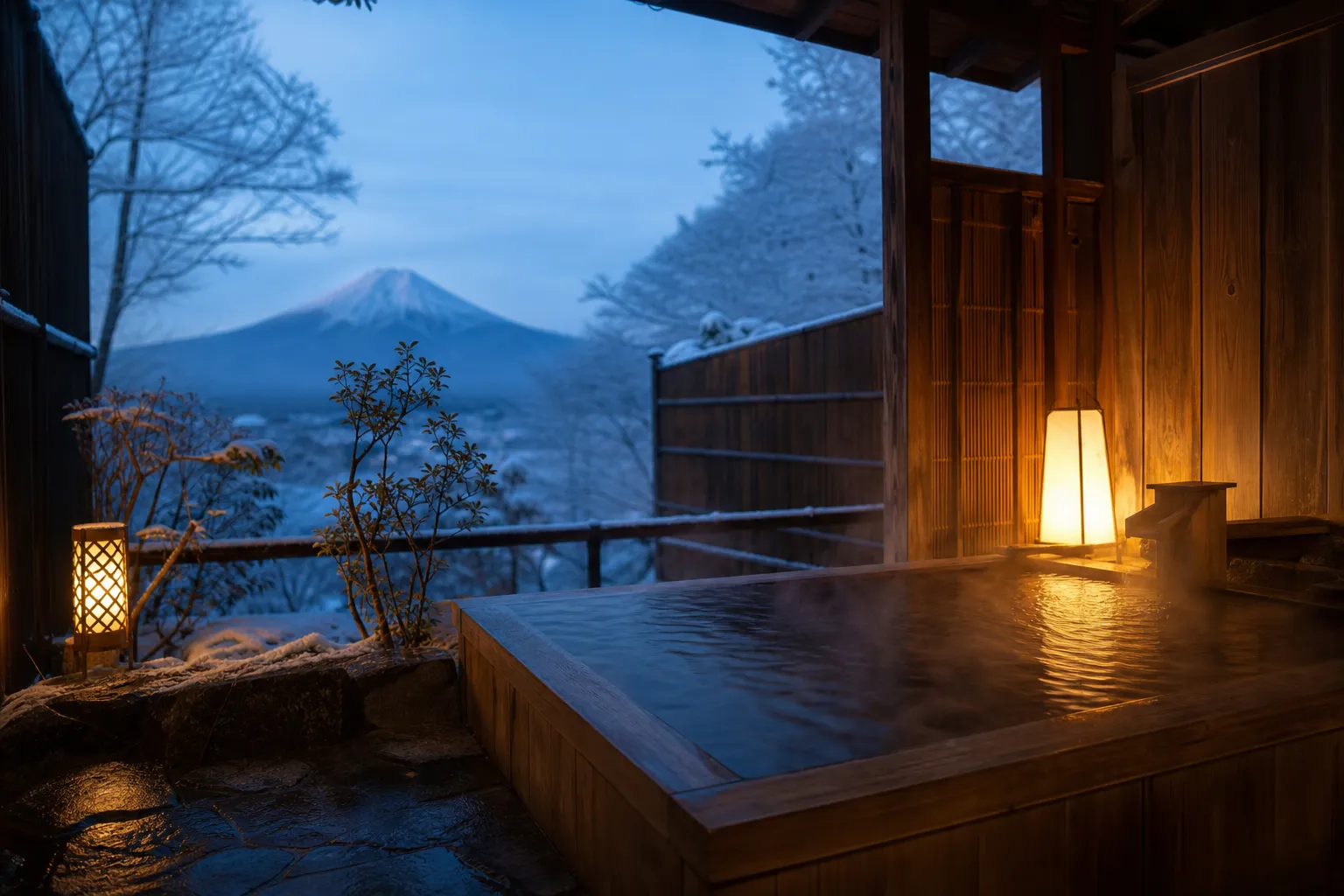
Hakone, on Fuji’s eastern flank, holds some of the country’s finest ryokan. Here, hospitality becomes an art measured in small gestures: the slipper turned to face you, the bath drawn to exactly the right warmth, the seasonal kaiseki that changes with the week.
A premium ryokan stay in this region typically offers:
- A private open-air bath with mountain or valley views
- Multi-course kaiseki built around the local season
- Discreet, anticipatory service throughout your stay
- Quiet gardens designed for slow walking and stillness
This is restraint as luxury. No spectacle. Just steam rising over stone, and Fuji on the horizon at dawn.
Osaka: Bold Flavor, Serious Craft
Osaka does not whisper. Long known as the nation’s kitchen, it celebrates bold, generous food rooted in merchant culture. Where Tokyo refines, Osaka delights.
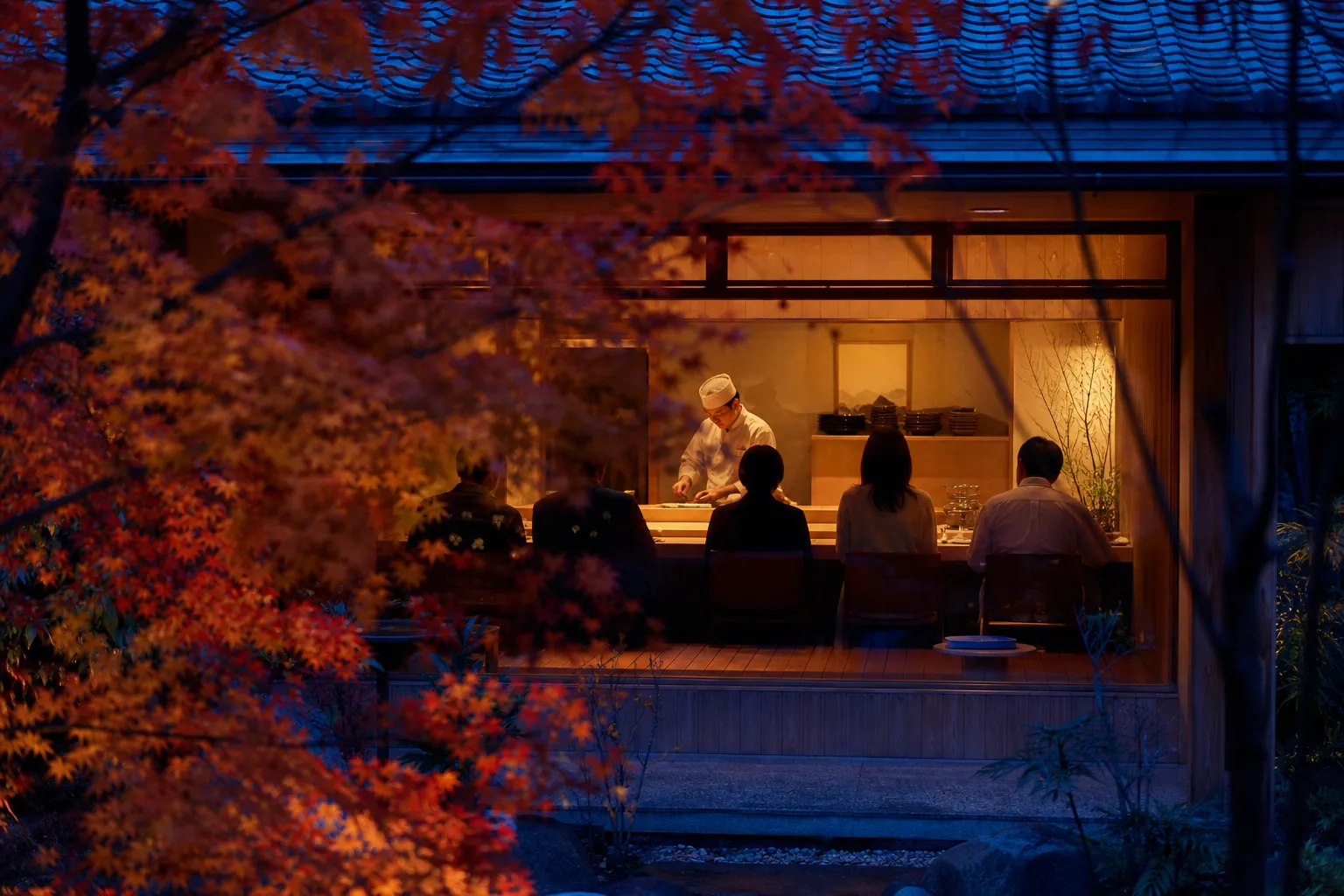
Dōtonbori pulses after dark with light and steam. But beyond the famous canal sit intimate kappo counters where chefs cook an arm’s length away, narrating each dish. Osaka’s signature plates — takoyaki, kushikatsu, okonomiyaki — reach surprising heights in the right hands.
The city also makes a sharp base for day trips. A private chauffeur from Osaka or Kyoto puts Nara, with its great bronze Buddha at Tōdai-ji and its free-roaming deer, within easy reach.
Hidden Japan: Beyond The Golden Route
The seasoned traveler eventually wants the Japan that does not appear on the standard circuit. This is where the most memorable journeys live.
Tohoku And The North
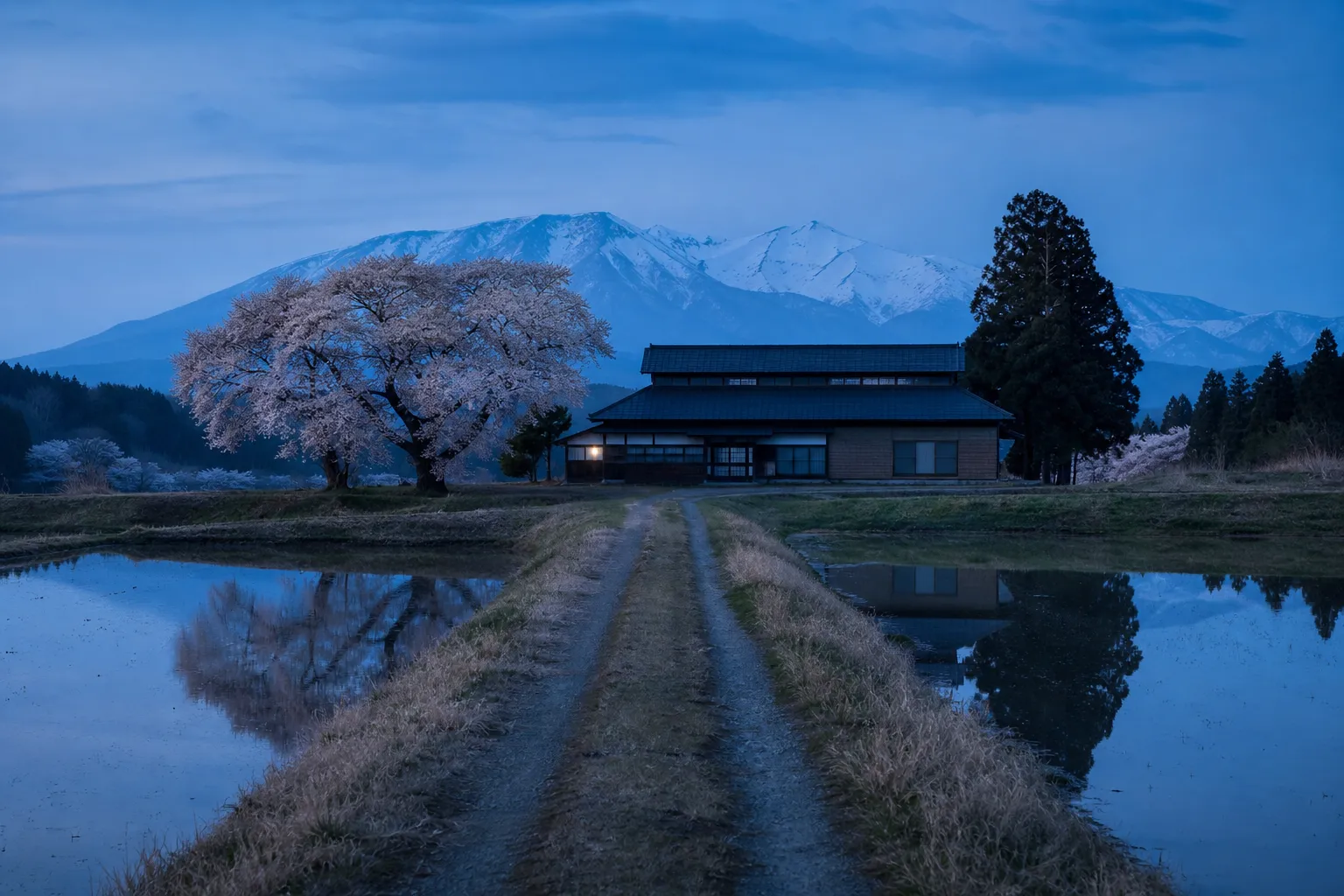
The Tohoku region, reached by Shinkansen and a short drive, stays gloriously off the well-trodden path. Quiet rural retreats here trade crowds for craft, open landscape, and a slower clock. It is the antidote to peak-season Kyoto.
Nikko And Adaptive-Reuse Stays
Nikko, a few hours north of Tokyo, pairs the ornate Tōshō-gū shrine complex with cedar forests and mountain calm. Across the country, a quieter trend deserves attention: story-rich properties reborn from historic buildings. The former Nara Prison, a Meiji-era landmark, is being reimagined as a HOSHINOYA property — a striking example of Japan’s appetite for stays with genuine narrative weight.
The most rewarding itineraries we design connect these threads. A few nights in Tokyo’s calm new districts, then a move outward — to Nikko, to Nara, to Tohoku — for restraint, silence, and the hands of true makers.
When To Go: Reading The Seasons
Timing shapes the entire experience. The same garden is a different place in April and November.
| Season | Best For | Note |
|---|---|---|
| Late March–April | Cherry blossom (Kyoto, Tokyo, Fuji) | Book far ahead; rooms vanish |
| May & October | Mild weather, fewer crowds | Ideal for first visits |
| November | Autumn foliage (Kyoto, Nikko) | Temple gardens at their peak |
| December–February | Snow, onsen, Hokkaido | Quietest, most private |
Frequently Asked Questions
What Is The Best Place To Visit In Japan For A First Trip?
For a first visit, the classic pairing of Tokyo and Kyoto, with a night or two in Hakone for Mount Fuji and a ryokan, gives the fullest picture. It balances modern energy, deep tradition, and quiet nature.
How Many Days Do You Need To See The Best Of Japan?
Ten to fourteen days lets you cover Tokyo, Kyoto, Hakone, and one hidden-Japan region such as Tohoku or Nikko without rushing. Shorter trips are best kept to two cities.
When Is The Best Season To Visit?
Late March to April for cherry blossom and November for autumn foliage are the most beautiful. May and October offer the easiest weather with thinner crowds.
Can You Visit Temples And Tea Houses Privately?
Yes, though many require introduction. Certain temple inner halls and Gion tea houses admit guests only through trusted arrangement. Our concierge can advise privately on what is realistic for your dates.
Why Choose Japan Royal Service
Knowing where to go is the easy part. Knowing how to arrive — and through which door — is our craft. At Japan Royal Service, we design private journeys for travelers who have already seen the obvious and want something quieter, deeper, and entirely their own.
Our work rests on a few principles. Discretion above all: your identity and itinerary stay confidential, always. Access that money alone cannot buy: introductions to shokunin and temple masters who do not normally receive outside guests. And a calm, anticipatory style of service that reads the unspoken need before you voice it.
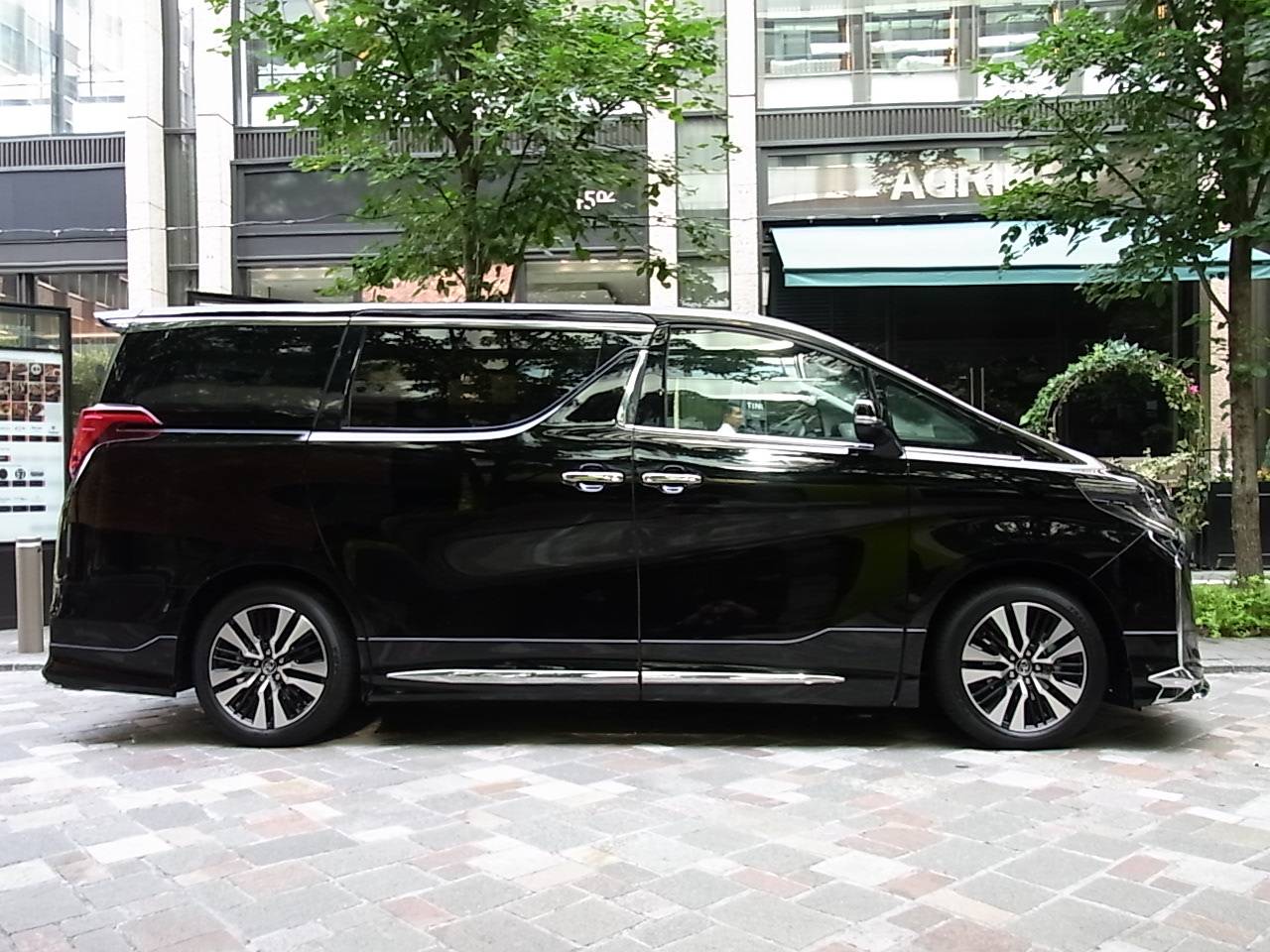
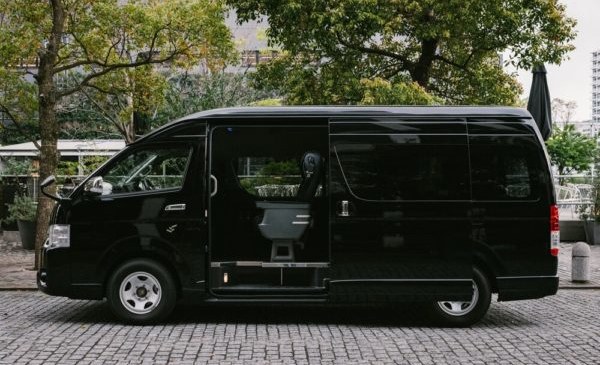
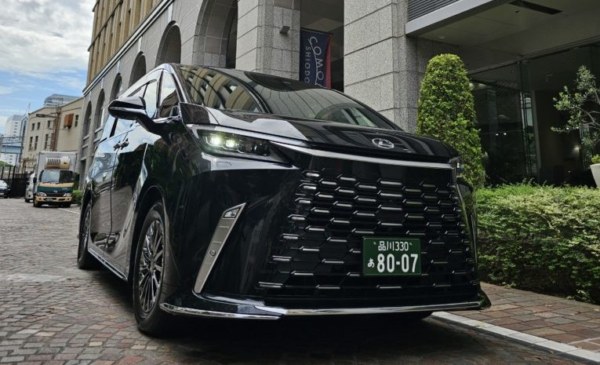
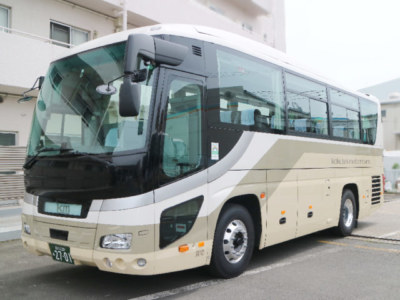
Our fleet moves you in privacy — from the Lexus LM 500 to executive vehicles for families and groups — with chauffeured day tours across Tokyo, Kyoto, Osaka, Nara, Nikko, Hakone, and beyond. Our team works in English, Japanese, Thai, and Filipino. We describe what is possible; the careful coordination happens privately, once we understand exactly what you are after.
If you are weighing the best places to go in Japan for your next journey, begin a quiet conversation with us. Reach our concierge through the contact form or directly via WhatsApp, and we will shape a proposal built entirely around you.