
Kyoto stands as Japan’s cultural heart, where centuries-old traditions blend seamlessly with refined luxury experiences. This ancient imperial capital offers discerning travelers an unparalleled journey through pristine temples, exclusive tea ceremonies, and hidden gardens that have captivated visitors for over a millennium. Whether you’re planning your first visit or returning to explore deeper layers of this remarkable city, understanding the finest things to do in Kyoto, Japan, will transform your journey into an unforgettable cultural immersion.
Experience Sacred Spaces and Architectural Masterpieces
Kyoto’s temple collection represents some of Asia’s most significant religious and architectural achievements. The city houses over 1,600 Buddhist temples and 400 Shinto shrines, each offering unique insights into Japan’s spiritual heritage.
Kinkaku-ji: The Golden Pavilion
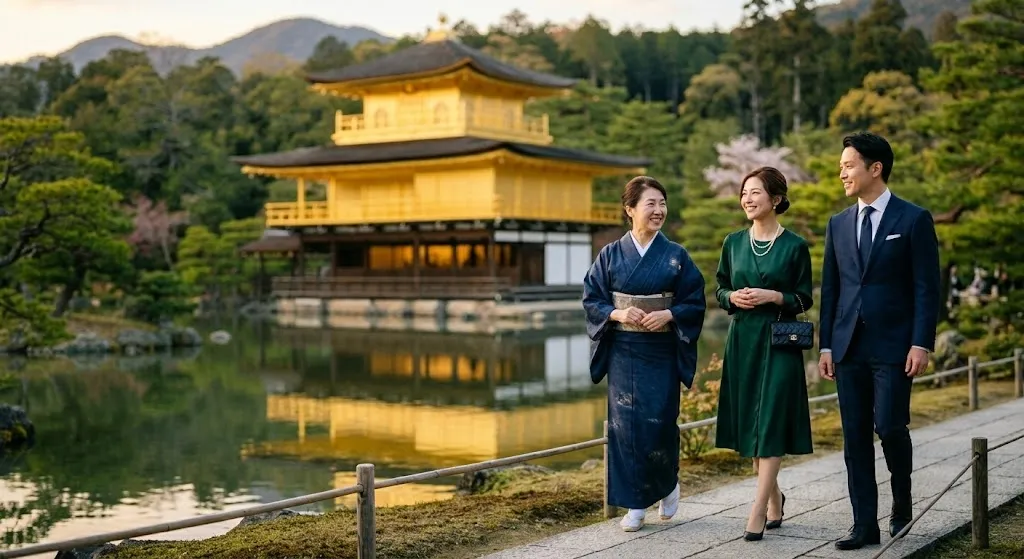
The golden-leaf-covered structure reflects magnificently across its surrounding pond, creating one of Japan’s most photographed scenes. Early morning visits provide the most serene experience, allowing you to appreciate the pavilion’s architectural brilliance before crowds arrive. The meticulously maintained gardens surrounding the temple showcase traditional Japanese landscape design principles perfected over centuries.
For luxury travelers, private guided experiences can be arranged during exclusive hours, offering unprecedented access and photography opportunities. The temple’s history, including its reconstruction after a 1950 fire, adds layers of cultural significance to every visit.
Fushimi Inari Taisha
Thousands of vermillion torii gates wind up Mount Inari, creating tunnels of color that epitomize Kyoto’s spiritual landscape. This shrine, dedicated to the Shinto god of rice and prosperity, offers hiking trails that range from 30-minute walks to 2-3 hour summit treks.
The upper trails provide magnificent city views while offering increasingly private moments of contemplation. Many luxury travelers prefer guided early morning tours that highlight hidden sub-shrines and explain the intricate relationship between commerce and spirituality in Japanese culture.
| Temple | Best Visit Time | Experience Level | Highlights |
|---|---|---|---|
| Kinkaku-ji | 9:00 AM | Easy | Golden architecture, gardens |
| Fushimi Inari | Sunrise/Sunset | Moderate | Torii gates, mountain views |
| Kiyomizu-dera | Evening | Easy | Wooden terrace, city panorama |
| Ryoan-ji | Morning | Easy | Zen rock garden, contemplation |
Immerse Yourself in Traditional Districts
The preservation of Kyoto’s historical neighborhoods offers travelers authentic glimpses into Japan’s past, where wooden machiya townhouses line narrow streets untouched by modern development.
Gion: The Geisha Quarter
Gion remains Kyoto’s most famous geisha district, where you might glimpse geiko and maiko gliding between ochaya tea houses during evening hours. Hanami-koji Street serves as the district’s atmospheric heart, lined with traditional wooden buildings housing exclusive restaurants and tea houses.
Understanding geisha culture requires patience and cultural sensitivity. Private experiences arranged through established connections can include kaiseki dining with geiko entertainment, offering insights into this refined art form that few tourists ever witness. Kyoto’s efforts to preserve cultural heritage while managing tourism demonstrate the city’s commitment to authenticity.
Higashiyama District
This eastern mountain district preserves Kyoto’s architectural heritage through protected streetscapes where traditional crafts continue to thrive. Walking the stone-paved Ninenzaka and Sannenzaka slopes reveals:
- Traditional pottery shops selling Kiyomizu-yaki ceramics
- Tea houses offering matcha and seasonal wagashi sweets
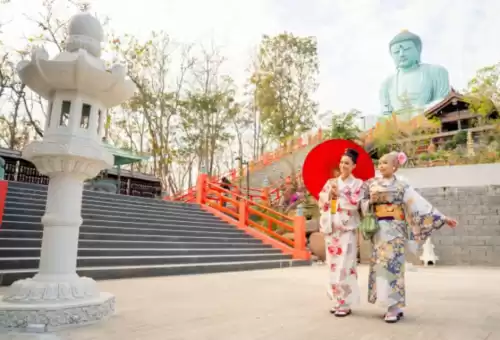
- Kimono rental boutiques with premium silk options
- Hidden temples accessible only through narrow passages
The district becomes particularly magical during cherry blossom season, when ancient weeping cherries frame temple approaches and traditional restaurants.
Discover Natural Beauty and Garden Excellence
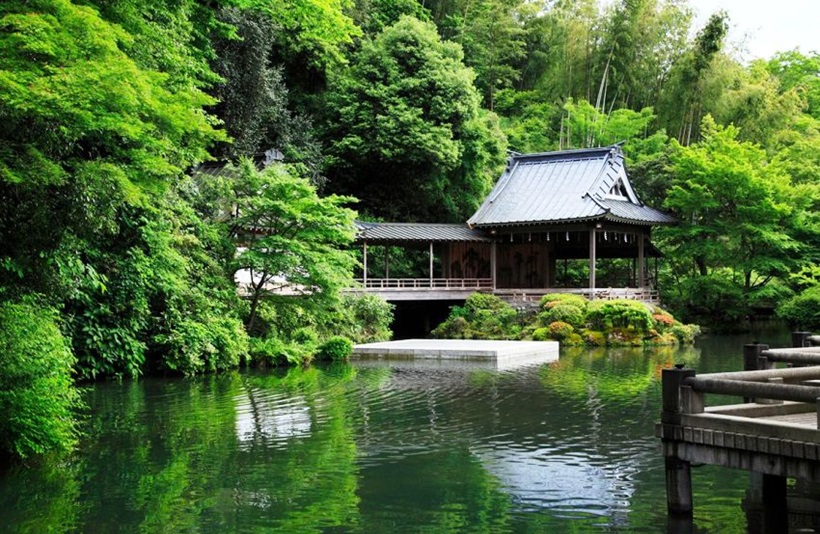
Among the essential things to do in Kyoto, Japan, experiencing the city’s gardens ranks paramount for understanding Japanese aesthetic philosophy.
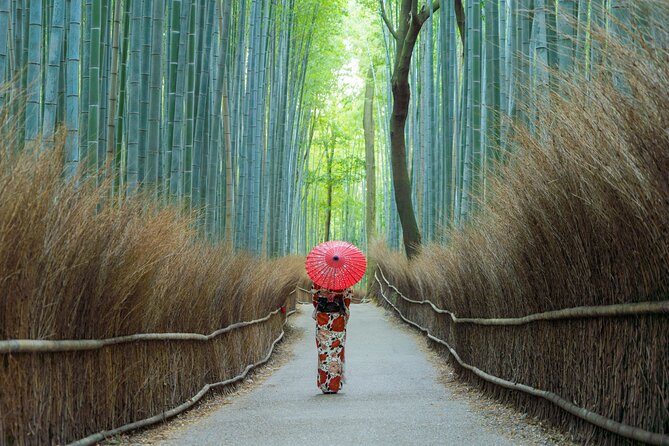
Arashiyama Bamboo Grove
The towering bamboo forest creates an otherworldly atmosphere as sunlight filters through green stalks swaying in gentle breezes. Early morning visits before 7:00 AM offer the grove in peaceful solitude, accompanied only by birdsong and rustling bamboo.
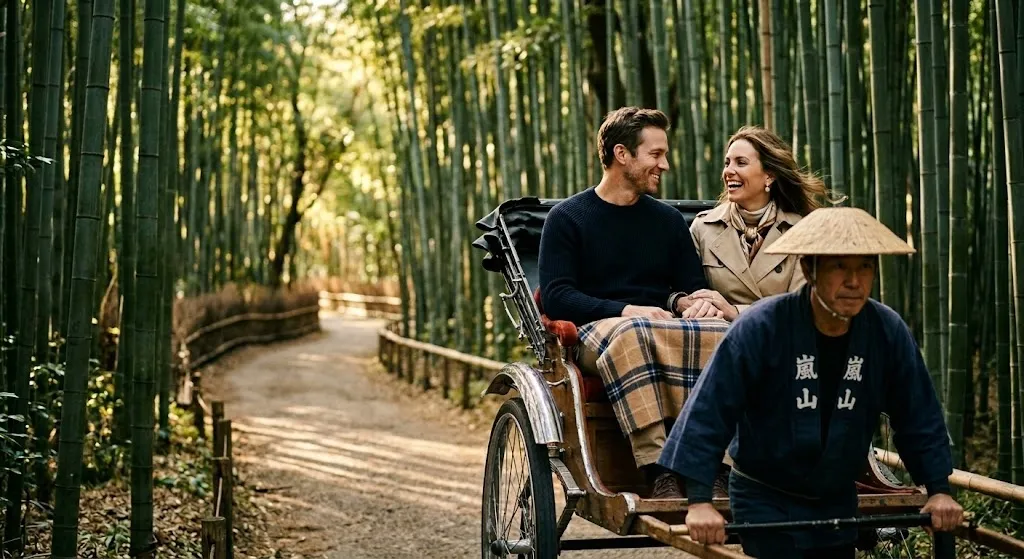
Beyond the famous grove, Arashiyama offers multiple attractions, including the elegant Togetsukyo Bridge, traditional river boats, and mountain temple complexes. Luxury travelers particularly appreciate private rickshaw tours that provide historical context while navigating the area’s highlights efficiently.
Philosophy Walk
This stone path following a canal becomes especially spectacular during cherry blossom season when hundreds of Somei Yoshino trees create pink canopies overhead. The roughly two-kilometer walk connects several significant temples while offering peaceful contemplation away from major tourist corridors.
Boutique cafes and galleries line portions of the route, providing perfect rest stops. The walk’s name derives from philosopher Nishida Kitaro’s daily meditative walks along this path during the early 20th century.
Engage with Culinary Excellence
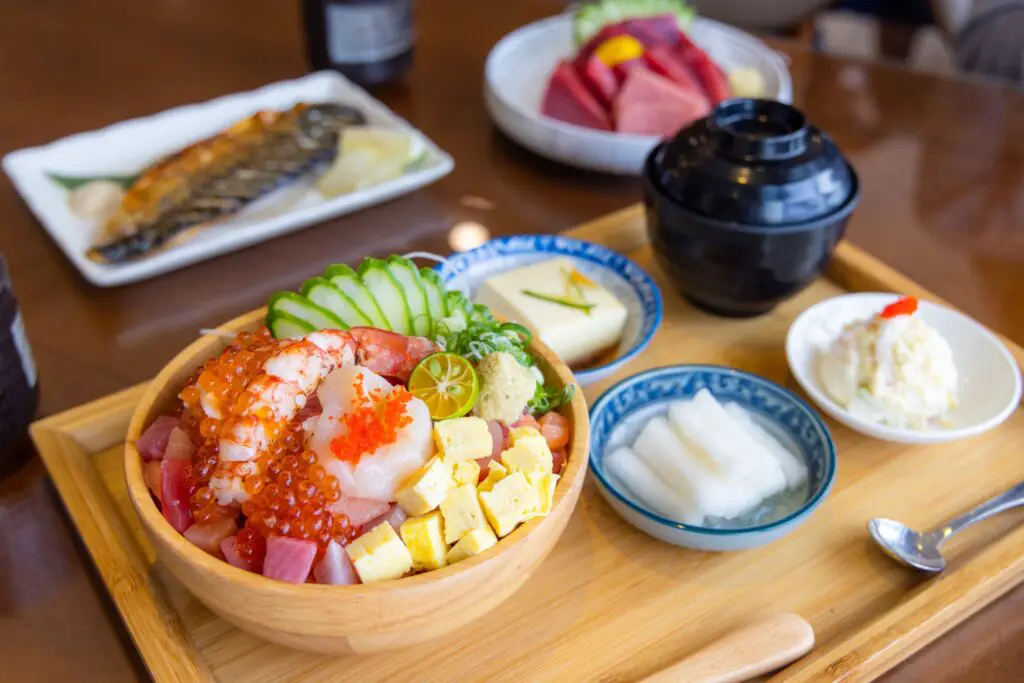
Kyoto’s refined culinary traditions reflect centuries of imperial court influence and Buddhist vegetarian cooking, creating unique dining experiences unavailable elsewhere in Japan.
Kaiseki: Multi-Course Artistry
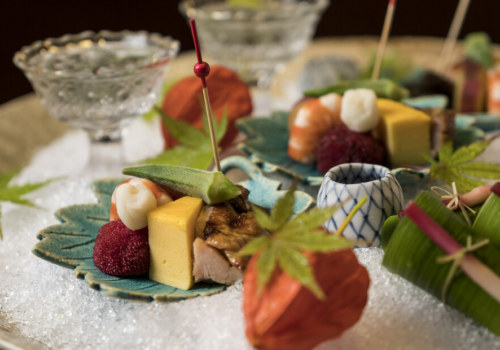
Kaiseki represents Japanese haute cuisine at its pinnacle, where seasonal ingredients are transformed into artistic presentations balancing taste, texture, color, and temperature. Each course follows prescribed sequences that mirror tea ceremony principles.
High-end kaiseki restaurants often require reservations months in advance and introductions from existing clients. These exclusive dining experiences typically unfold over two to three hours in private tatami rooms, where chefs explain each dish’s seasonal significance and preparation methods.
For travelers continuing to Tokyo, venues like Ninja Yakiniku offer premium Japanese beef experiences with halal certification, demonstrating how traditional Japanese culinary excellence adapts to diverse dietary requirements.
Nishiki Market Exploration
Called “Kyoto’s Kitchen,” this narrow shopping street stretches five blocks and houses over 100 specialty food shops and restaurants. The market provides exceptional opportunities to:
- Sample fresh yuba (tofu skin) prepared multiple ways
- Purchase artisanal tsukemono (pickled vegetables)
- Taste freshly grilled seafood at the standing counters
- Discover regional sake varieties unavailable elsewhere
- Observe traditional food preparation techniques
Guided market tours with culinary experts enhance understanding of ingredient seasonality and preparation methods fundamental to Kyoto cuisine.
Participate in Cultural Ceremonies and Crafts
Authentic cultural participation distinguishes superficial tourism from meaningful travel experiences. Kyoto offers unparalleled access to traditional practices maintained for centuries.
Tea Ceremony Experience
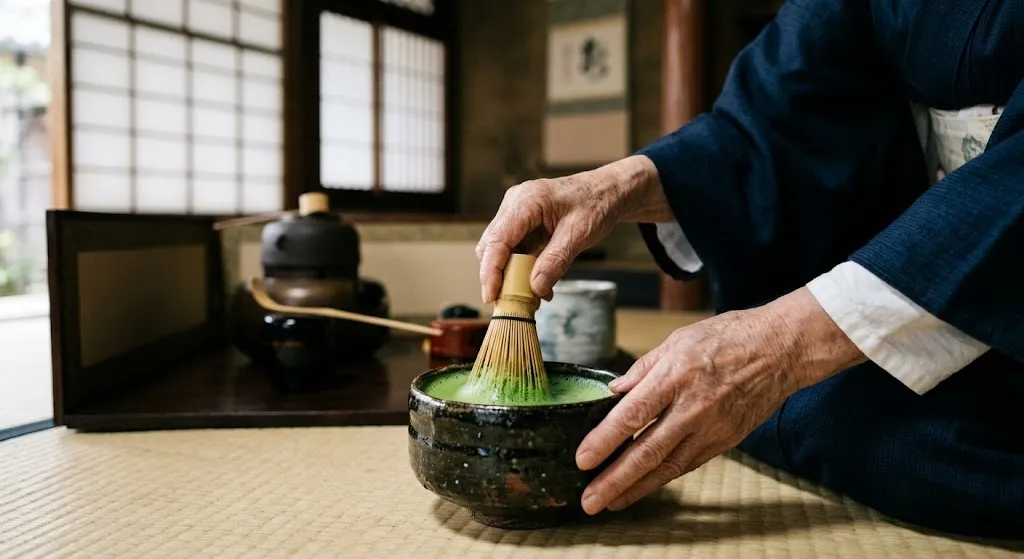
Participating in a formal tea ceremony (chanoyu) provides insights into Japanese aesthetics, hospitality, and spiritual philosophy. Private ceremonies hosted by tea masters in historic machiya or temple settings offer the most profound experiences.
The ceremony’s prescribed movements, specialized utensils, and architectural settings work together to create moments of heightened awareness. Understanding the deep connections between the eEaceremony, Zen Buddhism, and Japanese culture requires expert guidance that luxury travel services can provide through established relationships with tea schools.
| Experience Type | Duration | Setting | Inclusion |
|---|---|---|---|
| Group demonstration | 45 minutes | Cultural center | Observation, one bowl |
| Semi-private lesson | 90 minutes | Traditional tea house | Instruction, practice |
| Private ceremony | 2-3 hours | Historic venue | Full participation, meal |
Traditional Craft Workshops
Kyoto’s artisan community maintains skills passed through generations, offering workshops where travelers create authentic pieces under master guidance:
- Kyo-yuzen dyeing: Hand-painted silk using traditional resist techniques
- Pottery making: Form and glaze vessels at renowned kilns
- Gold leaf application: Learn techniques used in temple restoration
- Incense blending: Create personal fragrances using natural materials
These hands-on experiences provide tangible connections to Kyoto’s living craft traditions while supporting artisan communities.
Explore Beyond Central Kyoto
The broader Kyoto region rewards travelers who venture beyond famous landmarks to discover less-visited temples, mountain retreats, and rural traditions.
Kurama and Kibune
These mountain villages north of central Kyoto offer completely different atmospheres from the city. Kurama’s mountain temple complex provides excellent hiking with spiritual significance, while Kibune’s riverside restaurants serve meals on platforms suspended over crystal-clear streams during the summer months.
The area’s onsen (hot springs) offer relaxation after mountain exploration, with several luxury ryokan providing exclusive bathing experiences and kaiseki dinners featuring local mountain vegetables and river fish.
Ohara’s Rural Temples
This northern district preserves rural Kyoto’s agricultural heritage alongside significant temple complexes. Sanzen-in Temple’s moss gardens create ethereal landscapes, particularly beautiful after rain when moisture intensifies the verdant colors.
The area’s morning markets showcase local farming traditions, where you can purchase organic vegetables, handmade pickles, and mountain herbs directly from producers. This represents authentic rural Japanese life rarely glimpsed by international visitors.
Plan Seasonal Visits Strategically
Understanding which things to do in Kyoto, Japan,n during specific seasons dramatically enhances travel experiences, as the city transforms completely with seasonal changes.
Spring: Cherry Blossom Season
Late March through early April brings peak cherry blossom viewing, when Kyoto becomes Japan’s most sought-after destination. Strategic planning becomes essential:
- Book accommodations 6-12 months ahead
- Schedule temple visits during off-peak hours
- Consider lesser-known viewing spots like Kyoto Imperial Palace Park
- Plan backup dates given bloom timing unpredictability
Private hanami (flower viewing) parties in exclusive gardens offer serene experiences away from crowded public parks. Top experiences during this season require reservations and local expertise to execute flawlessly.
Autumn: Maple Color Peak
November transforms Kyoto’s mountains and gardens into brilliant red, orange, and yellow tapestries. Tofuku-ji Temple and Eikando Temple offer spectacular color displays, with evening illuminations extending viewing opportunities.
Autumn also brings harvest festivals, special temple exhibitions, and perfect weather for extended walking tours through mountain districts.
Winter and Summer Advantages
Winter provides crowd-free temple visits and occasional snow-dusted landscapes that create rare photographic opportunities. Summer festivals, including Gion Matsuri in July, showcase centuries-old traditions through elaborate processions, though humidity levels challenge some visitors.
Access Exclusive Cultural Events
Discerning travelers seek experiences beyond standard tourist activities, accessing cultural events through specialized connections and local expertise.
Private Temple Stays
Select temples offer shukubo (temple lodging) experiences where guests participate in morning prayers, meditation sessions, and vegetarian Buddhist meals. Private arrangements can include one-on-one instruction with monks, access to normally restricted areas, and ceremonial participation unavailable during regular visiting hours.
Geiko and Maiko Performances
Authentic geisha entertainment requires introductions and established relationships with ochaya tea houses. Private ozashiki banquets combine kaiseki dining with traditional dance, music, and conversation, offering glimpses into this refined world that has remained largely unchanged for centuries.
Seasonal Temple Events
Throughout the year, temples host special ceremonies, exhibitions, and cultural events:
- Spring and autumn garden illuminations
- New Year’s temple bell ringing ceremonies
- Buddhist memorial services with rare artifact displays
- Traditional music performances in historic settings
Access to many exclusive events comes through relationships that luxury travel specialists cultivate over years of operation in Kyoto.
Navigate Luxury Accommodations
Where you stay significantly influences your Kyoto experience, with accommodation choices ranging from historic ryokan to contemporary luxury hotels.
Traditional Ryokan Excellence
High-end ryokan provide quintessential Japanese hospitality through impeccable service, seasonal kaiseki cuisine, and refined aesthetics. Properties like Tawaraya and Hiiragiya have hosted distinguished guests for generations, maintaining traditions while incorporating modern comfort.
Ryokan stays include kaiseki dinners and breakfasts, yukata robes, private onsen bathing, and attentive service that anticipates needs before expression. Room rates reflect this comprehensive hospitality, typically starting from ¥50,000 per person, including meals.
Contemporary Luxury Options
Modern luxury hotels blend international standards with Japanese refinement. The newly opened Imperial Hotel Kyoto exemplifies this approach, reviving historic cultural spaces while providing contemporary amenities.
These properties offer advantages, including:
- Multilingual concierge services
- Western-style rooms and dining options
- Convenient central locations
- Modern fitness and spa facilities
- Easier accessibility for mobility-limited guests
Understand Transportation and Logistics
Efficient movement between attractions maximizes time spent experiencing Kyoto rather than navigating logistics.
Private Transportation Benefits
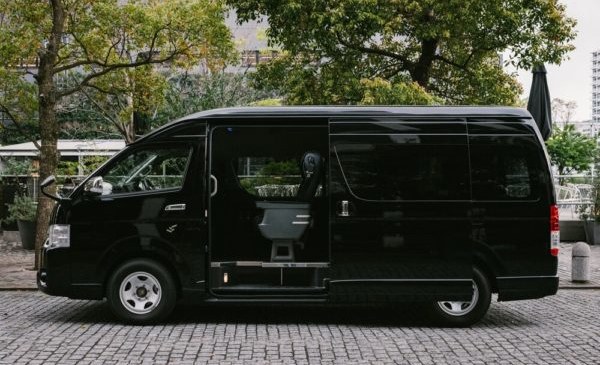
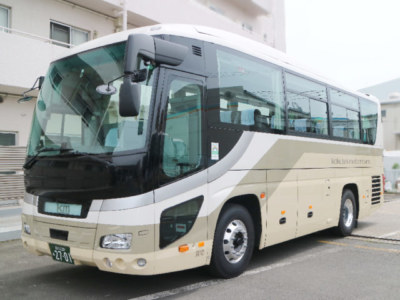
While Kyoto’s public transportation serves most major sites adequately, private vehicles and drivers provide significant advantages for luxury travelers:
- Direct routing between multiple locations
- Flexibility to adjust itineraries spontaneously
- Luggage handling and shopping assistance
- English-speaking guides providing cultural context
- Access to parking at venues with limited public transport
Premium transportation services ensure seamless transitions between experiences while maintaining privacy and comfort throughout your journey.
Walking and Bicycle Options
Many of Kyoto’s most charming discoveries happen during walks through traditional neighborhoods. The city’s compact central districts and flat topography make cycling extremely practical, with rental shops offering high-quality bicycles and electric-assist options.
Guided walking tours led by cultural experts reveal hidden details and historical contexts that self-guided exploration might miss, transforming simple walks into educational journeys.
Respect Cultural Protocols
Understanding and observing Japanese customs demonstrates respect while enhancing interactions with local communities.
Temple and Shrine Etiquette
Proper behavior at religious sites includes:
- Bowing upon entering the temple gates
- Purifying hands and mouth at the temizuya fountains
- Removing shoes before entering buildings
- Speaking quietly and minimizing phone usage
- Following photography restrictions
- Making offerings respectfully at donation boxes
Observing these protocols shows cultural awareness that Japanese hosts deeply appreciate.
Social Interaction Guidelines
Japanese communication styles emphasize indirectness, harmony preservation, and contextual awareness. Avoid loud conversations in public spaces, queue properly, and express gratitude frequently. When dining, familiarize yourself with chopstick etiquette and avoid behaviors considered disrespectful.
Understanding these subtle expectations transforms you from tourist to respectful guest, opening doors to warmer interactions and richer experiences throughout your stay.
Kyoto rewards thoughtful exploration with profound cultural insights and unforgettable experiences that connect past and present. For discerning travelers seeking authentic immersion in Japan’s cultural heart, Japan Royal Service creates bespoke Kyoto journeys that unlock exclusive access to temples, private cultural ceremonies, and hidden treasures beyond standard tourism routes. Our deep local relationships and cultural expertise ensure your Kyoto experience reflects your personal interests while maintaining the luxury, authenticity, and seamless execution that sophisticated travel demands.