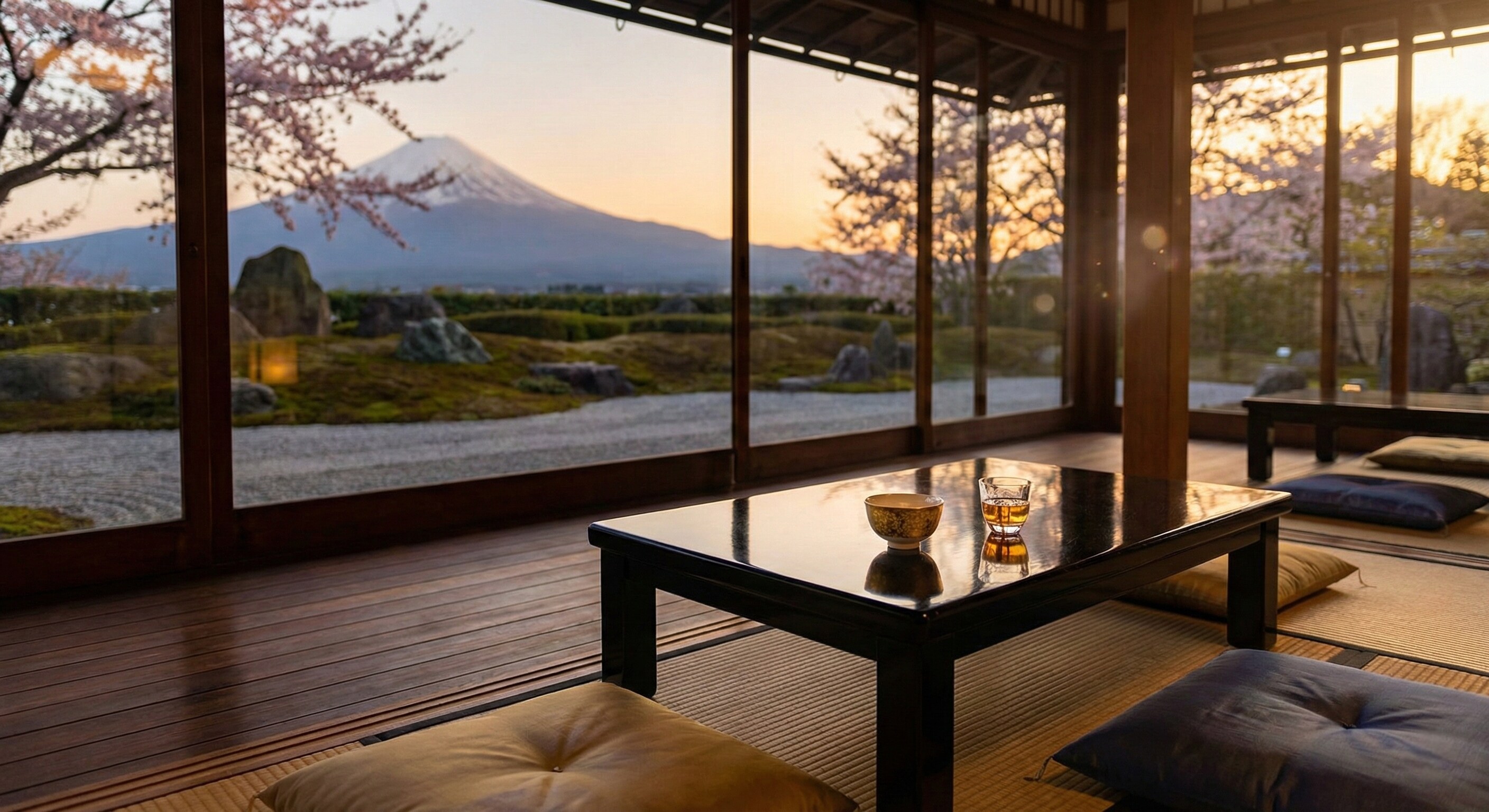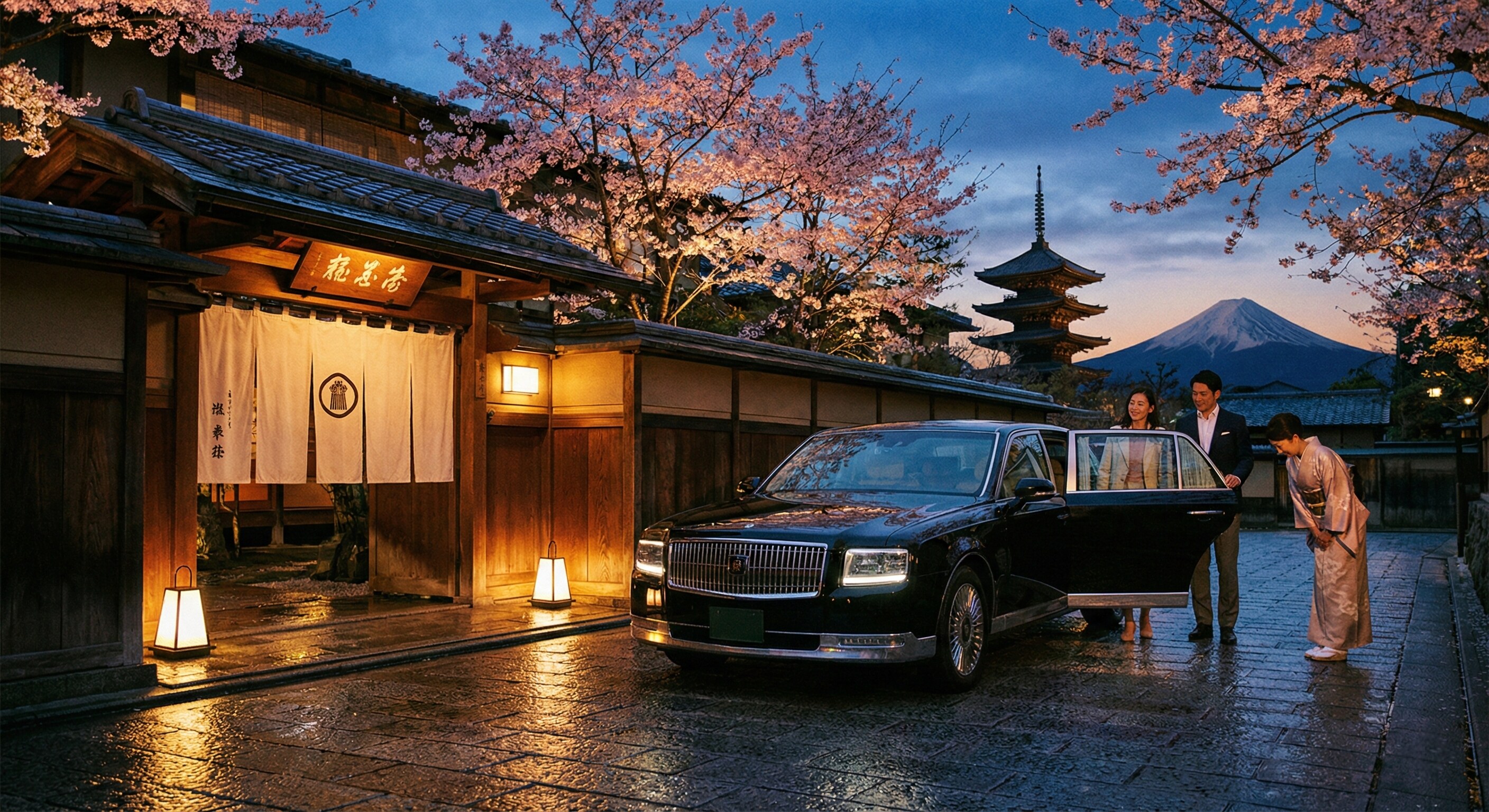
Kyoto stands as Japan’s cultural heart, where centuries-old traditions merge seamlessly with refined modern sensibilities. For discerning travelers seeking authentic experiences beyond typical tourist itineraries, this ancient capital offers an unparalleled collection of UNESCO World Heritage Sites, meticulously preserved temples, sublime gardens, and exclusive cultural encounters. Understanding the depth and breadth of Kyoto’s attractions requires more than a simple checklist. It demands thoughtful curation, insider knowledge, and a personalized approach. Experiences can be tailored to individual interests and preferences, ensuring every itinerary reflects each traveler’s unique desires and unlocks the city’s most extraordinary moments.
The Sacred Triangle: Kyoto’s Most Iconic Temple Experiences
Kiyomizu-dera Temple: The Wooden Wonder
Perched on Mount Otowa’s forested slopes, Kiyomizu-dera Temple represents architectural mastery and spiritual significance in equal measure. The main hall’s famous wooden stage, constructed without a single nail, extends over a dramatic precipice, offering sweeping views across Kyoto’s cityscape.
Key features that distinguish this attraction:
- The Otowa Waterfall, where three streams promise health, longevity, and academic success
- Seasonal transformations: cherry blossoms in spring, vibrant foliage in autumn
- Evening illuminations during special periods, creating ethereal atmospheric experiences
- Adjacent Jishu Shrine, dedicated to the deity of love and matchmaking
The approach through Higashiyama District’s traditional streets adds value to the visit. Stone-paved lanes lined with machiya townhouses, craft shops, and tea houses create an immersive journey through Kyoto’s preserved heritage.

Fushimi Inari Taisha: The Vermillion Path
This shrine complex offers one of Kyoto’s most photographed experiences: thousands of vermilion torii gates creating tunnel-like pathways up Mount Inari. Yet the true magic reveals itself beyond the initial gates, where fewer visitors venture into the mountain’s sacred network of trails. A hiking circuit through dense forest takes about two hours. It passes smaller shrines, stone fox guardians, and meditation spots with unexpected city panoramas. Early-morning visits, especially before 7:00 AM, offer solitude and mystical light filtering through the gates.
| Visiting Strategy | Benefits | Considerations |
|---|---|---|
| Early Morning (6-8 AM) | Minimal crowds, dramatic lighting | Limited facility access |
| Late Afternoon (4-6 PM) | Golden hour photography, cooler temperatures | More visitors at the lower sections |
| Full Summit Hike | Complete experience, panoramic views | Physical exertion required |
| Lower Gates Only | Accessible, iconic photo opportunities | Misses authentic mountain shrine atmosphere |
The Golden and Silver Pavilions: Architectural Poetry
Kinkaku-ji, the Golden Pavilion, exemplifies Zen Buddhist architecture transformed into visual meditation. The gold-leaf-covered structure, perfectly mirrored in Kyokochi Pond, creates compositional harmony that transcends mere aesthetics. Despite many visitors, the meticulously designed garden pathways choreograph movement to preserve contemplative experiences.
Ginkaku-ji, the Silver Pavilion, offers contrasting refinement through restraint. Never covered in silver, this temple complex showcases wabi-sabi philosophy, finding beauty in imperfection and impermanence. The moss garden, sand garden with its distinctive cone formation, and woodland paths ascending to city viewpoints demonstrate landscape design as a spiritual practice.
Natural Wonders and Scenic Districts
Arashiyama: Where Nature Meets Culture
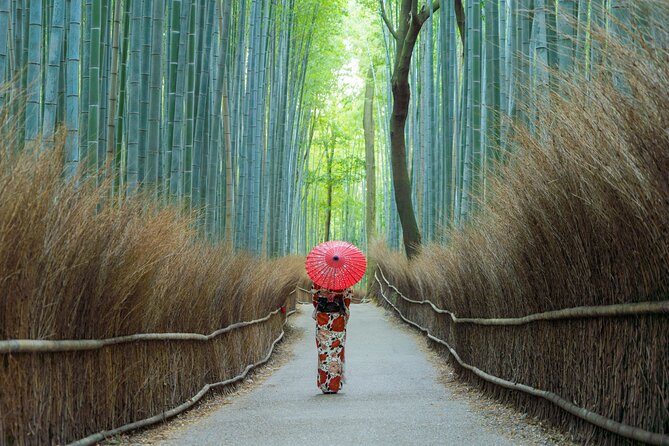
Arashiyama district encompasses multiple attractions in a concentrated area, making it essential for a comprehensive exploration of Kyoto. The Bamboo Grove creates an otherworldly experience as towering stalks sway and whisper in the wind, filtering sunlight into jade-green shadows.
Beyond the bamboo, Arashiyama offers:
- Tenryu-ji Temple’s borrowed scenery garden, designated both a UNESCO site and special historic site
- Togetsukyo Bridge spanning the Hozu River, framed by seasonal mountain colors
- Traditional river boat experiences operated by skilled cormorant fishermen
- Okochi Sanso Villa, a hidden garden estate with exceptional city panoramas
- The Sagano Scenic Railway is especially spectacular during the autumn foliage season
Strategic timing transforms the Arashiyama experience. Weekday mornings before 9:00 AM offer peaceful walks through the bamboo grove. Sunset illuminations during special seasons create entirely different atmospheric qualities.
Philosopher’s Path: Contemplative Journey
This canal-side walkway connecting Ginkaku-ji to Nanzen-ji Temple offers a two-kilometer meditation in motion. Cherry trees lining both banks create one of Japan’s most celebrated hanami experiences each spring, though the path rewards visits across all seasons.
Small temples, craft galleries, traditional cafes, and specialty shops dot the route. Less-visited temples along this path, such as Honen-in with its thatched gate and moss gardens, and Anraku-ji, known for its pumpkin-colored camellia festival, provide intimate encounters with Kyoto’s spiritual landscape.

Hidden Gems and Exclusive Experiences
Byodoin Temple: The Phoenix Hall Masterpiece
Located in nearby Uji, Byodoin Temple presents Pure Land Buddhist architecture at its most refined. The Phoenix Hall, depicted on the 10-yen coin, demonstrates perfect symmetry and proportion intended to represent the Buddhist paradise. The museum houses National Treasure statues and original temple bells, while the garden design integrates borrowed scenery from the surrounding mountains.
Uji offers Japan’s premier green tea culture. High-grade matcha production centers here enable exclusive tea ceremony experiences in historic settings impossible to replicate elsewhere. Travelers seeking an authentic tea ceremony can arrange private sessions through specialist guides or luxury travel services familiar with Uji’s most revered tea houses. These experts facilitate access, provide interpretation, and ensure a seamless experience tailored to individual preferences.
Seasonal Cultural Events Worth Planning Around
Kyoto’s traditional calendar means attractions reach peak significance at different times. Understanding these rhythms enables sophisticated travel planning beyond standard sightseeing.
2026 Cultural Highlights:
- Hanami Season (Late March-Early April): Cherry blossom viewing at Maruyama Park, Heian Shrine, and daytime-only temple gardens
- Aoi Matsuri (May 15): Imperial procession in Heian-period costumes from the Imperial Palace to Shimogamo Shrine
- Gion Matsuri (July 1-31): Japan’s most famous festival with elaborate float processions and street celebrations
- Kyotographie Photography Festival: International contemporary photography exhibition showcasing cutting-edge visual narratives throughout the city
- Autumn Foliage (Mid-November): Temple illuminations and momiji viewing at Eikando, Tofuku-ji, and Kodai-ji
Beyond Temples: Cultural Immersion Experiences
Traditional Arts and Craftsmanship
Kyoto preserves living traditions through artisan workshops and performance venues welcoming discerning visitors. Geiko and maiko performances in Gion, though widely known, become extraordinary when experienced through private ochaya (tea house) arrangements with proper cultural context. Access to private ochaya is typically unavailable to the general public but can usually be secured through introductions or reservations by luxury concierges or specialist local guides. These experts handle arrangements and protocols, ensuring an authentic and respectful experience.
Exclusive cultural access opportunities:
- Private tea ceremony with recognized tea masters in a historic machiya
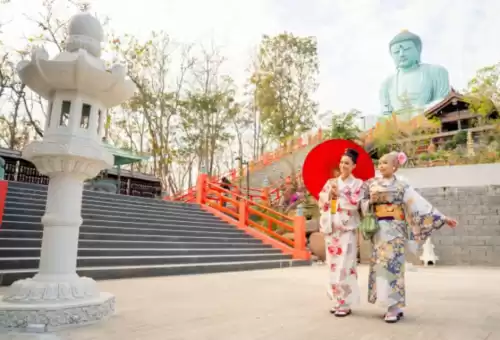
- Kimono fitting and photography sessions in seasonal gardens
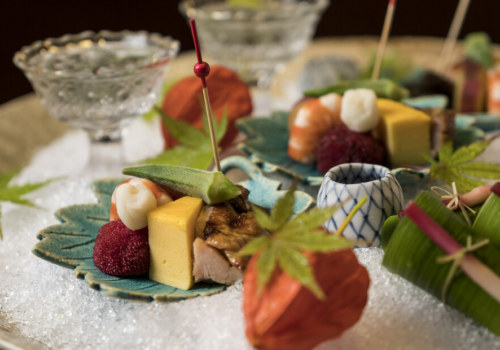
- Kaiseki dining prepared by master chefs in intimate settings
- Traditional craft workshops: yuzen silk dyeing, gold leaf application, incense blending
- Buddhist meditation sessions at temples offering English guidance
Culinary Kyoto: Where Food Becomes Art
Kyoto’s culinary traditions elevate ingredients and presentation to philosophical levels. The concept of “omotenashi” (wholehearted hospitality) appears in every detail, from seasonal kaiseki courses to the perfect matcha whisked at historic tea houses.
| Culinary Experience | Characteristics | Recommended Venues |
|---|---|---|
| Kaiseki Ryori | Multi-course seasonal artistry | Kikunoi, Hyotei |
| Shojin Ryori | Buddhist vegetarian cuisine | Shigetsu at Tenryu-ji |
| Obanzai | Kyoto home-style cooking | Menami, Oimatsu |
| Wagashi & Tea | Traditional sweets with matcha | Tsuruya Yoshinobu, Kagizen Yoshifusa |
Nishiki Market, “Kyoto’s Kitchen,” spans five blocks of specialty food vendors, from tsukemono (pickles) to handmade tofu, fresh yuba, and seasonal delicacies found nowhere else.

Strategic Planning for Optimal Experiences
Neighborhood-Based Exploration
Rather than crisscrossing the city, organizing Kyoto attractions by district maximizes time and reduces fatigue. Kyoto’s extensive bus network and limited subway lines favor strategic positioning.
Efficient district combinations:
- Eastern Kyoto: Kiyomizu-dera, Gion, Yasaka Shrine, Philosopher’s Path, Nanzen-ji
- Northern Temples: Kinkaku-ji, Ryoan-ji, Daitoku-ji complex
- Western Arashiyama: Bamboo Grove, Tenryu-ji, Togetsukyo Bridge, Monkey Park
- Central Imperial: Kyoto Imperial Palace, Nijo Castle, Nishiki Market
- Southern Heritage: Fushimi Inari, Tofuku-ji, Byodoin (Uji)
Transportation Considerations for Luxury Travelers
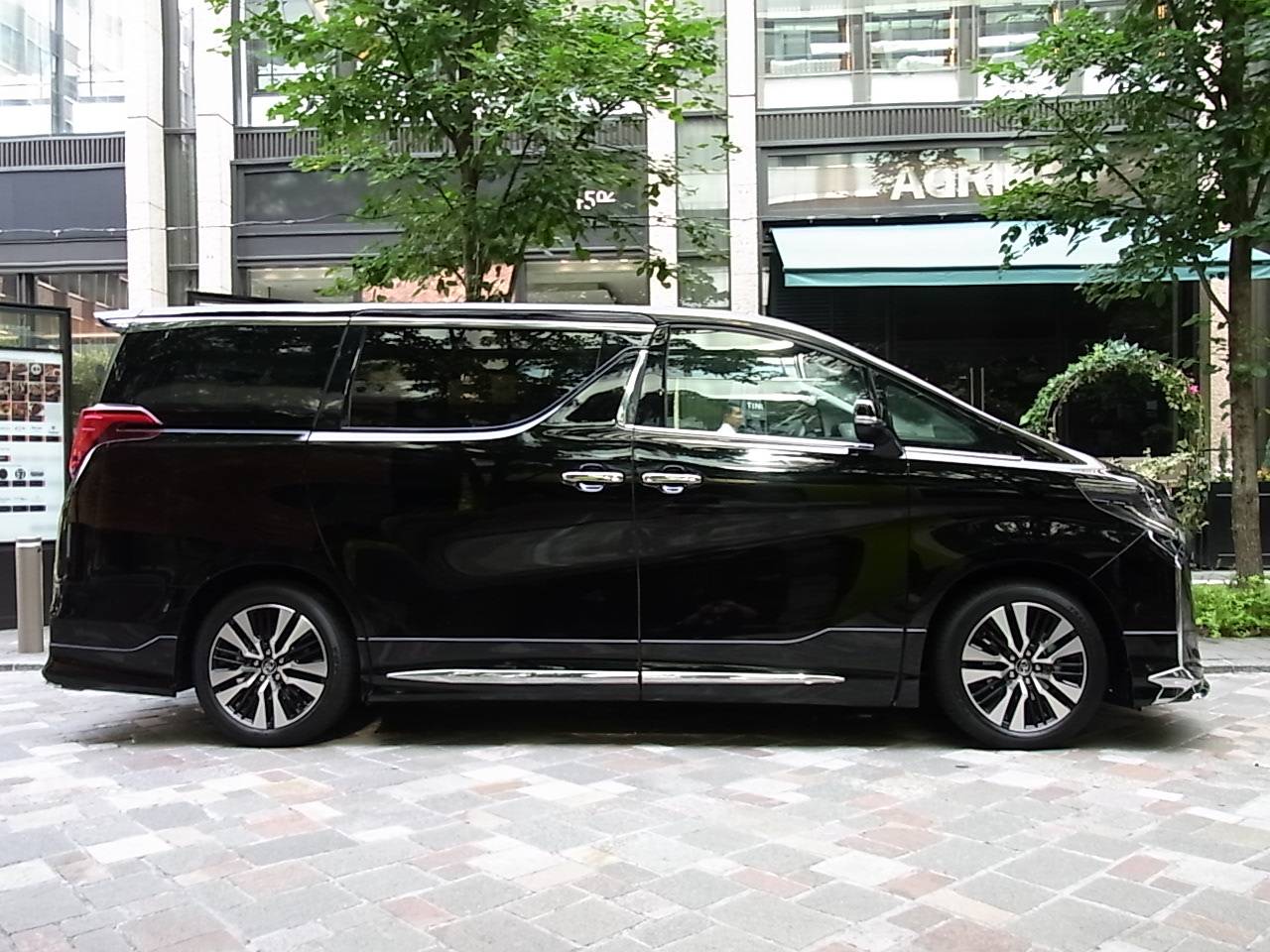
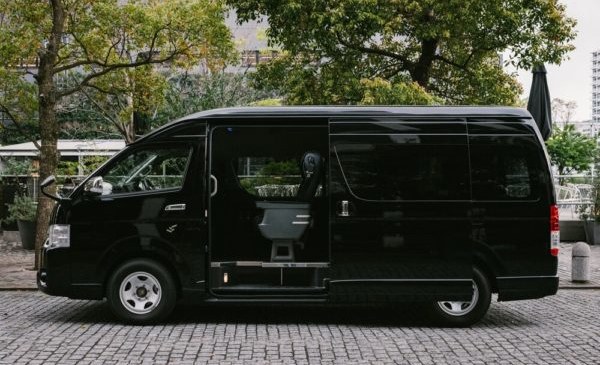
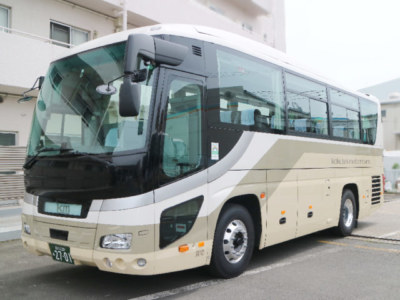
While public transportation is efficient, private transportation elevates the experience for those seeking comfort, flexibility, and expert guidance. Chauffeured luxury vehicles, such as executive sedans, spacious minivans, or limousines, are readily available for discerning travelers. These premium vehicles provide superior comfort, privacy, and a refined atmosphere that complements high-end travel expectations. Professional drivers familiar with optimal timing, alternative routes during peak seasons, and exclusive parking access transform logistics from potential frustration into seamless transitions.
Climate-controlled luxury vehicles enable comfortable travel between attractions while providing secure storage for purchases and privacy for discussing itinerary adjustments with knowledgeable guides.
Understanding Kyoto’s Cultural Etiquette
Temple and Shrine Protocol
Respectful engagement with sacred spaces enhances both personal experience and cultural preservation. Basic protocols include:
- Proper purification at temizuya (water basins) before entering shrine grounds
- Photography restrictions at designated areas, particularly indoor spaces
- Appropriate attire: covered shoulders and knees at most religious sites
- Quiet observation during prayer and ceremonies
- Following designated pathways through gardens without stepping on moss or restricted areas
Geisha District Sensitivity:
The Gion and Pontocho districts maintain a working geisha culture. Photographing geiko or maiko without permission disrupts their professional activities. Authentic encounters occur through proper introductions via traditional establishments, not street photography.
Practical Wisdom for Discerning Visitors
Optimal Visit Duration and Seasonal Considerations
A comprehensA comprehensive Kyoto exploration requires at least four to five days, though a week allows deeper engagement without rushed schedules. Each season offers distinct advantages: iconic cherry blossoms, but peak crowds and premium pricing. Summer features festivals and lush greenery, though heat and humidity can make extensive walking challenging. Autumn provides spectacular foliage and comfortable temperatures, rivaling spring for visitor numbers. Winter offers serene temple gardens, occasional snow-dusted landscapes, and significantly fewer tourists.
Access and Accommodation Strategy
Kyoto Station serves as the transportation hub, with Shinkansen connections to Tokyo (2 hours 15 minutes) and Osaka (15 minutes). Placing accommodations near subway lines or in walkable neighborhoods like Gion, Higashiyama, or near Kyoto Station optimizes daily exploration. Ryokan (traditional inns) provide immersive Japanese hospitality with kaiseki dining, private gardens, and exemplary service. Top-tier options such as Tawaraya and Hiiragiya are renowned for their heritage, exquisite attention to detail, and discreet exclusivity. For those preferring secluded settings, Suiran, a Luxury Collection Hotel in Arashiyama, combines riverside tranquility with premium amenities. Modern luxury hotels offer Western comforts with Japanese refinement, often featuring prime locations and exclusive concierge access. The Ritz-Carlton Kyoto and Four Seasons Hotel Kyoto both deliver personalized experiences, spacious suites, and world-class service, ensuring an exceptional stay for discerning guests.
Navigating Peak Seasons Successfully
Cherry blossom and autumn foliage seasons attract overwhelming numbers of visitors to popular attractions in Kyoto, Japan. Advanced strategies include:
- Visiting major sites at opening time or during late afternoon
- Prioritizing weekday visits over weekends
- Exploring lesser-known temples offering comparable beauty with minimal crowds
- Booking special early-morning or after-hours private access through specialized services
- Focusing on experiences requiring reservations, automatically limiting participant numbers
Cultural Festivals and Contemporary Arts Scene
Traditional Festivals as Living Heritage
Kyoto’s matsuri calendar preserves traditions spanning centuries. These festivals transform the city into living history, where ancient costumes, musical traditions, and religious ceremonies continue unchanged. Understanding the cultural significance enhances appreciation beyond visual spectacle.
The Gion Matsuri yamaboko floats represent neighborhood identities preserved through generations. Each float’s construction, decoration, and musical ensemble reflect specific community heritage. Observing these preparations in neighborhoods weeks before the main processions reveals the festival’s true cultural depth.
Modern Creative Culture
Beyond its traditional heritage, Kyoto nurtures contemporary creativity through art galleries, independent bookshops, specialty coffee roasters, and design studios that occupy renovated machiya. This creative renaissance demonstrates how tradition informs innovation rather than constraining it.
The annual Kyotographie photography festival exemplifies this balance, installing contemporary photographic works in both modern galleries and historic temples, creating dialogues between past and present.
Customizing Your Kyoto Experience
Matching Interests to Attractions
Different visitors prioritize different aspects of Kyoto, Japan attractions. Art enthusiasts gravitate toward temple treasure houses and contemporary galleries. Garden lovers seek masterpieces of karesansui (dry landscape) and seasonal strolling gardens. Spiritual seekers organize meditation sessions and sutra-copying experiences. Food enthusiasts attend cooking classes, take market tours, and enjoy multi-course dining.
Interest-based prioritization guide:
- Architecture & Design: Katsura Imperial Villa, Nijo Castle, Ryoan-ji, modern museums
- Gardens: Kokedera (Moss Temple), Shisen-do, Murin-an, Heian Shrine
- Textiles & Crafts: Nishijin Textile Center, Kyoto Handicraft Center, artisan workshops
- Buddhism & Spirituality: Nanzen-ji, Daitoku-ji sub-temples, Kurama-dera, Mount Hiei
- History: Kyoto National Museum, Imperial Palace, Nijo Castle, Samurai districts
Working with Specialists
The complexity and cultural depth of Kyoto, Japan, attractions reward collaboration with experts who understand both the destinations and discerning traveler expectations. Specialist guides provide context that transforms sightseeing into genuine cultural education, while handling logistics, timing, and access arrangements.
Private guides with expertise in art history, religious studies, or culinary arts elevate experiences through informed interpretation. They navigate seasonal variables, suggest optimal itinerary sequencing, and arrange exclusive access opportunities unavailable through independent planning.
Kyoto’s layered attractions reward thoughtful exploration that balances iconic destinations with hidden discoveries, all while respecting the cultural traditions that make these experiences meaningful. For those seeking to experience Kyoto’s finest attractions with sophistication and depth, Japan Royal Service specializes in creating bespoke luxury journeys that unlock exclusive access, provide expert cultural guidance, and ensure seamless travel experiences tailored to your specific interests. Their intimate knowledge of Kyoto’s heritage and contemporary culture, combined with premium transportation and personalized service, transforms your visit into an unforgettable immersion in Japan’s cultural heart.