LINE ID japanroyalservice
+817013781777 click here
+817013781777 click here
July in Japan can feel like a dare. Heat that clings. Sudden rain. Crowds that move in waves.
Still, July 2026 can be one of the most rewarding months to travel—if you build the trip around shun, altitude, and smart timing. That is where our team at Japan Royal Service becomes useful: we plan with a July brain, not a generic “best of Japan” checklist.
This guide shares the best places to visit in Japan in July 2026, with a calm, high-comfort approach. Expect real festival dates, realistic routing, and the small choices that protect your energy and privacy.
July is not subtle. Some days are wet, especially around the tail end of tsuyu in many parts of Honshu. Then the humidity arrives and stays.
That is the problem most travelers underestimate. Big mistake. They plan temple-heavy days at noon, stand on hot platforms, and wonder why “luxury Japan” feels like endurance.
In our experience, July becomes brilliant when you design for climate. You go north or up. You treat famous festivals as short, targeted moments, then retreat into quiet—museums, gardens, shaded lanes, a well-timed onsen reset.
Our July planning starts with one question: where will your body feel good at 2 p.m.? Not where looks good on a map.
We lean toward Hokkaido and higher-elevation regions, then stitch in Tokyo, Kyoto, or Osaka in measured doses. Short doses. You get the meaning without the misery.
We also schedule “cool cores” into each day—places where you can breathe, sit, and reset. A museum hour. A long lunch. A private craft session. It is quiet luxury in the Japanese sense, closer to wabi-sabi than spectacle.
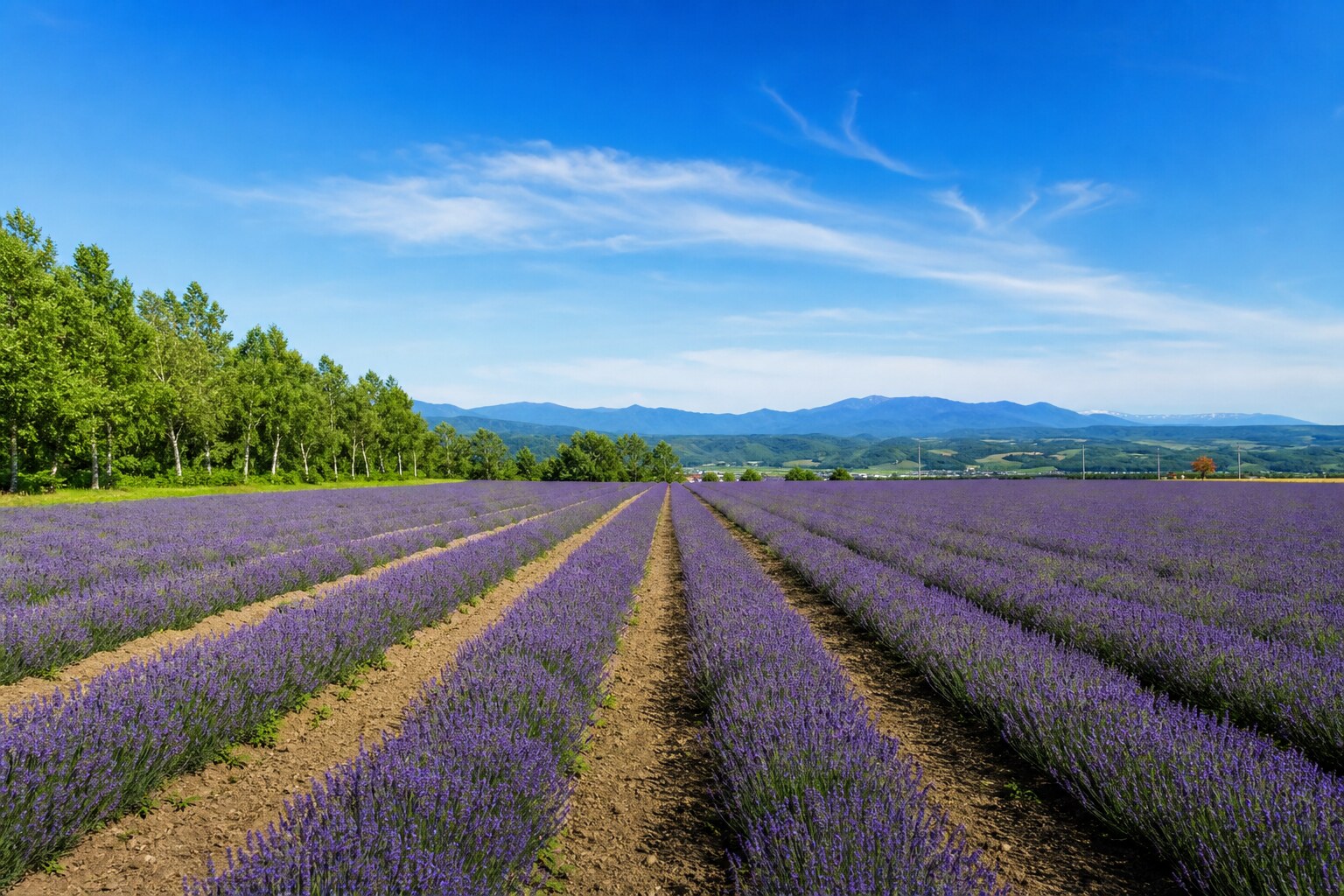
If you want July comfort in Japan, Hokkaido is the obvious answer. And yet many travelers treat it as optional. Wrong framing.
Visit Hokkaido notes that Hokkaido largely skips the tsuyu rainy season that affects much of Japan from mid-June through mid-July, and it positions early summer as one of the best periods. That single detail changes everything for July 2026 planning.
For HNW travelers, Hokkaido also solves another issue: pace. You can do long, beautiful drives without constant queues, and you can still return to strong dining and polished hotels in Sapporo.
Furano and Biei are July classics for a reason. Fields. Skies. Long horizons that feel almost European.
Go early in the day. It matters. The light is softer, and your schedule stays unhurried.
Our concierge team often builds Furano/Biei as a two-night pause inside a longer July itinerary, especially for guests who want nature without a “hard adventure” label.
Sapporo works when you want a city with breathing room: good food, efficient transport, and an easy jump to day-trip countryside.
It is also a practical flight node for July 2026. You can start north, then move south for a festival, then return to cooler air to recover.
Quiet evenings count. In July, they count even more.
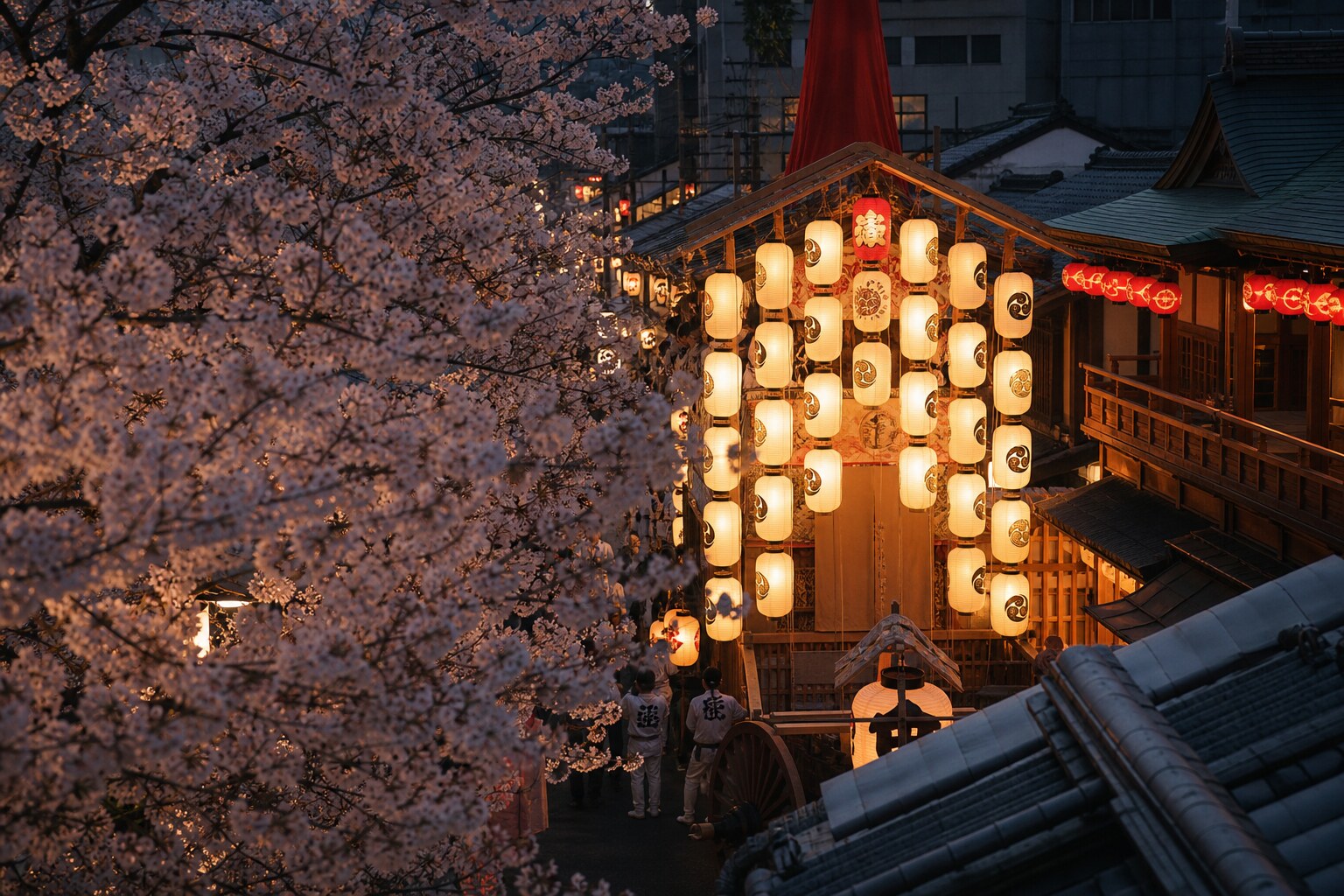
Kyoto in July can be intense. Heat and crowds are part of the deal. Still, Gion Matsuri is not a “nice-to-have.” It is one of Japan’s defining summer festivals.
Kyoto’s Gion Matsuri is scheduled to run from July 1 to July 31, 2026. It is a full-month festival with different peaks across the month, which is why a knowledgeable plan matters more than ever.
Here is the luxury traveler’s mistake: arriving with one night free, hoping to “catch the vibe.” You will catch the crowd instead. We prefer precise nights, then quiet mornings, then a controlled exit.
We treat Gion Matsuri as a set of scenes, not one long performance. You choose your scenes.
Think evening streets at a measured pace, then a retreat to a calm meal, then an early finish. Discipline is the luxury.
And yes—omotenashi matters. The right guide, the right pacing, the right distance from the densest lanes can change your entire emotional memory of Kyoto.
Kyoto’s hotel landscape shifted in March 2026. This is not gossip. It affects July planning because it changes where you can sensibly base yourself near Gion and Miyagawa-cho.
Imperial Hotel, Kyoto opened on March 5, 2026, giving the Imperial brand a heritage-forward Kyoto foothold. Capella Kyoto opened on March 22, 2026, marking Capella’s debut in Japan with a smaller-scale, craft-and-wellness-oriented approach.
Both properties increase choice in a district where demand can spike around festivals. If you are planning July 2026, you want to understand neighborhood feel—walkability, drop-off flow, privacy at entrances—not just room aesthetics.
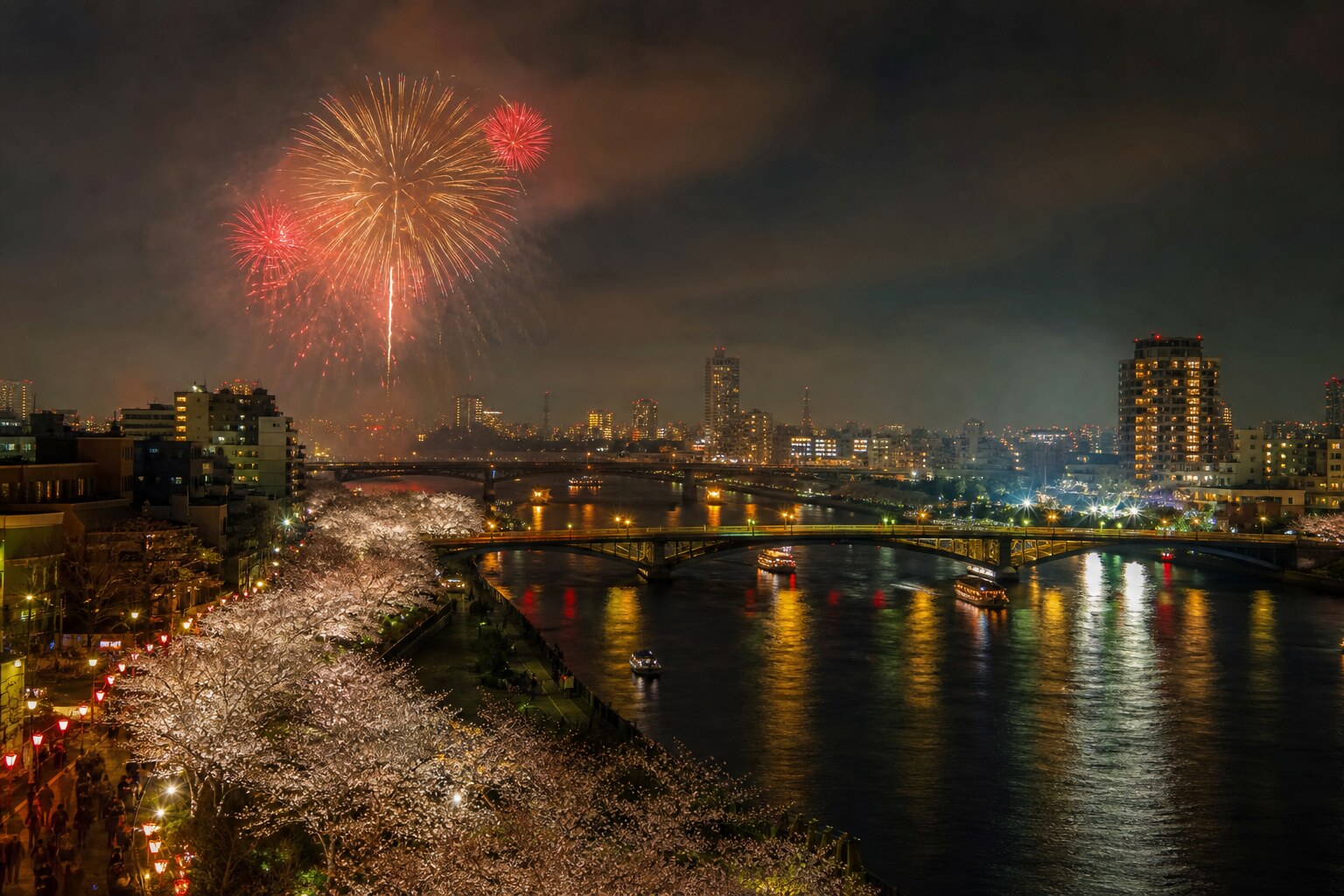
Tokyo summer nights can be magical, especially when the city gathers for fireworks. The catch is logistics.
Go Tokyo lists the Sumida River Fireworks Festival and shows the page was updated on June 1, 2026, a helpful signal for 2026 planning accuracy. The Sumidagawa Fireworks Festival is generally held on the last Saturday in July.
For HNW travelers, the question is not “should we go?” It is: how do we enjoy it with dignity—without getting stranded in a human tide on the way out?
Fireworks are a sensory event. Heat, noise, movement, waiting. Comfort is not a nice extra.
In our experience, the best approach is to plan around private transport, clear meeting points, and a post-event escape route that does not rely on the nearest station at peak crush.
Interested guests can contact our concierge team for tailored guidance on viewing strategies and timing. We share options privately, case by case, based on your party size and tolerance for crowds.
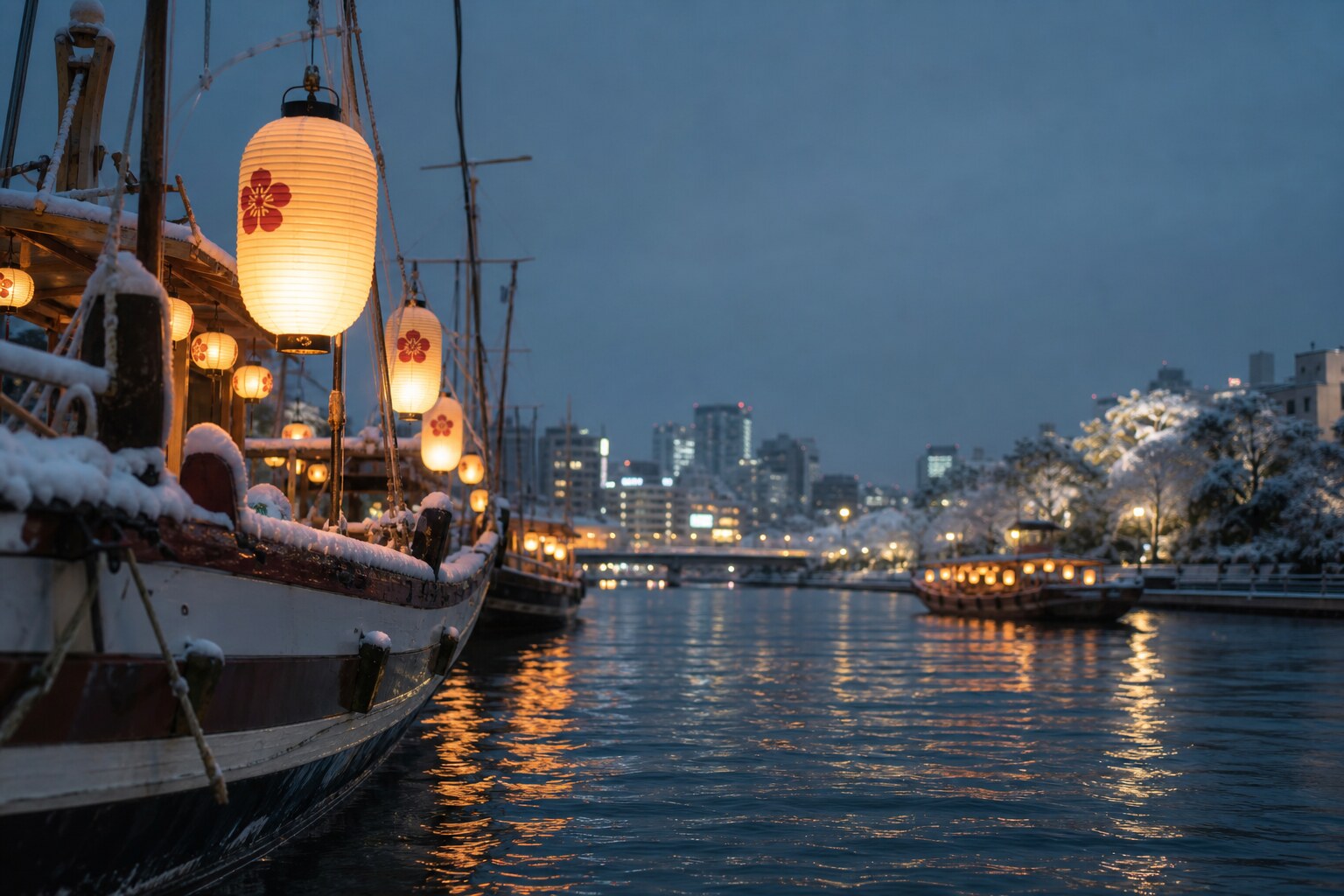
Osaka brings a different energy in July. Brighter. Faster. A little wry.
Tenjin Matsuri takes place on July 24 and July 25. It is one of Japan’s major summer festivals, and it pairs naturally with a Kyoto stay if you want a two-city July narrative.
Do not overpack the days around it. Two nights can be enough, especially if you are building in a cool-down destination right after.
This pairing works best when you accept the truth: midday is for shade. Or for indoors.
We often suggest morning culture—shrines, gardens, a short artisan visit—then a long lunch, then an evening festival window. You are not “doing less.” You are doing it with control.
Control is the July luxury.
Fuji Rock is a major draw in late July. It is also a mass event, which means friction unless you plan the edges well.
Fuji Rock Festival ’26 ticketing information is published on e+ and shows an update date of 2026-06-05. That is useful for travelers confirming that 2026 sales information is live.
For luxury travelers, the strategy is not to “upgrade the festival.” The strategy is to protect the days around it: transfers, recovery, and where you sleep.
Plan a buffer day before. Non-negotiable. Arriving exhausted makes everything feel harder.
Plan a buffer day after, too—somewhere quiet, preferably with nature and a slower rhythm. This is where wabi-sabi becomes practical, not philosophical.
Guests who want tailored guidance can contact our concierge team to talk through routing and comfort planning; ticket purchases remain through official channels.
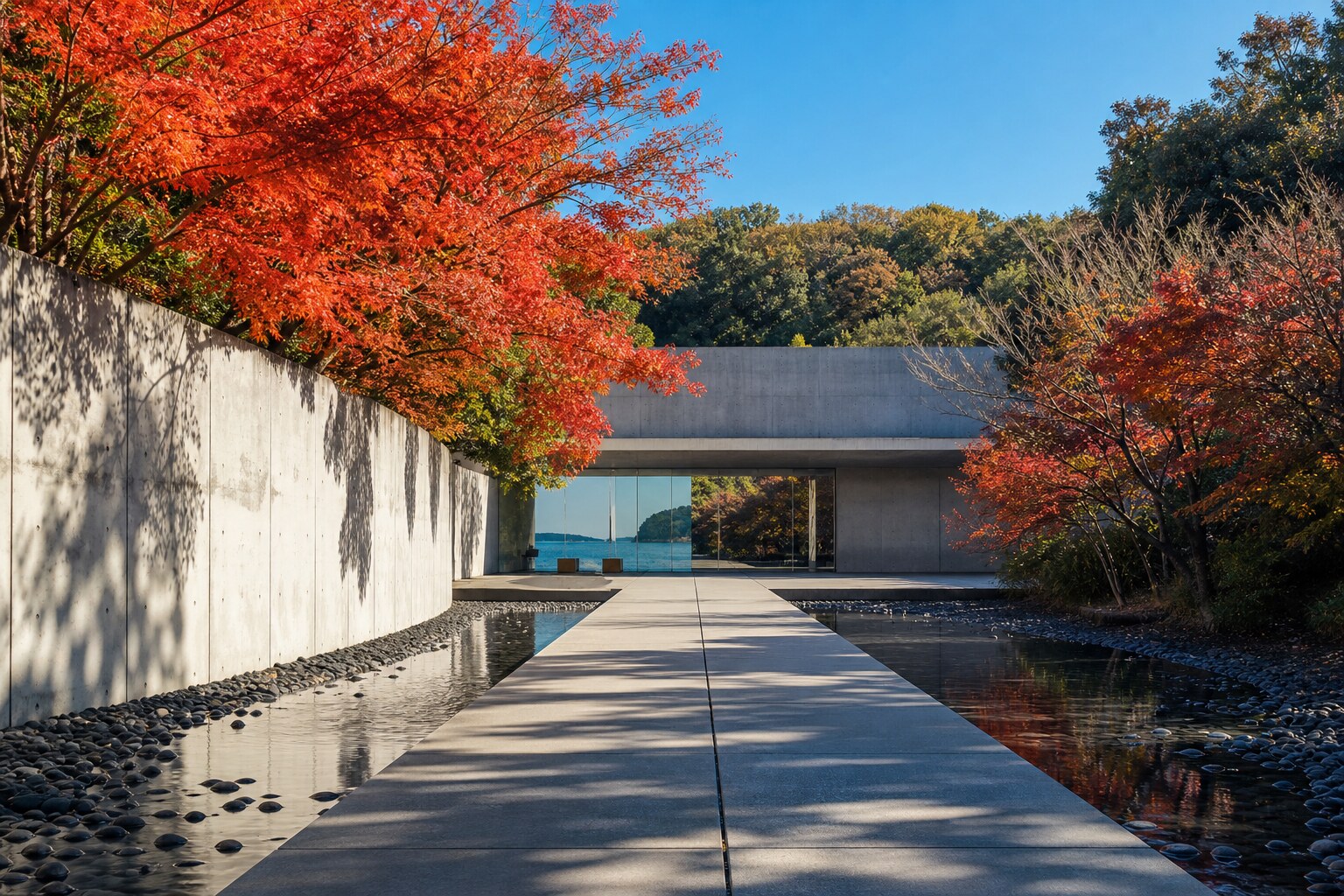
When Honshu cities feel heavy in July, contemporary art can be a relief. Clean lines. White rooms. Silence that resets your nervous system.
Naoshima and Teshima in the Seto Inland Sea are widely recognized art-island anchors, and luxury competitors often use them as a backbone alongside Tokyo, Kyoto, and Kanazawa. For July 2026, that backbone makes sense for a different reason: it is easier to build midday indoor time without feeling like you are “hiding from summer.”
We like art islands for HNW travelers who want cultural conversation at dinner, not just photos. Small groups. Thoughtful pacing.
Keep the museum count realistic. One or two major visits in a day can be enough.
Leave space for sea air and slow lunches. The Seto Inland Sea teaches patience.
If you want to add a shokunin element—ceramics, lacquer, a quiet craft encounter—our team can suggest regions and studios to explore, then discuss availability privately.
Some July travelers want to move, but not in cities. The Nakasendo Way offers a heritage route through post towns, with a pace that feels human.
Well-known sections include the Kiso Valley area, where towns like Magome and Tsumago preserve an Edo-period feel. It is a different kind of Japan—less neon, more wood grain and morning mist.
For HNW travelers, comfort is in the details: luggage strategy, pacing, and choosing sections that match your fitness and the day’s weather. Our concierge team can help you think through those choices.
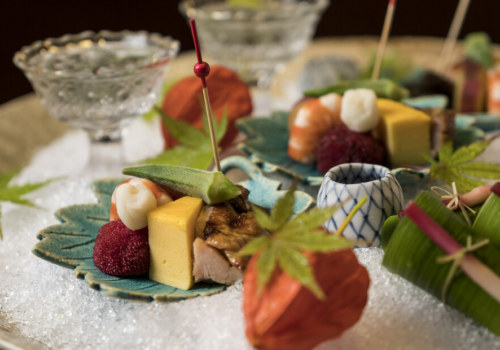
Japan’s July pleasure is not only visual. It is edible.
Japan’s Ministry of Foreign Affairs materials for Fukushima promotion state peach season as the middle of July to early September. That gives July 2026 travelers a clean seasonal window to build around, especially if you like food-driven travel that is not centered on hard-to-get restaurant seats.
We treat this as shun in its pure form: the right fruit, at the right moment, in the right place. Simple. Sharp.
Keep it modest. A regional stop, a tasting, a farm-adjacent moment—then move on.
Specific farm activities vary, and availability can change year to year. We discuss what is realistic privately, once we understand your dates and interests.
The goal is not novelty. July senses that you can taste.
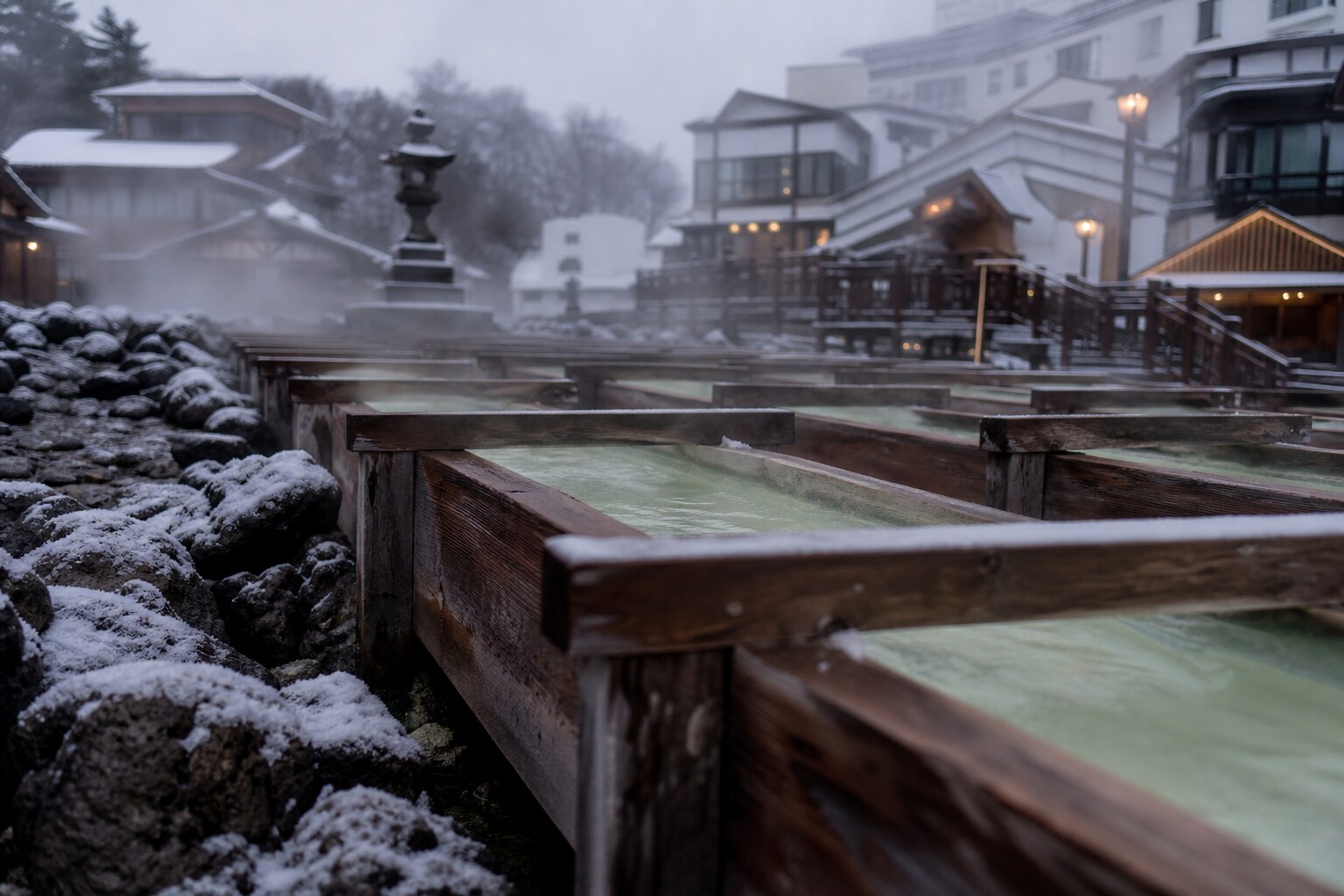
July travel goes better when your itinerary includes a reset point. Onsen towns do that well, especially after festivals.
Hoshino Resorts announced the KAI Kusatsu opening on June 7, 2026. Kusatsu Onsen itself is a long-established hot spring town in Gunma Prefecture, known for its waters and for the central Yubatake area.
Onsen in summer can sound counterintuitive. Then you try it. The ritual matters, and many ryokan environments are designed for calm even when the outside world feels loud.
After Tokyo fireworks. After Kyoto and Osaka festival nights. After any stretch where you have been “on.”
One night can help; two nights can change your mood entirely. Especially if you plan your days around rest, not around proving something to yourself.
Guests can research accommodations via official hotel channels; for tailored onsen-town selection and routing, contact our concierge team.
July trips tend to fail at the seams. Too many transfers, too little rest, too many “must-sees” stacked into the hottest hours.
Below are modular routes we often discuss with HNW guests. They are not cookie-cutter itineraries. They are strong starting shapes.
It keeps your hottest days short. Smart.
It also protects your privacy because you are not constantly in the most crowded corridors of Honshu.
This is for travelers who want tradition. Not just sightseeing.
You will feel the heat, but you will not be owned by it.
This module leans into air-conditioned culture and evening walks. Gentle. Effective.
It also suits guests who want hidden-Japan touches without committing to remote logistics every day.
For July 2026, the most searched questions are always the same: “When is it?” and “How do I book?” The honest answer depends on the event.
Gion Matsuri is a city-wide festival period rather than a single ticketed show, so planning is about dates, timing, and where you position yourself in the city.
Start with official Kyoto tourism information and reputable local listings, then refine your plan around specific highlights and your heat tolerance.
For questions and a tailored Kyoto plan, contact our concierge team at Japan Royal Service.
Go Tokyo maintains an official-style event listing page, updated June 1, 2026, which is a reliable place to confirm the latest guidance. See: https://www.gotokyo.org/en/spot/ev100/index.html.
Viewing itself is typically not a single “one-size” booking situation; it is about where you watch from and how you move afterward.
For private planning guidance, contact Japan Royal Service via WhatsApp or our contact form at japanroyalservice.com.
Tenjin Matsuri is fixed on July 24–25 each year. Planning is driven by crowd flow, timing, and transport strategy more than by a single official ticket portal.
If you are pairing it with Kyoto, build recovery time into the day after. Your body will thank you.
For a tailored Kyoto–Osaka routing conversation, contact our concierge team.
Fuji Rock ticketing information is published on e+ (Japanese ticketing) and shows an update date of 2026-06-05. Purchase and ticket handling should be done through official channels.
Where luxury travelers gain leverage is everything around the festival: transfers, pacing, and recovery design.
For tailored logistics guidance, contact Japan Royal Service.
July comfort often comes down to tiny decisions made in advance. Not glamorous. Very effective.
Bring breathable layers and plan for sudden rain. Carry a small towel. Hydrate steadily.
And respect the tone of each place—shrines and temples, quiet galleries, ryokan corridors. Discretion is not only for privacy; it is also a form of cultural fluency.
Yes—if you design for weather. In our experience, July works best with a north/elevation-first plan and shorter city stays focused on specific events or evenings.
Hokkaido is a strong choice because it largely skips the tsuyu rainy season that affects much of Japan from mid-June through mid-July, according to Visit Hokkaido.
Gion Matsuri is scheduled for July 1 to July 31, 2026.
It is generally held on the last Saturday in July. Go Tokyo’s event listing page was updated June 1, 2026, which is a useful reference point for 2026 planning.
Tenjin Matsuri takes place on July 24 and July 25 each year.
Choose comfort as a design rule: private transport where it helps, air-conditioned culture at midday, and a true reset (onsen or quiet countryside) after festival nights.
Many companies can suggest “best places.” Our team at Japan Royal Service is valued for how we protect the lived experience minute by minute.
We plan July through Japanese values that hold up under pressure: omotenashi (anticipating what you will need before you ask), shun (knowing what belongs to July and what does not), shokunin access (private craft encounters when appropriate), and a steady commitment to discretion.
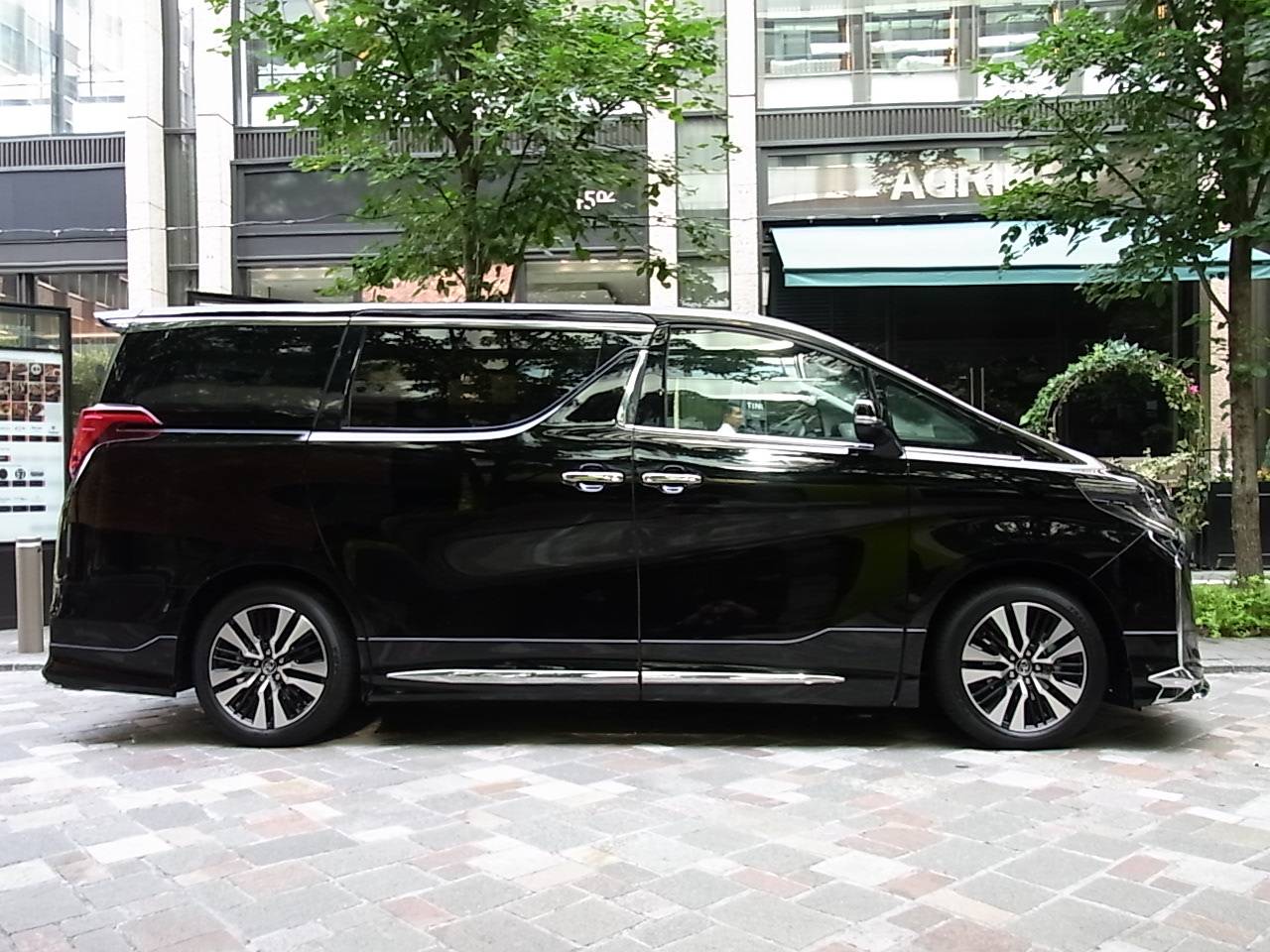
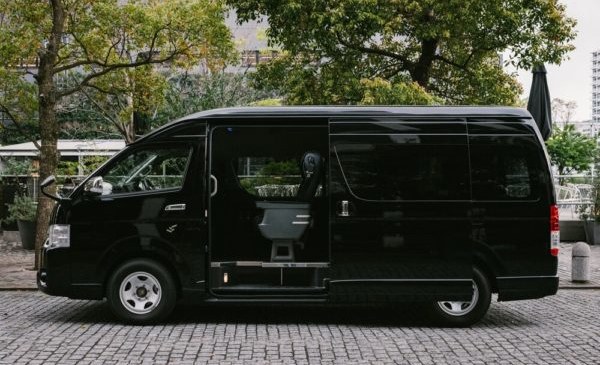
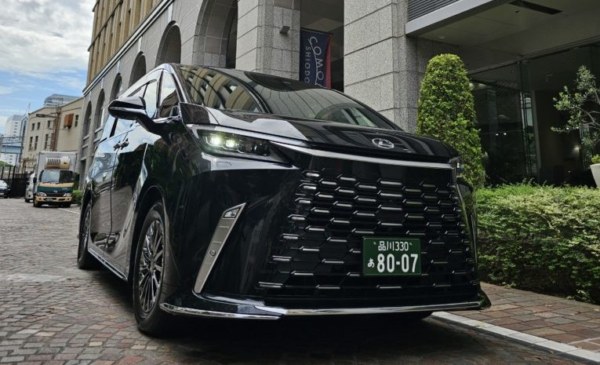
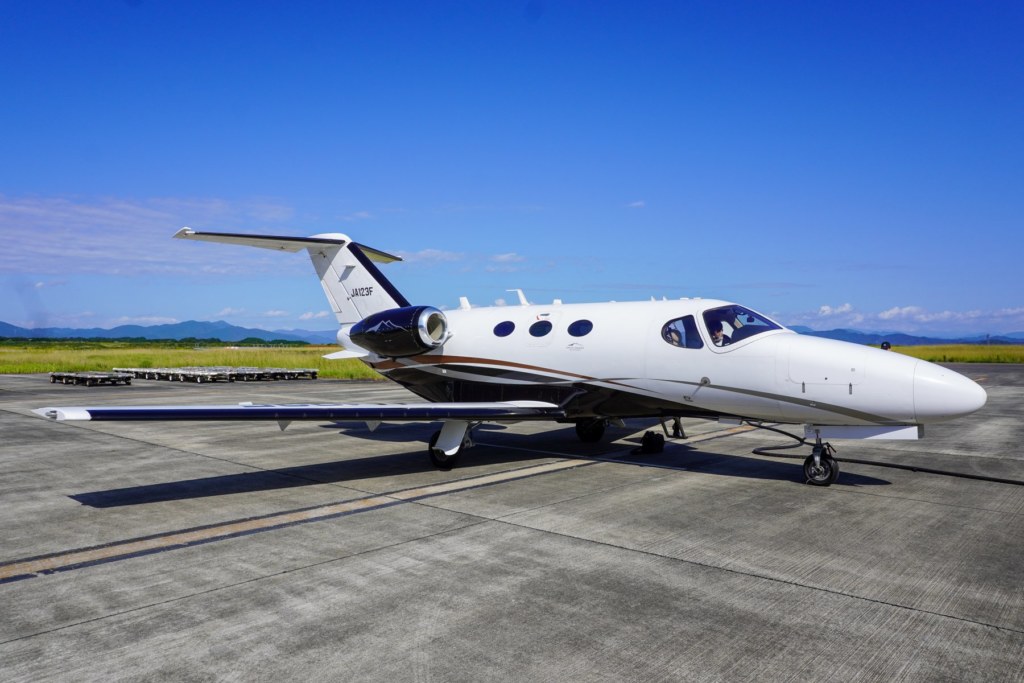
We also bring operational realism. Our chauffeured fleet—such as the Lexus LM 500, Toyota Executive Alphard, and Mercedes V-Class—lets you move through high-heat, high-crowd weeks with composure, whether you are doing a Tokyo evening, a Kyoto festival night, or a multi-day north-led itinerary.
If you are planning Japan in July 2026 and want it to feel calm, precise, and deeply personal, we should talk.