
LINE ID japanroyalservice
+817013781777 click here
+817013781777 click here
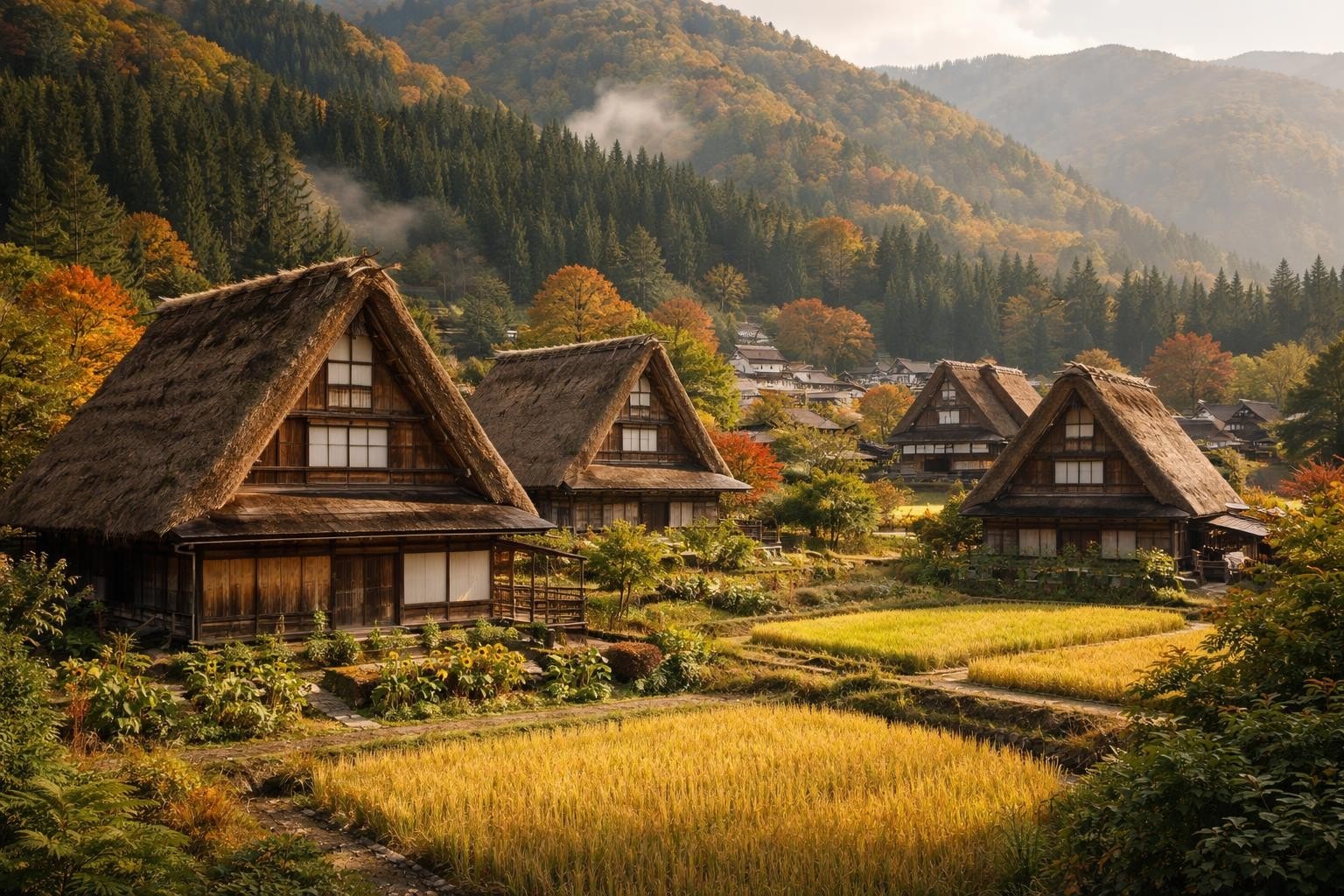
Nestled in the mountainous regions of central Japan, Shirakawa, Gifu, Japan, represents one of the country’s most extraordinary cultural treasures. This UNESCO World Heritage Site captivates discerning travelers with its iconic gassho-zukuri farmhouses, traditional mountain culture, and stunning seasonal transformations. For luxury travelers seeking authentic Japanese experiences beyond the typical tourist circuits, this historic village offers an unparalleled glimpse into rural life that has remained largely unchanged for centuries. The commitment to preservation and the village’s distinctive architectural heritage make it an essential destination for those who appreciate craftsmanship, history, and natural beauty.
The village of Shirakawa in Gifu Prefecture earned UNESCO World Heritage status in 1995, recognizing its exceptional universal value as a living example of traditional Japanese mountain settlement. This designation encompasses the Ogimachi district, where over 100 gassho-zukuri structures still stand, many of them functioning as private residences, minshuku (traditional inns), museums, and restaurants.
The term “gassho-zukuri” translates literally as “constructed like hands in prayer,” referring to the steep, triangular thatched roofs that characterize these remarkable structures. Built without nails, these multi-story farmhouses represent an ingenious adaptation to heavy snowfall, with roof angles designed to prevent snow accumulation while maximizing interior space for sericulture.
Key architectural features include:
The traditional industries of Shirakawa Village, particularly silk farming and lacquer-making, drove the development of these distinctive structures. The spacious attic areas provided ideal conditions for raising silkworms, a practice that sustained the community economically for generations.
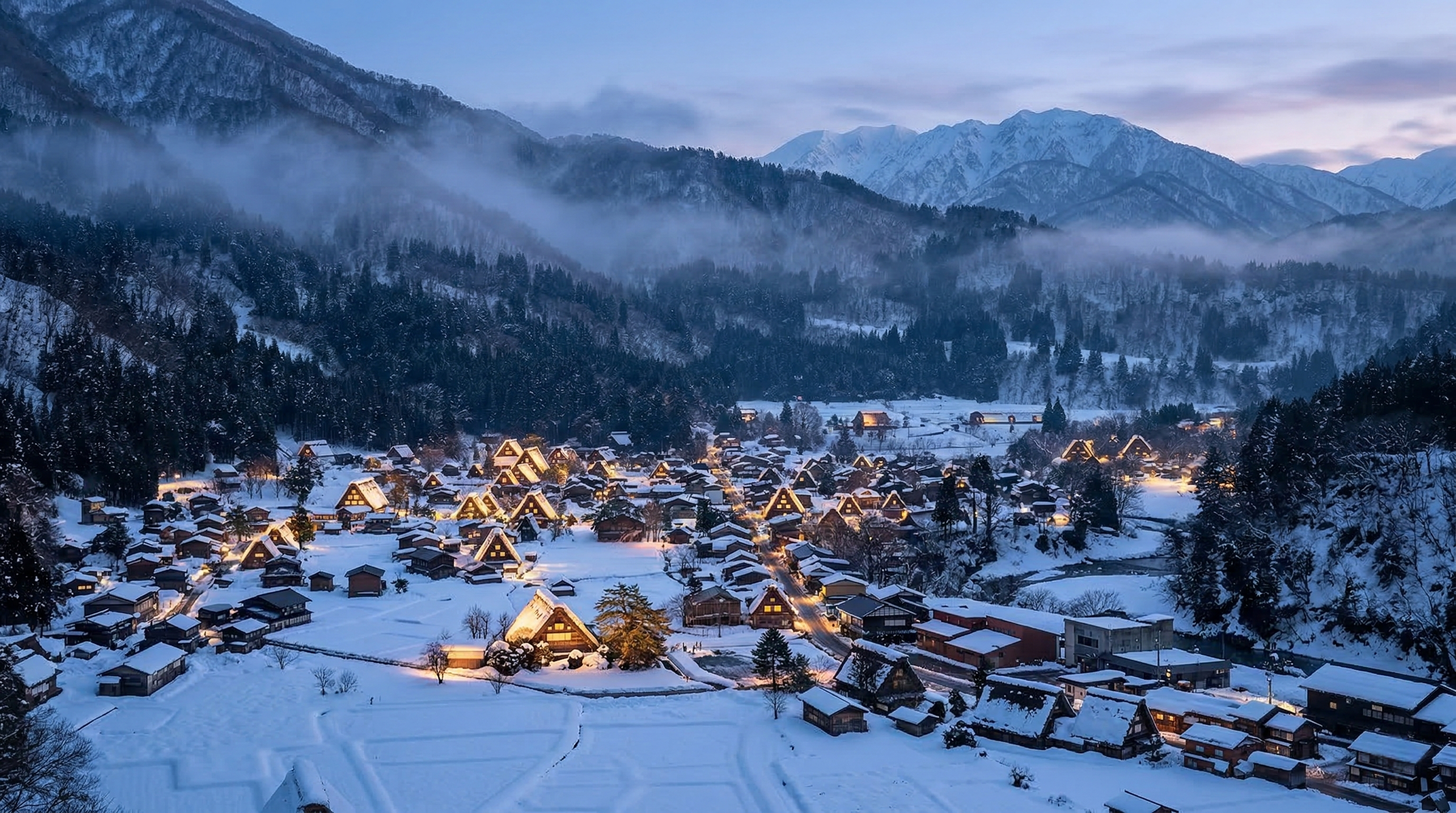
Winter transforms Shirakawa Gifu, Japan, and the surrounding area into a scene reminiscent of a traditional Japanese woodblock print—heavy snowfall blankets the village, creating dramatic contrasts between the white landscape and the dark thatched roofs. The illumination events, held on select evenings from January through February, showcase the village in ethereal light, attracting photography enthusiasts from around the world.
Winter exclusive experiences:
Premium travelers should note that winter illumination events require reservations and fill up months in advance. Japan Royal Service arranges exclusive access and premium positioning for the most spectacular views.
The Shirakawa-go Gassho-style Village awakens in spring with cherry blossoms and mountain wildflowers dotting the landscape. Rice planting begins in May, transforming the terraced fields into mirror-like surfaces that reflect the surrounding mountains and farmhouses. Summer brings vibrant green foliage and opportunities to witness traditional farming practices still employed by residents.
| Season | Average Temperature | Key Attractions | Crowd Level |
|---|---|---|---|
| Spring (Apr-May) | 10-18°C | Cherry blossoms, rice planting | Moderate |
| Summer (Jun-Aug) | 20-28°C | Green landscapes, festivals | Low-Moderate |
| Autumn (Sep-Nov) | 8-20°C | Fall foliage, harvest season | High |
| Winter (Dec-Mar) | –5-5°C | Snow scenery, illuminations | Very High |
Autumn in Shirakawa, Gifu, Japan, delivers spectacular displays of crimson and gold foliage against the traditional farmhouses. The harvest season brings cultural festivals and opportunities to participate in rice harvesting activities. The crisp mountain air and comfortable temperatures make autumn ideal for extensive walking tours and outdoor photography.
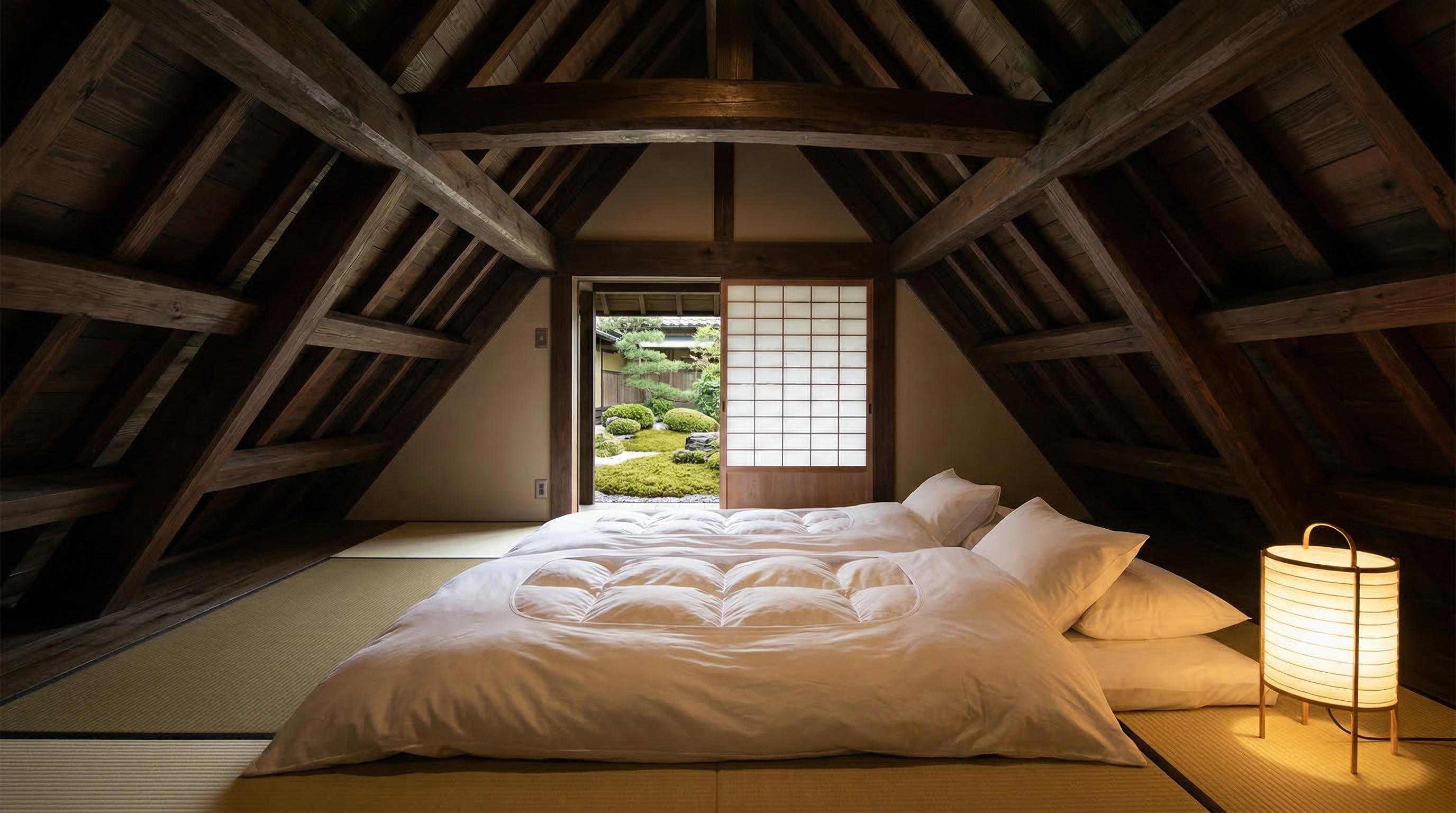
Select gassho-zukuri structures operate as exclusive minshuku, offering overnight experiences that transport guests back in time. These traditional inns provide authentic cultural immersion while maintaining standards appropriate for luxury travelers. Most feature renovated interiors with modern climate control, private bathing facilities, and curated dining experiences centered around regional cuisine.
Premium farmhouse amenities typically include:
The architectural features of Shirakawa-go’s gassho-zukuri houses create unique accommodation experiences unavailable elsewhere in Japan. Sleeping beneath a centuries-old thatched roof, surrounded by hand-hewn timber beams, offers tangible connections to Japanese cultural heritage.
For travelers who prefer contemporary comforts, nearby Takayama and Kanazawa offer luxury ryokan and international-standard hotels within a reasonable driving distance. Private transfers arranged through premium services ensure seamless transitions between modern accommodations and cultural explorations in Shirakawa, Gifu, Japan.
Several gassho-zukuri structures serve as museums showcasing traditional elements of the lifestyle, from agricultural tools to silk production equipment. Premium arrangements provide after-hours access, allowing thorough exploration without crowds and opportunities for detailed discussions with curators and local historians.
The Wada House, the largest gassho-zukuri structure open to the public, offers particularly valuable insights. Originally home to the village’s wealthiest family, this five-story building demonstrates the social hierarchy and economic systems that governed mountain communities.
Shirakawa, Gifu, Japan, maintains connections to traditional industries that sustained the community for generations. Exclusive workshops with master craftspeople provide hands-on experiences in:
These intimate sessions, limited to small groups or private bookings, offer direct engagement with living cultural traditions rarely accessible to general visitors.
The culinary traditions of Shirakawa, Gifu, Japan, reflect centuries of adaptation to mountain isolation and limited growing seasons. Local cuisine emphasizes preservation techniques, wild mountain vegetables, and premium ingredients from the surrounding Hida region.
Signature dishes include:
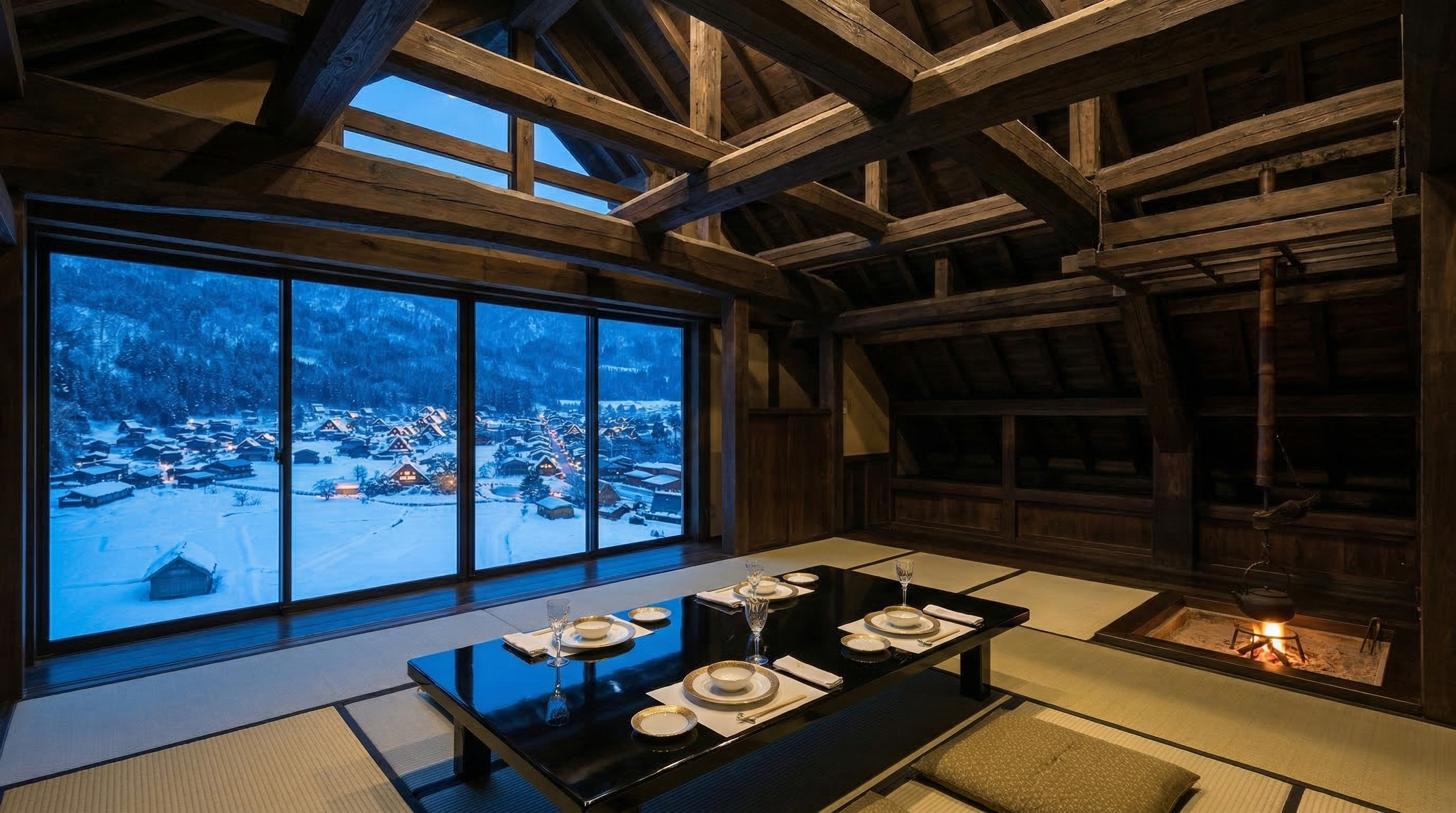
Several establishments within the village offer refined interpretations of mountain cuisine, presenting traditional ingredients with contemporary culinary techniques. Private dining arrangements in historic settings provide exclusive atmospheres enhanced by seasonal views and cultural context.
The UNESCO World Heritage status of Shirakawa-go attracts significant visitor numbers, particularly during peak seasons. Premium transportation services offer crucial advantages, including flexibility, comfort, and access to viewpoints and experiences unavailable on public transport.
| Transport Option | Duration from Tokyo | Duration from Osaka | Comfort Level | Flexibility |
|---|---|---|---|---|
| Private car service | 5-6 hours | 4-5 hours | Excellent | Maximum |
| Express bus | 6-7 hours | 4.5 hours | Moderate | Limited |
| Train + bus combination | 6-7 hours | 5-6 hours | Good | Moderate |
Private luxury transfers enable customized itineraries incorporating multiple destinations across the Hida region, including Takayama’s preserved merchant quarter and the alpine scenery of the Northern Japan Alps.
While day trips to Shirakawa, Gifu, Jap, remain possible, overnight stays provide substantially richer experiences. A two- to three-night itinerary allows for comprehensive exploration while avoiding rushed schedules. This duration accommodates seasonal weather variations, provides opportunities for exclusive after-hours experiences, and enables deeper cultural engagement with local communities.
Peak seasons, particularly autumn weekends and winter illumination dates, bring substantial visitor numbers that can diminish the tranquil atmosphere. Strategic planning mitigates these impacts:
The Shiroyama Viewpoint provides the classic elevated perspective frequently featured in publications and promotional materials. This observation deck showcases the entire Ogimachi district, revealing the settlement pattern and relationship between built structures and natural landscape. Sunrise and sunset sessions offer particularly dramatic lighting conditions.
Premium photography considerations:
Beyond the main viewpoint, Shirakaw, a Gifu, Japan,n offers numerous lesser-known perspectives. Walking paths through rice paddies offer ground-level compositions that emphasize individual architectural details. River crossings and bridge locations offer unique perspectives that highlight the relationships among water, agriculture, and settlement.
Unlike museum villages, Shirakawa, Gif,u, Jap, Japan, remains a functioning community where approximately 600 residents maintain daily lives within the World Heritage zone. This living heritage status creates both opportunities and responsibilities for visitors. Respectful engagement with private residences, agricultural spaces, and community areas ensures sustainable tourism while preserving authentic cultural experiences.
The authentic landscape of Shirakawa-go depends on continuous maintenance by community members who balance preservation obligations with contemporary living needs. The thatched roofs require complete replacement every 30-40 years, a massive undertaking requiring community cooperation and traditional skills.
Luxury travelers contribute meaningfully to preservation efforts through:
Shir,akawa, Gifu, Japan, integrates naturally into broader explorations of central Japan’s cultural landscapes. The charm of Shirakawa-go’s gassho-zukuri houses complements neighboring attractions, creating comprehensive cultural itineraries.
Nearby destinations include:
Premium travelers benefit from thoughtfully designed itineraries connecting Shirakawa, Gif,u, Jap, Japan, with complementary cultural and natural attractions. A five- to seven-day journey through the region offers comprehensive experiences while maintaining a relaxed pace appropriate for luxury travel.
Sample itinerary framework:
Mountain locations experience significant temperature variations and weather changes. Winter temperatures regularly drop below freezing with substantial snowfall. Summer afternoons can reach warm temperatures despite the elevation. Layered clothing appropriate for outdoor activities ensures comfort across seasonal conditions.
While Shirakawago, Gifu, Japan, preserves traditional architecture and lifestyles, basic modern infrastructure supports visitor needs. Mobile phone coverage exists throughout most of the village, though signal strength may vary. Traditional accommodations increasingly offer WiFi, though connectivity speeds may not match urban standards.
Traditional accommodations and experiences require awareness of Japanese customs. Shoes are removed when entering buildings, with slippers provided for interior spaces. Bathing facilities follow Japanese protocols, including thorough washing before entering soaking tubs. Photography of private residences requires permission, and residents appreciate respectful distance and quiet behavior.
Experiencing Shirakawa, Gifu, Japan, offers discerning travelers unmatched opportunities to engage with authentic Japanese cultural heritage while enjoying the natural beauty of the Japanese Alps. The combination of architectural significance, seasonal transformations, and living traditions creates profound connections to Japan’s rural history and ongoing preservation efforts. Japan Royal Service specializes in crafting bespoke itineraries that seamlessly integrate this UNESCO World Heritage destination with complementary cultural experiences across central Japan, providing luxury transportation, exclusive access arrangements, and personalized service that transforms a visit into an unforgettable journey through Japan’s mountain heartland.