
LINE ID japanroyalservice
+817013781777 click here
+817013781777 click here
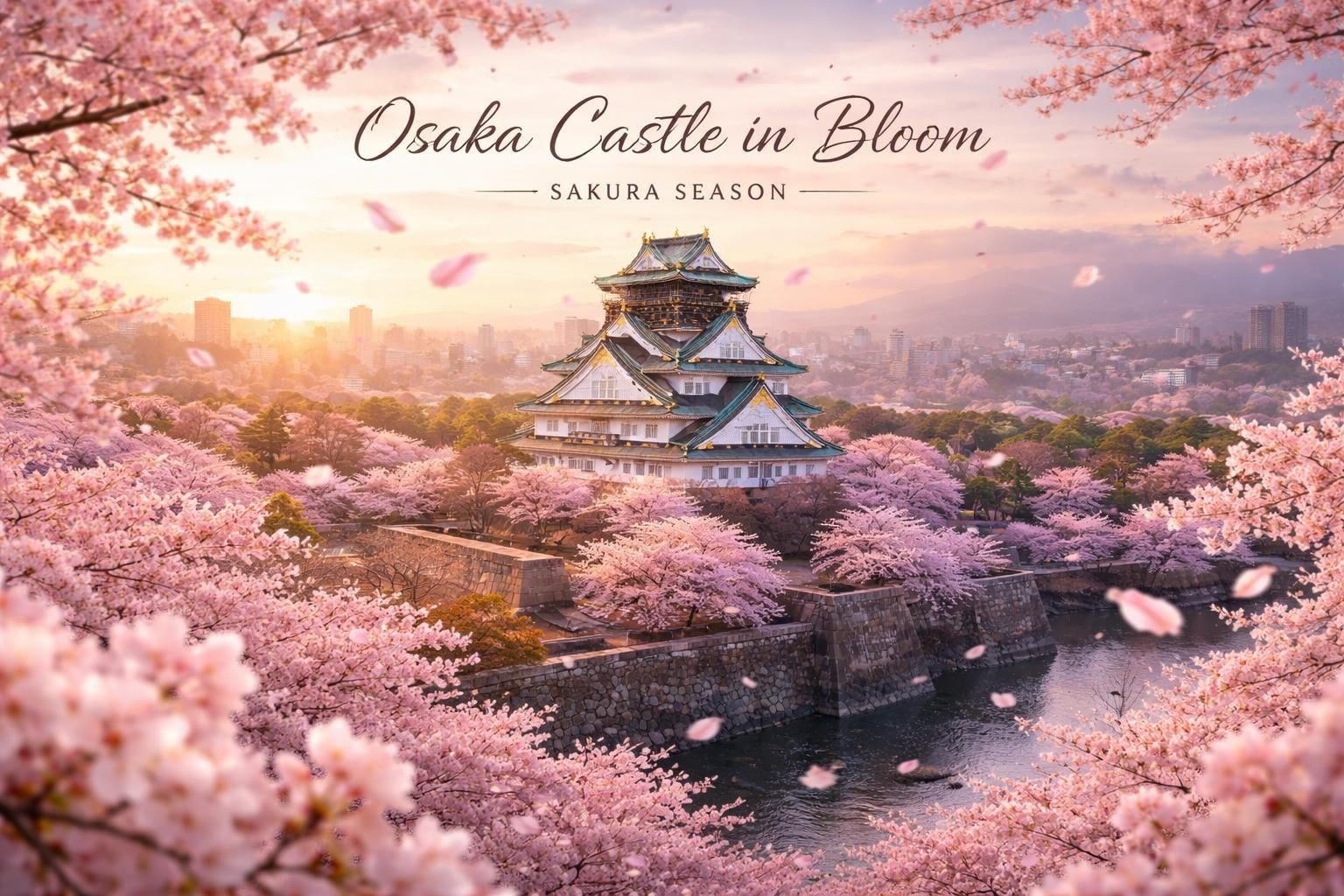
Few sights in Japan rival the breathtaking beauty of the cherry blossoms at Osaka Castle in full bloom. Each spring, this magnificent 16th-century fortress becomes the centerpiece of one of the country’s most spectacular hanami (flower viewing) celebrations, drawing visitors from around the world. With over 3,000 cherry trees transforming the castle grounds into a sea of delicate pink and white blossoms, the experience represents the perfect fusion of Japanese history, natural beauty, and cultural tradition. For discerning travelers seeking an authentic and luxurious Japanese spring experience, understanding the nuances of timing, location, and access can transform a simple visit into an unforgettable memory.
The history and cultural significance of Osaka Castle Park extend far beyond its role as a military stronghold. Today, the 105-hectare park serves as Osaka’s premier sakura-viewing destination, hosting approximately 1 million visitors annually during peak bloom season.
The castle grounds feature diverse cherry tree varieties, each contributing to an extended blooming period that typically spans three to four weeks. The dominant variety, Somei Yoshino, accounts for roughly 70% of the trees and produces the iconic pale pink blossoms that have become synonymous with Japanese spring. However, the park also cultivates Yamazakura, Shidarezakura (weeping cherry), and Yaezakura (double-flowered cherry) varieties.
This botanical diversity creates what locals call “O-bai-to-ri,” a sequential blooming pattern that begins with plum blossoms in February and progresses through apricot, peach, and finally cherry varieties, extending the viewing season well into April.
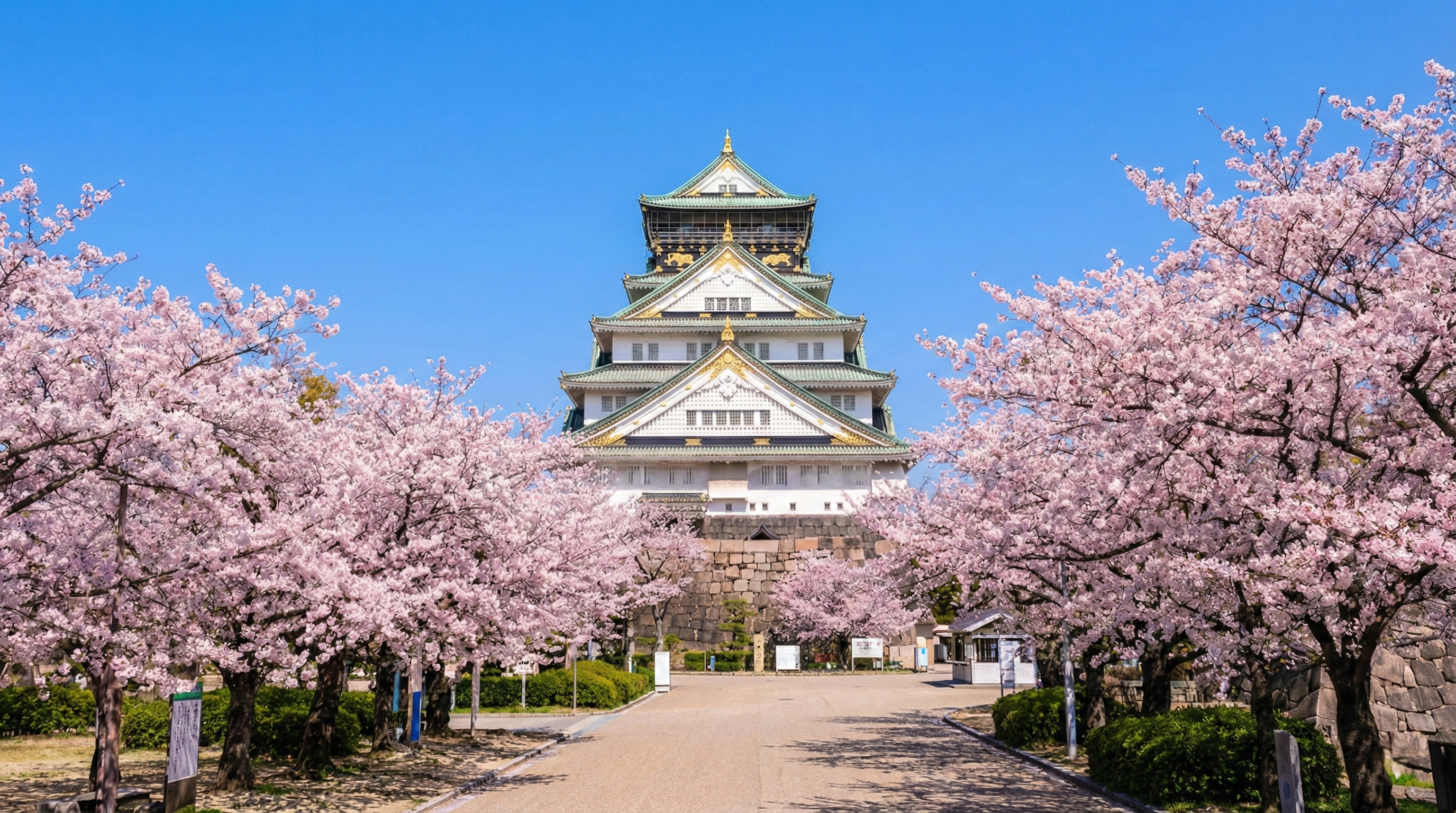
Cherry blossom forecasting has evolved into a sophisticated science in Japan, with meteorological agencies tracking temperature accumulation, precipitation patterns, and historical data to predict peak bloom dates. For 2026, preliminary forecasts suggest Osaka Castle cherry blossoms will reach peak bloom during the first week of April. However, variations of three to five days remain possible depending on late March weather conditions.
Key bloom phases include:
Understanding these phases proves essential for planning, as each offers distinct aesthetic experiences. Many seasoned travelers prefer the late-bloom period, when falling petals create pink carpets across walkways and moats, offering photographic opportunities unavailable during full bloom.
Not all areas within Osaka Castle Park offer equal viewing experiences. Strategic location selection significantly impacts the quality of your hanami experience, especially during peak periods.
Nishinomaru Garden is the park’s most exclusive area for cherry blossom viewing. This specially maintained garden contains approximately 600 cherry trees, predominantly Somei Yoshino varieties, arranged to frame spectacular views of the castle’s main tower.
| Feature | Nishinomaru Garden | Public Park Areas |
|---|---|---|
| Entry Fee | ¥350 (standard), ¥200 (middle school and younger) | Free |
| Crowd Density | Moderate (controlled entry) | Very High during peak |
| Castle Views | Unobstructed, professionally landscaped | Partially obstructed |
| Evening Illumination | Premium light displays | Standard lighting only |
| Picnic Permissions | Restricted to designated areas | Permitted throughout |
The garden opens at 9:00 AM during cherry blossom season, with extended evening hours until 9:00 PM to accommodate the spectacular nighttime illumination events. Arriving within the first hour after opening provides the best photographic opportunities with minimal crowds.
The park’s outer promenades, particularly along the western and southern moats, offer stunning reflections of cherry blossoms at Osaka Castle. These recommended cherry blossom-viewing spots offer expansive walking paths ideal for strolls beneath canopied branches.
Western Outer Moat highlights include:
The southern promenade connects seamlessly to Osaka Business Park, creating a three-kilometer cherry blossom trail perfect for morning walks before the main crowds arrive after 10:00 AM.
The innermost sanctum surrounding the castle tower itself, Honmaru Plaza, features mature cherry trees interspersed with historical stone foundations and architectural remnants. This area requires a separate admission fee (¥600 for adults) but offers context-rich experiences combining military history with botanical beauty.
Stone walls dating to the original 1583 construction create dramatic backdrops for photographs, while English-language plaques explain the castle’s role during various historical periods. The elevated position provides panoramic views across the entire park, allowing visitors to appreciate the full scale of the cherry blossom display.
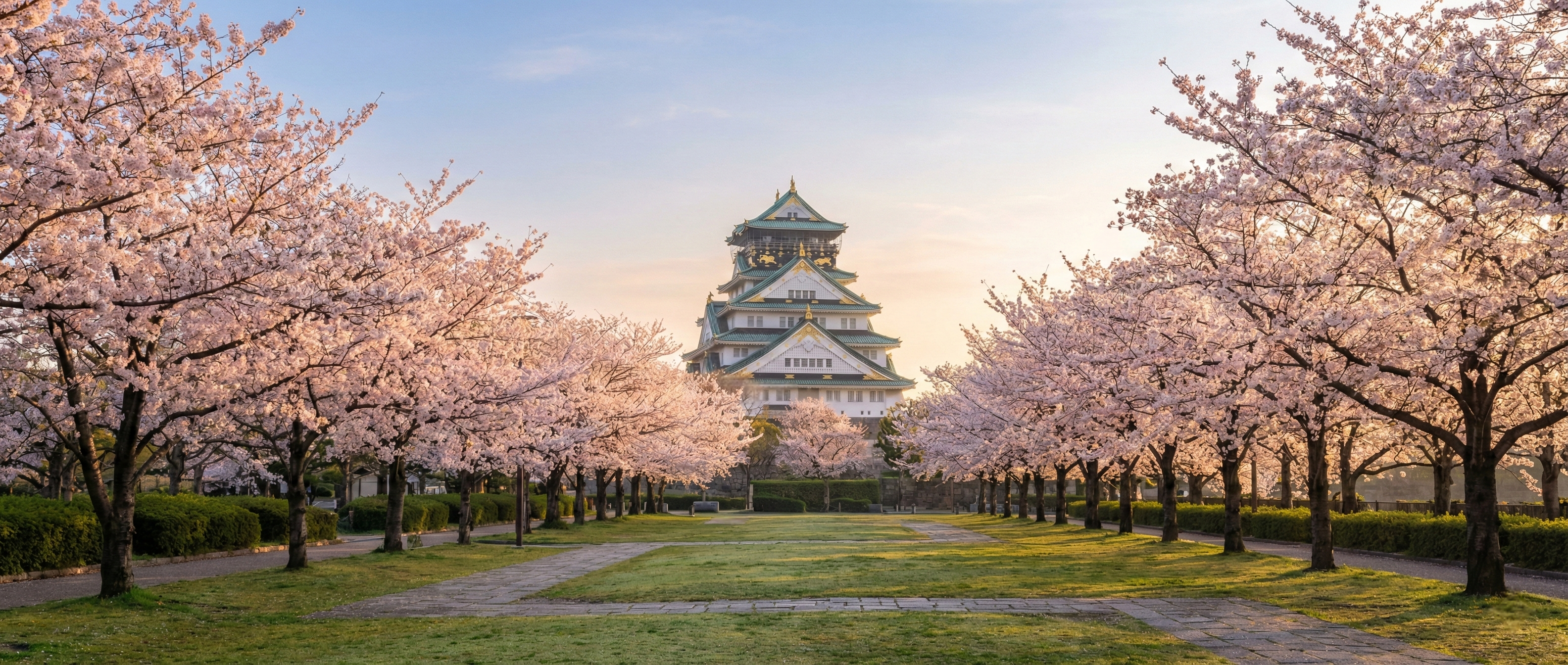
Peak weekend days during full bloom can see attendance exceed 100,000 visitors within the castle park. Sophisticated travelers employ several strategies to avoid the most congested periods while still experiencing optimal bloom conditions.
Weekday morning visits (7:00-9:00 AM) offer distinct advantages:
Alternatively, late evening visits after 7:00 PM capture illuminated night-viewing events when the trees are dramatically lit against the night sky. The atmosphere shifts from bustling picnic energy to contemplative beauty, attracting more serious photography enthusiasts and couples seeking romantic settings.
Understanding traditional hanami customs enhances both personal enjoyment and respectful participation in this centuries-old cultural practice. While modern hanami celebrations have evolved to accommodate larger crowds, certain traditions persist.
Tarps or plastic sheets for ground seating should be blue or neutral colors (pink is considered gauche, as it competes with the blossoms). Reserving prime picnic spots begins as early as 6:00 AM, with designated group members maintaining the space throughout the day.
Food and beverage consumption follows unwritten hierarchies: traditional bento boxes, seasonal wagashi (Japanese sweets), and sake represent authentic choices, while fast-food packaging should be minimized and disposed of immediately in designated receptacles.
Capturing the ephemeral beauty of Osaka Castle cherry blossoms requires both technical preparation and artistic sensitivity. Professional photographers and serious enthusiasts plan extensively for this brief annual opportunity.
| Time of Day | Light Quality | Best Subjects | Challenges |
|---|---|---|---|
| Dawn (5:30-7:00 AM) | Golden, directional | Dew-covered petals, empty paths | Requires early arrival, limited access to some areas |
| Morning (8:00-10:00 AM) | Bright, even | Wide landscape shots, architectural details | Increasing crowds |
| Midday (11:00 AM-2:00 PM) | Harsh overhead | Close-up detail work | Difficult lighting, maximum crowds |
| Late Afternoon (4:00-6:00 PM) | Warm, angled | Castle silhouettes, portrait work | Competition for premium angles |
| Evening (7:00-9:00 PM) | Artificial illumination | Dramatic night scenes, reflections | Requires a tripod, longer exposures |
Telephoto lenses (70-200mm range) compress perspective, creating the dense blossom effect seen in professional imagery. However, wide-angle lenses (16-35mm) better capture the relationship between the massive stone fortifications and the delicate natural elements.
The detailed information on cherry blossom viewing emphasizes several iconic compositional opportunities unique to this location. The castle’s distinctive green-tiled roofs and white walls provide strong architectural elements that anchor blossom-focused compositions.
Traditional Japanese aesthetic principles apply particularly well to cherry blossom photography. The concept of “ma” (negative space) suggests leaving substantial empty areas in the frame, allowing the blossoms to breathe rather than filling every pixel with pink petals. Similarly, “wabi-sabi” appreciation for impermanence encourages capturing falling petals, rain-soaked branches, and the transitory nature of the blooms.
Discerning travelers seeking to elevate their Osaka castle cherry blossoms encounter beyond typical tourist experiences have several sophisticated options available, particularly through specialized luxury travel services.
Select luxury travel providers, including those specializing in bespoke Japanese experiences, can arrange exclusive early morning access to Nishinomaru Garden before standard opening hours. These arrangements typically accommodate groups of 2-8 guests and provide 60-90 minutes of essentially private viewing time.
Premium access benefits include:
These experiences require booking (minimum 4-6 weeks) and coordination with park management, making them accessible primarily through established luxury travel services with existing relationships.
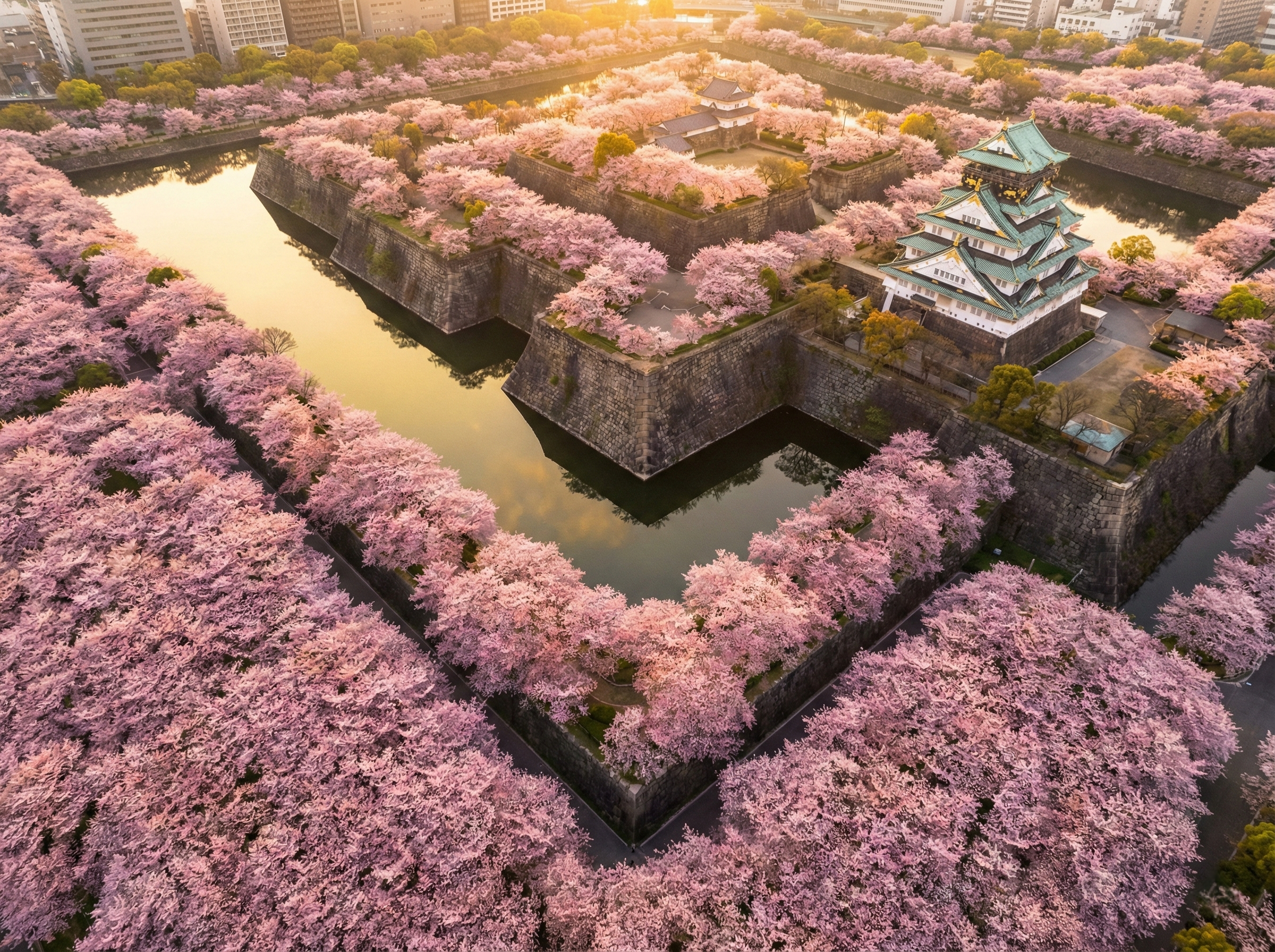
For the ultimate perspective on the scale of the cherry blossoms at Osaka Castle, helicopter charter services operate during the peak bloom season from nearby Osaka International Airport. These 15-20 minute flights provide aerial views impossible to achieve from ground level, revealing the geometric patterns of tree placement and the castle’s strategic positioning within the urban landscape.
Flight timing during the “golden hour” just after dawn creates optimal lighting, with the rising sun illuminating the castle’s eastern facades while casting long shadows across the blossom-covered grounds.
The Osaka Castle Spring Festival coordinates dozens of cultural events during the cherry blossom season, transforming the park into an immersive cultural destination beyond passive flower viewing.
Notable 2026 festival programming includes:
These events operate on staggered schedules throughout the day, allowing visitors to structure multi-hour visits that combine natural beauty with cultural enrichment. English-language programming remains limited, making professional guide services particularly valuable for non-Japanese speakers seeking deeper cultural understanding.
The intersection of cherry blossom season with spring ingredient availability creates exceptional culinary opportunities. Luxury dining experiences can be arranged within the park environs, featuring kaiseki (multi-course) menus that incorporate sakura-themed elements and seasonal ingredients.
Traditional sakura mochi (rice cakes wrapped in pickled cherry leaves), sakura-infused sake, and dishes garnished with edible cherry blossoms provide authentic seasonal flavors. Several high-end restaurants near the castle park offer special hanami menus available exclusively during the three-week bloom period.
Multiple train and subway lines provide access to Osaka Castle Park, with varying walking distances and levels of crowding. Strategic transportation selection significantly impacts overall experience quality.
Primary access points ranked by convenience:
For visitors prioritizing comfort and efficiency, private luxury transportation eliminates navigation complexity and provides flexible timing independent of public transit schedules. Premium vehicles can access designated drop-off points within 100 meters of main entrances, though parking within the immediate vicinity remains extremely limited during peak season.
Cherry blossom season coincides with Japan’s unpredictable early-spring weather. Temperature variations of 15-20 degrees Celsius within a single week are common, as are sudden rain showers.
Essential preparation items include:
Weather monitoring becomes critical in the 48-72 hours before planned visits, as sudden wind or heavy rain can accelerate petal drop, effectively ending the peak viewing window several days earlier than forecasted. Real-time cherry blossom reports provide current conditions and help with final timing decisions.
Serious cherry blossom enthusiasts often structure multi-day Osaka itineraries that position the castle visit within a broader exploration of regional sakura viewing spots. This approach acknowledges that different locations peak at slightly different times, extending the overall viewing window.
Recommended three-day sequence:
This progression follows the bloom pattern across Osaka’s geography while varying the environmental context (riverine, historical fortress, modern park) for diverse experiences. Luxury transportation between locations maintains energy levels and allows flexible timing adjustments based on real-time conditions.
The Osaka Castle cherry blossom experience integrates seamlessly into broader Kansai region itineraries, particularly when combined with Kyoto’s extensive temple and garden sakura-viewing opportunities. The 50-kilometer distance between cities allows same-day visits to both destinations when properly coordinated.
Morning viewing at Osaka Castle (7:00-11:00 AM), followed by luxury transportation to Kyoto, enables afternoon visits to locations such as the Philosopher’s Path or Maruyama Park. This intensive approach maximizes the limited cherry blossom season timing while maintaining comfort through professional logistics management.
Modern improvements have enhanced accessibility throughout the castle grounds, though historical architecture presents inherent limitations. The main tower features elevator access to upper floors, while Nishinomaru Garden maintains primarily flat pathways suitable for wheelchairs and strollers.
However, the extensive stone staircases leading to Honmaru Plaza and certain viewing platforms remain challenging for visitors with mobility limitations. Detailed accessibility information and alternative routing options become essential planning components for travelers requiring accommodations.
English-language signage has improved substantially in recent years, though comprehensive wayfinding and cultural interpretation still favor Japanese-language proficiency. This linguistic reality makes professional English-speaking guide services particularly valuable for international visitors seeking a deeper understanding beyond surface-level aesthetics.
The spectacle of cherry blossoms at Osaka Castle is one of Japan’s most accessible yet profoundly moving cultural and natural experiences, combining centuries of history with the ephemeral beauty that defines Japanese aesthetic appreciation. Whether you seek quiet contemplation beneath ancient branches or vibrant cultural immersion amid festival celebrations, strategic planning transforms a simple visit into a deeply meaningful encounter with Japanese tradition. Japan Royal Service specializes in crafting personalized cherry blossom experiences that provide exclusive access, expert cultural interpretation, and seamless logistics, ensuring your encounter with this spectacular seasonal phenomenon exceeds expectations and creates lasting memories of Japan’s most beautiful season.