
LINE ID japanroyalservice
+817013781777 click here
+817013781777 click here
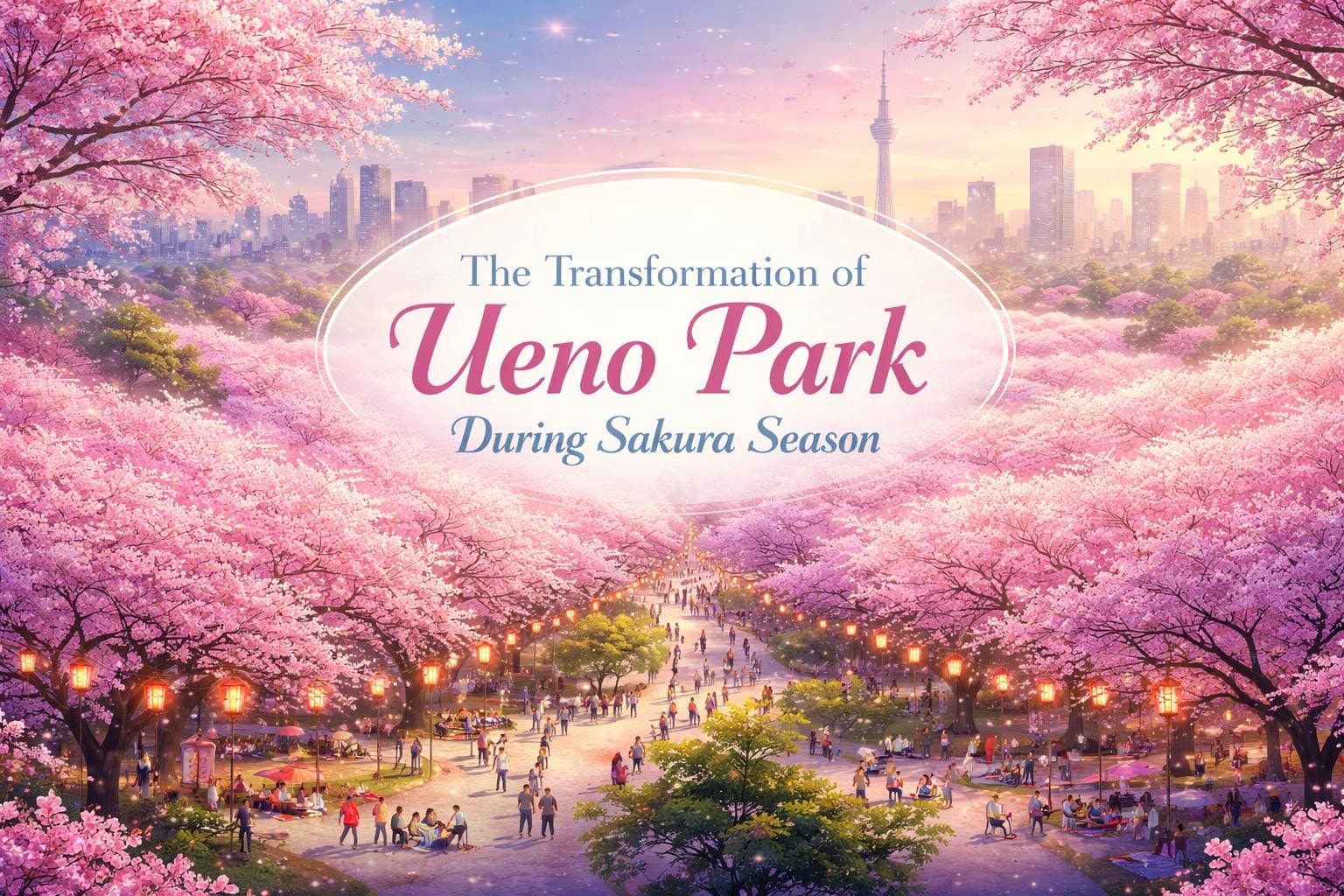
When spring arrives in Tokyo, few spectacles rival the breathtaking beauty of Ueno Park sakura in full bloom. This historic public space transforms into an ethereal wonderland where over 1,000 cherry trees create cascading pink canopies above pathways that have welcomed hanami enthusiasts for centuries. As one of Japan’s oldest public parks and the site where Tokyo’s cherry blossom season is officially monitored, Ueno Park represents the perfect intersection of natural beauty, cultural significance, and accessible luxury that discerning travelers seek when exploring Japan’s most cherished traditions.
The history of Ueno Park sakura viewing dates back to the Edo period, when the park served as the grounds of Kan’ei-ji Temple. The tradition began in 1624 when Tenkai, a Buddhist monk and advisor to Tokugawa Ieyasu, planted cherry trees along the temple’s approach. This established a legacy that would evolve over nearly four centuries into one of Japan’s most celebrated hanami destinations.
The transformation of Ueno into a public park in 1873 marked a pivotal moment in Japanese history. As Japan’s first public park, it democratized the cherry blossom viewing experience, allowing people from all walks of life to participate in what had previously been an aristocratic pleasure. According to historical records on Nippon.com, the park quickly became synonymous with Tokyo’s sakura season, attracting millions of visitors each year.
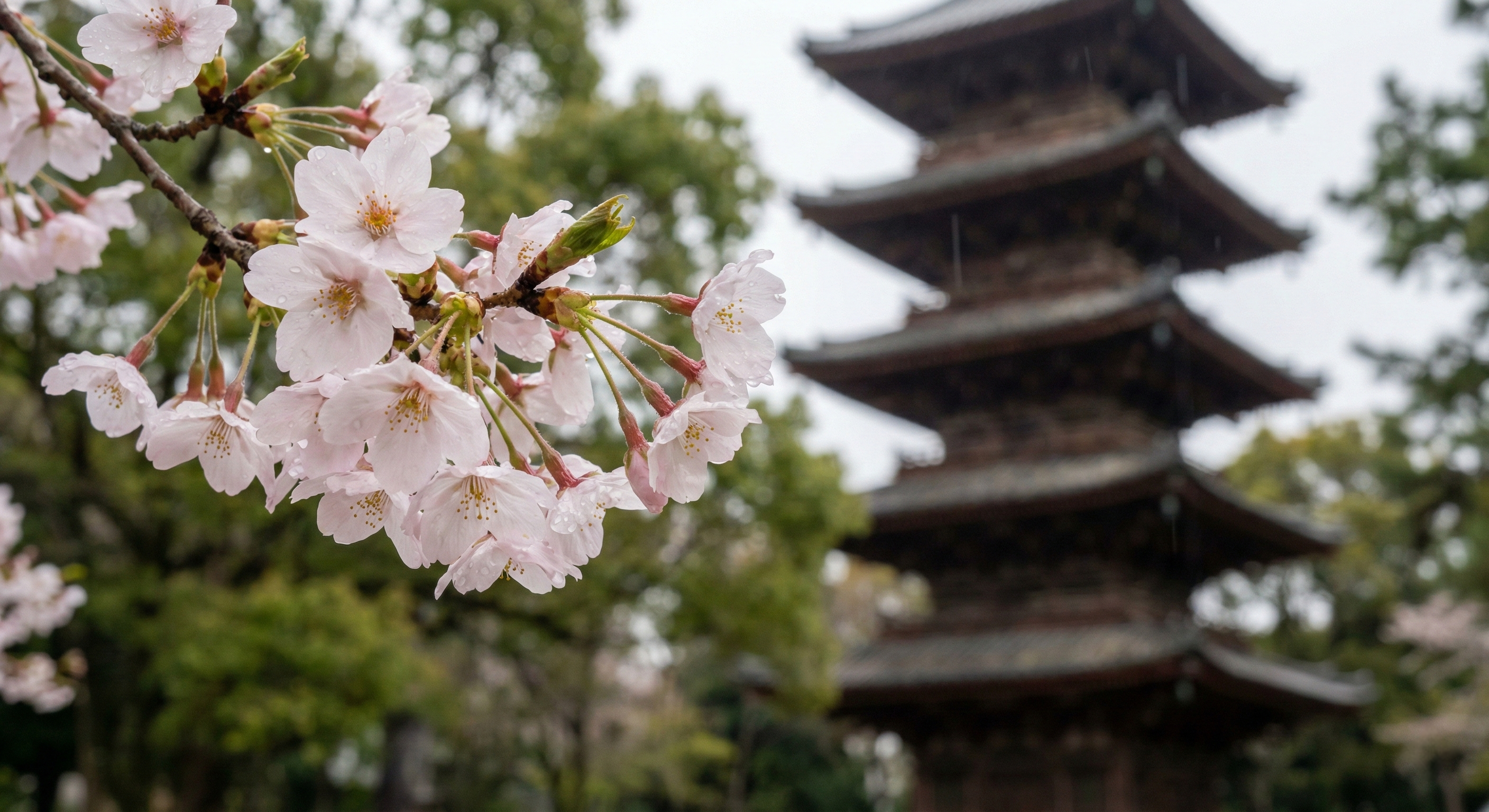
Ueno Park showcases remarkable botanical diversity with approximately 1,200 cherry trees representing multiple varieties. The dominant species include:
This diversity ensures that the sakura season at Ueno Park extends beyond the typical seven-to-ten-day peak bloom period. Strategic planting patterns mean that different areas of the park reach their prime at slightly different times, allowing sophisticated travelers to enjoy multiple viewing experiences throughout March and April.
Timing determines whether you witness Ueno Park sakura at its absolute peak or catch only the lingering petals of late bloom. The Japan Meteorological Agency monitors a specific Somei Yoshino tree in Yasukuni Shrine, but Ueno Park’s own trees typically follow within days of the official Tokyo declaration.
| Month | Bloom Stage | Visitor Density | Temperature Range |
|---|---|---|---|
| Late March | Early bloom to peak | Very High | 10-15°C (50-59°F) |
| Early April | Peak to late bloom | Extremely High | 12-18°C (54-64°F) |
| Mid April | Late bloom to leaf-out | Moderate | 15-20°C (59-68°F) |
The official Ueno Sakura Matsuri typically runs from mid-March through early April, coordinating with predicted bloom times. However, climate variations mean that 2026 predictions require monitoring updated forecasts starting in February. Discerning travelers working with specialized services can leverage real-time botanical tracking to optimize their visit timing.
Peak bloom generally occurs between March 25 and April 5, though yearly variations of up to two weeks are common. The concept of “mankai” (full bloom) describes when 80 percent or more blossoms have opened, while “hanafubuki” (flower blizzard) refers to the enchanting period when petals drift through the air like snow.
The 133-acre expanse of Ueno Park offers distinct viewing experiences depending on your preferences for crowd density, photographic opportunities, and cultural ambiance. Understanding these microclimates within the park elevates a simple viewing into a curated luxury experience.
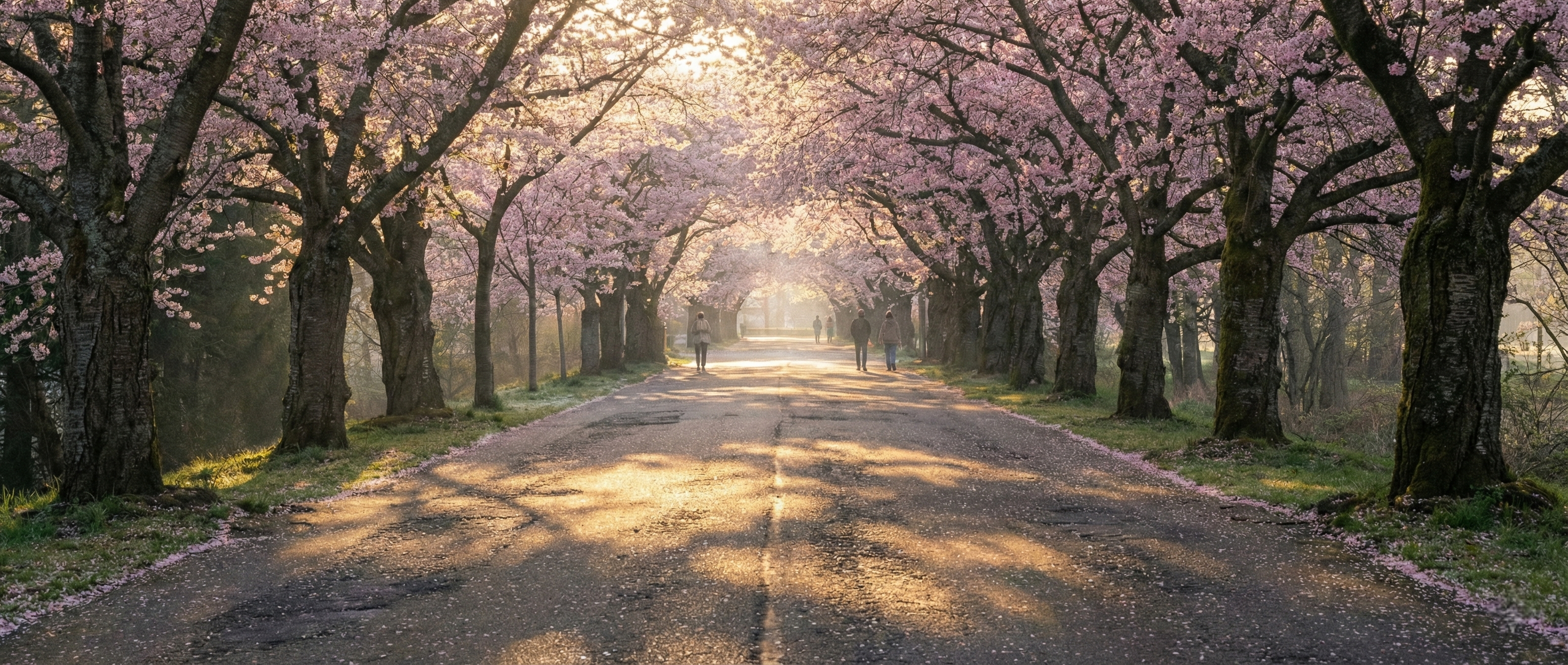
The main pathway, Sakura Dori (Cherry Blossom Street), represents the quintessential Ueno Park sakura experience. This 300-meter tree-lined avenue creates a natural tunnel of pink blossoms, with branches interweaving overhead to form a continuous canopy. During peak bloom, the effect becomes almost otherworldly as filtered sunlight creates dappled patterns on the pathway below.
Optimal viewing times for Sakura Dori:
The evening illumination during the festival period features traditional paper lanterns strung along the cherry tree branches, transforming the pathway into a magical corridor. This yozakura (night cherry blossom viewing) tradition offers a completely different aesthetic from daytime hanami.
The southern portion of Ueno Park features Shinobazu Pond, where cherry trees line the perimeter, creating stunning reflections on the water’s surface. This location offers a more serene alternative to the festival atmosphere of Sakura Dori, particularly appealing to travelers seeking contemplative beauty.
The pond divides into three sections: Boat Pond, Lotus Pond, and Cormorant Pond. The Boat Pond area provides the most spectacular sakura views, with rental boats available for on-water viewing. This perspective offers unique photographic compositions and a romantic setting that luxury travelers particularly appreciate.
The annual Ueno Sakura Matsuri transforms the park into a vibrant celebration of Japanese spring culture. This festival encompasses far more than simple flower viewing, integrating traditional performances, artisan vendors, and culinary experiences that showcase the depth of Japanese seasonal appreciation.
Throughout the festival period, various stages host traditional performances:
These cultural elements transform Ueno Park sakura viewing from passive observation into active cultural immersion. For travelers seeking authentic experiences beyond typical tourist activities, the festival provides structured opportunities to engage with living traditions.
The sakura season brings specialty foods that appear only during this brief window. Vendors throughout Ueno Park offer traditional and contemporary interpretations of cherry blossom-themed cuisine, creating a complete sensory experience that extends beyond visual beauty.
| Food Item | Description | Cultural Significance |
|---|---|---|
| Sakura Mochi | Pink rice cake wrapped in pickled cherry leaf | Edo-period tradition symbolizing spring |
| Hanami Dango | Three-colored rice dumplings on skewers | Colors represent the stages of cherry blossoms |
| Sakura Tea | Hot water poured over salted cherry blossoms | Ceremonial spring beverage |
| Taiyaki (seasonal) | Fish-shaped pastry with sakura-flavored filling | Modern interpretation of tradition |
The combination of natural beauty and culinary artistry reflects the Japanese concept of “shun”: celebrating ingredients and experiences at their absolute peak. This philosophy aligns perfectly with the principles of luxury travel, which prioritize timing, quality, and authentic cultural engagement.
Beyond festival vendors, the Ueno Park area features numerous restaurants and cafes offering sakura-season kaiseki menus. These multi-course meals incorporate seasonal ingredients, are presented with artistic precision, and often feature cherry blossom motifs.
The popularity of Ueno Park during sakura season presents logistical challenges, with daily visitor numbers exceeding 500,000 during peak weekends. However, strategic planning and insider knowledge can transform a potentially overwhelming experience into an exclusive encounter with Japanese natural beauty.
Premium experiences require planning and local expertise. While Ueno Park officially opens at 5:00 AM year-round, arriving at dawn provides a completely different atmosphere from midday visits:
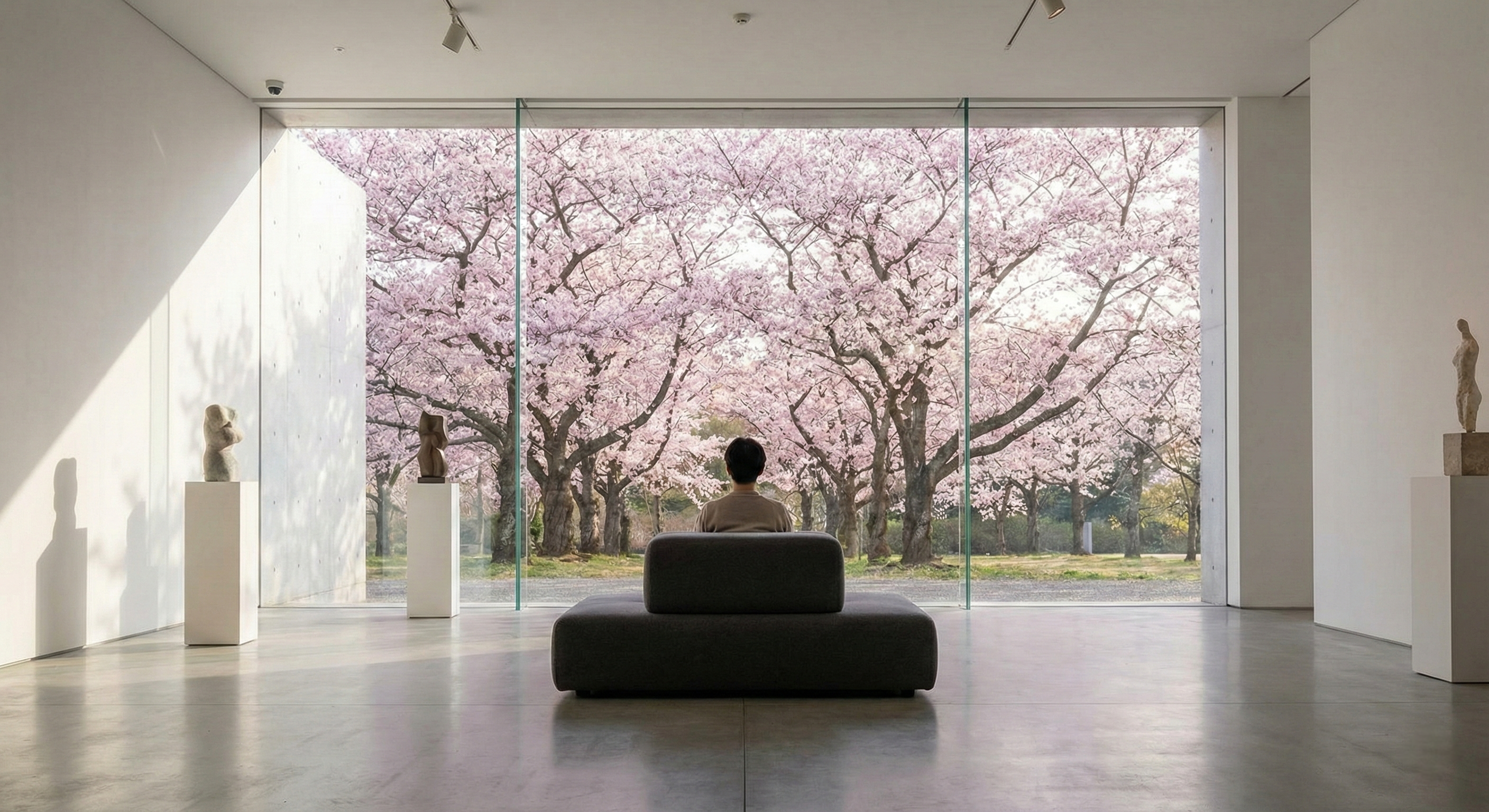
Exclusive access to the park’s museums and cultural institutions offers climate-controlled respites between outdoor viewing sessions. The Tokyo National Museum, the National Museum of Western Art, and Ueno Zoo all feature cherry tree collections visible from indoor spaces, offering comfortable viewing options during crowded periods.
Capturing the ephemeral beauty of Ueno Park sakura requires understanding both technical photography principles and cultural etiquette. The interplay of delicate blossoms, varying light conditions, and human elements creates complex compositional challenges.
Optimal camera configurations vary by time of day and desired effect:
The soft, diffused light of overcast days actually provides superior conditions for cherry blossom photography compared to harsh direct sunlight. The even illumination prevents blown-out highlights on pale pink petals while maintaining detail in shadowed areas.
Ueno Park’s location within Tokyo’s cultural district means that sakura viewing integrates seamlessly with world-class museums, historic temples, and culinary destinations. This density of attractions allows for comprehensive cultural experiences without extensive transportation between locations.
The park houses several nationally significant museums, each offering cherry blossom views from unique perspectives:
Tokyo National Museum: Japan’s oldest and largest museum features cherry trees in its garden courtyard, visible from the second-floor galleries. The spring special exhibitions often coordinate with the sakura season, providing a cultural context for the hanami tradition.
National Museum of Nature and Science: Scientific perspectives on cherry tree cultivation, genetics, and ecological significance complement the aesthetic experience.
The National Museum of Western Art: European artistic interpretations of Japanese cherry blossoms offer cross-cultural perspectives on the sakura phenomenon.
According to comprehensive guides on Ueno Park, the strategic placement of cultural institutions within the park’s landscape was intentional, creating an integrated experience of natural beauty and human creativity.
Spring weather in Tokyo can be unpredictable, with rain showers, temperature fluctuations, and occasional strong winds affecting the sakura viewing experience. Sophisticated travelers prepare contingency plans that maintain the quality of their Japan experience regardless of conditions.
Inclement weather need not diminish a sakura-focused itinerary when alternative covered viewing locations exist nearby:
The concept of “hanadayori” (flower news) reflects the Japanese practice of monitoring and sharing bloom status updates. Real-time information allows flexible scheduling, moving outdoor viewing to optimal days while reserving indoor cultural experiences for less favorable weather.
Reaching Ueno Park requires minimal effort given its central Tokyo location, but understanding access points and VIP transportation options elevates the arrival experience to match the destination’s prestige.
| Transportation Method | Journey Time | Luxury Considerations |
|---|---|---|
| Private chauffeured vehicle | Variable | Direct park access, luggage handling, flexible timing |
| First-class train | 30-45 min from major hotels | Reserved seating, minimal transfers |
| Helicopter transfer | 10-15 min | Ultimate exclusivity, aerial cherry blossom views |
For travelers prioritizing comfort and efficiency, bespoke tour services provide seamless logistics, including scouting of optimal viewing locations, reserved dining experiences, and expert cultural interpretation throughout the visit.
Ueno Station serves five different train lines, making the park exceptionally accessible from anywhere in Tokyo. The Koen-guchi (Park Exit) deposits visitors directly at the park’s main entrance near Sakura Dori, eliminating the need for navigation.
While the park itself serves as the primary destination, the surrounding Ueno district offers complementary experiences that deepen understanding of Japanese cherry blossom culture and seasonal appreciation.
Just north of Ueno Park, Yanaka Cemetery features a 500-meter central pathway lined with mature cherry trees. This location offers a more contemplative hanami experience, where the Buddhist concept of mono no aware (the pathos of things) becomes tangible through the juxtaposition of ephemeral blossoms and permanent monuments.
The cemetery’s cherry trees are among Tokyo’s oldest, with some specimens over 100 years old. Their gnarled branches and substantial trunks create dramatically different aesthetics compared to Ueno Park’s younger, more uniform trees.
Beyond traditional hanami, innovative experiences have emerged that cater to luxury travelers seeking unique perspectives on Ueno Park sakura:
These specialized offerings transform passive viewing into active participation, creating lasting memories and deeper cultural connections.
The immense popularity of Ueno Park sakura creates conservation challenges that responsible travelers should understand and support. The Tokyo Metropolitan Government implements various measures to protect the trees while maintaining public access.
Tree health requires careful management during the intense festival period:
Contributing to preservation efforts aligns with luxury travel principles that prioritize sustainable, responsible tourism. Supporting local conservation initiatives and following posted guidelines ensures that future generations can enjoy these magnificent trees.
Creating an optimal hanami experience requires balancing spontaneity with strategic planning. The ephemeral nature of cherry blossoms means that flexibility combined with expert guidance produces the most rewarding results.
Successful sakura viewing begins weeks before arrival:
The investment in comprehensive planning pays dividends when you stand beneath the full canopy of Ueno Park sakura at precisely the right moment, experiencing one of nature’s most fleeting and beautiful spectacles under optimal conditions.
According to recent AP News reports on Japan’s cherry blossom season, the cultural and economic significance of sakura viewing continues to grow, with increasingly sophisticated offerings emerging to serve discerning international travelers.
Experiencing Ueno Park sakura represents far more than viewing beautiful flowers-it offers a profound connection to centuries of Japanese cultural tradition, seasonal awareness, and aesthetic appreciation. When you’re ready to transform this guide into lived experience, Japan Royal Service specializes in curating exclusive access to Tokyo’s most treasured seasonal moments, including personalized hanami experiences that reveal hidden viewing spots, private cultural encounters, and seamless logistics that let you focus entirely on the ephemeral beauty before you.