
LINE ID japanroyalservice
+817013781777 click here
+817013781777 click here
The somei yoshino cherry blossom stands as one of Japan’s most treasured cultural and botanical icons, representing the ephemeral beauty that defines the nation’s spring season. This carefully cultivated hybrid has transformed the Japanese landscape for over 150 years, creating spectacular displays that draw millions of visitors annually. Understanding the somei yoshino requires exploring its unique origins, distinctive characteristics, and its profound cultural role in contemporary Japan. For discerning travelers seeking authentic cultural experiences, this magnificent tree offers a window into Japanese aesthetics, history, and the nation’s deep connection to seasonal change.
The Somei yoshino represents a remarkable achievement in horticultural hybridization, with origins traced to the mid-19th century in the Somei village area of Edo (modern-day Tokyo). Botanical experts recognize this variety as a hybrid between Prunus speciosa (Oshima cherry) and Prunus pendula f. ascendens (Edo higan cherry), though its exact parentage remained debated for decades.
What distinguishes this hybrid from other cherry varieties is its extraordinary uniformity and visual impact. According to the Royal Horticultural Society, the somei yoshino produces clusters of pale pink to white blossoms that appear before the leaves emerge, creating an ethereal cloud-like effect.
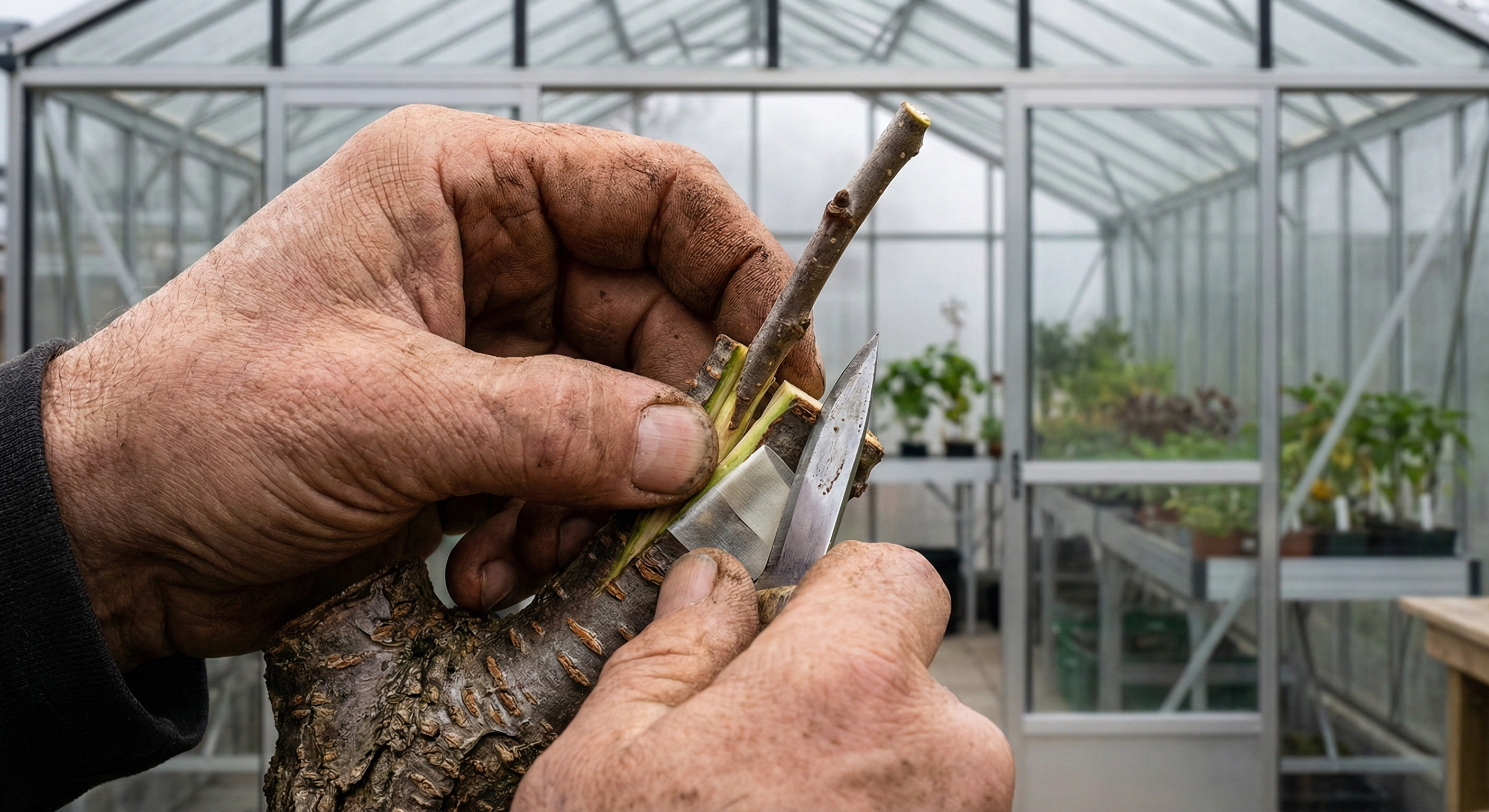
The propagation method creates both advantages and vulnerabilities. While the genetic uniformity ensures spectacular synchronized blooming displays, it also makes entire populations susceptible to the same diseases and environmental stressors.
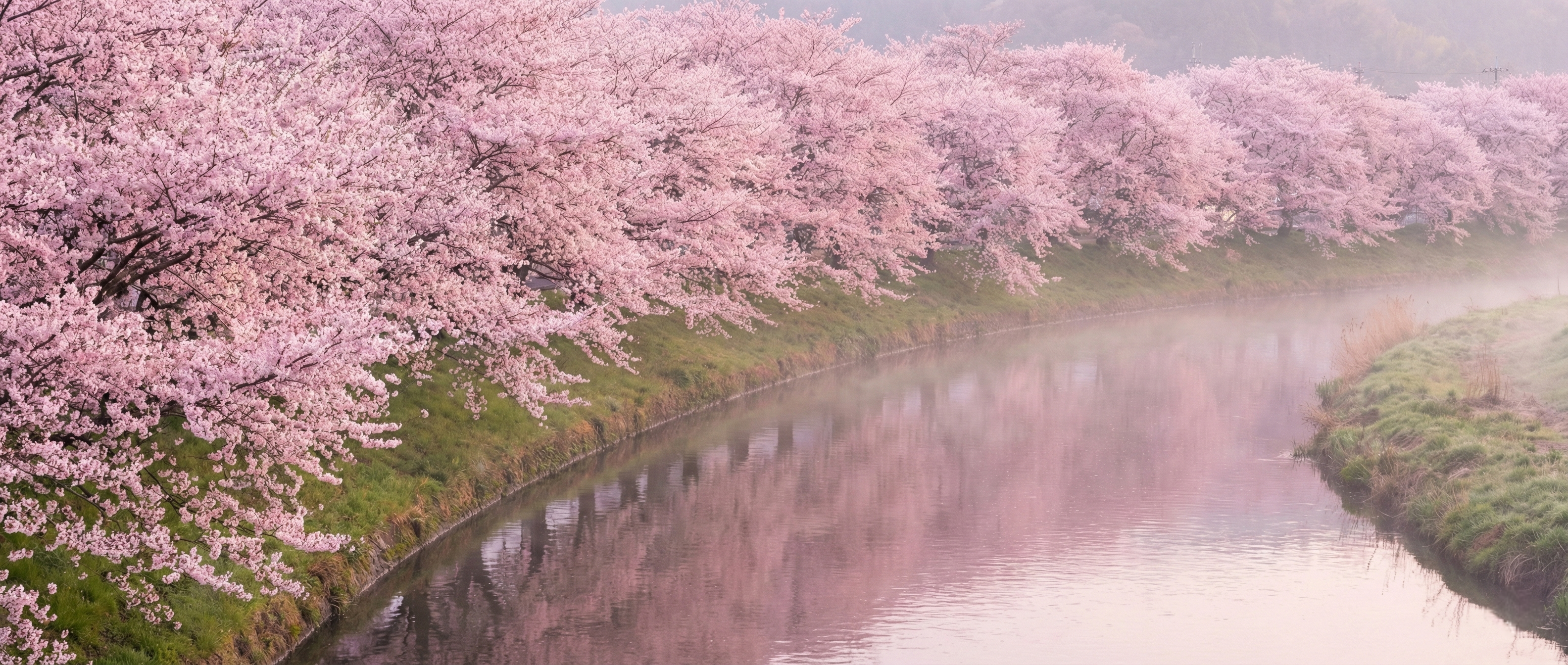
Distinguishing somei yoshino from other cherry varieties requires attention to specific botanical details. The blossoms exhibit five delicate petals, typically measuring 3-3.5 centimeters in diameter, with a characteristic pale pink hue that fades to nearly white as flowers mature.
The bark presents a distinctive purplish-brown color with prominent horizontal lenticels, creating elegant striations along the trunk. Young branches display a reddish tint that matures to gray-brown with age. Leaves emerge after blooming has concluded, with an elliptical shape, serrated edges, and a pointed tip.
| Feature | Characteristic | Timing |
|---|---|---|
| Blossom Color | Pale pink to white | Early spring |
| Petal Count | Five per flower | March-April |
| Leaf Emergence | After flowering | Mid to late April |
| Bark Texture | Horizontal lenticels | Year-round |
| Tree Height | 30-40 feet mature | 20-30 years |
Oregon State University’s landscape plant database provides comprehensive cultivation information for those interested in understanding optimal growing conditions and maintenance requirements.
The somei yoshino transformed Japanese cherry blossom viewing traditions when it gained prominence during the Meiji period. Before its widespread adoption, the Japanese appreciated various native cherry species, but the somei yoshino’s spectacular synchronized blooming created unprecedented opportunities for communal celebration.
Government initiatives during the early 20th century planted millions of somei yoshino trees throughout Japan, establishing the variety as the definitive symbol of spring. This strategic planting created predictable blooming forecasts, enabling the development of hanami (flower viewing) as a nationally coordinated cultural event.
Traditional flower viewing parties evolved significantly with the dominance of somei yoshino. The predictability of blooming times allowed families, companies, and communities to plan gatherings weeks. Modern weather forecasting services now track the “sakura front” (cherry blossom forecast) with scientific precision, as noted by Associated Press reports on Japan’s cherry blossom season.
The cultural impact extends beyond recreational enjoyment. The brief blooming period (typically 7-10 days) embodies the Japanese aesthetic concept of mono no aware-the pathos of transient beauty. This philosophical appreciation elevates simple flower viewing into a meditation on impermanence and renewal.
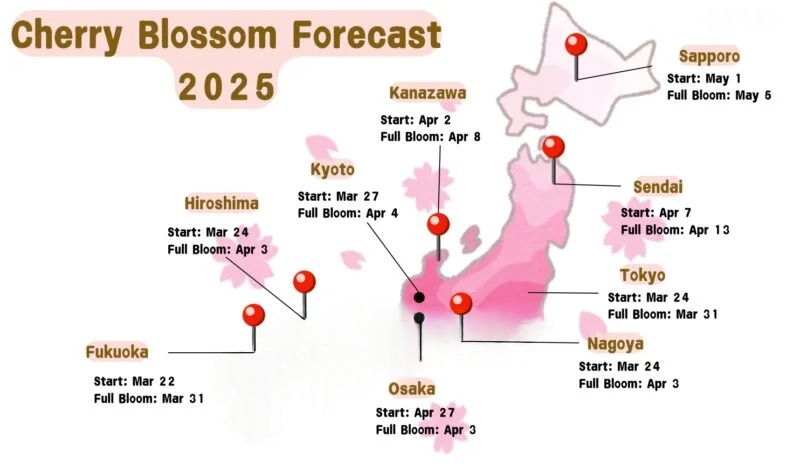
Geography and climate create fascinating variations in the blooming schedules of somei yoshino across Japan. The sakura front typically begins in Okinawa during late January, progressing northward through Kyushu, Shikoku, Honshu, and finally reaching Hokkaido by early May.
Temperature fluctuations significantly affect blooming schedules, with recent climate patterns leading to earlier blooming dates than historical averages. Meteorological agencies track accumulated temperature data to predict peak blooming with remarkable accuracy, typically within 2-3 days.
While famous locations like Ueno Park in Tokyo attract massive crowds, discerning travelers seeking exclusive experiences can discover exceptional somei yoshino displays throughout Japan. Specialized guided tours offer access to lesser-known locations for intimate encounters with these magnificent trees.
Chidorigafuchi, along the Imperial Palace moat, presents one of Tokyo’s most elegant settings, where hundreds of somei yoshino trees create a tunnel effect over the water. Evening illuminations transform the scene into an enchanted landscape. Meguro River offers a four-kilometer corridor lined with over 800 trees, creating an urban oasis that combines traditional beauty with contemporary city life.
For those seeking tranquility away from tourist crowds, private gardens and temple grounds offer exclusive viewing opportunities. Luxury travel arrangements can secure early morning access to normally restricted areas, allowing photography and contemplation in serene environments.
Kyoto’s somei yoshino displays the benefits of historical architecture that provide a stunning visual context. The Philosopher’s Path winds alongside a canal bordered by hundreds of cherry trees, offering a contemplative walking experience. Maruyama Park features a magnificent weeping cherry as its centerpiece, surrounded by somei yoshino that create layered visual depth.
Historical preservation efforts across communities demonstrate the cultural importance of maintaining these living landmarks for future generations.
Growing somei yoshino successfully requires understanding specific environmental preferences and maintenance needs. The variety thrives in temperate climates with distinct seasons, requiring winter chilling hours to initiate proper spring blooming.
| Requirement | Specification | Notes |
|---|---|---|
| Sunlight | Full sun (6+ hours) | Essential for flowering |
| Soil pH | 6.0-7.5 | Slightly acidic to neutral |
| Drainage | Excellent | Prevents root rot |
| Water | Moderate, consistent | Deep watering preferred |
| Winter Chill | 400-500 hours below 45°F | Required for blooming |
Professional arborists emphasize proper pruning techniques to maintain tree health and aesthetic form. Pruning should occur immediately after flowering concludes, as the trees set next year’s buds during the summer months. Improper timing can eliminate the blooms the following year.
The genetic uniformity that makes somei yoshino spectacular also creates significant vulnerabilities. Disease susceptibility is a growing concern, as any pathogen affecting a single tree can threaten entire populations. Climate change compounds these challenges, as warming temperatures disrupt the delicate chilling requirements for proper blooming.
Research institutions across Japan collaborate on genetic studies to understand and preserve the somei yoshino while developing strategies for long-term sustainability. These efforts balance cultural heritage preservation with ecological adaptation requirements.
Optimal appreciation of somei yoshino requires precise timing, insider knowledge, and seamless logistical coordination. Peak blooming periods create intense demand for accommodations, transportation, and access to viewing locations. Sophisticated travelers benefit from professional planning that anticipates these challenges while crafting personalized experiences.
Private garden tours during early morning hours offer photography opportunities without crowds. Traditional ryokan accommodations positioned near exceptional viewing locations provide immediate access and authentic cultural immersion. Premium transportation services enable efficient movement between multiple viewing locations during the brief peak blooming window.
Evening illuminations create magical atmospheres, with carefully designed lighting systems highlighting the delicate blossoms against night skies. VIP arrangements can include reserved seating areas, catered hanami parties, and expert commentary on botanical and cultural significance.
The somei yoshino blooming season coincides with special culinary traditions. Sakura-flavored confections, cherry blossom tea, and seasonal kaiseki menus celebrate spring’s arrival. Exploring Japanese culinary delights during cherry blossom season adds another dimension to cultural appreciation.
Master chefs create limited-time menus featuring edible cherry blossom petals, cherry leaf-wrapped mochi, and elegantly presented dishes that mirror the aesthetic delicacy of the flowers themselves. These culinary experiences transform simple dining into artistic celebrations of seasonal change.
Capturing somei yoshino effectively requires technical skill and artistic vision. The pale pink blossoms present exposure challenges, particularly during bright midday conditions. Professional photographers recommend shooting during the golden hour, when soft lighting enhances delicate color gradations.
Composition strategies should emphasize the relationship between blossoms and their environmental context. Wide-angle shots capture the scale of tree-lined avenues, while macro photography reveals intricate petal structures and subtle color variations. Incorporating traditional architecture, water reflections, or human elements creates narrative depth.
According to detailed somei yoshino specifications, understanding blooming progression stages enables photographers to capture different aesthetic moods-from tight buds through full bloom to the poetic petal fall known as “sakura fubuki” (cherry blossom blizzard).
Phenological research on somei yoshino provides valuable indicators of climate change. Decades of blooming date records create extensive datasets that reveal how temperature trends affect natural systems. Scientists analyze these patterns to understand broader ecological shifts affecting temperate ecosystems.
Academic institutions maintain meticulous records that track first-bloom dates, peak blooming periods, and total flowering duration across multiple locations. This data contributes to climate models and helps predict future changes in blooming patterns as global temperatures continue to rise.
| Research Focus | Key Findings | Implications |
|---|---|---|
| Blooming Dates | Occurring 5-7 days earlier than the 1950s | Climate warming evidence |
| Duration | Slightly shorter peak periods | Temperature sensitivity |
| Geographic Range | Northern limits expanding | Habitat adaptation |
| Urban Heat Island | Earlier urban blooming | Microclimate impacts |
Somei Yoshino features prominently in contemporary Japanese poetry, literature, and visual arts, continuing centuries-old traditions of cherry blossom appreciation. Modern haiku poets craft verses that capture the fleeting beauty, while novelists use the blooming seasons as a narrative backdrop for stories about renewal, loss, and transformation.
Traditional crafts incorporate cherry blossom motifs extensively, from textile designs to ceramic glazes, lacquerware patterns to metalwork details. The distinctive five-petaled form of somei yoshino appears in countless artistic interpretations, each capturing different aspects of its ephemeral elegance.
Successful somei yoshino experiences require understanding multiple variables that influence bloom quality and timing. Weather conditions during the weeks preceding blooming significantly impact flower development. Cold snaps can delay opening, while warm spells accelerate progression.
Reservations for premium accommodations near exceptional viewing locations should be made 6-12 months in advance for peak season dates. Flexibility in travel schedules allows adjustment based on emerging forecast data, ensuring presence during actual peak blooming rather than predicted dates.
Professional concierge services monitor real-time blooming conditions across multiple regions, enabling dynamic itinerary adjustments that maximize viewing quality. This responsive planning approach distinguishes exceptional experiences from disappointing timing mismatches.
The somei yoshino embodies Japan’s profound appreciation for natural beauty, cultural continuity, and seasonal awareness, offering discerning travelers an unparalleled spring experience when timed and arranged thoughtfully. Whether you’re seeking exclusive private garden access, optimal photography locations, or authentic cultural immersion during cherry blossom season, Japan Royal Service creates bespoke luxury experiences tailored to your specific interests, ensuring seamless coordination of every detail from premium transportation to insider access at peak blooming moments.