
LINE ID japanroyalservice
+817013781777 click here
+817013781777 click here
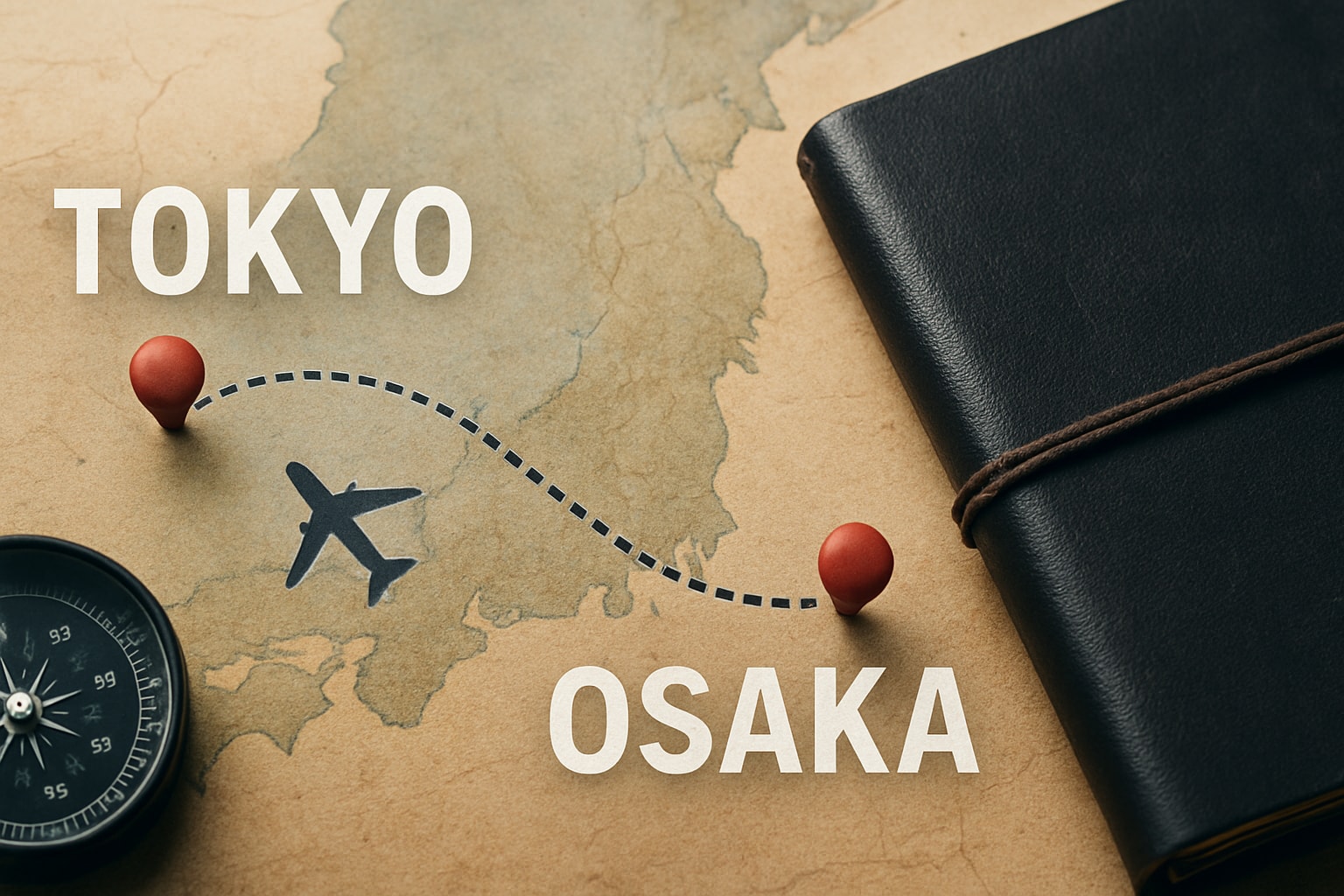
Imagine setting out on a journey that seamlessly connects the energy of Tokyo with the vibrant spirit of Osaka. The route from Tokyo to Osaka offers more than just a means of travel—it is the gateway to experiencing two of Japan’s most iconic destinations.
This guide reveals the smartest, fastest, and most rewarding ways to make the Tokyo-to-Osaka trip in 2026. Whether you seek speed, comfort, or unique local encounters, there is a route designed for every traveler.
We break down seven innovative and classic options, from next-generation trains to scenic road trips. Expect expert tips, up-to-date pricing, and what to look forward to on each route.
Ready to unlock the best of both cities? Let us guide you through your Tokyo-to-Osaka adventure with confidence and ease.
Imagine standing in Tokyo, ready to embark on a journey that has evolved dramatically over the decades. The Tokyo to Osaka route has always been a symbol of Japan’s innovation, starting with classic overnight trains and gradually transforming into a showcase of high-speed technology and comfort. In 2026, travelers will find an even broader array of options, each tailored to different needs and preferences.
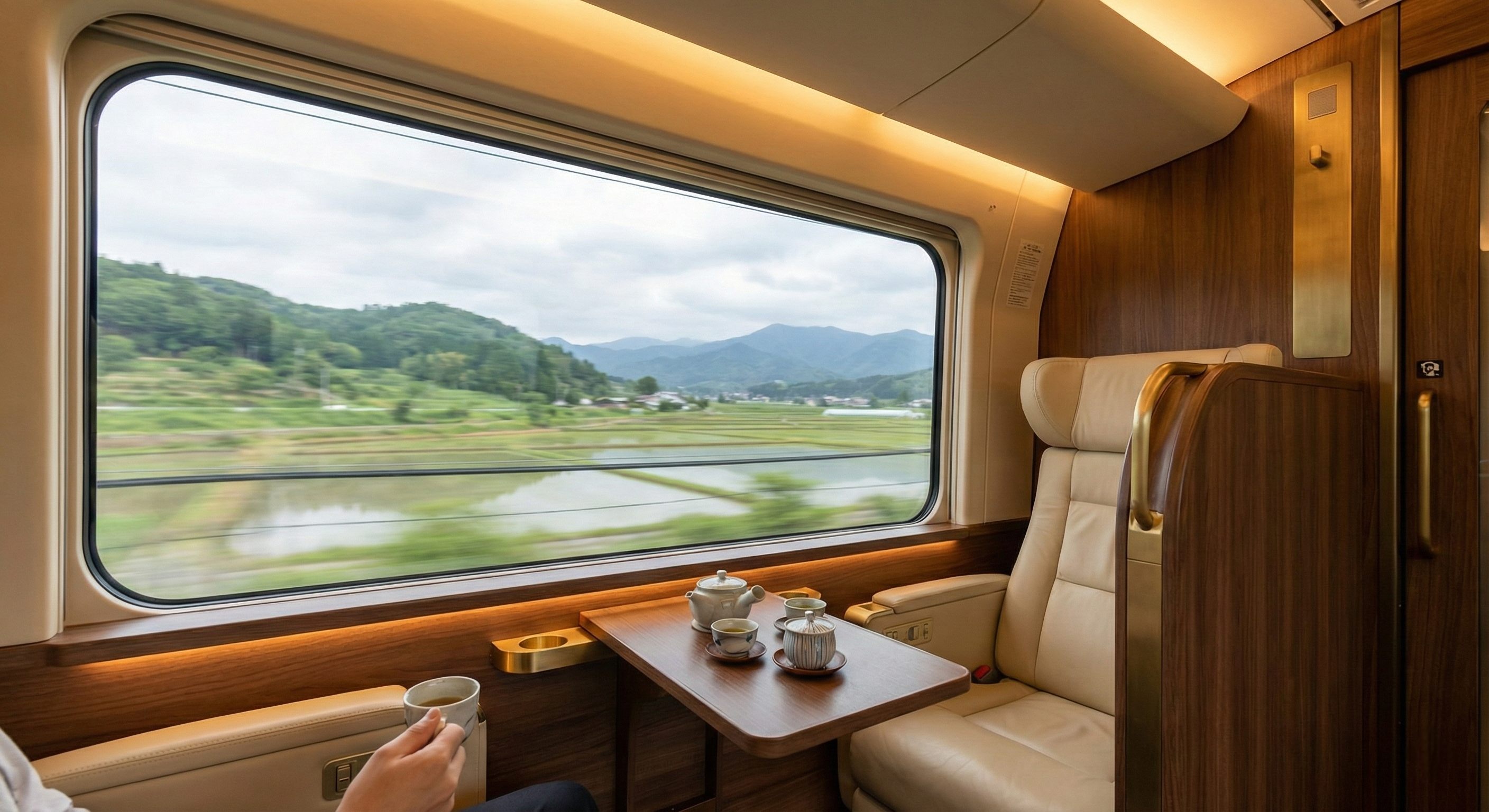
Redefine your journey with new private Shinkansen rooms that blend personal space with high-speed travel for the ultimate 2026 luxury experience.
Over the years, the Tokyo-Osaka corridor has become a testing ground for transport innovations. In 2026, travelers will notice significant updates: the introduction of the next-generation Shinkansen models, expanded highway bus fleets with premium sleeper options, and the anticipated launch of the Chūō Shinkansen maglev line between Tokyo and Nagoya. These improvements are designed to enhance speed, comfort, and accessibility, ensuring that every journey is smoother than ever.
Key operators on the Tokyo-Osaka route include JR Shinkansen, major domestic airlines, long-distance bus companies, private regional railways, and a growing network of car rental and ride-sharing services. With so many choices, travelers can select a route that best fits their priorities—whether that’s arriving in record time, saving money, or enjoying unique detours along the way.
Here’s a quick comparison of the main travel modes from Tokyo to Osaka in 2026:
| Mode | Operator(s) | Avg. Travel Time | Highlights |
|---|---|---|---|
| Shinkansen | JR Central/West | 2.5–3 hours | Fast, frequent, scenic |
| Maglev (partial) | JR Central | 1.5–2 hours* | Ultra-fast, innovative |
| Domestic Flight | ANA, JAL, Peach, Jetstar | 3–4 hours total | Airport access, quick air hop |
| Highway Bus | Willer, JR Bus, others | 7–9 hours | Budget, overnight options |
| Car Rental | Multiple | 5–7 hours | Flexible, sightseeing detours |
| Local Trains | JR, Odakyu, private rail | 9–10+ hours | Scenic, regional stops |
*Maglev time for Tokyo-Nagoya in 2026, future extension to Osaka.
When planning your Tokyo to Osaka trip, consider what matters most: speed, cost, comfort, sustainability, or the opportunity to explore off-the-beaten-path destinations. The rise of eco-friendly travel and demand for premium experiences are shaping new trends, with more travelers seeking both green options and luxury upgrades.
One of the most exciting developments is the debut of advanced rail technology. For a deeper look at how the next-gen Shinkansen and maglev lines are transforming travel from Tokyo to Osaka, explore Japan’s 2026 Rail Revolution. Our brand is dedicated to helping you navigate these changes, ensuring your journey between these two iconic cities is as efficient, comfortable, and memorable as possible.
Traveling from Tokyo to Osaka in 2026 is an adventure defined by choice, convenience, and innovation. Whether you crave speed, comfort, savings, or unique experiences, there is a route tailored for every traveler. The following seven options highlight both the classic and cutting-edge ways to journey between these two dynamic cities.
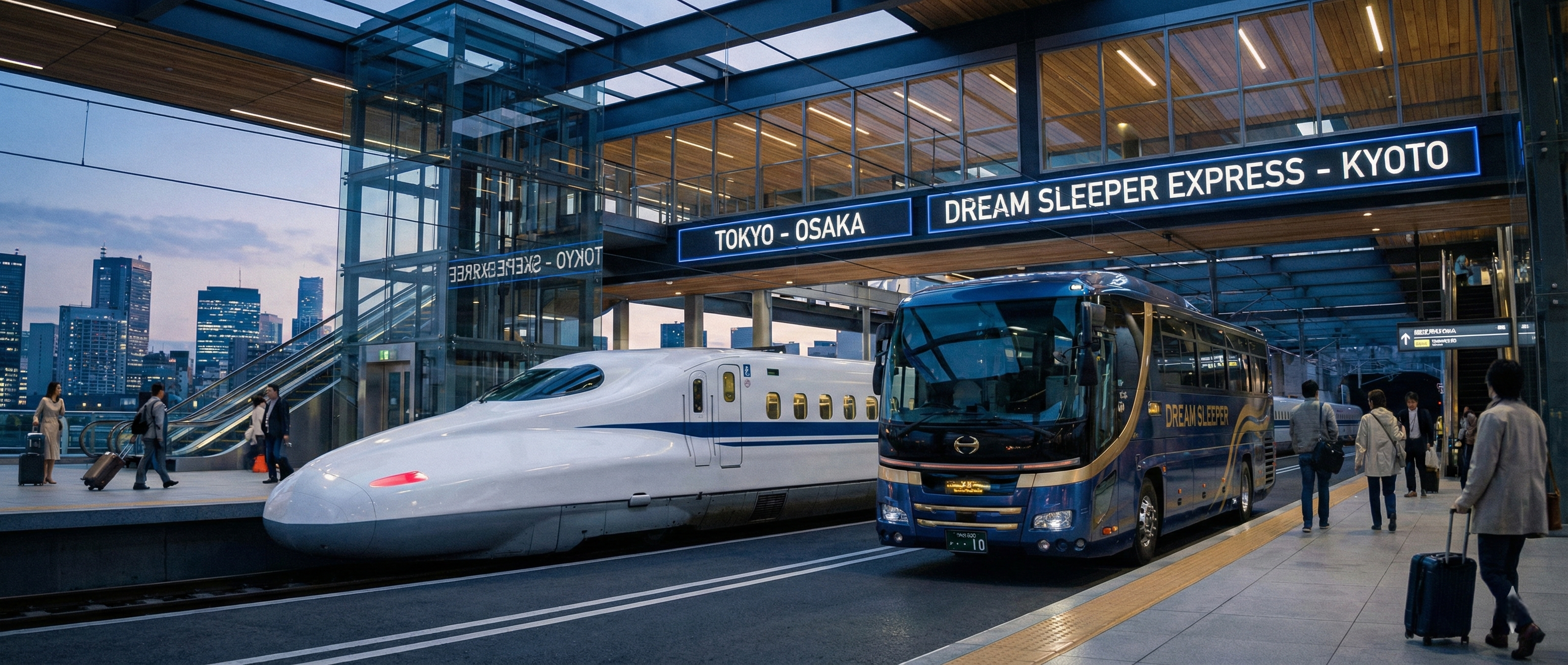
From lightning-fast rail to premium road travel, 2026 offers a tailored journey for every traveler’s unique budget and comfort preference.
The Shinkansen remains the gold standard for the Tokyo-Osaka route. In 2026, travelers can choose from the Nozomi, Hikari, Kodama, and the advanced N700S series, all offering unparalleled speed and reliability.
With departures every 15 minutes, the Shinkansen covers Tokyo to Osaka in as little as 2 hours and 29 minutes. Passengers can choose from reserved or unreserved seats, Green Car for extra comfort, and Gran Class for a luxurious experience.
Ticket prices range from approximately ¥14,000 for standard class to ¥19,000 for premium. Onboard, expect spacious seating, free Wi-Fi, bento meals, and panoramic windows—perfect for glimpsing Mt. Fuji en route.
Direct city-center access at both ends ensures maximum efficiency. The Shinkansen is ideal for business travelers, families, and first-time visitors eager to make the most of their trip from Tokyo to Osaka. For updated travel tips and route insights, consider the latest Travel to Japan in 2026 tips.
For those seeking the most affordable way to travel from Tokyo to Osaka, highway buses are a top choice. Options include day and overnight buses, with premium “Dream” and “Willers” lines offering elevated comfort.
The journey typically takes 7 to 9 hours, making overnight buses especially attractive for saving on accommodation. Tickets start at ¥4,000 and rarely exceed ¥10,000, making this route the cheapest for most travelers.
Modern buses feature reclining seats, free Wi-Fi, and ample luggage storage. Scheduled rest stops provide chances to stretch and grab refreshments. The Tokyo-to-Osaka highway bus is perfect for backpackers, students, and anyone seeking value.
A popular route departs Shinjuku Expressway Bus Terminal and arrives at Osaka Station, connecting two major city centers. Night owls and budget-conscious travelers will appreciate the flexibility and cost savings.
Domestic flights offer a fast alternative for the Tokyo to Osaka route, especially for those connecting to or from international flights. Major airports in Tokyo—Haneda and Narita—connect to Osaka’s Itami, Kansai, and Kobe airports.
The flight itself takes about 1 to 1.5 hours, but the total journey time, including airport transfers, is usually 3 to 4 hours. Fares vary widely, from ¥7,000 to over ¥20,000 depending on the season and airline.
Carriers such as JAL, ANA, Peach, and Jetstar offer frequent departures. Most airlines include checked luggage in the fare, and some even run special promotions for domestic travelers.
This option is best for time-pressed travelers or those who want to connect seamlessly from an international arrival. With frequent flights and competitive pricing, flying from Tokyo to Osaka remains a flexible choice.
If you prefer independence and scenic detours, renting a car or booking a chauffeur service for the Tokyo-to-Osaka journey is a rewarding option. The drive is about 492 kilometers and takes 5 to 7 hours, depending on traffic and stops.
Rental rates start around ¥8,000 per day, with highway tolls adding approximately ¥10,000 to the total. Car sharing and chauffeur-driven vans are also available for groups or those seeking extra comfort.
This route offers door-to-door convenience and freedom to explore attractions like Mt. Fuji, Hakone, or Kyoto along the way. Families, groups, and adventure seekers will enjoy crafting their own itinerary.
For a memorable experience, consider the Tokyo-to-Osaka drive via the Chubu region, taking time to visit hidden gems and picturesque towns along the way. Flexible schedules and personalized stops make this option uniquely appealing.
For travelers who value the journey as much as the destination, local and regional trains transform the Tokyo-to-Osaka trip into a leisurely adventure. Using JR lines, Odakyu, and limited express trains, you can weave through charming towns and stunning landscapes.
Expect journey times of 9 to 10 hours or longer, with multiple transfers along the way. Pricing ranges from ¥8,000 to ¥12,000, especially if you use a Japan Rail Pass.
This route allows for spontaneous stops and immersive experiences in regions often missed by high-speed travelers. Savor local cuisine, interact with residents, and soak in the authentic rhythm of Japan.
Rail enthusiasts, slow travelers, and culture seekers will find this method rewarding. For more ideas on slow travel between Tokyo and Osaka, explore slow travel experiences in Japan.
In 2026, the Chūō Shinkansen Maglev line is set to revolutionize the Tokyo- Osaka corridor. While initially operating between Tokyo and Nagoya, this magnetic levitation technology promises speeds up to 500 km/h.
The Tokyo to Nagoya segment will take only 40 minutes, and when the Osaka extension opens, the full journey could be completed in under 1.5 hours. Expect futuristic comfort, whisper-quiet cabins, and a smooth, eco-friendly ride.
Fares are projected to be higher than standard Shinkansen, reflecting the advanced technology and premium experience. Early adopters and tech enthusiasts will relish being among the first to experience this leap in Japanese rail travel.
For now, travelers can combine the Maglev to Nagoya with a quick Shinkansen transfer to Osaka, blending innovation with convenience.
For travelers who prioritize privacy, comfort, or have special needs, ride-sharing and premium transfer services are practical options for traveling from Tokyo to Osaka. Services include taxis, Uber Japan, Didi, and chauffeur-driven luxury vans.
Travel time ranges from 6 to 8 hours, depending on traffic and stops. Prices start at ¥50,000 for private transfers, with ride-share fares varying based on demand and vehicle size.
Features include personalized pick-up and drop-off, spacious vehicles, and attentive service. This route is ideal for families with children or elderly members, travelers with bulky luggage, or anyone seeking a stress-free journey.
A pre-booked luxury van from a Tokyo hotel to Osaka accommodation ensures a seamless and comfortable transfer. For VIPs and those seeking door-to-door convenience, this option delivers unmatched ease.
Choosing the best way to travel from Tokyo to Osaka starts with understanding your own priorities. Whether you value speed, savings, comfort, or unique experiences, there is a route designed for your needs.
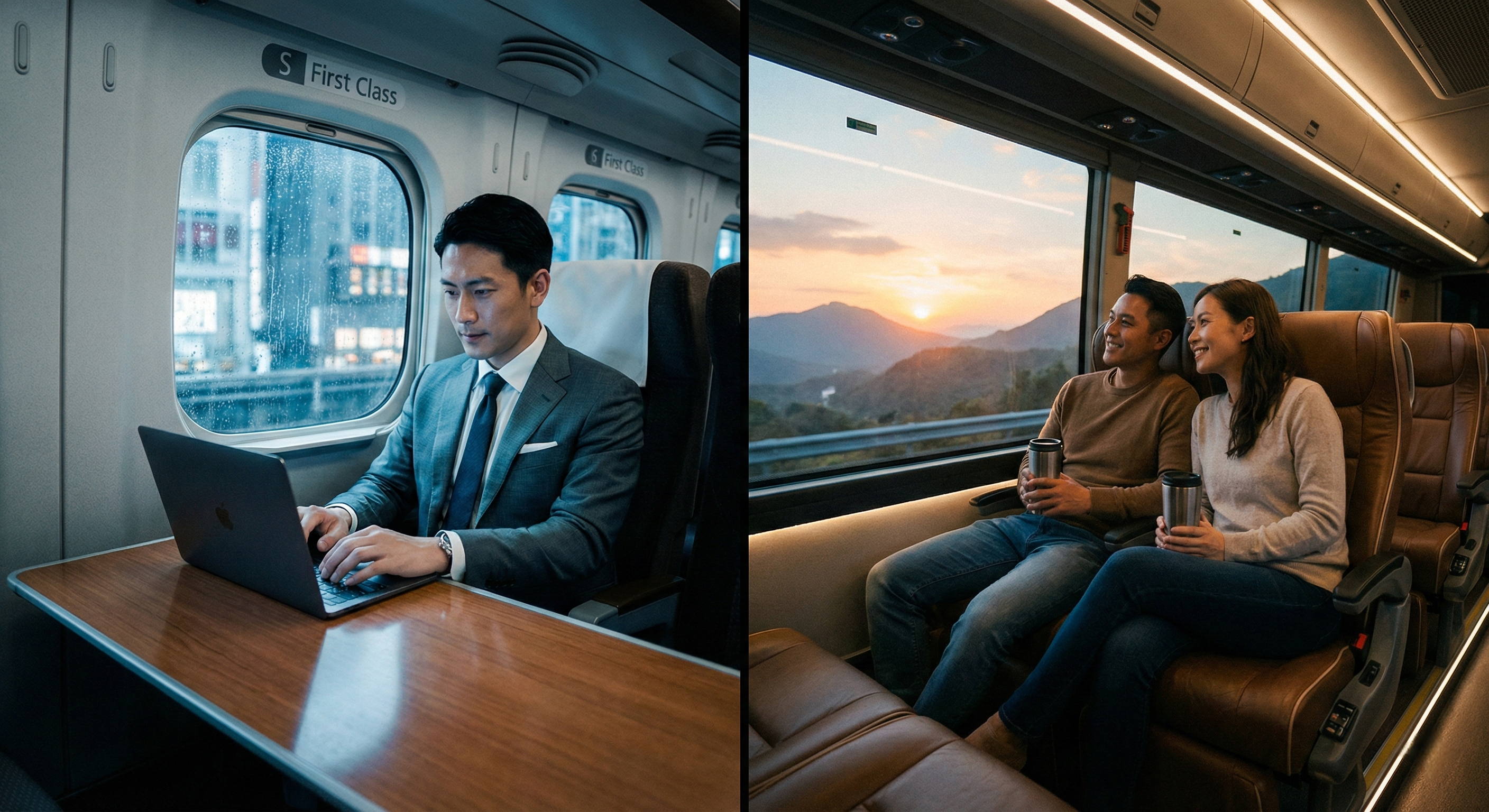
Whether you prioritize productivity at three hundred kilometers per hour or leisure with a view, your ideal route awaits your selection.
For travelers who want to get from Tokyo to Osaka as quickly as possible, the Shinkansen is the clear winner. The Nozomi bullet train completes the journey in just 2 hours and 29 minutes, while the upcoming Maglev promises even faster rides. If budget is the main concern, highway buses and local trains with passes offer the lowest fares. For example, an overnight bus can cost as little as ¥4,000, saving both money and accommodation expenses.
Fastest: Shinkansen, Maglev (future)
Cheapest: Highway bus, local trains
Mid-range: Domestic flights (with booking), car rentals for groups
A quick comparison:
| Route | Fastest Time | Lowest Price |
|---|---|---|
| Shinkansen | 2h 29m | ¥14,000 |
| Highway Bus | 7h–9h | ¥4,000 |
| Flights | 3–4h total | ¥7,000+ |
Choosing the right balance between speed and cost makes your Tokyo-to-Osaka journey efficient and stress-free.
Comfort seekers will find that the Shinkansen Green or Gran Class, and premium transfers, offer the most relaxing Tokyo-to-Osaka experience. These options provide spacious seating, attentive service, and smooth rides. For those craving adventure, local trains or a self-drive road trip deliver flexibility and memorable stops along the way.
Most comfortable: Shinkansen Green/Gran Class, premium transfers
Most adventurous: Local trains, car rental
Scenic routes: Via Mt. Fuji, Hakone, or coastal towns
Solo travelers or couples might opt for scenic detours, such as a stop in Hakone for hot springs and mountain views. For inspiration on unique stops between Tokyo and Osaka, explore Hakone 2026 sightseeing detours.
Families often prefer direct, comfortable options that minimize transfers, while solo travelers may embrace the freedom to explore at their own pace.
Sustainability is a growing trend for travel between Tokyo and. The Shinkansen and Maglev are leaders in eco-friendly transit, with buses adopting green fleets as well. Air travel produces higher emissions, but some airlines are working to reduce them. Accessibility is excellent across all major routes, with stations and vehicles designed for wheelchair users and families with special needs.
Eco-friendly: Shinkansen, Maglev, green buses
Accessible: All major routes, car hire for custom needs
Tip: Compare CO2 emissions for train versus flight
Travelers who prioritize sustainability can rest assured that Japan’s rail and bus systems are among the world’s greenest. For more comprehensive guidance on planning your ideal Tokyo-to-Osaka journey, visit Visit Japan’s travel inspiration.
Planning a trip from Tokyo to Osaka in 2026? Smart preparation makes the journey smoother, no matter your route. Here are essential strategies and insider tips to help every traveler.
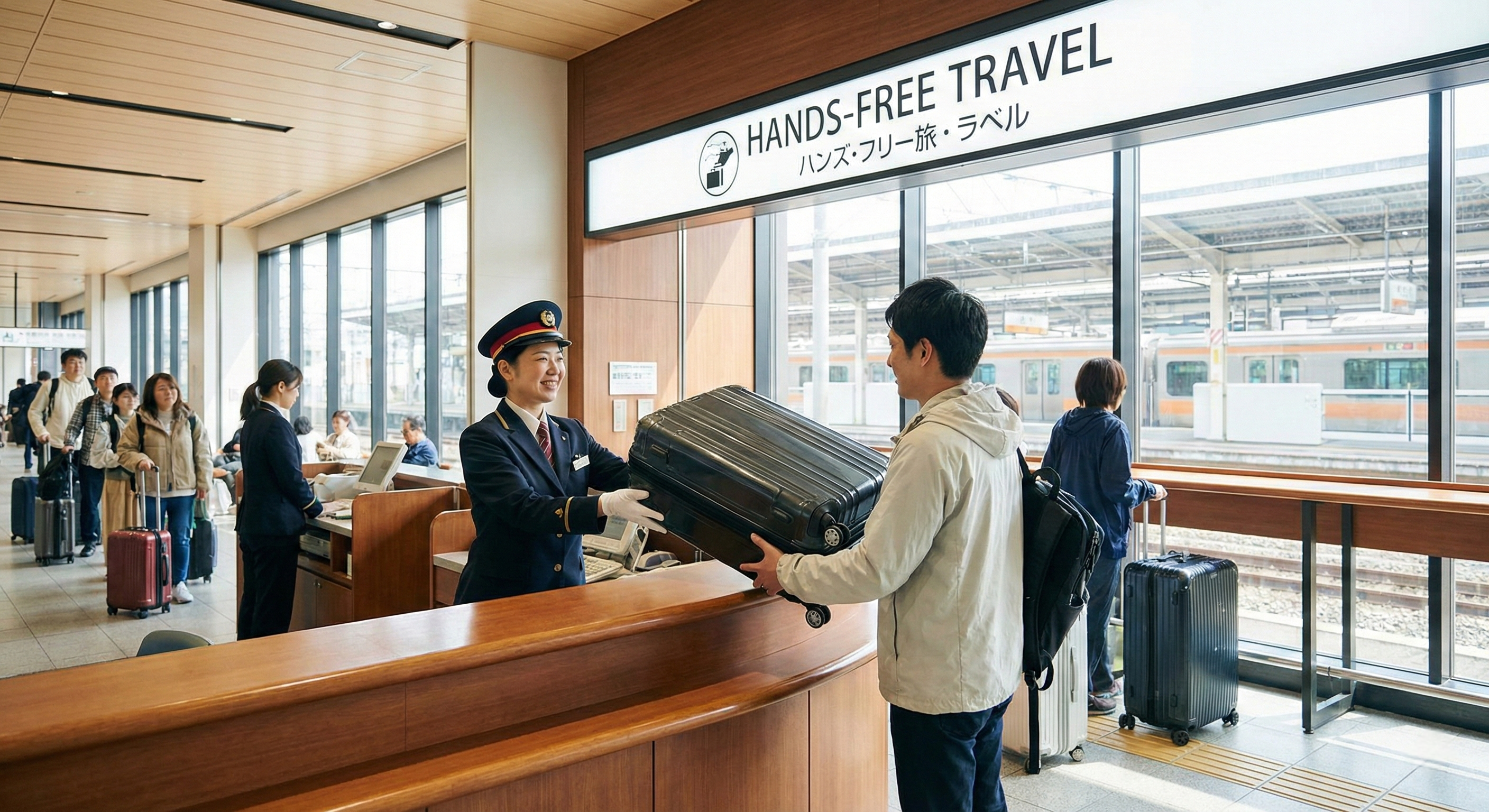
Travel hands-free by utilizing Japan’s efficient luggage forwarding services, allowing you to explore the sights between Tokyo and Osaka without heavy bags.
Top Travel Tips for 2026:
Book Early and Compare Options: Secure the best fares by booking Tokyo to Osaka tickets in advance, especially during peak seasons. Watch for special deals like ANA’s campaign offering free domestic flights within Japan to maximize your savings.
Lighten Your Load: Use luggage delivery services or station lockers for hassle-free movement, especially if you plan to explore multiple stops.
Embrace Tech: Download mobile ticketing apps, check real-time train or bus schedules, and have a translation app handy to ease communication.
Time Your Trip: Avoid Golden Week, cherry blossom, and New Year periods when the Tokyo-to-Osaka routes get crowded, and book accommodations well in advance.
Enjoy Local Flavors: Try ekiben (station bento boxes) on trains, sample food at highway rest areas, or relax in airport lounges if you fly.
Accessibility Matters: Major routes are wheelchair-friendly. Families and travelers with special needs can request assistance in advance for a seamless experience.
By planning and leveraging new travel technologies, your Tokyo-to-Osaka adventure in 2026 can be efficient, comfortable, and memorable.
After exploring these seven smart ways to journey from Tokyo to Osaka in 2026, you now have a clear picture of the exciting possibilities—from the iconic Shinkansen to scenic road trips and next-gen travel innovations. But picking the right route is just the beginning. If you want every detail tailored to your interests, and exclusive experiences that go beyond what’s in the guidebooks, let’s make your Japan adventure truly yours. You deserve a seamless, memorable trip curated by experts who know the country inside and out.
Request your private consultation. Design your bespoke Japan journey with our experts.