In this guide
Some cities ask to be seen in an afternoon. Nagasaki is not one of them. Its sites sit close together, a short tram ride apart, yet each asks for a different frame of mind. Quiet at the Peace Park. Patience at Ōura Cathedral. Open water on a Hashima cruise. A city like this rewards a stay, not a stop.
Our team at Japan Royal Service treats Nagasaki the way a thoughtful host treats a long dinner: with pacing. Two or three nights, a base in the city, and days built around register rather than a checklist. This guide explains how we arrange it, and why the sequence matters.
How Do You Get To Nagasaki By Train?
Take the Relay Kamome limited express from Hakata to Takeo-Onsen, change platforms to the Nishi-Kyushu Shinkansen, and reach Nagasaki in roughly 1.5 hours.
The Nishi-Kyushu Shinkansen opened on September 23, 2022. The transfer at Takeo-Onsen is cross-platform, which means you step off one train and onto the next without stairs or a long walk. For guests arriving with luggage, that single detail changes the whole mood of the journey.
If you fly in, Nagasaki Airport connects to Shin-Ōmura Station by a bus ride of about ten minutes, and the shinkansen carries you into the city from there. Our concierge plans the first leg so arrival feels unhurried. A private vehicle with a driver meets you at the station or airport, and the day begins on your terms rather than a timetable's. For guests weighing rail against road across a longer trip, our note on choosing a private driver or rail is a useful companion read.
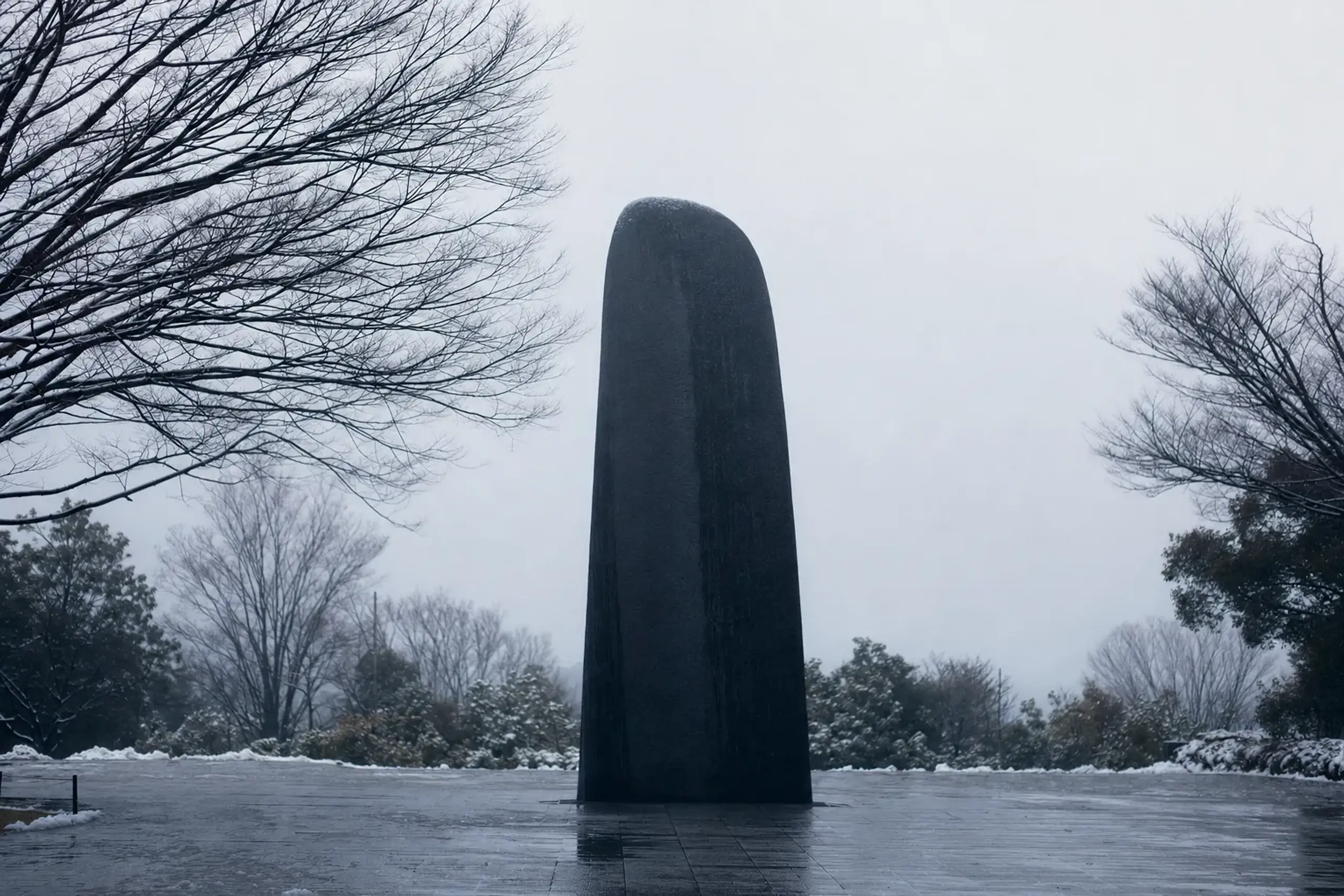
Hypocenter Park marks the epicenter with a single black monolith.
The Peace Park And The Atomic Bomb Museum
Nagasaki was struck by an atomic bomb on August 9, 1945, which destroyed a significant part of the city. The Peace Park stands as the place to reflect on that day. We suggest giving it a morning of its own. No cruise before it. No shopping after. Just time.
The park is about ten minutes from JR Nagasaki Station by tram lines 1 or 3. It divides into two spaces, each with its own weight.
Hypocenter Park
Hypocenter Park marks the epicenter with a black monolith. Beside it stands a damaged pillar from the former Urakami Cathedral, left as it was found. The space is plain by design. You walk, you read, you stand for a while, and the plainness does the work that no caption could.
Memorial Park And The Museum
To the north lies Memorial Park, with the Peace Statue, a large fountain, and memorials sent by governments and groups from around the world. Among them stand monuments for Korean and Chinese victims. The gathering of so many nations in one quiet field says something words struggle to.
On the hill above Hypocenter Park sits the Nagasaki Atomic Bomb Museum. Next to it, largely underground, is a memorial hall for the victims, built with water and light. The descent into it is deliberate.
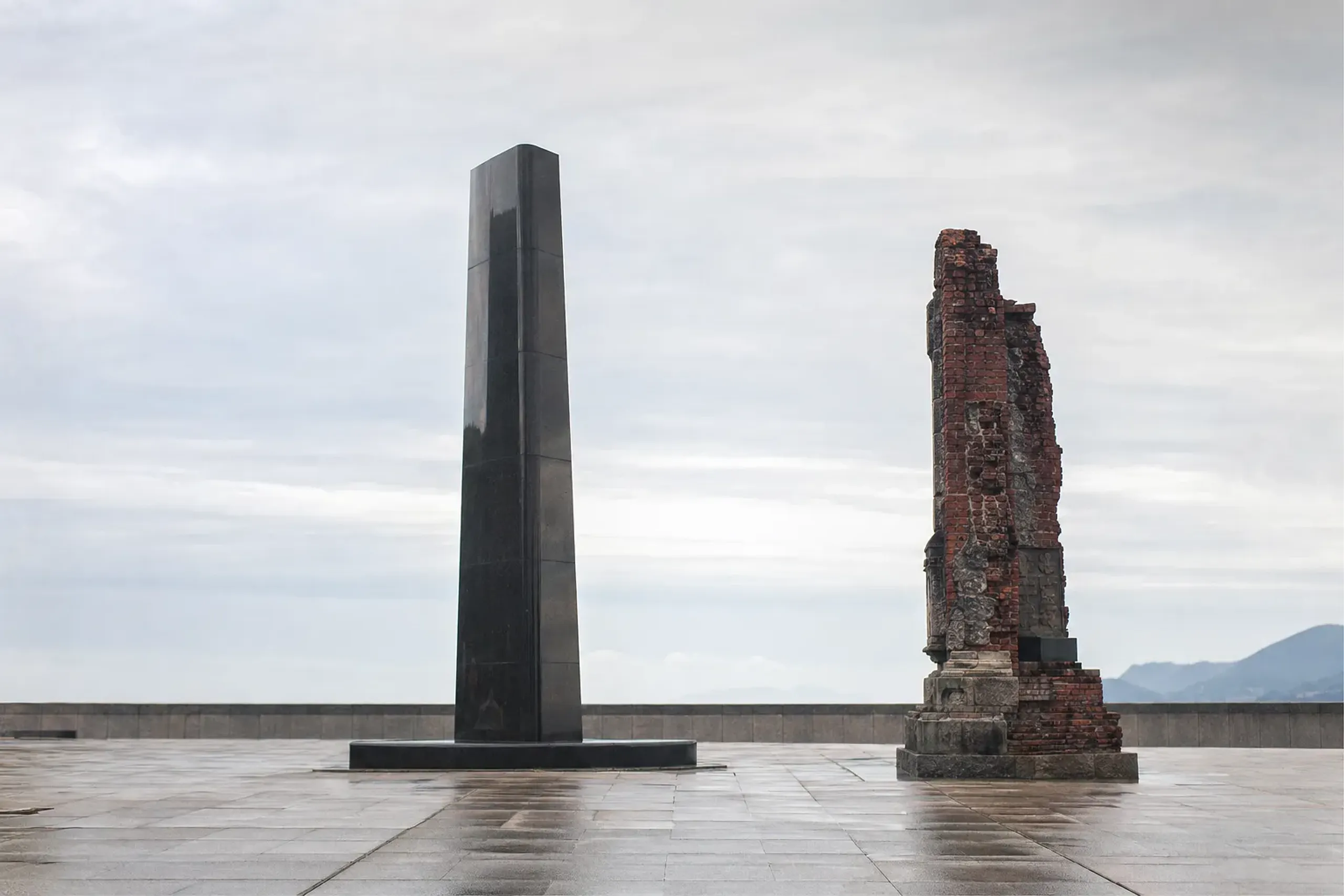
You enter cool and dim, and you come out changed in some small way.
Our guides keep a low voice here, and often say less rather than more. The value of a guide at the Peace Park is not commentary. It is logistics handled quietly, so you are free to feel rather than navigate.
The Hidden Christian Story And Ōura Cathedral
Nagasaki holds a history that most visitors arrive knowing little about. In 2018, the Hidden Christian Sites in the Nagasaki Region were inscribed as a World Heritage Site, with twelve components spread across Nagasaki and Kumamoto prefectures. Ōura Cathedral, completed in 1864, is one of those twelve and a designated National Treasure.
To understand why the cathedral matters, you need the story behind it. Official suppression of Christianity followed the Shimabara Rebellion of 1637–1638 and lasted over two centuries. Families who kept the faith did so in secret, passing it down without priests, without churches, without the right to be known. The World Heritage sites relate to that long suppression and the revival that came after it.
Why A Guide Changes The Visit
Walk into Ōura Cathedral without context and you see a handsome old church. Walk in with it, and you understand what it meant for people to worship openly again after generations of hiding. That gap is exactly what a guide closes.
Our concierge arranges a guide who can explain three things clearly: why the churches exist, what suppression meant in daily life, and what revival looked like when it finally came.
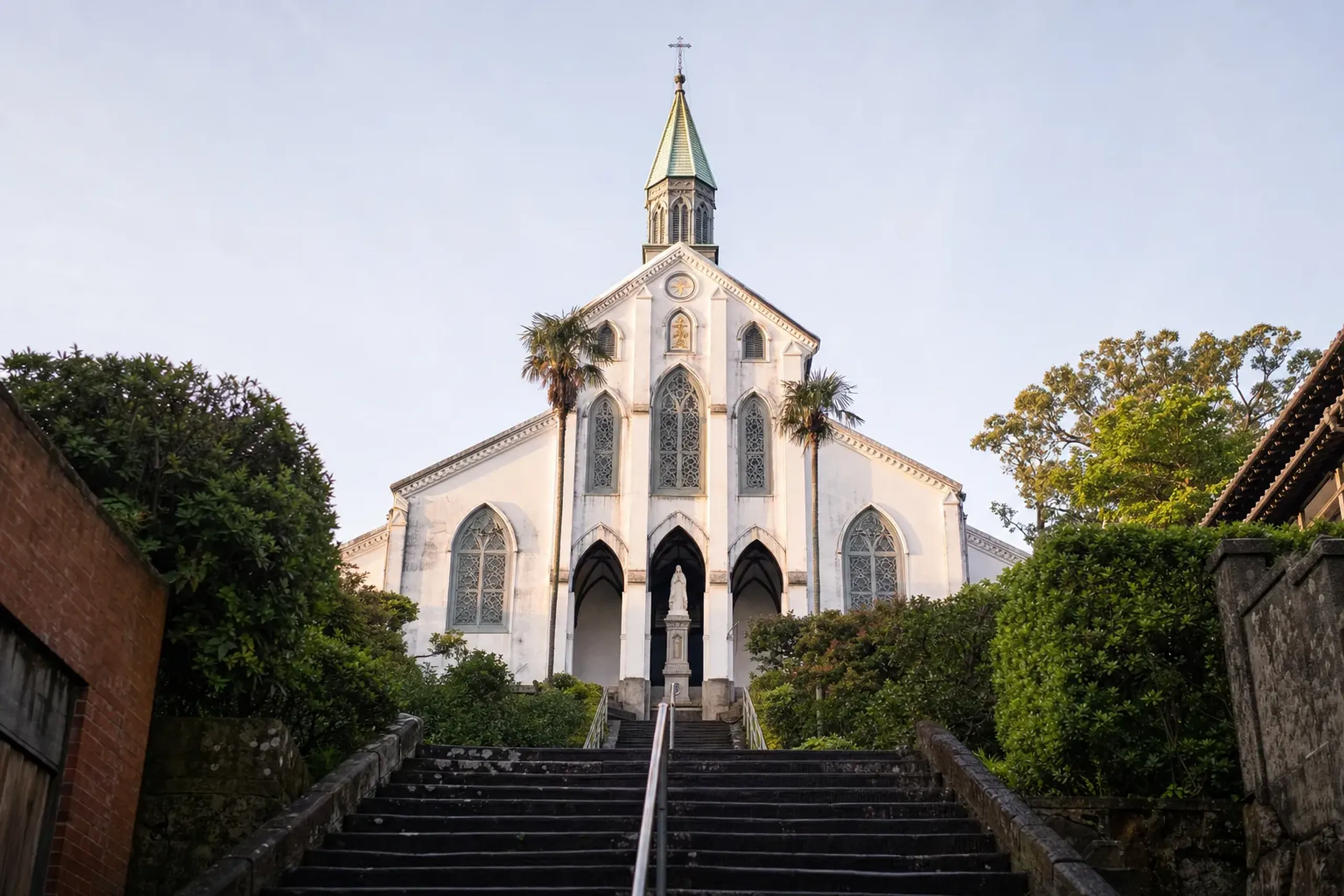
The telling is factual and calm. There is no sermon in it, and no attempt to persuade. The history is remarkable enough on its own.
We sequence this visit on a separate half-day from the Peace Park. Both ask for reflection, but of different kinds, and stacking them dulls each one. A morning for the peace sites, an afternoon or a following morning for the Christian heritage. The city is small enough to allow that rhythm without wasted hours.
The Harbor City: Dejima And Glover Garden
Nagasaki looked outward long before most of Japan did, and two sites make that history tangible.
Dejima was the Dutch trading post in Nagasaki during the centuries when Japan's foreign trade was tightly restricted. For a long stretch, this small artificial island was one of the few windows through which Western goods and ideas reached the country. Walking its reconstructed lanes, you feel how narrow that window was, and how much passed through it.
Glover Garden climbs the hillside above the harbor, a collection of Western-style residences left from the era when foreign merchants settled here. The views over the water are part of the appeal, and so is the architecture, which sits oddly and beautifully against the Japanese city below. An hour or two here balances the heavier mornings. It is the city at its most relaxed.
Can You Land On Hashima Island?
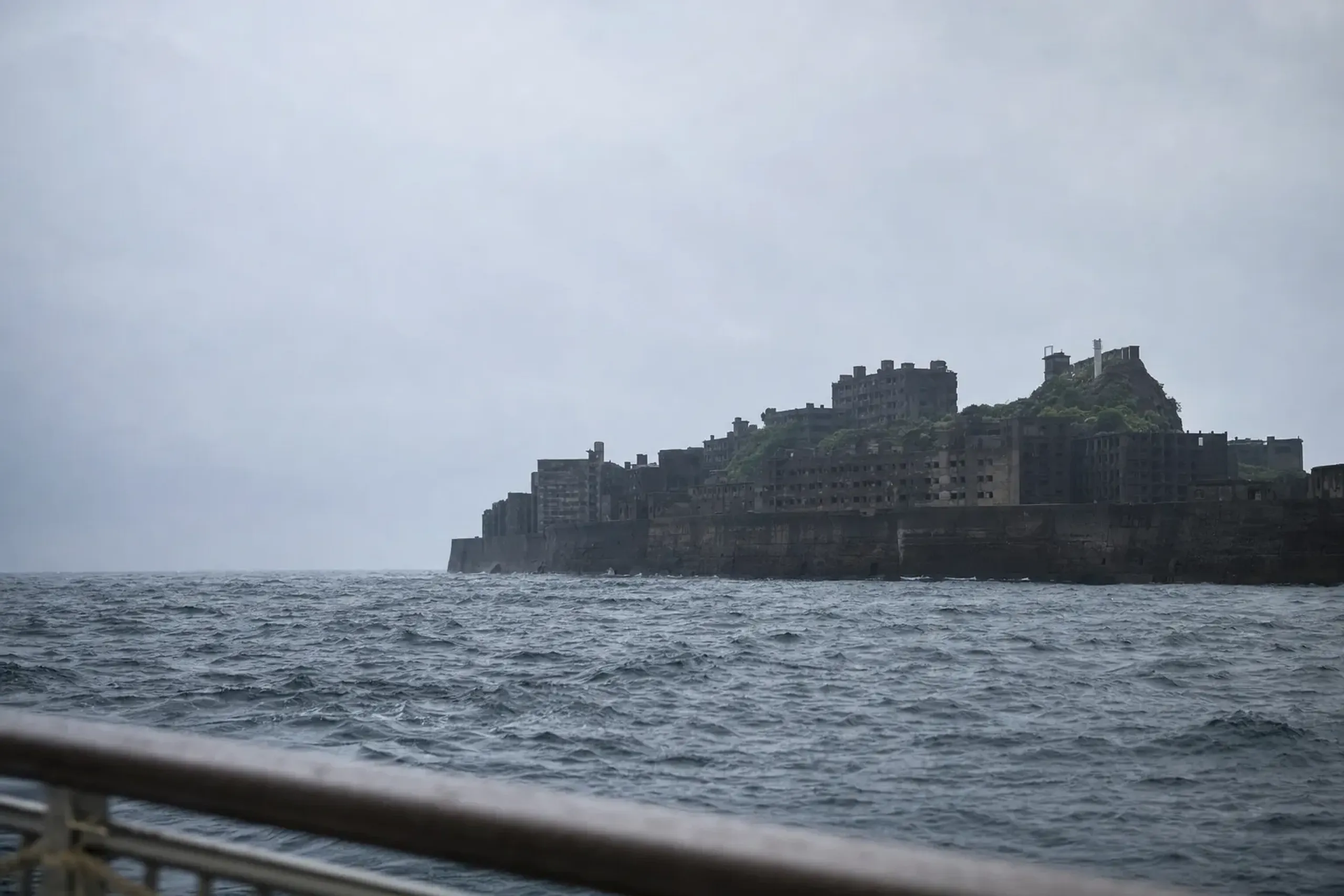
Landing on Hashima (Gunkanjima) is possible on cruise-and-landing tours from Nagasaki, but it is not guaranteed; city rules on weather and safety may cancel the landing even on a calm-looking day.
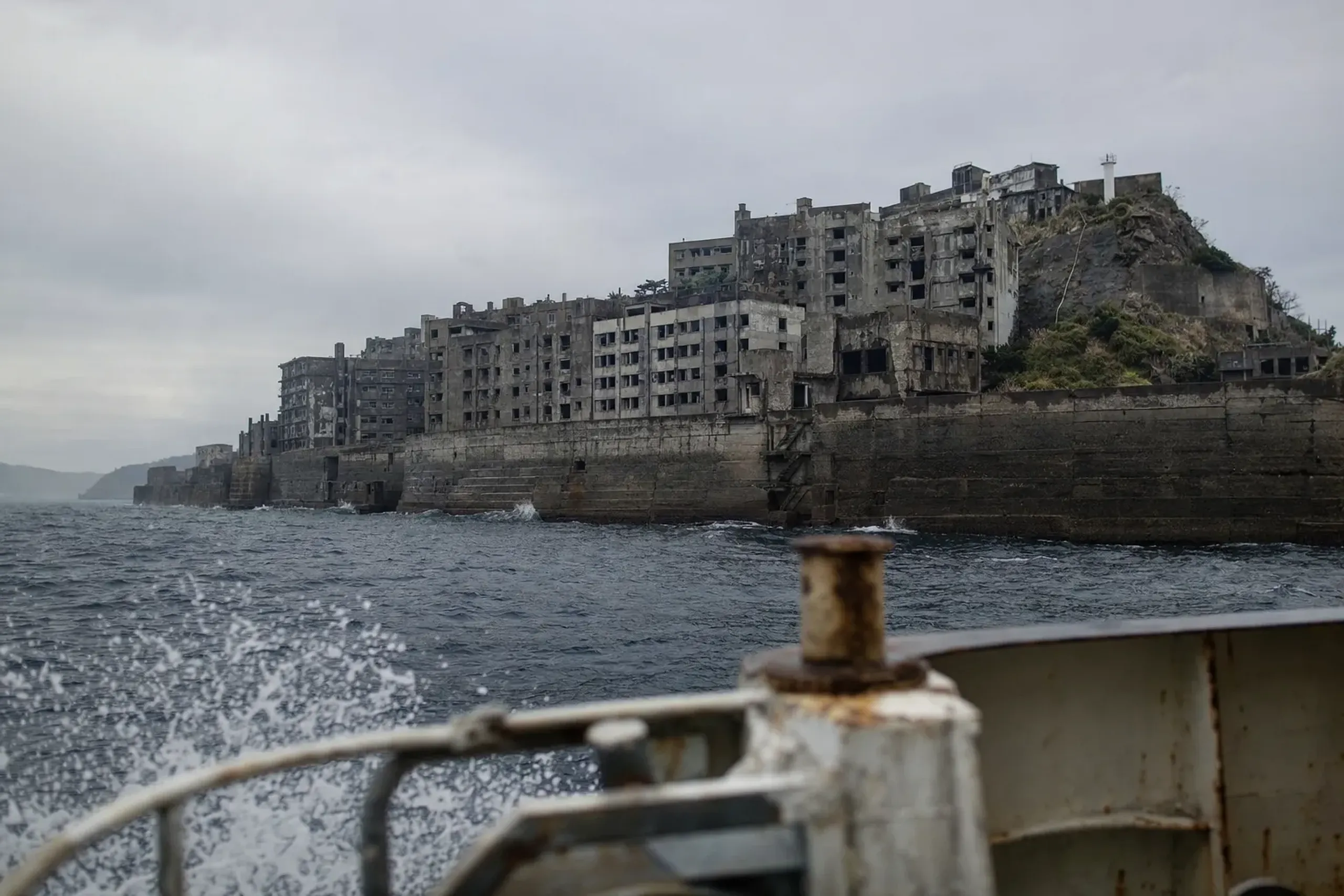
Hashima flourished as a coal-mining community from 1890 to 1974 and was deserted after the mine closed. Cruise-and-landing tours run from Nagasaki Port and require advance reservation, with tour lengths varying by operator. Because the landing depends on sea conditions and city rules rather than the forecast you see, we book it early in your stay when possible, and we plan with a fallback already in mind. If the landing is called off, the day still holds: the harbor, Glover Garden, and the museum fill it without a sense of loss. Our concierge confirms the operator's rules and the day's status directly with you at the time of arrangement.
A Third Night: Arita Or Unzen
Two nights cover the city well. A third night opens the door to a day trip, and two directions suit a Nagasaki base.
Arita For Porcelain
Arita is Japan's porcelain town, and it rewards anyone with an eye for craft. The shokunin tradition here runs deep, and a visit lets you see how clay becomes something fine through hands that have practiced for decades. We cover the town in detail in our regional guides, and a half-day with a guide turns a browse into an education. For guests drawn to making rather than looking, this is the day to choose.
Unzen For Quiet
Unzen offers the other register entirely.
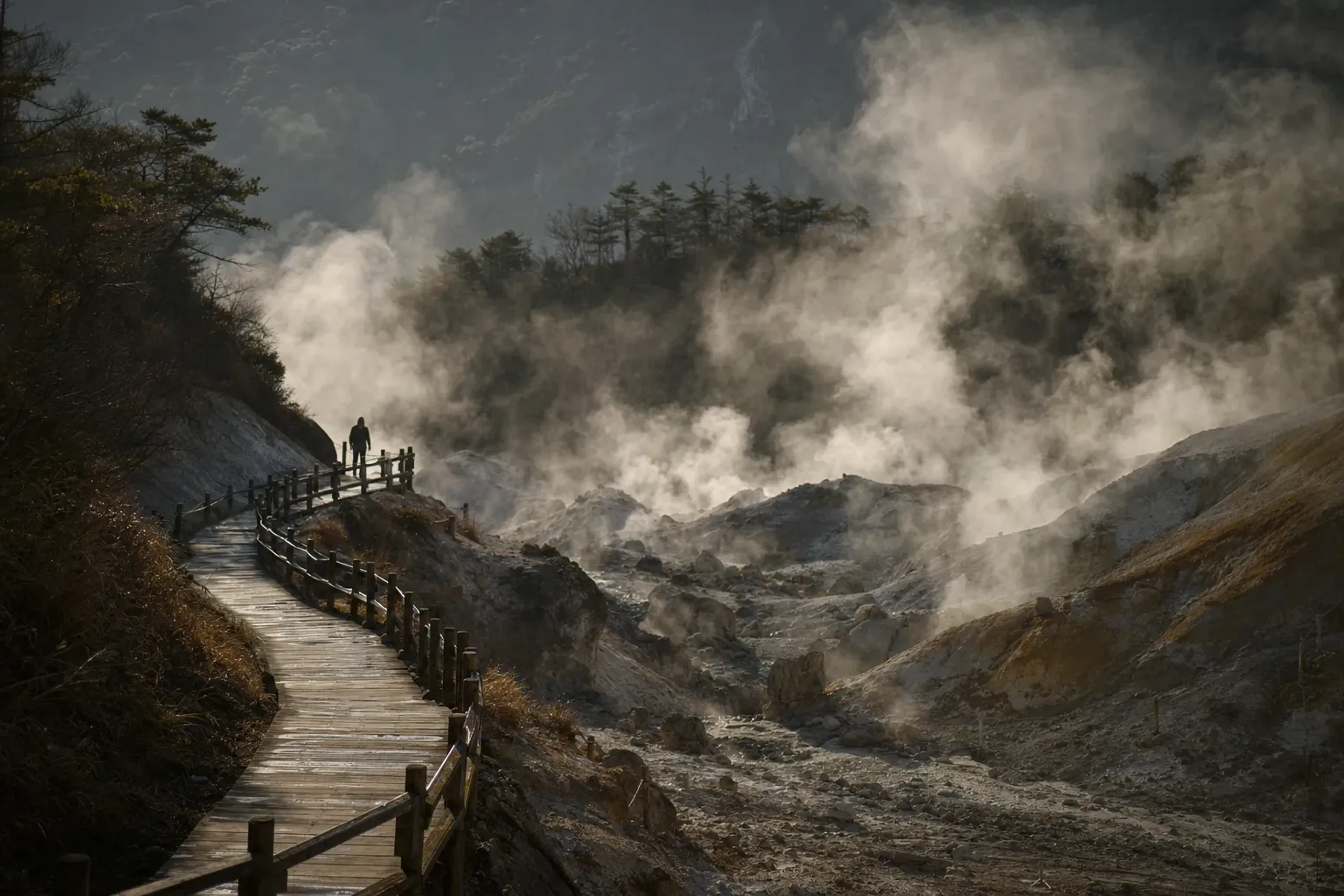
After the city's weight, a night near the hot springs resets the trip. This is the pairing we often recommend for travelers who want culture and calm in one journey: Nagasaki for its history, Unzen for its stillness. The two sit close enough to link without a long transfer, and our driver handles the door-to-door logistics so the change of pace feels effortless.
Which third night you choose comes down to temperament. Craft or quiet. Our concierge helps you decide based on the shape of the rest of your trip, drawing on the same thinking we bring to longer route planning.
Frequently Asked Questions
How Many Nights Should I Spend In Nagasaki As A Base?
Two nights cover the Peace Park, the Hidden Christian sites, the harbor, and a Hashima cruise at a calm pace. A third night adds a day trip to Arita or Unzen without crowding the schedule.
Is It Worth Visiting The Peace Park With A Private Guide?
Yes. A guide handles the logistics quietly so you can focus on reflection rather than navigation. At the Peace Park our guides say little by design; the value is calm orientation, not commentary.
What Happens If The Hashima Landing Is Cancelled?
If city rules on weather or safety cancel the landing, the cruise may still run as a sea tour, and the day fills easily with Glover Garden, Dejima, and the museum. Our concierge plans this fallback in advance.
Can You Reach Nagasaki Easily From Fukuoka?
Yes. From Hakata, the Relay Kamome express runs to Takeo-Onsen with a cross-platform change to the Nishi-Kyushu Shinkansen, reaching Nagasaki in about 1.5 hours. A private transfer at either end removes the luggage friction.
Why Choose Japan Royal Service
Nagasaki works as a base because someone sequences it well. That is the work our team at Japan Royal Service does. We arrange your lodging, a partner-supplied private vehicle with a driver, guiding at the sites that need context, and the Hashima landing cruise with a fallback already planned.
The guiding matters most at two places: the peace sites, where restraint is everything, and the Hidden Christian churches, where history without context is just architecture. Our concierge pairs you with people who read the room and adjust. For weather-dependent arrangements like the cruise, our team confirms the day's status with you directly rather than leaving you to chase an operator.
We think in days and registers, not boxes to tick. The same pacing philosophy guides our longer itineraries, from multi-day regional routes to a focused two-night city stay. Discretion runs through all of it. Your itinerary and your name stay between us.
Nagasaki, given its proper pace, becomes a place you understand rather than one you merely saw.
For private coordination, reach our team directly via WhatsApp or LINE, or contact us here, to begin planning your Nagasaki base stay.