
LINE ID japanroyalservice
+817013781777 click here
+817013781777 click here

Are you seeking a Japanese escape that transcends the typical neon lights of Tokyo or the crowded temples of Kyoto? Many discerning travelers yearn for a destination that balances historical soul with modern luxury. Otaru, a picturesque port city on Hokkaido’s western coast, offers exactly that—a refined retreat where maritime heritage meets world-class artistry and gastronomy.
In this guide, we’ll explore how Otaru has transformed from a commercial powerhouse into Japan’s most enchanting cultural sanctuary. Whether you are drawn by the glow of gas-lit canals or the precision of master sushi chefs, Otaru promises an experience as rare and polished as its famous glassware.
Otaru’s story is one of remarkable evolution. Once a bustling hub for herring fishing and international trade, it served as the “Wall Street of the North” during the Meiji and Taisho eras. Today, that industrial strength has softened into a sophisticated cultural landscape.
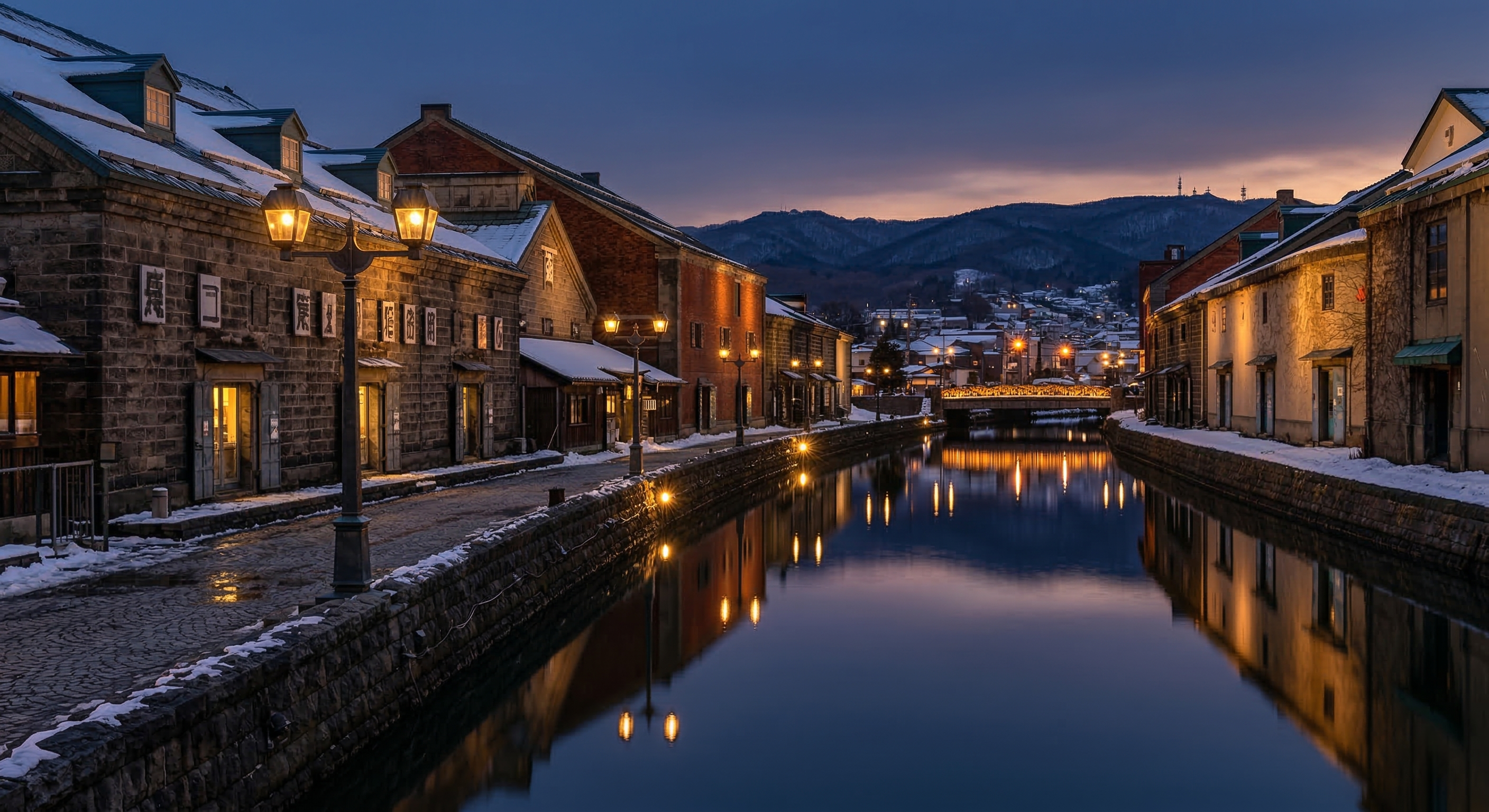
The city’s heart beats along the Otaru Canal. Completed in 1923, this waterway was once the primary artery for cargo ships. Now, it serves as a stunning promenade. The iconic stone warehouses that line the banks have been meticulously preserved, housing high-end boutiques and intimate dining spaces.
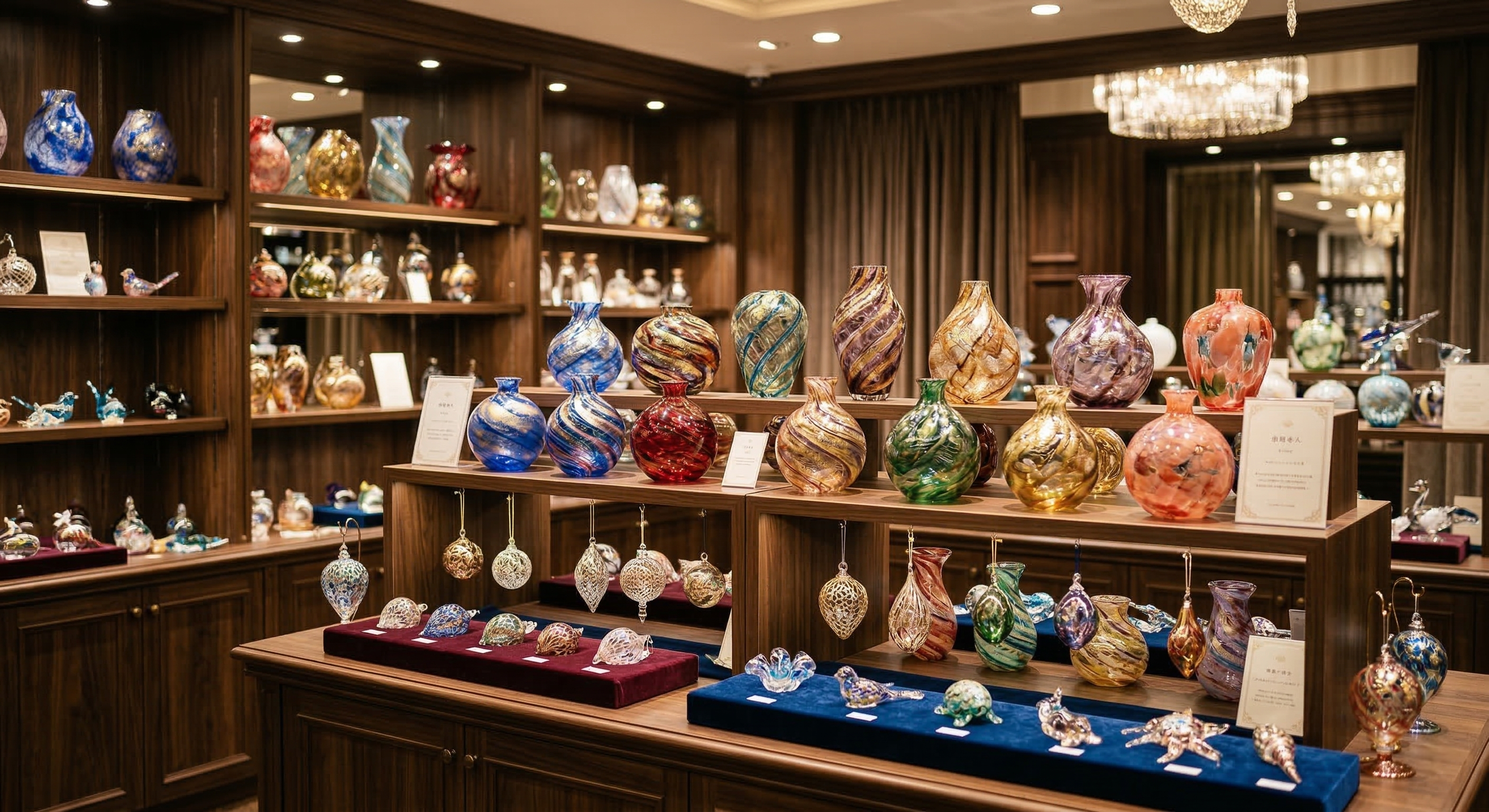
For the high-net-worth traveler, Otaru offers a unique opportunity to witness—and acquire—genuine Japanese craftsmanship. The city is world-renowned for its glassworks, a tradition born from the practical need for oil lamps and fishing floats.
Walking through the Sakaimachi Street district, you’ll find Kitaichi Glass. This legendary establishment operates out of converted warehouses, where the flicker of 167 oil lamps creates a workspace like no other. Here, you can commission custom pieces or browse galleries of delicate, hand-blown art.
Otaru is also home to one of the world’s largest collections of music boxes. The Otaru Music Box Museum is a sensory delight, housed in a 1912 brick building. It features thousands of intricate pieces, from antique European cylinders to modern Japanese designs, all customizable with your favorite melodies.
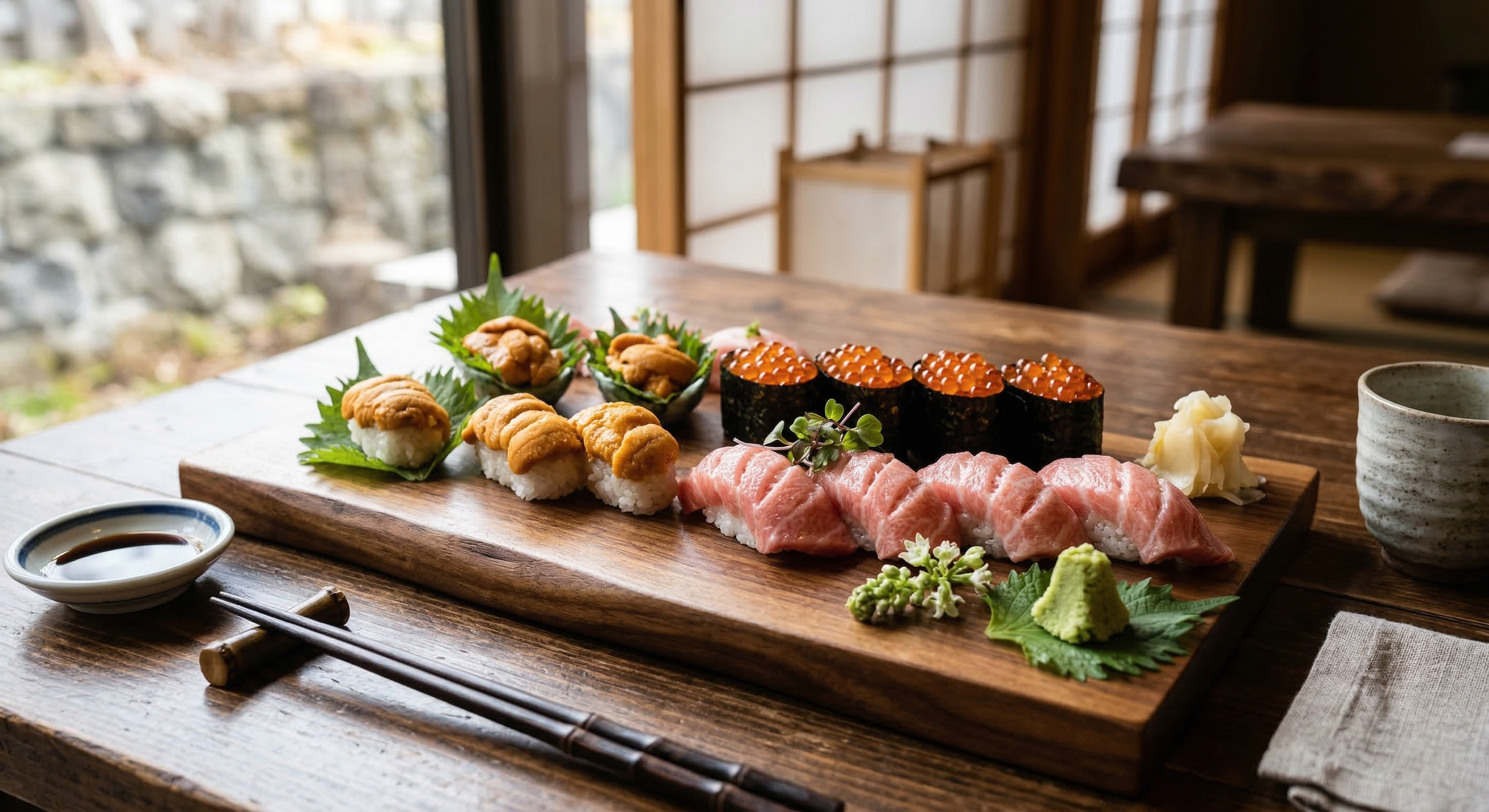
No visit to Hokkaido is complete without indulging in its legendary culinary scene. Otaru, specifically, is a pilgrimage site for seafood connoisseurs. The cold, nutrient-rich waters of the Sea of Japan provide a bounty that is delivered fresh to the city’s tables daily.
Otaru’s sushi masters are celebrated for their restraint and respect for the ingredient. At Sushi Zen (Sushi Street), you’ll find establishments that have perfected the art over generations.
For those with a sweet tooth, the name LeTAO is synonymous with Otaru. Their Double Fromage cheesecake is a masterpiece of texture and flavor, blending French techniques with Hokkaido’s rich dairy.
To truly understand the city’s sophisticated past, one must visit the Otaru Art Base. This collection of four historic buildings—all former banks or trading houses—now serves as a world-class museum complex.
| Museum | Highlight | Architectural Significance |
| Stained Glass Museum | 19th-century British ecclesiastical glass | Former Takyu Bank (1923) |
| Nitori Museum of Art | Art Nouveau and Tiffany collections | Former Hokkaido Takushoku Bank |
| Takehara Gallery | Traditional Japanese Nihonga paintings | Former Merchant Warehouse |
| Kitaichi Hall | Atmospheric cafe with live piano | Former glass manufacturing facility |
For a more private experience, a visit to the Aoyama Villa (The Herring Mansion) is essential. This Taisho-period estate offers a glimpse into the opulent lives of the “Herring Kings,” featuring exquisite woodwork and manicured Japanese gardens.
Otaru is a destination that rewards visitors year-round, with each season offering a distinct atmosphere for the discerning traveler.
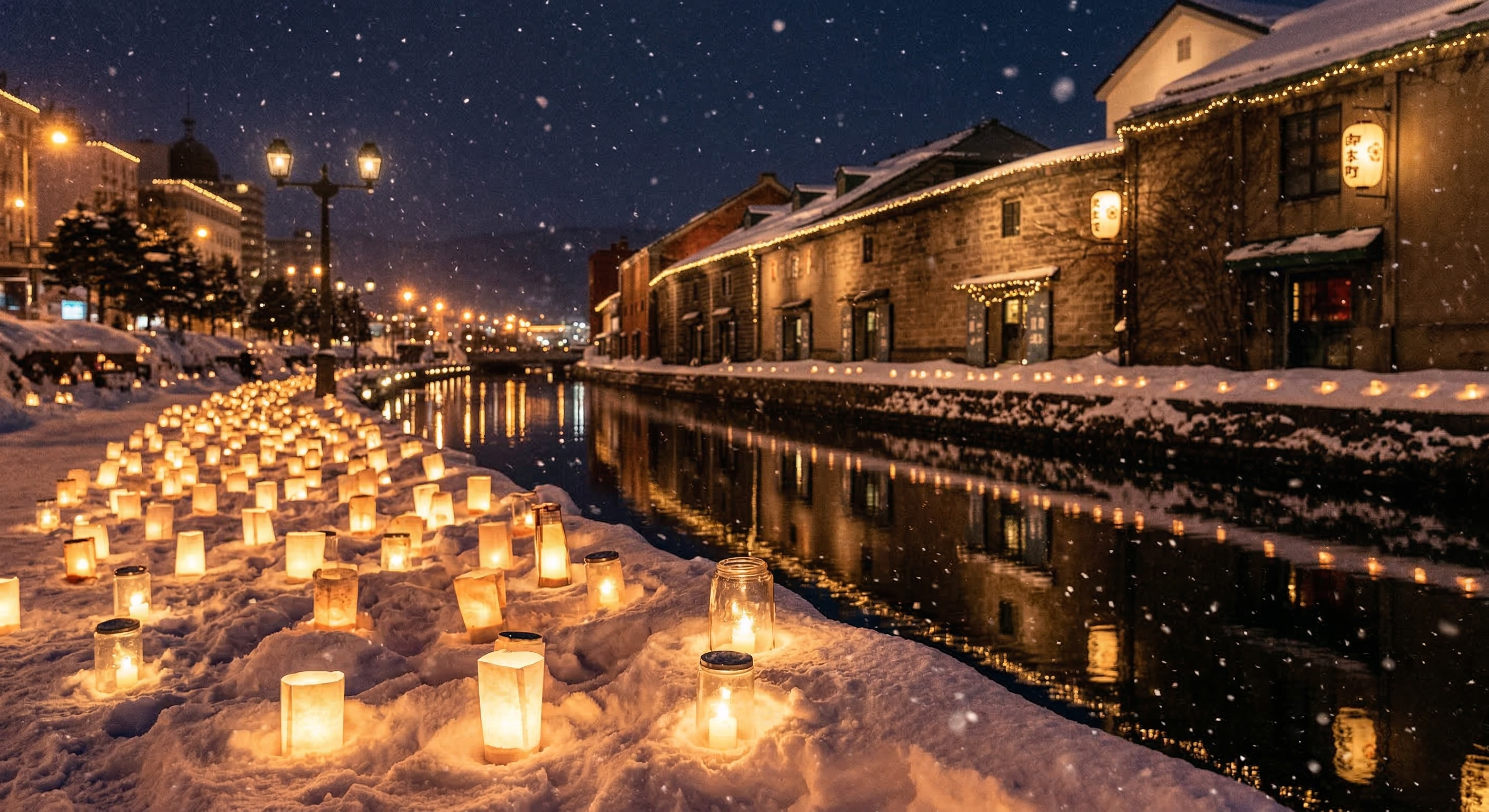
In February, the city transforms into a winter wonderland during the Yukiakarinomichi. Thousands of floating candles are placed on the canal, and hand-carved snow lanterns line the streets. It is an ethereal experience that provides a quiet, reflective contrast to the more crowded festivals in Sapporo.
During the warmer months, the Mt. Tengu Ropeway offers panoramic views of the Ishikari Bay. The air is crisp, and the surrounding mountains provide a lush backdrop for hiking or visiting local sake breweries that utilize Hokkaido’s pristine snowmelt water.
While Otaru is a walkable city, maximizing your time requires strategic planning. For travelers who value privacy and comfort, private transportation is the gold standard.
Navigating the historic districts in a private vehicle allows you to move seamlessly between the Sakaimachi shopping district and the more secluded villas on the city’s outskirts. This is especially vital during the winter months, when snowy conditions can make public transit less convenient.
Pro Tip: Consider staying in one of the luxury properties in nearby Sapporo and arranging a private day excursion to Otaru. This allows you to enjoy the high-end amenities of the capital while experiencing the boutique charm of the port city.
Shopping in Otaru is an exercise in curation. Rather than mass-produced trinkets, you will find heirlooms.
Otaru, Japan, is more than just a scenic port; it is a legacy to the beauty of preservation and the pursuit of quality. From its meticulously maintained architecture to its world-class seafood and glass artistry, it offers a rare level of quiet sophistication in modern travel. For those who appreciate the finer details of life, Otaru isn’t just a stop on an itinerary—it is a destination that stays with you long after the gas lamps have faded from view.
At Japan Royal Service, we specialize in transforming your travel aspirations into luxurious realities. We understand that your time is your most valuable asset. Our team of experts is ready to curate a bespoke Otaru itinerary tailored specifically to your interests—from private s tastings with renowned masters to exclusive access to historic villas.
Would you like us to begin crafting your personalized Hokkaido journey today? [Contact our travel specialists here] to start planning your next unforgettable Japanese adventure.