In this guide
- 01The Timeless Allure of Asakusa: History & Culture
- 02Exploring Senso-ji Temple and Sacred Spaces
- 03Shopping & Street Life: Nakamise, Denboin-dori, and Beyond
- 04Unique Attractions & Hidden Gems in Asakusa
- 05Culinary Delights: Eating and Drinking in Asakusa
- 06Practical Travel Tips for Visiting Asakusa in 2026
Step into the vibrant streets of Asakusa, where centuries-old traditions meet the pulse of modern Tokyo. Asakusa stands as the city’s most storied neighborhood, beloved by history enthusiasts and first-time visitors alike. This Asakusa Guide 2026 reveals the district’s iconic sights, from Senso-ji Temple to lively local markets, authentic cuisine, and cultural festivals. Unlock insider tips, discover hidden gems, and experience the seamless blend of heritage and innovation. Whether you crave ancient temples, culinary adventures, or expert travel advice, let this guide inspire and empower your perfect Asakusa journey.
The Timeless Allure of Asakusa: History & Culture
Step into Asakusa and you will find a living museum of Tokyo’s past. This district began as the vibrant heart of Edo-period Tokyo, known as the “shitamachi” or old town. Its network of narrow lanes and preserved wooden houses make Asakusa a rare pocket of tradition in a rapidly changing city.
Many of Asakusa's streets are lined with historic architecture. You can still spot over 150 shrines and temples scattered through the area, each echoing centuries of spiritual life. Senso-ji, founded in 628 AD, stands as Tokyo’s oldest temple and a symbol of resilience. The district weathered the devastation of WWII, with much of its charm rebuilt during postwar reconstruction. Despite these challenges, Asakusa has maintained its nostalgic atmosphere, even as modern skyscrapers rise nearby.
Asakusa also flourished as a center of entertainment. Kabuki theaters, bustling geisha districts, and lively street performances made it a hub for Tokyoites seeking leisure. This blend of sacred and secular tradition continues to define Asakusa today. The area’s ability to preserve its unique identity, even as the city modernized, is a testament to the strength and pride of its local communities.
Asakusa’s Origins and Transformation
The roots of Asakusa reach deep into the history of Japan’s capital. During the Edo period, it served as a commercial and cultural crossroads. Its “shitamachi” character is visible in the labyrinth of alleys, where you can still find traditional craftspeople at work. After the hardships of the war, Asakusa quickly rebuilt, honoring classic styles while adapting to new realities.
Strolling the streets, visitors notice how Asakusa balances old and new. The presence of historic shrines, lantern-lit passageways, and wooden facades recalls earlier centuries. Yet, the neighborhood remains lively, filled with both locals and travelers. Asakusa’s resilience is seen not only in its architecture but also in the enduring spirit of its people.
Cultural Highlights and Annual Festivals
Asakusa is celebrated for its vibrant calendar of festivals and cultural events. The Sanja Matsuri, one of Tokyo’s largest and most energetic festivals, fills the streets every May with processions, music, and portable shrines. For those planning a visit, the Sanja Matsuri 2026 Schedule provides key dates and details to make the most of this unforgettable event.
Beyond Sanja Matsuri, Asakusa hosts the colorful Samba Carnival and the breathtaking cherry blossom season in Sumida Park. Artisans keep traditional crafts alive, from hand-painted lanterns to delicate fans. Community events, temple rituals, and street performances all play a role in maintaining Asakusa's cultural heritage.
These festivals and traditions define Asakusa's place in Tokyo’s identity. Locals take pride in passing down customs through generations, ensuring that the old town’s spirit continues to thrive amidst the city’s modern rhythm.
Exploring Senso-ji Temple and Sacred Spaces
Step into Asakusa and discover a world where ancient spirituality meets vibrant city life. Sacred spaces are at the heart of this district, inviting visitors to experience centuries-old rituals and architectural wonders. Whether you seek tranquility or cultural immersion, Asakusa's temples and shrines offer a glimpse into Tokyo’s timeless traditions.
Senso-ji Temple: Tokyo’s Oldest and Most Iconic Shrine
Begin your journey through Asakusa at Senso-ji Temple, Tokyo’s oldest and most revered spiritual site. Enter through the Kaminarimon, the iconic Thunder Gate, crowned with a 700kg red lantern that marks the entrance to this sacred ground. Legend tells of two fishermen who discovered a statue of Kannon, the goddess of mercy, in 628 AD, giving birth to a temple that now draws millions each year.
Stroll past the vibrant Nakamise shopping street and approach the Hozomon Gate, a formidable structure protecting precious temple treasures. The five-story pagoda rises gracefully nearby, while the main hall welcomes visitors for prayer and reflection.
Engage in time-honored rituals such as:
- Drawing omikuji fortunes to glimpse your destiny
- Purifying with incense at the giant cauldron
- Observing the illuminated temple grounds in the peaceful evening hours
Senso-ji is most enjoyable in the early morning or after sunset, when the crowds thin and the spiritual ambiance deepens. Asakusa’s enduring spirit is palpable here, making every visit a meaningful experience.
Other Notable Temples and Shrines
Beyond Senso-ji, Asakusa is home to a wealth of hidden sacred spaces that reveal the neighborhood’s rich cultural tapestry. Discover Matsuchiyama Shoden, a temple beloved for prayers related to love, career, and family. Here, visitors offer daikon radishes, symbolizing purification and good fortune, in heartfelt local customs.
Wander through narrow alleys to find small neighborhood shrines, each with unique traditions and seasonal festivals. These lesser-known sanctuaries preserve Asakusa's spiritual roots and offer a serene escape from the district’s lively streets.
For those eager to delve deeper, consider joining Guided tours in Tokyo to access expert insights and exclusive temple experiences. With a knowledgeable guide, you can unlock stories and rituals often missed by casual visitors, enriching your journey through Asakusa's sacred heritage.
Shopping & Street Life: Nakamise, Denboin-dori, and Beyond
Wandering the lively streets of Asakusa is an experience like no other in Tokyo. The district’s shopping avenues and bustling lanes immerse visitors in a vibrant blend of history, culture, and sensory delights. Whether searching for unique souvenirs or soaking up the local atmosphere, Asakusa's street life is essential to any visit.
Nakamise Street: Traditional Shopping Experience
Nakamise Street is the beating heart of Asakusa's shopping scene. Dating back to the 17th century, this historic avenue features over 90 family-run shops, each brimming with character. Visitors can browse stalls selling intricate souvenirs, handcrafted fans, vibrant kimonos, and traditional sweets like ningyo-yaki.
The appeal of Nakamise Street lies not just in its variety but in its role as a guardian of Asakusa's artisanal and culinary heritage. Generations of shopkeepers continue to uphold customs and craftsmanship, offering an authentic taste of old Tokyo. For those seeking to immerse themselves in traditional Japanese experiences, Nakamise is an unmissable stop.
Despite its popularity and frequent crowds, the street retains an intimate charm, making every stroll a journey through Asakusa's living history.
Atmospheric Streets: Denboin-dori, Nishi-Sando, and Hoppy Street
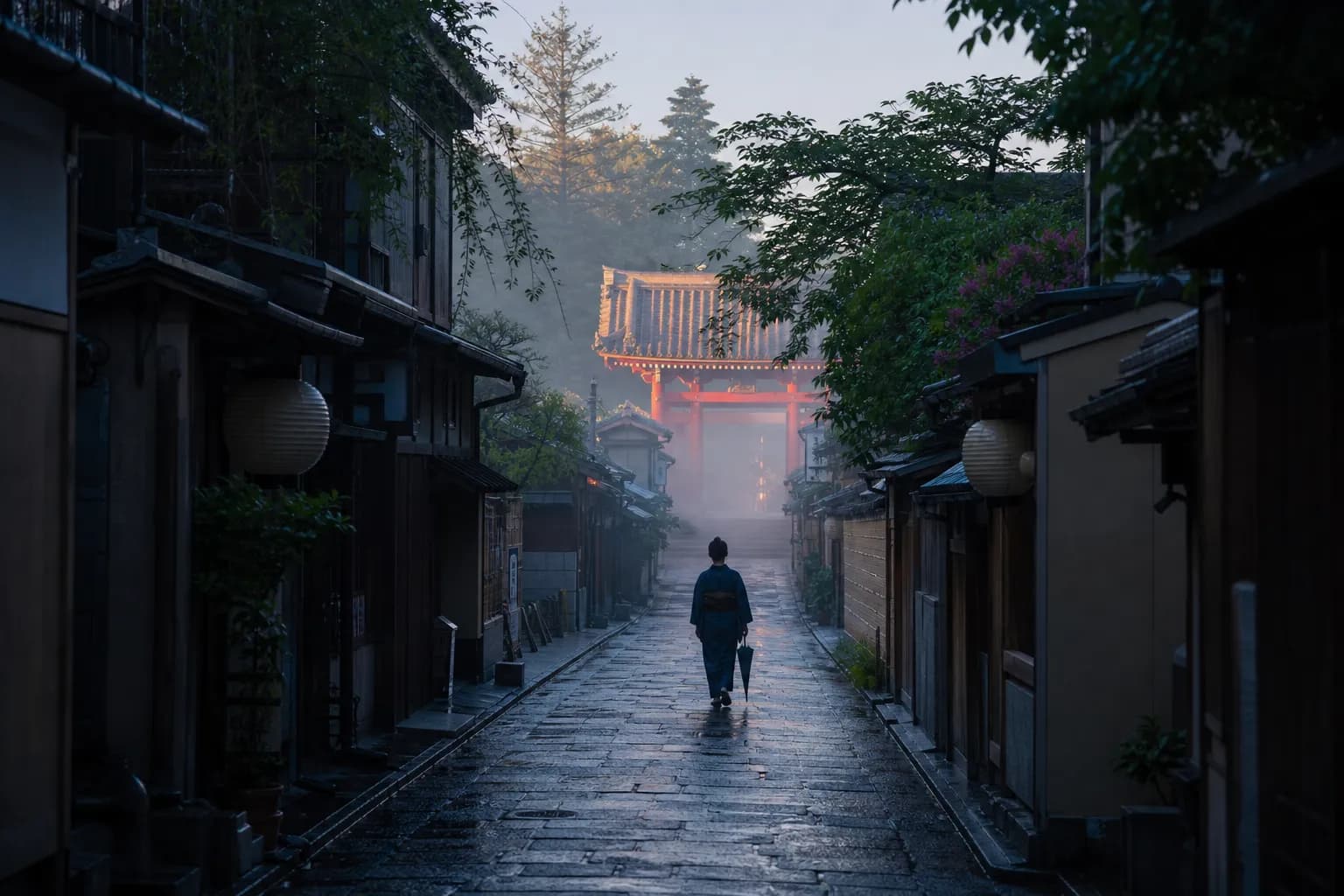
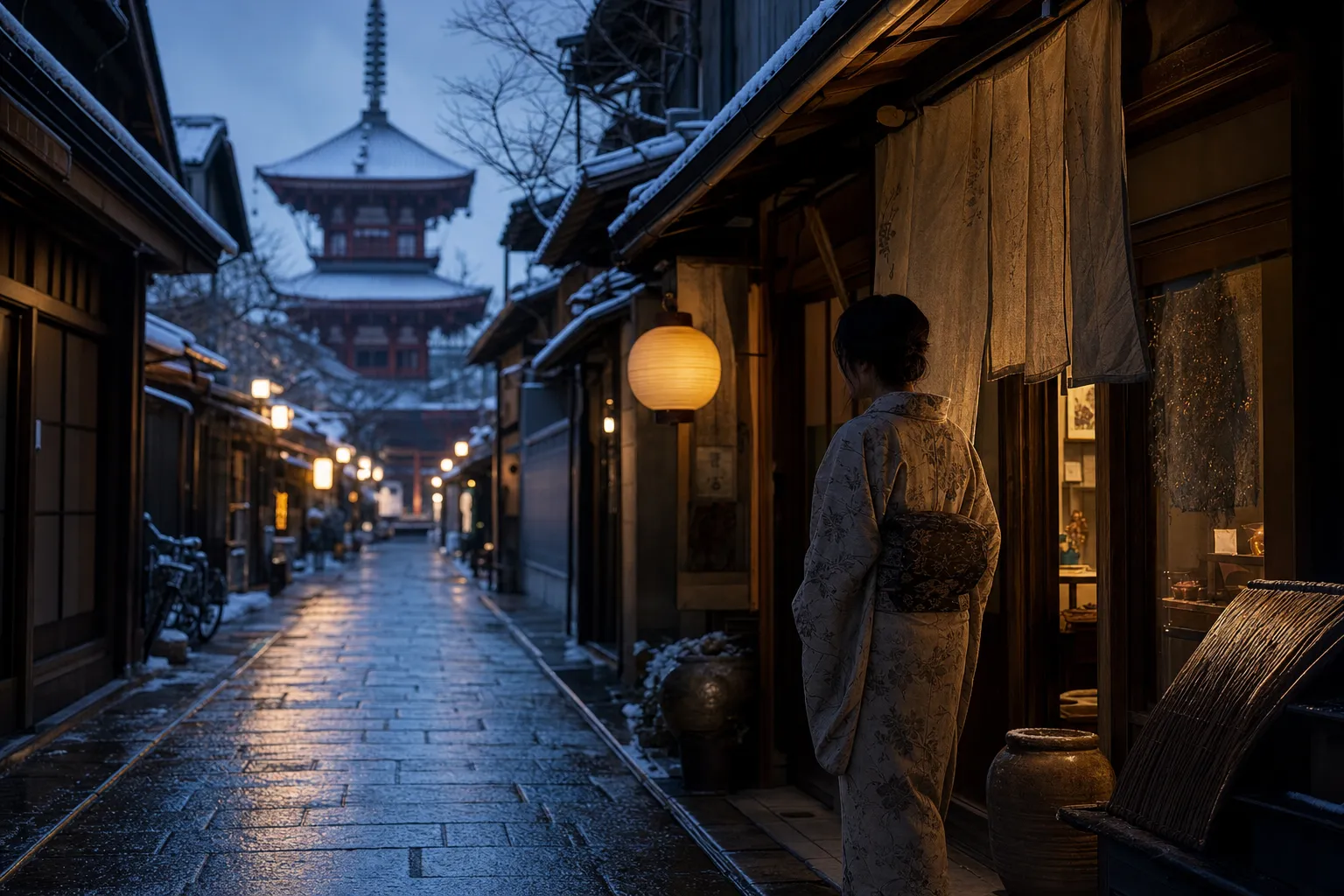
Beyond Nakamise, Asakusa reveals more hidden gems. Denboin-dori enchants visitors with its Edo-era architecture, lantern-lit facades, and historical ambiance. Each evening, the street glows with a nostalgic beauty, transporting you to centuries past.
Nishi-Sando offers a different flavor, with its covered arcade lined with specialty shops and bakeries. Here, the famous melon pan draws locals and tourists alike, while unique boutiques showcase the creative spirit of Asakusa.
For those craving nightlife, Hoppy Street is legendary. This lively lane is filled with izakaya pubs, each pouring the signature Hoppy drink. The area’s roots as a prewar entertainment hub are still felt today, making it the perfect place to experience Asakusa's authentic after-dark energy.
Kappabashi Kitchen Street: Culinary Wonderland
A short walk from the heart of Asakusa, Kappabashi Kitchen Street stands out as Tokyo’s culinary mecca. This district is famed for its vast array of kitchenware shops, offering everything from precision chef knives to whimsical plastic food models that line restaurant displays.
The iconic giant chef head landmark welcomes visitors into a world where culinary dreams come alive. Whether you are a professional chef or a curious traveler, exploring Kappabashi’s stores is both educational and entertaining. Guided tours provide deeper insight, allowing you to sample local foods and learn about the tools that shape Japanese cuisine.
Kappabashi’s unique blend of tradition and innovation perfectly complements Asakusa's reputation as a destination for food lovers and cultural explorers.
Unique Attractions & Hidden Gems in Asakusa
Asakusa is more than just its famous temple and bustling streets. This district harbors an array of unique attractions and secret spots that reveal its playful, nostalgic, and luxurious sides. Whether you’re traveling with family, exploring solo, or seeking an exclusive experience, Asakusa offers hidden gems for every type of visitor.
Asakusa Hanayashiki: Japan’s Oldest Amusement Park
Tucked behind Senso-ji, Asakusa Hanayashiki is a whimsical time capsule dating back to 1853. Originally a botanical garden, it has grown into Japan’s oldest amusement park, still delighting visitors with its retro charm.
Step inside and you’ll find:
- The country’s oldest rollercoaster, creaking with character
- Family-friendly rides like merry-go-rounds and pedal-powered helicopters
- A haunted house, arcade games, and panoramic skyline views
Admission is budget-friendly, with a small entrance fee and pay-per-ride ticket system. Asakusa Hanayashiki is a nostalgic escape that invites you to experience Tokyo’s playful history firsthand.
Asakusa Underground Shopping Street
Beneath the busy surface, Asakusa’s underground shopping street transports visitors to the Showa era. This 1950s arcade, accessible near Asakusa Station and Ekimise, is lined with tiny noodle stands, quirky bars, and vintage shops selling everything from records to retro toys.
Highlights include:
- Authentic ramen counters and standing bars like NinjaBar
- Shopfronts adorned with old posters and neon lights
- A rare slice of postwar Tokyo, preserved for modern explorers
The underground street’s entrances are easy to miss, making it a true hidden gem for those seeking a different side of Asakusa.
Off-the-Beaten-Path Experiences
Venture away from the main avenues and you’ll discover Asakusa’s quieter, more authentic corners. Wander through narrow alleys to find traditional bathhouses (sento) with intricate tilework, or browse intimate art galleries showcasing local talent.
Consider these experiences:
- Sento visits for a relaxing soak and glimpse into neighborhood life
- Gallery-hopping to see contemporary and classic Japanese art
- Exploring residential lanes where locals gather at tiny eateries
These lesser-known spots offer a crowd-free, immersive way to connect with the heart of Asakusa.
Luxury Bespoke Experiences with Japan Royal Service
For travelers seeking the ultimate in comfort and exclusivity, Asakusa can be explored in exceptional style. Luxury travel in Asakusa is redefined by Japan Royal Service, a premier provider of tailor-made experiences.
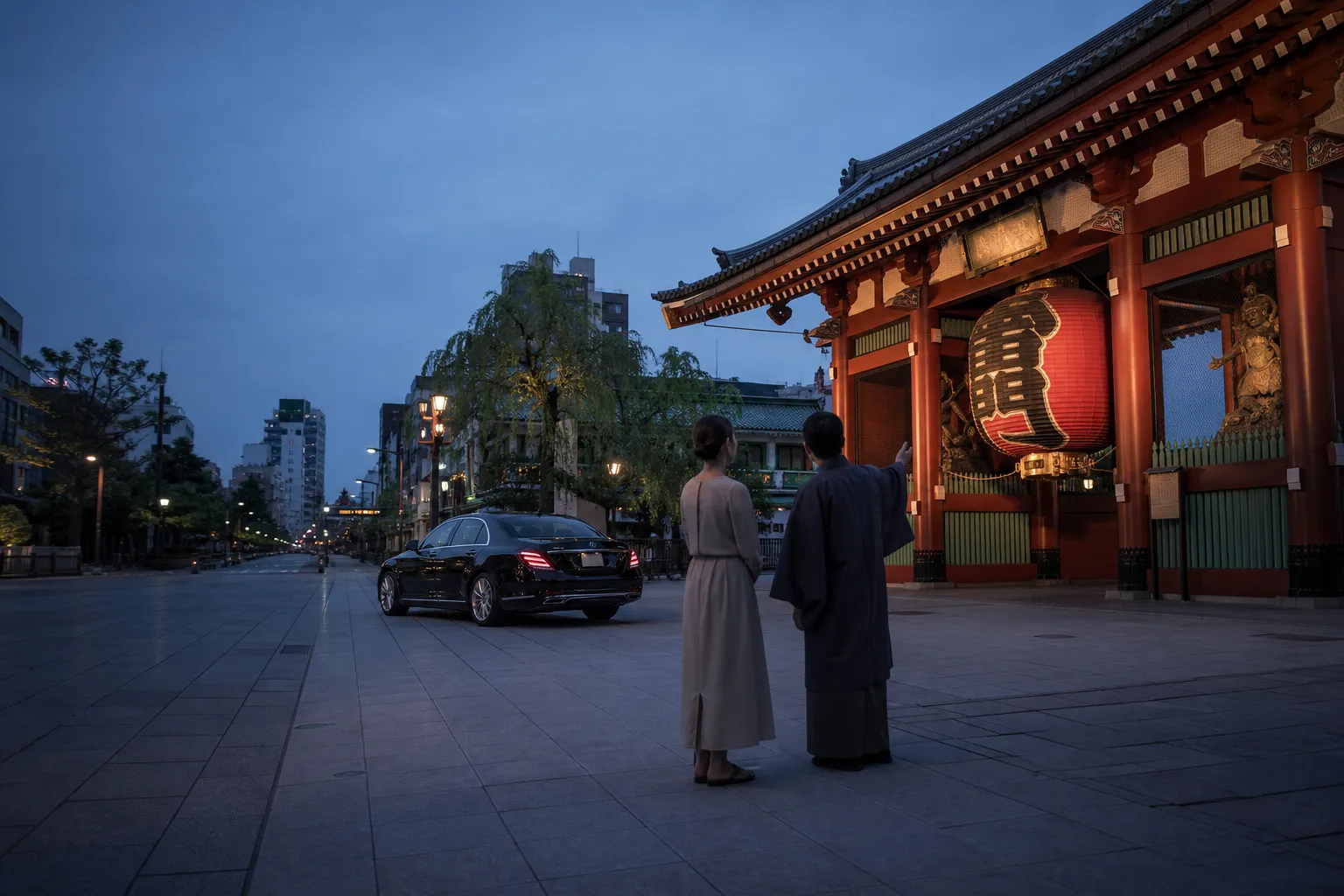
Enjoy private guided tours of Senso-ji, VIP access to artisan studios, and luxury transportation that ensures every detail is seamless. Personalized itineraries and 24/7 support let you uncover Asakusa’s cultural treasures with insider expertise. With Japan Royal Service, every moment in Asakusa is elevated to a truly unforgettable journey.
Culinary Delights: Eating and Drinking in Asakusa
Wandering through Asakusa, every sense is awakened by the aromas, sights, and flavors that define this historic district. The area’s culinary scene weaves together centuries-old traditions with creative new tastes, offering something for every palate. Whether you crave classic street food or refined dining, Asakusa invites you to savor Tokyo’s most authentic flavors.
Traditional Eats and Local Specialties
Asakusa is renowned for its array of traditional eats, where every bite tells a story. Stroll along Nakamise Street and discover ningyo-yaki, small sponge cakes filled with sweet red bean paste, shaped like lucky dolls. These treats are made fresh before your eyes, making them an irresistible snack. Another local favorite is melon pan, a sweet, crisp-topped bun that draws lines at the legendary Kagetsudo bakery.
Tempura restaurants, some with decades of history, serve perfectly light and crispy seafood and vegetables. Soba noodles, both hot and cold, are another staple, prepared with care in small family-run shops. The bustling food stalls throughout Asakusa offer a chance to taste these classics alongside seasonal specialties. For those curious about deeper culinary traditions, explore more about Japanese cuisine and food culture to appreciate the roots behind Asakusa's beloved dishes.
Unique Cafés, Sweets, and Dessert Shops
Asakusa’s café scene is as diverse as its history. Retro kissaten, or nostalgic coffee houses, offer hand-dripped coffee in a setting reminiscent of the Showa era. Themed cafés, including cat cafés, provide playful experiences alongside Japanese sweets. For dessert lovers, matcha ice cream stands are a must-visit, serving rich green tea flavors that perfectly balance sweetness and bitterness.
Wagashi shops showcase beautifully crafted Japanese confections, often inspired by the changing seasons. These traditional sweets pair perfectly with a cup of matcha or sencha. Modern dessert boutiques now blend classic Japanese flavors with Western influences, creating fusion treats unique to Asakusa. Sampling these delights is a memorable way to experience the district’s creative spirit and hospitality.
Nightlife and Drinking Culture
When evening falls, Asakusa transforms into a lively hub for nightlife and local drinks. Hoppy Street comes alive with izakaya pubs, where the signature beverage, Hoppy, is enjoyed with yakitori and small plates. These friendly establishments are perfect for mingling with locals and soaking in the area’s convivial atmosphere.
Sake bars and craft beer pubs are scattered throughout the neighborhood, offering curated selections of Japanese brews. For something truly unique, NinjaBar in the underground shopping arcade delivers quirky cocktails and themed experiences. Asakusa’s nightlife continues to evolve, blending tradition with modern flair.
For travelers seeking a truly elevated experience, our brand offers luxury, tailor-made food and drink tours in Asakusa. Enjoy exclusive tastings, private chef encounters, and seamless service that transforms your culinary journey into an unforgettable adventure.
Practical Travel Tips for Visiting Asakusa in 2026
Planning a visit to Asakusa in 2026 is an exciting opportunity to immerse yourself in Tokyo’s heritage while enjoying modern comforts. Use these practical tips to make your journey smooth, enjoyable, and memorable.
Getting There and Around
Asakusa is easily accessible via Tokyo’s Ginza and Asakusa subway lines, connecting you directly from major stations and airports. For a seamless journey, consider using prepaid IC cards for subway travel, which simplifies transfers and payments. Walking is the best way to explore Asakusa's narrow lanes and bustling arcades, allowing you to uncover hidden gems at your own pace.
Where to Stay: Accommodation Guide
Accommodation in Asakusa ranges from traditional ryokan to modern boutique hotels and affordable hostels. Many hotels offer rooms with stunning views of Senso-ji Temple or the Sumida River. For travelers seeking comfort and location, Asakusa's lodgings are among Tokyo’s most budget-friendly, yet conveniently close to major attractions and public transport.
Seasonal Events and Best Times to Visit
Visiting Asakusa during spring’s cherry blossom season or the lively summer festival period offers unforgettable experiences. The Sumida River Fireworks Festival 2026 is a highlight, drawing visitors for spectacular night displays near Asakusa. To avoid crowds, plan your trip for early mornings or weekdays, and always check weather updates for optimal sightseeing.
Safety, Etiquette, and Local Customs
Asakusa is known for its welcoming atmosphere and low crime rates, but it is wise to keep valuables secure in crowded areas. Respect local customs by removing shoes before entering temples or traditional inns, and follow proper etiquette when taking photos at sacred sites. Practicing polite greetings and observing quiet in public spaces helps you blend in with Asakusa's community.
Resources and Further Reading
Enhance your Asakusa visit by stopping at local tourist information centers or using official guidebooks for in-depth insights. Digital tools such as smartphone apps and interactive maps can help you navigate the district and discover real-time event information. For those seeking a luxury, bespoke experience in Asakusa, consider personalized travel planning for exclusive access to the city’s cultural treasures.
As you immerse yourself in the timeless charm of Asakusa—from wandering historic lanes to discovering vibrant local traditions—you might find that a truly memorable experience comes down to the details. If you’re ready to see Tokyo’s historic heart in a way that’s tailored just for you, why not let an expert guide craft every moment to your interests? We believe your journey should reflect your unique passions and curiosities. Elevate your travel story: Speak with a Japan specialist and tailor your adventure.