
LINE ID japanroyalservice
+817013781777 click here
+817013781777 click here
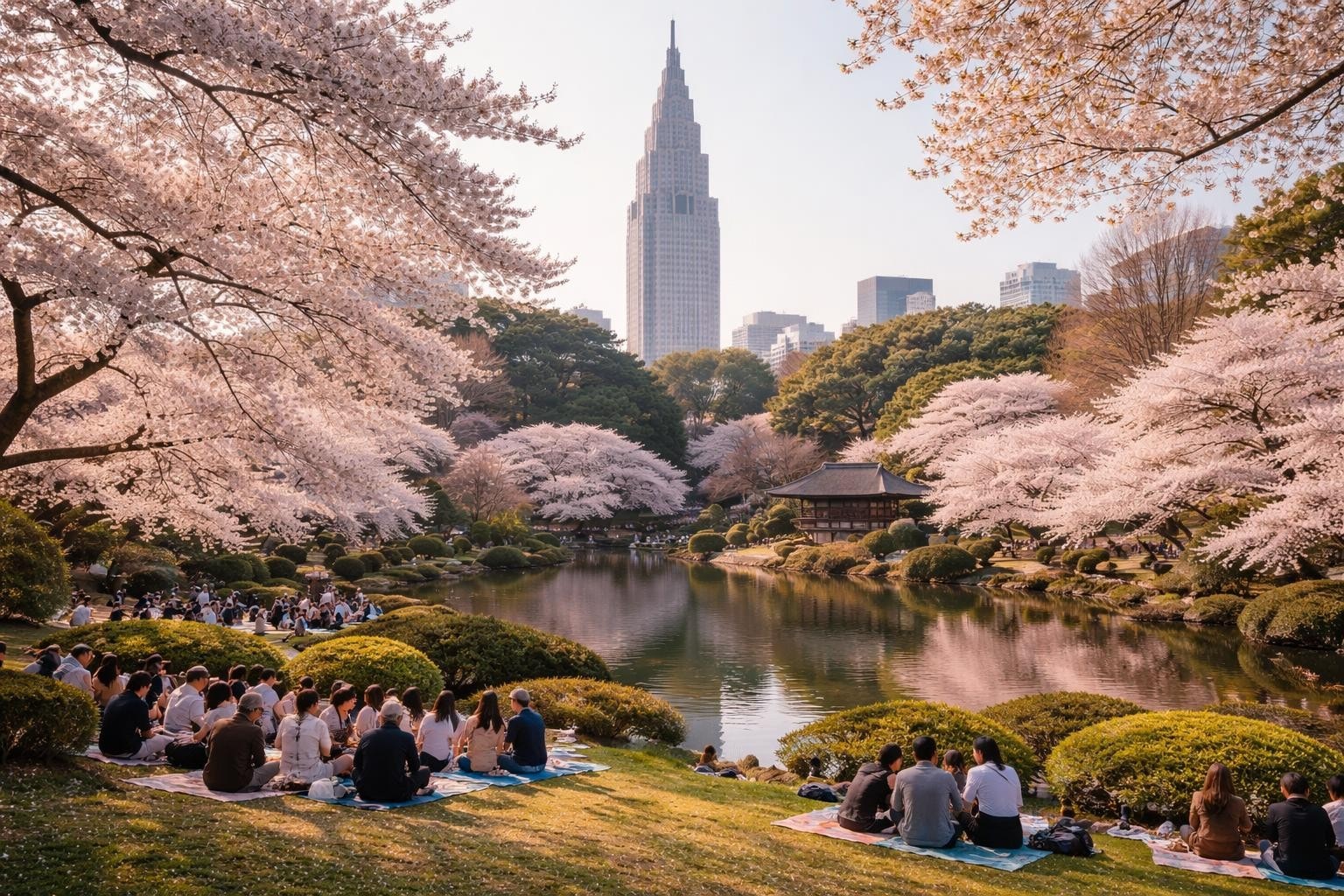
Shinjuku Gyoen National Garden is one of Tokyo’s most prestigious cherry blossom destinations, offering discerning travelers an unparalleled hanami experience that transcends typical park viewing. With over 1,000 cherry trees representing more than 65 varieties, this former imperial garden provides a sophisticated blend of Japanese tradition, botanical diversity, and cultural refinement. The cherry blossoms at Shinjuku Gyoen showcase a remarkable blooming sequence that extends from mid-February through late April, offering visitors multiple opportunities to witness nature’s most celebrated transformation in an environment that reflects both historical grandeur and contemporary elegance.
The botanical diversity within Shinjuku Gyoen extends the sakura season, distinguishing this garden from other sakura-viewing locations in Tokyo. Unlike parks featuring predominantly Somei Yoshino varieties, Shinjuku Gyoen’s comprehensive collection provides a sophisticated progression of blooms throughout spring.
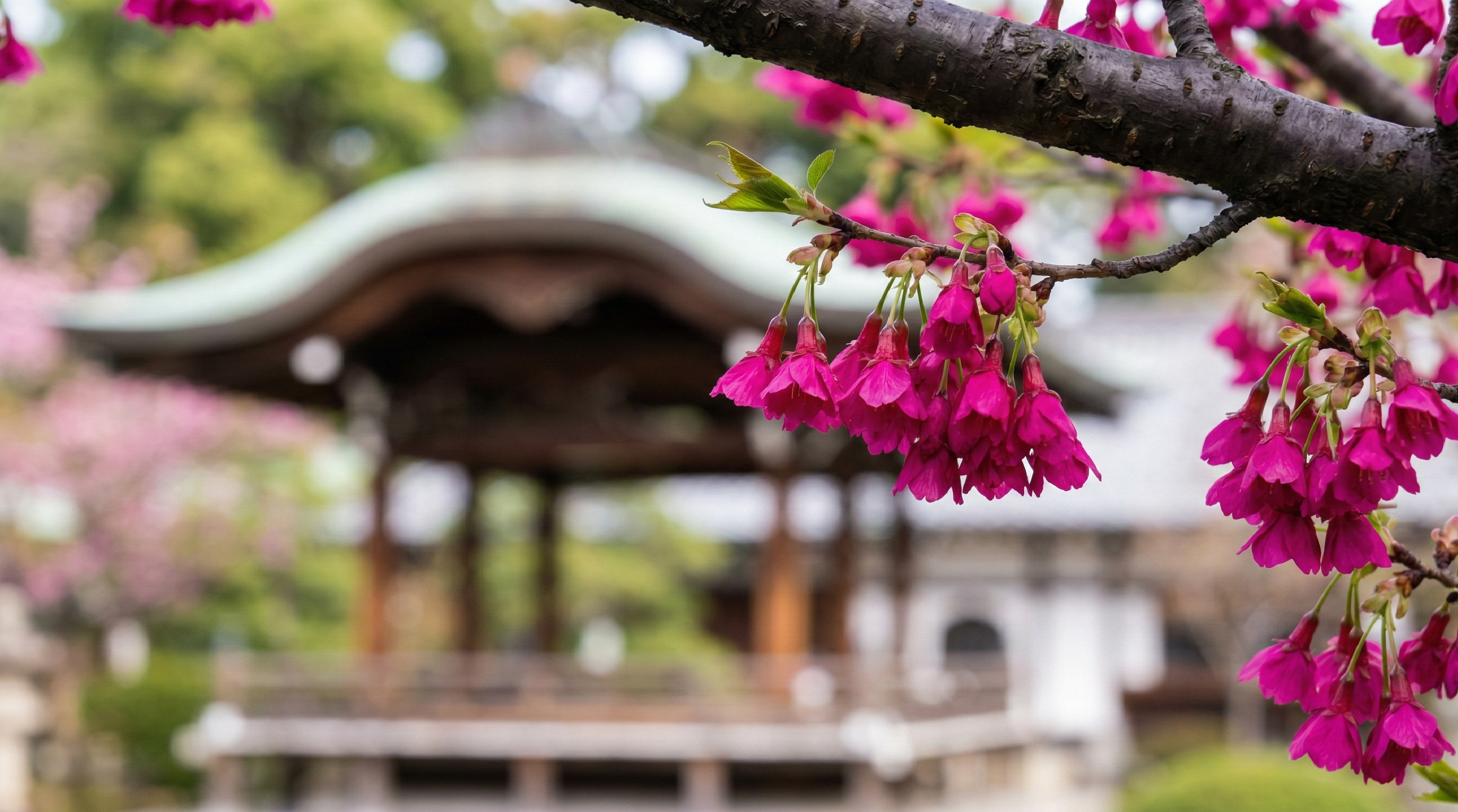
The sakura season begins in mid-February with the Kanzakura variety, known for its deep-pink petals and compact form. These early bloomers offer luxury travelers the opportunity to view cherry blossoms before peak tourist crowds arrive. The Kanhizakura follows shortly after, displaying vibrant bell-shaped flowers that create dramatic visual contrast against the garden’s architectural elements.
Key early varieties include:
The iconic Somei Yoshino dominates the mid-season landscape, typically reaching peak bloom between late March and early April. These beloved trees produce the quintessential pale pink to white blossoms that define traditional hanami experiences. The Japan National Tourism Organization provides detailed bloom forecasts and visitor information that help luxury travelers plan their viewing precisely.
The Yamazakura adds wild elegance with its simultaneous leaf and flower emergence, creating a distinctive reddish-green backdrop that enhances photographic opportunities. For those seeking exclusive viewing experiences, understanding these mid-season varieties enables strategic timing aligned with personal preferences rather than simply following crowd trends.
| Variety | Typical Peak | Petal Color | Distinctive Features |
|---|---|---|---|
| Somei Yoshino | Late March | Pale pink to white | Classic five-petaled, most abundant |
| Yamazakura | Early April | Light pink | Reddish new leaves, wild appearance |
| Oshima-zakura | Early April | Pure white | Large petals, fragrant |
| Shidarezakura | Late March | Light pink | Cascading branches, dramatic form |
The cherry blossoms at Shinjuku Gyoen extend well beyond the typical hanami period, thanks to late-blooming varieties that offer privacy-conscious travelers more intimate viewing experiences. The Ichiyō variety, with its delicate, pale-pink double blossoms, typically peaks in mid-April, when tourist numbers have significantly decreased.
The spectacular Kanzan cherry serves as the grand finale, producing dense clusters of deep-pink double flowers in late April. These dramatic late bloomers offer photographers and culture enthusiasts exceptional opportunities for contemplative observation, free from the pressures of peak-season crowds.
Sophisticated cherry blossom viewing requires understanding both meteorological patterns and cultural context. The cherry blossoms at Shinjuku Gyoen follow predictable yet variable bloom schedules influenced by winter temperatures, early spring warmth, and precipitation patterns.
Japan’s Meteorological Agency releases preliminary forecasts in January, with updates throughout February and March as temperature data refines predictions. Luxury travelers benefit from monitoring multiple forecast sources and maintaining flexible itineraries that can adapt to nature’s timing rather than rigid schedules.
Strategic planning considerations:
Early morning visits between 9:00 and 10:30 AM offer the most serene atmosphere, with soft light ideal for photography and minimal crowding. The garden’s opening hour provides discerning visitors with precious quiet moments before day-trippers arrive. Professional photographers particularly value this golden hour for capturing the delicate interplay between morning light and translucent petals.
Late afternoon, from 3:30 PM onward, offers distinct advantages, as slanting sunlight creates dramatic shadows and warm tones across the blossom canopies. This period allows for leisurely strolling through different garden sections while observing how changing light transforms the viewing experience.
Shinjuku Gyoen’s 58.3-hectare landscape encompasses three distinct garden styles, each offering unique perspectives on the Shinjuku Gyoen cherry blossoms. Understanding these spatial divisions allows visitors to craft personalized routes aligned with aesthetic preferences and desired experiences.
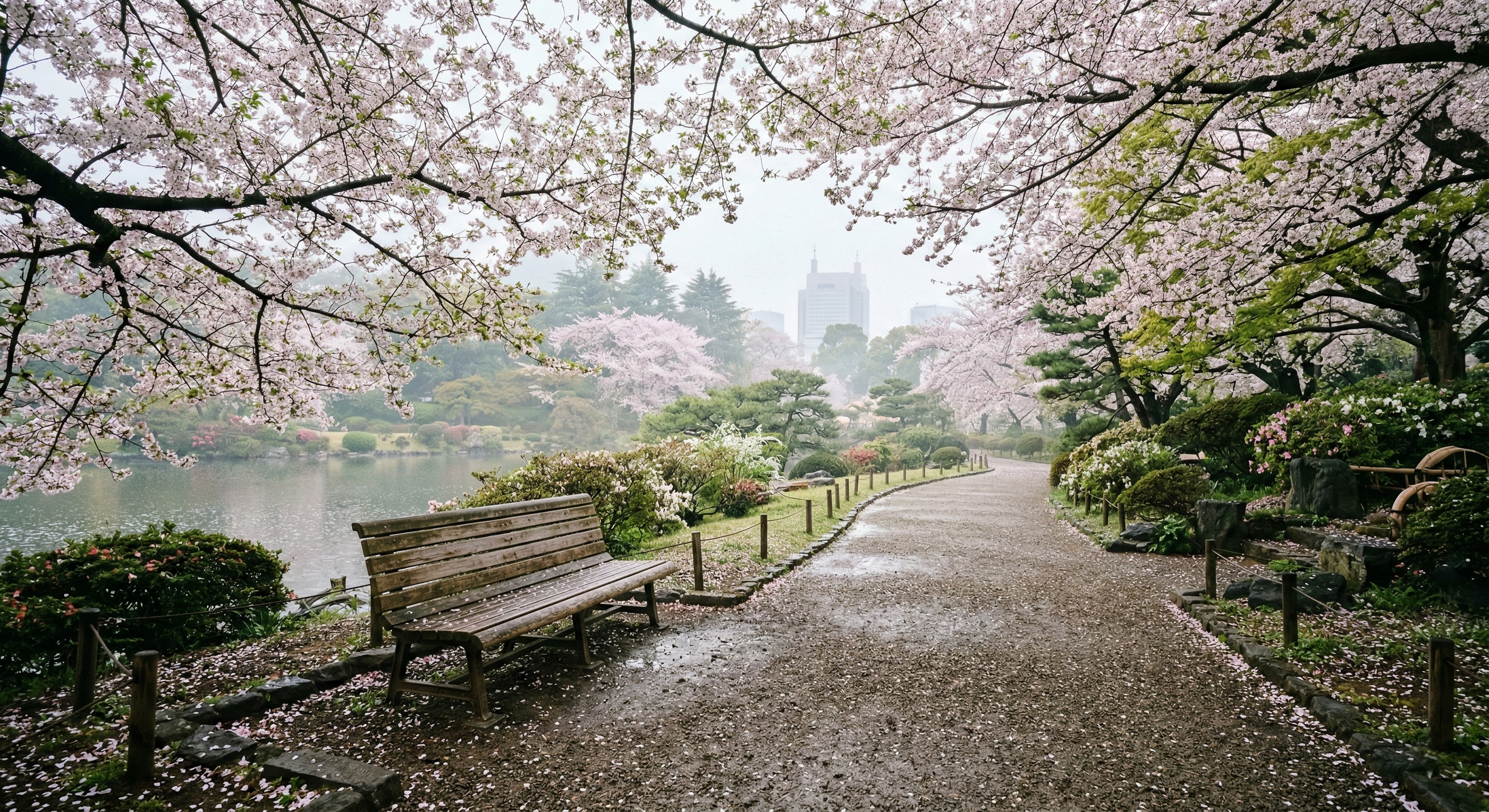
The traditional Japanese garden section features carefully composed views where cherry trees frame historic tea houses and meticulously maintained ponds. The Sakura-dōri (Cherry Tree Avenue) creates a natural tunnel effect when trees reach full bloom, offering one of Tokyo’s most photographed sakura scenes. This area particularly appeals to those seeking authentic cultural immersion and traditional hanami aesthetics.
The pond-side viewing positions offer opportunities to capture classic reflection photographs, where blossoms mirror themselves in still waters alongside traditional architectural elements. These composed scenes represent the pinnacle of Japanese garden design philosophy.
The geometrically precise French garden section presents cherry blossoms within manicured symmetrical layouts, creating unexpected visual contrasts between Japanese natural beauty and European formal design. Wide promenades allow for comfortable strolling even during busier periods, while the open layout provides unobstructed views of massed blossom displays.
This section particularly suits visitors interested in horticultural variety, as the formal arrangement allows easy comparison between different cherry types planted in organized rows. The mathematical precision of the layout creates unique photographic opportunities rarely available in traditional Japanese garden settings.
The expansive lawn areas within the English landscape section offer the most spacious viewing environment, where visitors can enjoy picnic-style contemplation beneath spreading cherry canopies. While traditional hanami parties are not permitted within Shinjuku Gyoen, the relaxed atmosphere of this section allows for comfortable seated observation and informal photography.
| Garden Section | Best For | Peak Crowd Times | Photography Advantages |
|---|---|---|---|
| Japanese Traditional | Cultural authenticity | 11 AM – 2 PM | Composed frames, reflections |
| French Formal | Variety comparison | 10 AM – 1 PM | Symmetry, wide angles |
| English Landscape | Relaxed viewing | 12 PM – 3 PM | Natural light, candid moments |
Discerning travelers seeking elevated experiences beyond standard park entry can access several premium options that transform cherry blossom viewing into unforgettable luxury moments. The cherry blossoms at Shinjuku Gyoen provide the backdrop for exclusive opportunities that blend cultural depth with personalized service.
Expert-led tours with certified botanical guides offer a comprehensive understanding of the garden’s cherry varieties, historical context, and seasonal nuances. These specialized experiences typically limit group sizes to ensure intimate interaction and personalized attention. Guides provide insights into Japanese horticultural traditions, the historical significance of specific varieties, and the cultural symbolism embedded within sakura appreciation.
Premium tour inclusions:
Extended experiences combining multiple cultural elements elevate cherry blossom viewing from simple observation to comprehensive cultural engagement. These curated programs might include traditional kaiseki dining featuring sakura-themed dishes, kimono-wearing during garden visits, or participation in seasonal poetry workshops inspired by hanami traditions.
The integration of culinary experiences proves particularly meaningful, as seasonal Japanese cuisine incorporates cherry blossom elements through pickled blossoms, sakura mochi, and aesthetically arranged presentations that mirror the garden’s natural beauty.
While Shinjuku Gyoen maintains accessibility for all visitors, certain practical arrangements significantly enhance the experience for those accustomed to premium services and personalized attention.
The garden’s central Tokyo location provides convenient access via multiple train stations, yet the approach method significantly affects the overall experience. Private car services eliminate the stress of navigating crowded public transportation during peak bloom periods, providing climate-controlled comfort and flexible scheduling that accommodates spontaneous itinerary adjustments.
Preferred access points:
Luxury travelers benefit from utilizing less popular gates during peak periods, arriving via private transportation that drops passengers directly at entrance points rather than requiring walks from distant parking areas.
Professional photography during cherry blossom season captures memories with technical excellence that smartphone cameras cannot match. Engaging qualified photographers familiar with Shinjuku Gyoen’s optimal shooting locations ensures portfolio-quality images that document this ephemeral natural phenomenon. Many luxury travelers commission both still photography and videography to create comprehensive visual narratives of their hanami experiences.
The early-blooming varieties offer unique opportunities for those willing to visit before conventional peak periods, providing exceptional photography conditions with fewer people in frame and more authentic atmospheric quality.
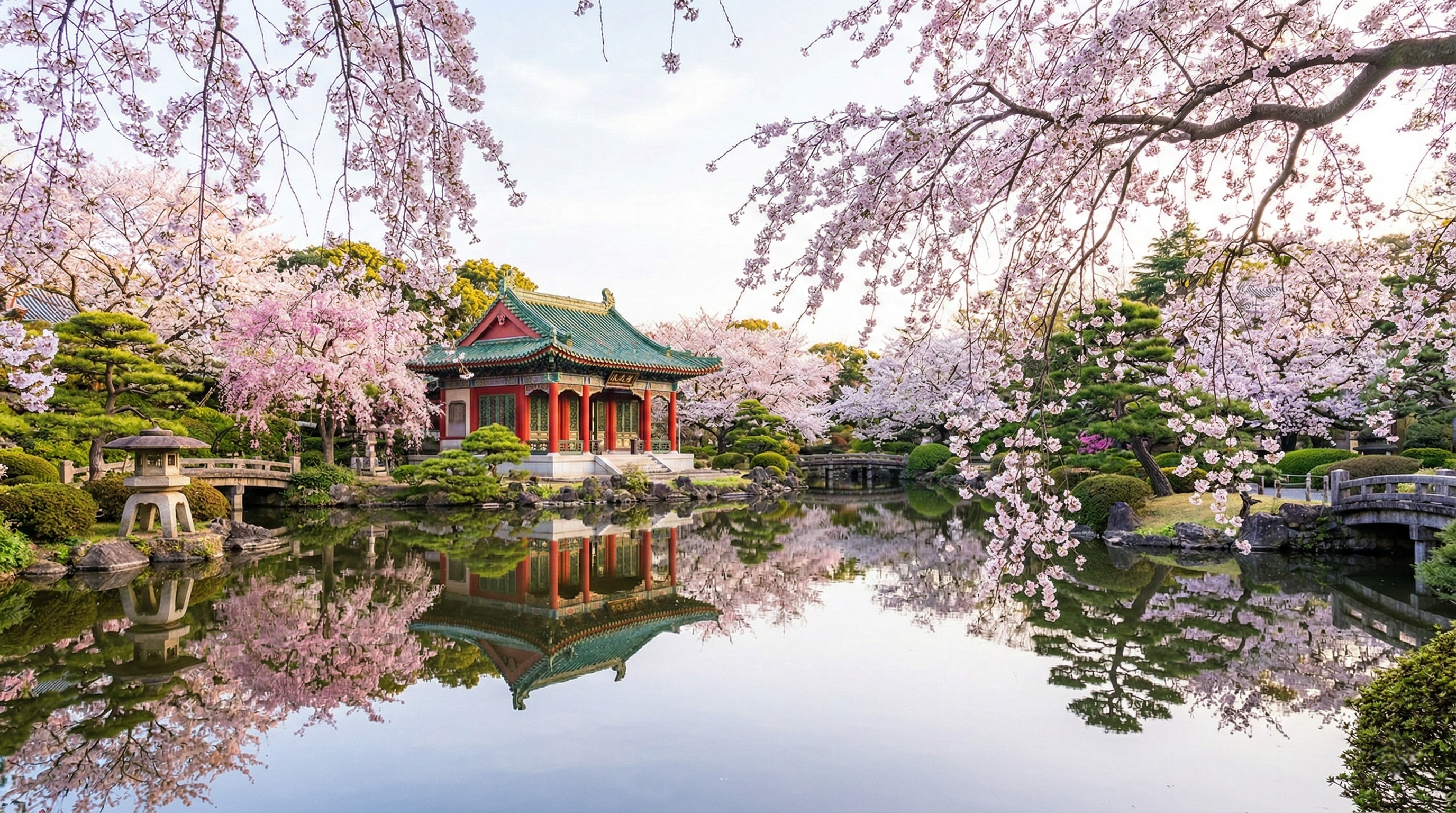
Spring weather in Tokyo is highly variable, with conditions ranging from warm sunshine to cool rain within a single day. The cherry blossoms at Shinjuku Gyoen are remarkably resilient, though heavy rain or strong winds can dramatically shorten peak viewing windows.
March temperatures typically range from 8°C to 16°C (46°F to 61°F), while April warms to 13°C to 20°C (55°F to 68°F). These moderate conditions generally prove comfortable for extended garden visits, though layered clothing allows adaptation to changing conditions throughout the day.
Weather preparation essentials:
The diversity of varieties at Shinjuku Gyoen allows for multiple visits across several weeks, each revealing different botanical highlights and atmospheric conditions. Comprehensive seasonal guides detail the progression of blooms, enabling strategic planning for those spending extended time in Tokyo during spring.
Beyond Shinjuku Gyoen, Tokyo offers numerous complementary cherry blossom spots that create comprehensive hanami itineraries. Sophisticated travelers often combine garden visits with river cruises along the Sumida River, evening illuminations at Roppongi Hills, or exclusive temple viewings in quieter neighborhoods.
Understanding Japanese cultural norms surrounding hanami enhances both personal enjoyment and respectful participation in this beloved tradition. The cherry blossoms at Shinjuku Gyoen attract international visitors who may not be familiar with expected behaviors, underscoring the value of cultural awareness.
Unlike many Tokyo parks, Shinjuku Gyoen prohibits alcohol consumption and traditional hanami parties involving food spreads beneath trees. This regulation maintains the garden’s contemplative atmosphere and distinguishes it as a more refined viewing destination suited to travelers seeking tranquil appreciation rather than festive celebration.
Photography remains permitted and encouraged, though visitors should remain mindful of others’ viewing experiences. Blocking pathways for extended photo sessions, using intrusive equipment such as large ladders or drones, or disturbing natural elements to create artificial compositions all violate expected etiquette standards.
Cultural consideration guidelines:
The Japanese concept of mono no aware-the poignant awareness of impermanence-fundamentally shapes hanami culture. Cherry blossoms embody this philosophy through their brief peak bloom of just 7-10 days, reminding observers of beauty’s transient nature. Understanding this cultural context transforms viewing from simple sightseeing into meaningful cultural participation.
The cherry blossoms at Shinjuku Gyoen particularly exemplify this concept, as each variety’s bloom period is a fleeting moment that cannot be replicated or extended. This awareness encourages present-moment mindfulness and appreciation for experiences that cannot be captured in any permanent form despite our photographic efforts.
Shinjuku Gyoen’s transformation from a feudal estate to an imperial garden and, finally, to a national treasure spans several centuries, with cherry trees serving as living witnesses to this evolution. The garden’s historical layers add depth to contemporary viewing experiences, connecting modern visitors with generations of hanami practitioners.
During the Meiji era (1868-1912), the garden served as an imperial retreat where Japan’s modernizing elite entertained foreign dignitaries beneath cherry canopies. Many of the garden’s oldest cherry trees date to this period, representing living connections to pivotal moments in Japanese history. The cultural significance of these historical plantings extends beyond botanical interest into the realm of national heritage.
The deliberate variety selection during imperial times reflected both aesthetic preferences and diplomatic symbolism, with certain cherry types specifically chosen to impress international guests with Japan’s natural beauty and horticultural sophistication.
Following World War II, Shinjuku Gyoen reopened as a national garden accessible to all citizens, democratizing what had previously been an exclusive imperial space. This transformation imbued cherry blossom viewing with additional meaning, symbolizing post-war renewal and the persistence of cultural traditions through historical upheaval.
The Shinjuku Gyoen cherry blossoms now represent both continuity with Japan’s imperial past and the nation’s contemporary commitment to preserving natural beauty for public enjoyment. This dual significance resonates particularly with international visitors seeking to understand Japan’s complex relationship between tradition and modernity.
While the cherry blossoms at Shinjuku Gyoen are the primary attraction, the surrounding Shinjuku district offers numerous luxury experiences, creating comprehensive cultural itineraries for discerning travelers.
Shinjuku’s dining landscape ranges from Michelin-starred kaiseki restaurants to exclusive sushi counters where master chefs prepare omakase experiences using seasonal ingredients. Spring menus frequently incorporate sakura elements-from pickled cherry blossoms garnishing dishes to sakura-infused sake pairings that complement the season.
Premium dining establishments near the garden allow visitors to transition seamlessly from afternoon cherry viewing to evening culinary exploration, creating full-day experiences that engage multiple senses while maintaining geographical convenience.
The Shinjuku area houses several galleries and workshops specializing in traditional Japanese crafts, from handmade washi paper to ceramic tea ceremony implements. Engaging with these artisanal traditions provides cultural context that deepens appreciation for the aesthetic principles underlying Japanese garden design and hanami culture.
Nearby cultural experiences:
Maximizing the Shinjuku Gyoen cherry blossom experience requires access to reliable, up-to-date information from authoritative sources that provide detailed botanical and logistical guidance.
The Japanese Ministry of the Environment maintains comprehensive visitor resources detailing seasonal highlights, variety-specific bloom schedules, and accessibility information. Historical archives provide visual documentation of past bloom seasons, helping visitors understand typical progression patterns and set realistic expectations.
Real-time bloom updates typically begin in late February, with daily condition reports available through official channels during peak periods. These resources prove invaluable for making final itinerary adjustments as bloom forecasts crystallize.
Comprehensive travel planning resources help visitors integrate Shinjuku Gyoen into broader Tokyo itineraries that balance cherry blossom viewing with other cultural priorities. Specialist services offer exclusive experiences, preferential reservations, and expert guides that elevate standard tourism into transformative cultural immersion.
The value of professional trip design becomes particularly apparent during peak bloom periods when popular experiences book months in advance and spontaneous access to premium services proves nearly impossible.
The Shinjuku Gyoen cherry blossoms represent more than seasonal flora-they embody centuries of cultural refinement, botanical expertise, and aesthetic philosophy that define Japanese appreciation for natural beauty. Whether witnessing the delicate early varieties in February solitude or experiencing the dramatic late bloomers in April tranquility, each visit offers unique perspectives on this ephemeral phenomenon. For discerning travelers seeking authentic cultural immersion combined with luxury service standards, Japan Royal Service curates bespoke hanami experiences that transform cherry blossom viewing from simple sightseeing into unforgettable personal journeys, providing expert guidance, exclusive access, and seamless logistics that honor both Japanese tradition and contemporary luxury expectations.