
LINE ID japanroyalservice
+817013781777 click here
+817013781777 click here

Step into an urban sanctuary where Tokyo’s vibrant cityscape melts away, revealing the tranquil beauty of Shinjuku gyoen. This lush national garden is the perfect escape for travelers seeking peace amid the city’s energy.
In this guide, you will discover everything you need to experience Shinjuku gyoen in 2026. Gain practical tips, learn about its rich history, and uncover must-see highlights.
Whether you are a first-time visitor or a seasoned explorer, this comprehensive resource will help you make the most of your journey. Embrace the serenity, plan your adventure, and let Shinjuku gyoen inspire your Tokyo story.
Step into the timeless landscape of Shinjuku gyoen, where centuries of Japanese heritage and modern innovation blend in the heart of Tokyo. Understanding the garden’s evolution reveals why it remains a cherished retreat for locals and visitors alike.
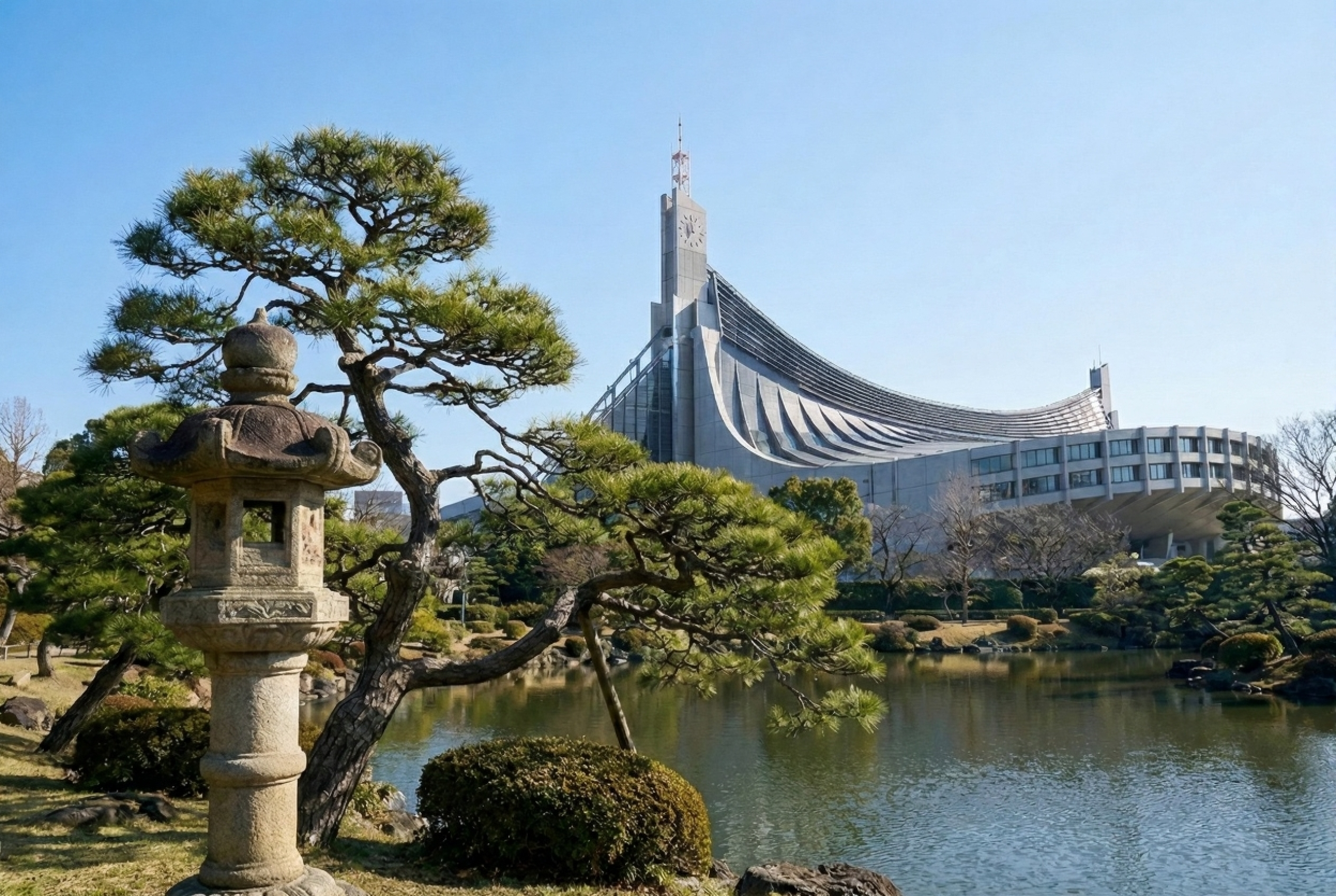
The story of Shinjuku gyoen begins in the Edo period, when it was the private residence of Lord Naito, a powerful samurai. In 1906, the site was transformed into an Imperial Garden, symbolizing Japan’s modernization and growing Western influence.
After suffering damage in the Great Kanto Earthquake and World War II bombings, Shinjuku gyoen was reborn as a National Garden and, in 1949, opened to the public. This transformation marked a pivotal moment in Tokyo’s urban development, turning a symbol of aristocratic power into a space for all. For more in-depth information, explore the Shinjuku Gyoen’s Historical Background.
Shinjuku gyoen stands out for its harmonious integration of three distinct garden styles. The Japanese Traditional Garden features tranquil ponds, curved stone bridges, and historic teahouses. This area is designed for contemplation, with every element placed for symbolic meaning.
The English Landscape Garden offers sweeping lawns and open spaces, perfect for relaxation or picnics under the sky. In contrast, the French Formal Garden impresses with geometric flower beds and symmetrical rows of roses, especially vibrant in spring and autumn.
| Garden Style | Key Features |
|---|---|
| Japanese Traditional | Koi ponds, stone bridges, teahouses |
| English Landscape | Expansive lawns, tree-lined paths |
| French Formal | Symmetrical flower beds, rose gardens |
Unique architectural highlights, such as the Taiwan Pavilion and the expansive Greenhouse, further reflect Shinjuku gyoen’s blend of Western and Japanese influences. Spanning 144 acres (58.3 hectares), the garden is a living tapestry at the heart of Tokyo.
Shinjuku gyoen plays a vital role in Japanese culture, especially during hanami, when over 1,500 cherry trees burst into bloom and families gather for festive picnics. The garden also hosts seasonal festivals and traditional ceremonies, making it a hub for cultural continuity.
Environmentally, Shinjuku gyoen is a sanctuary for biodiversity, home to more than 10,000 trees and a wide variety of rare plants. As a green lung for Tokyo, it helps purify the city’s air and offers a peaceful haven for relaxation and reflection. In this living museum, history, culture, and nature coexist, offering visitors a truly enriching experience.
Experiencing Shinjuku gyoen in every season is like stepping into a living postcard. No matter when you visit, this iconic Tokyo garden offers a unique atmosphere, remarkable beauty, and a tranquil escape from city life. Planning your trip around the garden’s seasonal highlights ensures an unforgettable experience, with each period revealing a new side of Shinjuku gyoen’s charm. For further inspiration, explore Shinjuku Gyoen’s Seasonal Highlights for more detailed bloom information.
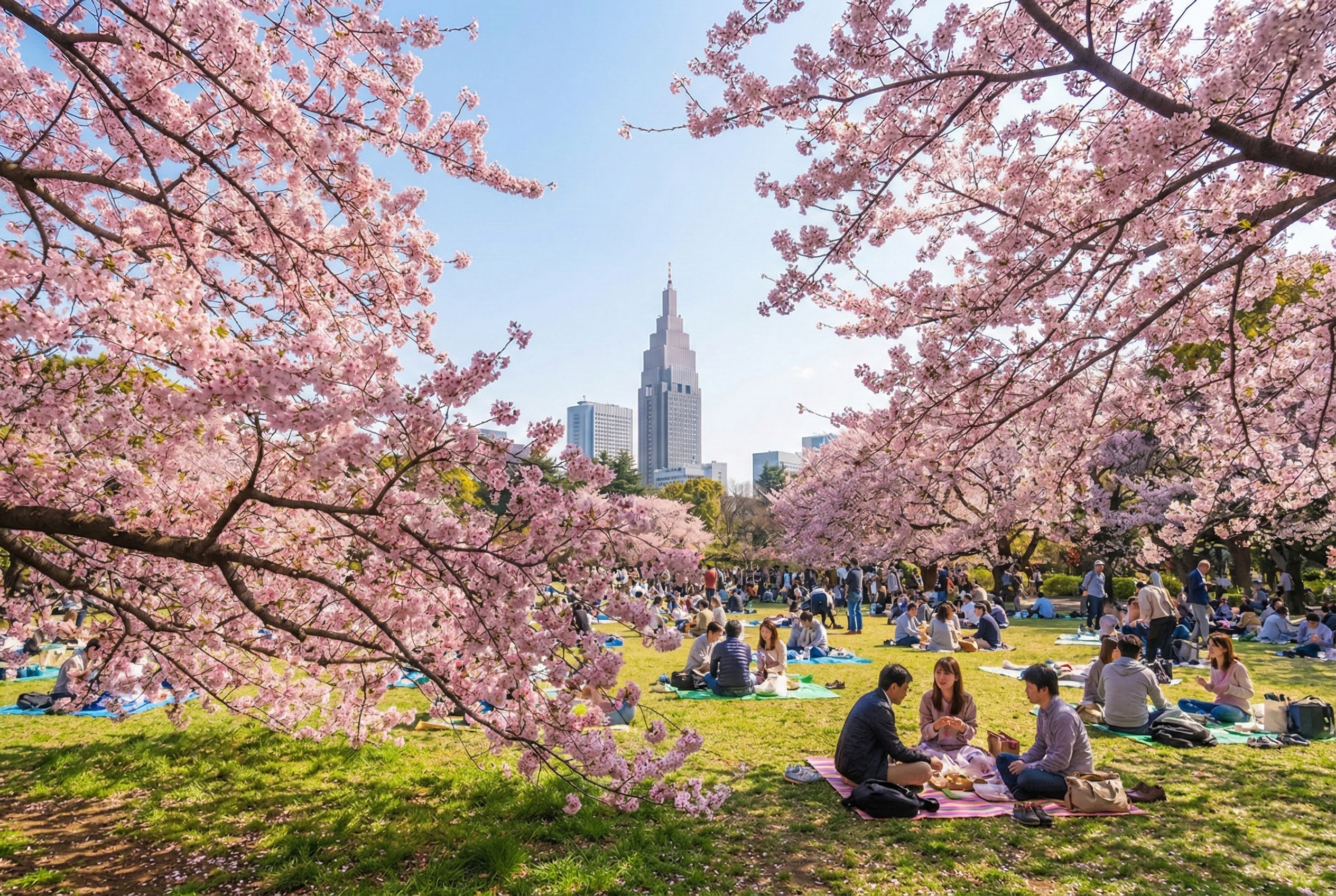
Cherry blossom season is the most celebrated time at Shinjuku gyoen. Over 65 cherry tree varieties, including the beloved Somei Yoshino and late-blooming Kanzan, create a breathtaking canopy of pink and white across the garden. The hanami tradition draws more than 400,000 visitors, infusing the garden with a festive spirit.
The best cherry blossom viewing spots include the spacious central lawn and the cherry tree tunnel near the Sendagaya Gate. Arriving early allows you to enjoy quieter moments before the crowds gather. Shinjuku gyoen’s extended blooming period, thanks to its diverse tree species, means you can catch blossoms from late March into early April.
Shinjuku gyoen transforms into a painter’s palette in autumn. In November, maple and ginkgo trees display vibrant reds and golds, offering some of Tokyo’s most stunning fall foliage. The Japanese garden’s reflective ponds and stone bridges create perfect backdrops for photography.
In summer, hydrangeas and lush lawns invite leisurely strolls under shaded pathways. Winter brings a peaceful atmosphere, with camellias blooming and occasional snowscapes blanketing the garden. Each season features a rotating calendar of flowers, from cherry and plum blossoms in spring to roses in the French Formal Garden during May and October. Every visit to Shinjuku gyoen promises new visual delights and tranquil moods.
Seasonal events add another layer of cultural richness to Shinjuku gyoen. November’s annual chrysanthemum exhibition showcases elaborate floral displays, drawing garden enthusiasts from across Japan. Throughout the year, traditional tea ceremonies and cultural workshops offer hands-on experiences in Japanese arts.
Special illumination events, held during cherry blossom and autumn foliage seasons, light up the garden for magical evening strolls. You might also catch traditional music performances, adding a musical backdrop to the garden’s natural beauty. These events make Shinjuku gyoen a lively destination throughout the year.
To enjoy Shinjuku gyoen at its most peaceful, visit early in the morning or just before closing. Weekdays tend to be quieter, especially outside major festivals and bloom peaks. Always check the weather forecast and remember that the garden opens from 9:00 am to 4:30 pm, closing on Mondays. Planning ahead ensures you experience the best of Shinjuku gyoen’s seasonal wonders.
Stepping into Shinjuku gyoen, visitors discover a harmonious blend of traditional and Western garden styles, each offering a unique atmosphere and visual delight. To make the most of your visit, plan your route to experience the garden’s most cherished highlights, from tranquil ponds to vibrant flowerbeds.
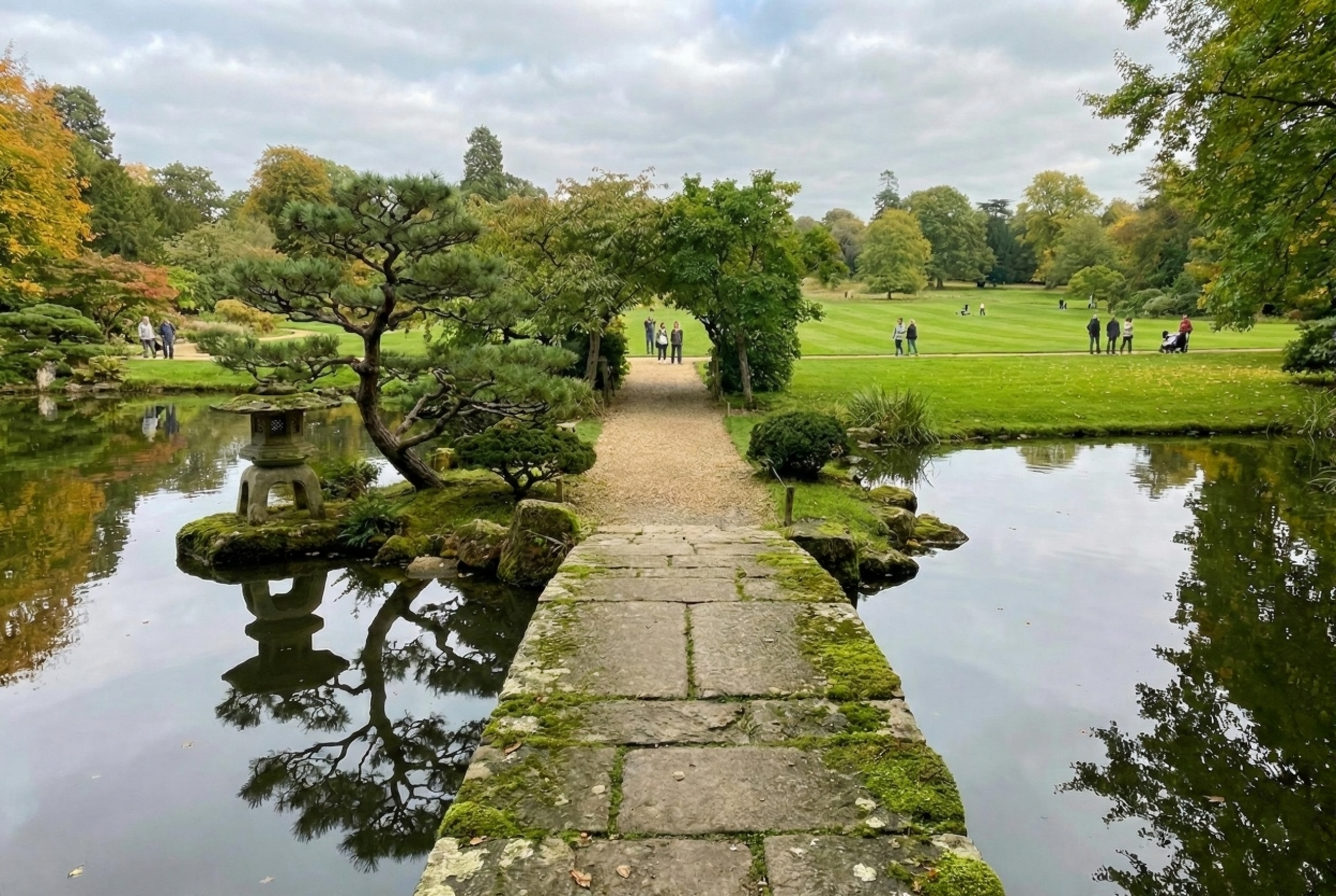
The heart of Shinjuku gyoen is the Japanese Traditional Garden, renowned for its elegant design and timeless serenity. You will encounter a picturesque central pond, arched stone bridges, and landscaped islands that evoke scenes from classical Japanese art.
A highlight is the historic Kyu Goryotei, or Taiwan Pavilion. This architectural gem offers panoramic views over the water and is especially stunning during cherry blossom season. The garden’s refined layout follows principles of Japanese aesthetics, with each element—rocks, water, and plants—placed to inspire contemplation.
Wildlife also thrives here. Watch for koi gliding beneath the surface, turtles sunning on rocks, and seasonal birds darting among the branches. For further context on how Shinjuku gyoen compares to other iconic landscapes, see the Japanese gardens in Tokyo guide.
Beyond the traditional core, Shinjuku gyoen opens onto expansive lawns inspired by English landscape traditions. These sweeping green spaces are ideal for picnics, leisurely walks, or simply soaking up the tranquil ambiance.
Stroll into the French Formal Garden, where symmetrical flowerbeds and rose gardens burst with color in May and October. The grand allées of plane trees create a stately promenade, while the geometric arrangements of blooms offer a striking contrast to the organic forms of the Japanese section.
Whether you’re seeking a quiet spot to relax or a vibrant backdrop for photos, these Western-style areas of Shinjuku gyoen deliver a refreshing change of scenery.
The greenhouse at Shinjuku gyoen is a haven for plant enthusiasts and families alike. Step inside to explore over 1,700 species of tropical and subtropical flora, including rare orchids, carnivorous plants, and ancient cycads.
Educational displays highlight the garden’s conservation efforts and showcase unusual specimens. Children will enjoy spotting colorful blooms and learning about the diversity of plant life nurtured within this climate-controlled environment.
The greenhouse is a year-round attraction, making it a perfect addition to your Shinjuku gyoen itinerary regardless of the weather.
To fully experience Shinjuku gyoen, follow a suggested 60 to 90-minute walking loop that covers all major highlights. Maps and clear signage at each entrance make navigation easy, ensuring you don’t miss must-see sights along the way.
Top photography spots include the iconic cherry blossom tunnel, tranquil pond reflections, and the dramatic views from the Taiwan Pavilion. Each turn reveals new perspectives, inviting you to slow down and savor the garden’s beauty.
Whether you’re a casual visitor or a dedicated photographer, Shinjuku gyoen offers endless opportunities for memorable moments.
Visitors to Shinjuku gyoen will find the garden remarkably accessible, with clear signage and welcoming entrances that make arrival stress-free. Whether you are arriving for tranquil strolls or a full day of exploration, understanding the logistics ensures a seamless visit.
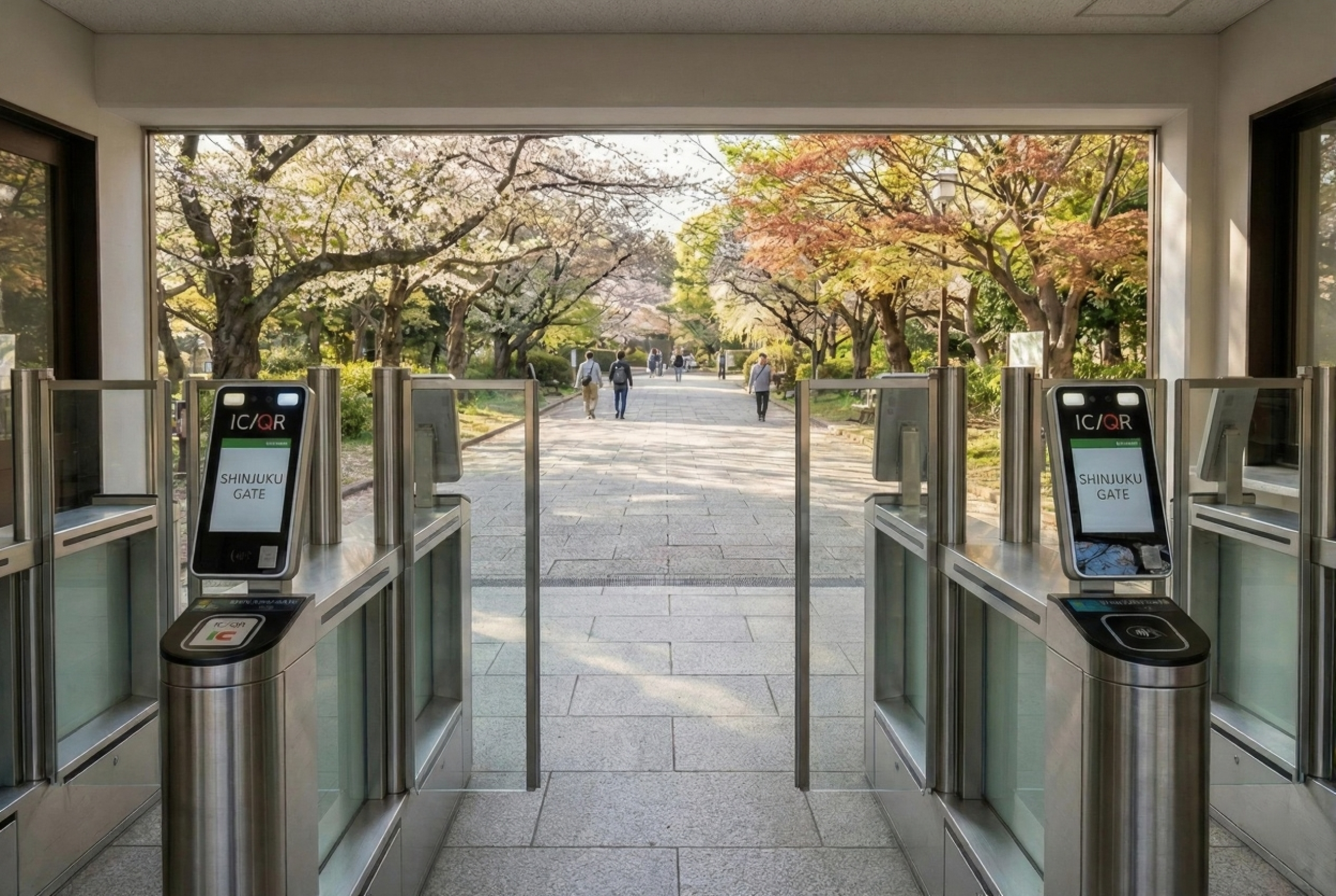
Reaching Shinjuku gyoen is simple, thanks to its prime location in central Tokyo. The garden is accessible from three major stations:
Each of the three main entrances, Shinjuku, Okido, and Sendagaya, is clearly marked and supported by helpful signage. For detailed directions and an official map, consult the Shinjuku Gyoen National Garden Overview.
Arriving early allows you to enjoy the peaceful atmosphere before the garden fills with visitors.
Admission to Shinjuku gyoen is affordable and straightforward. The standard adult ticket is 500 yen as of 2026. Students, children, and seniors benefit from reduced prices, while children under elementary school age enter free.
Tickets are available at all entrances. For added convenience, e-ticketing and advance reservations are offered during busy seasons, making entry even smoother for families and groups.
Shinjuku gyoen is designed with comfort and accessibility in mind. Facilities include:
The garden welcomes visitors of all ages and abilities, ensuring everyone can enjoy its beauty without barriers.
To protect the serenity and environment of shinjuku gyoen, please follow these guidelines:
In case of emergencies, staff are available throughout the grounds, and lost & found services are located near each entrance. Following these simple rules helps preserve the garden for all.
Shinjuku gyoen prioritizes sustainability and environmental care. Initiatives include:
These efforts ensure that Shinjuku gyoen remains a thriving urban oasis for future generations, blending natural beauty with responsible stewardship.
Shinjuku gyoen offers more than just scenic beauty. For travelers seeking deeper engagement, the garden presents unique experiences blending tradition, education, and luxury. Each activity highlights a different facet of this urban oasis, making every visit memorable.
Step inside a teahouse in Shinjuku gyoen to experience the art of Japanese tea. Here, expert hosts guide you through the ritual of preparing and enjoying matcha, paired with seasonal wagashi. Reservations are recommended, especially during cherry blossom season. Each ceremony offers insight into Japanese hospitality and aesthetics, creating a tranquil break from city life.
Discover Shinjuku gyoen’s hidden stories and botanical wonders with a professional guide. Multilingual tours cover the garden’s history, landscape design, and rare plants, making each stroll educational and engaging. School groups and families will appreciate interactive programs. For details on booking, explore Guided tours in Japan for curated options covering Shinjuku gyoen and beyond.
Shinjuku gyoen hosts annual flower shows, art exhibitions, and cultural performances that enrich every season. Spaces within the garden can be reserved for photography, weddings, or corporate gatherings. Exclusive picnic packages and private events offer unique ways to celebrate milestones surrounded by nature’s beauty, ensuring cherished memories in one of Tokyo’s iconic locations.
Wildlife enthusiasts will find Shinjuku gyoen an urban haven for birdwatching. Common species include Japanese white-eyes, kingfishers, and herons. Early morning visits offer the best opportunities for observation and photography. Nature walks and citizen science projects invite visitors to connect with the environment, fostering appreciation for the garden’s diverse ecosystem.
Elevate your Shinjuku gyoen visit with a luxury experience curated by Japan Royal Service. Enjoy private tours led by expert guides, exclusive access to tea ceremonies, and seamless transportation. Tailored itineraries can combine Shinjuku gyoen with Tokyo’s hidden gems, ensuring a personalized adventure. This is ideal for discerning travelers seeking comfort, expertise, and unforgettable moments.
Visiting Shinjuku gyoen can be the highlight of your Tokyo trip if you plan wisely. Use these insider tips to elevate your garden experience and ensure a smooth, memorable visit.
To experience the tranquility of Shinjuku gyoen, arrive early in the morning or just before closing. These times offer the calmest atmosphere, perfect for reflection or quiet photography. Bring a picnic blanket, camera, and any seasonal gear like hats or umbrellas. Respect the garden’s quiet ambiance by keeping noise to a minimum and following posted guidelines. Shinjuku gyoen rewards those who slow down and take in its natural beauty.
Shinjuku gyoen is welcoming for families and groups. Children enjoy exploring the open lawns and searching for koi in the ponds. The main walking routes are stroller and wheelchair accessible, making it easy for everyone to participate. Groups can benefit from discounted admission with advance booking. Plan meeting points, especially on busy days, so everyone can reconnect easily within Shinjuku gyoen.
Refreshments are available at on-site cafés, offering seasonal treats and drinks. Enjoy a picnic in designated areas for a truly local experience. Nearby, Shinjuku boasts excellent bakeries and restaurants, perfect for a post-garden meal. If you bring your own food, remember to clean up and respect garden etiquette. Discovering unique flavors is part of the Shinjuku gyoen adventure.
Make the most of your day by pairing Shinjuku gyoen with other top sights. Visit the energetic shopping streets of Shinjuku, explore Meiji Shrine, or stroll through Golden Gai. Walking routes and public transport make transitions easy. For more inspiration, explore the Tokyo travel guide highlights to plan a seamless itinerary around Shinjuku gyoen and beyond.
Stay updated on current protocols before your visit. The official garden app offers maps, digital guides, and real-time event updates. Pack essentials such as umbrellas or sunscreen depending on the season. During peak times, reserve tickets in advance to avoid lines. With thoughtful preparation, your time at Shinjuku gyoen in 2026 will be both relaxing and unforgettable.
After exploring the timeless beauty and tranquility of Shinjuku Gyoen, you may find yourself dreaming of a visit that goes beyond the ordinary. Imagine strolling these historic gardens with an expert guide by your side, gaining exclusive access to tea ceremonies, and uncovering Tokyo’s hidden gems tailored just for you. At Japan Royal Service, we specialize in designing journeys that reflect your unique interests and passions, ensuring every detail is seamlessly curated for an unforgettable experience. If you’re ready to transform your next trip into something truly extraordinary, Request your private consultation: Design your bespoke Japan journey with our experts.