
LINE ID japanroyalservice
+817013781777 click here
+817013781777 click here
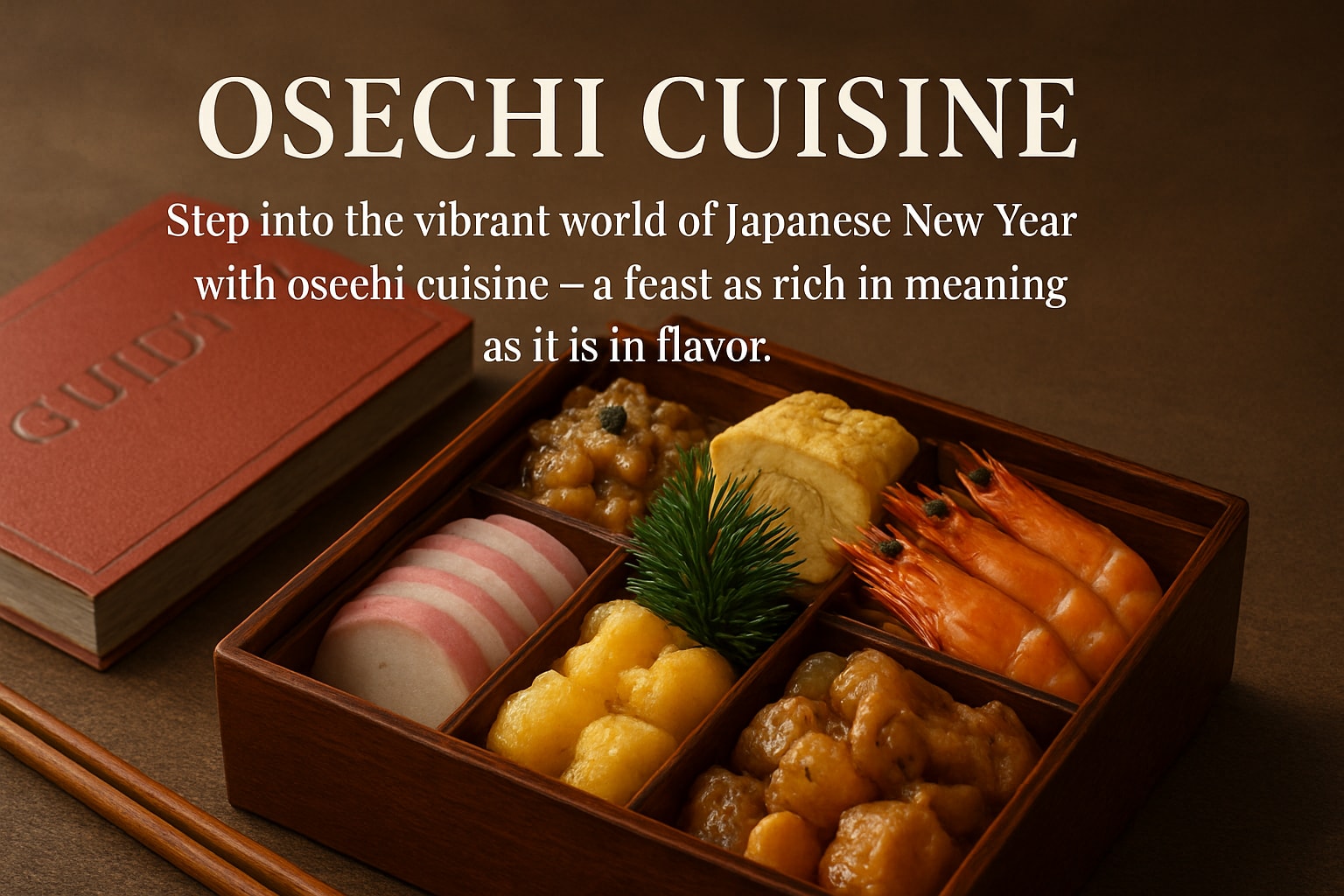
Step into the vibrant celebration of the Japanese New Year, where osechi cuisine takes center stage with its dazzling colors and deep cultural meaning. This guide will introduce you to osechi cuisine, exploring how centuries-old traditions blend with modern tastes to create a feast that is both symbolic and delicious.
Discover the fascinating history behind osechi, the stories woven into each dish, and the regional twists that make every meal unique. Whether you are curious about its origins or eager to try osechi cuisine yourself, this guide will reveal the beauty and significance that make it a cherished part of Japanese culture.
Osechi cuisine reflects centuries of Japanese tradition, evolving from ancient rituals into a cherished New Year’s feast. Its journey spans noble courts, local households, and, today, even luxury hotels. Understanding the roots of osechi cuisine reveals why it remains a cornerstone of Japanese celebration and identity.
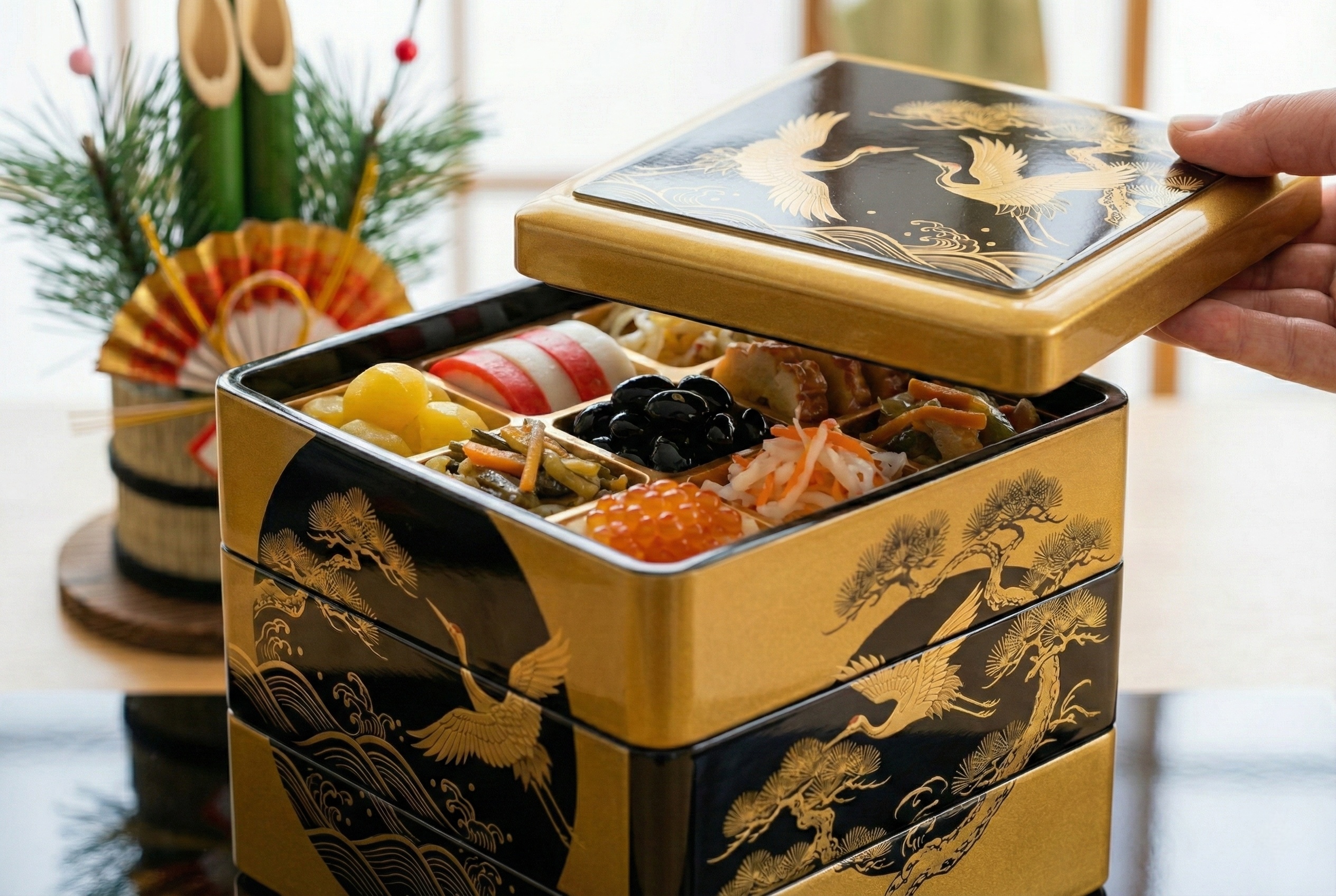
Osechi cuisine traces its beginnings to the Heian period, when aristocrats marked the New Year with foods preserved for both taste and practicality. Early osechi cuisine was closely tied to sekku, or seasonal festivals, and drew inspiration from Chinese customs. These preserved foods, such as simmered vegetables and dried fish, were offerings to toshigami, the New Year gods believed to bring blessings.
Over time, osechi cuisine transitioned from an aristocratic tradition to a celebration enjoyed by families across Japan. By the 18th century, the variety of osechi dishes grew, and the use of jubako—tiered lacquered boxes—became a defining feature. For a deeper look at this fascinating history and the symbolic meaning of each dish, see Osechi Ryori: Rich in Flavor, Rich in History.
Osechi cuisine is much more than a meal—it’s a ritual inviting good fortune and prosperity into the home. Central to its preparation is the belief in kotodama, the spiritual power of words, which shapes the selection of each dish for auspicious meanings. Families prepare osechi cuisine in advance, ensuring the feast lasts several days and giving household cooks a well-deserved holiday.
Sharing osechi cuisine with loved ones symbolizes unity and hope for the year ahead. A unique custom is leaving the bottom tier of the jubako empty, a gesture meant to welcome future luck and abundance into the household.
Today, osechi cuisine continues to evolve while honoring its roots. Store-bought and restaurant-prepared osechi cuisine have soared in popularity, offering convenience without sacrificing tradition. Modern osechi cuisine often features Western or Chinese-inspired dishes, reflecting Japan’s openness to new culinary influences.
Despite these changes, reverence for tradition remains strong in many homes. Online orders of osechi cuisine sets have increased, and custom offerings at luxury ryokan and department stores highlight its enduring appeal. Osechi cuisine endures as a delicious bridge between past and present, welcoming each new year with flavor and meaning.
Osechi cuisine is renowned for its vibrant appearance and deep cultural significance, where every dish tells a story of hope, prosperity, and well-being. The symbolism woven throughout osechi cuisine transforms a New Year’s meal into a heartfelt wish for the future. Understanding these traditions allows diners to appreciate not just the flavors, but also the intentions behind each carefully chosen ingredient.

At the heart of osechi cuisine lies kotodama, the belief that words and names hold spiritual power. Each osechi dish is selected for its auspicious meaning, serving as an edible wish for the coming year. For example, black soybeans (kuromame) symbolize diligence and health, while herring roe (kazunoko) represents fertility and the prosperity of one’s descendants.
Candied sardines, known as tazukuri, are included to ensure a bountiful harvest. Chestnut kinton, with its golden hue, stands for wealth and financial success. The use of red and white ingredients, such as kamaboko fish cakes, expresses purity and joyful celebration. This thoughtful selection of foods reflects a centuries-old tradition, where superstition and hope come together on the New Year’s table. For more on the symbolic meanings and superstitions in osechi cuisine, see Superstition pervades Japan’s New Year osechi dishes.
Each classic dish in osechi cuisine carries a unique story and wish for the New Year. Kuromame, simmered until glossy, is enjoyed for health and perseverance. Kazunoko, seasoned herring roe, is savored for family prosperity and the hope of many descendants. Tazukuri, sweet-glazed sardines, represent a fruitful rice harvest, echoing agricultural roots.
Tataki gobō, pounded burdock root, is valued for family stability and deep roots. Red and white kōhaku kamaboko fish cakes bring protection and new beginnings. Kuri kinton, a chestnut and sweet potato mash, gleams gold for wealth. Konbumaki, kelp rolls, play on words for happiness and learning. Datemaki, a sweet rolled omelet, symbolizes knowledge and academic success. Pickled kōhaku namasu, shrimp (ebi) for longevity, sea bream (tai) for celebration, and simmered nishime vegetables, each add to the layered wishes embodied in osechi cuisine.
Presentation is as essential to osechi cuisine as the dishes themselves. Osechi is traditionally served in lacquered jubako, multi-tiered boxes that symbolize abundance and layers of happiness. The number of tiers and dish arrangement can differ by region, reflecting local customs.
Colors are thoughtfully balanced, with vivid reds, whites, greens, and golds arranged to create visual harmony and attract good fortune. The top tier typically holds appetizers and celebratory foods, while the lower tiers contain simmered or preserved items. It is customary to leave the bottom tier empty, inviting luck and prosperity to fill it in the year ahead. This careful presentation elevates osechi cuisine from a meal to a meaningful, shared ritual.
Osechi cuisine is more than a meal—it is a centerpiece of Japanese New Year, bringing families together through tradition and celebration. Each element, from the dishes to the way they are served, reflects deep-rooted customs and a festive spirit. Let us explore how osechi cuisine is enjoyed across Japan, from family rituals to local specialties.
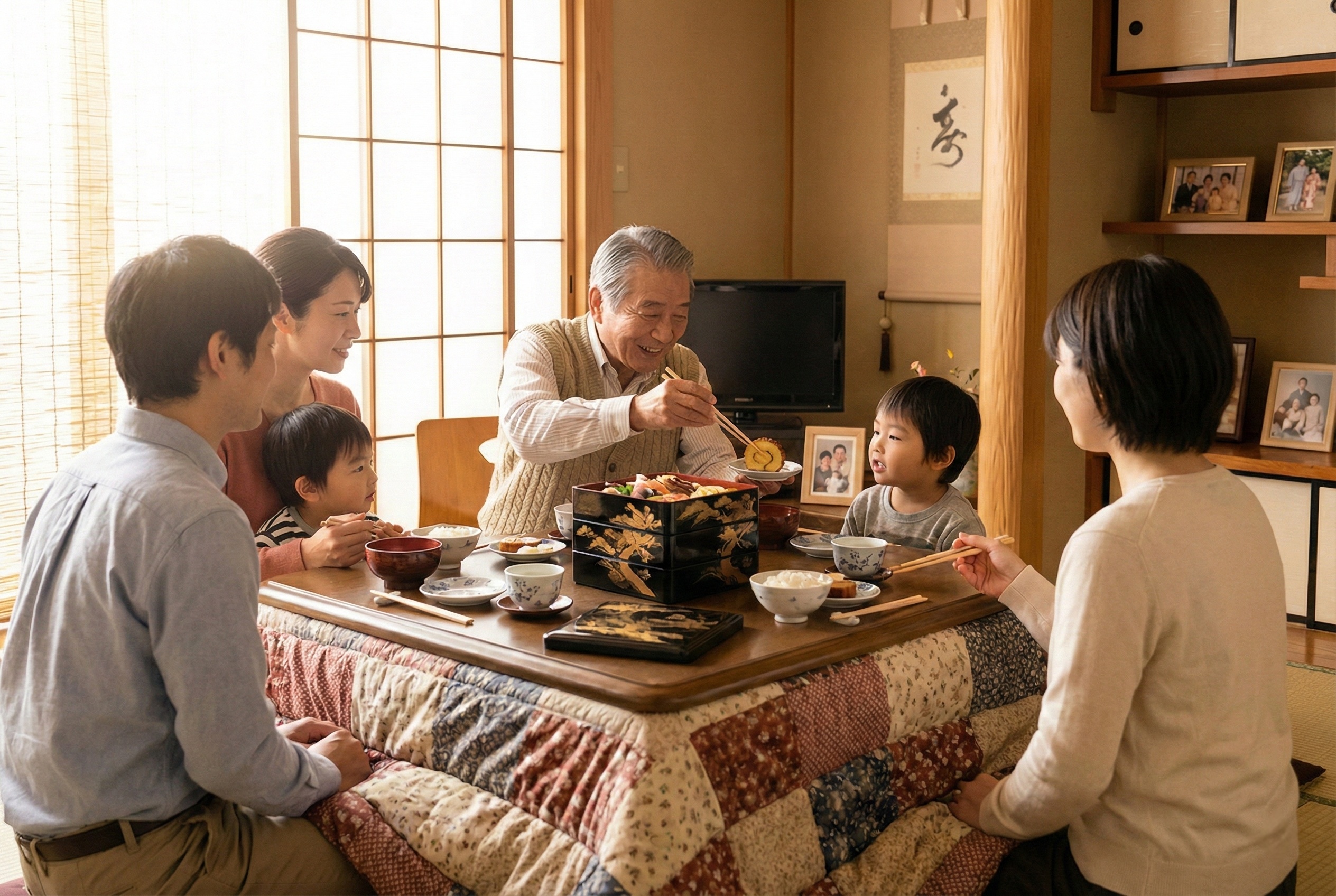
On January 1st, households across Japan welcome the New Year with osechi cuisine, shared among family members in a spirit of gratitude and hope. The meal begins with the exchange of “Akemashite omedetō gozaimasu,” a greeting that sets a joyful tone for the year ahead.
Special iwaibashi chopsticks, tapered at both ends, are used exclusively for this meal, symbolizing unity between people and the divine. Families often pair osechi cuisine with zōni, a warming soup featuring mochi, as well as sake for celebratory toasts.
Sharing osechi cuisine is about more than food—it is a ritual that brings generations together and honors time-honored traditions. For visitors eager to experience these customs firsthand, exploring traditional Japanese experiences offers an authentic introduction to the cultural significance of New Year’s festivities.
Preparation for osechi cuisine begins days in advance, as each dish is designed to last and retain its flavor over several days. Families use preservation methods such as simmering, pickling, and sweetening, ensuring the food remains fresh and delicious.
Arranging the osechi cuisine in jubako (tiered lacquered boxes) follows a careful order. Dishes are grouped by type and symbolism, with celebratory foods on the top tier and the lowest tier often left empty to invite future happiness. Balancing flavors, colors, and textures is key, creating a visually stunning and harmonious spread.
Today, many households enjoy the convenience of pre-made osechi cuisine from local stores or delivery services. Whether homemade or purchased, the step-by-step preparation and serving reinforce the sense of occasion that defines this cherished meal.
Across Japan, osechi cuisine reflects the unique flavors and ingredients of each region. In Kansai, pounded burdock root (tataki gobō) is a staple, while in Kanto, candied sardines (tazukuri) are more common. Hokkaido’s osechi cuisine showcases an abundance of fresh seafood, and Kyushu is known for its sweeter preparations.
Local climate and agricultural traditions influence the selection of dishes, adding diversity to the national celebration. Department stores now offer regional osechi sets, allowing families to sample specialties from different parts of Japan.
These regional nuances ensure that osechi cuisine remains a living tradition, adapting to local tastes while preserving its symbolic heart. Experiencing osechi cuisine in various regions is a delicious way to appreciate Japan’s rich culinary tapestry.
Contemporary osechi cuisine is experiencing a renaissance, blending time-honored tradition with modern tastes and lifestyles. As Japan evolves, so too does its cherished New Year’s feast, resulting in innovative expressions that appeal to a diverse and changing population.
In recent years, osechi cuisine has embraced a wave of modern interpretations, reflecting Japan’s openness to global flavors. Chefs and home cooks alike are experimenting with Western and Chinese-inspired elements, such as roast beef, smoked salmon terrines, and even vegetarian or allergy-friendly options. These creative additions coexist with beloved classics, resulting in osechi boxes that surprise and delight every generation.
Younger people are increasingly drawn to these innovative osechi sets, which often feature bolder flavors and visually striking presentations. Michelin-starred restaurants, for example, now offer gourmet osechi cuisine that merges Japanese tradition with international flair. For an in-depth look at how osechi is adapting to the times, see Osechi Evolution: How Japan’s New Year’s Feast Is Changing.
Convenience and luxury are reshaping the way osechi cuisine is enjoyed. Department stores, online retailers, and luxury ryokan now offer beautifully crafted osechi boxes for pre-order, making it simple for families and individuals to celebrate without days of preparation. These ready-made sets often feature premium ingredients such as abalone, wagyu beef, and rare seafood, tailored to meet various dietary preferences and personal tastes.
Customization is a key trend, with customers able to select from a variety of themes, portion sizes, and even ingredient lists. High-end experiences include private osechi dining at luxury hotels or exclusive events, where the presentation and service elevate the meal into a memorable celebration.
For international visitors, osechi cuisine offers a unique opportunity to immerse themselves in Japanese culture during the New Year. Culinary tours and themed workshops invite travelers to learn about the symbolism, preparation, and enjoyment of osechi firsthand. Luxury travel services often arrange private osechi-making classes in iconic destinations like Kyoto and Tokyo, guided by expert chefs.
Demand for authentic osechi experiences is rising among discerning tourists, who seek not only to taste but to understand the cultural meaning behind each dish. Participating in these traditions provides a deeper appreciation of Japan’s seasonal celebrations, ensuring that osechi cuisine remains a bridge between cultures and generations.
Exploring osechi cuisine in Japan offers a unique window into tradition, whether you dine in a restaurant, order from a department store, or join a local family celebration. Many travelers choose to book osechi experiences well in advance, especially during the busy New Year’s period.
You can enjoy osechi cuisine through special tasting menus at ryokan, pre-ordered jubako from gourmet shops, or by learning to make select dishes in cooking workshops. When choosing between authentic and modern osechi cuisine, consider your taste preferences and dietary needs. For those interested in a broader culinary journey, food and dining experiences in Japan provide diverse opportunities to savor traditional and contemporary flavors.
Respecting the customs around osechi cuisine enhances the entire experience. Always use iwaibashi, the special celebratory chopsticks, and serve yourself from the communal jubako rather than eating directly from it.
Follow the symbolic order of dishes, starting with appetizers from the top tier and moving through each layer. Gift-giving, such as presenting an osechi box, is a thoughtful gesture during the season. Remember to greet your hosts with “Akemashite omedetō gozaimasu” and observe local dos and don’ts, such as not sticking chopsticks upright in food.
For those seeking a truly immersive osechi cuisine experience, Japan Royal Service offers unparalleled personalized tours. Their expert guides provide exclusive access to festive celebrations, hands-on workshops, and premium dining events, ensuring you experience osechi cuisine at its finest.

Luxury transportation and tailored itineraries create a seamless adventure, whether you wish to join a family meal, participate in a cooking class, or enjoy a private osechi dinner. Discerning travelers can rely on Japan Royal Service to curate a memorable New Year’s journey highlighting the best of osechi cuisine and Japanese culture.
Japan’s top destinations for osechi cuisine include Tokyo’s famous department stores, Kyoto’s historic ryokan, and Osaka’s acclaimed gourmet restaurants. Seasonal events, such as osechi cooking classes and vibrant food markets, offer hands-on discovery and local flavor.
Consider joining a rural family for an authentic osechi meal or mapping an itinerary around regional specialties. For more on regional diversity and inspiration, explore Osechi Ryori: Seasonal Seasonings. Resources abound for booking and planning, making your osechi cuisine adventure in both accessible and unforgettable.
Osechi cuisine remains a cherished symbol of family unity, continuity, and hope in Japan. Its annual preparation and presentation connect generations, preserving both recipes and rituals that have endured for centuries. The artful arrangement of osechi cuisine in jubako boxes reflects deep-rooted aesthetic values and the spirit of seasonal celebration.
Many families adapt osechi-inspired dishes for other holidays, demonstrating its versatility and lasting influence on Japanese festivities. The emphasis on sharing and symbolism strengthens community ties and reinforces osechi cuisine’s role in shaping modern Japanese identity. To further explore these cultural connections, discover more about Japanese cuisine traditions and their significance.
The influence of osechi cuisine extends well beyond New Year celebrations, shaping contemporary restaurant menus and inspiring home cooks both in Japan and abroad. As global interest in Japanese food grows, osechi cuisine has sparked creative fusion dishes and fine dining experiences, captivating international food lovers.
Pop-up events and seasonal menus featuring osechi cuisine now appear in major cities worldwide, reflecting its expanding cultural reach. Increased tourism and media coverage also highlight osechi cuisine’s unique appeal. For those seeking luxury interpretations and culinary innovation, explore fine dining in Japan where osechi-inspired creations take center stage.
As you’ve discovered, osechi cuisine is so much more than a meal—it’s a vibrant celebration of tradition, artistry, and connection that defines Japanese New Year. If you’re inspired to experience these rich flavors and customs firsthand, we’re here to help you go beyond the surface and truly savor Japan’s culinary heritage. Let us tailor every detail, from exclusive dining and hands-on workshops to private access at local events, ensuring your journey is both seamless and unforgettable. Ready to unlock the hidden side of Japanese cuisine and culture?
Savor the Moment: Speak with an expert to unlock our hidden culinary Japan tours.