
LINE ID japanroyalservice
+817013781777 click here
+817013781777 click here

Imagine stepping onto an island where turquoise seas meet lush subtropical forests and every corner radiates vibrant culture. Welcome to Okinawa Japan, a destination that feels like a hidden paradise waiting to be explored.
This guide is your key to unlocking the best of Okinawa Japan in 2026. From legendary beaches and ancient castles to world-renowned longevity, Okinawa offers more than just scenery—it promises adventure, history, and authentic local flavor.
Curious about what sets Okinawa apart from the rest of Japan? Discover a unique blend of Ryukyuan traditions, unforgettable cuisine, and island adventures. Picture yourself snorkeling among coral reefs or savoring traditional Ryukyu dishes as the sun sets over the ocean.
Ready to plan your journey? Use this comprehensive guide to explore Okinawa’s geography, climate, top attractions, island hopping opportunities, cultural highlights, culinary delights, essential travel tips, and sustainable tourism practices. Start planning your unforgettable Okinawa adventure today.
Okinawa Japan sits at the heart of the Ryukyu archipelago, stretching between Kyushu and Taiwan. The prefecture is made up of more than 150 islands, with the main Okinawa Island being the largest at about 70 miles long and 7 miles wide.
Travelers quickly discover the diversity of the region. The Miyako, Ishigaki, and Kerama islands are among the most popular for island hopping. Covering 877 square miles, Okinawa Japan serves as a true gateway to adventures across the Pacific.
The climate in Okinawa Japan is distinctly subtropical, offering warm winters and hot, humid summers. Average temperatures range from 17°C to 32°C (63°F to 90°F), making it a pleasant destination year-round.
Typhoon season runs from June to September, so the ideal months to visit are March to May and October to December. For packing, remember to bring lightweight clothing, a light rain jacket, and sun protection for outdoor excursions.
Okinawa Japan boasts a rich history shaped by the ancient Ryukyu Kingdom, which thrived as a semi-independent state influenced by both Japan and China. Over centuries, events like the Meiji Restoration, the WWII Battle of Okinawa, and U.S. occupation left lasting marks. The region officially returned to Japan in 1972.
This multicultural blend is visible in local traditions, language, and architecture. Notable sites include Shuri Castle, a UNESCO World Heritage landmark, and various WWII memorials. Dive deeper into the Okinawan Cultural Heritage and Traditions for a comprehensive look at the island’s unique legacy. Today, the population stands at around 1.39 million.
Recognized as a Blue Zone, Okinawa Japan is celebrated for its remarkably long-lived residents. The secrets to this longevity include a nutrient-rich diet, strong community bonds, and an active daily lifestyle.
Researchers and wellness enthusiasts worldwide are drawn to the island to study these health practices, hoping to unlock the keys to a longer, healthier life.
Tourism is the backbone of the local economy, alongside agriculture—especially pineapples, sweet potatoes, and sugar—fishing, textiles, and sake production. Naha, the vibrant capital, features modern infrastructure and serves as the main international airport hub.
The presence of U.S. military bases has influenced everything from the economy to food and music. Today, Okinawa Japan harmoniously blends tradition with modern living, offering visitors both authentic culture and contemporary comforts.
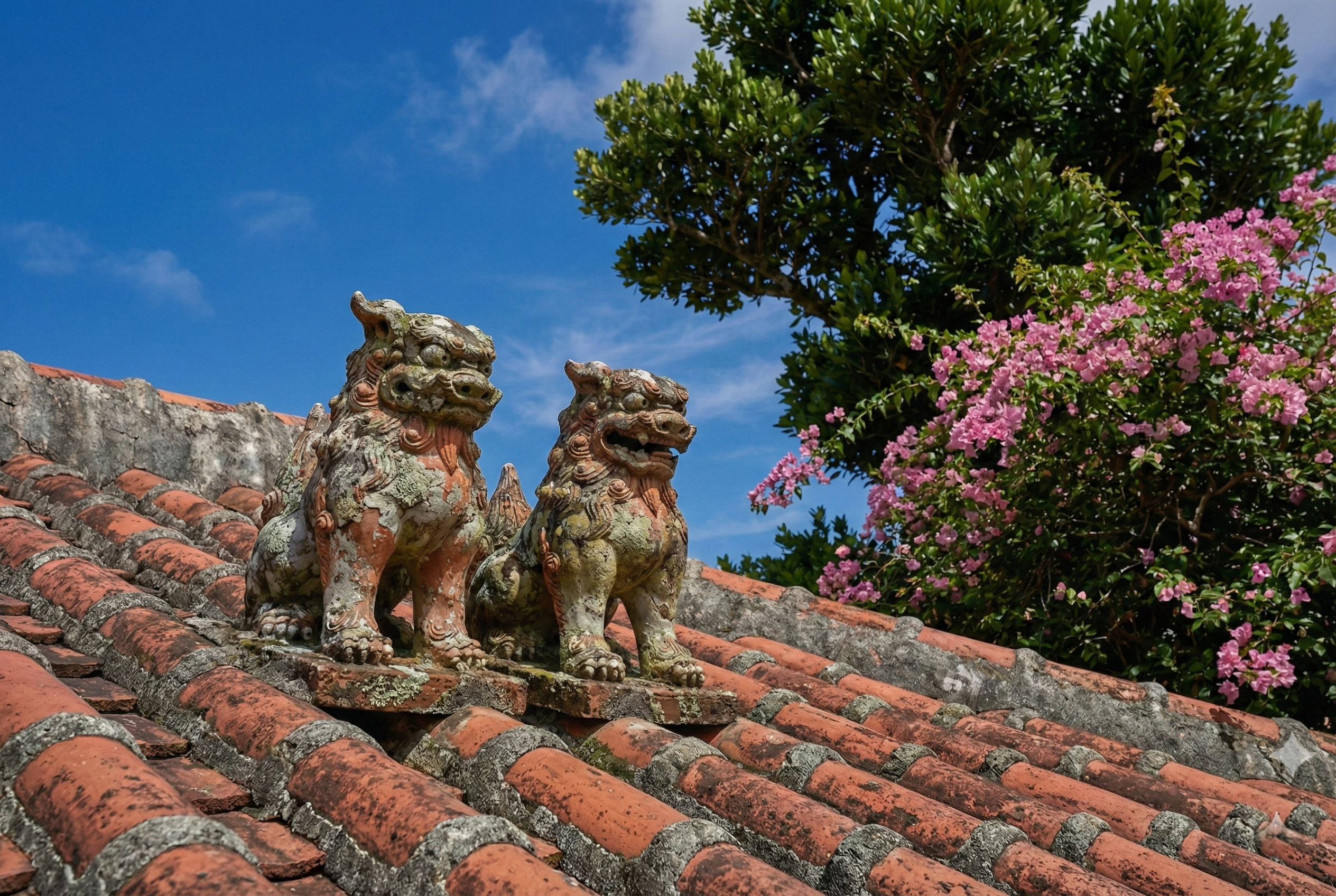
Okinawa Japan is celebrated for its breathtaking scenery, diverse ecosystems, and thrilling outdoor adventures. This region’s natural beauty and unique activities have earned it recognition as a must-visit destination for 2026, as highlighted in Okinawa’s ranking in 2026 destinations. Whether you seek tranquil beaches, lush forests, or vibrant marine life, Okinawa Japan offers something for every traveler.
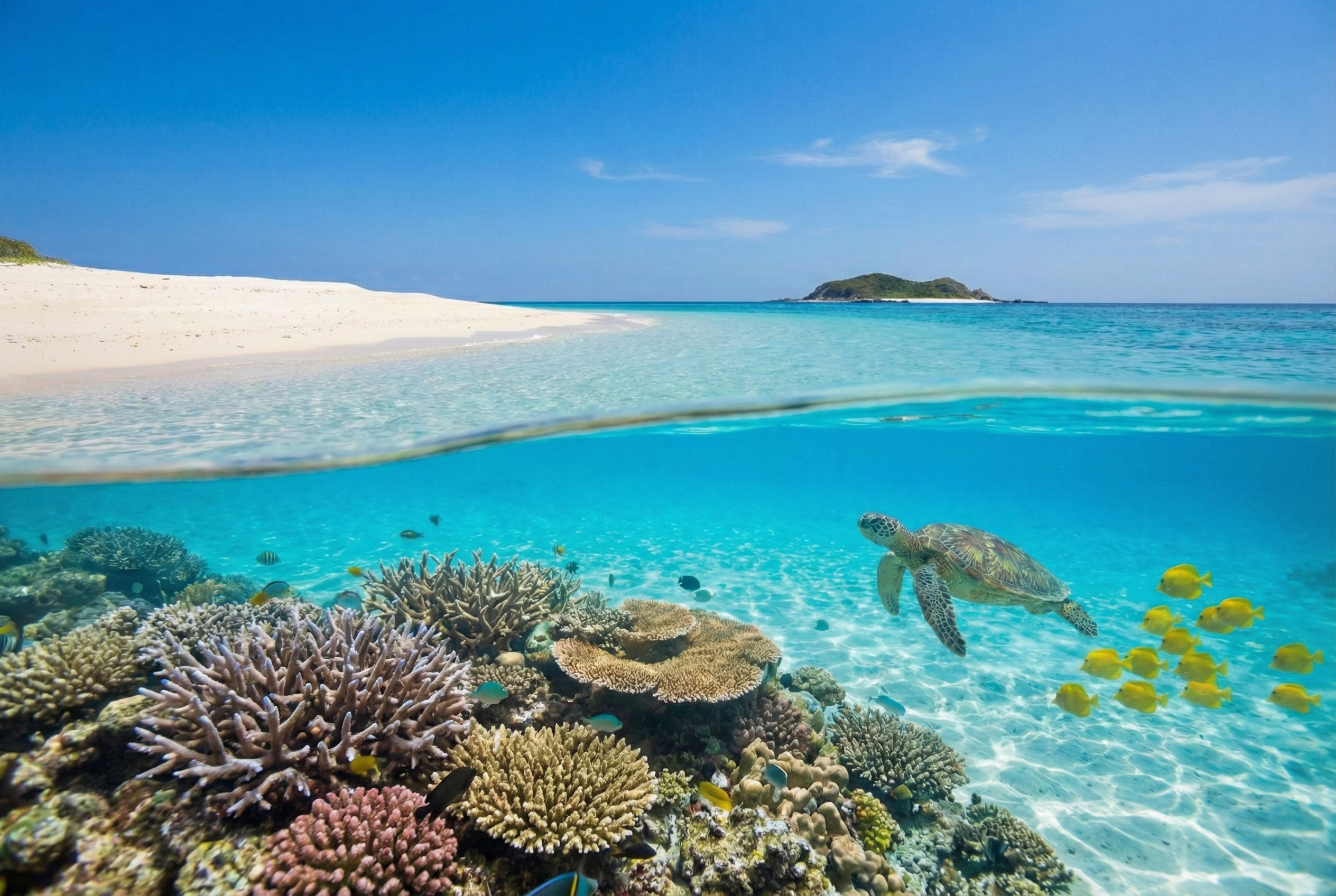
Okinawa Japan is synonymous with pristine beaches and vibrant marine life. Emerald Beach, Okuma Beach, and Sunayama Beach are renowned for their powdery sand and crystal-clear waters. These locations are ideal for sunbathing, swimming, or simply relaxing by the shore.
The coral reefs surrounding Okinawa Japan are home to hundreds of marine species. Snorkeling, scuba diving, kayaking, and paddleboarding are popular activities, especially in the Kerama Islands, where whale watching is a seasonal highlight.
Ishigaki’s Kabira Bay stands out for its striking blue waters and black pearl cultivation, offering a picture-perfect escape. The beaches here set the scene for unforgettable moments and aquatic adventures in Okinawa Japan.
Okinawa Japan’s national parks protect rare wildlife and showcase diverse landscapes. Okinawa Kaigan Quasi-National Park features dramatic coastal cliffs, mysterious caves, and unique flora. Yanbaru National Park is a haven for nature lovers, with subtropical forests that shelter the elusive Okinawa rail and woodpecker.
Hiking enthusiasts can explore trails to Hiji Waterfall or the ancient rock formations of Daisekirinzan. Conservation efforts focus on preserving coral reefs and mangroves, ensuring the region’s beauty endures for future generations. These parks highlight the ecological richness and tranquil scenery that define Okinawa Japan.
Exploring the islands of Okinawa Japan opens a world of adventure. The Miyako Islands are famed for powdery beaches, the scenic Irabu Bridge, and Cape Higashi-Hennazaki’s panoramic vistas. Ishigaki Island serves as a gateway to the Yaeyama archipelago, with its unique star-sand beaches.
Taketomi Island preserves the charm of a traditional Ryukyu village, where visitors can experience buffalo cart rides through quiet lanes. Efficient ferries and domestic flights connect these islands, making it easy to plan seamless journeys across Okinawa Japan’s spectacular archipelago.
Okinawa Japan is a paradise for eco-adventurers. Guided kayaking through mangrove forests, jungle trekking, and cycling along coastal routes are just a few of the activities on offer. Wildlife watching opportunities abound, from observing sea turtles nesting to spotting tropical birds.
For a unique experience, night kayaking in Iriomote Island’s mangroves reveals a magical side of Okinawa Japan. Sustainable tourism is encouraged, with eco-lodges and responsible snorkeling or diving practices supporting the protection of delicate ecosystems. Travelers can engage in meaningful adventures while minimizing environmental impact.
The underwater world of Okinawa Japan captivates divers and snorkelers alike. More than 200 coral species create a dazzling underwater landscape, attracting manta rays, sea turtles, and colorful tropical fish. Popular snorkeling and diving spots offer encounters with vibrant marine life.
The Churaumi Aquarium, one of the largest in the world, features impressive exhibits, including the majestic whale shark. Exploring these aquatic wonders is an essential part of any Okinawa Japan adventure, promising lasting memories and awe-inspiring sights.
Okinawa Japan is a vibrant tapestry of living tradition, dynamic festivals, and daily life infused with both ancient customs and modern influences. Exploring these cultural highlights reveals how the island’s unique identity has flourished over centuries, offering travelers a window into the heart and soul of Okinawa Japan.
The heritage of Okinawa Japan shines through the legacy of the Ryukyu Kingdom. Shuri Castle, a UNESCO World Heritage site, stands as a powerful symbol of this era. Island artisans keep ancient crafts alive, including bingata textile dyeing, lacquerware, and distinctive Tsuboya pottery. The melodic notes of the sanshin, a three-stringed instrument, fill the air during festivals and family gatherings. Ryukyuan language and dialects are still spoken in rural communities, preserving a vital link to the past. Rituals and seasonal festivals, handed down through generations, continue to shape Okinawa Japan’s cultural landscape.
Festivals in Okinawa Japan are immersive celebrations that capture the island’s spirit. The vibrant Eisa Festival features dynamic taiko drumming and synchronized dance, while the Naha Tug-of-War draws thousands to pull a massive rope through city streets. Okinawa’s cherry blossom season is especially unique, as sakura bloom in January and February, heralding spring with pink splendor. For more about these events, see Cherry Blossom Season in Japan. The Dragon Boat Festival, or Hari, brings communities together for thrilling races and lively music. Each festival invites participation and sparks joy for locals and visitors alike.
Daily life in Okinawa Japan blends old and new in fascinating ways. Stroll down Naha’s Kokusai Dori, where traditional market stalls sit beside modern boutiques. The moai, or social support groups, foster a strong sense of community, echoing the island’s reputation for longevity. American military influence has introduced new flavors to local food, music, and even fashion, creating a distinctive fusion culture. Chatan’s American Village offers a taste of Western entertainment, shopping, and nightlife, making it a popular spot for both residents and travelers. This blend of influences defines the modern rhythm of Okinawa Japan.
Sacred sites are central to spiritual life in Okinawa Japan. Sefa Utaki, a revered UNESCO site, is nestled in lush forest and remains a place of worship for Ryukyuan rites. Throughout the islands, visitors encounter ancient stone tombs and peaceful prayer sites where ancestor reverence is practiced with care. Spiritual traditions emphasize harmony with nature and respect for unseen forces, reflected in daily rituals and seasonal offerings. These customs provide a window into the enduring beliefs that guide Okinawan communities, inviting reflection and reverence from all who visit.
Okinawa Japan offers countless ways to connect with its creative spirit. The Okinawa Prefectural Museum & Art Museum showcases historical artifacts, modern art, and rotating cultural exhibits. Hands-on workshops, from pottery and bingata dyeing to sanshin lessons, invite deeper engagement. Karate enthusiasts can participate in an authentic class, as Okinawa is the birthplace of this martial art. These immersive experiences allow visitors to learn directly from local masters, fostering a genuine appreciation for the island’s artistic and educational heritage. Every encounter enriches understanding of Okinawa Japan’s vibrant culture.
For those seeking an elevated journey, Okinawa Japan offers exclusive experiences tailored to individual interests. Japan Royal Service crafts private tours that reveal hidden beaches, sacred sites, and authentic culinary gems. Travelers enjoy premium transportation, personalized itineraries, and access to cultural experiences not available to the general public. Imagine exploring artisan studios, participating in traditional ceremonies, or savoring a private meal prepared by local chefs. These bespoke journeys guarantee a seamless and unforgettable exploration of Okinawa Japan, perfect for discerning travelers who wish to immerse themselves deeply in the island’s wonders.

Okinawa Japan captivates food lovers with flavors as vibrant as its landscapes. Local specialties celebrate both land and sea, drawing visitors into a culinary journey unique to this subtropical paradise.
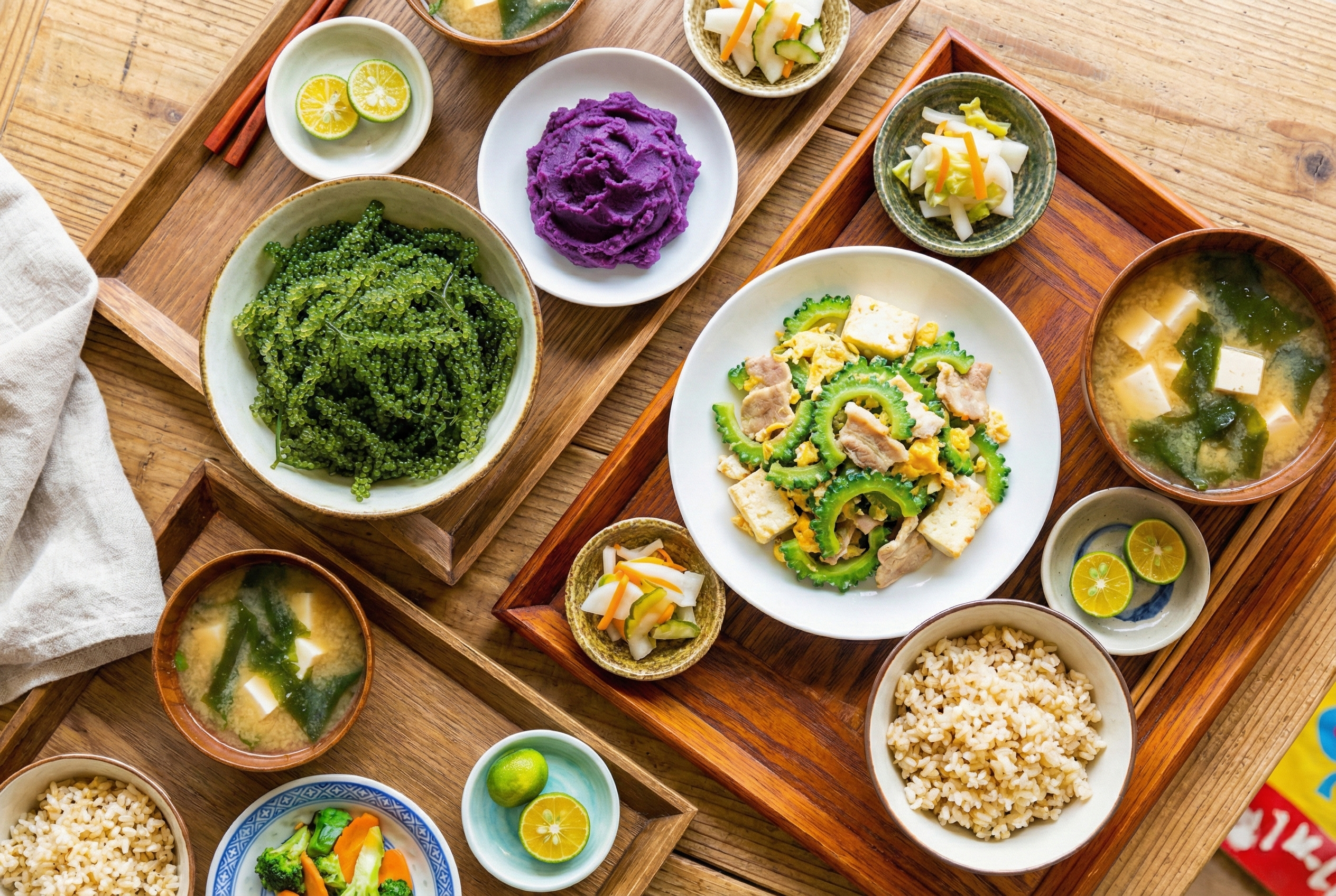
Signature dishes in Okinawa Japan showcase a fusion of Ryukyuan, Japanese, and Chinese influences. Okinawa soba, a comforting noodle soup, is a staple, while goya champuru—a stir-fry with bitter melon—embodies local flavor. Rafute, or slow-braised pork belly, melts in your mouth. Seafood, like sea grapes and tuna, is fresh and abundant. Sweet treats such as sata andagi and beni imo highlight regional produce. For a deeper dive into these delicacies, explore Japanese Food Experiences for culinary inspiration.
Dining in Okinawa Japan is an immersive experience. Naha’s Makishi Public Market brims with local produce, seafood, and street food. Izakaya pubs invite guests to sample awamori and small plates in a lively setting. Many beachfront restaurants offer sunset views alongside fresh sashimi and tropical cocktails. Whether savoring a traditional meal or browsing a food stall, each meal connects visitors to the island’s culture and hospitality.
The food culture of Okinawa Japan is deeply linked to its reputation for longevity. Meals emphasize fresh vegetables, tofu, seaweed, and moderate portions. The hara hachi bu philosophy—eating until 80 percent full—guides locals toward mindful consumption. Flavors reflect Chinese and Southeast Asian influences, with light seasonings and balanced nutrition. This approach not only delights the palate but also supports a healthy lifestyle admired worldwide.
Travelers in Okinawa Japan can immerse themselves in local cuisine through cooking classes and guided food tours. Workshops teach visitors to prepare favorites like goya champuru and Okinawa soba. Culinary tours reveal hidden eateries and introduce unique ingredients. Farm-to-table experiences in rural villages offer hands-on insight into regional farming and traditions. These activities provide a memorable connection to the island’s food heritage.
Okinawa Japan caters to diverse dietary preferences. Many dishes are naturally plant-based, featuring tofu, vegetables, and seaweed. Seafood options abound, and major restaurants accommodate dietary restrictions. Vegetarian-friendly meals can be found in markets and local eateries. Travelers are encouraged to ask for recommendations and enjoy the island’s inclusive food culture, which welcomes all tastes.
Planning your trip to Okinawa Japan means thinking ahead about transportation, lodging, budgeting, etiquette, and staying connected. Here’s how to navigate the essentials for a smooth, memorable journey.
Okinawa Japan is easily accessible via Naha Airport, the region’s main international gateway. Direct flights connect from Tokyo, Osaka, and select Asian cities, making arrivals straightforward for global visitors. Once in Okinawa, travelers can hop between islands using efficient ferries, domestic flights, or rental cars for maximum flexibility.
Public buses and the monorail in Naha provide budget-friendly options for city exploration. If you plan to drive, remember to bring an international driving permit and get comfortable with left-side driving. The recent uptick in tourism, as shown in Okinawa tourism statistics 2024, has led to infrastructure improvements, ensuring smooth transit for all.
From luxurious beachfront resorts in Onna and Miyako to cozy ryokan and guesthouses, Okinawa Japan offers lodging for every taste. Boutique hotels in Naha blend comfort with local character, while eco-lodges and glamping sites create unique stays close to nature.
For families or groups, beach villas provide privacy and stunning ocean views. Booking in advance is recommended, especially during peak travel months. Whether you seek relaxation or adventure, Okinawa Japan’s diverse accommodations ensure you’ll find the perfect base.
Traveling Okinawa Japan is generally affordable, though prices vary by season and location. The local currency is Japanese Yen (JPY), and while major hotels and shops in Naha accept credit cards, rural areas remain cash-focused.
ATMs are widely available in airports and convenience stores, but always carry some cash for smaller purchases. On average, expect moderate costs for meals and activities, with luxury options available for splurges. Planning your budget ahead helps maximize your Okinawa Japan experience.
Okinawa Japan is known for its safety and warm hospitality. Crime rates are low, and visitors are welcomed with genuine kindness. Always respect local customs: bow when greeting, remove shoes before entering homes or certain establishments, and dress modestly at shrines.
Protect the environment by following waste disposal rules and avoiding damage to coral reefs. Practicing these simple courtesies ensures a positive experience for both travelers and locals.
Japanese is the primary language in Okinawa Japan, but English signage is common in tourist areas. Learning a few Okinawan phrases, such as “Haisai” (hello), enriches your cultural experience.
Stay connected by renting a local SIM card or portable Wi-Fi device at the airport. Essential travel apps for navigation, translation, and public transport make exploring Okinawa Japan easier and more enjoyable, keeping you informed every step of the way.
Okinawa Japan is a destination of rare natural beauty, where subtropical forests meet vibrant coral reefs. Sustainable tourism is essential to protect these treasures for future generations. Visitors play a vital role in preserving Okinawa Japan’s unique ecosystems, supporting local culture, and ensuring a positive impact on island communities.
Okinawa Japan is home to over 200 species of coral, rare wildlife like the Okinawa rail, and ancient forests. Conservation projects focus on coral restoration, turtle nesting protection, and the preservation of mangrove habitats. By choosing eco-friendly tours and avoiding contact with coral, travelers help maintain the delicate balance of Okinawa Japan’s ecosystems.
Engaging with Okinawa Japan’s local communities ensures tourism benefits everyone. Opt for family-run guesthouses, dine at locally owned restaurants, and purchase handmade crafts. These choices strengthen the local economy and foster authentic connections.
Practice responsible tourism by respecting sacred sites and cultural traditions. When visiting areas like Kume Island, consider the cultural heritage perceptions in Kume Island to better understand the importance of heritage conservation. Always follow environmental etiquette: avoid littering, dispose of waste properly, and minimize single-use plastics.
The eco-tourism sector in Okinawa Japan is expanding, creating jobs and funding conservation. Travelers’ choices can make a measurable difference. By supporting sustainable experiences, you help ensure Okinawa Japan remains a model for responsible travel in Asia. Small steps, like staying in eco-lodges or joining local-led tours, contribute to the island’s future.
As you explore Okinawa’s pristine beaches, vibrant culture, and unique culinary traditions, you’ll quickly see why this island is truly unlike anywhere else in Japan. Planning a journey that captures both the famous sights and the hidden gems takes thoughtful expertise—especially when you want every moment to feel seamless and special. If you’re ready to experience Okinawa on your own terms, curated just for you, let’s start crafting a journey that matches your interests and travel style. Request your private consultation: Design your bespoke Japan journey with our experts.