
LINE ID japanroyalservice
+817013781777 click here
+817013781777 click here
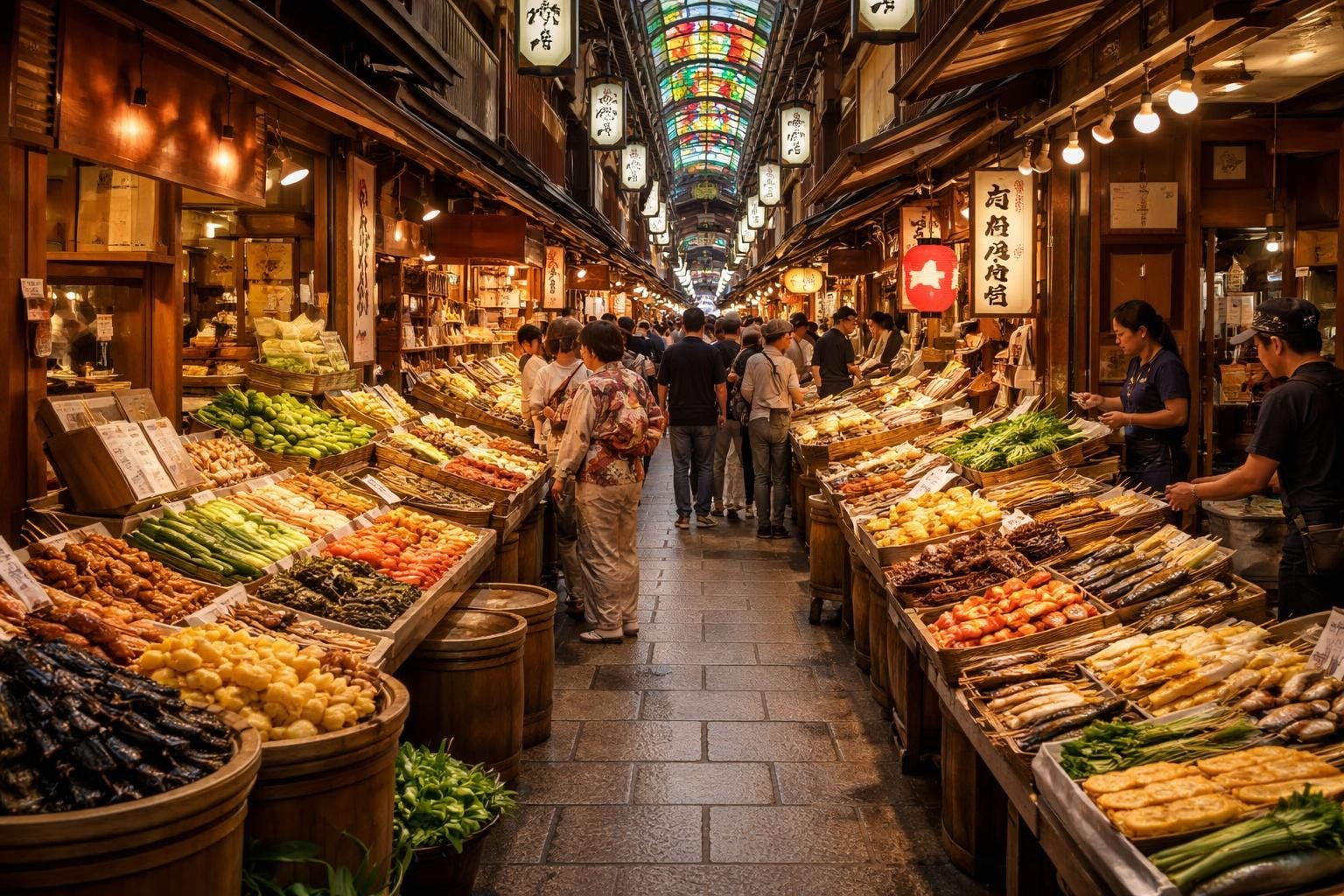
Nestled in the heart of Kyoto, Nishiki Market stands as a testament to Japan’s enduring culinary traditions and cultural richness. Known affectionately as “Kyoto’s Kitchen,” this vibrant marketplace has served locals and visitors for over four centuries, offering an unparalleled window into authentic Japanese gastronomy. The narrow shopping street stretches approximately 390 meters, housing more than 100 specialized shops and restaurants that showcase everything from seasonal vegetables to handcrafted knives. For discerning travelers seeking genuine cultural immersion, this historic venue represents far more than a simple shopping destination-it embodies the essence of Kyoto’s food culture and artisanal craftsmanship.
The origins of Nishiki Market date back to the 14th century, when it began as a wholesale fish market. By 1615, the official establishment of Nishiki Market transformed this area into a sanctioned marketplace, securing government permission to sell fresh fish. The market’s strategic location near the underground water source provided ideal conditions for preserving seafood, establishing its reputation for exceptional freshness and quality.
Over time, Nishiki Market expanded beyond its roots in fish sales to encompass a comprehensive array of food products and specialty items. The name “Nishiki,” meaning “brocade,” reflects the colorful, varied nature of the goods displayed throughout the arcade. This evolution mirrors Kyoto’s own transformation while maintaining deep connections to traditional practices and seasonal rhythms.
The market’s architectural features contribute to its historical charm. The narrow covered arcade protects shoppers from rain and summer heat, creating an intimate atmosphere that encourages exploration and discovery. Traditional wooden storefronts stand alongside more modern establishments, creating a visual timeline of the market’s continuous adaptation.

Walking through Nishiki Market reveals an extraordinary concentration of specialized food vendors, each focused on specific products and backed by generations of expertise. The diversity of offerings creates a comprehensive showcase of Japanese cuisine, from everyday staples to rare delicacies.
Tsukemono (Pickled Vegetables)
Tofu and Yuba Products
Fresh tofu shops demonstrate the art of soybean transformation, while yuba (tofu skin) vendors highlight Kyoto’s renowned specialty products. These protein-rich foods represent essential elements of Buddhist vegetarian cuisine that developed in temple kitchens throughout the region.
The market maintains its fish market heritage through numerous seafood vendors offering both fresh catches and preserved varieties. Dried fish, fish cakes, and specialty preparations showcase traditional preservation techniques developed before refrigeration. These methods not only extended shelf life but also concentrated flavors and created entirely new taste experiences.
| Product Category | Notable Vendors | Specialty Items |
|---|---|---|
| Knives & Cutlery | Aritsugu | Hand-forged Japanese knives |
| Fresh Vegetables | Kanematsu | Kyoto heirloom vegetables |
| Pickles | Multiple vendors | Seasonal tsukemono varieties |
| Sweets & Confections | Traditional wagashi shops | Seasonal Japanese desserts |
Understanding how to approach Nishiki Market enhances the overall experience, particularly for first-time visitors unfamiliar with Japanese market customs and etiquette. The concentrated environment requires awareness and respect for both vendors and fellow shoppers.
Early Morning (9:00-11:00 AM)
The market opens as vendors prepare their displays and offer the freshest selections. Professional chefs and serious home cooks often shop during these hours, creating an authentic local atmosphere. The narrower crowds allow for better interaction with vendors and easier photography.
Midday Through Afternoon
Peak tourist hours bring energy and excitement, but also significant congestion. The covered arcade fills with visitors sampling street food and exploring the various shops. While bustling, this period showcases the market’s vibrant social atmosphere.
Evening Hours
Some shops begin closing by late afternoon, particularly those selling fresh produce and seafood. However, prepared food vendors and restaurants often remain open, offering opportunities for dinner exploration.
Respecting market customs ensures positive experiences for everyone. Many vendors prefer customers not to touch produce directly unless purchasing. Some shops prohibit eating while walking through the narrow arcade, though designated areas allow for sampling purchased items.
Photography policies vary by vendor, with some welcoming photos while others prefer privacy. When in doubt, asking permission demonstrates respect and often leads to engaging conversations about products and preparation methods.

Nishiki Market transforms throughout the year, reflecting Japan’s deep connection to seasonal ingredients and preparations. This rotating selection keeps regular visitors engaged while showcasing the breadth of Kyoto’s culinary traditions.
Spring brings bamboo shoots, mountain vegetables, and cherry blossom-themed confections. Fresh takenoko (bamboo shoots) arrive in Apri and are, preparedin numerous way,s from simple grilled preparations to complex simmered dishes. Sakura mochi and other cherry blossom sweets celebrate the season’s most iconic imagery.
Autumn showcases matsutake mushrooms, chestnuts, and sweet persimmons. The traditional foods available during this season include preparations highlighting umami-rich ingredients and warming flavors as temperatures cool.
Winter features turnips, daikon radish, and various preserved foods. New Year preparations dominate December, with vendors offering specialized ingredients for osechi ryori (traditional New Year dishes). Hearty root vegetables and warming broths become prominent.
While food dominates the market landscape, Nishiki Market also houses vendors specializing in culinary tools, ceramics, and traditional crafts. These establishments connect food preparation with artistic expression, recognizing that Japanese cuisine values presentation as much as flavor.
Specialized knife shops like Aritsugu have served professional and home cooks for generations. These establishments offer everything from everyday kitchen knives to museum-quality blades forged by master artisans. Staff members provide expert guidance on selection, use, and maintenance, ensuring purchases last for decades with proper care.
Traditional pottery shops showcase Kyoto-style ceramics designed specifically for Japanese cuisine. Different vessel shapes, sizes, and glazes serve specific culinary purposes, from delicate cups for kaiseki course meals to robust bowls for hearty noodle dishes. Understanding these functional aesthetic principles deepens appreciation for Japanese dining culture.
For discerning travelers seeking authentic cultural immersion, Nishiki Market offers experiences that go beyond typical tourist fare. The concentration of expertise, traditional practices, and seasonal variations creates rich educational possibilities when approached with proper context and guidance.
Expert guides transform market visits from simple shopping trips into comprehensive culinary education experiences. They provide historical context, explain seasonal ingredients, facilitate vendor interactions, and arrange tastings of specialty products. This guided approach reveals layers of meaning easily missed during independent visits.

Several establishments near Nishiki Market offer cooking classes using ingredients purchased during market tours. Participants learn traditional preparation techniques while gaining practical knowledge about ingredient selection and seasonal cooking principles. These hands-on experiences create lasting memories and transferable skills.
Nishiki Market’s central location makes it an ideal component of comprehensive Kyoto explorations. The market sits within walking distance of numerous temples, traditional neighborhoods, and cultural sites, allowing seamless integration into full-day itineraries that balance culinary discovery with historical and architectural appreciation.
Understanding logistical details ensures smooth market experiences, particularly for international visitors unfamiliar with Japanese shopping customs and payment methods.
Nishiki Market runs one block north of Shijo Street, between Teramachi Street and Takakura Street in central Kyoto. Multiple subway stations provide convenient access, with Shijo Station on the Karasuma Line offering the closest connection. The covered arcade format makes the market accessible regardless of weather conditions.
Most vendors operate from 9:00 AM to 6:00 PM, though individual shop hours vary considerably. Some establishments close on Wednesdays or Sundays, while others maintain daily operations. Visiting the official Nishiki Market website provides up-to-date information on individual shops and any special closures.
While credit card acceptance has increased, many smaller vendors still prefer cash transactions. ATMs are available nearby, and currency exchange services operate in the surrounding area. Some shops offer tax-free shopping for international visitors on qualifying purchases, provided passport presentation is required at checkout.
| Practical Detail | Information | Recommendations |
|---|---|---|
| Best Entry Point | Teramachi Street (east end) | Start here and walk west |
| Crowd Levels | Lowest 9-10 AM, Highest 2-4 PM | Early arrival preferred |
| Average Visit Duration | 1-2 hours minimum | Allow 3+ hours for thorough exploration |
| Dining Options | 20+ restaurants and stands | Try multiple small portions |
Beyond the well-known vendors and popular products, Nishiki Market harbors lesser-known treasures that reward curious exploration and return visits. These discoveries often provide the most memorable and authentic interactions.
Several tea vendors offer Kyoto-region varieties, from ceremonial matcha to everyday sencha. Knowledgeable staff explain cultivation methods, processing techniques, and proper preparation, elevating tea from a simple beverage to a cultural practice. Some shops conduct informal tastings, allowing comparison of different grades and styles.
Artisan producers of soy sauce, miso, and specialty seasonings maintain shops where generations of family expertise are concentrated in each product. These condiments form the foundation of Japanese cooking, and understanding their production and proper application deepens culinary knowledge considerably.
While Kyoto’s Fushimi district is better known for sake brewing, several Nishiki Market vendors specialize in local and regional varieties. Staff guidance helps navigate the complex world of sake grades, rice varieties, and brewing styles. Some shops also offer craft amazake (sweet fermented rice drink) and other traditional beverages.
Despite centuries of history, Nishiki Market continues to evolve to meet contemporary needs while maintaining its traditional character. This balance between preservation and adaptation ensures relevance for current generations while honoring ancestral practices.
Many market vendors maintain direct relationships with farmers, fishermen, and artisan producers throughout the Kyoto region and broader Kansai area. These connections support regional agriculture and traditional crafts while ensuring product quality and authenticity. The market functions as both a retail space and a distribution network for small-scale producers who might otherwise struggle to reach consumers.
Nishiki Market serves Japanese visitors as much as international tourists, providing urban Kyoto residents access to traditional ingredients and preparation methods. School groups, cooking enthusiasts, and professional chefs all utilize the market as an educational resource, ensuring transmission of culinary knowledge across generations.
The concentration of expertise creates an informal academy where learning occurs through observation, conversation, and tasting. This living educational model surpasses formal instruction in conveying the nuances of Japanese food culture.
While Tokyo’s Tsukiji Outer Market and Osaka’s Kuromon Market offer similar experiences, Nishiki Market maintains distinct characteristics reflecting Kyoto’s cultural identity and historical position. Understanding these differences helps travelers appreciate what makes each market unique.
Nishiki Market emphasizes Kyoto-specific products and preparation methods, particularly those associated with temple cuisine and traditional kaiseki dining. The concentration of yuba, Kyoto vegetables, and refined pickle varieties reflects local preferences and agricultural traditions. The market’s narrower format creates a sense of intimacy lacking in larger marketplaces, fostering closer vendor-customer relationships.
The presence of traditional craft vendors alongside food purveyors distinguishes Nishiki Market from more exclusively food-focused venues. This integration acknowledges the interconnection between culinary practice and material culture in Japanese tradition.
For travelers seeking comprehensive cultural immersion, food markets like Nishiki offer essential insights into daily life and traditional practices. When integrated into thoughtfully designed itineraries, these experiences complement temple visits, garden tours, and other cultural activities, creating balanced programs that engage multiple senses and learning styles.
Understanding Japanese food culture through direct market interaction provides context for formal dining experiences, making kaiseki meals or tea ceremonies more meaningful through familiarity with ingredients and preparation principles. This layered approach to cultural learning creates deeper appreciation and lasting memories.
Luxury travel services can arrange private market access, expert guide accompaniment, and connections to vendors not typically accessible to general visitors. These enhanced experiences provide exclusive insights while supporting traditional businesses and cultural preservation efforts.
Nishiki Market represents far more than a tourist attraction-it embodies centuries of Kyoto’s culinary heritage, artisan craftsmanship, and cultural continuity in a vibrant, accessible format. Whether you’re seeking authentic ingredients, cultural education, or simply the pleasure of exploring a historic marketplace, Nishiki Market delivers experiences that resonate long after your visit concludes. For travelers who desire expertly curated access to Japan’s most authentic cultural treasures, Japan Royal Service designs bespoke itineraries that seamlessly integrate market exploration with complementary experiences throughout Kyoto and beyond, ensuring every moment of your journey reflects your unique interests and delivers unforgettable discoveries.