
LINE ID japanroyalservice
+817013781777 click here
+817013781777 click here
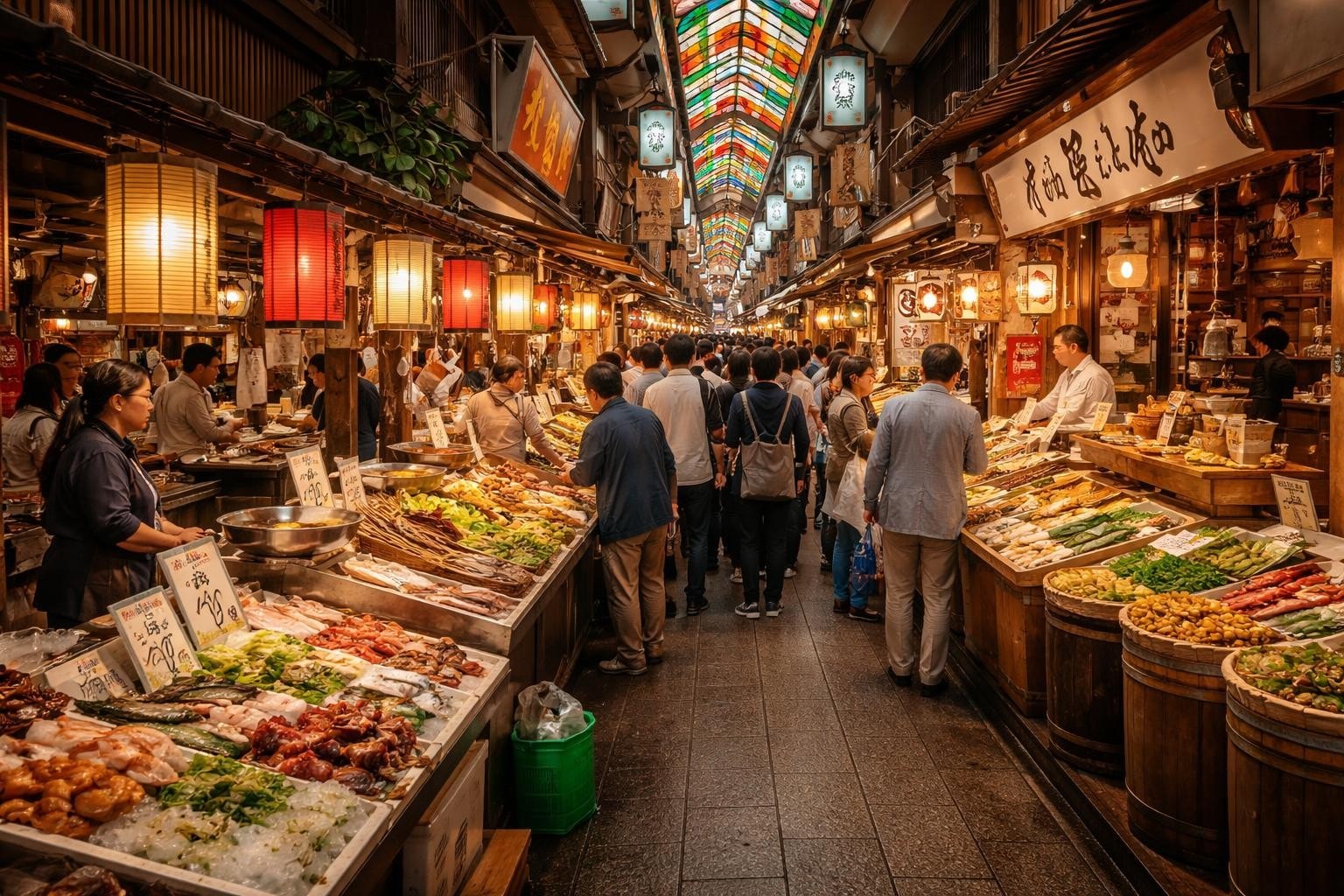
The Nishiki Ichiba market stands as one of Kyoto’s most treasured culinary destinations, offering visitors an immersive journey through four centuries of Japanese food culture. This narrow, covered shopping street stretches for approximately 400 meters through central Kyoto, housing over 100 specialized vendors who have perfected their crafts across generations. Known affectionately as “Kyoto’s Kitchen,” the market serves both local chefs sourcing premium ingredients and discerning travelers seeking authentic gastronomic experiences. For those who appreciate the intersection of tradition, quality, and culinary artistry, this historic marketplace represents the very essence of Japanese food culture.
The origins of the Nishiki Ichiba market trace back to the early 1600s during the Edo period, when a wholesale fish market was first established along this narrow street. According to historical records on the Japanese Wiki, the market’s location was strategically chosen for the abundance of underground spring water, which kept fish remarkably fresh in an era before refrigeration. This natural advantage transformed the area into a thriving commercial center.
Throughout the Meiji era and into the 20th century, the market evolved from its fish-focused roots into a comprehensive food marketplace. The distinctive covered arcade that defines the market today was added in the 1920s, protecting vendors and shoppers from Kyoto’s seasonal weather while creating the intimate atmosphere that characterizes the space.
The market’s narrow width, typically just three to five meters across, creates an engaging shopping experience that encourages close interaction between vendors and visitors. Traditional wooden storefronts stand alongside more modern establishments, each maintaining the aesthetic harmony that Kyoto demands of its commercial spaces.
Key architectural features include:
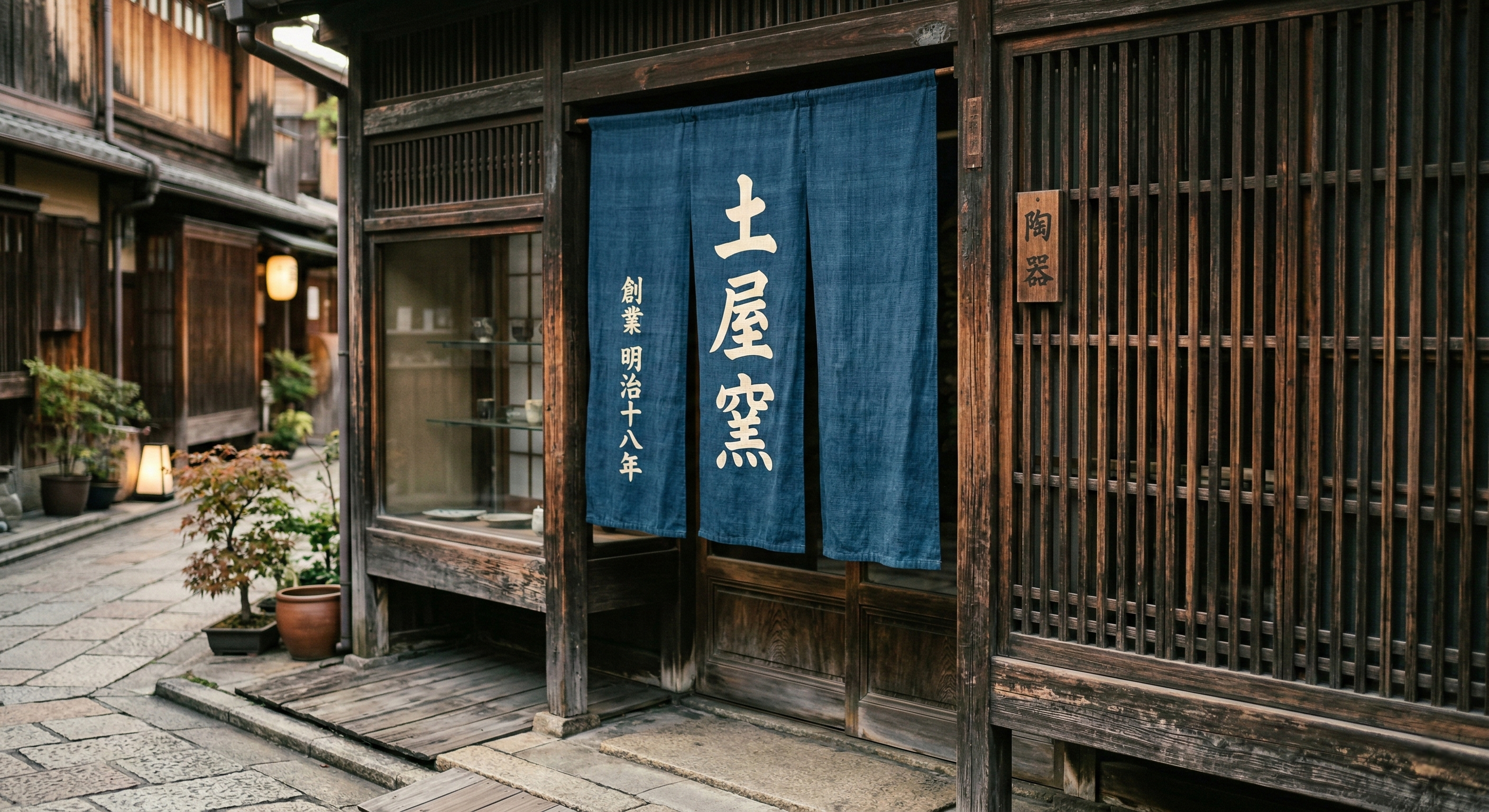
What distinguishes Nishiki Ichiba Market from ordinary shopping districts is the extraordinary specialization of its vendors. Many shops focus exclusively on a single product category, having refined their expertise over multiple generations. This dedication to mastery creates unparalleled quality within each niche.
Kyoto’s pickle culture reaches its pinnacle at several dedicated tsukemono shops throughout the market. These establishments offer dozens of varieties, from delicate cucumber pickles seasoned with shiso leaves to robust daikon radish preparations aged in rice bran. Each vendor maintains proprietary fermentation techniques passed down through family lines.
The seasonal rotation of tsukemono reflects Kyoto’s agricultural calendar, with spring bringing tender bamboo shoot pickles, summer featuring crisp eggplant varieties, autumn showcasing turnips, and winter highlighting hearty root vegetables.
Despite Kyoto’s inland location, Nishiki Ichiba Market maintains exceptional seafood offerings thanks to established relationships with coastal suppliers. Vendors specialize in different categories:
| Vendor Type | Specialty Products | Typical Price Range |
|---|---|---|
| Fresh Fish Dealers | Seasonal sashimi-grade fish, live shellfish | ¥2,000-¥15,000 per portion |
| Dried Seafood | Kombu, bonito flakes, dried sardines | ¥800-¥5,000 per package |
| Processed Fish | Kamaboko, fish cakes, and marinated specialties | ¥500-¥3,000 per item |
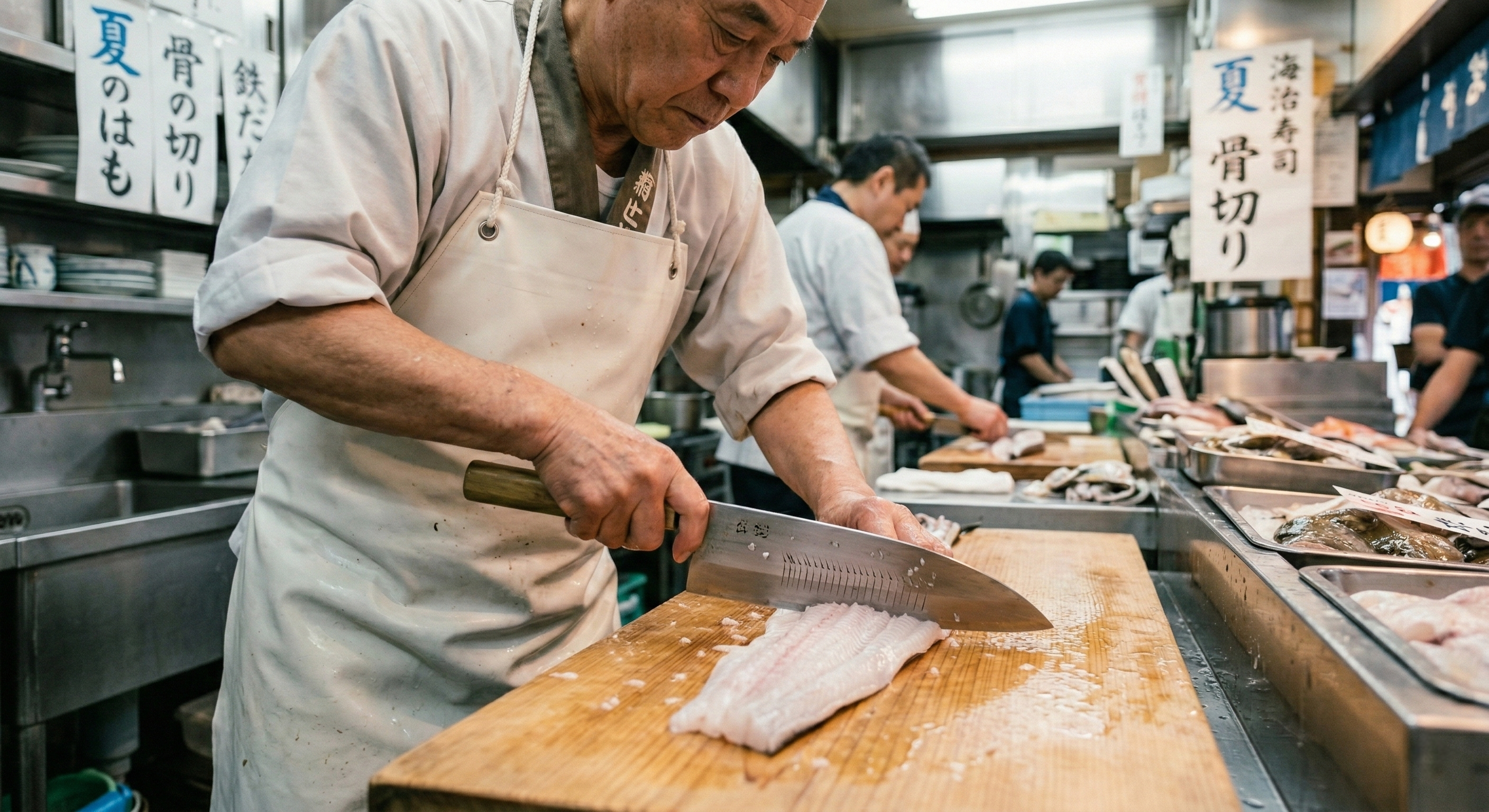
Professional-grade Japanese kitchen knives are among the most sought-after products on the market. Specialized shops employ master artisans who can customize blade angles, handle materials, and engraving to individual specifications. These establishments cater equally to professional chefs and serious home cooks.
Beyond knives, vendors offer the full spectrum of traditional Japanese cooking implements, from delicate bamboo whisks for the tea ceremony to massive wooden rice paddles used in professional kitchens.
The Japan National Tourism Organization highlights how Nishiki Ichiba market functions as a living calendar of Kyoto’s agricultural seasons. Vendors source ingredients from specific regions known for producing the highest quality versions of each product.
Spring offerings include:
Summer brings:
As temperatures cool, the market transforms to reflect harvest season. Matsutake mushrooms command premium prices, while vendors display elaborate arrangements of chestnuts, persimmons, and other fall delicacies. Winter brings mochi rice cakes, specialty ingredients for New Year celebrations, and warming foods like amazake (sweet fermented rice drink).
While Nishiki Ichiba Market originally served restaurants and households as a wholesale market, many vendors now offer prepared foods for immediate enjoyment. This evolution has created opportunities for culinary exploration that were unavailable to previous generations of market visitors.
Unlike Tokyo’s standing-only food stall culture, Kyoto maintains more refined expectations. Many shops provide small samples, but as travel guides note, eating while walking through the narrow market lanes contradicts local etiquette. Instead, designated eating areas near vendor stalls allow visitors to enjoy their purchases respectfully.
Popular ready-to-eat offerings:
Several establishments within Nishiki Ichiba market offer curated tasting experiences that deepen understanding of specific ingredients or preparation methods. Sake merchants conduct comparative tastings of regional varieties, while tea specialists guide visitors through different grades and processing styles. These experiences require booking during peak seasons and typically accommodate small groups to maintain the intimate, educational atmosphere.
Strategic planning enhances any visit to Nishiki Ichiba Market, especially for those seeking to make the most of culinary discoveries in the bustling market. The market operates daily except for occasional irregular holidays, with most shops opening between 9:00 and 10:00 AM and closing around 6:00 PM.
Early morning visits, particularly on weekdays, provide the most authentic experience as local chefs make their daily rounds. This timing also ensures the freshest selection of perishable items and allows for unhurried conversations with vendors. Avoid visiting between 11:30 AM and 2:00 PM when tour groups create significant congestion in the narrow passages.
| Time of Day | Advantages | Disadvantages |
|---|---|---|
| 9:00-11:00 AM | Fresh inventory, professional chefs shopping, and vendor availability | Some shops are still preparing |
| 11:30 AM-2:00 PM | All shops open, energetic atmosphere | Heavy crowds, rushed service |
| 3:00-5:00 PM | Discounts on perishables, relaxed pace | Limited fresh fish selection |
Many longtime vendors speak limited English, but communication through gesture, translation apps, and mutual enthusiasm for food transcends language barriers. Respectful behavior includes refraining from touching products without permission, keeping photography discreet and non-disruptive, and purchasing from shops that offer extensive explanations or samples.
Beyond everyday groceries, Nishiki Ichiba Market excels in sourcing rare and premium ingredients that elevate Japanese cuisine from everyday fare to extraordinary experiences. These specialty items often represent the pinnacle of their categories, sourced from specific producers who maintain traditional methods.
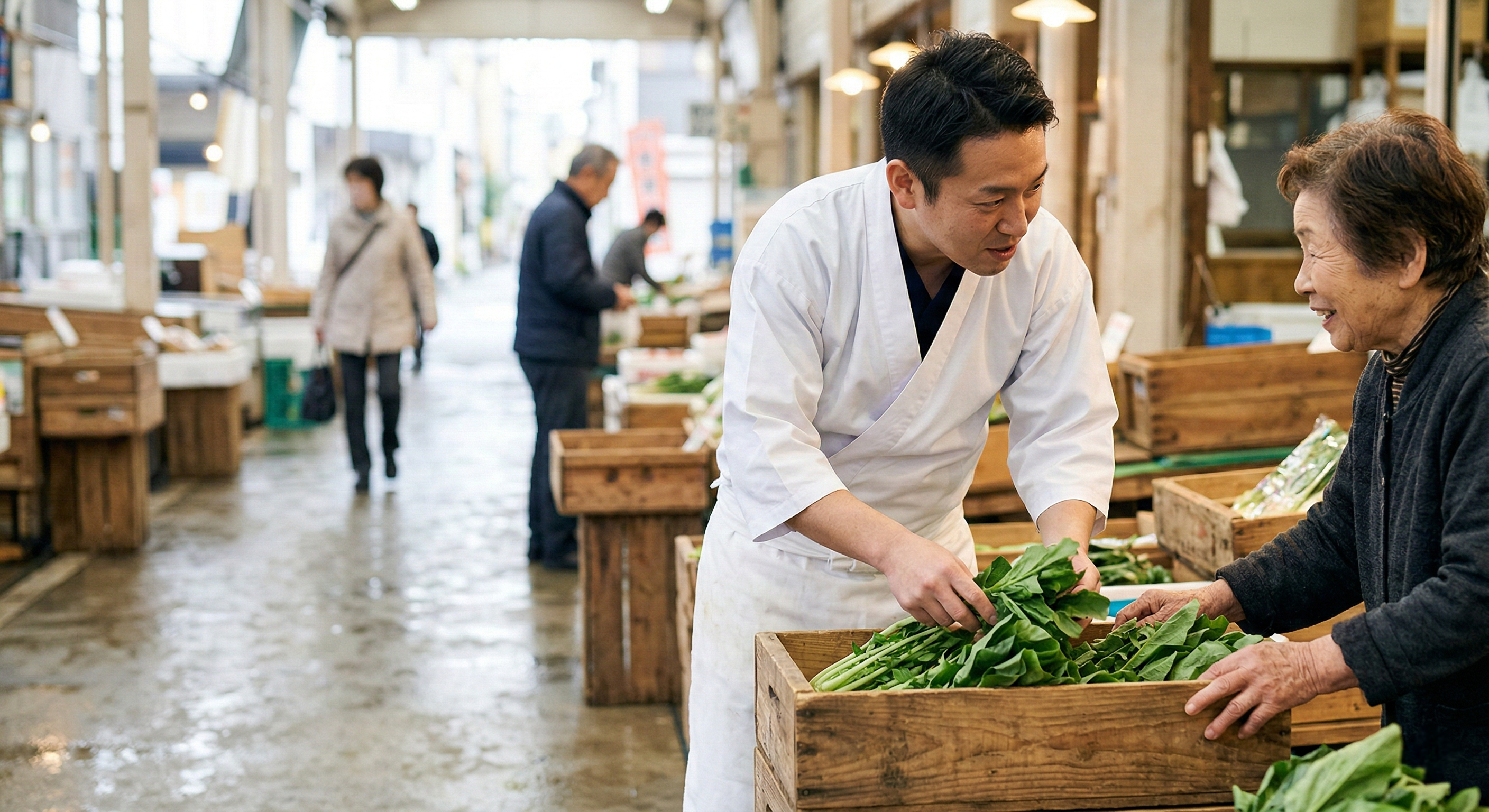
Kyo-yasai (Kyoto vegetables) represent heirloom varieties cultivated specifically in the region surrounding Kyoto for centuries. These vegetables possess unique flavors, textures, and aesthetic qualities that distinguish them from standard commercial varieties. Dedicated vendors within the market offer:
The quality of Japanese cuisine depends heavily on foundational seasonings, and Nishiki Ichiba Market hosts several establishments producing these essentials using traditional methods. Small-batch soy sauce producers, artisanal miso makers, and specialty vinegar producers offer products that transform home cooking.
Yuzu kosho, shichimi togarashi blended to custom specifications, and aged shoyu from specific breweries represent just a fraction of the condiment selection available. Knowledgeable staff can recommend specific products based on intended applications and flavor preferences.
For visitors seeking to bring home elements of the Nthe ishiki Ichiba market, numerous vendors package their products for travel. Understanding customs regulations for food items ensures a smooth passage through international borders, though many dried and shelf-stable products pose no issues.
Ideal travel-friendly purchases include:
Several shops offer international shipping services, allowing visitors to purchase fresh or heavy items without worrying about luggage. These services prove particularly valuable for premium sake, ceramic tableware, or bulk purchases of specialty ingredients. Shipping costs vary based on destination and weight, but the convenience often justifies the expense for serious culinary enthusiasts.
The Nishiki Ichiba market serves functions beyond commercial transactions, operating as a cultural institution that preserves and transmits traditional food knowledge across generations. Young apprentices still learn their trades within market shops, ensuring that specialized skills survive in an era of industrial food production.
Culinary students, both Japanese and international, regularly visit the market as part of their training. The ability to observe and interact with masters of specific techniques provides education that cannot be replicated in classroom settings. This living-museum quality gives the Nishiki Ichiba market relevance beyond tourism, anchoring it firmly in Kyoto’s contemporary culinary landscape.
The market’s emphasis on seasonal, regional ingredients aligns with contemporary values regarding sustainable food systems and reduced carbon footprints. Vendors maintain direct relationships with producers, often visiting farms and fishing communities to verify quality and production methods. This traceability represents luxury in an era of anonymous global supply chains.
Discerning travelers increasingly seek experiences that provide authentic cultural immersion rather than surface-level tourism. The Nishiki Ichiba market offers exactly this depth, particularly when explored with knowledgeable guidance that illuminates the stories, techniques, and relationships behind each vendor.
Customized morning tours led by culinary experts or local chefs turn a market visit into an immersive educational experience. These experiences typically include:
Such tours require advance arrangement and benefit from relationships between tour operators and market vendors, ensuring access and attention that independent visitors rarely receive.
Several high-end cooking experiences in Kyoto incorporate market visits as essential first steps. Participants accompany instructors to select ingredients based on seasonal availability and market conditions, then prepare traditional dishes using these premium components. This farm-to-table approach, adapted to an urban market setting, creates an understanding of how ingredient quality fundamentally shapes Japanese cuisine.
The Nishiki Ichiba market’s central location in Kyoto’s downtown area positions it perfectly within broader cultural itineraries. The market’s eastern entrance is just steps from the Nishiki Tenmangu Shrine, a historic Shinto shrine with distinctive architecture that is partially integrated into surrounding buildings.
Positioning the market visit strategically within a day’s activities maximizes efficiency while maintaining the relaxed pace that luxury travel demands. Morning visits to the market pair naturally with afternoon tea ceremony experiences or visits to Kyoto’s traditional craft workshops. The proximity to Gion, Kyoto’s famous geisha district, enables seamless transitions between culinary and cultural exploration.
Nearby points of interest include:
What elevates Nishiki Ichiba Market beyond a mere shopping venue is the human dimension of its vendors. Many shops have operated continuously for over a century, with current proprietors representing the fourth, fifth, or even sixth generation of their families to occupy the same location.
These multi-generational businesses embody shokunin spirit, the Japanese concept of craftsman dedication to perfection. A knife maker who has spent forty years perfecting blade geometry, or a pickle maker who personally oversees each batch’s fermentation, represents living cultural treasures. Engaging with these artisans, even briefly, provides insights into values that shape Japanese excellence across all domains.
Regular visitors to Kyoto often develop relationships with specific vendors, returning year after year to the same shops. These relationships transform commercial transactions into cultural exchanges, with vendors sharing knowledge, recommending seasonal specialties, and occasionally offering access to limited-production items reserved for established customers. For luxury travelers making multiple visits to Japan, such relationships add a personal dimension to subsequent trips.
Exploring Nishiki Ichiba market reveals layers of culinary tradition, artisan expertise, and seasonal awareness that define Kyoto’s gastronomic culture. The market’s vendors preserve specialized knowledge while adapting to contemporary interests, creating experiences that satisfy both practical shopping needs and deeper cultural curiosity. Japan Royal Service crafts bespoke Kyoto itineraries that incorporate private market tours with expert guides, exclusive vendor introductions, and seamless integration with cooking experiences, ensuring discerning travelers can access the market’s full depth while maintaining the comfort and personalization that luxury travel demands.