
LINE ID japanroyalservice
+817013781777 click here
+817013781777 click here

Imagine standing at the crossroads of Japan, where ancient temples, towering mountains, and vibrant festivals await. In 2026, discover the essence of Japan with a journey to Nagano, a region that blends timeless tradition with breathtaking natural beauty. This guide reveals why Nagano is the ultimate destination for travelers seeking culture, adventure, and authenticity. You will uncover insider tips, local flavors, and unforgettable sights. Ready to be inspired? Let Nagano ignite your curiosity, fuel your wanderlust, and help you craft an extraordinary travel experience at the very heart of Japan.
Imagine standing in the center of Japan, surrounded by soaring peaks, ancient temples, and vibrant towns. Nagano draws travelers in with its remarkable blend of natural beauty, cultural depth, and easy access to both tradition and modernity. It is no wonder that nagano is often called the true heart of the country.
Nagano sits at Japan’s geographic center, serving as a vital link between eastern and western regions. Historically, nagano thrived as a crossroads for trade and pilgrimage, with routes like the Nakasendo weaving through its mountains. The region’s legacy is visible in preserved samurai towns and the enduring presence of Zenko-ji Temple, which has welcomed pilgrims for over 1,400 years.
This prefecture is a living mosaic of tradition and innovation. Ancient festivals, rural customs, and centuries-old shrines coexist with contemporary art spaces and vibrant city life. Nagano’s cultural heritage is woven into daily life, from local matsuri to the quiet rituals at mountain temples.
Nagano Prefecture covers more than 13,500 square kilometers, making it one of Japan’s largest inland regions. Its diverse landscapes offer a microcosm of Japan’s best experiences:
For those eager to delve deeper into this region’s treasures, Explore Nagano and Niigata offers a curated look at must-see attractions and authentic local experiences.
Reaching nagano is simple and swift, thanks to Japan’s renowned transportation network. The Hokuriku Shinkansen whisks travelers from Tokyo to Nagano City in just 1.5 hours. Direct trains also connect nagano with Nagoya and Kanazawa, ensuring seamless travel from multiple major cities.
Once in nagano, a well-developed system of local trains and buses allows for easy exploration of its towns and resorts. Day trips to Matsumoto, Karuizawa, and the storied Kiso Valley are effortless, making nagano both a destination and a strategic gateway to the Japanese Alps.
Travelers can enjoy:
Nagano’s unique blend of accessibility, history, and natural wonder creates an inviting entry point for anyone seeking the full spectrum of Japanese culture and adventure.
Nagano is a treasure trove of authentic Japanese experiences, blending history, nature, wellness, and vibrant celebrations. Whether you are a culture enthusiast, outdoor adventurer, or wellness seeker, nagano offers something for everyone. Let us explore the top attractions and experiences that define this remarkable region.
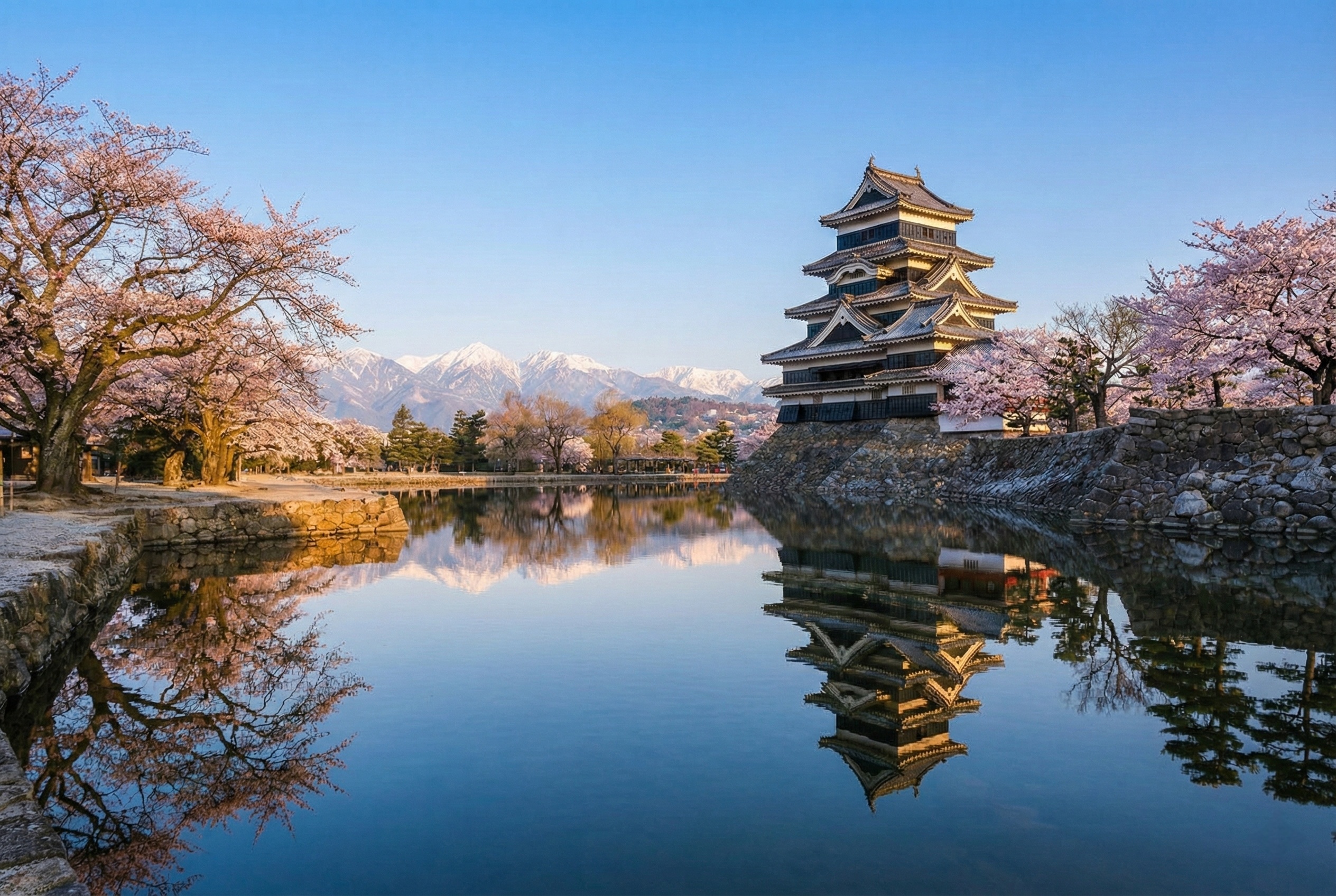
Nagano’s historical tapestry is rich and immersive. At the center stands Matsumoto Castle, one of Japan’s most beautiful original castles, known for its striking black exterior and elegant moats. In nagano City, Zenko-ji Temple welcomes all visitors, regardless of faith, offering a spiritual journey dating back 1,400 years. The Kiso Valley and Nakasendo Trail invite travelers to walk in the footsteps of samurai and merchants, passing through preserved post towns like Magome and Tsumago. Obuse, a charming Edo-period town, delights with its Hokusai art museum and signature chestnut sweets. For a deeper dive into these landmarks, explore this comprehensive Nagano historical sites guide. Walking the Nakasendo Trail is like stepping into living history, making nagano a cultural haven.
Nagano’s natural beauty is breathtaking. The Japanese Alps dominate the skyline, offering hiking, scenic drives, and panoramic views. Kamikochi, a pristine mountain valley, is perfect for both casual strolls and challenging treks, with clear rivers and lush alpine flora. At Jigokudani Monkey Park, visitors witness wild snow monkeys bathing in geothermal hot springs, a sight unique to nagano. Hakuba Valley, a world-renowned ski and snowboard destination, hosted the 1998 Winter Olympics and now attracts outdoor enthusiasts year-round. From tranquil mountain lakes to dramatic peaks, nagano’s landscape is an adventurer’s dream.
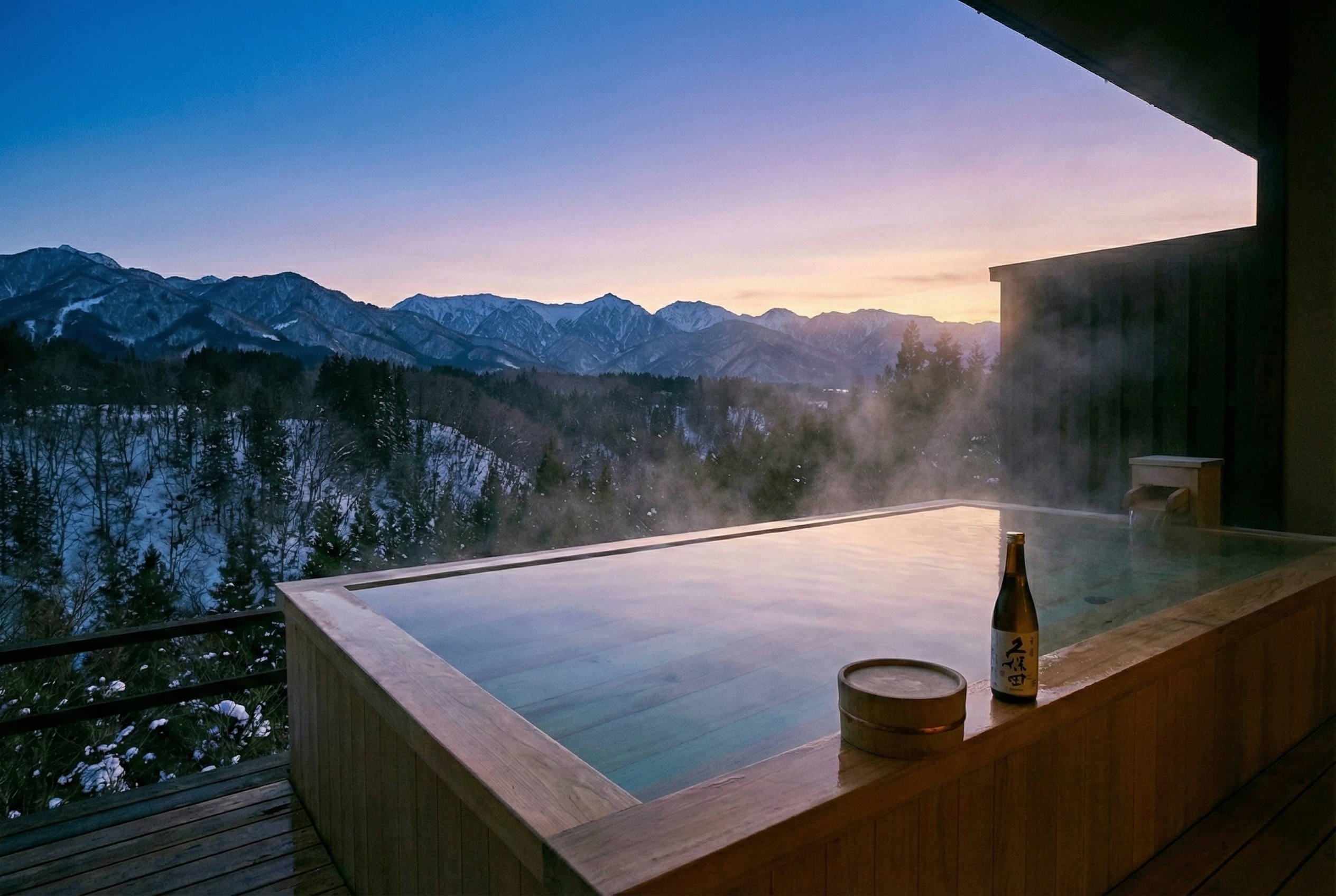
Wellness is woven into daily life in nagano, thanks to its onsen culture. Yudanaka and Shibu Onsen are famed for their historic public baths and atmospheric ryokan, where travelers soak in healing waters. Nozawa Onsen, with its charming streets and mineral-rich springs, is beloved for both relaxation and tradition. Suwa offers lakeside onsen resorts, pairing mountain vistas with restorative soaks. Nagano’s onsen towns provide the ideal escape for those seeking rejuvenation in an authentic Japanese setting, where wellness and local hospitality go hand in hand.
Nagano comes alive with seasonal celebrations that showcase its vibrant culture. In April, Takato Castle Park dazzles visitors with over 1,500 cherry trees in full bloom, transforming the landscape into a sea of pink. Autumn brings stunning foliage to the Kiso Valley and Togakushi, painting old post towns with brilliant colors. Winter is marked by lively snow festivals in Hakuba and Nozawa, where locals and travelers alike celebrate the snowy wonderland. Each season in nagano offers a unique festival or event, inviting visitors to experience the region’s dynamic spirit and enduring traditions.
Nagano’s culinary scene is a vibrant reflection of its mountain landscapes, rich history, and rural traditions. Local flavors are shaped by the region’s cool climate, pure water, and dedication to fresh, seasonal ingredients. Exploring nagano’s food culture means savoring time-honored recipes and discovering new favorites with every meal.
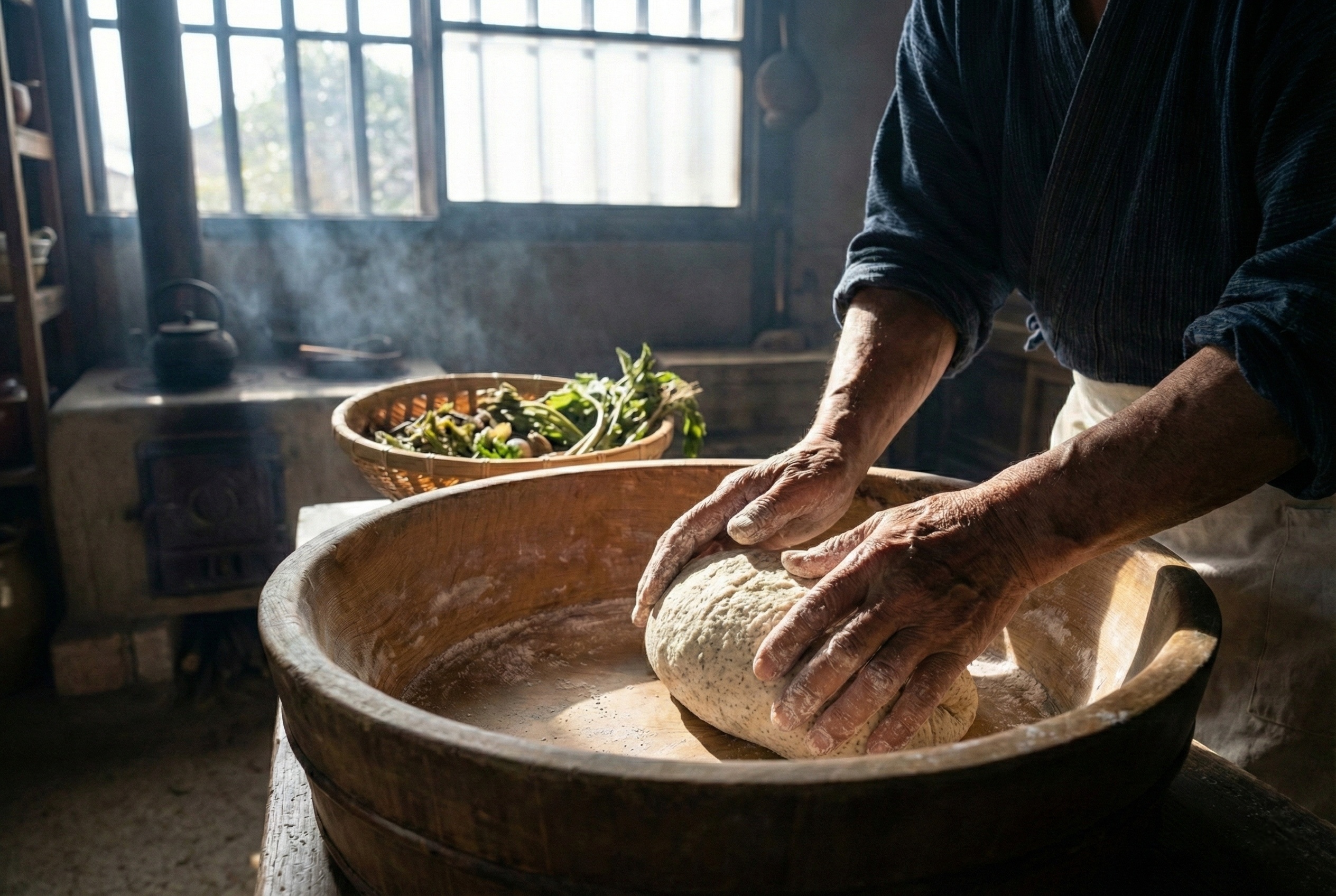
Nagano is renowned for its regional specialties, each showcasing the prefecture’s unique agricultural heritage. Soba noodles, made from buckwheat grown in the mountain air, are a staple at both humble roadside shops and elegant restaurants. Shinshu apples, prized for their crispness and sweetness, are a highlight of nagano’s orchards and markets.
Other must-try dishes include oyaki dumplings—soft buns filled with local vegetables or sweet beans—and basashi, a traditional delicacy of thinly sliced horse sashimi. Enjoying handmade soba in a mountain village is an experience that connects visitors to nagano’s authentic flavors.
Immersing yourself in nagano’s culinary culture means more than just eating. Morning markets in Suwa and Matsumoto offer a sensory feast of fresh produce, artisanal snacks, and local crafts. Sake breweries welcome visitors for tastings of award-winning Shinshu sake, crafted using the region’s pure spring water.
Farm-to-table dining is a highlight, with rural restaurants featuring seasonal ingredients sourced from nearby fields and forests. Culinary tours and workshops invite travelers to try their hand at soba-making or join apple-picking excursions. For a deeper dive into the region’s food traditions, explore Japanese Cuisine and Food Culture to enrich your nagano adventure.
Nagano’s dining venues elevate every meal into a memorable event. Ryokan kaiseki dinners present multi-course seasonal feasts, served in tranquil tatami rooms overlooking gardens or mountains. Mountain huts provide simple, hearty meals for hikers, offering a comforting taste of local hospitality after a day outdoors.
Interactive experiences abound, from hands-on soba-making classes to apple-picking tours in the orchards. Whether you’re savoring a rustic lunch in a mountain hut or indulging in kaiseki at a traditional inn, nagano’s food scene promises both authenticity and delight.
Nagano’s ever-changing landscape offers travelers a fresh perspective with every season. Whether you crave cherry blossoms, mountain adventures, fiery autumn leaves, or powdery snow, Nagano promises a memorable escape year-round. Understanding what each season brings helps you plan the perfect visit and make the most of your time in this captivating region.
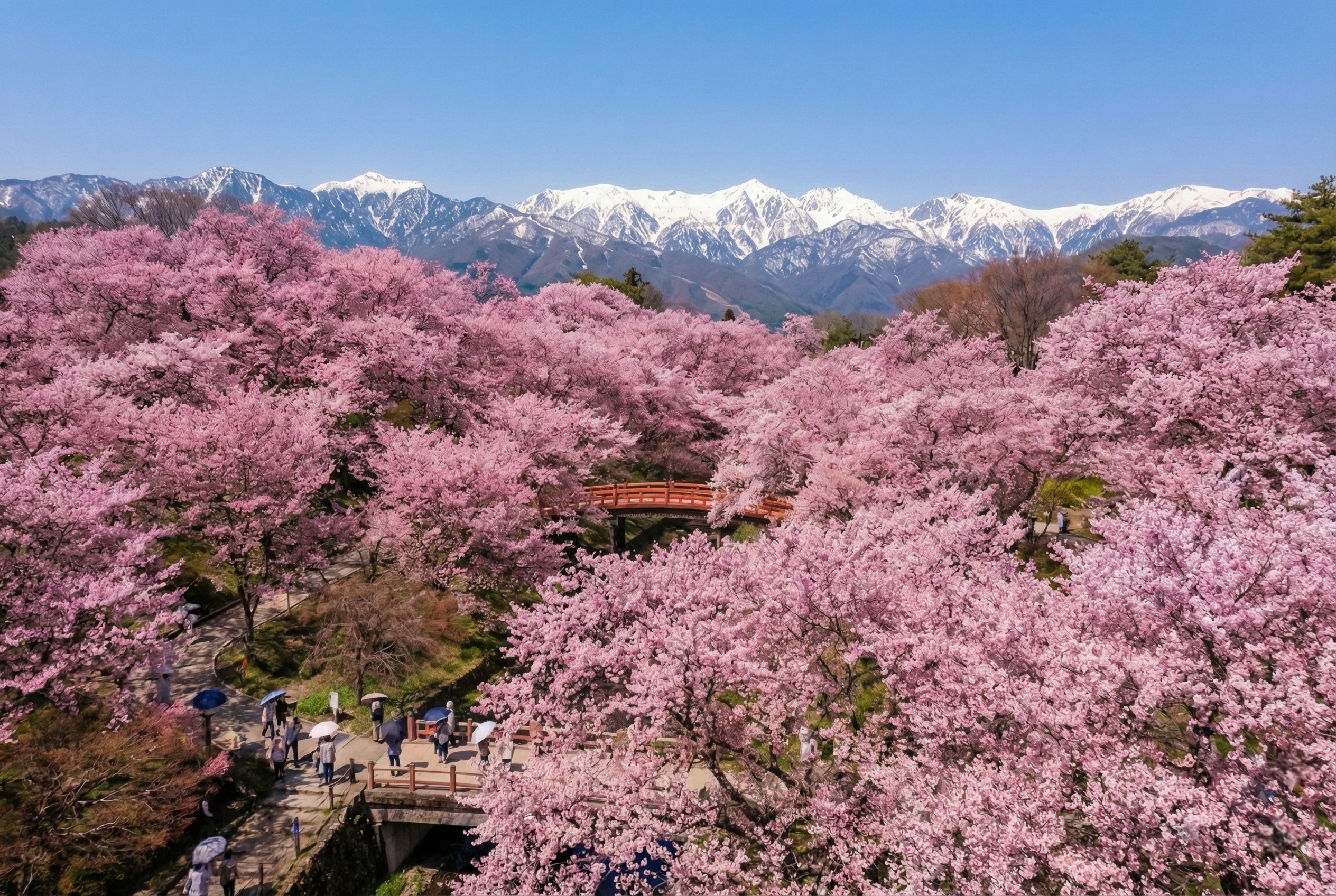
Spring in Nagano is a celebration of renewal. Cherry blossoms paint historic sites like Takato Castle Park, Matsumoto, and smaller rural towns in delicate pinks. Over 1,500 cherry trees bloom at Takato Castle Park, making it one of Japan’s most beloved hanami spots. Alpine flowers begin to emerge in Kamikochi and Utsukushigahara, offering vibrant colors against lingering snowcaps.
Travelers can experience unique festivals, including Zenko-ji’s Gokaicho, which takes place every seven years (next in 2027). This sacred event draws pilgrims from across Japan. Spring’s mild weather and blossoming landscapes make Nagano a prime destination for those seeking beauty, tradition, and new beginnings.
Nagano transforms into a refreshing retreat during the summer months. The region’s high-altitude climate provides cool relief from city heat, making it ideal for outdoor enthusiasts. Hiking trails in the Japanese Alps and Kamikochi open up, revealing panoramic mountain vistas and crystal-clear rivers. Adventure seekers can enjoy cycling, rock climbing, and water sports in Hakuba and Nozawa.
Local villages host lively festivals celebrating the season’s bounty. Summer is also perfect for exploring Nagano’s rural charm, with fresh produce and farm-to-table experiences. Whether you are trekking through lush forests or relaxing by alpine lakes, Nagano’s summer offers a balance of excitement and tranquility.
Autumn sets Nagano aglow with fiery foliage. The Kiso Valley, Togakushi, and Karuizawa are renowned for their vibrant reds and golds, making them top spots for leaf peeping. Harvest festivals and apple picking events abound, letting visitors sample Nagano’s crisp Shinshu apples and seasonal treats.
Historic post towns like Magome and Tsumago are particularly stunning when framed by autumn colors. If you are planning a visit, explore Japan Autumn Leaves Destinations for a curated guide to the best viewing spots across Nagano and beyond. Autumn in Nagano is an immersive sensory experience, blending tradition, taste, and natural wonder.
Winter transforms Nagano into a snowy playground. World-class skiing and snowboarding await in Hakuba, Shiga Kogen, and Nozawa, where powder conditions attract enthusiasts from around the world. According to Hakuba Village tourism statistics, Hakuba saw a record 1.3 million visitors in the 2024-2025 season, underscoring Nagano’s global appeal.
Beyond the slopes, experience the magic of snow monkeys bathing in Jigokudani’s hot springs or soak in an onsen surrounded by snowy landscapes. Winter festivals add sparkle to the season, while cozy ryokan offer warm hospitality. For those seeking adventure and relaxation, Nagano’s winter is simply unforgettable.
Careful planning unlocks the full magic of nagano, ensuring every moment is memorable. From seamless transport to unique stays, use these essential tips to make your 2026 journey smooth and immersive.
Nagano’s central location makes arrival straightforward. The Hokuriku Shinkansen brings you from Tokyo in just 1.5 hours, while connections from Kanazawa and Nagoya are equally efficient.
For exploring nagano’s towns and mountains, regional rail lines and frequent buses offer excellent coverage. Consider purchasing a JR East Nagano-Niigata Area Pass for unlimited train travel, or local bus passes for flexible sightseeing.
Taxis and rental cars fill gaps in rural areas, especially for off-the-beaten-path villages. Plan ahead, as some mountain routes are seasonal.
A stay in nagano offers unmatched variety. Choose from:
Ryokan experiences provide an authentic window into Japanese hospitality. In ski areas, Western-style lodgings cater to international comfort. Booking early ensures the best selection, especially during peak festivals and ski season.
Design your nagano trip around your passions. A classic 3-5 day route might include Nagano City’s Zenko-ji Temple, Matsumoto Castle, the scenic Kiso Valley, and adventure in Hakuba.
Themed itineraries are popular. Try a two-day Nakasendo Trail hike, overnighting in Tsumago’s historic inn, or a food-focused tour of soba villages and sake breweries. Each region offers unique experiences, easily combined thanks to accessible transport.
Nagano’s seasons shape the best times to visit. Spring and autumn offer mild weather and stunning scenery, while winter draws skiers worldwide. For a quieter trip, avoid national holidays and peak cherry blossom weeks.
Onsen etiquette is essential—bathe before entering the hot springs and respect quiet spaces. Reservations are recommended at top attractions and ryokan. For insight on travel trends, see Nagano Prefecture foreign guest data to plan for crowd levels.
Support nagano’s communities by choosing locally owned inns and eco-friendly lodgings. Practice “leave no trace” principles on hiking trails and respect rural culture.
Opt for reusable water bottles, minimize waste, and shop at local markets. Sustainable travel ensures nagano’s natural beauty and traditions endure for future visitors.
After exploring Nagano’s breathtaking landscapes, timeless traditions, and culinary treasures, you might be imagining your own seamless adventure through the heart of Japan. With so many hidden gems and authentic experiences waiting to be discovered, planning the perfect journey can feel overwhelming—but it doesn’t have to be. If you’re ready to craft a trip as unique as your interests, why not partner with a Japan specialist who understands both luxury and authenticity To start shaping your personalized Nagano experience for 2026, Elevate your travel story: Speak with a Japan specialist and tailor your adventure.