
LINE ID japanroyalservice
+817013781777 click here
+817013781777 click here

Step into Kyoto Japan, a city where ancient traditions breathe through every street and season. Known for its timeless temples, vibrant geisha culture, and exquisite cuisine, Kyoto Japan draws millions seeking a deeper connection with Japanese heritage. This guide is designed to inspire and equip you for a truly immersive journey. Discover centuries-old landmarks, participate in authentic tea ceremonies, and explore tranquil gardens that define the spirit of Kyoto Japan. Ready to unlock the city’s top sights, traditional experiences, culinary highlights, and essential travel tips for 2026? Let this guide be your trusted companion as you plan an unforgettable adventure.
Step into the heart of Kyoto Japan, a city where ancient traditions and cutting-edge innovation exist side by side. Here, every street tells a story, and each season reveals a new layer of cultural depth. Whether you are drawn to tranquil temples or bustling markets, Kyoto Japan offers a journey through time and heritage.
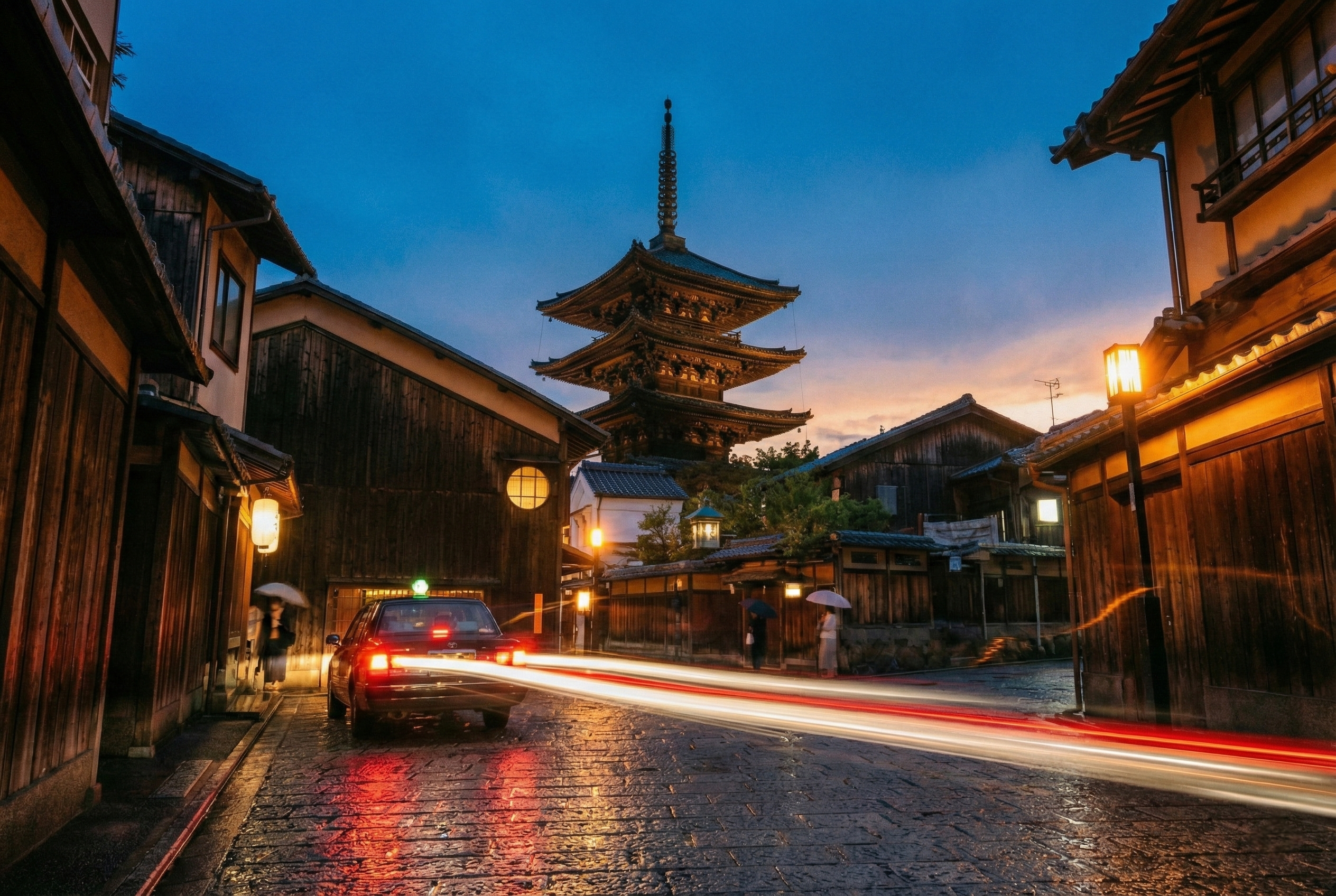
For over 1,200 years, Kyoto Japan served as the imperial capital, shaping the nation’s identity and aesthetics. The city preserves more than 2,000 temples and shrines, including 17 sites recognized as UNESCO World Heritage treasures. These landmarks, such as Kinkaku-ji (Golden Pavilion) and Kiyomizu-dera, reflect the city’s spiritual and architectural mastery.
Kyoto Japan is the birthplace of revered traditions like the tea ceremony, kimono craftsmanship, and the refined world of geisha. Remarkably, the city endured the turmoil of World War II without widespread destruction, allowing its historic alleys and wooden machiya townhouses to remain largely untouched.
Today, visitors can stroll lantern-lit streets in Gion, where echoes of the past meet the present. Nearby, Nishiki Market buzzes with energy, offering both age-old delicacies and modern culinary trends. This seamless blend of eras is a hallmark of Kyoto Japan, consistently ranking it among the world’s most captivating travel destinations.
Table: Kyoto’s UNESCO World Heritage Sites & Cultural Crafts
| World Heritage Site | Notable Craft |
|---|---|
| Kinkaku-ji | Nishijin Textiles |
| Kiyomizu-dera | Kyo-yaki Ceramics |
| Ryoan-ji | Yuzen Dyeing |
| Ninna-ji | Kyoto Doll-making |
In modern times, Kyoto Japan stands as a vibrant university city and a hub for technology startups, proving that innovation can flourish alongside tradition. Annual festivals, such as Gion Matsuri and Aoi Matsuri, draw crowds from across the globe, celebrating rituals that have been passed down for centuries.
The city’s dedication to craftsmanship endures through artisans skilled in Kyo-yaki ceramics and Nishijin weaving. These traditions are not relics, but living arts that shape daily life and commerce in Kyoto Japan. Before the pandemic, over 50 million visitors arrived each year, and tourism is surging again as of 2025. For those eager to immerse themselves, the Kyoto cultural experiences guide offers curated insights into local festivals and hands-on workshops.
Kyoto’s dynamic character is visible in its contrasting landscapes. Sleek shopping districts and innovative eateries thrive beside tranquil gardens and historic shrines. This unique balance ensures that every visit to Kyoto Japan feels both timeless and refreshingly new.
Kyoto Japan captivates visitors with its blend of ancient wonders and vibrant city life. With every season, the city reveals a new layer of beauty, inviting travelers to explore iconic landmarks, storied districts, and breathtaking natural scenes. Whether you are a first-time visitor or a seasoned explorer, these timeless attractions showcase the heart of Kyoto Japan.
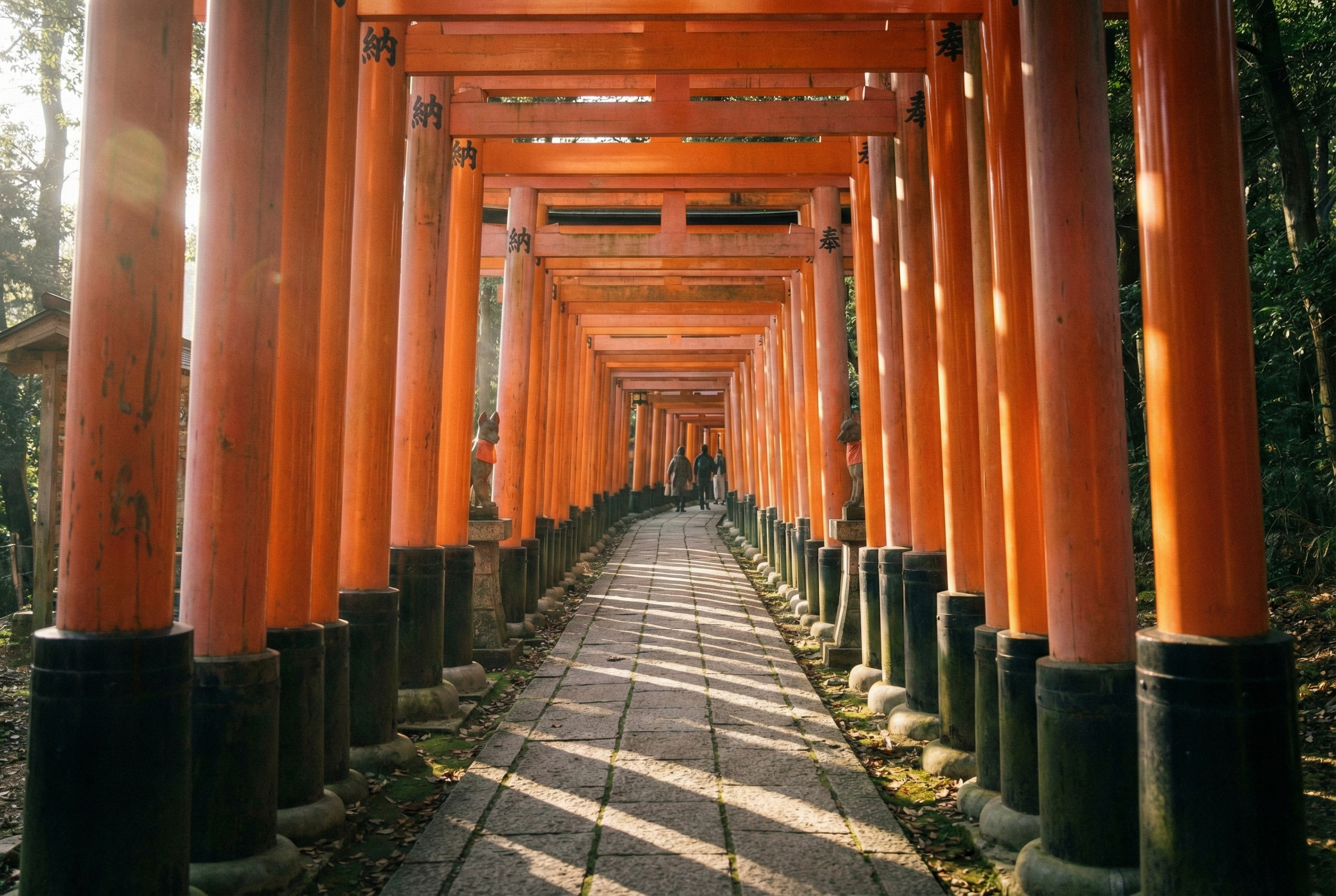
Kyoto Japan is renowned for its extraordinary temples and shrines, each offering a unique window into the city’s spiritual and architectural legacy. Among the most celebrated is Fushimi Inari Taisha, famous for its 10,000 vermillion torii gates that form a mesmerizing path into the forested hills. Kinkaku-ji, the Golden Pavilion, dazzles with its gold-leaf exterior and serene pond setting, reflecting centuries of Zen influence.
Kiyomizu-dera, a UNESCO World Heritage Site, offers panoramic views across Kyoto Japan, especially stunning in spring and autumn. Ryoan-ji’s Zen rock garden invites quiet contemplation, while Heian Shrine enchants with expansive gardens and vibrant, centuries-old architecture. These landmarks consistently rank among Japan’s most visited sites, drawing culture seekers from around the globe.
For those eager to experience these sites in depth, Kyoto cultural tours and experiences provide curated access, expert guidance, and opportunities to uncover hidden stories behind each temple. Whether you seek spiritual serenity or architectural marvels, each visit deepens your connection to Kyoto Japan.
Beyond its temples, Kyoto Japan is defined by its atmospheric districts and scenic landscapes. Wander through Gion, where lantern-lit alleys and preserved wooden machiya houses evoke the city’s geisha heritage. The gentle hum of traditional teahouses blends seamlessly with the quiet elegance of the area, offering glimpses of maiko as dusk falls.
Arashiyama enchants with its iconic Bamboo Grove, where sunlight filters through towering stalks, and the nearby Hozugawa River invites tranquil boat rides. The Philosopher’s Path, lined with cherry trees, becomes a haven for contemplative walks, especially during blossom season. Nishiki Market, known as “Kyoto’s Kitchen,” tempts with local delicacies and vibrant market scenes.
A springtime visit to Maruyama Park for hanami, or cherry blossom viewing, is a cherished ritual in Kyoto Japan. Each historic district promises a blend of tradition and modernity, making exploration a rewarding journey.
The rhythms of Kyoto Japan are shaped by the changing seasons, each unveiling new natural wonders and cultural events. In spring, Hirano Shrine and Daigo-ji become spectacular stages for cherry blossoms, attracting visitors seeking the fleeting beauty of sakura. Autumn transforms Tofuku-ji and Eikan-do into landscapes ablaze with fiery foliage, creating unforgettable vistas.
Special temple illuminations and exclusive openings offer rare opportunities to experience these sites after dusk, with 2026 promising an array of unique events. Whether you stroll under cherry trees or marvel at autumn leaves, the city’s seasonal highlights ensure that every visit to Kyoto Japan is distinct and memorable.
Kyoto Japan is a city where tradition is not preserved behind glass but lived every day. Here, ancient rituals and artistry shape daily life, inviting visitors to step into a world where the past and present harmoniously coexist.
The heart of Kyoto Japan beats in its tranquil tea rooms and Zen temples. The Japanese tea ceremony, or chanoyu, originated here centuries ago. Participating in an authentic tea ceremony, such as at Camellia Tea Ceremony, is a chance to witness the spirit of omotenashi—Japanese hospitality—firsthand.
Zen meditation sessions at iconic temples like Shunko-in and Kennin-ji offer travelers a peaceful retreat from the city’s bustle. These experiences foster mindfulness, connecting visitors to the contemplative rhythm of Kyoto Japan.
Kyoto Japan’s geisha heritage is legendary. In districts like Gion and Pontocho, geiko (Kyoto’s term for geisha) and maiko (apprentices) preserve centuries-old traditions of music, dance, and refined conversation.
Respectful observation is key—spotting a maiko on her way to an evening engagement is a cherished moment. For a deeper encounter, attend a seasonal performance or book a private dinner where geiko and maiko share their artistry, offering a rare glimpse into Kyoto Japan’s living cultural legacy.
Artisans in Kyoto Japan sustain a vibrant legacy of craftsmanship. Hands-on workshops let visitors try pottery, calligraphy, or kimono dressing under expert guidance. Nishijin textiles and Kyo-yaki ceramics are just a few of the city’s celebrated crafts, with Kyoto producing 80 percent of Japan’s traditional arts.
For those seeking immersive cultural experiences, the Kimono experience in Kyoto offers an opportunity to don exquisite garments and stroll through historic streets, deepening appreciation for Kyoto Japan’s artistry and elegance.
Kyoto Japan’s annual festivals are exuberant celebrations of its heritage. The Gion Matsuri in July 2026 fills the city with grand floats and vibrant processions. Other highlights include the regal Aoi Matsuri and the historical Jidai Matsuri, where participants don elaborate Heian-era costumes.
Joining a local shrine ritual or attending a lantern-lit festival evening lets travelers share in the city’s communal spirit. These traditions ensure Kyoto Japan’s culture remains dynamic and accessible for generations to come.
Kyoto Japan delights travelers with a culinary heritage as rich and refined as its ancient temples. The city’s kitchens blend centuries-old techniques with the freshest local ingredients, offering a journey that ranges from elegant multi-course dining to bustling market stalls. Each meal in Kyoto Japan is a celebration of seasonality, artistry, and tradition.

Kaiseki is the pinnacle of fine dining in Kyoto Japan, originating from imperial court traditions. Each course is meticulously designed to highlight seasonal flavors, with an emphasis on presentation and harmony. In 2026, renowned restaurants like Gion Karyo and Kikunoi continue to set the standard, offering unforgettable experiences in historic settings.
| Restaurant | Notable Feature | Location |
|---|---|---|
| Gion Karyo | Seasonal kaiseki menus | Gion |
| Kikunoi | Michelin-starred legacy | Higashiyama |
| Hyotei | 400-year-old heritage | Nanzen-ji |
Dining at these establishments allows visitors to truly understand the artistry and hospitality that define Kyoto Japan’s cuisine.
Beyond haute cuisine, Kyoto Japan excels at simple, soulful dishes. Savor yudofu (tofu hotpot) at temple eateries near Nanzen-ji, or sample Kyoto-style sushi, which uses lightly vinegared fish and rice. For sweet treats, try matcha parfaits and yatsuhashi cinnamon mochi.
Nishiki Market, often called “Kyoto’s Kitchen,” brims with local flavors. Here, you’ll find skewered seafood, pickled vegetables (tsukemono), and vegan-friendly shojin ryori inspired by Buddhist temple cuisine. The market’s vibrant stalls make it a must-visit for food lovers seeking authentic tastes in Kyoto Japan.
Kyoto Japan’s Fushimi district is famed for its pure spring water, producing some of the country’s finest sake. Many breweries welcome visitors for tastings and tours, offering insight into the craft. Uji, just south of the city, is synonymous with matcha, and tea houses invite guests to sample fresh brews paired with delicate wagashi sweets.
Data shows that Fushimi is the nation’s second-largest sake-producing region, underscoring Kyoto Japan’s central role in Japan’s beverage traditions. Whether sipping sake or whisking matcha, the city offers a window into centuries-old rituals.
For those eager to go beyond tasting, Kyoto Japan presents a wealth of hands-on culinary experiences. Join a cooking class to master wagashi sweets, sushi rolling, or sake pairing. Many workshops are held in historic machiya townhouses or in the countryside, where farm-to-table experiences connect guests with local farmers.
These immersive activities not only deepen your appreciation for Kyoto Japan’s cuisine but also provide meaningful souvenirs and skills to take home. Whether you’re a seasoned gourmand or a curious beginner, the city’s culinary scene welcomes all to participate in its living traditions.
Kyoto Japan is a living tapestry of neighborhoods, each offering a unique blend of history, culture, and hidden surprises. Venture beyond the main avenues and you’ll find atmospheric districts, tranquil temples, and local experiences that reveal the city’s authentic spirit.
Strolling through Gion’s lantern-lit alleys transports you to the heart of Kyoto Japan’s geisha culture. Here, preserved machiya houses line the streets, while Yasaka Shrine anchors the district’s spiritual heritage. The Ninenzaka and Sannenzaka slopes lead visitors past artisan shops and teahouses, offering glimpses of maiko in seasonal kimono. For an immersive experience, consider exploring Historic Kyoto walking routes that wind through these atmospheric neighborhoods. As Gion adapts to rising visitor numbers, Kyoto’s measures against over-tourism help protect its unique ambiance for generations to come.
The Arashiyama district, on Kyoto Japan’s western edge, enchants with its iconic Bamboo Grove, where sunlight filters through towering stalks. Scenic boat rides on the Hozugawa River offer tranquil views, while the Iwatayama Monkey Park delights animal lovers. Crossing the Togetsukyo Bridge, you’ll discover quiet temples and riverside eateries. Sagano’s rural charm invites visitors to slow down and appreciate the seasonal beauty that defines this part of Kyoto Japan.
Southern Kyoto Japan is home to the vibrant Fushimi Inari Shrine, famous for its endless trails of vermillion torii gates. Fushimi’s sake breweries, some centuries old, welcome guests for tastings and tours. Nearby Uji is renowned for its lush tea plantations and the UNESCO-listed Ujigami Shrine, Japan’s oldest standing shrine. Sampling matcha in a local tea house completes this authentic neighborhood experience.
In the forested hills north of Kyoto Japan, the villages of Kurama and Kibune offer a peaceful escape. Kurama-dera temple, perched on a mountain, is reached by a scenic hike through cedar woods. In summer, Kibune’s kawadoko platforms let you dine above a cool mountain stream. Natural hot springs and tranquil landscapes make this area a retreat for those seeking Kyoto’s quieter side.
For early risers, the Philosopher’s Path in Kyoto Japan is magical at dawn, with few crowds and birdsong along the canal. Hidden temples like Honen-in, Enko-ji, and Shisen-do reveal stunning gardens and contemplative spaces. Venture into lesser-known markets and artisan districts to discover local crafts and flavors, ensuring your visit to Kyoto Japan uncovers treasures beyond the tourist map.
Traveling to Kyoto Japan in 2026 promises a rich blend of tradition and innovation, but a few key strategies can help make your journey seamless and memorable. Use these essential tips to navigate the city, choose the perfect stay, time your visit, and embrace local customs.
Kyoto Japan offers a highly efficient public transportation network. Buses and subways connect major attractions, while rechargeable IC cards like ICOCA make fare payments effortless. For scenic exploration, bicycle rentals are widely available, especially near historic districts and along riverside paths.
Taxis provide convenience for those with limited time or luggage, and premium transport services are available for a more luxurious experience. Plan routes in advance and consider downloading Kyoto’s official travel app for real-time updates and navigation tips.
Kyoto Japan caters to every traveler’s preference, from traditional ryokan inns with tatami floors and kaiseki meals to luxury hotels and boutique machiya guesthouses. Temple lodgings, known as shukubo, offer a unique spiritual experience in serene settings.
With tourism rebounding, the city has seen a surge in new hotels. According to Kyoto’s hotel occupancy rates in 2025, there is unprecedented demand during peak months, so booking early is crucial for securing your ideal stay.
Kyoto Japan’s beauty peaks during cherry blossom season in early April and the vibrant autumn foliage from mid-November. Major festivals, such as Gion Matsuri and temple illuminations, fill the calendar with cultural excitement.
Weather is generally mild, but crowds swell during these periods. For a quieter trip, consider visiting in winter or late spring. Always check festival dates and book accommodations well in advance to avoid disappointment.
Respect for tradition is central in Kyoto Japan. When visiting temples and shrines, modest dress is appreciated, and shoes should be removed where indicated. Photography is often restricted in sacred areas and geisha districts, so look for posted signs.
Practice quietness and patience in public spaces, and support sustainability initiatives by using reusable items and following local waste guidelines. These small gestures help preserve Kyoto’s delicate cultural balance for future visitors.
Kyoto Japan is expecting another record-breaking year in 2026, with high demand for hotels, tours, and experiences. According to Kyoto’s 2024 tourism statistics, visitor satisfaction remains high, but planning ahead is essential.
Reserve accommodations, temple visits, and cultural workshops as early as possible. Take advantage of multilingual tourism offices, digital guides, and official apps to streamline your experience and access local support throughout your journey.
As you plan your journey to Kyoto, imagine strolling through lantern-lit streets, savoring the artistry of kaiseki dining, and experiencing centuries-old traditions firsthand. Every traveler’s dream of Kyoto is unique—perhaps yours includes a private tea ceremony, access to hidden temples, or exclusive encounters with local artisans. At Japan Royal Service, we specialize in curating these unforgettable moments, tailoring each detail to your interests and pace. Let’s elevate your adventure together—Speak with a Japan specialist and tailor your adventure. Your next chapter in Kyoto’s timeless story begins with a single conversation.