
LINE ID japanroyalservice
+817013781777 click here
+817013781777 click here
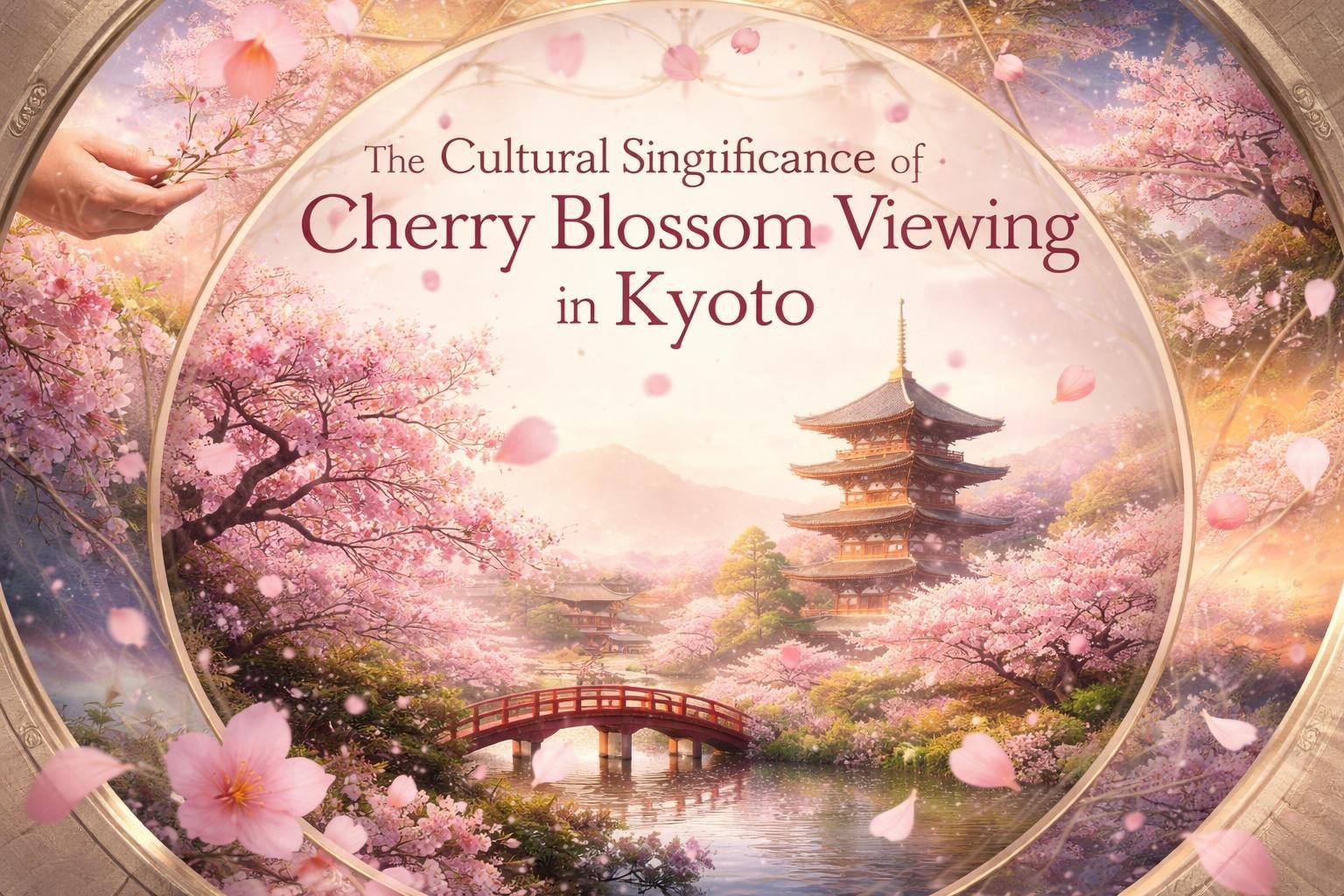
Kyoto stands as Japan’s undisputed capital of cherry blossom culture, where ancient temples, pristine gardens, and historic districts transform into breathtaking canvases of pink and white each spring. The city’s unique blend of cultural heritage and natural beauty creates an unparalleled backdrop for experiencing sakura season, drawing discerning travelers from around the world who seek authentic, luxurious encounters with this ephemeral phenomenon. Understanding the nuances of timing, location selection, and cultural context elevates a simple flower viewing into a transformative journey through Japanese aesthetics and tradition.
The cherry blossoms in Kyoto typically reach peak bloom between late March and early April, though the exact timing varies each year depending on temperature patterns and weather conditions. Scientific research indicates that climate change has shifted Kyoto’s cherry blossom dates earlier over recent decades, making flexible travel planning essential for capturing the perfect moment.
Cherry blossom forecasts are released in January each year, providing travelers with preliminary projections of peak viewing periods. These predictions continuously update as the season approaches, incorporating real-time meteorological data and historical blooming patterns.
Key timing milestones include:
The official Kyoto travel cherry blossom calendar provides updated information throughout the season, helping visitors coordinate their itineraries with the blossoms’ natural timing. Professional travel services monitor these forecasts continuously, adjusting arrangements to ensure clients experience sakura at its absolute pinnacle.
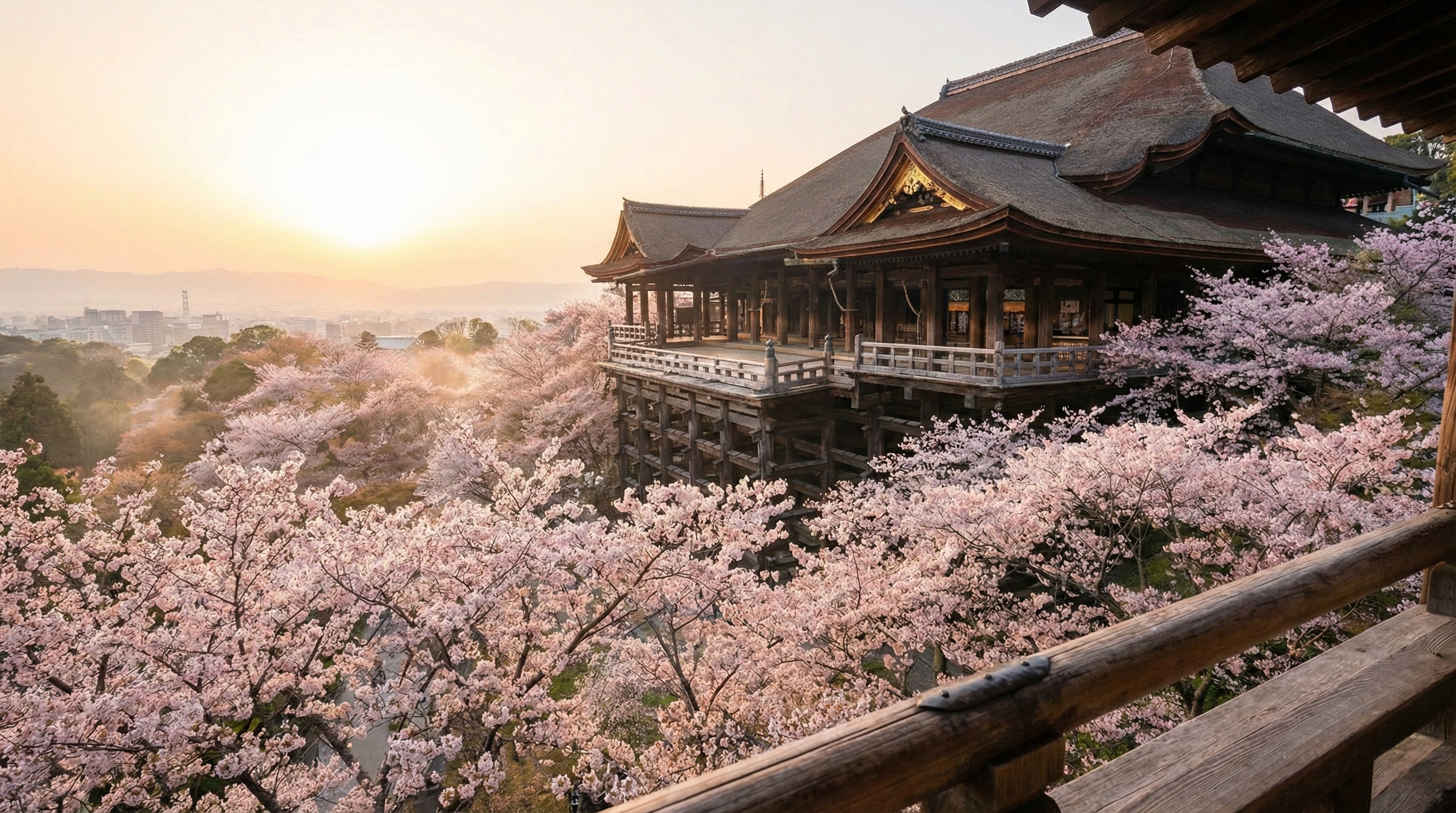
Weather conditions dramatically influence not only bloom timing but also blossom longevity. Warm, sunny days accelerate flowering, while cool temperatures and gentle conditions extend the viewing window. Rain and strong winds can prematurely end the spectacle, making real-time adjustments crucial for luxury travelers seeking optimal experiences.
Kyoto offers dozens of exceptional cherry blossom-viewing venues, each with distinct atmospheric qualities and cultural contexts. Strategic location selection based on personal preferences, crowd tolerance, and photographic aspirations separates memorable experiences from truly transcendent ones.
Sacred spaces throughout Kyoto have cultivated cherry trees for centuries, creating profound connections between spiritual practice and natural beauty. Hirano Shrine maintains over 400 cherry trees representing more than 60 varieties, hosting an evening festival featuring traditional lanterns that illuminate blossoms in ethereal light.
| Location | Tree Varieties | Best Viewing Time | Unique Feature |
|---|---|---|---|
| Hirano Shrine | 60+ varieties | Late March – Mid April | Night illuminations |
| Daigo-ji Temple | Weeping cherries | Early April | Historic significance |
| Ninna-ji Temple | Late-blooming Omuro | Mid April | Unique low-height cherries |
| Kiyomizu-dera | Mixed varieties | Late March – Early April | Panoramic city views |
Maruyama Park centers on its magnificent weeping cherry tree, which serves as a focal point for both daytime picnics and evening celebrations. This iconic specimen draws large crowds, making early-morning visits or exclusive after-hours access particularly valuable for photography enthusiasts and contemplative viewers.
The Philosopher’s Path represents one of Kyoto’s most celebrated cherry blossom experiences, featuring a canal-side walkway lined with hundreds of yoshino cherry trees. This two-kilometer stone path connects Ginkaku-ji to Nanzen-ji, creating opportunities for meditative walks beneath canopies of pale pink blossoms.
Strategic visiting approaches:
Less-traveled alternatives include the banks of the Kamo River, where residents gather for informal hanami parties, and the Arashiyama district, where mountain backdrops complement riverside cherry groves.
Understanding hanami traditions enriches the experience of the Kyoto cherry blossoms beyond mere aesthetic appreciation. This centuries-old practice embodies Japanese philosophical concepts of mono no aware (awareness of impermanence) and wabi-sabi (beauty in transience).
Traditional hanami involves gathering beneath cherry trees for contemplative viewing, often accompanied by seasonal food, sake, and poetry composition. Contemporary practice varies from elaborate catered picnics to simple moments of reflection, but the underlying appreciation for ephemeral beauty remains constant.
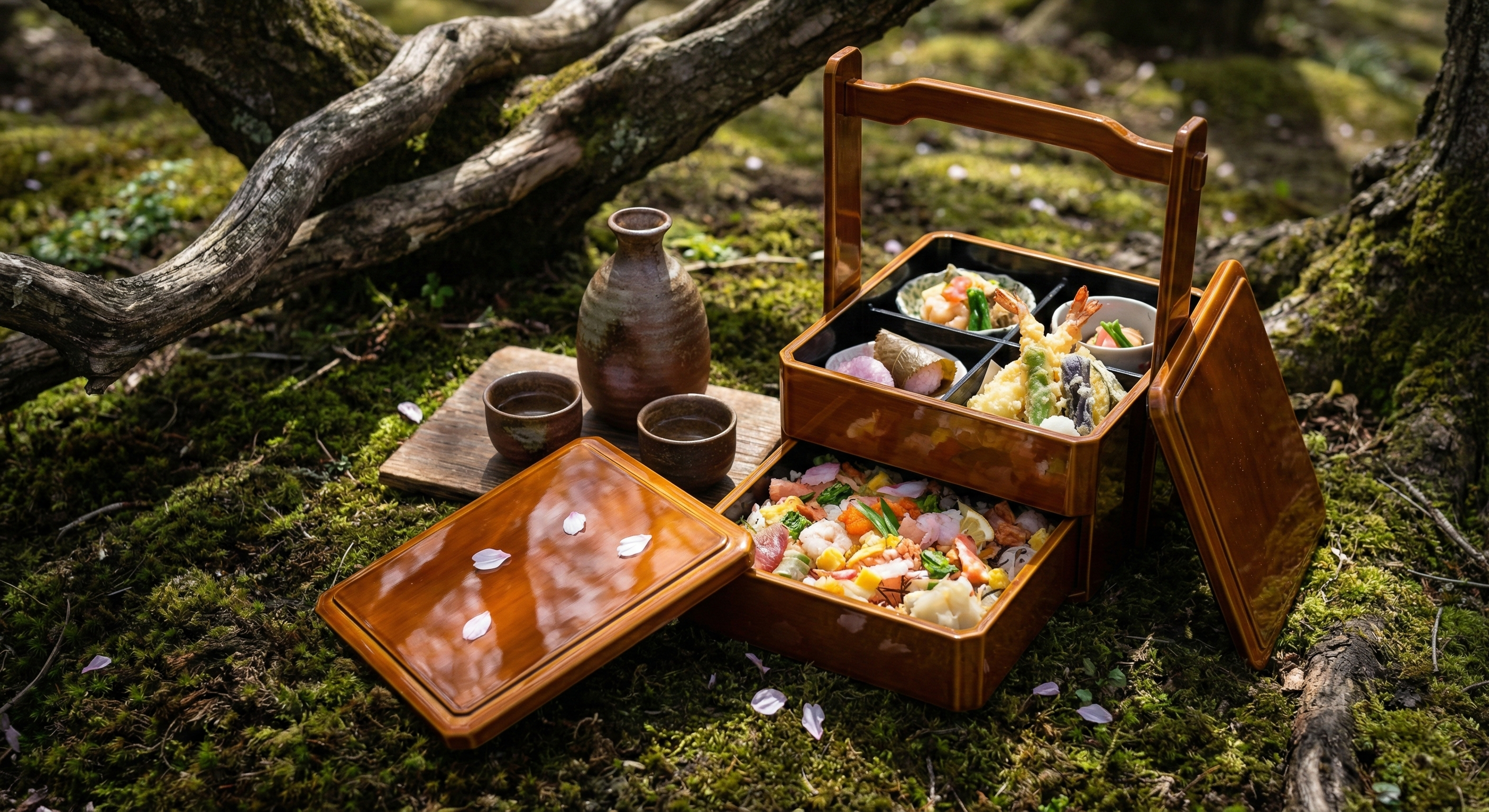
Luxury travelers can elevate hanami through curated experiences that honor traditional practices while incorporating modern comforts. Private garden access, kaiseki meals featuring sakura-themed dishes, and guidance from cultural experts transform passive observation into immersive education.
Historical records dating back to the Heian period document aristocratic cherry-viewing parties at Kyoto’s imperial palaces, establishing precedents for refinement and artistic sensibility that continue to influence contemporary celebrations. The scholarly analysis of the development of Kyoto’s cherry blossom landscape reveals how deliberate cultivation has shaped the city’s current sakura geography.
Distinguished travelers seeking extraordinary encounters with the Kyoto cherry blossoms require arrangements that go beyond standard tourism offerings. Strategic planning, local connections, and flexible logistics create possibilities unavailable through conventional channels.
Several historic estates and temple complexes offer exclusive access outside public hours, providing intimate encounters with celebrated cherry groves. These arrangements typically require advance coordination through specialized services with established relationships among property custodians.
Benefits of private viewings include:
The luxury accommodation options near premier viewing sites enable seamless early morning and late evening access, maximizing opportunities during magical light transitions when most visitors remain absent.
Navigating Kyoto during peak cherry blossom season presents significant challenges due to tourist volume and limited parking near popular sites. Professional transportation services eliminate frustration while enabling efficient movement between locations.
Premium vehicle options provide:
Coordinated logistics allow visiting multiple sites in a single day, capturing diverse atmospheric qualities from morning mist along riverside paths to evening illuminations at temple complexes. The personalized tour services integrate transportation with cultural guidance, creating seamless experiences.
Capturing the essence of Kyoto cherry blossoms challenges even experienced photographers due to delicate color palettes, fleeting optimal conditions, and compositional complexity. Technical preparation and strategic planning significantly impact results.
The finest cherry blossom photography occurs during brief windows when multiple factors align perfectly. Overcast conditions provide soft, even lighting that prevents harsh shadows and preserves subtle pink tones. Dawn and dusk offer warm directional light that adds dimension and atmosphere.
| Time Period | Light Quality | Crowd Levels | Best For |
|---|---|---|---|
| 5:00-7:00 AM | Cool, directional | Minimal | Wide compositions |
| 7:00-10:00 AM | Brightening, soft | Moderate | Detail shots |
| 10:00 AM-4:00 PM | Harsh overhead | Heavy | Challenging |
| 4:00-6:00 PM | Golden, warm | Heavy | Atmospheric shots |
| 6:00-8:00 PM | Dusk, artificial | Moderate | Illumination photography |
Post-processing considerations include preserving delicate petal textures, managing exposure in high-contrast scenes, and maintaining authentic color representation. Many photographers bracket exposures or use graduated filters to balance bright skies against darker landscape elements.
Strong cherry blossom compositions integrate cultural context through architectural elements, creating images that transcend simple floral documentation. Incorporating temple rooflines, traditional bridges, or kimono-clad figures establishes a sense of place while providing visual anchors.
Effective compositional strategies:
The visual documentation found in resources like Cherry Blossoms of Kyoto demonstrates masterful approaches to capturing sakura’s ephemeral beauty through thoughtful composition and timing.
Kyoto’s diverse topography creates microclimate zones where cherry blossoms peak at slightly different times, extending the overall viewing season across multiple weeks. Understanding these variations enables strategic planning that maximizes blossom encounters.
Higher-elevation locations, including Mount Hiei and northern mountain temples, experience bloom periods approximately 1 week later than those at city-center sites. This temporal shift provides contingency options when lower-elevation trees pass through the peak or allows extended stays to capture multiple bloom phases.
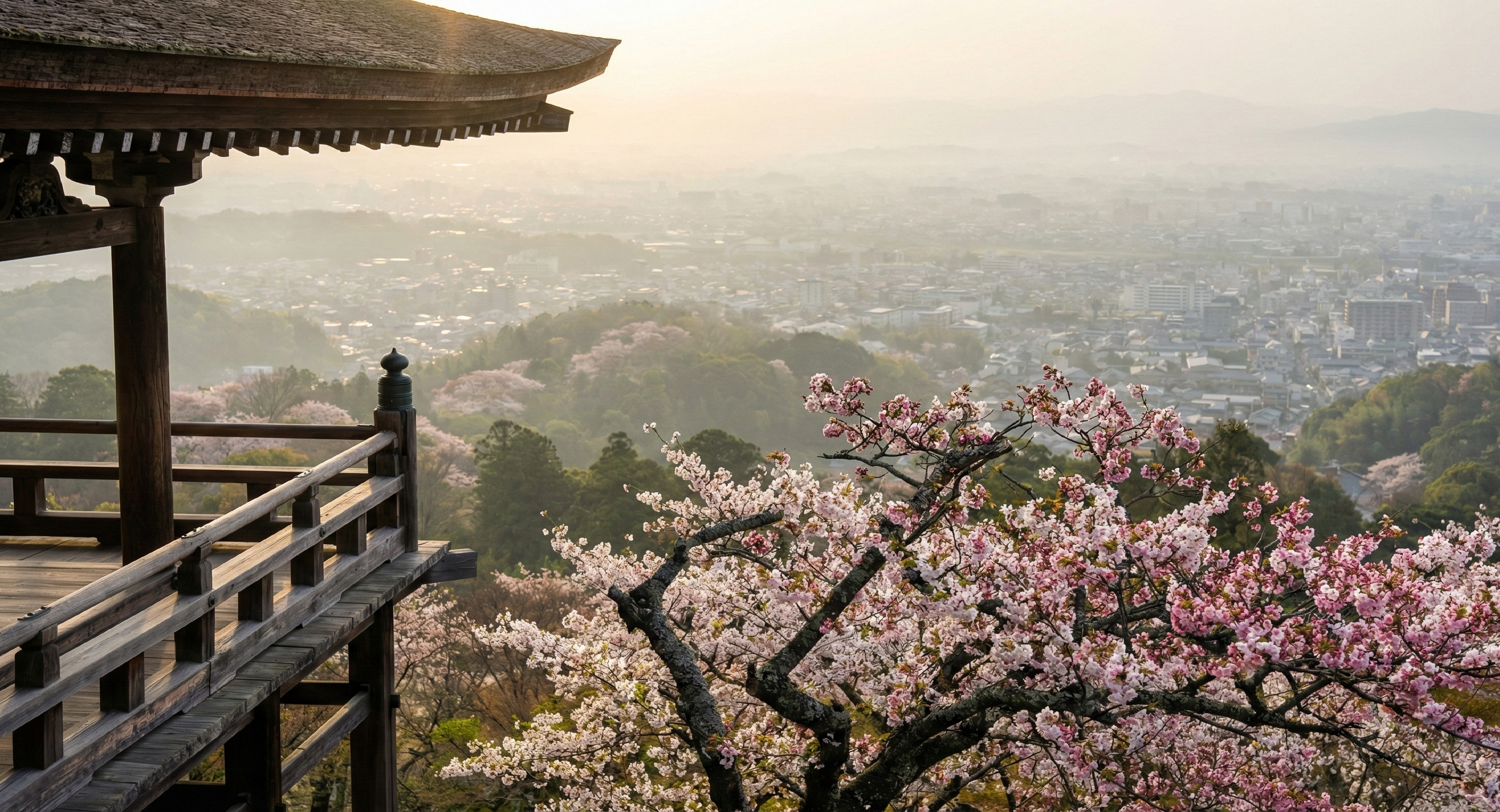
Temperature differentials between urban heat islands and surrounding mountains further influence timing. Research on the impact of urban development demonstrates how human activity affects bloom patterns in metropolitan areas.
Different cherry cultivars bloom sequentially rather than simultaneously, creating opportunities to experience diverse sakura expressions throughout extended periods. Early-blooming varieties like Kanhizakura appear in late February, while late-blooming Omuro cherries persist into late April.
Strategic itinerary construction incorporates variety awareness, ensuring continuous blossom encounters even when Yoshino cherries (the most common variety) have completed their cycle. Specialized gardens cultivating rare varieties offer unique perspectives unavailable at mainstream locations.
Kyoto’s refined culinary tradition embraces the cherry blossom season through seasonal ingredients and sakura-themed presentations that engage multiple senses. These gastronomic expressions provide complementary dimensions to visual appreciation.
Chefs incorporate cherry blossoms and leaves into both sweet and savory preparations, creating subtle floral notes that evoke spring’s ephemeral nature. Salt-preserved cherry leaves wrap traditional wagashi confections, while fresh petals garnish delicate dishes during kaiseki courses.
Seasonal specialties include:
High-end restaurants near premier viewing locations coordinate multi-course meals with blossom viewing schedules, creating integrated sensory experiences. Private dining arrangements in traditional machiya townhouses or temple settings elevate these occasions into memorable cultural immersions.
Orchestrating exceptional Kyoto cherry blossom experiences requires detailed planning, local expertise, and flexible execution. The brief viewing window and unpredictable timing create challenges best addressed through professional coordination.
Securing premier accommodations, exclusive access, and specialized guides requires advance reservations. However, bloom timing uncertainty requires building flexibility into confirmed arrangements, allowing date adjustments as forecasts solidify.
Recommended planning timeline:
The bespoke travel experiences approach enables this adaptive planning while maintaining luxury standards throughout execution. Professional coordinators continuously monitor conditions, proposing adjustments that capture peak moments.
Peak sakura season coincides with numerous traditional festivals and cultural events throughout Kyoto, creating opportunities for integrated experiences that extend beyond flower viewing. The Miyako Odori geisha performances, spring temple festivals, and seasonal exhibitions provide complementary cultural dimensions.
Strategic itinerary design balances concentrated cherry blossom viewing with related cultural activities, preventing aesthetic fatigue while maintaining thematic coherence. Rest periods in traditional tea houses, visits to craft workshops, and carefully paced temple tours create rhythm within intensive viewing schedules.
Beyond celebrated public spaces, Kyoto harbors numerous lesser-known cherry blossom locations offering extraordinary beauty without overwhelming crowds. Accessing these sites requires local knowledge and often special permissions or timing strategies.
Historic neighborhoods, including Nishijin and areas near Kitano Tenmang, feature street-side cherry trees that create tunnel effects along narrow lanes. These residential corridors offer an authentic local atmosphere distinct from tourist-focused areas.
Early morning walks through these districts reveal everyday hanami practiced by Kyoto residents, offering cultural insights unavailable at major attractions. The absence of admission fees and operating hours enables spontaneous exploration in response to ideal lighting conditions or sudden weather improvements.
Several historic estates maintain exceptional cherry collections while limiting public access or remaining entirely private—specialized connections provide access to these exclusive spaces, where centuries-old specimens and meticulously designed landscapes offer pinnacle viewing experiences.
These arrangements exemplify the value of established relationships within Kyoto’s traditional community, where personal introductions and proper protocols unlock possibilities beyond commercial tourism infrastructure. The flower festival experiences demonstrate how curated access transforms standard itineraries into extraordinary journeys.
Increasing international awareness of Kyoto cherry blossoms has created sustainability challenges, including overcrowding, environmental stress on historic trees, and cultural friction between tourist behaviors and local expectations. Responsible luxury travel addresses these concerns through thoughtful practices.
Traditional hanami etiquette emphasizes leaving no trace, maintaining quiet contemplation, and respecting property boundaries. These principles align with luxury travel values, prioritizing quality over quantity and meaningful engagement over superficial consumption.
Recommended practices include:
Off-peak timing strategies reduce pressure on most-visited locations while often delivering superior experiences through reduced congestion and more intimate atmospheres. Professional guides identify optimal visiting windows that balance accessibility with crowd avoidance.
Kyoto’s spring weather remains unpredictable, with sudden temperature shifts, rain, and wind capable of dramatically altering viewing conditions or prematurely ending the blossom period. Comprehensive planning incorporates contingencies for various scenarios.
Rain during cherry blossom season, while potentially disappointing, creates unique photographic opportunities and atmospheric qualities unavailable during clear conditions. Wet petals intensify colors, and mist adds ethereal qualities to temple settings.
Covered viewing areas at certain temples, along with the option to shift focus to indoor cultural activities, provide alternatives when outdoor viewing becomes uncomfortable. Premium transportation eliminates exposure between locations, maintaining comfort despite challenging conditions.
Strong wind events that accelerate petal fall trigger the hanafubuki (petal storm) phenomenon, considered by many to be equally beautiful as peak bloom. Carpets of fallen petals transform paths and waterways into pink rivers, offering distinct aesthetic experiences.
Experiencing the cherry blossoms in Kyoto represents a profound engagement with Japanese culture, natural beauty, and the philosophical traditions surrounding impermanence and seasonal awareness. Strategic planning, cultural understanding, and flexible execution transform this brief natural phenomenon into transformative luxury travel experiences. Whether you seek contemplative solitude beneath ancient temple trees, exclusive access to private gardens, or comprehensive cultural immersion coordinated with peak bloom timing, Japan Royal Service creates bespoke itineraries that capture the essence of sakura season while exceeding the expectations of discerning travelers through personalized attention, local expertise, and seamless logistics across Kyoto and beyond.