
LINE ID japanroyalservice
+817013781777 click here
+817013781777 click here

Step into a world where samurai legacies, geisha traditions, and lush gardens create an atmosphere untouched by time.
Kanazawa stands as a living testament to centuries of cultural heritage and authenticity. This guide reveals how Kanazawa seamlessly blends tradition with modern comforts, offering a unique journey for every visitor.
Discover samurai districts, gold leaf artistry, and world-class gardens that set this city apart from busier destinations. Experience immersive tea ceremonies, artisan workshops, and the quiet charm that makes Kanazawa Japan a true alternative to Kyoto.
Ready to explore? Dive into Kanazawa’s vibrant history, must-see sights, local flavors, travel tips, and everything you need for an unforgettable adventure.
Kanazawa Japan traces its remarkable rise to the powerful Maeda clan, who transformed the city into the crown jewel of the Kaga Domain during the Edo period. Under Maeda stewardship, Kanazawa flourished as a cultural and economic stronghold, second only to the Tokugawa shogunate. This legacy is still alive in the city’s preserved samurai and geisha districts, where over 100 heritage buildings stand as a testament to its storied past. Kanazawa Japan’s rivalry with Kyoto shaped its unique identity, blending the traditions of merchant, samurai, and artisan quarters. The city’s enduring dedication to crafts and folk arts earned it recognition as a UNESCO Creative City, further cementing its place as a cultural capital.
Nestled on Japan’s scenic west coast, Kanazawa faces the Sea of Japan and serves as the vibrant capital of Ishikawa Prefecture. The city acts as the gateway to the Hokuriku region, offering travelers both natural beauty and urban convenience. With the Hokuriku Shinkansen, visitors can reach Kanazawa directly from Tokyo in approximately 2 hours and 45 minutes, making travel effortless. The compact city center is easily explored on foot or by loop bus, while the climate presents four distinct seasons: gentle springs, hot summers, vivid autumns, and snowy winters. This diverse geography promises varied experiences throughout the year.
Kanazawa stands out as a destination where authentic tradition meets modern comfort, all with fewer crowds than Kyoto. Ongoing preservation projects and innovative cultural initiatives ensure that the city’s heritage thrives for future generations. Recent upgrades to tourist infrastructure, improved accessibility, and a welcoming atmosphere make Kanazawa ideal for immersive exploration. As its reputation grows among travelers seeking genuine cultural experiences, Kanazawa continues to offer new reasons to visit—from revitalized neighborhoods to expanded visitor services—making it a must-see for anyone passionate about Japan’s living traditions.

Step into the living history of Kanazawa, where every district tells a unique story. Within the city’s compact center, centuries-old traditions blend with the rhythms of daily life, inviting visitors to explore a tapestry of samurai heritage, geisha arts, and modern creativity. Each neighborhood offers its own window into the soul of Kanazawa.

Wander through the evocative lanes of Higashi Chaya, where Edo-period wooden teahouses stand as silent witnesses to centuries of artistry. This district, central to Kanazawa’s identity, is renowned for its geiko (geisha) culture, distinct from that of Kyoto.
Visitors can step into the historic Shima and Kaikaro teahouses for a glimpse into the refined world of traditional music, dance, and hospitality. As the number of active geiko dwindles to around 30, preserving this heritage becomes more vital than ever. For those eager to dive deeper into tea ceremonies or artisan workshops, curated traditional cultural experiences in Japan offer unique opportunities to engage with living traditions.
In Nagamachi, the atmosphere shifts to quiet dignity. Here, the earthen walls and narrow water channels evoke the disciplined life of samurai families who once served the powerful Maeda clan.
Explore preserved residences like the Nomura-ke House, where displays of armor, calligraphy, and private gardens reveal the refined yet martial spirit of Kanazawa’s warriors. The nearby Maeda Tosanokami-ke Shiryokan Museum deepens the story with insights into samurai lineage and daily rituals.
Kazue-machi offers a tranquil escape along the Asano River, its banks lined with chaya and private homes. At dusk, lantern light reflects off the water, creating a romantic atmosphere unique to Kanazawa Japan.
This district is less crowded, making it ideal for peaceful strolls and quiet contemplation. The blend of historic teahouses and residences paints a picture of riverside life that endures through the seasons.
Teramachi’s cluster of ancient temples stands in serene contrast to the vibrant, youthful energy of Tatemachi’s boutiques and cafes. Together, these neighborhoods highlight the evolving face of Kanazawa, where tradition and modernity intersect.
Visitors can explore temple grounds, then browse contemporary fashion and artisan crafts, experiencing firsthand the city’s dynamic spirit.
No visit to Kanazawa is complete without a tour of Kanazawa Castle and its grand moats and gates. Once the formidable seat of the Maeda clan, the castle’s reconstructed halls and watchtowers anchor the city’s historical landscape.
Its proximity to Kenroku-en Garden and other major attractions makes it a perfect starting point for discovering the heart of Kanazawa’s heritage.
In Kanazawa, centuries-old traditions flourish alongside modern creativity, offering visitors an immersive journey through landscapes, artistry, and hands-on cultural experiences. Here, every stroll and encounter reveals the city’s dedication to preserving its timeless spirit.

Kenroku-en stands as the crown jewel of Kanazawa, celebrated as one of the nation’s “Three Great Gardens.” Its design harmonizes six classical attributes: spaciousness, seclusion, artifice, antiquity, water features, and panoramic views.
Stroll along winding paths lined with ancient pine trees, admire the picturesque Kasumiga-ike Pond, and pause at traditional teahouses for a moment of reflection. Seasonal highlights abound, from cherry blossoms in spring to fiery maples in autumn, while winter’s yukitsuri ropes protect the trees from heavy snow.
Kenroku-en’s reputation continues to soar, attracting a growing number of international visitors each year. According to Kenrokuen Garden visitor statistics, its popularity is now rivaling that of Japan’s most famous gardens.
Just steps from Kenroku-en, the 21st Century Museum of Contemporary Art exemplifies Kanazawa’s blend of tradition and innovation. Its striking circular glass-and-steel structure invites exploration from every angle.
Inside, visitors encounter world-class installations such as Leandro Erlich’s “Swimming Pool,” which offers an illusionary experience. Rotating exhibits showcase both Japanese and international artists, bridging the past with the present.
This creative hub reflects the city’s commitment to fostering artistic dialogue and reimagining cultural boundaries.
Kanazawa is synonymous with gold leaf artistry, producing nearly 98% of the country’s supply. Throughout history, its delicate gold sheets have adorned temples, Buddhist statues, and exquisite crafts.
At workshops like Hakuichi, travelers can witness skilled artisans at work, try their hand at applying gold leaf, and purchase shimmering souvenirs, including the famous gold-leaf ice cream. These interactive experiences offer a unique window into the city’s artisanal legacy.
Gold leaf continues to symbolize Kanazawa’s pursuit of beauty and perfection.
Participating in a tea ceremony is an essential part of Kanazawa’s cultural fabric. Venues such as Gyokusen-an and historic teahouses within Kenroku-en invite guests to experience the meditative ritual firsthand.
Learn the precise movements of matcha preparation, savor seasonal wagashi sweets, and appreciate the subtle symbolism woven into every gesture. These moments foster a deeper connection with the city’s refined spirit.
The tea ceremony remains a serene passageway into the heart of Kanazawa.
Kanazawa’s dedication to craftsmanship shines in its lacquerware tradition, particularly the art of maki-e. At historic studios like Nosaku, visitors can decorate their own lacquer pieces using gold and silver powder, guided by master artisans.
These hands-on workshops allow travelers to create one-of-a-kind souvenirs, each reflecting the elegance and skill of local makers. Whether decorating a small box or learning about centuries-old techniques, the experience is both educational and memorable.
Exploring Kanazawa’s living traditions ensures that every visitor leaves with a piece of its enduring artistry.
Step into the vibrant world of Kanazawa Japan’s culinary scene, where every meal tells a story of heritage and innovation. From bustling seafood markets to refined kaiseki feasts, the city’s food culture is as diverse as its storied past. Whether you crave fresh seafood, delicate sweets, or a sip of local sake, Kanazawa Japan offers a feast for every traveler.
Omicho Market stands at the heart of Kanazawa Japan’s food scene, earning its nickname as “the city’s kitchen.” With over 170 stalls under one roof, the market bursts with energy and color from dawn until dusk.
Here, visitors can sample kaisen-don, bowls piled high with fresh seafood, or seek out sweet shrimp, snow crab, and tender eel. The best way to find the freshest bites is to follow the lines of locals—it’s a tried-and-true method that never fails in Kanazawa Japan.
Kanazawa Japan is renowned for its kaiseki dining, a culinary art form that celebrates seasonal ingredients and meticulous presentation. Top establishments like Zeniya offer no fixed menu, allowing chefs to showcase their creativity with every course. Local izakayas and ryokan restaurants also serve exquisite multi-course meals, highlighting regional produce.
Diners can expect Noto beef, mountain vegetables, sea bream, and Ishikawa sake to feature prominently. For those eager to learn more about Japanese food traditions, the Japanese cuisine and regional flavors guide is an excellent resource.
Beyond fine dining, Kanazawa Japan tempts with a treasure trove of street food and traditional sweets. Gold-leaf soft serve is a must-try, offering both visual flair and a taste of the city’s artisanal heritage.
Wagashi confections, crafted with seasonal motifs, make for delightful snacks or souvenirs. Other regional specialties include crispy rice crackers and sweet potato treats, perfect for sampling as you explore the city’s historic districts.
No visit to Kanazawa Japan is complete without experiencing its sake culture. The region boasts more than 80 varieties, produced with pure mountain water and time-honored techniques.
At Kanazawa Shu Shu and local bars, visitors can enjoy sake flights, exploring flavors from dry and crisp to rich and aromatic. When tasting, remember to hold the cup with both hands and savor each sip slowly—a gesture of respect in Japanese culture.
Planning a trip to Kanazawa is easier than ever, thanks to the city’s compact size and modern amenities. To make the most of your visit, consider the ideal season, how to get around, where to stay, and essential tips for a smooth experience.
Kanazawa offers distinct scenery throughout the year. Spring brings cherry blossoms and pleasant weather, making it a favorite for many visitors. Autumn features vibrant foliage, especially in Kenroku-en Garden, while summer offers lively festivals and lush greenery. Winter transforms the city with snow and beautiful yukitsuri displays on garden trees.
For a deeper cultural experience, plan your trip around the Hyakumangoku Matsuri festival details in early June, a highlight celebrating the city’s samurai heritage. Each season provides unique photo opportunities and flavors, so choose based on your interests and desired crowd levels.
Accessing Kanazawa is straightforward. The Hokuriku Shinkansen connects Tokyo to Kanazawa in under three hours. Upon arrival, the city center is walkable, but visitors can also use the Kanazawa Loop Bus for convenient sightseeing stops.
Most landmarks are close together, so combining walking with public transport is efficient. Signage in English is improving, and navigation apps are helpful for newcomers.
Kanazawa caters to a range of preferences, blending comfort with tradition. For luxury, Hyatt Centric Kanazawa offers sleek modern rooms and city views. Mid-range travelers enjoy Mitsui Garden Hotel’s proximity to Kenroku-en and local markets.
For a classic Japanese experience, book a ryokan stay. These traditional inns feature tatami rooms, local cuisine, and attentive hospitality, immersing guests in the city’s rich culture. Early reservations are recommended, especially during peak seasons.
To enhance your Kanazawa journey, stop by a tourist information center for free maps and transit guidance. While basic English is widely understood, downloading a translation app can be helpful. Practice respectful behavior in teahouses, temples, and markets.
Useful apps for transport and restaurant bookings streamline your stay, ensuring a seamless and memorable visit.
Kanazawa Japan is a city where tradition comes alive through curated, immersive experiences. Travelers seeking deeper cultural connection will find a wealth of exclusive opportunities that go far beyond the typical sightseeing itinerary.
Step behind the scenes in Kanazawa by arranging a private geiko (geisha) performance or an intimate samurai workshop. These experiences let you witness the refined arts of dance, music, and etiquette preserved for centuries. Try hands-on drumming, kimono dressing, or calligraphy under expert guidance.
These rare encounters provide unforgettable access to the city’s living heritage.
Discover Kanazawa’s creative core with guided tours of artisan studios, gold leaf workshops, and contemporary galleries. Food lovers can join curated kaiseki tastings or embark on sake brewery visits that reveal the artistry behind each dish and drink.
Every itinerary is tailored, ensuring each moment reflects your personal interests.
For those who yearn to explore beyond the obvious, Kanazawa offers hidden temples, secluded gardens, and access to local festivals. Arrange appointments for private viewings of historic homes or tranquil gardens, often closed to the public.
These bespoke experiences bring you closer to the soul of the city.
Japan Royal Service specializes in crafting luxury journeys through Kanazawa, offering private guides, elite transport, and exclusive cultural access. Whether you dream of a private tea ceremony, an artisan workshop, or VIP dining, their insider connections unlock doors to the city’s most coveted experiences.
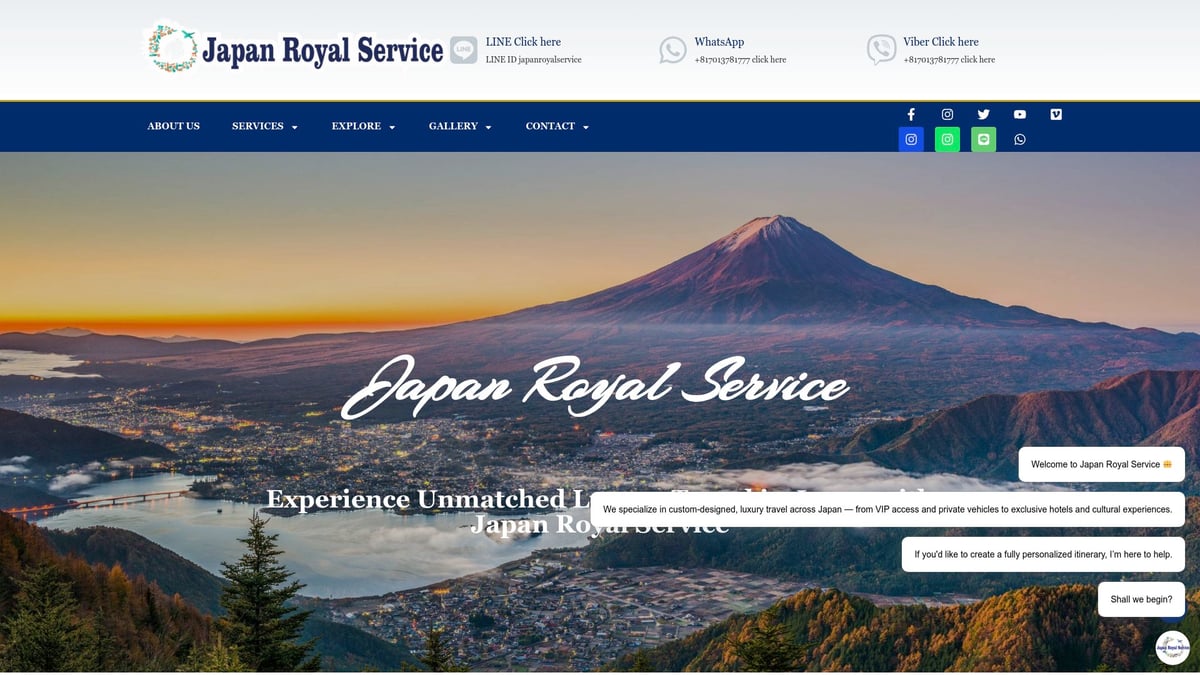
Enjoy seamless travel, curated to your preferences, and gain privileged entry to Kanazawa’s hidden gems and traditional events. Each tour is designed for the discerning traveler who values authenticity and comfort.
Advance reservations are essential for exclusive experiences in Kanazawa. Start by identifying your interests—art, cuisine, history, or relaxation. For a fully customized journey, consult experts who offer tailored luxury tours in Japan, ensuring every detail aligns with your vision.
Thoughtful planning guarantees an unforgettable, personalized Kanazawa adventure.
As you explore Kanazawa’s enduring traditions, from its samurai roots to the vibrant artistry and culinary wonders that define the city, it’s clear that every traveler’s journey here can be truly unique. With so much history, culture, and hidden beauty waiting to be uncovered, why not let a dedicated expert help you craft an experience that’s entirely your own? If you’re ready to immerse yourself in the heart of Japanese tradition—on your terms—request your private consultation: Design your bespoke Japan journey with our experts.