
LINE ID japanroyalservice
+817013781777 click here
+817013781777 click here
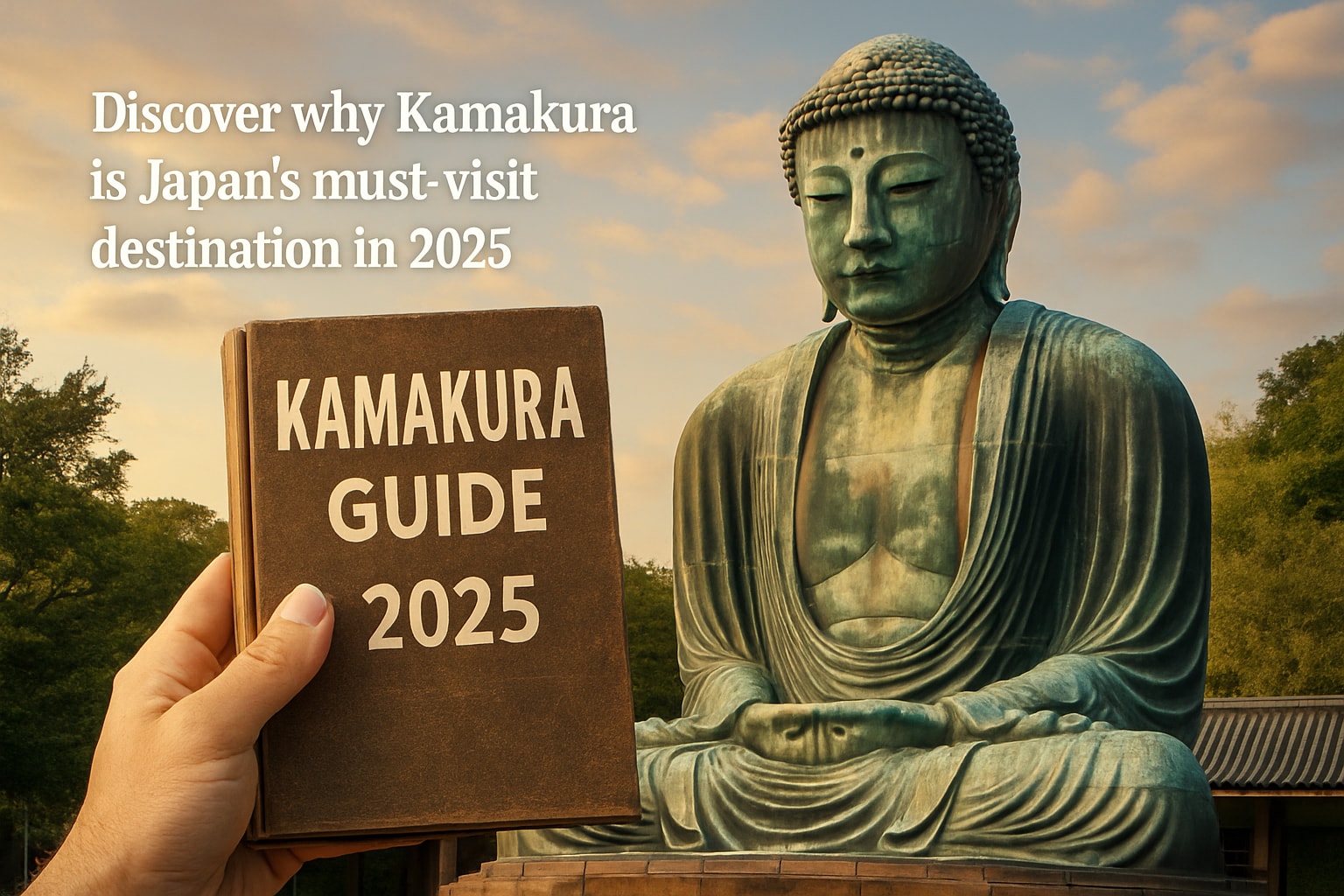
Discover why kamakura is capturing the spotlight as Japan’s must-visit destination. This essential guide reveals the city’s timeless charm, blending centuries-old temples with scenic nature and vibrant local culture.
Inside, you’ll uncover iconic landmarks, breathtaking hiking trails, authentic cuisine, seasonal festivals, and expert planning tips tailored for every traveler. Whether you seek history, adventure, or relaxation, kamakura offers exclusive experiences you will not find elsewhere.
Let this handbook inspire your journey and equip you with everything needed to plan an unforgettable trip to kamakura.
Kamakura stands as a captivating blend of history, spirituality, and scenic beauty. This ancient city offers visitors a rare chance to step into Japan’s samurai past while enjoying vibrant traditions and breathtaking landscapes. Whether you’re a history enthusiast, nature lover, or cultural explorer, Kamakura’s timeless charm and modern amenities make it a must-visit destination.

Kamakura is renowned for its pivotal role in Japan’s history. As the seat of the first samurai government from 1192 to 1333, the city preserves a legacy that resonates through its over 65 Buddhist temples and 19 Shinto shrines. Notable sites such as Tsurugaoka Hachimangu and Hasedera Temple offer profound insights into Kamakura’s spiritual and political influence. The city’s ancient streets and sacred spaces invite visitors to experience a living tapestry of Japan’s feudal era. Kamakura continues to inspire those seeking authentic connections to the country’s heritage.
Surrounded by verdant hills and the sparkling Pacific coastline, Kamakura is a paradise for outdoor enthusiasts. The city boasts scenic hiking trails like Daibutsu, Tenen, and Gionyama, each offering panoramic views and tranquil forest paths. Seasonal highlights abound, from cherry blossoms in March and April to hydrangeas in June and vibrant autumn foliage in November. For those seeking the best cherry blossom experiences, explore Japan’s Cherry Blossom Guide for detailed tips and prime viewing spots in Kamakura. The city’s natural wonders create unforgettable moments throughout the year.
Kamakura is a vibrant center for traditional Japanese culture. Visitors can immerse themselves in tea ceremonies, Zen meditation sessions, and local festivals such as the Kamakura Festival each April. Artisans continue to practice Kamakura-bori woodcarving and pottery, preserving skills passed down through generations. These cultural experiences make Kamakura a living museum, where ancient rituals and crafts flourish alongside modern attractions. Whether participating in a tea ceremony or exploring a local workshop, Kamakura’s cultural offerings enrich every visit.
One of Kamakura’s greatest advantages is its location. Just one hour by train from Tokyo, the city is easily accessible for day trips or weekend getaways. Efficient transport links, including the JR Yokosuka Line and Enoshima Electric Railway, make traveling to and within Kamakura simple and convenient. Visitor-friendly infrastructure ensures a smooth experience for international travelers, with English signage at major sites and accessible pathways for all.
Kamakura embraces sustainable tourism and eco-conscious travel. New guided tours and cultural workshops, launched in 2024 and 2025, cater to travelers seeking deeper, more responsible engagement with the city’s heritage. Local initiatives encourage visitors to explore lesser-known sites and participate in conservation efforts, ensuring Kamakura’s treasures endure for future generations. The city’s evolving tourism landscape reflects a commitment to meaningful and memorable experiences.
Kamakura consistently ranks among Japan’s top ten domestic destinations, according to the Japan National Tourism Organization’s 2023 report. Before the pandemic, Kamakura welcomed over 20 million visitors annually. The city’s popularity continues to grow as travelers seek destinations that offer both rich history and natural beauty. These impressive figures highlight Kamakura’s enduring appeal and rising profile as a premier travel destination.
Kamakura is a treasure trove of cultural, spiritual, and natural wonders. Whether you are drawn to ancient temples, historic landmarks, or vibrant local streets, kamakura offers an array of attractions for every traveler. Explore the highlights below to craft an unforgettable kamakura itinerary.

Kamakura is renowned for its sacred sites, with the majestic Great Buddha (Kamakura Daibutsu) standing 13.35 meters tall as a National Treasure. Hasedera Temple captivates visitors with its panoramic sea views and vibrant hydrangeas in June. Engaku-ji and Kencho-ji, two of the most influential Zen temples, offer tranquil grounds perfect for reflection. For those eager to immerse themselves in local tradition, participating in Traditional Japanese Experiences such as tea ceremonies or Zen meditation at these temples adds a memorable dimension to any kamakura visit.
The heart of kamakura’s samurai heritage is Tsurugaoka Hachimangu, a grand shrine with displays on samurai history and ancient rituals. The Kamakura Museum of National Treasures houses rare artifacts, including beautifully preserved samurai armor and religious relics. Both locations provide deep insight into kamakura’s pivotal role in Japanese history. Plan extra time to fully appreciate the exhibits and serene temple grounds, which are especially beautiful in spring and autumn.
Nature lovers will find kamakura’s coastal and hillside scenery irresistible. Yuigahama and Zaimokuza Beaches offer ideal settings for surfing, sunset watching, and summer relaxation. Genjiyama and Kamakura parks are renowned for cherry blossoms and tranquil paths, inviting visitors to stroll beneath blooming trees. Hiking trails through lush hills connect many of these outdoor gems, making kamakura a top destination for blending culture with nature.
Dive into the lively spirit of kamakura by exploring Komachi-dori, a bustling shopping street lined with local snacks, traditional crafts, and souvenirs. Wander down Wakamiya Oji, a grand avenue framed by torii gates, leading directly to Tsurugaoka Hachimangu. Each neighborhood in kamakura reveals a unique blend of old and new, from centuries-old shops to stylish cafés and galleries, ensuring every stroll is filled with discovery.
Kamakura shines in every season. Visit Meigetsu-in, known as the “Hydrangea Temple,” in June to witness vibrant blue blossoms. In autumn, Engaku-ji and Jomyo-ji are draped in fiery foliage, providing stunning photo opportunities. Spring transforms the city with delicate cherry blossoms, while summer brings lively festivals and fireworks. Plan your kamakura trip around these natural spectacles for an unforgettable experience.
To make the most of your kamakura adventure, arrive early in the morning to enjoy peaceful temple grounds before crowds gather. Collect temple stamps (goshuin) at each site for a unique souvenir and deeper cultural immersion. For an authentic experience, consider joining a guided tour or workshop, which can reveal hidden gems and local stories that many travelers miss. Kamakura’s compact layout makes it easy to explore multiple attractions in one day.
Kamakura welcomes all visitors with accessible pathways at major sites, including ramps and elevators at popular temples and museums. English signage is common, making navigation straightforward for international guests. Many attractions offer wheelchair access, and local transportation options cater to travelers with mobility needs. With thoughtful planning, kamakura is a destination everyone can enjoy.
Organizing your kamakura adventure is easier than ever thanks to excellent transport links, a wide range of accommodations, and flexible itineraries. Whether you are coming from Tokyo or planning a longer stay, thoughtful preparation will help you experience the best of kamakura. For broader travel inspiration and planning tips, explore Planning Areas to Explore in Japan.

Kamakura is just an hour from central Tokyo, making it a top choice for travelers seeking convenience and culture. The JR Yokosuka Line offers direct service from Tokyo Station and Shinjuku Station, arriving at Kamakura Station without transfers. Fares typically range from ¥940 to ¥950 one way, with frequent departures throughout the day.
Once you arrive, exploring kamakura is straightforward. The Enoshima Electric Railway (Enoden) connects key coastal and temple areas, offering scenic rides between stations like Hase and Enoshima. Buses and rental bicycles provide flexible alternatives, while many top sights are accessible on foot via well-marked walking routes.
Accommodation options in kamakura cater to every preference. Choose a traditional ryokan for a classic Japanese experience, or opt for boutique guesthouses and modern hotels. Popular areas include the vicinity of Hachimangu Shrine, Yuigahama Beach, and Kita-Kamakura, each offering unique atmospheres and easy access to attractions.
Maximize your time in kamakura with a tailored itinerary. For a day trip, focus on the Great Buddha, Hasedera Temple, and Komachi-dori’s vibrant shops. If you stay overnight, add a morning hike along the Daibutsu Trail, visit Zeniarai Benten Shrine, and unwind at Yuigahama Beach for a balanced experience.
Kamakura can be enjoyed on various budgets. Average nightly rates for accommodations range from ¥8,000 to ¥20,000. See the table below for a quick overview:
| Expense | Average Cost (¥) |
|---|---|
| Accommodation/night | 8,000 – 20,000 |
| Temple entry fees | 300 – 500 |
| Transport (day pass) | 600 – 800 |
Sightseeing passes and transport cards can help you save on local travel.
With kamakura’s popularity rising, especially on weekends and holidays, early reservations are strongly recommended. New digital ticketing systems and guided tour options introduced in 2024-2025 make planning smoother. Consider booking online for accommodations and experiences to secure your preferred dates.
To make the most of kamakura, plan your trip around the seasons. Spring brings cherry blossoms, while autumn offers striking foliage. Avoid major holidays for fewer crowds, and check event calendars for local festivals. The mild coastal climate makes kamakura pleasant to visit year-round.
Kamakura offers a unique culinary journey that blends traditional flavors with seasonal ingredients. From seaside delicacies to artisanal sweets, the city’s food scene is a highlight for every traveler. Discover where to savor local favorites, enjoy memorable dining experiences, and find options for every palate in Kamakura.

The culinary heart of Kamakura beats with fresh shirasu (whitebait) bowls, savory Kamakura vegetables, and beautifully crafted wagashi sweets. Matcha desserts and locally sourced Japanese teas are also must-tries. For those new to Japanese food traditions, this Japanese Cuisine Overview provides helpful context for understanding the flavors you’ll encounter in Kamakura.
Kamakura’s dining options cater to every taste, from cozy izakaya to seaside cafés with panoramic views. Notable spots include bills Kamakura for a Western-style brunch and Café Kamakura Yama for Japanese fusion cuisine. Vegan and vegetarian travelers will find creative menus at many local establishments, ensuring an inclusive food experience.
Komachi-dori is the epicenter of Kamakura’s street food culture. Sample these favorites:
Farmer’s markets throughout Kamakura also offer fresh produce and homemade treats.
Travelers with dietary restrictions will appreciate Kamakura’s growing range of vegetarian and vegan-friendly restaurants. Many menus highlight allergy information, and staff are generally accommodating regarding food preferences. It’s recommended to learn a few key Japanese phrases or use a translation app when ordering in Kamakura.
Kamakura is renowned for its immersive food experiences. Participate in a traditional tea ceremony, join a local cooking class, or try a sake tasting session. These activities provide deeper insight into Kamakura’s culinary heritage and offer a hands-on connection with local flavors.
Dining in Kamakura is relaxed but popular spots fill quickly, especially on weekends. Making reservations is advised for well-known restaurants. Most places accept cash, with some larger venues also taking cards. Tipping is not customary in Kamakura, so simply thank your hosts for their hospitality.
Kamakura offers a vibrant calendar of events and unique experiences that transform each season into something memorable. Whether you are drawn by colorful festivals, tranquil temples, or artisan markets, kamakura’s dynamic spirit invites you to explore beyond the obvious.
Spring in kamakura comes alive with the Kamakura Festival, featuring dazzling parades, horseback archery, and samurai performances. In August, the city lights up during the fireworks festival, while autumn brings breathtaking leaf festivals across temple grounds. These events draw large crowds, making kamakura’s festive atmosphere both exhilarating and, at times, bustling. For perspective, Kamakura’s tourist density compared to Kyoto is notably higher, especially during major celebrations.
Participate in Zen meditation sessions at Engaku-ji or Kencho-ji, where tranquility meets centuries-old tradition. Night temple illuminations offer a magical perspective, bathing historic halls in soft light. Sign up for cultural workshops to craft your own souvenir or learn the art of tea, connecting with kamakura’s living heritage in an intimate setting.
Discover kamakura’s hidden corners at Zeniarai Benten Shrine, where washing coins promises good fortune. Wander through Hokoku-ji, the Bamboo Temple, and sip matcha in a serene tea house. These quieter gems offer a peaceful retreat from the city’s energetic festival scenes, letting you experience kamakura’s spiritual side at your own pace.
Kamakura’s coastline is perfect for surfing, paddleboarding, or practicing beach yoga at sunrise. Venture into the hills for birdwatching or hike scenic trails that reveal panoramic views of both forest and sea. Outdoor enthusiasts will find kamakura’s natural beauty accessible year-round, with each season offering its own highlights.
Stroll kamakura’s boutique-lined streets to find Kamakura-bori woodcarving, delicate pottery, and locally designed fashion. Artisans often showcase their skills during festivals, making it the ideal time to pick up a unique memento. The blend of traditional craftsmanship and contemporary style gives kamakura’s shopping scene a character all its own.
Families will find plenty to enjoy, from the Kamakura City Children’s Museum to interactive experiences at temples. Many events offer hands-on activities for kids, such as calligraphy or lantern making. Kamakura welcomes visitors of all ages, making it easy to create cherished memories together.
Check event schedules in advance and consider digital ticketing for smooth entry. When attending kamakura’s festivals, follow local etiquette, such as bowing at shrines and keeping noise to a minimum during ceremonies. As kamakura faces increased popularity, efforts to combat overtourism highlight the importance of responsible travel, ensuring these traditions remain vibrant for generations.
Unlock the best of kamakura with these expert tips designed to elevate your journey. Whether you are a first-time visitor or a seasoned explorer, these insights ensure your kamakura adventure is comfortable, meaningful, and truly memorable.
To truly appreciate kamakura, plan your temple visits early in the morning or late in the afternoon. These times offer quieter atmospheres and softer natural light for photography. Discover alternative routes and explore lesser-known temples to enjoy peaceful moments away from busy crowds. Weekdays are best for a more relaxed experience.
Pack comfortable walking shoes, as kamakura’s historic streets and scenic trails invite plenty of exploration. Bring a compact umbrella or rain jacket, especially during the rainy season. Dress in layers to adjust to changing coastal weather. Include a reusable water bottle and a small daypack for your essentials.
Kamakura is generally safe, but it is wise to keep local emergency numbers and your embassy contact handy. Major temples and tourist areas are equipped with medical facilities and accessible routes. Many sites offer English signage and ramps, making it easier for all travelers to navigate the city.
While English is spoken at many main attractions in kamakura, learning a few basic Japanese phrases enhances your experience. Download a reliable translation app for conversations at smaller shops or restaurants. Look for English maps and guides at train stations and visitor centers.
Embrace eco-friendly travel by using public transport, renting bicycles, or walking between sites in kamakura. Support local businesses and participate in conservation initiatives when possible. As visitor numbers rise, Kamakura’s tourism growth and infrastructure challenges highlight the importance of responsible tourism—respect local customs, avoid littering, and follow temple etiquette.
Kamakura offers countless photo opportunities, from iconic shrines to hidden bamboo groves. Always check for photography rules at each site. Drones are restricted in most temple areas. Share your images thoughtfully and tag locations responsibly to help preserve their serenity.
Download navigation apps like Google Maps or Japan Travel for efficient route planning in kamakura. Translation tools, digital guidebooks, and weather apps are invaluable. Many temples offer QR codes for audio guides, enriching your cultural understanding as you explore.
As you explore Kamakura’s timeless temples, scenic trails, and vibrant culinary scene, it’s clear this city offers a rich tapestry of history, nature, and culture waiting to be discovered. Planning the perfect visit can feel overwhelming, but you don’t have to do it alone. Our team at Japan Royal Service specializes in creating journeys tailored to your interests, ensuring every moment in Kamakura is unforgettable. If you’re ready to elevate your travel experience and see Kamakura through a truly personalized lens, Elevate your travel story: Speak with a Japan specialist and tailor your adventure.