
LINE ID japanroyalservice
+817013781777 click here
+817013781777 click here
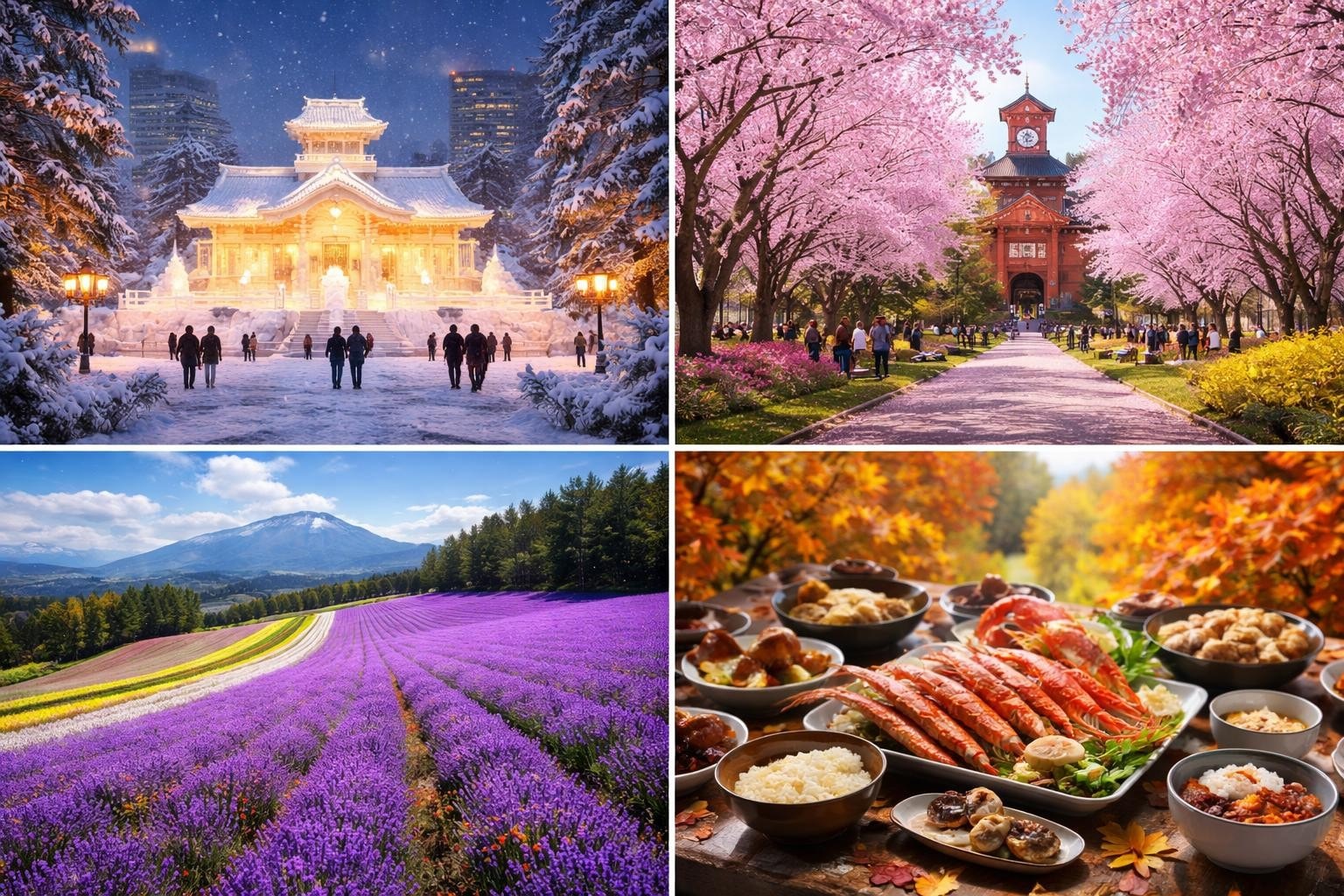
The northern frontier of Japan beckons discerning travelers with a unique blend of pristine wilderness, cosmopolitan sophistication, and culinary excellence. Hokkaidō and Sapporo represent a departure from traditional Japanese tourism, offering experiences shaped by harsh winters, indigenous Ainu culture, and pioneering spirit. For luxury travelers seeking authentic immersion beyond the well-trodden paths of Tokyo and Kyoto, this region delivers extraordinary seasonal transformations, world-class gastronomy, and exclusive access to nature’s most dramatic displays. Understanding what makes this destination exceptional requires insight into its distinctive character, strategic planning for optimal experiences, and local expertise to unlock hidden treasures.
Hokkaidō stands apart as Japan’s second-largest island and northernmost prefecture, comprising roughly 22% of Japan’s total land area while hosting just 4% of its population. This low population density creates vast expanses of unspoiled wilderness, agricultural land, and natural hot springs that remain largely undeveloped compared to Honshu, the main island.
The climate follows continental patterns rather than the maritime influences affecting most of Japan. Winters bring heavy snowfall exceeding 6 meters in mountainous regions, creating powder-snow conditions that attract international skiing enthusiasts. Summers remain pleasantly cool with lower humidity than Tokyo or Osaka, making Hokkaidō and Sapporo ideal warm-weather destinations when southern Japan becomes uncomfortably hot.
The Ainu people inhabited Hokkaidō for thousands of years before Japanese settlement intensified during the Meiji Restoration in 1869. This relatively recent colonization explains why Hokkaidō’s cultural landscape differs markedly from ancient capitals like Kyoto. Instead of centuries-old temples, visitors discover pioneer-era architecture, Western-influenced urban planning, and agricultural traditions borrowed from American advisors hired during the late 19th century.
Modern Hokkaidō celebrates this multicultural heritage through museums, cultural centers, and culinary traditions that blend Ainu ingredients with Japanese techniques and international influences. Luxury travelers gain a deeper appreciation through private cultural experiences, including traditional Ainu performances, craft workshops, and exclusive access to historical sites typically closed to general visitors.
As Hokkaidō’s largest city and prefectural capital, Sapporo serves as the region’s cultural, economic, and transportation hub. Home to nearly two million residents, the city combines urban sophistication with easy access to natural surroundings, making it an ideal base for exploring broader Hokkaidō while offering comprehensive luxury amenities.
The city’s grid-pattern streets, rare in Japan, reflect American influence during its founding. Wide boulevards lined with European-style buildings create an unexpectedly Western atmosphere. Odori Park bisects the city center as a green corridor hosting major festivals and providing year-round recreational space.

The Sapporo Clock Tower, constructed in 1878, remains one of the city’s most photographed buildings despite being dwarfed by modern skyscrapers. This former military drill hall exemplifies early Hokkaidō architecture and serves as a tangible connection to the city’s pioneering days.
Hokkaidō Shrine offers a different historical perspective, enshrining deities associated with Hokkaidō’s development and the Meiji Emperor. Located in Maruyama Park, the shrine grounds provide serene forest walks and seasonal beauty, from cherry blossoms in May to fiery autumn colors in October.
For those interested in architectural evolution, the Historical Village of Hokkaidō presents over 60 buildings from the Meiji and Taisho periods, relocated and preserved as an open-air museum. This attraction allows visitors to explore Hokkaidō’s pioneer heritage through authentic structures spanning farms, fisheries, and early urban development.
Hokkaidō’s reputation as Japan’s breadbasket and seafood capital stems from abundant natural resources, innovative agriculture, and pristine waters. The prefecture produces over half of Japan’s dairy products, premium wheat, potatoes, and corn, while harvesting exceptional seafood from the surrounding seas.
Seafood dominates local cuisine with several items achieving legendary status:
Agricultural products contribute equally to regional cuisine. Hokkaidō dairy creates rich soft-serve ice cream, premium butter, and artisanal cheeses unavailable elsewhere in Japan. Local potatoes and corn varieties were developed specifically for Hokkaidō’s climate, producing distinctive flavors.
Sapporo-style ramen defines the city’s culinary identity with rich miso-based broth, thick curly noodles, and toppings such as corn, butter, bean sprouts, and ground pork. This heartier style developed to combat harsh winters, contrasting with lighter ramen varieties from southern Japan.
| Ramen Style | Broth Base | Signature Toppings | Origin Region |
|---|---|---|---|
| Sapporo | Miso | Corn, butter, bean sprouts | Hokkaido/Sapporo |
| Asahikawa | Soy sauce | Pork, scallions, bamboo | Central Hokkaidō |
| Hakodate | Salt | Straight noodles, seafood | Southern Hokkaidō |
Luxury food experiences in hokkaidō and Sapporo extend beyond casual ramen shops to include kaiseki restaurants featuring local ingredients, exclusive sushi counters sourcing morning catches, and farm-to-table establishments showcasing Hokkaidō’s agricultural bounty.
Each February, the Sapporo Snow Festival transforms the city into an outdoor art gallery featuring massive snow and ice sculptures. Launched in 1950 with six student-built snow statues, the festival now attracts over two million visitors annually across three main sites.
Odori Park hosts the largest sculptures, some exceeding 15 meters in height and requiring weeks of construction by international teams. Susukino focuses on ice sculptures illuminated dramatically after sunset. Tsudome provides family-oriented activities, including snow slides and interactive exhibits.
Luxury travelers benefit from exclusive access, including:
Beyond the festival, Hokkaidō and Sapporo winter experiences include world-class skiing at nearby resorts, private onsen experiences, ice fishing on frozen lakes, and wildlife observation tours to spot red-crowned cranes and drift ice.

Sapporo’s art and culture scene reflects both Western influences and contemporary Japanese creativity. The Sapporo Art Park occupies 40 hectares on the city’s outskirts, combining sculpture gardens, museums, and outdoor concert venues within forested hillsides.
The Hokkaidō Museum of Modern Art houses significant collections of regional artists alongside international exhibitions. Its glass-and-concrete architecture by Kisho Kurokawa exemplifies 1970s Japanese modernism. Rotating exhibitions ensure repeat visitors have fresh experiences.
The Sapporo Beer Museum occupies a restored 1890 rickety building, celebrating Japan’s oldest beer brand and the city’s brewing heritage. As Japan’s only beer museum, it offers historical exhibits, demonstrations of the brewing process, and tasting sessions featuring limited-edition varieties unavailable elsewhere.
Premium experiences include private tasting sessions guided by master brewers, paired dining featuring beer-complementary cuisine, and access to archived vintages. The adjacent Sapporo Beer Garden serves Genghis Khan (grilled mutton) in a festive atmosphere, though luxury travelers typically opt for private dining rooms with personalized service.
Hokkaidō and Sapporo reward visitors year-round, but each season offers distinct advantages for discerning travelers. Strategic timing maximizes experiences while avoiding overcrowding during peak periods.
Cherry blossoms arrive four weeks later than in Tokyo, typically reaching peak bloom in early May when southern Japan’s sakura season has ended. Golden Week crowds can be avoided by visiting mid-to-late May when temperatures warm and lilac festivals perfume the city.
Key events and experiences:
Pleasant temperatures, extended daylight, and outdoor festival season make summer Hokkaidō’s busiest period. Sophisticated travelers appreciate escaping Tokyo’s oppressive humidity while enjoying lavender fields, highland hiking, and coastal seafood harvests.
The Hokkaidō Balloon Festival, various music events, and fireworks displays concentrate in August. Ocean-side resorts along the Shakotan Peninsula offer exclusive beach experiences rare in Japan.
Many consider autumn the premier season for visiting hokkaidō and Sapporo. Comfortable temperatures, spectacular fall foliage, harvest festivals, and fewer tourists create ideal conditions. Mountainous regions peak in late September, while lower elevations reach maximum color in mid-October.
Autumn advantages include:
Beyond the February Snow Festival, winter offers exceptional skiing, ice festivals in smaller cities, and unique cold-weather experiences. Luxury ski resorts in Niseko, Rusutsu, and Furano offer world-class facilities and are raising international service standards.
New Chitose Airport, located 45 kilometers south of Sapporo, serves as Hokkaidō’s primary international gateway with direct flights from major Asian cities and connecting service to European and North American destinations through Tokyo hubs. The journey from the airport to central Sapporo takes 37 minutes via express train or 75-90 minutes by luxury chauffeur service.
Within Sapporo, an efficient subway system, an extensive bus network, and taxi services provide comprehensive coverage. However, luxury travelers typically benefit from private vehicle services, which offer flexibility, privacy, and personalized guidance unavailable with public transportation.
Benefits of premium transportation include:
Exploring broader Hokkaidō by private vehicle becomes essential as many premier destinations lack convenient public transit. Scenic routes connecting Sapporo to Otaru, Furano, Biei, and national parks reward travelers with stunning landscapes and hidden discoveries that are otherwise impossible to access
This former herring-fishing port has transformed into a romantic canal town, with preserved merchant warehouses now housing glassworks, music boxes, and seafood restaurants. The Otaru Canal, particularly atmospheric when lit by gas lamps after sunset, attracts photographers and couples seeking scenic backdrops.
Premium sushi experiences in Otaru often exceed even Tokyo standards, with morning catches prepared by multigenerational masters. Several establishments require reservations and accept only a handful of daily guests, making local expertise invaluable for securing access.
International ski resort development has transformed these areas into year-round luxury destinations. Winter brings legendary powder snow, while summer offers golf, rafting, and mountain activities. Five-star accommodations include ryokan with private onsen, contemporary resort hotels, and exclusive villas.
Rolling agricultural landscapes create patchwork patterns of crops, particularly striking when lavender blooms in July. Farm restaurants, wine producers, and cheese makers welcome visitors for tastings and behind-the-scenes tours. Autumn brings spectacular foliage contrasted against geometric farm fields.

Successful luxury experiences in hokkaidō and Sapporo require planning, local expertise, and flexibility to capitalize on weather-dependent opportunities. Several factors deserve particular attention when designing bespoke itineraries.
Sapporo offers diverse luxury lodging from international hotel brands to boutique properties and traditional ryokan. Location determines convenience: Susukino offers proximity to an entertainment district, while Maruyama offers residential tranquility near parks and shrines.
Selection criteria for luxury accommodations:
| Factor | Urban Hotels | Traditional Ryokan | Resort Properties |
|---|---|---|---|
| Location | Central Sapporo | Jozankei, Noboribetsu | Niseko, Rusutsu |
| Style | Contemporary | Traditional Japanese | Mountain/contemporary |
| Dining | Multiple restaurants | Kaiseki included | Varied options |
| Onsen | Sometimes | Always | Usually |
| Best For | City exploration | Cultural immersion | Outdoor activities |
Peak-season reservations should be secured 6-9 months in advance, particularly for February Snow Festival dates and summer weekends. Shoulder seasons offer greater availability and preferred room selection.
Top-tier restaurants in Sapporo often require reservations weeks or months in advance, and many accept only Japanese-language bookings or referrals from known guests. Concierge services or specialist travel providers overcome these barriers, securing access to establishments otherwise difficult for international visitors.
Seasonal ingredients drive menu planning, with certain items like hairy crab, asparagus, or matsutake mushrooms available only during specific windows. Coordinating visits with ingredient availability significantly enhances culinary experiences.
Hokkaidō weather can shift dramatically, particularly during transitional seasons. Winter travelers require appropriate cold-weather gear, though luxury properties typically provide or arrange necessary items. Summer visitors should prepare for temperature variations between coastal areas, cities, and mountain elevations.
Flexible building schedules allow pivoting when weather impacts outdoor activities. Having alternative indoor cultural experiences, culinary programs, or spa treatments prevents disappointment when conditions prevent scenic drives or wildlife viewing.
Discerning travelers seek experiences beyond standard tourism, requiring local connections and insider knowledge. Several exclusive-access categories set truly bespoke Hokkaidō and Sapporo itineraries apart from conventional tours.
Arranging private audiences with artisans, farmers, chefs, and cultural practitioners creates memorable interactions impossible through group tours. Examples include learning Ainu embroidery techniques from master craftspeople, visiting working dairy farms during morning milking, or joining fishermen on pre-dawn harvests.
These experiences require relationship-building, advanced coordination, and often translation assistance. The insights gained and personal connections formed far exceed passive observation at commercial attractions.
Museums, gardens, and historical sites that are typically closed to the public can be accessed privately through special arrangements. Visiting official Sapporo attractions without crowds, enjoying private performances, or photographing sites during optimal lighting conditions represents the pinnacle of luxury travel privileges.
Certain natural occurrences demand precise timing and local knowledge. These include drift ice viewing from icebreaker ships, Sakhalin husky sledding, red-crowned crane observation at dawn, and salmon runs in pristine rivers. Expert guides position visitors optimally while providing ecological and cultural context.
For travelers exploring multiple Japanese regions, hokkaidō and Sapporo complement rather than duplicate experiences in Tokyo, Kyoto, and Osaka. Strategic integration creates diverse itineraries showcasing Japan’s geographic and cultural range.
A typical luxury Japan journey might allocate 4-5 days to Hokkaidō within a 12-14-day total itinerary. This provides sufficient time for Sapporo exploration plus one regional excursion without feeling rushed. Domestic flights connect seamlessly with bullet train networks, enabling efficient movement between regions.
Thematic connections enhance coherence across multi-region trips. Food enthusiasts might trace the evolution of ramen from Hokkaidō to Tokyo and then to Fukuoka. Architecture lovers can contrast Hokkaidō’s Western-influenced buildings with Kyoto’s traditional structures. Nature seekers balance Hokkaidō’s wilderness with Japan Alps hiking and coastal landscapes elsewhere.
Luxury luggage-forwarding services simplify multi-destination travel by shipping bags between hotels, eliminating the need to lug luggage through airports and train stations. This is particularly valuable when combining urban exploration with outdoor activities that require specialized gear.
Premium travel services coordinate seamless transitions between regions, managing domestic flight bookings, private transfers, and accommodation check-ins to maintain consistency throughout extended journeys. This continuity of service elevates the entire experience above piecemeal self-planned trips.
Hokkaidō’s pristine natural environments require mindful tourism practices to be preserved for future generations. Luxury travel and environmental responsibility align perfectly when providers prioritize sustainability without compromising service quality.
Responsible practices include supporting local food systems through farm-to-table dining, choosing accommodations with environmental certifications, minimizing waste through thoughtful consumption, and respecting wildlife viewing guidelines that prioritize animal welfare over photo opportunities.
Indigenous Ainu culture deserves particular sensitivity, with engagement with authentic cultural centers and support for Ainu-led initiatives rather than commercialized stereotypes. Understanding the complex history between Ainu communities and Japanese settlement adds depth to cultural appreciation.
Hokkaidō maintains Japan’s exemplary healthcare standards with major hospitals in Sapporo offering international patient departments and English-speaking staff. Travel insurance should cover medical evacuation, particularly for winter sports activities carrying injury risks.
Winter driving conditions require experience with snow and ice, making professional drivers advisable for travelers unfamiliar with navigating severe weather. Spring and summer bring minimal safety concerns, with Japan’s low crime rates extending throughout Hokkaidō.
Food safety in Japan ranks among the world’s highest, though travelers with seafood allergies should exercise caution given the prevalence of fish and shellfish in regional cuisine. Communicating dietary restrictions is easier through professional services that provide translation assistance.
Hokkaidō and Sapporo offer discerning travelers an unparalleled combination of natural beauty, culinary excellence, and cultural authenticity that sets this region apart as Japan’s premier luxury destination for those seeking experiences beyond conventional tourism. From powder snow adventures and exclusive cultural encounters to farm-to-table gastronomy and pristine wilderness, the region rewards thoughtful exploration with memories that transcend typical vacation experiences. Japan Royal Service specializes in crafting bespoke Hokkaidō itineraries that unlock exclusive access to hidden treasures, coordinate seamless logistics across this vast region, and ensure every detail reflects your unique interests and preferences for an unforgettable northern Japan journey.