
LINE ID japanroyalservice
+817013781777 click here
+817013781777 click here
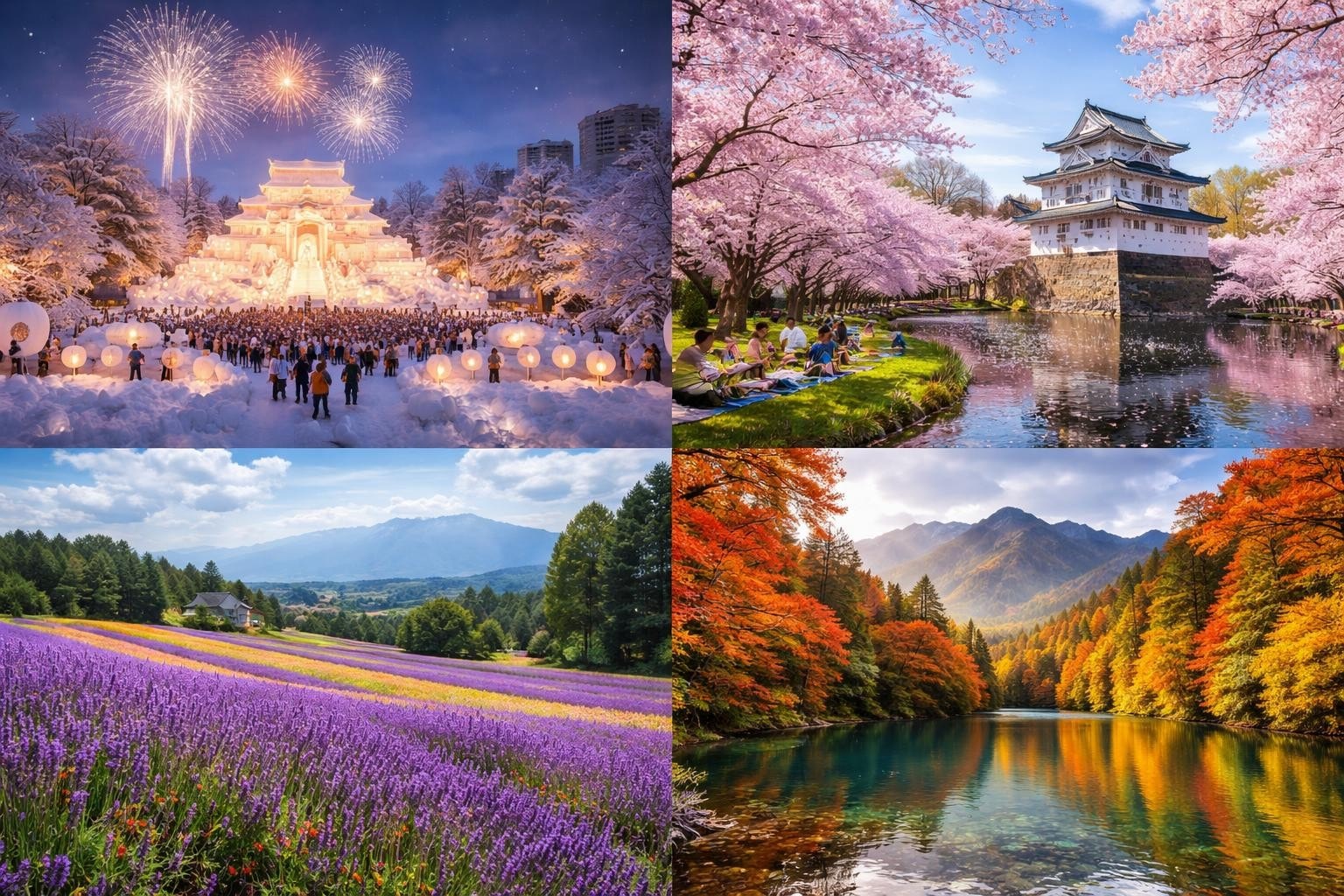
Japan’s northernmost island beckons discerning travelers with a promise of untamed natural beauty, rich indigenous heritage, and culinary experiences that rival any gastronomic destination worldwide. The Hokkaido region represents a departure from the traditional Japan travel circuit, offering expansive landscapes, seasonal transformations, and cultural depth that captivate those seeking authentic luxury experiences. From the powdery slopes that attract winter sports enthusiasts to the lavender fields that paint summer purple, this remarkable destination provides a canvas for bespoke journeys that transcend conventional tourism. For travelers who appreciate exclusivity and personalized service, Hokkai does deliver experiences that cannot be replicated elsewhere in the Japanese archipelago.
Hokkaido stands as Japan’s second-largest island, comprising roughly 22% of the country’s total land area yet housing only 4% of its population. This remarkable ratio creates an environment where nature dominates, offering travelers vast expanses of wilderness, pristine coastlines, and mountain ranges that remain largely untouched by urban development.
The island’s separation from Honshu by the Tsugaru Strait has historically created a distinct cultural identity. The indigenous Ainu people maintained their presence here long after being displaced from other parts of Japan, and their cultural legacy continues to permeate Hokkaido today. Understanding this unique cultural heritage enriches any visit, transforming scenic appreciation into meaningful cultural exchange.
The subarctic climate of Hokkai does create four dramatically distinct seasons, each offering unique advantages for luxury travelers:
This climatic variation means that Hokkaido rewards multiple visits throughout the year, with each season revealing different facets of the island’s character.
The northern island has emerged as Japan’s premier food destination, leveraging its abundant agriculture and maritime resources to create a culinary scene that rivals those of Kyoto and Osaka. The cold climate and fertile volcanic soil produce ingredients of exceptional quality that form the foundation of Hokkaido’s gastronomic reputation.
Hokkaido’s food culture centers on freshness and quality rather than elaborate preparation. The island supplies approximately 50% of Japan’s dairy products, and the difference in taste is immediately apparent to anyone sampling local milk, cheese, or butter.
| Product Category | Notable Examples | Peak Season |
|---|---|---|
| Seafood | King crab, sea urchin, salmon roe | Year-round (varies by species) |
| Dairy | Fresh milk, ice cream, cheese | Year-round |
| Agricultural | Melons, corn, potatoes | Summer-Autumn |
| Meat | Wagyu beef, lamb | Year-round |
The seafood markets of Hokkaido do represent pilgrimage sites for culinary enthusiasts. The morning auctions at Sapporo’s Nijo Market or Hakodate’s morning market offer opportunities to witness the journey from ocean to table, with many establishments preparing purchases immediately for consumption.
Discerning travelers should prioritize experiencing kaiseki cuisine that exclusively features Hokkaido ingredients. These multi-course meals showcase seasonal ingredients at their peak, prepared with techniques that honor both Japanese tradition and the island’s unique terroir. Many luxury ryokan throughout the region have earned recognition for their commitment to hyperlocal sourcing.
The pure water sources flowing from Hokkaido’s mountains create ideal conditions for sake brewing. The island has experienced a craft beverage renaissance, with new breweries combining traditional methods with innovative approaches. The cool climate also supports a growing wine industry, particularly in regions like Yoichi and Furano, where European grape varieties thrive.
The diverse natural landscapes of Hokkaido range from volcanic calderas to pristine coastlines, offering luxury travelers access to wilderness experiences without sacrificing comfort. The island contains six national parks, each protecting distinct ecosystems and offering unique opportunities for exploration.
Japan’s largest national park sprawls across 2,267 square kilometers of mountainous terrain. The park’s name translates to “great snowy mountains,” and the region delivers exactly what the designation promises. Summer hiking trails wind through alpine meadows blooming with rare flora, while winter transforms the landscape into a backcountry skiing paradise.
Private guided experiences through Daisetsuzan allow travelers to access remote hot springs, observe wildlife including brown bears and red foxes, and experience the profound silence that only true wilderness provides. These curated expeditions combine expert naturalist guides with luxury camping equipment for those seeking authentic immersion without discomfort.
Designated as a UNESCO World Heritage Site, Shiretoko is home to one of the planet’s richest ecosystems. The peninsula juts into the Sea of Okhotsk, creating dramatic cliffsides where waterfalls plunge directly into the ocean. Winter brings drift ice from Russia, an otherworldly phenomenon that attracts wildlife, including Steller’s sea eagles and various seal species.
Access to certain areas of Shiretoko requires advance permits and approved guides, creating an inherent exclusivity that appeals to travelers seeking experiences beyond typical tourist circuits. Luxury lodges positioned at the peninsula’s edge offer floor-to-ceiling windows framing these primordial landscapes.
The legendary powder snow of Hokkaido has achieved near-mythical status among winter sports enthusiasts worldwide. The combination of cold Siberian air masses meeting moisture from the Sea of Japan creates snow crystals of exceptional quality, light and dry, with a consistency that serious skiers describe reverently.
Niseko has emerged as the flagship destination, attracting international visitors who return annually for its reliable snowfall, which averages 15 meters per season. However, Hokkai does offer alternatives for travelers seeking exclusivity:
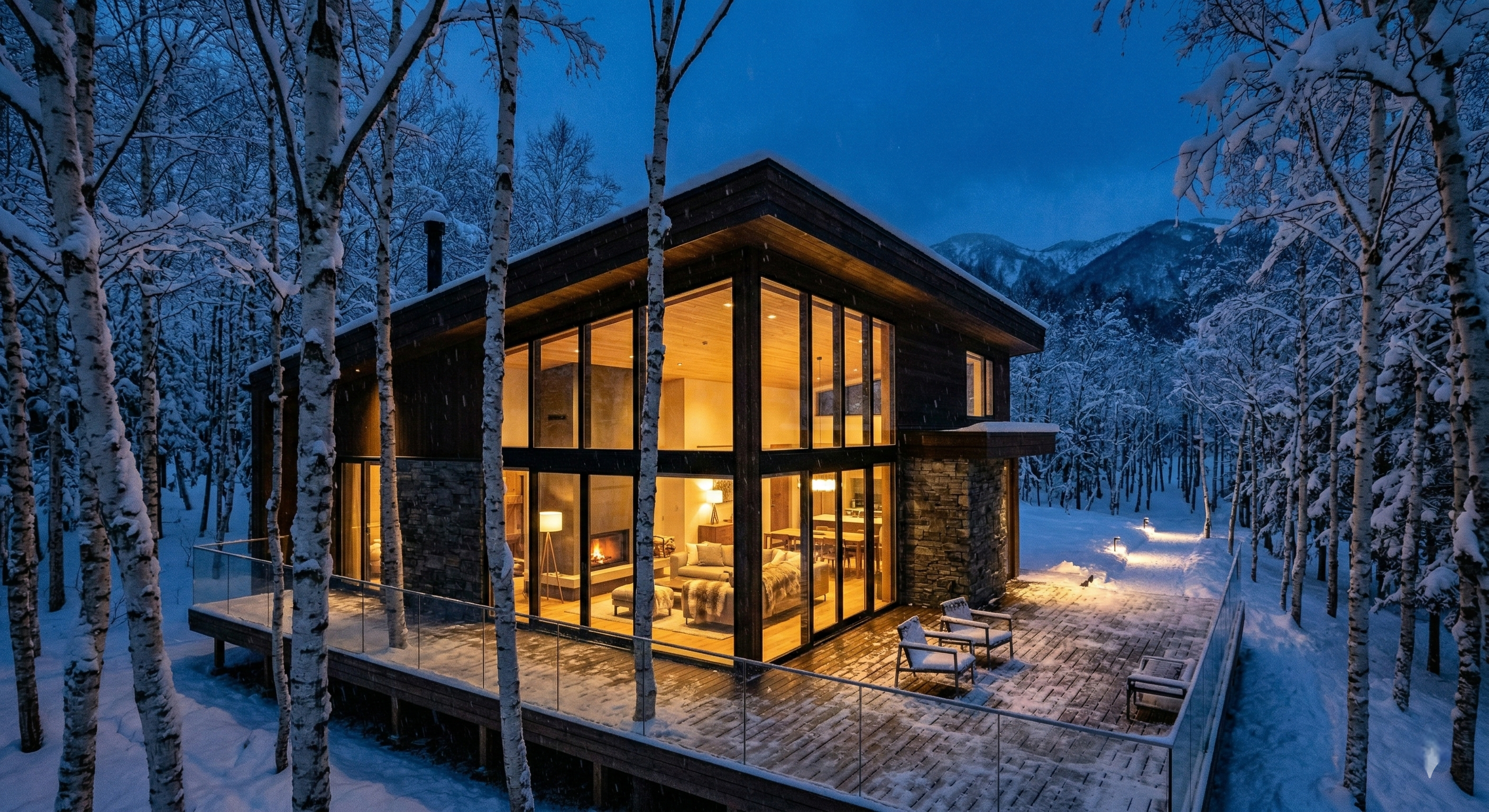
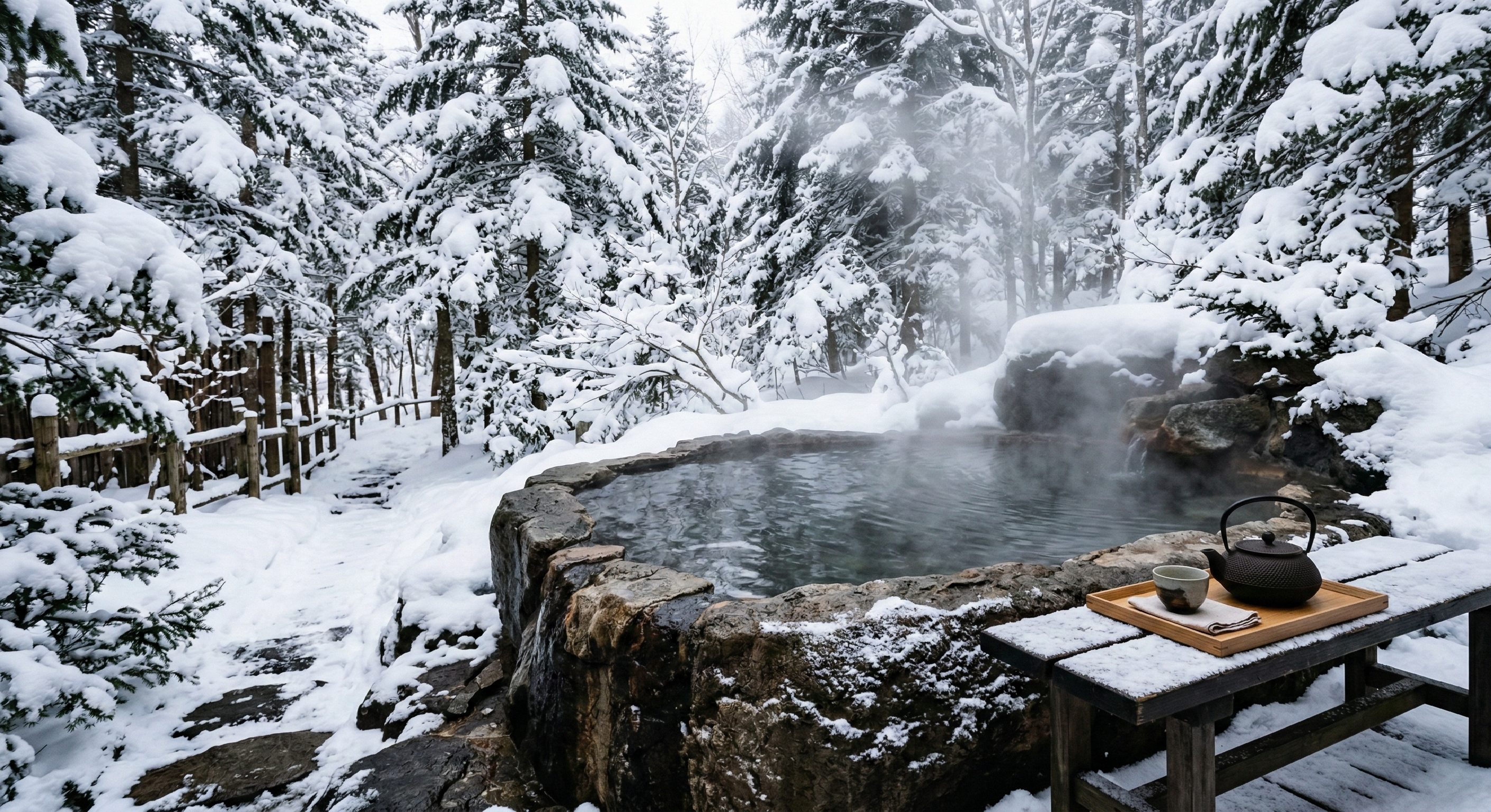
Luxury accommodations at these resorts range from contemporary hotels with Michelin-starred restaurants to traditional ryokan, where après-ski relaxation occurs in private onsen overlooking snowy landscapes.
The Sapporo Snow Festival represents winter culture beyond sports, transforming the city into an open-air gallery of ice sculpture. While this festival attracts massive crowds, private viewings and VIP access to ice bar experiences allow luxury travelers to appreciate the artistry without the typical tourist experience.
The Ainu culture of Hokkaido offers profound opportunities for travelers seeking authentic cultural engagement. As Japan’s indigenous people, the Ainu maintained distinct language, spiritual practices, and artistic traditions that differ significantly from mainstream Japanese culture. Recent decades have witnessed a cultural revival, with Ainu communities welcoming respectful visitors to share their heritage.
The Jomon culture that preceded the Ainu has left archaeological evidence spanning 10,000 years, making Hokkaido home to some of Japan’s most significant prehistoric sites. Several locations now offer UNESCO World Heritage status, recognizing their global importance.
Authentic experiences might include:
These encounters require sensitivity and proper facilitation. Working with specialists who maintain genuine relationships with Ainu communities ensures respectful engagement that benefits both travelers and cultural preservationists.
While Hokkaido’s natural attractions often dominate discussions, the island’s cities offer sophisticated urban experiences that complement wilderness adventures. Sapporo, the prefectural capital and Japan’s fifth-largest city, blends contemporary design with access to nature. The city’s grid layout, unusual for Japanese cities, enhances navigability, which travelers appreciate.
The city has cultivated a reputation for design excellence, evident in architecture ranging from the historic Former Hokkaido Government Building to contemporary structures like the Sapporo Dome. The Susukino entertainment district offers culinary diversity, while Odori Park, which cuts through the city center, provides green space that hosts seasonal events.
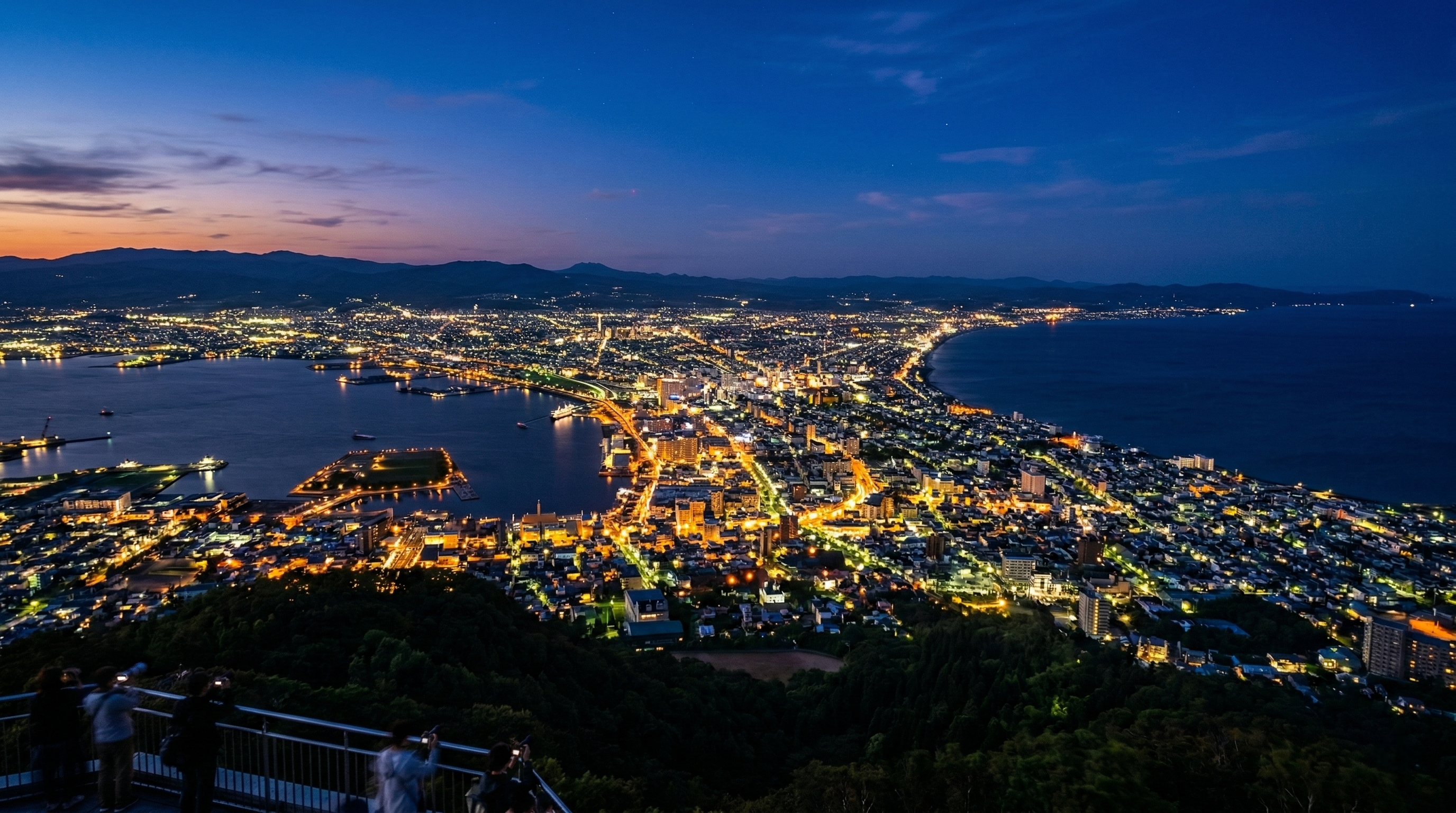
Hakodate, the southern tip of Hokkaido, was one of Japan’s first ports opened to international trade. This history has created cultural influences distinct from those of other Japanese cities, visible in the preserved Western-style buildings of the Motomachi district and the morning market’s direct-from-boat seafood culture.
| City Feature | Sapporo | Hakodate |
|---|---|---|
| Historic Character | Frontier development, 1870s | International port, 1850s |
| Signature View | Mount Moiwa night panorama | Mount Hakodate twilight vista |
| Culinary Specialty | Miso ramen, soup curry | Morning market seafood |
| Architectural Interest | Beer museums, clock tower | Western-influenced buildings |
Both cities serve as excellent bases for exploring the surrounding regions, while offering luxury hotels, refined dining, and cultural attractions worth a dedicated visit.
Navigating Hokkaido requires different considerations than traveling in mainland Japan. The island’s size and dispersed attractions make private transportation particularly valuable. While rental cars offer flexibility, discerning travelers often prefer chauffeured services that eliminate navigation concerns and allow full attention to landscapes and conversations.
The Hokkaido Shinkansen now connects Hakodate to Tokyo in approximately four hours, though most international visitors arrive via New Chitose Airport outside Sapporo. Internal flights connect major cities efficiently, while rail services link primary destinations.
For travelers prioritizing comfort and efficiency, bespoke transportation arrangements transform logistics from potential stress into seamless transitions between experiences. Professional drivers familiar with Hokkaido’s seasonal road conditions, hidden viewpoints, and optimal timing for attractions add substantial value beyond simple conveyance.
The question of when to visit Hokkaido has no single answer, as each season offers distinct advantages. Understanding these patterns allows travelers to align visits with personal interests and desired experiences.
Beyond skiing, winter in Hokkaido delivers experiences impossible in warmer months. Drift ice reaching Shiretoko’s coast occurs only from late January through March, and specialized ships offer excursions into the ice fields. Ice fishing on frozen lakes provides both activity and an immediate culinary reward when catches are tempuraed minutes later.
The Asahikawa Winter Festival and Lake Shikotsu Ice Festival supplement Sapporo’s famous celebration with more intimate settings where ice sculpture appreciation occurs at a human scale.
Summer transforms Hokkai Do into a floral showcase. The Furano and Biei lavender fields peak in July, creating purple horizons that have become iconic. However, this popularity attracts crowds, making early-morning private viewings essential for photography enthusiasts.
The mild summer temperatures make this season ideal for outdoor activities that winter prohibits. Cycling routes through agricultural valleys, sea kayaking along dramatic coastlines, and multi-day hiking expeditions all become accessible. The comprehensive natural environment supports activities from wildlife observation to botanical study.
Spring and autumn offer compelling value propositions for travelers with scheduling flexibility. Late April through May brings cherry blossoms without summer crowds, while September and October deliver spectacular foliage displays that begin weeks before mainland Japan’s koyo season.
Autumn also marks harvest season, when farms welcome visitors for experiences like corn picking and grape harvesting. The culinary scene responds with seasonal menus that celebrate new-crop ingredients.
The lodging landscape of Hokkai-do ranges from contemporary luxury hotels to traditional ryokan, each offering distinct perspectives on hospitality. Selecting appropriate accommodations significantly impacts overall experience quality.
Traditional inns throughout Hokkaido have evolved to meet international luxury standards while maintaining Japanese hospitality principles. Many feature private onsen sourced from the island’s abundant geothermal resources, allowing guests to soak in mineral-rich waters while viewing seasonal landscapes.
Signature services at premier ryokan include:
Cities like Sapporo and Niseko now offer international luxury hotel brands alongside Japanese properties that blend traditional service with modern design. These establishments typically feature multiple dining venues, comprehensive spa facilities, and concierge services that arrange bespoke experiences throughout Hokkaido.
The Japan Guide’s comprehensive overview provides additional context for understanding the range of accommodation options available across different regions and price points.
The diversity of Hokkai rewards thoughtful itinerary design that balances activities with relaxation, urban exploration with wilderness immersion, and structured experiences with spontaneous discovery. Successful trips typically focus on 2-3 primary regions rather than attempting comprehensive coverage.
Nature and Wilderness: Combine Daisetsuzan National Park hiking with Shiretoko Peninsula wildlife observation, staying in luxury wilderness lodges that offer comfort without disconnecting from the environment.
Culinary Journey: Focus on Sapporo’s restaurant scene, Otaru’s sushi culture, and agricultural regions like Tokachi for farm-to-table experiences, including private cooking classes with renowned chefs.
Cultural Immersion: Center experiences around Ainu cultural sites, prehistoric Jomon heritage locations, and artistic communities in areas like Niseko, where contemporary galleries showcase both local and international artists.
Winter Sports Focus: Dedicate time to multiple ski resorts with varying terrain and atmospheres, while incorporating cultural elements like snow festivals and ice-fishing.
Effective itineraries build in flexibility for weather contingencies and spontaneous opportunities. The island’s variable climate means backup plans prove valuable, particularly during winter months when conditions can shift rapidly.
The pristine environment that makes Hokkai exceptional requires conscious stewardship. Luxury travelers increasingly seek experiences that minimize environmental impact while supporting local communities, and the island offers numerous opportunities for responsible tourism that maintain high levels of comfort.
Sustainable practices include selecting accommodations with environmental certifications, choosing experiences that directly support indigenous Ainu communities, and working with guides and operators who prioritize low-impact tourism. Many of the island’s finest lodges have implemented comprehensive sustainability programs addressing energy use, water conservation, and waste reduction without compromising guest comfort.
Supporting local agriculture through dining choices and purchasing directly from producers creates economic benefits for farming communities while ensuring the freshest ingredients. The farm-to-table movement has deep roots in Hokkai Do, where short supply chains have always been a practical reality rather than a marketing concept.
Hokkai do represents Japan’s northern frontier, where natural grandeur meets cultural depth and culinary excellence converges with indigenous heritage. The island rewards travelers who approach it with curiosity and respect, offering experiences that range from adrenaline-fueled winter sports to contemplative soaks in remote hot springs, from sophisticated urban dining to profound cultural exchanges with Ainu communities. For discerning travelers seeking authentic luxury beyond conventional tourist circuits, this remarkable destination delivers transformative experiences that linger long after departure. Japan Royal Service specializes in crafting bespoke Hokkaido itineraries that honor each traveler’s unique interests, providing seamless logistics, exclusive access to hidden gems, and the personalized attention that transforms excellent trips into unforgettable journeys across Japan’s most captivating island.