
LINE ID japanroyalservice
+817013781777 click here
+817013781777 click here

Discover why Hakuba stands as Japan’s crown jewel for alpine adventure, drawing travelers from around the world. This ultimate guide unlocks everything you need to know to explore Hakuba in 2026, from famous ski resorts blanketed in powder to hidden cultural treasures waiting in the valley. Dive in to find the best times to visit, seamless travel tips, top accommodations, and year-round activities that promise an unforgettable escape. Ready to experience the magic of Hakuba for yourself? Let’s begin your journey.
Nestled in the heart of the Northern Japanese Alps, hakuba is a vibrant valley in Nagano Prefecture known for its breathtaking mountain scenery and dynamic four-season appeal. Originally thrust onto the global stage as a host venue for the 1998 Winter Olympics, hakuba has since evolved into a year-round destination blending authentic Japanese culture with an international ski-town energy. The valley sits just three hours from Tokyo via train or bus, welcoming a local population of around 9,000 and over 200,000 winter visitors each year. Its growing popularity among global travelers is highlighted in Hakuba’s 2024 Tourism Statistics, reflecting its status as a world-class alpine hub.
The climate in hakuba is distinctly alpine, with snowy winters that see more than 11 meters of powder each season and lush, green summers perfect for outdoor activities. Visitors are treated to panoramic views of iconic peaks like Mt. Shirouma, while autumn transforms the landscape with vivid foliage. From December to March, the valley becomes a winter wonderland, while the rest of the year offers tranquil lakes, wildflower meadows, and crisp mountain air.
Hakuba stands out for its impressive multi-resort access, featuring 10 interconnected ski resorts, 135 lifts, and over 200 runs. Powder enthusiasts flock here for legendary “yuki” snow and expansive tree skiing, while non-skiers enjoy a lively après-ski scene and charming village life. The valley’s diverse terrain and reliable snowfall attract athletes, families, and adventurers alike.
Local culture is woven throughout the hakuba experience. Traditional omotenashi hospitality is evident in every ryokan and family-run inn, while seasonal festivals, local soba noodles, and vibrant izakaya culture offer a taste of authentic Japan. Throughout the year, visitors can join in celebrations and sample regional sake, deepening their connection to the area’s heritage.
Hakuba is ideal for skiers, snowboarders, hikers, families, and cultural explorers seeking both adventure and immersion. The region is notably accessible for English speakers, with many services and signage catering to international guests. Whether you crave mountain thrills or tranquil retreats, hakuba promises something unforgettable for every traveler.
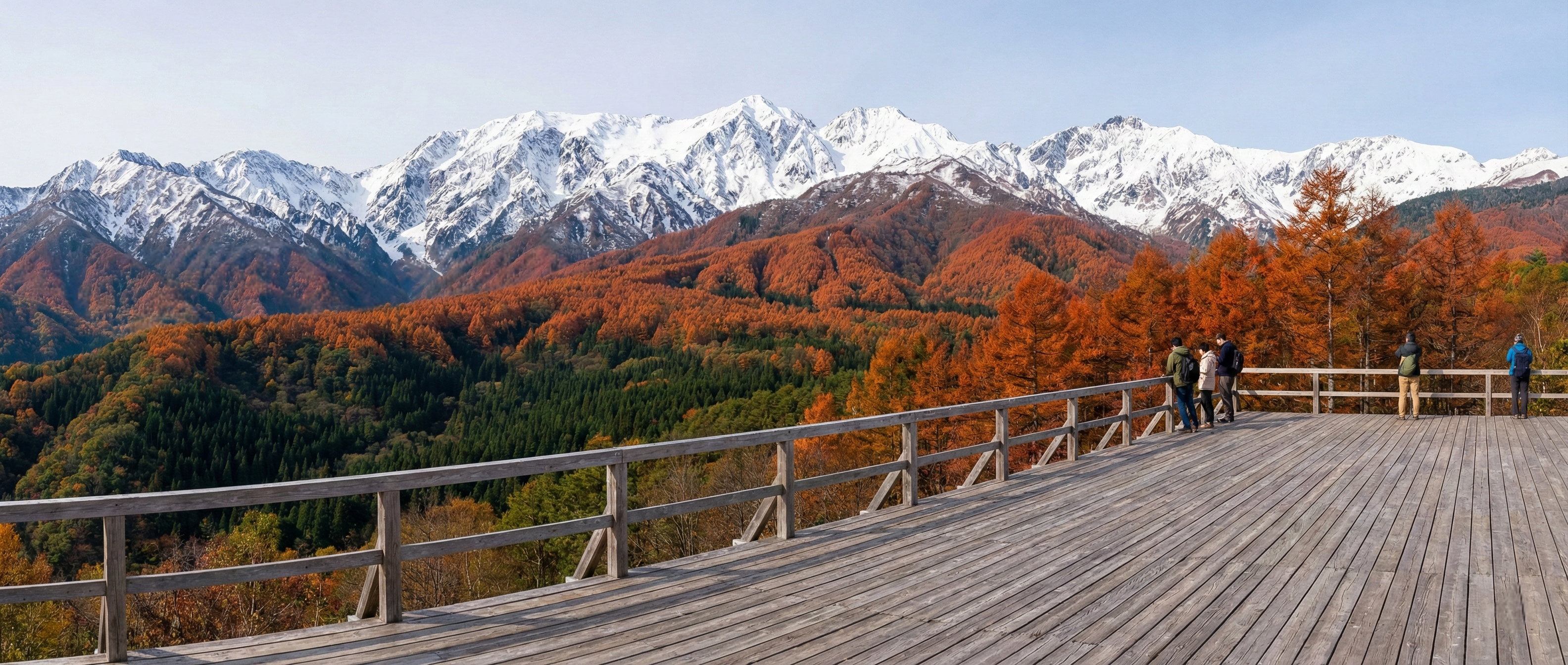
Timing your visit to hakuba shapes the kind of adventure you will experience. Each season transforms the valley, bringing its own unique beauty, activities, and events. Whether you seek deep powder, cherry blossoms, vibrant festivals, or tranquil mountain escapes, hakuba delivers a year-round playground for travelers.
Winter in hakuba is legendary for its reliable powder snow, drawing skiers and snowboarders from around the globe. January is peak season, bustling with families and international visitors during school holidays. For a quieter experience and better accommodation rates, consider late February or March, when the snow remains excellent but the crowds thin out.
Notable events include snow festivals, night skiing, and international competitions. On average, hakuba receives over 11 meters of snow each winter, ensuring top-notch conditions for all skill levels.
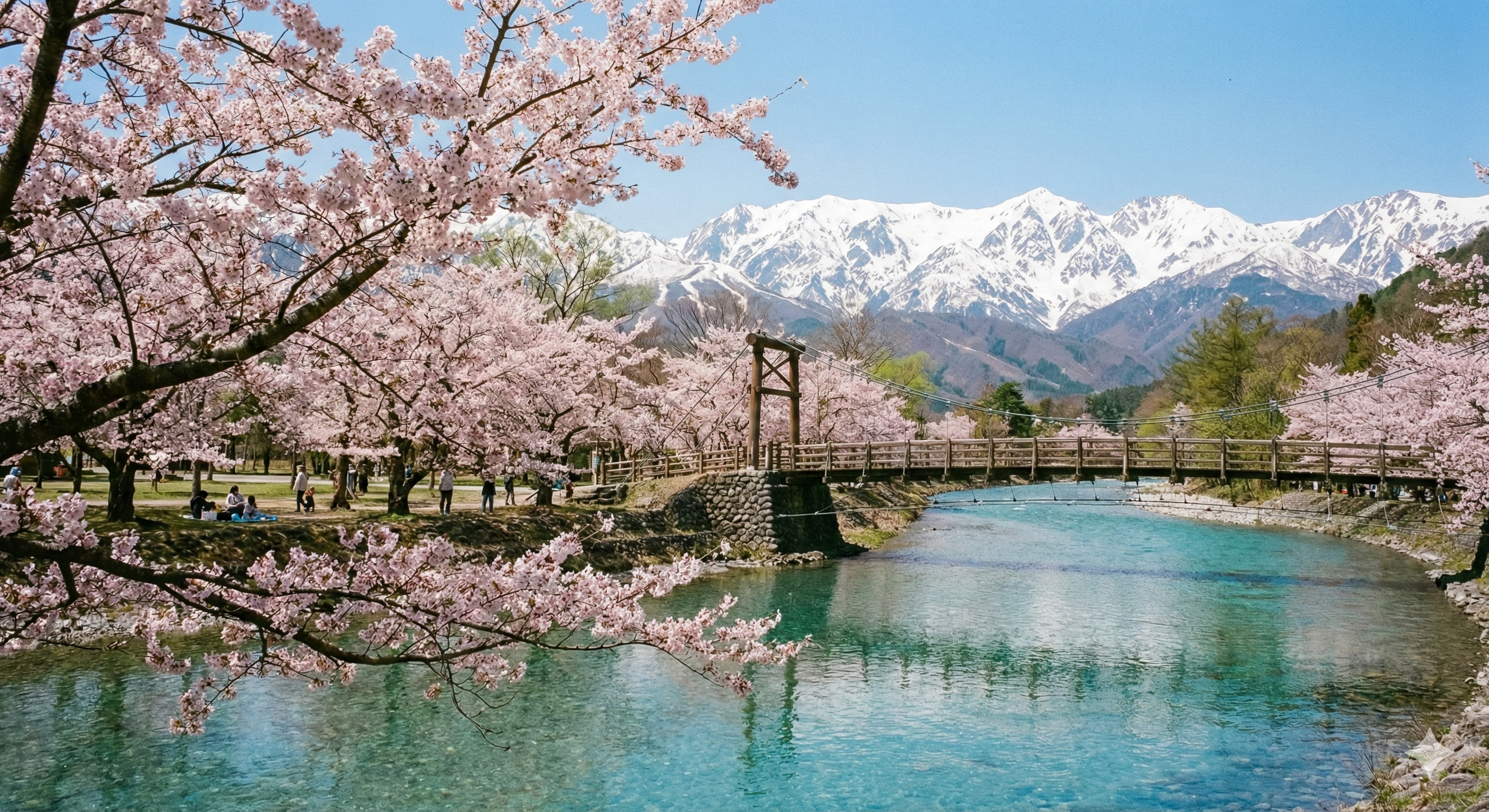
Spring in hakuba is a magical blend of lingering ski runs at higher elevations and the iconic cherry blossom season in the valleys. As the lower slopes bloom, visitors can enjoy both winter sports and hanami picnics beneath the flowers. The onsen hot springs become especially inviting, offering relaxation with mountain views.
This is also prime time for cherry blossom photography in Japan, making hakuba a top choice for photographers and nature lovers. Fewer crowds and mild weather make it a peaceful escape.
When summer arrives, hakuba transforms into a hub for outdoor enthusiasts. The alpine climate keeps temperatures pleasant, ideal for hiking, mountain biking, rafting, and canyoning. Lush forests and colorful wildflowers blanket the landscape, creating perfect settings for exploration.
Local festivals, outdoor concerts, and family-friendly adventure parks add to the fun. With fewer tourists compared to winter, summer is perfect for those wanting to experience hakuba’s natural wonders and vibrant local culture.
Autumn in hakuba dazzles with dramatic foliage, crisp air, and serene mountain trails. The region is a paradise for hikers and photographers, with the Northern Alps ablaze in reds and golds. Harvest festivals and local food events highlight the season, offering opportunities to taste regional specialties.
With fewer visitors, autumn provides a tranquil atmosphere and uncrowded mountain paths. Hakuba’s traditional villages come alive with cultural celebrations, making it a favorite for those seeking authentic experiences.
To maximize your hakuba visit, consider these insights:
Major annual events include the Hakuba Snow Festival, spectacular fireworks displays, and lively summer matsuri. Planning around these highlights ensures a memorable experience in hakuba, no matter the season.
Reaching hakuba is straightforward, with efficient connections from Tokyo and Japan’s major cities. Whether you’re a first-time visitor or a seasoned traveler, understanding your transport options ensures a smooth start to your alpine adventure.
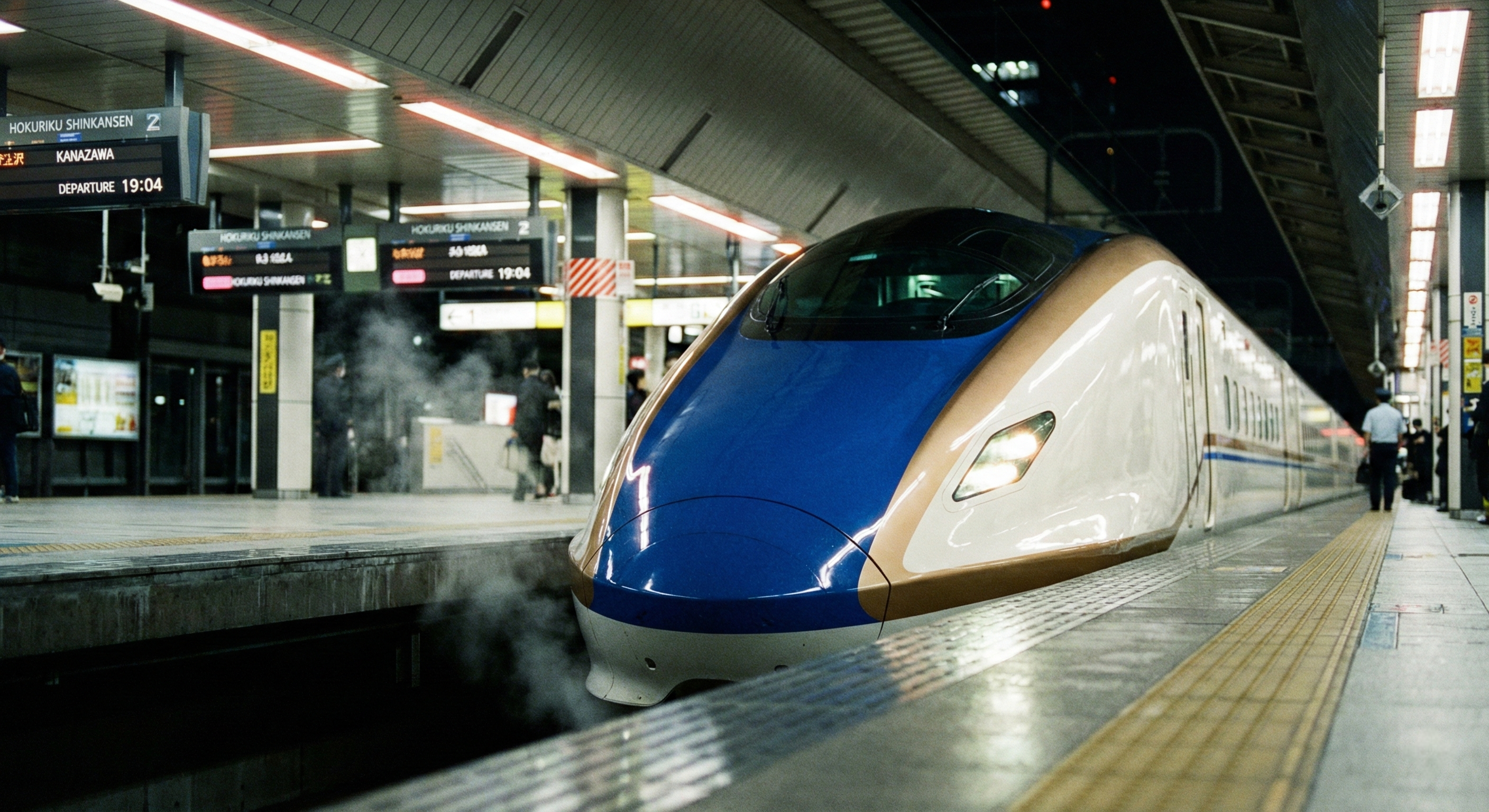
The fastest way to hakuba from Tokyo is by taking the Hokuriku Shinkansen to Nagano Station, then transferring to a local bus or shuttle. The total journey takes just under three hours.
Direct buses also run from Tokyo and major airports, offering door-to-door service. While the train is quicker, buses can be more convenient if you have large luggage. Private transfers are available for those seeking a tailored experience.
| Option | Duration | Pros | Cons |
|---|---|---|---|
| Shinkansen + Bus | ~3 hours | Fast, comfortable | One transfer |
| Direct Bus | ~5 hours | No transfers | Longer journey |
| Private Transfer | ~4 hours | Door-to-door, easy | Higher cost |
Most international visitors arrive at Tokyo’s Narita or Haneda airports, or via Nagoya. From there, connecting to hakuba is seamless by train or bus.
When booking flights, consider airline baggage policies, especially for ski and snowboard equipment. Airlines like Qantas and Jetstar provide direct flights, but check luggage allowances in advance to avoid surprises. Arriving in Japan, you’ll find English signage and staff in major terminals, ensuring a smooth transition to your next leg.
Within hakuba, shuttle buses link the valley’s resorts and villages, making it easy to explore without a car. Many accommodations provide complimentary shuttles to ski lifts and hot spots.
Taxis and private transfers are readily available, ideal for families or groups with extra gear. Navigating hakuba is simple, even if you don’t speak Japanese, as most transport services cater to English-speaking guests.
Pre-booked transfers offer convenience and peace of mind, especially for those traveling with children or lots of luggage. Many services handle your bags, ensuring a stress-free arrival in hakuba.
Families benefit from direct shuttles that drop you at your accommodation. For group travel, private vans can be cost-effective and comfortable, providing flexibility for your itinerary.
To avoid congestion, travel outside peak holiday periods and book your transport early. Airport shuttles in hakuba often deliver you directly to your lodging, saving time and hassle.
Advance reservations are essential during busy seasons, particularly for large parties or those with equipment. For a seamless journey, consider Bespoke Hakuba travel experiences for luxury transfers, curated itineraries, and expert local support.
Finding the perfect place to stay in hakuba is key to making your trip memorable. This alpine village blends authentic Japanese charm with international convenience, offering something for every traveler.
Each neighborhood in hakuba has its own personality, catering to different styles and preferences. Echoland is the social heart, buzzing with restaurants, bars, and easy access to shuttle routes. Happo sits at the base of the iconic Happo-One resort, perfect for those who want to be right by the slopes and enjoy a lively après-ski scene. Wadano offers a quieter, more refined experience, boasting ski-in/ski-out chalets and luxury hotels nestled among tranquil forests.
Echoland is best for foodies and night owls, while families and first-timers often prefer Happo’s central location. Wadano appeals to those seeking seclusion and upscale amenities, with scenic trails and direct slope access.
Hakuba’s accommodation ranges from five-star hotels and boutique ryokan to cozy pensions, self-catering chalets, and budget-friendly hostels. Choose from Western-style suites with modern comforts or traditional tatami rooms for a cultural immersion.
Families and groups will appreciate spacious chalets or lodges with kitchens and communal spaces. Luxury seekers can opt for exclusive villas or full-service resorts with onsen, private chefs, and panoramic mountain views. Most properties provide ski storage, rental services, and lessons on-site, making it easy to maximize your time on the slopes.
Securing your ideal hakuba accommodation requires timing and planning. Peak season, especially late December to early February, books out quickly, so reserve well in advance for the best options. For better value, visit in March or April, when rates drop but snow conditions remain excellent.
Check shuttle proximity, as many properties offer direct access to multiple resorts. English-speaking staff are common, ensuring a smooth experience for international guests. Look for package deals that include lift passes, rentals, or guided tours for added convenience and savings.
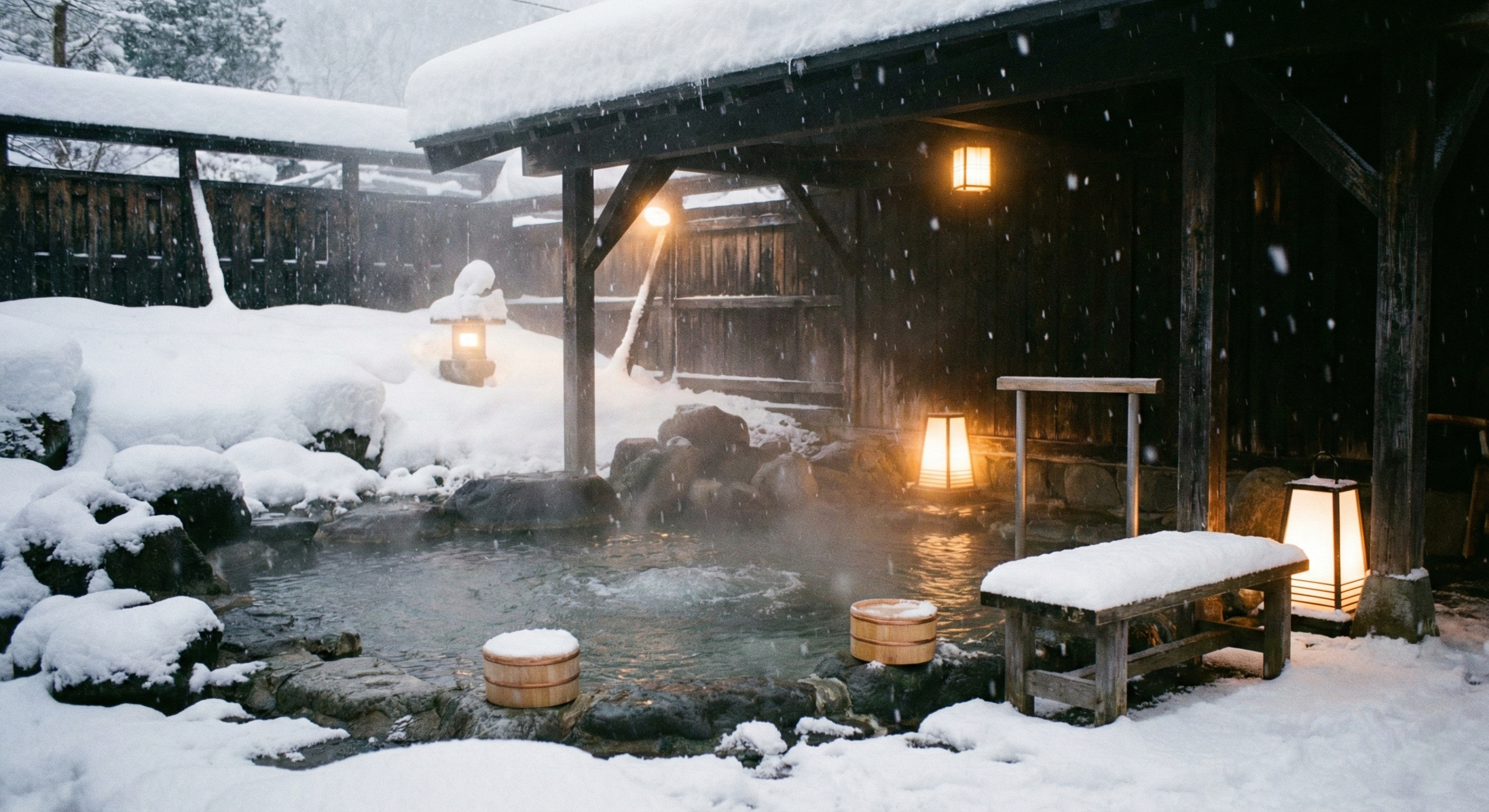
A stay in hakuba is not complete without experiencing a traditional onsen with mountain views. Many hotels and ryokan feature natural hot springs, perfect for relaxing after a day on the slopes. Enjoy Japanese breakfasts and sleep on futons in tatami rooms for an authentic touch.
Some accommodations offer cultural activities, such as tea ceremonies or sake tastings, connecting you with local traditions. Skiers will find practical amenities like drying rooms and equipment rental, streamlining your adventure.
Hakuba’s culinary scene is vibrant and diverse. Echoland stands out with its array of izakaya, ramen shops, and international eateries. Happo and Wadano also offer fine dining, cozy cafés, and après-ski bars. Savor regional specialties like hand-made soba noodles, fresh mountain vegetables, and local craft sake.
Many accommodations are within walking distance of top restaurants and nightlife, making it easy to explore the village after a day outdoors.
Transportation throughout hakuba is straightforward, with shuttle buses connecting most hotels to the ski resorts and village centers. First-timers often appreciate staying in Echoland or Happo for easy access to amenities and transport.
Returning visitors and those seeking privacy may enjoy Wadano’s secluded lodges. Pre-booked transfers, family-friendly rooms, and English support ensure a hassle-free stay for all travelers.
For guests seeking a bespoke and luxurious hakuba experience, Japan Royal Service delivers tailor-made itineraries, private guides, and access to exclusive local gems. Their 24/7 concierge and premium accommodation selection guarantee an unforgettable journey, whether you are traveling as a family, group, or solo adventurer.
Hakuba offers an abundance of activities for every season, making it a premier destination for travelers seeking adventure, culture, and natural beauty. Whether you visit for the powder snow or vibrant summer landscapes, Hakuba promises unforgettable experiences.
Hakuba is renowned for its world-class ski resorts, offering terrain for every skill level. With 10 interconnected resorts, the Hakuba All Valley Pass gives skiers and snowboarders access to 135 lifts and over 200 varied runs.
Whether you are a beginner or seasoned expert, Hakuba’s consistent snowfall and modern facilities set the stage for an exceptional alpine experience.
Adventure seekers flock to Hakuba for its challenging off-piste and backcountry zones. Areas like Tsugaike and Goryu offer designated powder zones with avalanche briefings and strict safety protocols.
Hakuba’s reputation for deep powder and dramatic terrain makes it a bucket-list destination for backcountry enthusiasts.
Hakuba is not just for skiers. Visitors can enjoy snowshoeing through tranquil forests, exhilarating snowmobile rides, or winter hiking on scenic trails.
These activities allow guests to experience Hakuba’s winter wonderland from a fresh perspective.
When the snow melts, Hakuba transforms into a haven for outdoor adventure and cultural discovery. Hiking iconic trails like Mt. Shirouma, mountain biking, paragliding, and rafting are popular pursuits.
Discover why Hakuba’s year-round attractions are drawing more visitors each season, with record numbers during the Obon holiday.
Hakuba is well-equipped for families. Ski schools, gentle beginner slopes, and kids’ parks ensure young travelers are safe and entertained.
A visit to Hakuba is not complete without tasting local soba, wild game, and sake. Explore traditional temples, shrines, and historic onsen towns for cultural immersion.
Hakuba’s blend of adventure and tradition guarantees lasting memories for every traveler.
Planning a trip to hakuba in 2026? Make the most of your adventure with these expert strategies and essential insights. Whether you are a first-time visitor or a seasoned explorer, a seamless hakuba experience begins with smart timing. Visit in late February or March to enjoy quieter slopes and untouched powder. Consider resorts less frequented by tour groups to maximize your ski days. The Hakuba All Valley Pass offers excellent value and convenient access across ten diverse resorts.
Understanding local etiquette enhances your journey in hakuba. English is widely spoken in tourist zones, but learning a few Japanese phrases makes interactions smoother. When visiting onsen or staying at traditional inns, follow posted guidelines and embrace omotenashi, Japan’s signature hospitality. Recent updates to Hakuba’s New Tourist Regulations mean being respectful of local customs is more important than ever.
Budget-savvy travelers should book accommodation and lift passes early, especially for peak periods. Dine at izakaya for authentic flavors without breaking the bank. For packing, check Hakuba’s Climate Data to prepare for variable weather. Bring layered clothing, waterproof gear, and power adapters. Renting equipment locally can be more convenient than flying with bulky gear.
Hakuba is committed to safety and sustainability. Familiarize yourself with mountain safety protocols and emergency contacts before heading out. Use public transport where possible and support local businesses for a positive impact. Looking ahead to 2026, expect enhanced resort facilities and new events that will make hakuba even more exciting. Stay updated on travel advisories for a worry-free visit.
After exploring Hakuba’s breathtaking alpine landscapes, vibrant culture, and endless year round adventures, you might be wondering how to transform your own visit from memorable to truly unforgettable. With so many options for every season, the right guidance makes all the difference. If you’re ready to experience Hakuba—and Japan—at a deeper, more personalized level, let’s create a journey that reflects your passions and interests. Whether you’re drawn to powder snow, cherry blossoms, or hidden culinary gems, our specialists are here to help you craft an itinerary as unique as you are.
Elevate your travel story Speak with a Japan specialist and tailor your adventure.