
LINE ID japanroyalservice
+817013781777 click here
+817013781777 click here
Step through a thousand vermilion gates and enter the world of Fushimi inari, Kyoto’s most mesmerizing spiritual site. This 2026 guide reveals the shrine’s rich history, the meaning of its iconic torii, and the secrets hidden along its mountain trails. Discover insider tips, cultural highlights, and unforgettable experiences to make your journey truly authentic. Whether you seek ancient legends or stunning photo spots, let this essential resource inspire your visit and help you explore every corner of Fushimi inari with confidence.
Fushimi Inari is more than a stunning landmark—it is the spiritual heart of Kyoto, steeped in centuries of faith, tradition, and community. To truly appreciate its mystique, it helps to understand the shrine’s origins and the powerful symbolism behind its famous torii gates.
Fushimi Inari was founded in 711 AD, making it one of the oldest and most revered Shinto shrines in Japan. Dedicated to Inari, the deity of rice, prosperity, and business, Fushimi Inari serves as the head shrine for more than 30,000 Inari shrines nationwide.
The fox, or kitsune, is celebrated as Inari’s messenger. Statues of foxes holding keys—symbols of rice granaries—are found throughout the grounds, reflecting the shrine’s deep agricultural roots. Over the centuries, Fushimi Inari evolved from a rural place of worship into a cultural icon, especially during the influential Heian period when Kyoto became Japan’s capital.
Annual festivals at Fushimi inari, such as the vibrant Inari Matsuri, highlight the connection between spiritual practice and Kyoto’s agricultural calendar. In 1499, the main shrine was reconstructed, a testament to the community’s enduring reverence and the site’s resilience.
Today, Fushimi inari welcomes millions of visitors each year, making it the most visited shrine in Kyoto. For a deeper look at its origins and cultural role, explore the official Fushimi Inari Shrine’s History and Significance.
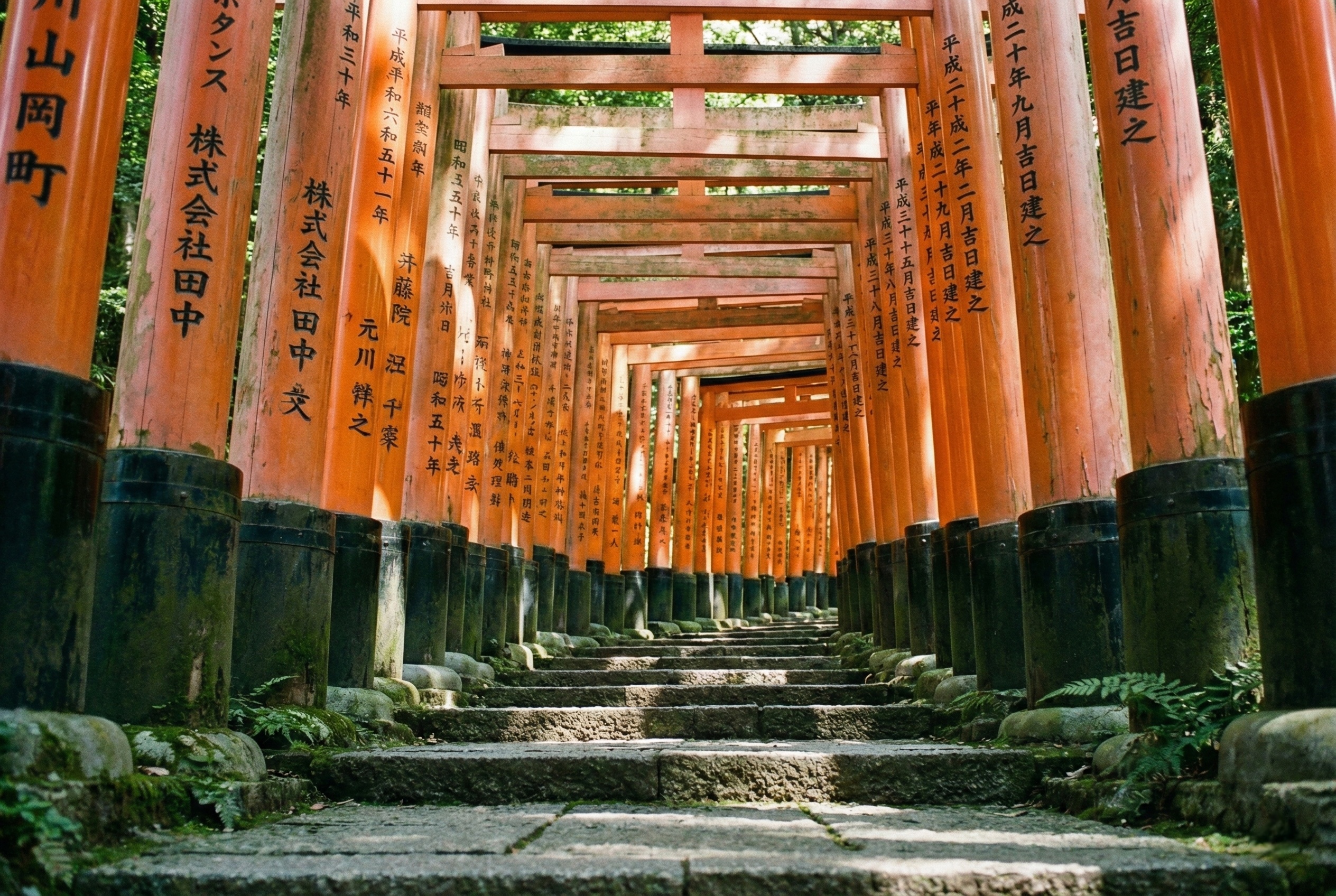
The iconic torii gates of Fushimi inari form some of the most recognizable vistas in Japan. Each torii marks the threshold from the everyday world into the sacred, inviting visitors to leave behind the mundane and enter a realm of spiritual focus.
The tradition of donating a torii gate is rooted in gratitude and hope for prosperity. Over 10,000 vivid vermilion gates line the Senbon Torii (“thousand torii”) tunnels, creating pathways that wind up the sacred Mount Inari. Donors’ names and dates are inscribed on every gate, from local businesses to national corporations.
Passing through the gates is believed to bring blessings, and rituals such as bowing before entering are an essential part of the experience. The vibrant vermilion color symbolizes vitality and protection, warding off misfortune and energizing all who visit Fushimi inari.
These sacred tunnels offer more than a picturesque walk—they embody centuries of faith, gratitude, and the living connection between Kyoto’s past and present.
Visiting Fushimi inari is an immersive journey through sacred architecture, vibrant colors, and centuries-old traditions. Each step brings new discoveries, from grand gates to tranquil corners, making the shrine grounds a living tapestry of Kyoto’s spiritual heart.
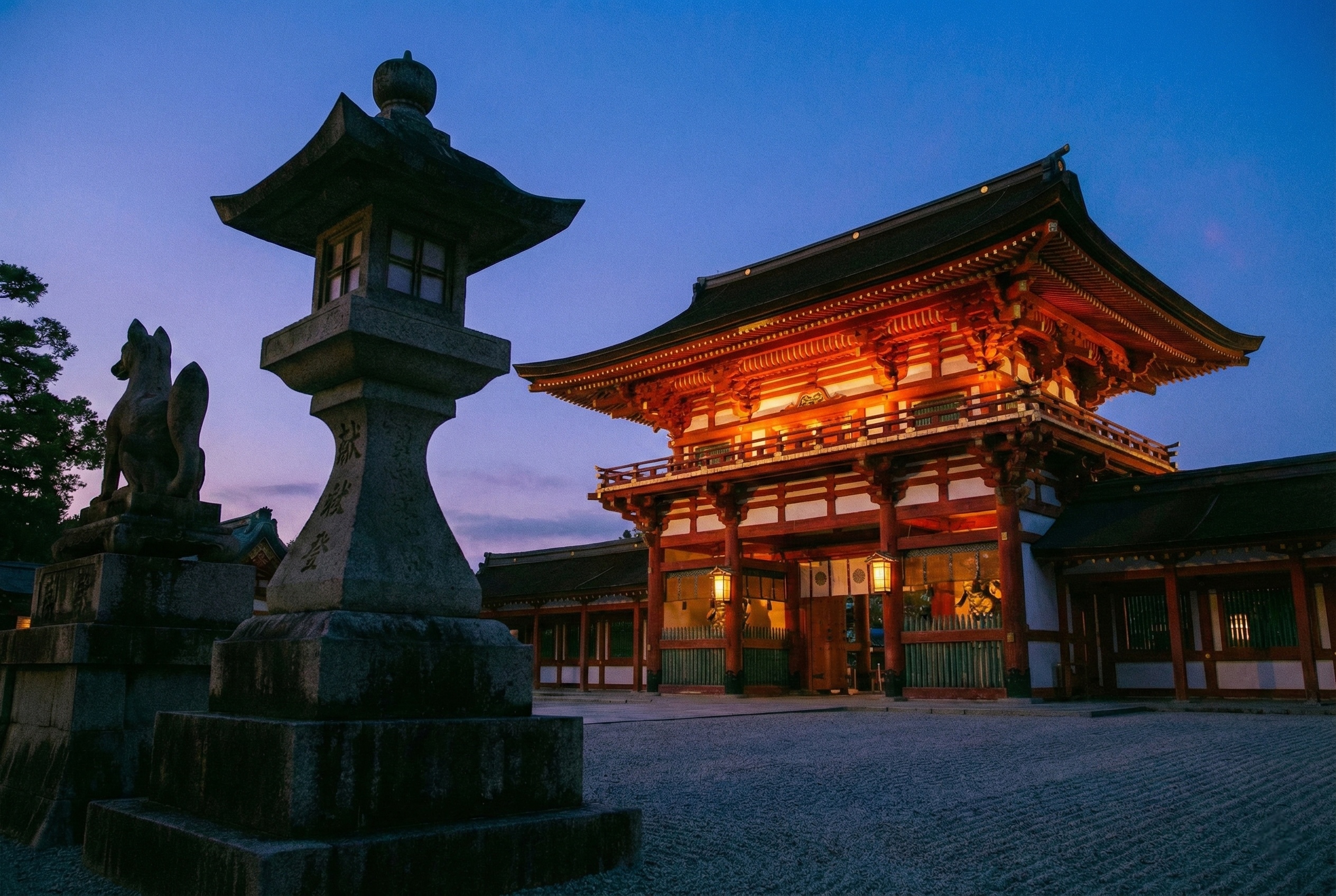
The first landmark most visitors encounter at Fushimi inari is the imposing Romon Gate. Its vivid vermilion pillars and elaborate carvings create a dramatic entrance, ideal for memorable photographs.
Beyond the gate, the Haiden, or main hall, stands as the spiritual nucleus of Fushimi inari. Here, worshippers offer prayers and leave small tributes, while the rhythmic sound of bells fills the air. The Kagura-den, a performance stage, hosts elegant traditional dances during festivals, connecting past and present through movement and music.
Higashimaru-jinja, a smaller subshrine tucked away within the grounds, is especially popular among students. Visitors often leave strings of origami cranes as wishes for academic achievement, filling the space with color and hope.
Near the inner shrine, seekers try their luck with the Omokaru Ishi, or “heavy-light stones.” If the stone feels lighter than expected, legend says your wish may come true. Everywhere, fox statues—Inari’s messengers—stand guard, each with a unique pose or symbolic key.
An intriguing tradition is the hanging of omikuji, or fortunes. Those who receive an unfavorable fortune tie it to special racks, letting the wind carry away bad luck.
For a deeper look at these architectural wonders and the vibrant scenes they create, explore Fushimi Inari Shrine’s Cultural Highlights.
A visit to Fushimi inari is as much about participation as observation. At the temizuya, or water basin, guests perform a gentle purification ritual before entering sacred spaces, reinforcing the shrine’s sense of reverence.
The shrine office offers a variety of amulets and fortunes, each tailored to different hopes, from business success to personal safety. Annual events such as Inari Matsuri and New Year’s celebrations transform the grounds with music, food, and ceremonial processions.
Respect is central to every visit. Visitors are encouraged to bow at torii gates, maintain a quiet demeanor, and observe those in prayer. Photography is welcome but should be done discreetly, especially near worshippers.
During the New Year, Fushimi inari welcomes over 2.7 million visitors in just three days, creating a festive yet bustling atmosphere. For those seeking a peaceful experience, early morning or late afternoon visits reveal the shrine’s tranquil side.
These immersive rituals and moments of reflection shape Fushimi inari’s enduring appeal, inviting every guest to become part of its living tradition.
Visiting Fushimi inari is more than a stroll through vermilion gates—it is an immersive journey that blends culture, nature, and spirituality. The iconic hiking route offers every traveler a chance to experience Kyoto’s spiritual heart at their own pace.
To start your Fushimi inari adventure, arrive early—ideally on a weekday morning—to enjoy the peaceful ambiance before crowds gather. The shrine is easily accessible from Keihan Fushimi-Inari Station or JR Inari Station, both just steps from the main entrance.
The hike covers about 5 kilometers and takes roughly three hours round trip. Moderate fitness is recommended, as you will climb many stone steps. Wear comfortable shoes, bring water, and dress for the weather. A camera is essential for capturing memories.
Signage is available in English and Japanese, making navigation straightforward. Respect trail etiquette by keeping to the left, allowing others to pass, and maintaining quiet near prayer areas. For those seeking deeper context or guidance, consider joining one of the Historic Kyoto walking tours, which often include insightful stops at Fushimi inari and nearby landmarks.
Begin your Fushimi inari journey beneath the imposing main torii gate, passing through the grand Romon Gate—a favored photo spot. Explore the bustling main precinct, then visit Higashimaru-jinja, where thousands of origami cranes symbolize wishes for academic success.
Next, proceed to the Haiden, the main hall for prayers and drawing omikuji fortunes. Ascend the famous Senbon Torii tunnel, where over 10,000 gates create a mesmerizing corridor. Pause at the Omokaru Ishi stones, test your luck, and make a wish.
Continue your climb through quieter upper arcades of torii, passing tranquil subshrines and the serene Shin-ike Pond. Take in panoramic views of Kyoto before reaching the summit’s inner shrine. Descend via an alternate path to complete the pilgrimage circuit, experiencing increasingly peaceful surroundings as you move farther from the entrance.
Throughout the Fushimi inari hike, you will encounter remarkable photo opportunities. The Senbon Torii tunnels, with their endless rows of gates and shifting light, are among the world’s most photographed places.
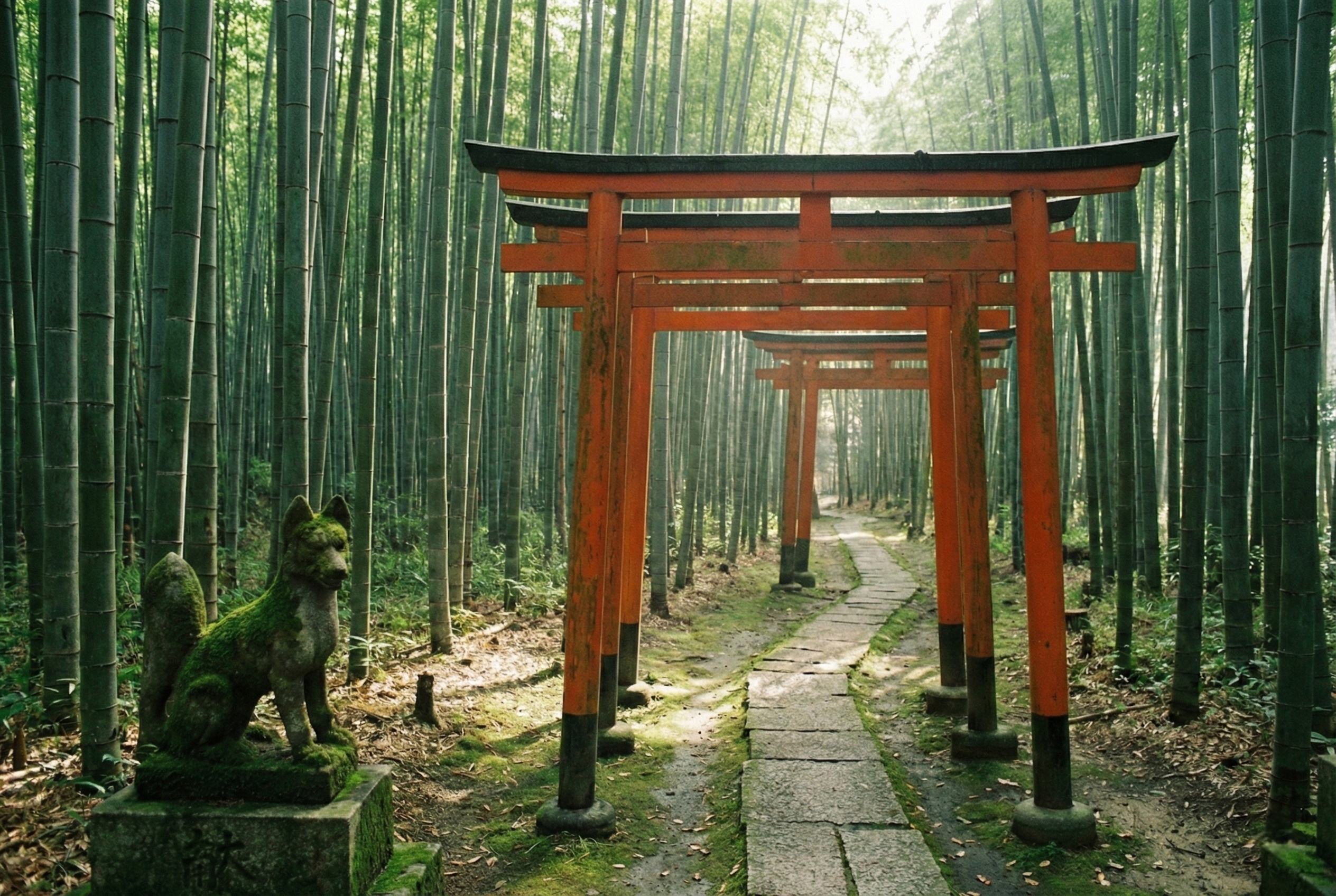
For sweeping vistas, pause at overlook points along the trail, especially near Shin-ike Pond and the summit. Keep an eye out for hidden fox statues tucked among mossy stones, each telling a story of the shrine’s lore.
Seasonal changes create unique backdrops: cherry blossoms in spring, lush greenery in summer, and vivid foliage in autumn. Early mornings and late afternoons provide the most magical lighting and a tranquil setting for reflection, making your Fushimi inari journey truly unforgettable.
Fushimi Inari is celebrated not only for its iconic gates but also for the rich legends and traditions that shape every visit. The shrine’s mystical atmosphere is deeply rooted in centuries-old beliefs, vibrant folklore, and meaningful rituals that continue to inspire visitors from around the world.
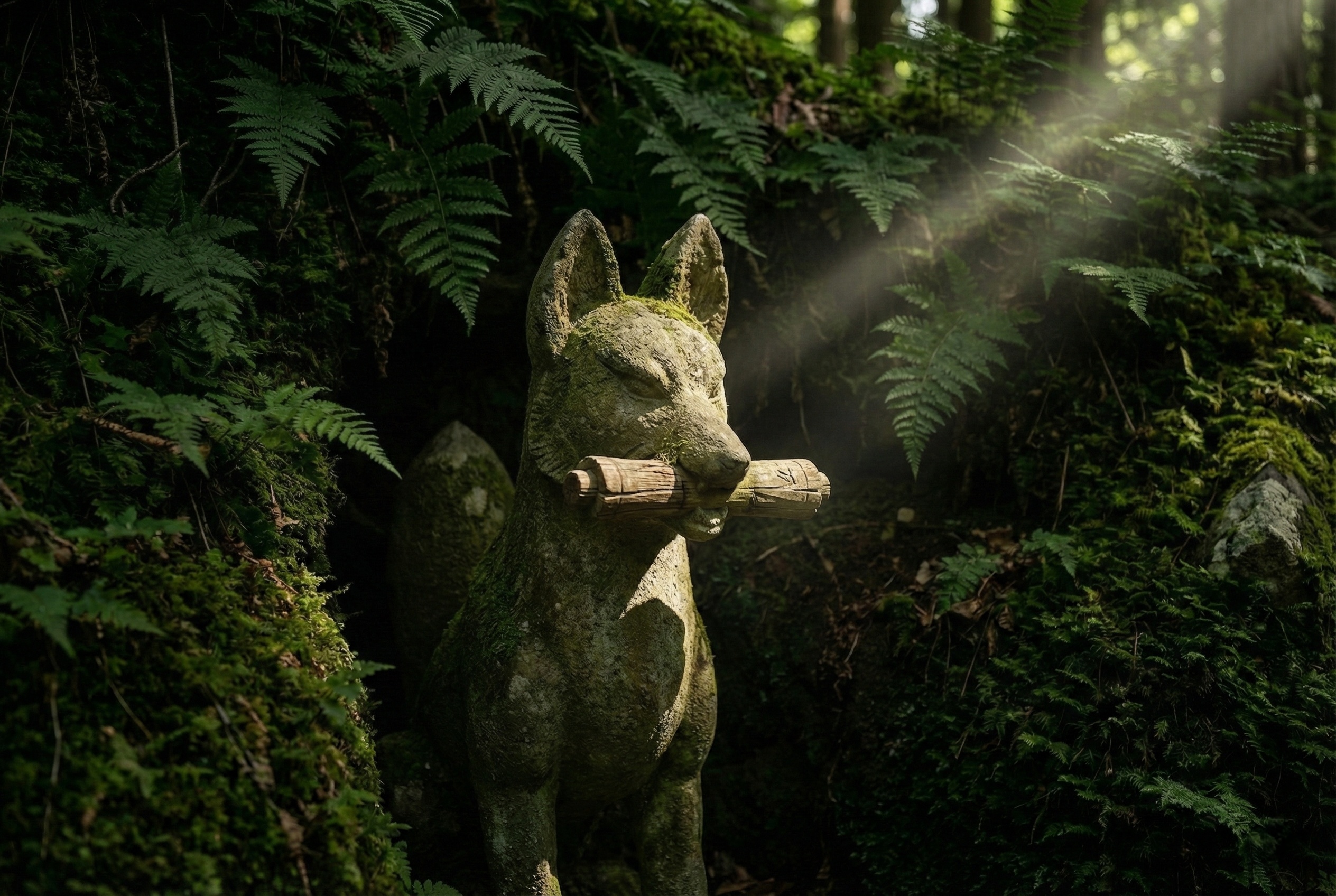
At the heart of Fushimi inari’s lore stands the kitsune, or fox, revered as the trusted messenger of Inari, the Shinto deity of rice and prosperity. These foxes are not ordinary animals; they are believed to possess supernatural abilities, including shape-shifting and the power to ward off evil. Statues of kitsune, often seen clutching a key in their mouths, are scattered throughout the shrine grounds. The key symbolizes access to rice granaries, representing abundance and good fortune.
Fox imagery is woven into many aspects of the Fushimi inari experience. Visitors can spot fox-shaped ema (wooden prayer plaques) hanging alongside traditional wishes, as well as fox-themed omamori (charms) for protection and success. According to legend, these sacred guardians ensure the safety and prosperity of those who pay their respects.
The color vermilion, seen on the torii and fox statues, is believed to offer protection from evil spirits and symbolize life force. For those interested in the origins and deeper meaning of these customs, the Inari Ōkami and Shrine Traditions page provides a comprehensive overview.
Participating in Fushimi inari’s rituals is a meaningful way to connect with both local tradition and the spiritual heart of Kyoto. Pilgrims often begin their journey by bowing respectfully at the entrance torii, a gesture that marks the transition into sacred space. Offering prayers at the main hall and donating torii gates are time-honored acts of devotion, each gate inscribed with the donor’s name as a lasting wish for prosperity.
A unique custom among students and families is folding 1,000 origami cranes, which are then dedicated at subshrines for academic success or healing. These colorful cranes create vibrant displays and symbolize hope and perseverance. Etiquette is important throughout Fushimi inari; visitors are expected to keep noise to a minimum, walk on the sides of pathways, and show respect when taking photographs.
Seasonal events, such as Setsubun’s bean-throwing festival and rice planting ceremonies, draw crowds from near and far. Fushimi inari’s festivals blend centuries-old customs with the lively spirit of modern Kyoto, making every visit a memorable cultural encounter.
Visiting Fushimi inari in 2026 promises an unforgettable blend of culture, nature, and tradition. To make the most of your experience, plan ahead for crowds, accessibility, and meaningful moments. Here are the essentials every traveler should know before stepping through Kyoto’s iconic vermilion gates.
Fushimi inari is open year-round, but timing your visit can transform your experience. Early mornings and late evenings offer peaceful exploration, letting you enjoy the shrine’s atmosphere without the usual crowds. Peak periods include weekends, public holidays, and especially the New Year’s celebration, when over 2.7 million visitors arrive in just three days.
For the best photos and tranquil moments, aim to arrive at sunrise. Not only is the lighting magical, but you’ll also share the grounds with local worshippers rather than large tour groups. During cherry blossom season or autumn foliage, crowds surge, so plan accordingly if you wish to see Fushimi inari at its most colorful.
Reaching Fushimi inari is straightforward. The shrine sits just outside JR Inari Station and a short walk from Keihan Fushimi-Inari Station. Clear signage in English and Japanese guides you from the station right to the main torii gates.
Facilities include clean restrooms, souvenir shops, and street food stalls serving local specialties like inari sushi. The lower shrine areas are accessible for strollers and wheelchairs, while upper trails are steeper and less even. Shrine staff provide maps and multilingual support, ensuring all visitors can navigate comfortably. For a deeper look into local rituals and shrine etiquette, explore this Kyoto cultural experiences guide.
To fully appreciate Fushimi inari, dress modestly and observe local customs, such as bowing at torii and maintaining quiet in sacred areas. Bring cash for offerings, charms, and snacks, as many vendors do not accept cards. Photography is welcome, but avoid flash inside worship spaces and always respect other visitors’ privacy.
Consider combining your Fushimi inari adventure with nearby sites like Tofuku-ji Temple or a sake tasting in Fushimi district. For a truly immersive experience, enhance your visit by booking a private tea ceremony or kimono rental, available through curated local providers. Shrine grounds are open 24/7, and admission is free, making it easy to tailor your visit for serenity or celebration.
Exploring the area around Fushimi inari reveals a vibrant tapestry of culture, history, and local flavor. Whether you are a first-time visitor or a returning traveler, the district offers countless opportunities to deepen your Kyoto experience.
Begin your journey beyond Fushimi inari by wandering into the storied Fushimi district. This area is celebrated as Kyoto’s sake brewing heart, home to historic breweries where you can sample local varieties and learn about centuries-old brewing traditions.
Take a short walk or train ride to Tofuku-ji Temple, renowned for its tranquil Zen gardens and vibrant autumn foliage. Uji, famous for its premium matcha tea, is also nearby and offers a charming riverside atmosphere. Fushimi Momoyama Castle and its surrounding park present another chance to step into Kyoto’s feudal past.
Combining a Fushimi inari shrine visit with a sake tasting tour makes for a memorable full-day itinerary.
The streets around Fushimi inari buzz with culinary delights and unique shopping finds. Food stalls entice visitors with inari sushi, a sweet-savory tofu pouch named after the shrine’s deity, along with yakitori skewers and seasonal sweets.
Souvenir shops brim with fox-themed charms, miniature torii gates, and locally crafted goods. The area’s lively markets and shopping arcades invite you to browse for keepsakes or sample traditional snacks.
Did you know inari sushi originated here, inspired by offerings to the Fushimi inari deity? Take a moment to savor the flavors and support local artisans.
Throughout the year, the area around Fushimi inari hosts vibrant festivals, cultural performances, and immersive experiences. Participate in local celebrations, from springtime matsuri to autumn night illuminations at nearby temples.
For a deeper connection to Kyoto’s traditions, consider booking a private tea ceremony Kyoto experience. This offers a rare chance to enjoy matcha in a serene setting, guided by a tea master.
You can also enhance your Fushimi inari visit by renting a kimono through a kimono experience in Kyoto, blending seamlessly with local customs as you stroll the shrine’s paths.
These activities add depth and authenticity to your Fushimi inari adventure.
As you explore Fushimi inari and its surroundings, consider your impact on the local community and environment. Respect shrine etiquette by keeping noise low, bowing at torii gates, and refraining from littering.
Support small businesses, artisans, and local food vendors to help preserve Kyoto’s cultural heritage. Always leave no trace, ensuring the beauty of Fushimi inari remains untouched for future visitors.
By traveling thoughtfully and respectfully, you enrich your own Fushimi inari experience while supporting the community that makes this destination so special.
As you’ve discovered, Fushimi Inari is so much more than a stunning sea of vermilion gates—it’s a journey through centuries of culture, spirituality, and breathtaking scenery. If you’re inspired to experience Kyoto’s most iconic shrine with exclusive access, seamless transportation, and a truly personalized touch, we’re here to help you craft every moment to your preferences. Whether you dream of a tranquil sunrise hike, a private tea ceremony, or curated excursions beyond the crowds, let’s create a journey that’s uniquely yours.
Elevate your travel story Speak with a Japan specialist and tailor your adventure.