
LINE ID japanroyalservice
+817013781777 click here
+817013781777 click here
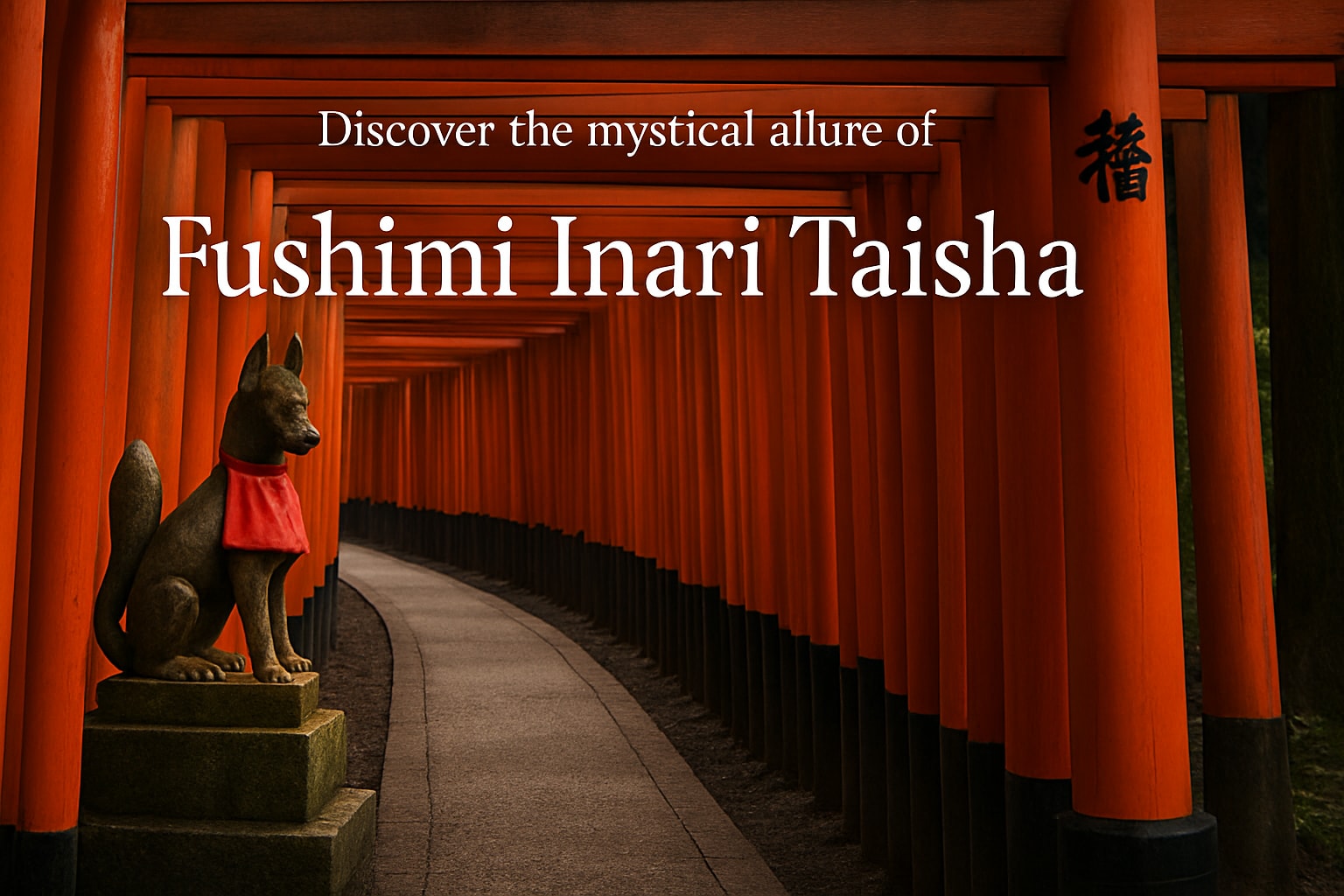
Step into a world where thousands of vermillion gates wind through ancient forests, and every path whispers centuries of tradition. Fushimi Inari Taisha stands as Kyoto’s most iconic shrine, inviting travelers to uncover its mystical energy and vibrant history.
This comprehensive guide will prepare you for an unforgettable journey to Fushimi Inari Taisha. Discover the shrine’s origins, spiritual significance, must-see highlights, essential travel tips, cultural etiquette, and nearby attractions.
Ready to experience the legendary torii gates, timeless rituals, and hidden corners? Let’s unlock the secrets of Fushimi Inari Taisha and help you plan a visit that will stay with you forever.
Step into the deep past of fushimi inari taisha, where history, spirituality, and tradition converge. This shrine’s legacy is woven into the very fabric of Kyoto, offering visitors a profound sense of place and purpose.

Fushimi inari taisha was established in 711, predating Kyoto’s rise as imperial capital. Over centuries, it witnessed destruction and renewal, including a major rebuilding after the Onin War in the 1470s. The honden, or main hall, was reconstructed in 1499, while the imposing Romon Gate was added in 1589 through the support of Toyotomi Hideyoshi.
Imperial patronage elevated the shrine during the Heian period, cementing its role as a spiritual powerhouse. By the Meiji era, fushimi inari taisha earned designation as one of the three main government-supported shrines, a testament to its enduring significance.
Today, it is recognized as a vital cultural property, drawing nearly half a million visitors each New Year’s Day. For a deeper look at its remarkable history, explore the Fushimi Inari Taisha official website.
At the heart of fushimi inari taisha lies the veneration of Inari Okami, the Shinto deity of rice, prosperity, and business. Farmers and merchants alike have long turned to this shrine, seeking abundant harvests or commercial fortune.
Throughout the grounds, you will notice countless fox statues. These kitsune are considered messengers of Inari, each statue often clutching a symbolic object—a sheaf of rice, a scroll, or a key—representing good luck and protection. The influence of fushimi inari taisha extends far beyond Kyoto, with over 32,000 sub-shrines dedicated to Inari scattered across Japan.
Through centuries, the spiritual energy here has fostered hope, gratitude, and aspiration for generations of worshippers.
Perhaps the most iconic feature of fushimi inari taisha is its breathtaking expanse of torii gates. More than 10,000 vermillion gates, donated by businesses and individuals seeking divine favor, line the paths up Mount Inari. The Senbon Torii, or “thousand torii gates,” creates a mesmerizing tunnel effect that has become one of Japan’s most beloved photo spots.
Each gate is inscribed with the name of its donor, and the tradition began with the visionary owner of Mitsukoshi Department Store. Large gates can require a substantial donation, reflecting the deep commitment of patrons to the shrine.
This vibrant display of faith and community spirit is a living testament to the enduring legacy of fushimi inari taisha.
Begin your journey at the Giant Torii Gate, a towering symbol marking the entrance to fushimi inari taisha. Passing beneath, you transition from the everyday world to sacred ground. The Romon Gate, constructed by Toyotomi Hideyoshi, greets you next. Fierce guardian statues stand watch, ensuring protection for all who enter. Pause at the temizuya, a water basin where visitors purify hands and mouth in a centuries-old ritual, embodying respect before proceeding deeper into the shrine.

Proceed to the Gehaiden, or Worship Hall, where traditional performances and ceremonies are often held. Lanterns representing the twelve zodiac animals hang overhead, adding cultural richness. The centerpiece of fushimi inari taisha is the Honden, the main shrine hall dating back over 500 years and designated a national treasure. Here, visitors offer 5-yen coins, bow twice, clap twice, and silently make a wish, following the precise etiquette that honors the shrine’s sacred traditions. This moment is a highlight for many travelers.
As you explore, you will notice kitsune, or fox statues, scattered throughout fushimi inari taisha. Each fox holds a symbolic item in its mouth, such as a scroll, key, or jewel, representing prosperity and wisdom. Stop by the Ohuda office to purchase omamori (protective amulets) or draw an omikuji (fortune slip). Good fortunes are kept, while bad ones are tied to designated racks. This ritual connects visitors to the shrine’s deep spiritual roots and offers a personal touch to your visit.
The most iconic feature of fushimi inari taisha is the Senbon Torii, a mesmerizing tunnel of over 10,000 vermillion gates. Early morning or evening offers the best light and minimal crowds for photographs. Follow the winding path to Okusha Shrine, where you can write prayers on fox-head ema (wooden tablets) and try the Omokaru Ishi ritual. Lift a stone—if it feels lighter than expected, your wish may come true. For a detailed overview of the shrine’s features and unique experiences, visit the Japan National Tourism Organization’s guide to Fushimi Inari Taisha.
Beyond the main trail, discover tranquil corners of fushimi inari taisha. Shin Ike Pond offers a peaceful spot for reflection, while Kumatakasha provides an intimate space for candle-lighting rituals. Wander the bamboo forest paths for a serene atmosphere reminiscent of Arashiyama, yet far less crowded. Midway up the mountain, Yotsutsuji Station rewards you with panoramic views of Kyoto—a perfect place to pause and appreciate the journey.
Visiting fushimi inari taisha is an experience that blends convenience with adventure. Preparing ahead ensures a smooth journey, whether you’re a first-time visitor or a returning admirer. Let’s explore essential tips for making the most of your visit.

Fushimi inari taisha is conveniently located in southern Kyoto, making it easy to reach from anywhere in the city. The JR Inari Station is just a two-minute walk from the shrine’s entrance, while Keihan Fushimi-Inari Station is only five minutes away on foot.
Both stations connect directly with Kyoto Station, so you can arrive from central Kyoto in about ten minutes. For detailed directions and tips on getting around the city, check out this helpful Kyoto travel guide.
Fushimi inari taisha is open to visitors 24 hours a day. The shrine is beautifully illuminated at night, offering a unique atmosphere for evening explorers. There is no entrance fee, so you can enjoy every part of the shrine and its trails for free.
Security cameras and regular patrols help ensure safety for visitors at all hours. This makes fushimi inari taisha accessible for both early risers and night owls.
To truly appreciate fushimi inari taisha without the crowds, plan your visit for early morning before 9am or after 5pm in the evening. These times offer the best lighting for photography and a peaceful atmosphere.
The shrine is busiest during New Year’s Day and festival periods, when up to half a million visitors arrive. For a quieter experience, avoid major holidays and weekends if possible.
Most visitors spend one to two hours exploring the main highlights of fushimi inari taisha. A full hike to the summit takes about three hours and covers a four-kilometer trail with over thirty sub-shrines and scenic rest stops.
Many guests choose to turn back at Okusha Shrine or Yotsutsuji Station, which offer rewarding views without the full climb. Plan your route based on your interests and available time.
Fushimi inari taisha provides restrooms and parking near the main entrance. While the approach and main shrine areas are accessible, the mountain trails can be steep and uneven, making wheelchair and stroller access challenging beyond the main complex.
You’ll find food stalls, vending machines, and cafes at the entrance and along the route. Comfortable walking shoes and weather-appropriate clothing are highly recommended for your visit.
Visiting fushimi inari taisha is a journey into the heart of Japanese spirituality. To fully appreciate this sacred site, understanding its customs and etiquette is essential. These traditions not only show respect for the shrine but also deepen your personal experience. Let’s explore the key cultural practices that shape every visit to fushimi inari taisha.

At fushimi inari taisha, rituals begin at the temizuya, a stone water basin near the entrance. Here, visitors purify their hands and mouths before approaching the main shrine. This act symbolizes spiritual cleansing and readiness to enter sacred space.
When offering prayers, follow the shrine protocol: bow twice, clap your hands twice, make a silent wish, then bow once more. Always use a five-yen coin for offerings, as it is considered lucky.
Walking through the torii gates and along shrine paths, avoid the center. This route is reserved for the deities. Observing these traditions is part of the Traditional Japanese experiences that make your visit meaningful.
Silence is valued throughout fushimi inari taisha. Keep conversations soft and avoid talking on phones. This fosters a peaceful atmosphere for worship and reflection.
Photography is allowed in most areas, but avoid flash and be mindful of worshippers’ privacy. Eating and drinking are not permitted within the main shrine precincts. Savor local treats outside these sacred boundaries.
Omamori (protective amulets) are available at the shrine office. Each is dedicated to specific blessings such as success, health, or safety.
Draw an omikuji (fortune slip) to receive a prediction for your future. Bad fortunes are tied to wires at the shrine, leaving misfortune behind. Wishes are written on ema, wooden plaques often shaped like fox heads, to invite the guidance of Inari.
Fox statues, or kitsune, are a signature of fushimi inari taisha. They wear red bibs, believed to ward off evil, and hold symbolic items like rice sheaves, keys, or jewels.
Offerings such as rice, sake, and even business cards are placed at specific altars. Unique customs include lifting the Omokaru Ishi stones to test the likelihood of wishes coming true and lighting candles or incense for blessings.
Dress modestly when visiting fushimi inari taisha. Remove hats in the worship halls and shoes if entering certain buildings.
Maintain a quiet presence, refraining from loud conversations or playing music. These practices help you honor the sacredness of the shrine while fully immersing in its tranquil atmosphere.
Indulging in local flavors and exploring the vibrant surroundings are essential parts of any visit to fushimi inari taisha. The approach to the shrine brims with enticing food stalls, where the aroma of sizzling yakitori and sweet matcha treats welcomes visitors. Sampling these specialties is a delightful way to immerse yourself in Kyoto’s culinary culture.
At fushimi inari taisha, visitors can enjoy a variety of street foods. Popular choices include:
For those seeking a relaxed break, Vermillion Cafe offers matcha lattes and pastries with shrine views. Inari Saryo Cafe is another local favorite, serving desserts and light meals in a tranquil setting. Nishimura Tei Cafe provides noodles and matcha warabi sweets, perfect for recharging after exploring the shrine.
A visit to fushimi inari taisha is incomplete without picking up a memorable souvenir. Shops near the entrance sell small torii gates, fox figurines, and traditional amulets. These items make meaningful gifts and reminders of your journey.
Other unique finds include local crafts, fortune slips, and snacks. Many travelers choose to purchase wooden prayer tablets, often shaped like fox heads, to write wishes or prayers. Shrine amulets are popular for blessings of protection, health, and business success.
Beyond fushimi inari taisha, Kyoto offers a wealth of attractions within easy reach. Tofukuji Temple, famous for its autumn foliage and Zen gardens, is just one stop away by train. The Fushimi district is renowned for sake breweries, such as the Gekkeikan Okura Sake Museum, where visitors can learn about sake production and sample local varieties.
Hidden bamboo forest paths within the shrine grounds offer a peaceful alternative to the busy Arashiyama district. For more unique facts and highlights of the shrine, Atlas Obscura’s article on Fushimi Inari Shrine provides further insights into its cultural significance.
Fushimi inari taisha is well-connected to Kyoto’s top destinations. A short train ride leads to Kiyomizu Temple, the Gion Geisha District, and Nishiki Market. These landmarks are perfect for extending your cultural adventure.
Seasonal events, such as the annual Inari Matsuri, bring vibrant processions and festive food stalls. Night illuminations transform the shrine into a magical landscape. For those planning a broader journey across Japan, our curated guide to areas to explore in Japan can help you discover more unforgettable experiences.
Visiting fushimi inari taisha often raises questions for first-time and returning travelers alike. This section addresses the most common inquiries, helping you plan a smooth, memorable shrine experience.
Most visitors spend between one and two hours at fushimi inari taisha to see the main shrine and walk through the Senbon Torii gates. If you plan to hike to the summit, allow about three hours. Pace yourself and enjoy the tranquil atmosphere along the way.
The summit hike at fushimi inari taisha is rewarding for those who enjoy nature and panoramic city views. However, the upper trail offers fewer historical buildings. Many guests turn back at Yotsutsuji Station, which provides excellent views and a restful stop, making it a flexible choice for all fitness levels.
Fushimi inari taisha is famous for its thousands of vermillion torii gates. The estimated number ranges from 4,000 to 10,000, as gates are frequently donated and replaced. Each gate is inscribed with donor names, creating a living tradition that continues to grow year after year.
There is no entrance fee to visit fushimi inari taisha. The shrine grounds are open to the public at all times, making it accessible for travelers with any budget. Donations are welcome, especially if you wish to participate in shrine rituals or purchase amulets.
Yes, fushimi inari taisha is open 24 hours a day. The shrine paths and torii gates are beautifully illuminated at night, offering a unique, peaceful experience. Security cameras and lighting ensure visitor safety even after dark, making evening visits popular with photographers.
Donating a torii gate remains a cherished tradition at fushimi inari taisha. Both individuals and businesses can contribute, with costs varying by gate size and location. For details on how to participate, consult the shrine office or review Japan travel frequently asked questions for up-to-date guidance on shrine customs.
Fushimi inari taisha welcomes millions each year, and preparation ensures your visit is both respectful and unforgettable.
As you reflect on the rich history, vibrant traditions, and breathtaking beauty of Fushimi Inari Taisha, it’s clear there’s so much more to experience beyond the iconic torii gates. If you want to uncover Kyoto’s hidden corners, enjoy seamless travel, and immerse yourself in authentic culture, why not let an expert help you design your journey? We’ll tailor every detail to your interests, ensuring your visit is as unique as the shrine itself. Ready to take the next step and make this adventure your own?
Request your private consultation Design your bespoke Japan journey with our experts.