
LINE ID japanroyalservice
+817013781777 click here
+817013781777 click here
Tucked away on the northern shore of Kyushu, Fukuoka is quickly gaining global attention as Japan’s hidden gem for 2026. This vibrant city stands out for its harmonious blend of ancient tradition, cutting-edge innovation, and breathtaking natural beauty.
In this comprehensive guide, discover why Fukuoka should top your travel list. We will unveil the city’s must-see sights, world-class cuisine, cultural treasures, lively festivals, and essential travel tips.
Let Fukuoka’s unique charm capture your imagination, spark your curiosity, and inspire you to plan an unforgettable journey to one of Japan’s most exciting destinations.
Fukuoka is quickly establishing itself as a must-visit city for travelers in 2026. With a dynamic blend of tradition and innovation, this coastal metropolis is attracting attention for good reason. Whether you are seeking vibrant city energy, cultural depth, or access to natural wonders, Fukuoka delivers a uniquely balanced travel experience.
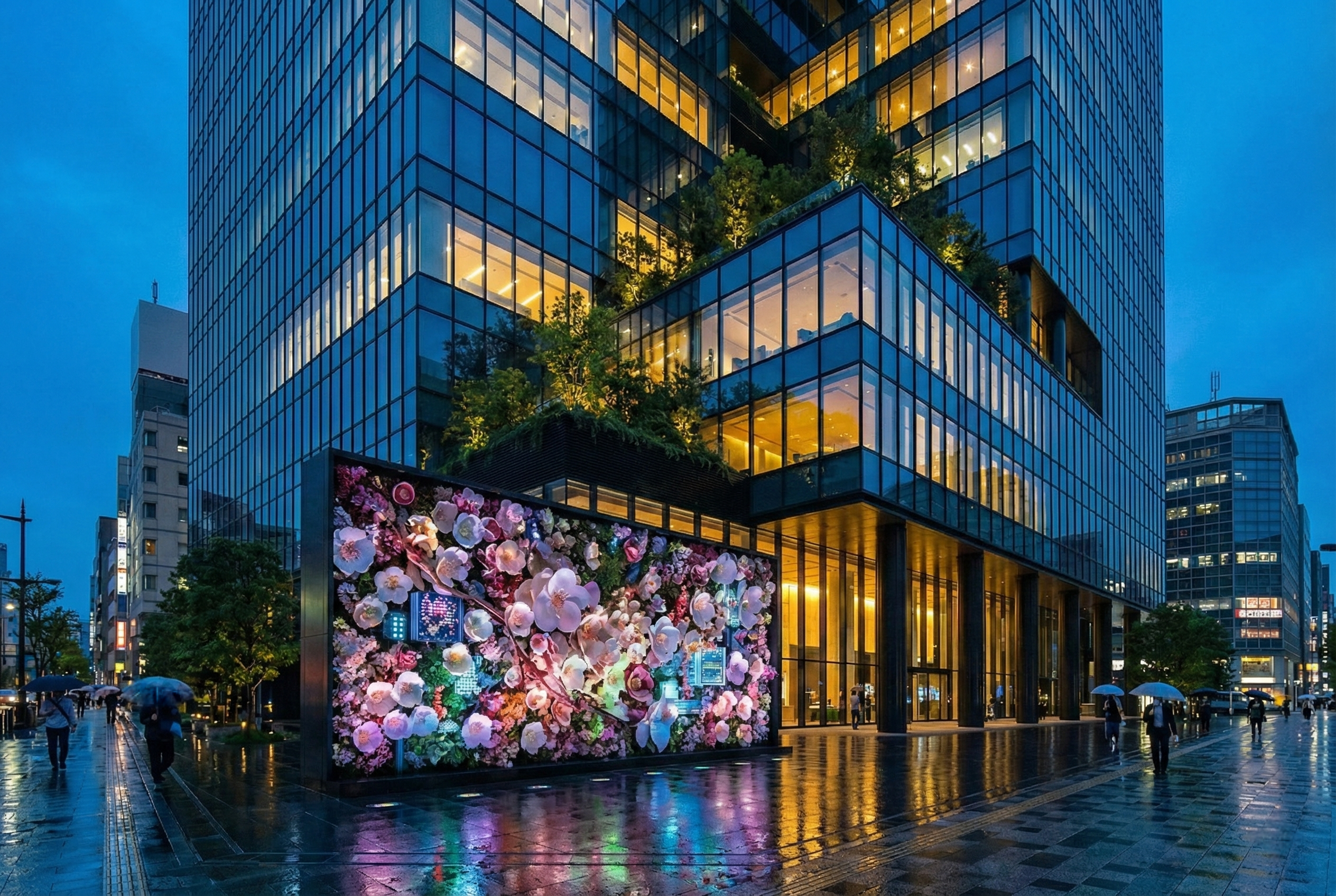
In recent years, Fukuoka has seen a remarkable surge in both domestic and international visitors. The city welcomed over 3 million travelers annually before the pandemic, with forecasts indicating even greater numbers in 2026. Major infrastructure upgrades, including airport expansions and new hotels, are already underway to meet this rising demand. According to Fukuoka’s record-breaking tourism growth, visitor numbers are breaking previous records, highlighting Fukuoka’s growing global appeal.
Fukuoka stands out for its seamless integration of urban life and natural beauty. The cityscape features sleek skyscrapers set beside tranquil parks and sandy beaches. Fukuoka also serves as the gateway to Kyushu’s lush landscapes, making it easy to explore mountains, coastlines, and rural escapes. This unique setting allows visitors to enjoy both city adventures and relaxing nature experiences within a single trip to Fukuoka.
Steeped in history, Fukuoka is home to ancient temples like Kushida Shrine, which anchors the city’s famous festivals. At the same time, modern landmarks such as Fukuoka Tower and the vibrant Fukuoka Asian Art Museum showcase the city’s forward-thinking spirit. This blend of tradition and innovation is evident in every corner of Fukuoka, creating a cultural tapestry that appeals to both history enthusiasts and contemporary explorers.
Fukuoka’s strategic position on Kyushu island makes it highly accessible. The city offers direct international flights and is a major stop on the Shinkansen bullet train network. Fukuoka’s proximity to Nagasaki, Kumamoto, and other Kyushu destinations makes it an ideal hub for exploring southwestern Japan. Efficient transportation ensures that visitors can maximize their time in Fukuoka and easily venture beyond the city.
Fukuoka consistently ranks as one of Japan’s most livable cities, renowned for its safety, cleanliness, and welcoming atmosphere. Visitors can expect warm hospitality from locals, who take pride in sharing their city’s culture and traditions. Whether you are traveling solo or with family, Fukuoka offers a secure and enjoyable environment, making it an inviting destination for all.
Fukuoka is a city where centuries of history blend seamlessly with modern innovation, offering visitors a unique tapestry of experiences. Whether you are drawn to ancient shrines, cutting-edge architecture, vibrant markets, or tranquil parks, fukuoka has something to inspire every traveler. Let’s explore the city’s most captivating attractions, each revealing a different facet of this dynamic destination.
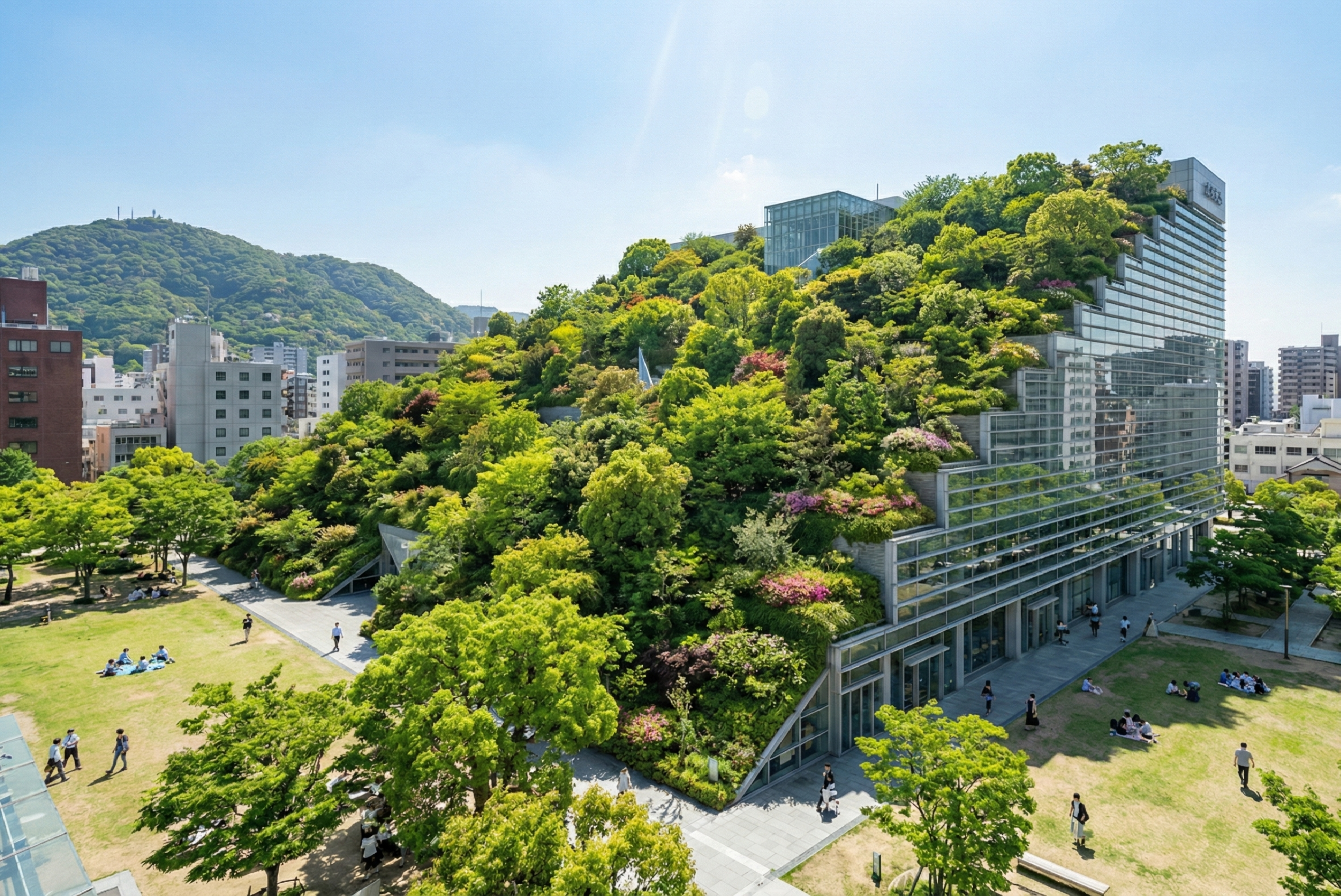
Fukuoka’s heritage is alive in its historic sites and landmarks. At the heart of the city stands Kushida Shrine, a revered sanctuary and the spiritual home of the Hakata Gion Yamakasa festival. Visitors can admire its intricate woodwork and centuries-old traditions.
Ohori Park offers a peaceful escape, with walking trails surrounding a central pond and views of the nearby Fukuoka Castle Ruins. These ruins invite exploration, providing insight into the city’s feudal past. In spring, cherry blossoms transform the landscape, making it a favorite spot for hanami.
From serene gardens to ancient shrines, Fukuoka preserves its cultural legacy for all to experience.
Fukuoka’s skyline is a testament to its forward-thinking spirit. The iconic Fukuoka Tower rises above the city, offering panoramic views of the bay and urban landscape. Its glass façade reflects the changing sky, making it a striking symbol of modern Fukuoka.
Another must-see is Canal City Hakata, a sprawling complex filled with shops, restaurants, and entertainment venues. The canal running through the center creates a lively, cosmopolitan atmosphere perfect for leisurely strolls or nighttime illumination displays.
The blend of innovative architecture and vibrant city life makes Fukuoka’s urban attractions truly memorable.
Nature lovers will find plenty to enjoy across Fukuoka’s scenic parks and coastlines. Momochi Seaside Park brings the beach to the city, with golden sands, volleyball courts, and views of the futuristic Fukuoka Tower.
For a taste of rural tranquility, Nokonoshima Island Park is a short ferry ride away. Visitors can wander among seasonal flower fields, hike gentle trails, and savor local snacks while overlooking Hakata Bay.
Whether you seek relaxation or adventure, Fukuoka’s natural attractions provide a refreshing contrast to the city’s energetic pace.
Fukuoka’s commitment to culture shines through its museums and galleries. The Fukuoka Asian Art Museum showcases contemporary works from across Asia, fostering cross-cultural dialogue and creativity. For a glimpse into local life, the Hakata Machiya Folk Museum offers hands-on exhibits about traditional crafts and daily routines.
In recent years, Fukuoka’s cultural redevelopment plans have transformed the city’s art scene, introducing new museums and renovated spaces that celebrate both heritage and innovation.
Art lovers will find Fukuoka’s evolving cultural landscape both inspiring and accessible.
Beyond the well-trodden paths, Fukuoka reveals its local charm in hidden corners. Yanagibashi Rengo Market is a bustling hub where vendors offer fresh seafood, produce, and regional specialties, giving visitors a taste of daily life.
Uminonakamichi Seaside Park is a family-friendly destination with sprawling gardens, playgrounds, and cycling paths. Seasonal flower festivals and outdoor activities make it a favorite among locals.
Exploring these lesser-known spots uncovers the authentic warmth that makes Fukuoka unforgettable.
Fukuoka is celebrated as one of Japan’s most dynamic dining destinations, where centuries-old flavors meet innovative culinary trends. The city’s food scene is a vibrant reflection of its culture, drawing both locals and travelers to its bustling markets, street stalls, and acclaimed restaurants. Whether you crave comfort food or gourmet experiences, Fukuoka offers a culinary adventure that is both accessible and unforgettable.
Fukuoka is synonymous with Hakata ramen, a rich pork-bone broth noodle soup that has achieved legendary status. Local ramen shops, such as Ichiran and Ippudo, are famous for their creamy tonkotsu broth and perfectly chewy noodles. Each bowl highlights Fukuoka’s devotion to quality and tradition.
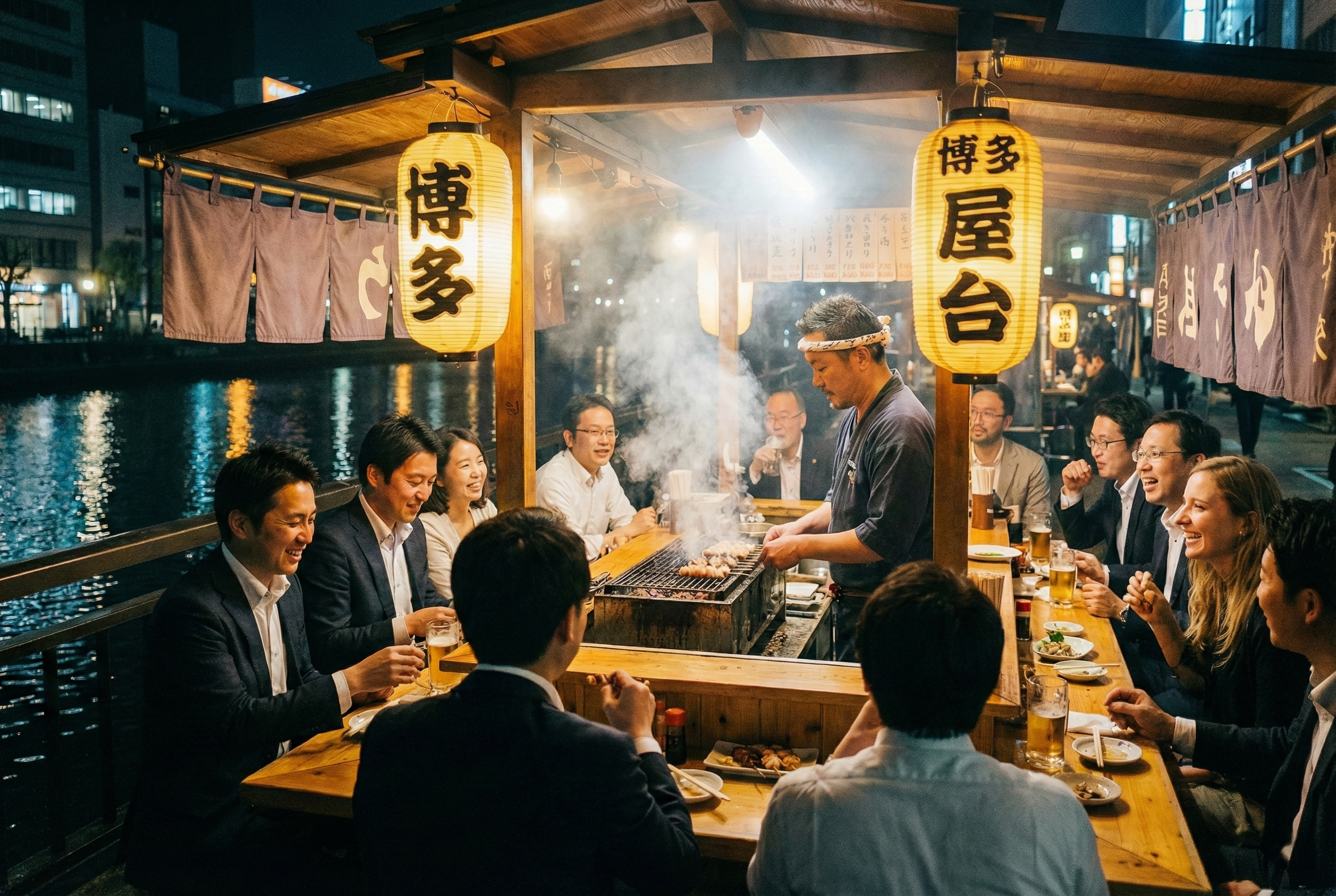
The city’s yatai, or open-air food stalls, line the riverside in the evening, creating a festive atmosphere. Here, you can sample not only ramen but also yakitori, tempura, and other local bites. Sharing a meal at a yatai is a quintessential Fukuoka experience, blending delicious food with lively conversation.
Thanks to its coastal location, Fukuoka is a haven for seafood lovers. Fresh sashimi, grilled fish, and Hakata-style mentaiko (spicy cod roe) are staples on many menus. Local specialties such as motsunabe (beef or pork offal hotpot) and mizutaki (chicken hotpot) are beloved for their hearty flavors and communal style.
For a quick reference, here are must-try Fukuoka specialties:
| Dish | Description |
|---|---|
| Motsunabe | Offal hotpot with vegetables |
| Mizutaki | Chicken hotpot with broth |
| Mentaiko | Spicy seasoned cod roe |
| Sashimi | Fresh slices of raw seafood |
Fukuoka’s café scene is thriving, with stylish coffee shops and traditional wagashi (Japanese sweets) cafés found throughout the city. Visitors can enjoy expertly brewed coffee, matcha lattes, and beautifully crafted desserts in cozy settings.
Popular cafés often blend Western and Japanese influences, offering pastries, parfaits, and seasonal sweets. Afternoon tea or a sweet treat is the perfect way to relax after exploring Fukuoka’s attractions.
A visit to Yanagibashi Rengo Market, known as “Fukuoka’s Kitchen,” is a must for food enthusiasts. Here, you can sample fresh seafood, local produce, and regional snacks, all in a bustling, authentic setting.
For those eager to dive deeper, cooking classes and ramen-making workshops offer hands-on opportunities to learn about Fukuoka’s culinary traditions. These experiences let you bring a taste of Fukuoka home.
Fukuoka boasts a growing number of Michelin-starred restaurants and acclaimed local eateries. From refined kaiseki dining to innovative fusion cuisine, the city’s chefs are earning international recognition.
Emerging culinary talents and established masters alike contribute to Fukuoka’s reputation as a food capital. For a deeper look at the region’s gastronomic treasures, explore Japanese cuisine highlights, where you’ll find inspiration for your next dining adventure in Fukuoka.
Fukuoka comes alive year-round with vibrant festivals, seasonal spectacles, and dynamic cultural happenings. Whether you crave centuries-old traditions, dazzling parades, or the beauty of cherry blossoms, Fukuoka’s event calendar offers an unforgettable experience for every traveler.
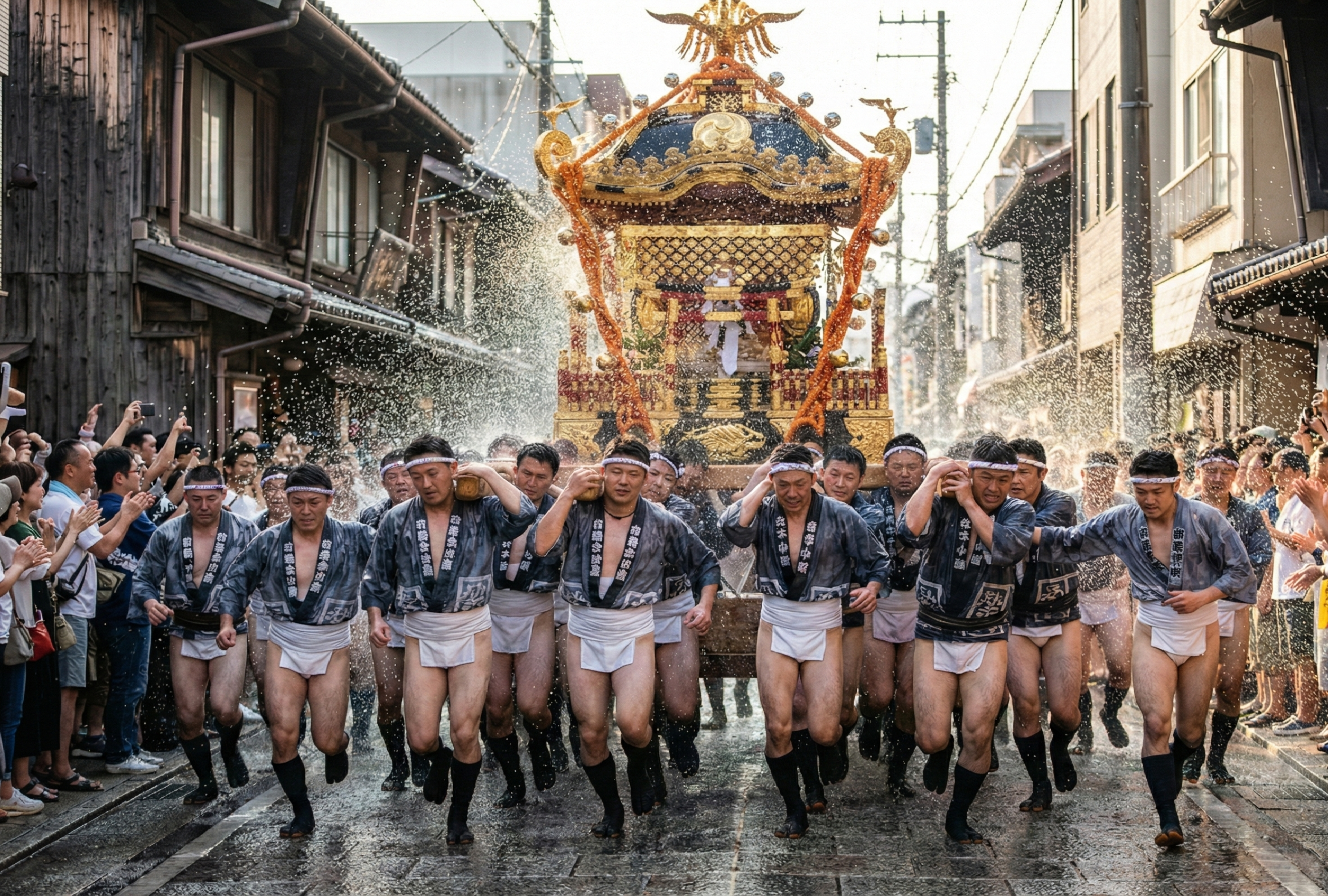
Each July, Fukuoka’s Hakata district hosts the UNESCO-recognized Hakata Gion Yamakasa festival. For over 770 years, teams of locals have raced through city streets carrying massive, ornate floats. The festival’s early morning climax is a breathtaking display of teamwork and tradition.
Visitors can immerse themselves in the local spirit and witness rituals that have shaped Fukuoka’s identity. To explore similar traditions across the country, see these traditional experiences across Japan.
The Dontaku Port Festival is one of Japan’s largest and most colorful celebrations. Every May, over two million visitors flock to Fukuoka for parades, vibrant costumes, and lively street performances. Locals and tourists alike join in, creating a city-wide party that spans two exciting days.
From flower-decked floats to energetic dance troupes, this event showcases the unique hospitality and creativity that define Fukuoka’s festival scene.
Fukuoka’s parks transform with the seasons. In spring, Ohori Park and Maizuru Park become prime spots for hanami, where families and friends picnic under blooming cherry trees. As autumn arrives, crimson and gold foliage paints the landscape, inviting peaceful strolls and photo opportunities.
Seasonal beauty is an essential part of Fukuoka’s charm, drawing visitors eager to enjoy nature’s fleeting displays.
Fukuoka’s creative energy shines through events like the Fukuoka Asian Party, which celebrates regional art, music, and innovation. Seasonal illuminations light up city streets in winter, while exhibitions and pop-up markets offer fresh perspectives year-round.
These cultural gatherings foster community spirit and highlight Fukuoka’s role as a hub for both tradition and contemporary expression.
Sports fans can cheer for the Fukuoka SoftBank Hawks at the state-of-the-art PayPay Dome. The city’s entertainment venues also host international concerts, anime conventions, and art exhibitions, ensuring something for every interest.
No matter the season, Fukuoka’s lively calendar promises excitement, connection, and discovery for all.
Fukuoka is the perfect launchpad for exploring the diverse landscapes and rich culture that surround the city. Beyond the urban energy, visitors discover tranquil shrines, coastal escapes, and authentic local experiences that reveal the true heart of Kyushu.
Just a short train ride from Fukuoka, Dazaifu offers a glimpse into Japan’s spiritual heritage. The revered Dazaifu Tenmangu Shrine is a must-see, especially during plum blossom season. Nearby, the Kyushu National Museum showcases centuries of regional history and art.
Yanagawa, often called the “Venice of Kyushu,” charms visitors with its scenic canal boat rides. Glide past historic homes and willow-lined banks, immersing yourself in the quiet beauty of this traditional town.
West of Fukuoka, the Itoshima Peninsula is famed for its pristine beaches and laid-back vibe. Surfers flock to the rolling waves, while food lovers enjoy fresh seafood at seaside markets.
Artisanal cafes dot the coastline, offering farm-to-table cuisine and panoramic sea views. Itoshima is perfect for those seeking a blend of relaxation and rural adventure.
Adventure awaits in the hills and islands near Fukuoka. Aburayama’s trails are ideal for hiking, with sweeping views of the city and countryside. Nokonoshima Island Park delights with seasonal flowers, walking courses, and picnic spots.
Cyclists can explore scenic coastal routes, and eco-tours introduce the local wildlife. Nature lovers will find countless ways to connect with Kyushu’s landscapes.
Fukuoka’s strategic location makes it easy to explore more of Kyushu. High-speed trains connect you quickly to Nagasaki’s historic sites, Kumamoto’s iconic castle, and Beppu’s renowned hot springs.
Each destination offers unique culture, cuisine, and scenery. With convenient transport, Fukuoka is your gateway to a broader Kyushu adventure.
Unwind in the soothing waters of Chikushino and Futsukaichi, two celebrated hot spring areas near Fukuoka. These onsen towns offer a taste of authentic Japanese relaxation, with traditional inns and mineral-rich baths.
To learn more about onsen culture and etiquette, explore this comprehensive guide to Japanese onsen and hot springs. A visit to these hot springs completes your journey, leaving you refreshed and inspired by all that Fukuoka and its surroundings have to offer.
Visiting Fukuoka in 2026 offers a vibrant mix of tradition and innovation. To make the most of your trip, plan around the best seasons. Spring brings cherry blossoms, while summer delivers lively festivals like Hakata Gion Yamakasa. Autumn offers pleasant weather and colorful foliage, making it another ideal time to explore Fukuoka.
Getting around Fukuoka is simple and efficient. The city’s subway, buses, and trains connect major attractions. Pick up an IC card for seamless transit and consider city passes for savings on public transport and museum entries.
Basic Japanese phrases such as “arigatou” (thank you) and “sumimasen” (excuse me) go a long way. Politeness is valued, so bowing and removing shoes indoors are common customs in Fukuoka.
Accommodation options in Fukuoka range widely. Choose from luxury hotels with panoramic city views, boutique stays, or traditional ryokan for a cultural touch. For those seeking exclusive comfort, explore luxury accommodation in Japan for bespoke experiences.
Fukuoka is known for its safety, cleanliness, and hospitality. Follow local etiquette, such as queuing and speaking softly on public transport. Carry cash, as some shops may not accept cards.
Practice sustainable travel by minimizing waste and respecting local customs. For up-to-date tourism trends and advice, consult official resources like Japan’s tourism white paper 2024. Use local apps and guides to navigate Fukuoka smoothly and responsibly.
After exploring Fukuoka’s vibrant mix of tradition and innovation, hidden culinary treasures, and unforgettable festivals, you may be wondering how to truly immerse yourself in all this city has to offer. With so much to discover, your journey deserves to be as unique as your interests. That’s where expert guidance makes all the difference. If you’re ready to experience Japan’s hidden gem beyond the ordinary, let’s design your perfect adventure together. Request your private consultation: Design your bespoke Japan journey with our experts.