
LINE ID japanroyalservice
+817013781777 click here
+817013781777 click here
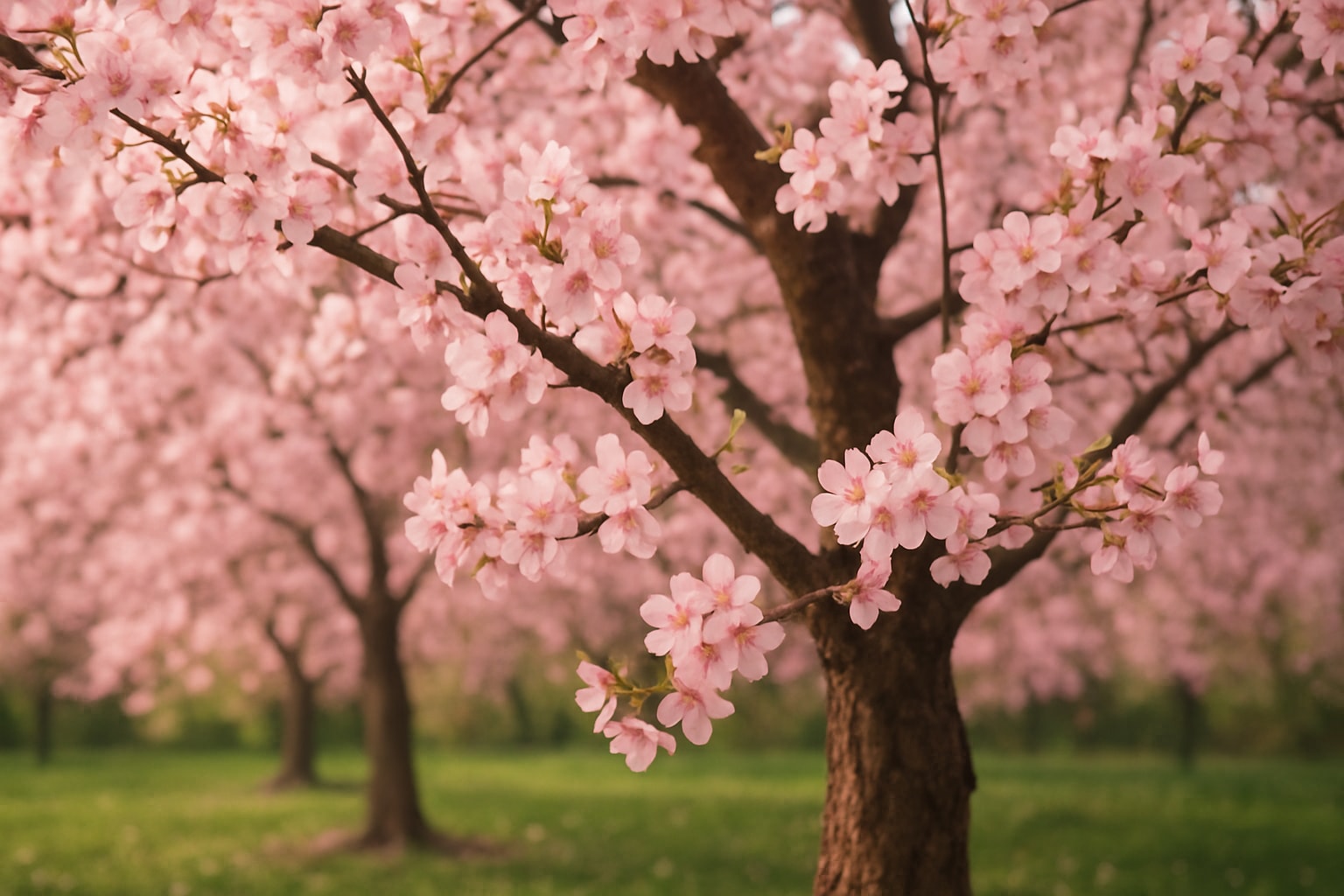
Imagine stepping outside to a breathtaking display of cherry blossom tree blooms, their delicate pink and white petals transforming your garden each spring. The cherry blossom tree is more than just a symbol of beauty; it offers a unique opportunity to elevate your landscape year after year.
This comprehensive 2026 guide gives you everything you need to nurture and enjoy a thriving cherry blossom tree. Discover the most beloved varieties, learn step-by-step planting methods, and master essential care routines.
Ready to achieve vibrant, healthy blooms? Dive in for expert tips designed to help your cherry blossom tree flourish season after season.
Cherry blossom tree varieties captivate with their delicate beauty and seasonal spectacle. Whether you dream of a garden awash in soft pink or dazzling white, understanding the types and traits of these ornamental trees is key to making the right choice for your landscape.
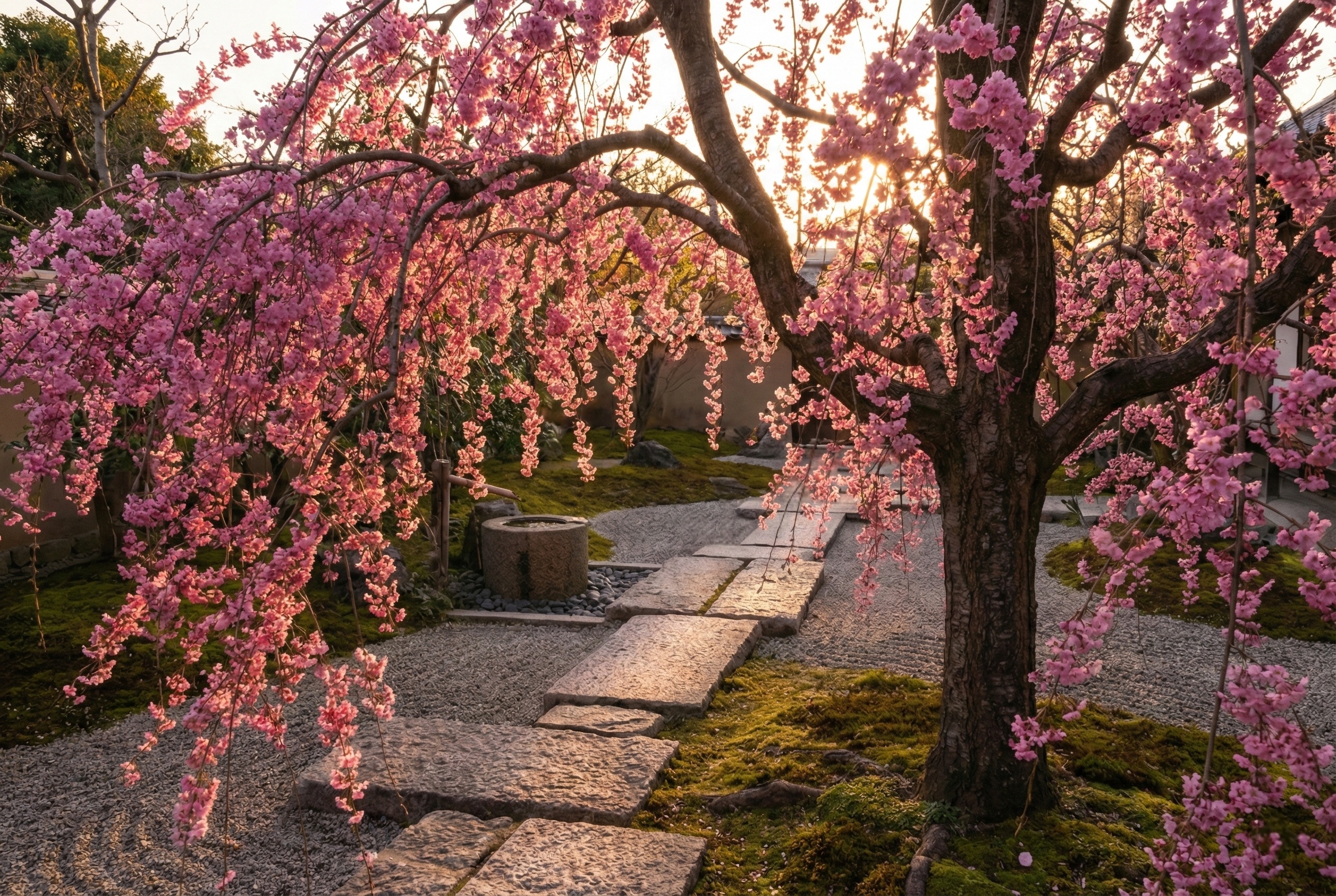
The cherry blossom tree family boasts a dazzling array of cultivars. Among the most iconic are Yoshino, celebrated for its elegant white-pink blooms, and Kwanzan, renowned for vibrant, double-petaled pink flowers. Okame, Autumn, and Weeping cherry blossom tree types add diversity, with unique growth habits and bloom times.
Color ranges from pure white to deep pink, and some varieties feature clusters of double blossoms. Growth habits differ: upright forms like Yoshino create classic silhouettes, while weeping types cascade with graceful branches. Blooming seasons also vary, with early, mid, and late spring options available, allowing gardeners to extend the floral display.
For a detailed look at traditional and rare cultivars, Japan’s cherry blossom varieties provides an excellent overview of what makes each cherry blossom tree unique.
| Variety | Bloom Color | Growth Habit | Bloom Time | Mature Height | Hardiness Zone |
|---|---|---|---|---|---|
| Yoshino | White-Pink | Upright | Early-Mid | 30–40 ft | 5–8 |
| Kwanzan | Deep Pink | Upright | Mid-Late | 25–30 ft | 5–9 |
| Okame | Pink | Upright | Early | 15–25 ft | 6–9 |
| Weeping | Pink/White | Weeping | Mid | 20–30 ft | 5–8 |
Fragrance, ornamental bark, and vibrant fall foliage further enhance the cherry blossom tree’s year-round appeal. The National Cherry Blossom Festival in Washington, D.C. famously highlights Yoshino and Kwanzan trees, showcasing their beauty at peak bloom.
Selecting the ideal cherry blossom tree for your space means weighing several important factors. Begin by considering your garden’s size and climate. Compact varieties like Okame suit smaller yards, while larger types like Yoshino flourish in open areas.
Full sun and well-draining soil are essential for healthy growth. Urban gardeners may prefer disease-resistant cultivars, while rural settings can accommodate more expansive trees. Maintenance needs and hardiness zones should also guide your decision—most cherry blossom tree varieties thrive in USDA zones 5–8, though some adapt to zones 4 or 9.
Think about the look you want. Kwanzan delivers bold pink, double blossoms, while Yoshino offers a classic, cloud-like display. According to recent data, Yoshino and Kwanzan remain the top choices for US gardens, valued for their reliability and stunning blooms.
By matching the right cherry blossom tree to your conditions, you set the stage for years of breathtaking spring color and effortless elegance.
Planting a cherry blossom tree is the first step toward enjoying a garden filled with enchanting spring color. With careful preparation and attention to detail, you set the stage for years of healthy growth and vibrant blooms. Here is a clear, expert-backed guide to ensure your cherry blossom tree thrives from day one.
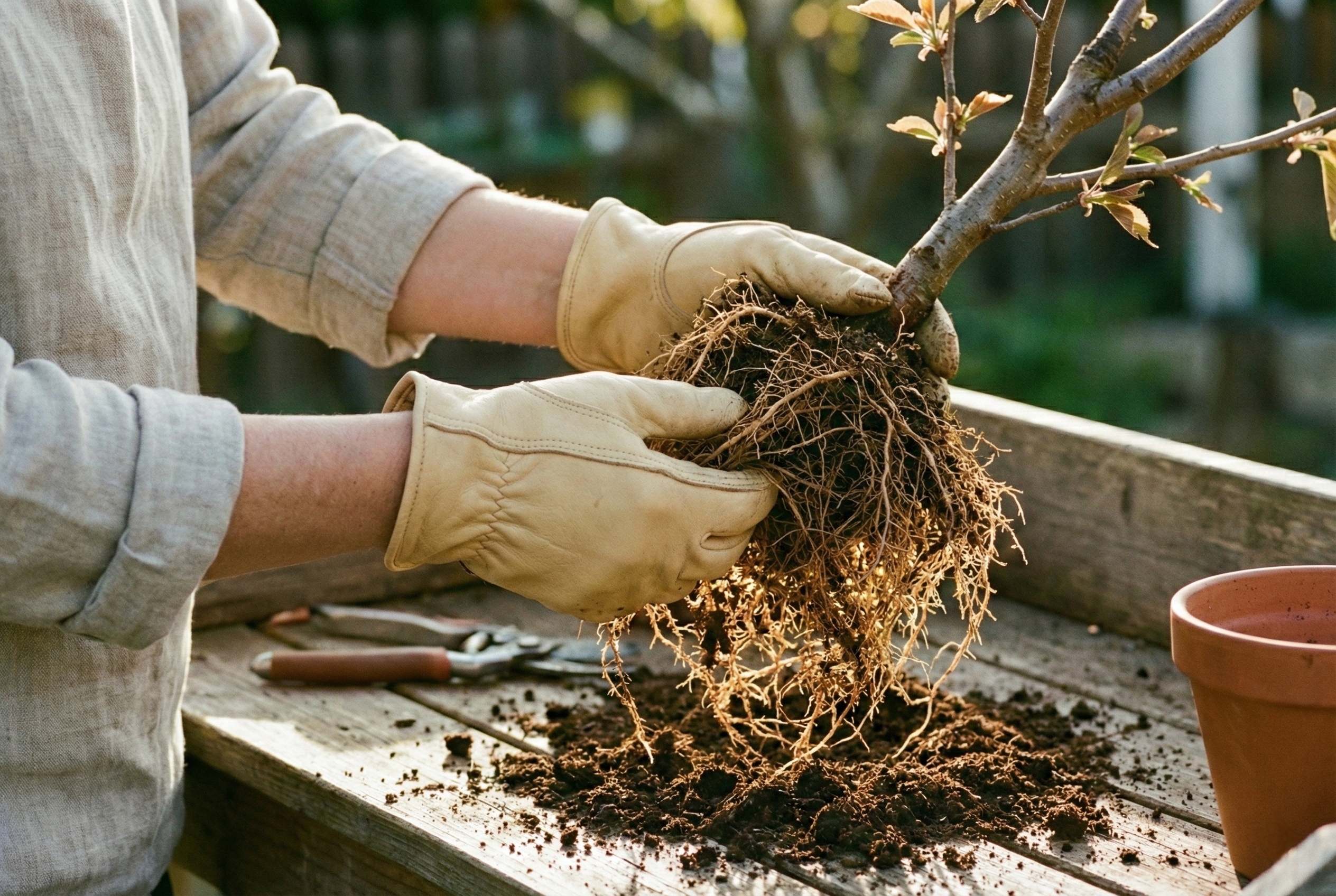
The best time to plant a cherry blossom tree is early spring or fall. These seasons allow the roots to establish before the stresses of hot summer or freezing winter arrive. Choose a site that offers full sun, at least six hours of direct sunlight daily, for optimal flowering.
Look for well-draining soil, as cherry blossom tree roots dislike standing water. Avoid low spots where puddles form or areas with heavy, compacted clay. Space is also crucial. Check the mature width of your chosen variety and allow plenty of room for the tree’s canopy to expand.
If you are planting more than one cherry blossom tree, give each enough distance to encourage airflow and healthy growth. Urban gardens may require compact varieties, while larger rural properties can accommodate full-sized trees. For more expert guidance on selecting the ideal spot and preparing for planting, review this Planting and caring for cherry trees resource.
Follow this step-by-step process to give your cherry blossom tree the best possible start:
This process helps prevent root rot and ensures the cherry blossom tree is set at the correct depth. Nurseries recommend planting in USDA zones 5 to 8 for optimal results, but always match your variety to local conditions.
After planting, water your cherry blossom tree deeply to settle the soil and eliminate air pockets. In the first few weeks, maintain consistent moisture, especially during dry spells. Protect young trees from strong winds with temporary barriers or light staking.
Monitor for signs of transplant shock, such as wilting or leaf drop. Most trees recover with good care, but keep an eye on pests or animals that may disturb the roots. Early attention to aftercare helps your cherry blossom tree transition smoothly and prepares it for a season of healthy growth.
A thriving cherry blossom tree is the result of attentive, consistent care. By focusing on vital routines like watering, feeding, pruning, and seasonal attention, you can ensure your tree graces your landscape with vibrant blooms and robust health year after year.
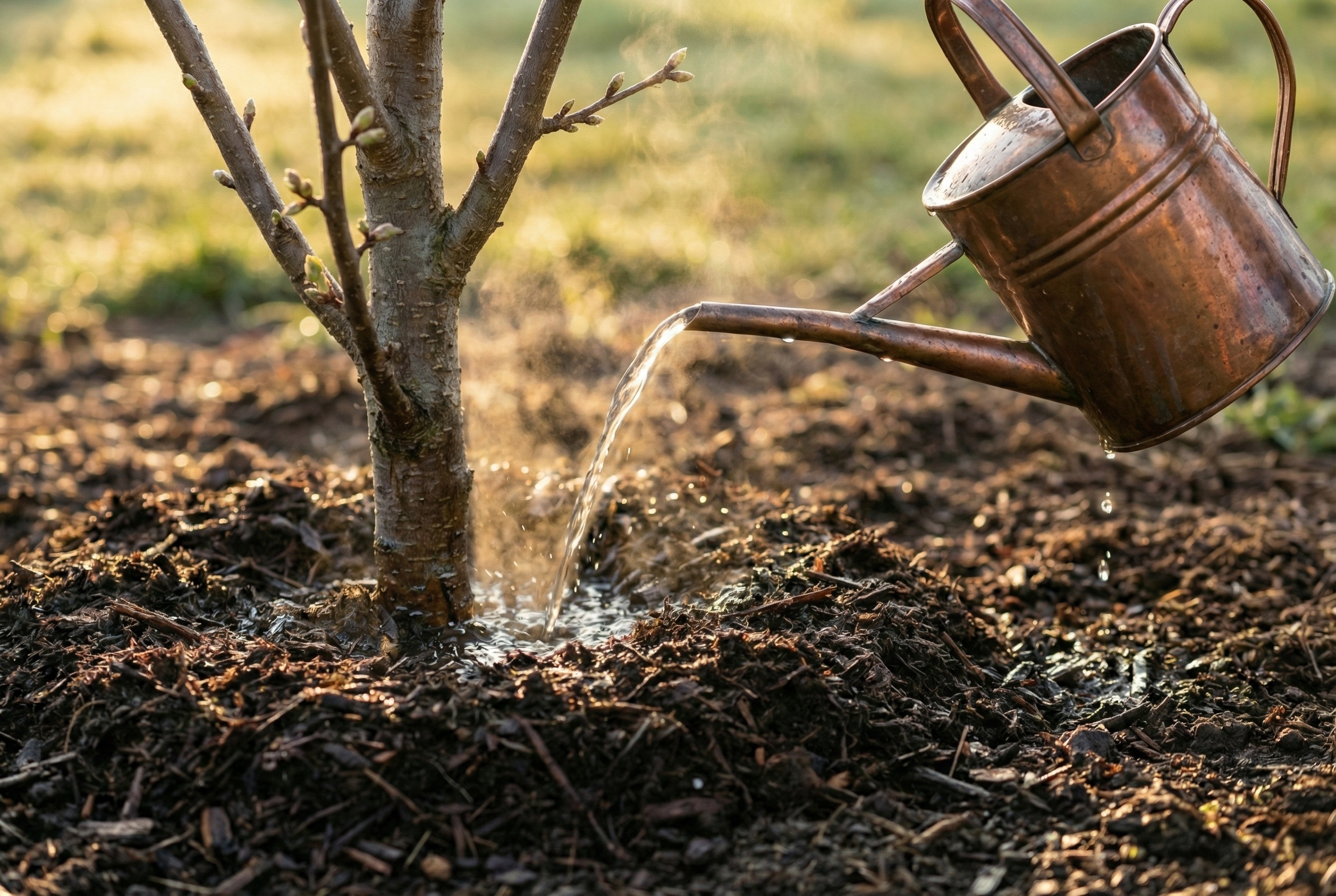
Proper watering is essential for establishing and maintaining a healthy cherry blossom tree. Young trees require regular deep watering, especially during their first two years. Mature trees benefit from consistent moisture but should never sit in soggy soil.
Always check that your cherry blossom tree is planted in well-draining soil to avoid root rot. Mulching with organic material helps regulate temperature and moisture, promoting healthy roots.
Feeding your cherry blossom tree at the right time supports vigorous growth and spectacular blooms. Apply a balanced, slow-release fertilizer in early spring, just before new growth appears. Organic options like compost or well-rotted manure also work well.
For more detailed guidance, consult this Cherry blossom tree care guide, which offers expert tips on maintaining lush, healthy trees.
Pruning your cherry blossom tree is key to encouraging strong structure and abundant blooms. The best time to prune is late winter or immediately after flowering. Remove any dead, diseased, or crossing branches to improve airflow and reduce disease risk.
Regular pruning not only enhances the tree’s beauty but also supports long-term health and resilience.
Cherry blossom trees are susceptible to pests and diseases, but preventative care makes a difference. Common issues include aphids, borers, and fungal infections like powdery mildew.
By maintaining proper spacing and hygiene, you help your cherry blossom tree resist most threats naturally.
Each season brings unique care tasks for your cherry blossom tree. In spring, monitor blossoms and check for pests. During summer, protect your tree from drought by watering deeply and mulching. Autumn is the time to clear fallen leaves and prepare for winter with a fresh mulch layer.
Medium-growing varieties typically need moderate upkeep, making them a favorite among home gardeners. Consistent attention through the year ensures your cherry blossom tree remains a stunning focal point.
A cherry blossom tree is renowned for its breathtaking spring display, but achieving vibrant, long-lasting blooms requires thoughtful care. By understanding optimal growing conditions and strategic techniques, you can transform any garden into a floral spectacle. Here are expert tips to help your cherry blossom tree reach its full blooming potential.
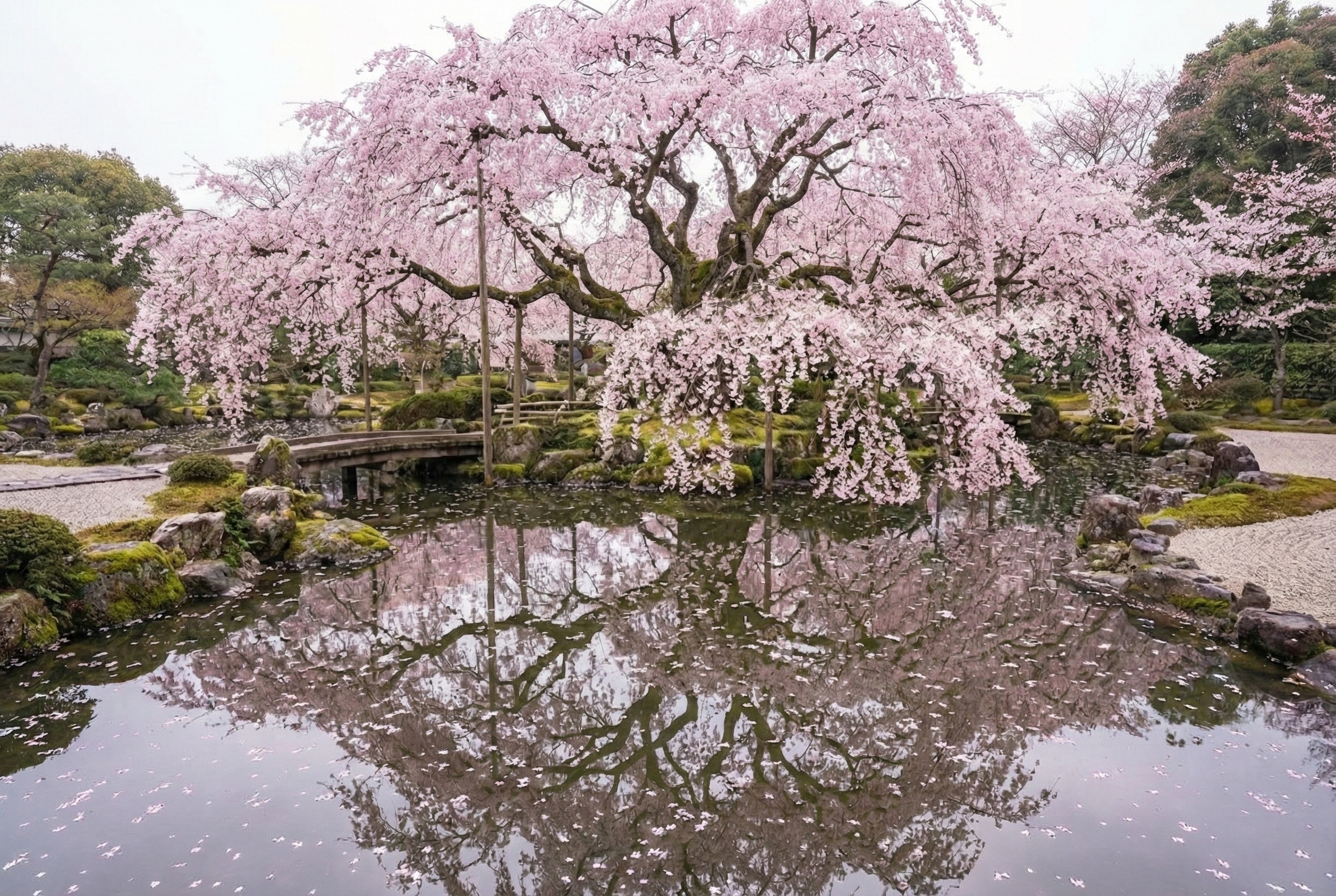
For the most spectacular show, position your cherry blossom tree in a site that receives at least six hours of sunlight daily. Full sun is essential for abundant flower production and healthy foliage.
Ensure the soil is well-draining and slightly acidic to neutral, with a pH of 6.0 to 7.0. Avoid areas where water pools after rain, as soggy roots can reduce bloom quality. Before spring, apply a balanced fertilizer to support strong bud development. If your region is prone to late frosts, consider planting your cherry blossom tree in a sheltered spot to protect delicate buds.
Consistent watering in the weeks leading to bloom, without overwatering, further encourages lush blossoms. For more details on bloom timing and care, refer to Cherry tree bloom information.
To enjoy a prolonged cherry blossom tree display, plant a mix of early, mid, and late-blooming varieties. This approach staggers the flowering period, providing color for weeks instead of days.
Grouping several cherry blossom tree varieties together creates a dramatic landscape effect and supports pollination. Complement these trees with spring-flowering bulbs, such as daffodils or tulips, to enhance visual interest beneath the canopy.
Choose varieties adapted to your local climate for reliable performance year after year. With thoughtful planning, a cherry blossom tree can be the highlight of your garden for an extended season.
If your cherry blossom tree fails to bloom or produces sparse flowers, several factors may be at play. Insufficient sunlight is a frequent cause; relocate young trees if needed.
Improper pruning, especially during summer or autumn, can remove next year’s buds. Always prune after flowering. Nutrient deficiencies may also reduce bloom quality, so monitor for yellowing leaves or stunted growth.
Bud drop can result from late frosts or erratic watering. Mulch around your cherry blossom tree to stabilize soil moisture and temperature. Addressing these issues promptly restores vigorous blossoms.
A cherry blossom tree offers unmatched beauty, but creative landscaping can elevate its impact even further. Underplant with low-growing groundcovers or spring bulbs to frame the display and suppress weeds.
Night lighting, such as gentle uplighting, highlights the blossoms for evening enjoyment. Arrange multiple cherry blossom tree specimens in layered plantings for a festival-like atmosphere, similar to the iconic National Cherry Blossom Festival.
Incorporate your cherry blossom tree into water features or Japanese-inspired garden designs for added serenity. Each thoughtful touch turns your cherry blossom tree into a year-round focal point.
Cherry blossom tree beauty transcends borders, infusing meaning and charm into gardens and cities worldwide. Their delicate blooms have inspired centuries of celebration, artistic expression, and thoughtful landscape design.
The cherry blossom tree holds a special place in Japanese culture, symbolizing renewal, fleeting beauty, and the cycle of life. Each spring, communities gather beneath the blossoms for hanami, a cherished tradition of flower viewing. This custom has spread globally, with cherry blossom festivals drawing crowds to parks and cities.
A historic example is the 1912 gift of cherry trees from Japan to Washington, D.C., cementing the tree’s role as a symbol of friendship. For those seeking authentic experiences, our Cherry blossom viewing in Japan guide offers insights into the best spots and traditions.
In landscape design, the cherry blossom tree serves as a dramatic focal point, lining avenues or framing garden entrances with its vibrant blooms. Designers often incorporate these trees into borders, near water features, or within tranquil Japanese-inspired spaces for year-round appeal.
Japanese gardens, in particular, use the cherry blossom tree to create contemplative, serene environments. For creative inspiration, explore our Japanese gardens inspiration page to see how these trees transform outdoor spaces.
Some of the world’s most famous cherry blossom tree displays can be found in Washington, D.C., Tokyo, and Kyoto, where thousands of trees bloom in unison each spring. Washington, D.C. alone boasts over 3,800 cherry trees representing 16 varieties, creating a breathtaking spectacle along the Tidal Basin.
Local arboretums across the United States also showcase diverse cherry blossom tree collections, offering visitors a chance to experience this seasonal wonder closer to home. Every spring, these destinations celebrate the enduring allure and cultural legacy of the cherry blossom tree.
Cherry blossom tree enthusiasts often have questions about care, blooming, and selecting the right variety. Here, we answer the most common inquiries to ensure your cherry blossom tree thrives and becomes a highlight in your landscape.
How long do cherry blossom trees live?
The average lifespan of a cherry blossom tree ranges from 20 to 40 years, depending on the variety and care. Some types, like the Yoshino, may live closer to 20 years, while others, such as the Kwanzan, can reach up to 40 years with ideal maintenance.
Do cherry blossom trees produce edible fruit?
Most ornamental cherry blossom tree varieties do not yield edible fruit. Their small cherries are generally bitter and best left to birds and wildlife. If you are seeking a tree for fruit, consider a sweet or sour cherry cultivar instead.
When is the best time to see cherry blossoms in bloom?
Cherry blossom tree flowers usually appear in early to mid-spring. The exact timing depends on your local climate and the variety chosen. In the United States, peak bloom often occurs between late March and early April.
Are cherry blossom trees suitable for small gardens or containers?
Yes, many cherry blossom tree varieties fit compact spaces. Dwarf and columnar forms are perfect for small gardens, patios, or even large containers. Be sure to select a type known for a moderate mature size.
Can cherry blossom trees grow in my climate zone?
Most cherry blossom tree types thrive in USDA zones 5 to 8, with some varieties adaptable to zones 4 or 9. Always check the specific hardiness of your chosen variety for best results.
How do I protect my tree from frost or extreme weather?
Young cherry blossom tree specimens are sensitive to late frosts. Mulch the base for insulation and consider using frost cloths during unexpected cold snaps. Proper pruning, as detailed in pruning ornamental cherry trees, helps maintain tree health and resilience.
What are the most low-maintenance varieties?
The Kwanzan cherry blossom tree is a top pick for low-maintenance beauty, offering disease resistance and bold pink blooms. To learn more about its unique traits, visit the Prunus ‘Kanzan’ cultivar details.
Choosing the right cherry blossom tree and following best practices ensures years of breathtaking spring displays. Our expertise and premium selections can help you achieve a thriving, easy-care garden centerpiece.
As you explore the beauty and symbolism of cherry blossom trees, imagine experiencing their breathtaking blooms in the heart of Japan—where tradition and nature intertwine. Whether you’re perfecting your own garden or dreaming of strolling beneath centuries-old petals in Kyoto or Tokyo, a tailored journey awaits. Let us help you transform this inspiration into reality by designing a bespoke Japanese adventure that celebrates both horticultural wonders and cultural treasures.
Request your private consultation: Design your bespoke Japan journey with our experts.