
LINE ID japanroyalservice
+817013781777 click here
+817013781777 click here
Experience Kyoto like never before as you step into a world where tradition, hospitality, and serenity converge. Choosing a ryokan Kyoto stay is more than just booking a room—it is an invitation to immerse yourself in centuries-old Japanese culture, refined comfort, and genuine omotenashi.
This comprehensive guide will reveal everything you need to know about planning your ryokan Kyoto experience in 2026. Discover what defines a ryokan, explore Kyoto’s top stays, learn how to choose the right property, master essential etiquette, and uncover booking strategies for every traveler. Begin your journey toward an authentic and unforgettable adventure in Kyoto.
Stepping into a ryokan in Kyoto is like entering a living museum of Japanese culture. These traditional inns offer more than a place to sleep—they invite guests to experience centuries-old customs, architecture, and heartfelt hospitality. Whether you are drawn by history, comfort, or cultural depth, understanding what sets a ryokan apart is essential for a memorable stay.
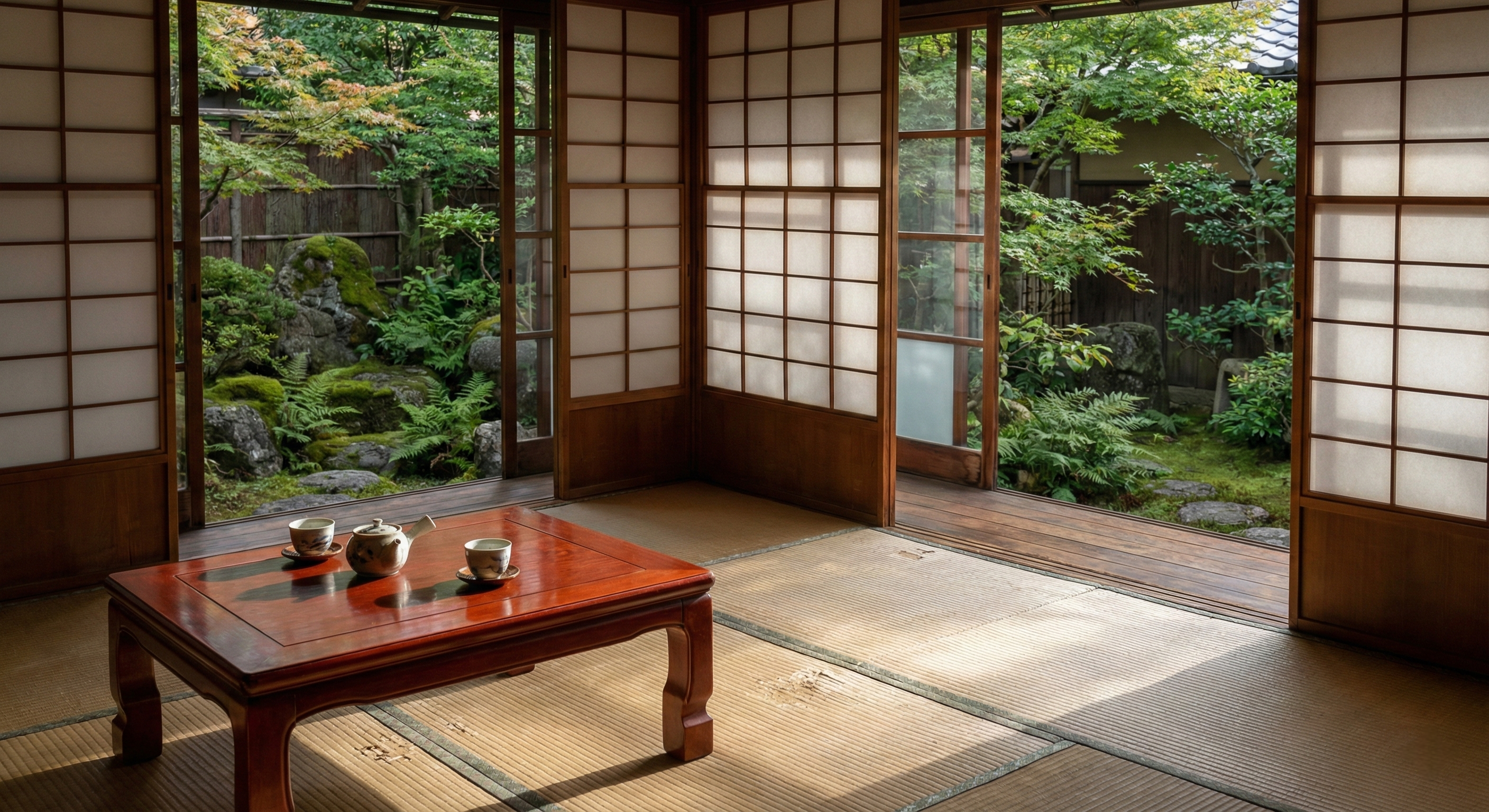
Ryokan kyoto have roots stretching back to the 8th century, when the city was Japan’s imperial capital. Early ryokan served samurai, merchants, and pilgrims, providing rest along ancient highways. Their architecture—tatami floors, sliding doors, and futon bedding—remains largely unchanged, preserving the spirit of old Kyoto.
Kyoto’s most renowned ryokan, such as Tawaraya (established over 300 years ago), stand as cultural custodians. These inns maintain seasonal décor, curated gardens, and host tea ceremonies that reflect the city’s refined traditions.
The practice of “omotenashi,” or deep hospitality, has been handed down through generations. Today, over 1,300 ryokan operate in Kyoto Prefecture, each weaving history and comfort together. For a deeper dive into the heritage and variety of experiences, explore Traditional Japanese Ryokan Experiences.
A ryokan kyoto experience is defined by attentive, personalized service. Guests are welcomed by kimono-clad staff who guide private check-in and offer insights into the inn’s customs. The highlight for many is kaiseki dining—a multi-course, seasonal meal often served in your room.
Signature features include:
Unlike hotels, ryokan focus on tranquility and authenticity. Guest reviews often praise the peaceful silence, immersive atmosphere, and sense of cultural connection. At places like Tawaraya, garden-facing baths and custom futons elevate the experience to an art form.
Today, ryokan in Kyoto are highly sought after by travelers seeking cultural depth and luxury. Many inns blend Western comforts with Japanese tradition, offering hybrid experiences that appeal to a broader audience.
Ryokan contribute to sustainable tourism by preserving local heritage and encouraging longer, more meaningful stays. Following the pandemic, demand for authentic experiences has soared, with international bookings increasing by 35% from 2024 to 2025.
Family-run ryokan in districts like Gion provide exclusive access to geisha culture, while others help combat overtourism by limiting guest numbers. Whether you seek opulence or simplicity, a ryokan Kyoto stay supports the city’s living traditions and offers a truly immersive journey.
Kyoto offers a vibrant spectrum of ryokan experiences, blending centuries-old tradition with modern comforts. Whether you seek refined luxury, an intimate boutique setting, or a budget-friendly stay, the diversity of ryokan Kyoto options ensures every traveler finds their perfect match.
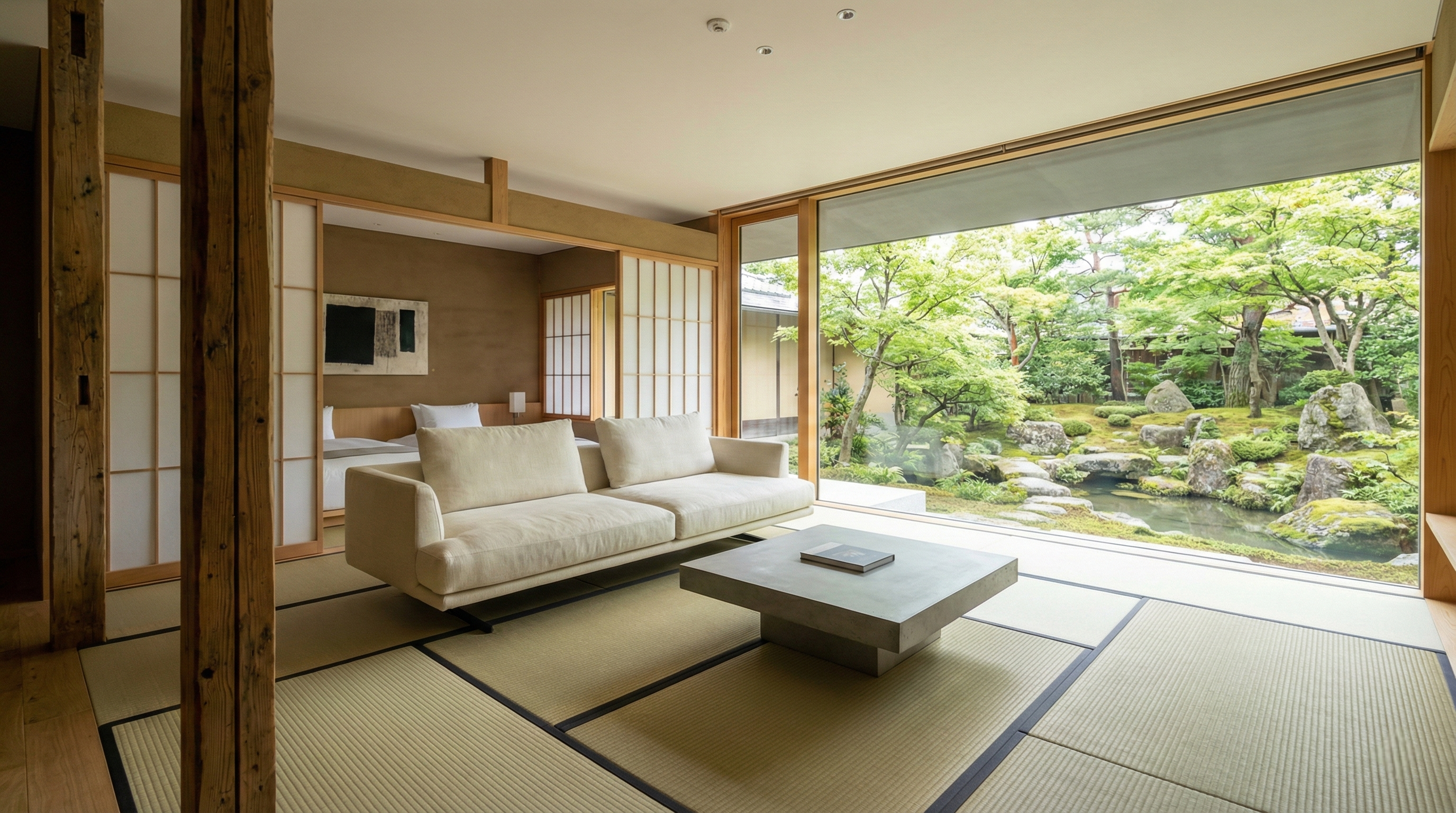
For travelers who desire the pinnacle of Japanese hospitality, luxury ryokan Kyoto properties set a global benchmark. Tawaraya, Hiiragiya, and Gion Hatanaka stand out with their rich heritage, exclusive gardens, and hinoki wood baths. A night at Tawaraya is a masterclass in personalized service—attentive staff, seasonal ikebana, and custom futons ensure comfort and tranquility.
Dining is a highlight, with multi-course kaiseki meals crafted from local, seasonal ingredients. For a deeper understanding of this culinary art, explore Kyoto Kaiseki Dining Insights. Guests often include celebrities and dignitaries, adding to the prestige. Prices range from $400 to $1,200 per night, and reservations are typically required six to twelve months in advance. Tawaraya consistently ranks among Japan’s top three ryokan.
Mid-range and boutique ryokan Kyoto accommodations, such as Ryokan Yoshi Ima, Gion Hatanaka, and Gion Fukuzumi, offer a harmonious blend of tradition and accessibility. Expect in-room dining, English-speaking staff, and tranquil garden views. These properties deliver excellent value, ranging from $200 to $400 per night.
Travelers praise the warm hospitality and central locations near Kyoto’s iconic temples and geisha districts. Special touches like tea ceremonies and seasonal breakfasts enhance the experience. While modern amenities are available, the charm of tatami rooms and yukata robes remains central. Data from 2025 shows boutique ryokan bookings in Gion increased by 20 percent.
Budget-friendly ryokan Kyoto options ensure authentic stays are within reach for all. Choices like Gion Ryokan Q-beh, Guest House Oumi, and Gojo Guest House provide communal spaces, shared or private baths, and dormitory-style rooms. The atmosphere encourages cultural exchange and community.
GOZAN Hotel & Serviced Apartment is ideal for families or groups, featuring tatami rooms and kitchenettes. Prices typically range from $60 to $150 per night. While amenities and privacy may be more limited, these ryokan remain especially popular among solo and younger travelers, as reflected in high occupancy rates.
For those seeking something truly memorable, Kyoto offers specialty ryokan experiences. Choose a temple stay with early morning meditation, an art-themed inn, or a machiya townhouse conversion. Experiences such as calligraphy workshops and guided garden tours are common.
A standout example is a temple ryokan near Kiyomizu-dera, where guests can participate in zazen meditation before dawn. Themed ryokan saw a notable 15 percent rise in bookings during 2025, reflecting growing demand for immersive stays.
Selecting the right ryokan in Kyoto can transform your journey into an authentic cultural retreat. With hundreds of choices, it is essential to focus on your priorities and know what sets each property apart. Whether you seek luxury, tradition, or convenience, understanding your options ensures a memorable experience.
When choosing a ryokan in Kyoto, location is crucial. Decide if you want to stay near historic districts like Gion, temple-rich Higashiyama, or riverside Arashiyama. Next, consider the type of experience: do you prefer a luxury retreat, a boutique ambiance, or a budget-friendly stay?
Room layout matters. Some ryokan in Kyoto offer Western beds, while others use traditional futons on tatami floors. Private baths are available in select rooms, but many properties feature shared onsen. Dining is another key factor; in-room kaiseki dinners provide a true taste of Kyoto, but some ryokan only serve breakfast or cater to dietary needs.
Language support, accessibility, and booking policies also influence your decision. Check if English-speaking staff are available, and if there are elevators or luggage services for easier access. Always review cancellation terms and check-in times before confirming your ryokan Kyoto reservation.
The district you choose shapes your entire ryokan Kyoto experience. Here is a quick comparison:
| District | Highlights | Best For | Example Ryokan |
|---|---|---|---|
| Gion | Geisha, historic streets | Tradition, luxury | Yoshi Ima |
| Higashiyama | Temples, scenic views | Boutique stays | Gion Hatanaka |
| Arashiyama | Bamboo, riverside nature | Retreat, families | Suiran |
| Downtown Kyoto | Nightlife, convenience | Modern amenities | Fusion Ryokan |
Gion and Higashiyama account for most ryokan Kyoto bookings, thanks to their proximity to shrines, temples, and cultural attractions. For those seeking tranquility, Arashiyama offers riverside serenity and lush landscapes. Downtown is ideal if you want easy access to shopping and transit.
Booking a ryokan in Kyoto during peak seasons requires planning ahead. Reserve at least six months in advance for cherry blossom or autumn foliage periods. Consider shoulder seasons for better rates and availability.
Request a room with a garden view or private bath for added ambiance. Always communicate dietary preferences early, especially for kaiseki meals. Reading recent guest reviews helps you gauge service quality and current conditions.
Loyalty programs or direct bookings sometimes unlock exclusive perks. Multi-night stays may qualify for special rates, so ask about promotions when finalizing your ryokan Kyoto reservation.
For a seamless ryokan Kyoto journey, consider Japan Royal Service. Their expert team crafts bespoke itineraries, arranges private transfers, and secures exclusive ryokan stays. From curated cultural experiences to Michelin-starred dining, every detail is handled for travelers seeking the finest Kyoto has to offer.
Experiencing ryokans in Kyoto hospitality is about more than luxurious rooms or gourmet meals. It begins with understanding the customs that shape every guest’s stay.
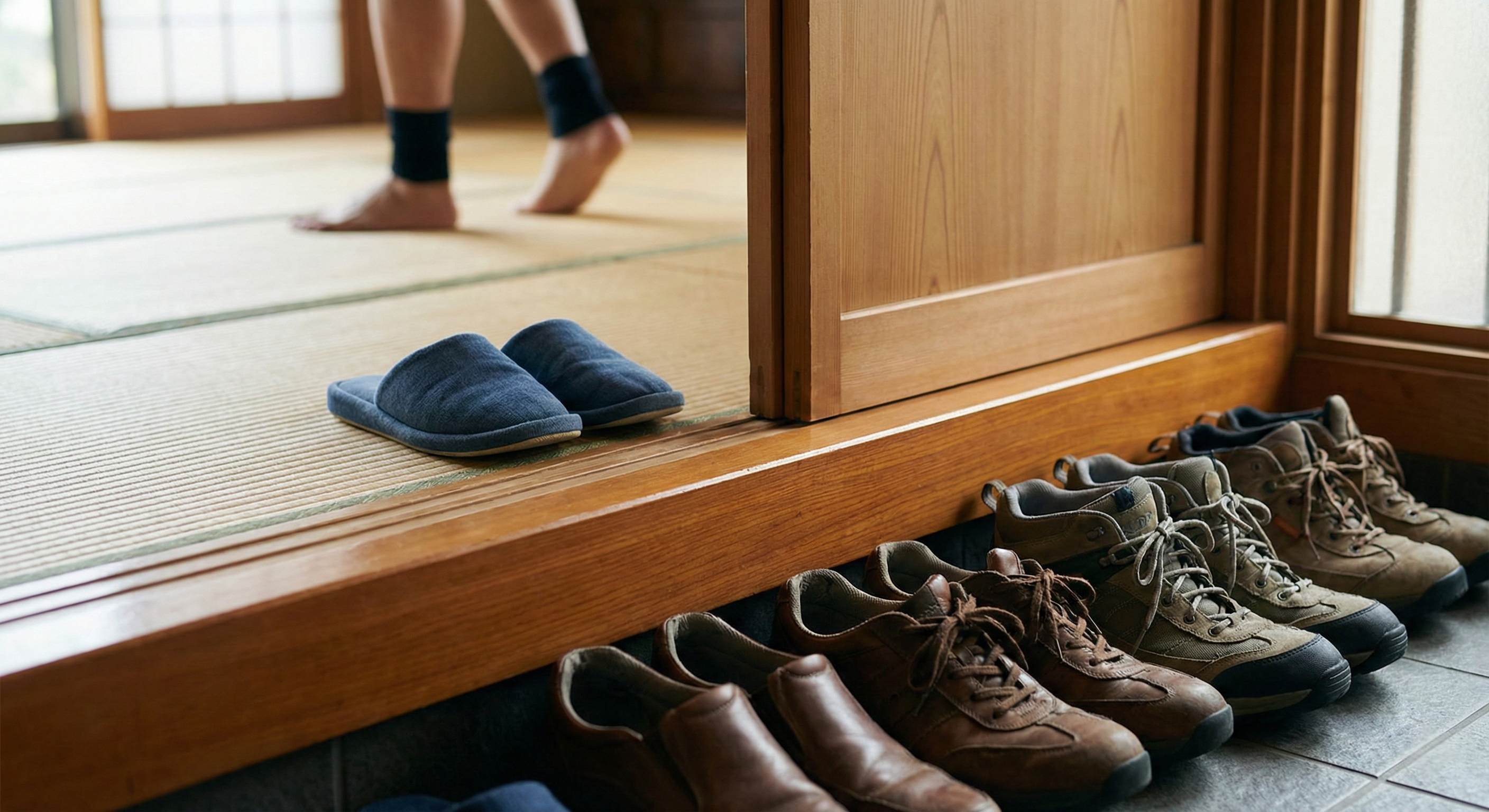
Upon arrival, remove your shoes at the entrance and change into the provided slippers before stepping inside. Wear your yukata robe properly when moving within the ryokan, and respect quiet hours to preserve a tranquil atmosphere for all guests. Staff will typically prepare and store your futon bedding for you, so avoid handling it unless requested.
Bathing is a cherished ritual at ryokan, especially in communal onsen. Always wash thoroughly before entering the bath itself and use the small towels as instructed. For more insight into the significance of bathing, explore Japanese Onsen Bath Culture to understand why these traditions matter in Ryokan Kyoto.
When dining, savor each course of your kaiseki meal, avoid wasting food, and express gratitude for the care taken in its preparation. At places like Tawaraya, the meditative silence and attentive service create a uniquely peaceful environment for every visitor.
In Ryokan Kyoto, each space has its own purpose and etiquette. The tokonoma alcove is a sacred spot meant for seasonal art or flowers, so never place personal belongings there. Be gentle with sliding doors and tatami mats to preserve their delicate craftsmanship.
Communal baths are often separated by gender and may require reservations or adherence to specific time slots. When interacting with staff, a polite bow and friendly greeting are always appreciated. Tipping is rare, but a small thank-you note or gift can be a thoughtful gesture.
For valuables, use the room safe or ask the front desk for secure storage. In shared spaces, keep conversations quiet and respect the privacy of others. At Ryokan Yoshi Ima, guests are invited to enjoy the tea room overlooking the garden, provided it is done with respect and mindfulness.
Many first-time ryokan Kyoto guests make avoidable mistakes. Arriving late without notice is considered impolite, as meals and rooms are prepared according to your schedule. Always communicate dietary needs ahead of time to ensure a seamless dining experience.
Never wear shoes or slippers on tatami mats, and keep your voice low in hallways and communal areas. Pay attention to house rules regarding photography, especially in historic or private districts. According to recent data, 80% of guest complaints in 2024 were linked to misunderstandings about etiquette.
For a smooth ryokan Kyoto experience, ask the staff for guidance if unsure about any customs. These small gestures of respect will help you fully embrace the spirit of Japanese hospitality during your stay.
Booking a ryokan Kyoto experience in 2026 is an exciting way to immerse yourself in Japanese culture. As demand for these traditional inns continues to rise, planning is essential. Let’s walk through the process, understand the impact of seasonal trends, and review how to get the most from your stay.
Begin your ryokan Kyoto journey by researching districts and narrowing down the type of experience you want. Explore official websites and reputable booking platforms to compare rates, amenities, and guest feedback. Direct contact with the ryokan is often preferred for special requests or dietary needs.
Secure your reservation with a credit card and carefully review cancellation and deposit policies. Confirm your arrival time, especially since many ryokan offer set check-in slots and tailored meal schedules. Notably, some top ryokan, such as Tawaraya and Hiiragiya, require direct booking via email or phone.
With Kyoto Hotel Occupancy Rates and ADR Trends, it’s clear that demand is high and rooms fill quickly, especially during peak periods. Early planning ensures you secure the ideal ryokan Kyoto stay.
Seasonality plays a major role in ryokan Kyoto pricing and availability. Cherry blossom season (late March to April), autumn foliage (November), and the New Year are peak times, with occupancy rates often soaring to 95 percent. During these weeks, room prices can double, and bookings are typically required 6 to 12 months in advance.
A key change for 2026 is the Kyoto Lodging Tax Increase, in 2026 which will affect all ryokan stays starting in March. This new tax is designed to address overtourism and support local preservation efforts. Consider traveling in the shoulder seasons for better rates, more personalized service, and greater availability across ryokan Kyoto options.
| Season | Occupancy Rate | Price Trend |
|---|---|---|
| Spring | 95% | High |
| Summer | 70% | Moderate |
| Autumn | 95% | High |
| Winter | 60% | Lower |
To fully enjoy your ryokan Kyoto experience, communicate your arrival time and any dietary preferences in advance. Pack light, as many ryokan have limited storage and no elevators. Learn a few basic Japanese greetings to show respect and ease interactions.
Consider preparing a small thank-you note or gift for staff, which is always appreciated but not required. Take advantage of concierge services to book local experiences, such as tea ceremonies or guided tours. Many ryokan in Kyoto offer cultural workshops and walking tours, enhancing your connection to Kyoto’s unique traditions.
Arrive early if possible, allowing yourself to settle in and unwind. A relaxed schedule will help you absorb the tranquil atmosphere, making your ryokan Kyoto stay truly memorable.
Choosing the right neighborhood is essential for an authentic ryokan Kyoto stay. Each district offers its own unique blend of history, charm, and cultural access. Whether you seek lantern-lit streets, tranquil gardens, or river views, Kyoto’s best areas have something for every traveler. For a deeper look at how these districts have evolved, see insights on Kyoto’s Lodging Market Trends and Development.
Gion is the quintessential ryokan Kyoto district, famed for its cobblestone lanes, teahouses, and geisha heritage. Here, you’re steps from Yasaka Shrine and Hanamikoji Street, surrounded by the city’s most atmospheric scenery.
This area boasts a wide range of ryokan, from luxurious historic inns like Ryokan Yoshi Ima to boutique stays tucked away in quiet alleys. Nights offer a magical ambiance, with lanterns reflecting off willow-lined canals and the distant sound of shamisen music.
Gion is rated the top choice for travelers seeking an authentic Kyoto atmosphere, offering easy access to artisan shops and local dining. If you want to immerse yourself in the heart of tradition and elegance, Gion remains unmatched for a ryokan Kyoto experience.
For travelers drawn to Kyoto’s spiritual side, Higashiyama is a serene haven. This district is close to iconic temples like Kiyomizu-dera and Kodai-ji, as well as Maruyama Park’s seasonal beauty.
Ryokan Kyoto options here range from boutique inns with garden views to mid-range accommodations offering panoramic cityscapes. Many ryokan are nestled along quiet streets, perfect for morning strolls or contemplative evenings.
Higashiyama is ideal for culture lovers and photographers. The area’s peaceful ambiance, away from busy crowds, makes it a favorite for those seeking a deeper connection to Kyoto’s history and artistry. Staying here ensures you’re always near the city’s most celebrated sights.
Arashiyama offers a different side of ryokan Kyoto hospitality, surrounded by bamboo forests, rivers, and mountain vistas. Here, ryokan feature private open-air baths and balconies overlooking the Katsura River.
This district is perfect for families, couples, and anyone who loves nature. Top attractions include Togetsukyo Bridge, Tenryu-ji Temple, and the famous monkey park. Many ryokan provide riverside dining and spa experiences, making relaxation effortless.
Arashiyama is just a short train or taxi ride from central Kyoto, yet it feels worlds away. For those seeking tranquility and scenic beauty, this area delivers a memorable ryokan Kyoto retreat.
After exploring Kyoto’s timeless ryokan traditions, you might feel inspired to immerse yourself in the serenity, artistry, and warm hospitality that make these stays so unforgettable. We know choosing the perfect ryokan and planning your journey can feel overwhelming, especially with so many exclusive options and customs to consider. That’s where our expertise comes in. If you want every detail—transportation, bespoke tours, and authentic experiences—personally curated just for you, let’s make it effortless together.
Request your private consultation: Design your bespoke Japan journey with our experts.
Your authentic Kyoto adventure awaits.