
LINE ID japanroyalservice
+817013781777 click here
+817013781777 click here
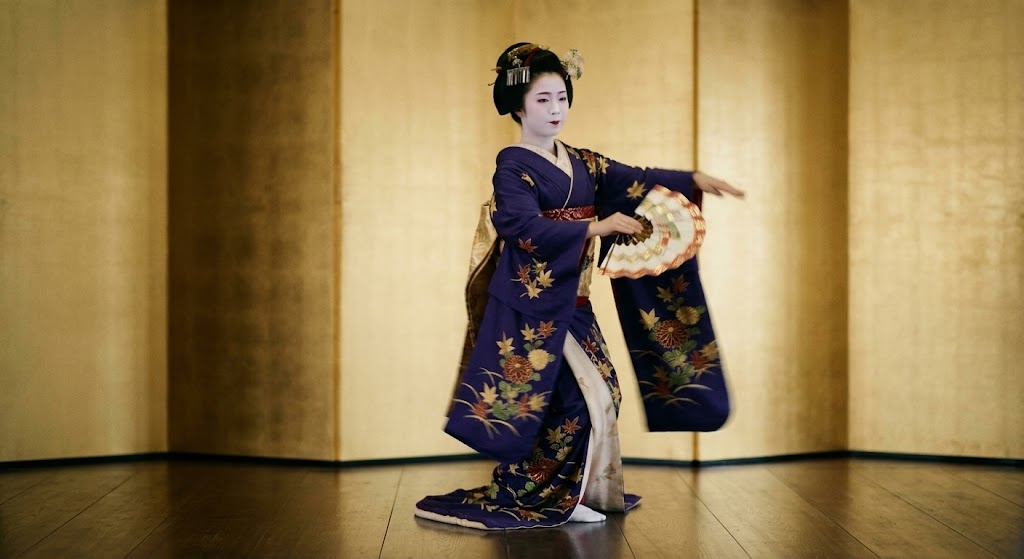
In Gion, the most coveted doors are not marked by signage, nor opened by insistence. Many ochaya (tea houses) still observe ichigensan kotowari—a long-standing custom that discourages first-time visitors without a personal introduction. It is a quiet form of cultural stewardship: a way to protect privacy, maintain trust, and preserve an atmosphere where conversation can unfold without spectacle. For the guest, this is not “a show.” It is an entry into a floating world of artistry, etiquette, and human presence—intimate, seasonal, and fundamentally unrepeatable.

A genuine Gion tea house experience is not a ticketed attraction. In the ochaya, time is kept by small gestures: the kneel of a hostess as she pours sake, the measured cadence of greetings, the way laughter is allowed to rise—then settle—without echoing beyond the room. Geiko and maiko are not “characters” for the evening. They are highly trained artists and conversationalists shaped by years of study in dance, music, and the social arts of Kyoto’s hanamachi (geisha districts).
Unlike public performances—beautiful, but designed for an audience—an ochaya evening is calibrated to the room. The artistry is close enough to feel: the soft shuffle of tabi socks on tatami; the faint, powdered scent of oshiroi makeup; the restrained sparkle of seasonal hair ornaments. Nothing is hurried. And nothing is arranged for the camera.
Gion’s lanes are at their most evocative when the light thins into amber. Lantern glow gathers along wooden facades; the air carries hints of incense and rain-soaked stone from nearby temple grounds. Your arrival is deliberately quiet. The purpose is not secrecy for its own sake—it is respect. Ochaya are private social spaces, and part of the privilege of entry is behaving as though you belong there.
Inside, the first sensory shift is tactile: the gentle give of tatami underfoot, the warmth of cedar and paper, the sense that the world has softened at the edges. Conversations do not compete with music here; they make room for it. Your host will guide the initial greetings with care, ensuring names and introductions are offered in the correct order. In Kyoto, formality is not stiffness—it is precision, and precision is a kind of kindness.
When the shamisen begins, it does not announce itself. It arrives—first as rhythm, then as texture. The pluck is crisp, almost percussive, but the room absorbs the sound rather than amplifying it. In that absorption, you understand what makes an ochaya evening different from a stage: you can hear the quiet work behind the beauty. The minute adjustments of posture. The measured breath before a line of song. The whisper of a kimono sleeve turning as a geiko gestures toward a guest, inviting a question, a story, a connection.
At intervals, there is a different kind of music: the soft shuffle of tabi socks across tatami, the faint clink of porcelain, the near-silent pour of tea. This is not background. It is a vocabulary.
In Gion, the kimono is not mere finery. It is a season made visible. A maiko’s ensemble—more ornate, more youthful by tradition—can carry motifs that echo Kyoto’s calendar: maple leaves, flowing water, delicate florals. A geiko’s kimono tends toward refinement and restraint, the elegance of mastery rather than display. The craftsmanship is painstaking: dyed silk, woven pattern, the way obi ties hold a sculptural form at the back without breaking the line of the body.
Then there is the face: oshiroi, the white makeup associated with maiko and, on certain occasions, geiko. In person, it reads less as theatricality and more as luminous focus—an aesthetic that concentrates attention on the eyes, the lips, the expressiveness of slight changes in gaze. Under lamplight, it becomes almost painterly.

The most misunderstood aspect of a private geisha dinner in Kyoto is the assumption that it is primarily performance. In truth, the performance serves the conversation, not the other way around. Geiko and maiko are trained to read a room with extraordinary sensitivity: who prefers quiet, who enjoys spirited exchange, who is curious about Kyoto’s seasonal customs, who wants to talk art, architecture, gardens, or food.
This is where omotenashi—Japanese hospitality as anticipatory care—becomes tangible. The evening subtly adapts to your interests. If you are drawn to music, the shamisen becomes a thread you can follow: rhythm, history, the difference between hearing and listening. If you collect craftsmanship, attention may turn to textiles, the significance of motifs, and the preservation of Kyoto’s artistry through apprenticeship. If you are tired from travel, the room knows how to soften, offering warmth without interrogation.
Nothing about this feels like a script. It feels like being welcomed into a living tradition that retains its dignity precisely because it has never been built for strangers.
When dining is part of the evening, the rhythm is often kaiseki: a Japanese multi-course meal that reflects seasonality, knife work, and the aesthetics of restraint. The tactile pleasure lies in the sequence—each dish arriving as a deliberate chapter rather than abundance for its own sake. There is a particular intimacy in the way small plates are presented: lacquerware that warms slightly in the hands, porcelain that feels cool at the rim, steam that carries subtle aromatics before flavor even arrives.
Sake is offered with ceremony but without stiffness. A good host watches the table the way a conductor watches an orchestra—keeping the tempo elegant, ensuring no guest is overlooked. The evening’s luxury is not only the ingredients; it is attention.

In spaces shaped by ichigensan kotowari, etiquette is not an obstacle; it is the language of respect. A few principles—simple, but meaningful—help guests move with the right grace:
These are not rules designed to exclude. They are the framework that keeps the ochaya from turning into a stage for outsiders. When guests honor them, the evening deepens—noticeably.
Kyoto’s hanamachi culture is sustained through apprenticeship, patronage, and a carefully protected social ecosystem. An ochaya is not simply a venue; it is part of the infrastructure that allows geiko and maiko arts to continue: dance, shamisen, song, and the social craft of conversation. Participating respectfully is not consumption. It is a support—direct and meaningful—of a delicate tradition that survives because it has never been simplified for mass tourism.
This is the deeper luxury of exclusive Japan travel when done correctly: not novelty, but proximity to living culture without diminishing it.
Part of what makes this evening so affecting is its location within Kyoto’s most storied streetscapes. Gion sits near places that have shaped the city’s cultural imagination for centuries—areas around Yasaka Shrine and the lantern-lit lanes that lead toward historic teahouse neighborhoods. Before or after an ochaya engagement, the simple act of moving through these streets—quietly, unhurriedly—feels like passing through a fold in time.
Kyoto at night does not demand attention. It rewards it.

The central truth of ichigensan kotowari is that it prioritizes introductions and trust. This is why the experience cannot be replicated through casual walk-ins or last-minute online bookings. The most meaningful evenings are arranged thoughtfully, with attention to timing, compatibility, and the tone you want the night to carry.
Guests who receive entry into an ochaya are being trusted with a private world. Discretion is not a marketing flourish; it is the price of admission. The most experienced travelers understand this instinctively and behave accordingly.
A private ochaya engagement is not standardized. The music selected, the cadence of conversation, the small games that may be offered, the pacing of dining—everything can shift depending on the season, the guests, and the artistry present that night. It is, by its nature, an experience that cannot be copied.
A private Gion ochaya evening is an invitation-only engagement with a geiko or maiko in an intimate tea-house setting, shaped by Kyoto etiquette and trust-based introductions. It’s quieter and more personal than public performances, blending conversation, music, and refined hospitality in a private tatami room.
When the evening ends, it does not crescendo. It resolves. Final bows are offered with the same measured grace that began the night; doors slide closed with a sound that feels almost ceremonial. Outside, Gion’s lanterns still glow, but the street feels different—less like a destination, more like the perimeter of something you were briefly allowed to enter.
What remains is not a souvenir, but a kind of afterimage: shamisen notes that seem to linger in the body, the memory of silk catching lamplight, the rare sensation of being hosted not as a customer, but as a guest worthy of care. In Kyoto, that distinction is everything.