
LINE ID japanroyalservice
+817013781777 click here
+817013781777 click here
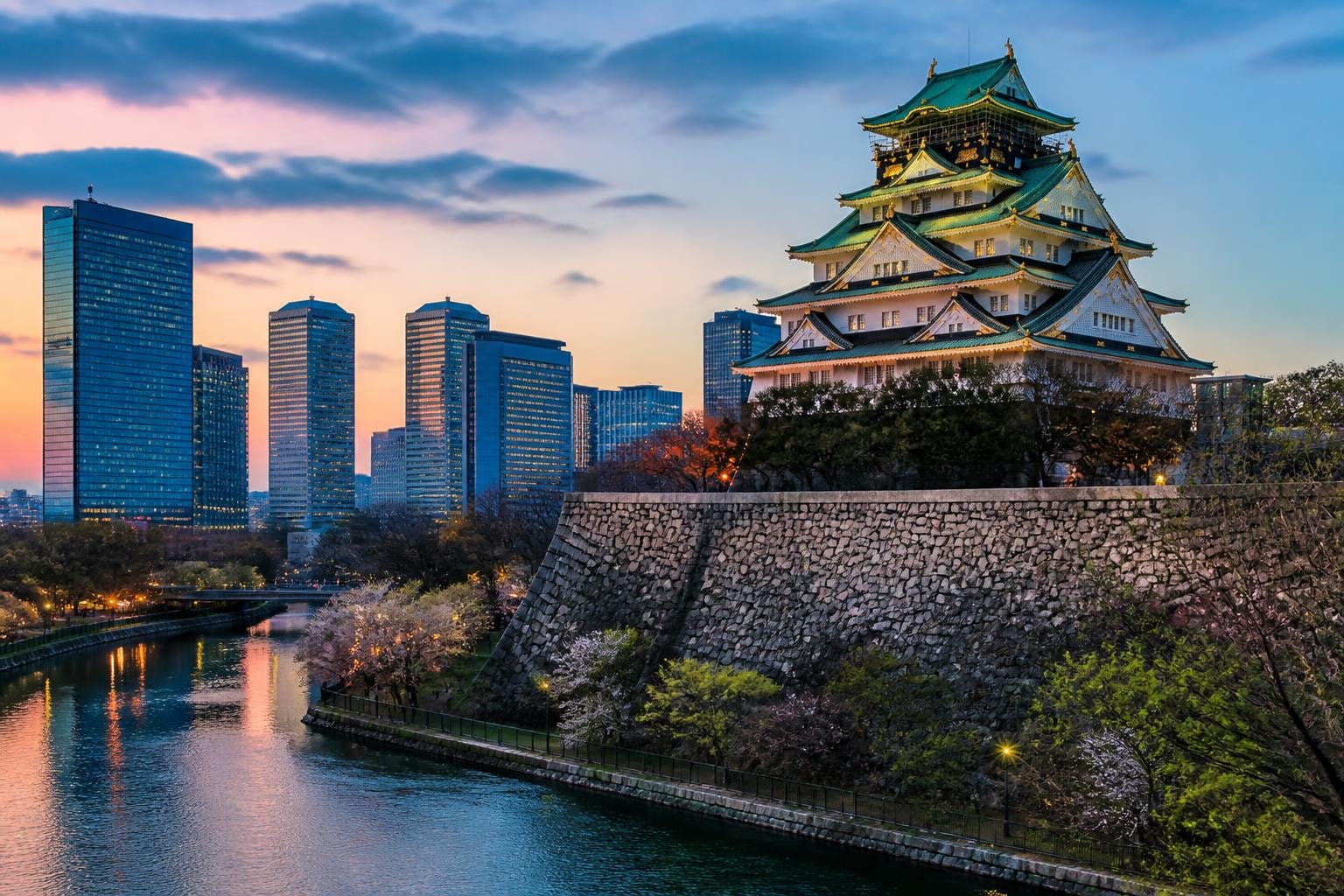
Osaka stands as Japan’s vibrant heartbeat, where centuries-old traditions coexist with cutting-edge modernity. This dynamic metropolis offers discerning travelers an extraordinary blend of cultural depth, culinary excellence, and architectural wonders that few destinations can match. From the grandeur of feudal castles to the electric energy of entertainment districts, the places to see in Osaka promise experiences that transcend typical tourism. For luxury travelers seeking authentic connections with Japanese culture, understanding the city’s must-visit locations becomes essential to crafting an unforgettable journey.
Osaka Castle dominates the city skyline as one of Japan’s most iconic landmarks. This magnificent fortress, originally constructed in 1583 by the legendary warlord Toyotomi Hideyoshi, represents the pinnacle of Japanese military architecture and feudal power.
The castle’s exterior showcases brilliant gold leaf decorations against white walls, creating a striking visual contrast visible throughout the surrounding park. Inside, eight floors of museum exhibits chronicle Japan’s feudal era through armor collections, historical documents, and interactive displays. The observation deck on the top floor provides panoramic views across Osaka’s urban landscape.

Surrounding the castle, Nishinomaru Garden offers seasonal beauty that transforms throughout the year:
The moat and stone walls, some reaching heights of up to twenty meters, demonstrate the engineering prowess of 16th-century artisans. Walking these grounds provides context for understanding samurai culture and the political intricacies of feudal Japan.
Dotonbori represents everything that makes Osaka, Japan’s kitchen, where neon signs illuminate endless dining options, and street food vendors create aromatic magic. This entertainment district along the Dotonbori Canal has served as the city’s cultural center for over four centuries.
The iconic Glico Running Man sign and mechanical crab billboards create Instagram-worthy backdrops, but the real treasures lie in the culinary experiences. Traditional establishments serve takoyaki, okonomiyaki, and kushikatsu prepared by multi-generational families who’ve perfected their craft.
| Cuisine Type | Signature Dish | Price Range | Experience Level |
|---|---|---|---|
| Kaiseki | Seasonal multi-course | ¥20,000-50,000 | Formal, refined |
| Kappo | Chef’s counter omakase | ¥15,000-35,000 | Intimate, interactive |
| Traditional Yakiniku | Premium wagyu | ¥10,000-30,000 | Social, customizable |
| Sushi Omakase | Edomae-style | ¥25,000-60,000 | Artistic, exclusive |
Reservations at exclusive establishments often require booking through concierge services, particularly for Michelin-starred venues hidden alongside streets. Lonely Planet’s guide highlights numerous culinary hotspots that showcase Osaka’s gastronomic diversity.
Sumiyoshi Taisha predates the influence of Buddhism in Japan, making it one of the nation’s oldest and most significant Shinto shrines. Founded in 211 AD, this sacred complex exemplifies pure Japanese architectural style untouched by Chinese influence.
The shrine’s distinctive vermillion buildings feature straight roofs and chigi (ornamental crossed finials) that represent authentic Sumiyoshi-zukuri architecture. Four main halls honor deities of the sea and of poetry, reflecting Osaka’s historical role as a maritime trading hub.
The famous arched Sorihashi Bridge, painted in brilliant red, rises steeply over a pond filled with koi. Crossing this bridge symbolizes leaving the profane world and entering sacred space. During summer festivals, thousands of lanterns illuminate the grounds, creating mystical atmospheres that transport visitors beyond time.
Spiritual practices at Sumiyoshi include:
Shinsekai, meaning “New World,” presents a fascinating contradiction as one of Osaka’s oldest entertainment districts. Developed in 1912, this neighborhood was designed to showcase Eastern and Western architectural influences in separate sections.
Tsutenkaku Tower rises 103 meters above the district, serving as Osaka’s beloved symbol since its reconstruction in 1956. The observation deck provides 360-degree city views, while the basement levels house shrines to Billiken, the “god of things as they ought to be.”
The surrounding streets maintain their Showa-era charm with vintage signage, working-class eateries, and pachinko parlors. This authentic atmosphere contrasts sharply with modern Osaka, offering glimpses into mid-20th-century Japanese urban life.

Kushikatsu reigns supreme in Shinsekai, where deep-fried skewered delicacies follow strict etiquette—the cardinal rule: never double-dip in communal sauce. Premium establishments source seasonal ingredients, coating them in delicate panko before frying to golden perfection.
Local favorites include:
Kaiyukan ranks among the world’s largest aquariums, housing over 30,000 creatures representing Pacific Rim ecosystems. The journey begins on the eighth floor, spiraling downward through fifteen interconnected tanks that recreate diverse marine environments.
The centerpiece Pacific Ocean tank, which reaches 9 meters deep, is home to whale sharks, manta rays, and countless tropical species. Watching these gentle giants glide through the water creates meditative moments that appeal to travelers seeking tranquil experiences within urban environments.
Interactive touch pools allow tactile connections with rays and small sharks, while feeding demonstrations provide educational insights into marine conservation efforts. The recently renovated jellyfish displays feature ethereal lighting that transforms these creatures into living art installations.
Kuromon Ichiba, Osaka’s kitchen since the Edo period, spans 600 meters and features 150 shops selling ingredients that define Japanese cuisine. Professional chefs and home cooks alike navigate these covered arcades in search of the freshest seafood, seasonal produce, and specialty items.
Unlike tourist-focused markets, Kuromon maintains its commercial authenticity while welcoming visitors. Vendors offer tastings of Wagyu beef skewers, fresh oysters, exotic fruits, and traditional sweets that showcase regional specialties.
Market highlights include:
The market atmosphere intensifies during morning hours when professional buyers negotiate purchases and vendors arrange elaborate displays. Japan Guide offers detailed information on navigating Osaka’s key attractions, including optimal visiting times for Kuromon Market.
The Umeda Sky Building demonstrates architectural innovation through its distinctive twin-tower design connected by a floating garden observatory 173 meters above ground. This engineering marvel, completed in 1993, has become one of Osaka’s most recognizable modern landmarks.
The observatory features both enclosed viewing areas and open-air roof terraces where winds sweep across visitors standing among the clouds. Floor-to-ceiling windows frame Osaka’s sprawling cityscape, particularly stunning during sunset when urban lights begin their nightly performance.
| Time Period | Visual Experience | Recommended Duration |
|---|---|---|
| Morning | Clear city views, Mount Ikoma visible | 45-60 minutes |
| Afternoon | Detailed architectural observation | 60 minutes |
| Sunset | Golden hour photography, transition to night | 90-120 minutes |
| Evening | City lights, illuminated buildings | 60-75 minutes |
The basement level features Takimi-koji, a recreated Showa-era street complete with vintage shops, restaurants serving nostalgic dishes, and an atmosphere that contrasts dramatically with the building’s futuristic architecture.
Shitennoji claims the distinction of being Japan’s first Buddhist temple, established in 593 AD by Prince Shotoku. While fires have necessitated reconstructions, the current buildings maintain original design principles that influenced temple architecture throughout Japan.
The complex follows a traditional layout with a five-story pagoda, main hall, lecture hall, and gates aligned along a north-south axis. This configuration, known as Shitennoji-style, became the template for subsequent Buddhist temples across the nation.
Monthly flea markets on the 21st attract collectors seeking antiques, vintage kimonos, ceramics, and curiosities. These markets provide opportunities to acquire authentic Japanese items while experiencing local community culture. MATCHA provides insights into Osaka’s cultural and historical landmarks, helping travelers appreciate temples like Shitennoji within broader historical contexts.

This unique museum recreates life-sized streetscapes from Osaka’s Edo period, allowing visitors to walk through meticulously reconstructed merchant houses, shops, and public spaces. The immersive environment goes beyond static displays, incorporating sound effects, lighting variations, and seasonal changes that transport visitors to 1830s Osaka.
Kimono rental services allow guests to explore the exhibits in traditional dress, creating memorable photographs while gaining appreciation for historical garments. The experience deepens understanding of daily life, commercial practices, and social structures that shaped modern Osaka.
The upper floors display dioramas, artifacts, and interactive exhibits that explain urban development from ancient times to modern reconstruction. This comprehensive approach makes the museum essential for understanding Osaka’s evolution as a commercial center.
Amerikamura, or “American Village,” pulses with contemporary youth culture, street fashion, and alternative art scenes. This compact neighborhood attracts teenagers and young adults seeking vintage clothing, independent boutiques, and cafes that reject mainstream aesthetics.
The district’s centerpiece, Triangle Park, serves as an informal gathering space where musicians perform, artists display work, and subcultures intersect. Surrounding streets feature boutiques specializing in imported streetwear, vintage Americana, and local designer creations.
Shopping categories include:
The area exemplifies Osaka’s reputation for embracing individuality and creative expression, in contrast to Tokyo’s more fashion-forward conformity. The Asia Press highlights various attractions that showcase different facets of Osaka’s character, from historical to contemporary.
Nakanoshima, the narrow island between Dojima and Tosabori rivers, concentrates Osaka’s civic architecture and cultural institutions. This district showcases Meiji- and Taisho-period Western-influenced buildings that housed financial institutions as Osaka emerged as an economic powerhouse.
The Osaka Central Public Hall, completed in 1918, exemplifies Neo-Renaissance architecture with its distinctive red brick facade and copper dome. The interior features ornate decorative elements, stained glass, and grand halls that host concerts and exhibitions.
The adjacent Museum of Oriental Ceramics houses one of the world’s finest collections of Chinese and Korean ceramics, with a particular strength in Goryeo celadon pieces. The serene exhibition spaces allow contemplation of artistic techniques refined over millennia.
Rose gardens along the riverside provide seasonal color and peaceful walking paths that offer respite from urban intensity. Evening illuminations transform the district’s historical buildings into glowing landmarks reflected in dark waters.
Spa World introduces visitors to Japanese bathing culture through themed zones representing bathing traditions from Europe and Asia. This multi-story complex features dozens of bath types, from traditional Japanese onsen to Roman-style pools.
The facility rotates male and female access between European and Asian zones monthly, encouraging repeat visits. Each zone maintains architectural authenticity while providing modern comfort and cleanliness standards expected by international guests.
Relaxation areas, restaurants, and sleeping capsules allow extended stays where guests decompress from travel fatigue. The rooftop pool offers outdoor bathing with city views, particularly atmospheric in the evening.
Proper bathing etiquette requires thorough washing before entering communal baths, a ritual that demonstrates respect for shared spaces and Japanese cultural norms. Staff members politely guide first-time visitors through protocols, ensuring comfortable experiences.
Beyond the major attractions, Osaka offers lesser-known temples that offer intimate cultural encounters. Isshinji Temple in Tennoji specializes in creating Buddha statues from the ashes of deceased worshippers, a unique practice that reflects Buddhist concepts of impermanence and connection.
Keitakuen Garden, a traditional Japanese landscape garden near Tennoji Park, demonstrates the principles of borrowed scenery, in which distant views integrate with designed elements. Ponds, bridges, teahouses, and carefully pruned trees create miniature natural landscapes that encourage meditative contemplation.
These quieter locations provide counterpoints to Osaka’s energetic commercial districts. Morning visits often find these spaces nearly empty, allowing private moments of reflection and photography without crowds.
Lesser-known spiritual sites worth exploring:
Orange Street in the Horie neighborhood showcases contemporary Japanese design through boutique furniture shops, galleries, and cafes housed in renovated machiya townhouses. This area attracts design enthusiasts seeking minimalist aesthetics and innovative product design.
Nearby Namba Parks creates an urban oasis through terraced gardens ascending eight levels. This shopping complex integrates nature into its commercial spaces, demonstrating environmental consciousness while offering retail and dining options.
The National Museum of Art, Osaka, located underground beneath a distinctive steel lattice structure, presents modern and contemporary art in pristine galleries. Special exhibitions attract international artists while permanent collections showcase postwar Japanese artistic movements.
These contemporary spaces illustrate Osaka’s ongoing evolution, balancing preservation of traditional culture with forward-looking innovation. Japaniverse’s travel guide lists essential attractions for travelers looking to make the most of their limited time, helping them prioritize experiences based on personal interests.
Osaka’s festival calendar provides windows into living traditions that have evolved across centuries. The Tenjin Matsuri in July ranks among Japan’s three greatest festivals, featuring elaborate boat processions, thousands of lanterns, and fireworks displays along the Okawa River.
Spring brings hanami cherry blossom viewing to parks throughout the city, where locals gather for nighttime celebrations under illuminated trees. Kema Sakuranomiya Park’s riverside location creates particularly photogenic settings, with views of the castle and traditional boats.
Autumn moon-viewing traditions continue at temples and gardens where special evening openings allow contemplation of harvest moons reflected in pond waters. These tsukimi gatherings often include traditional tea ceremonies and poetry readings.
Winter illuminations transform major districts with elaborate light displays, particularly impressive at Osaka Castle Park and the Midosuji boulevard. These seasonal transformations demonstrate how places to see in Osaka offer different experiences throughout the year.
Osaka’s extraordinary diversity of attractions creates unlimited possibilities for cultural immersion, culinary exploration, and authentic connections with Japanese heritage. Whether seeking feudal history, contemporary culture, spiritual depth, or gastronomic excellence, the city rewards travelers who venture beyond surface experiences to engage meaningfully with local tradition. For discerning travelers seeking seamless access to Osaka’s finest experiences, Japan Royal Service crafts bespoke itineraries featuring luxury transportation, exclusive access to cultural events, and personalized guidance that transform sightseeing into profound journeys of discovery.