
LINE ID japanroyalservice
+817013781777 click here
+817013781777 click here

Nestled on Hokkaido’s western coast, Otaru stands as one of Japan’s most enchanting destinations, where maritime history meets contemporary elegance. This former shipping powerhouse has transformed itself into a sophisticated cultural destination, offering discerning travelers an exquisite blend of architectural heritage, artisanal craftsmanship, and culinary excellence. The city’s transformation from a bustling seaport to a recreation center represents one of Japan’s most successful heritage preservation initiatives, creating an atmosphere that captivates luxury travelers seeking authentic Japanese experiences beyond the typical tourist corridors.
Otaru, Hokkaido, emerged as a pivotal commercial center during the Meiji era, serving as the gateway to Hokkaido’s development. The city’s strategic location made it an essential port for shipowners, particularly during the herring-fishing season that brought unprecedented prosperity to the region.
The evolution of Otaru from a modest fishing settlement to a major commercial center represents a fascinating chapter in Japanese modernization. During the late 19th and early 20th centuries, the city became Hokkaido’s financial capital, hosting numerous banks and trading companies. The transformation from fishing village to major shipping hub created architectural landmarks that still define the cityscape today.
The herring fishing industry drove initial growth, but diversification into broader trade operations secured the city’s long-term importance. Stone warehouses lined the canals, storing goods from across Asia and beyond.
Key Historical Periods:
Walking through Otaru, Hokkaido, today means stepping into a living museum of Meiji and Taisho-era architecture. The city’s commitment to preserving its heritage buildings has created a unique urban landscape where history remains vibrantly alive.
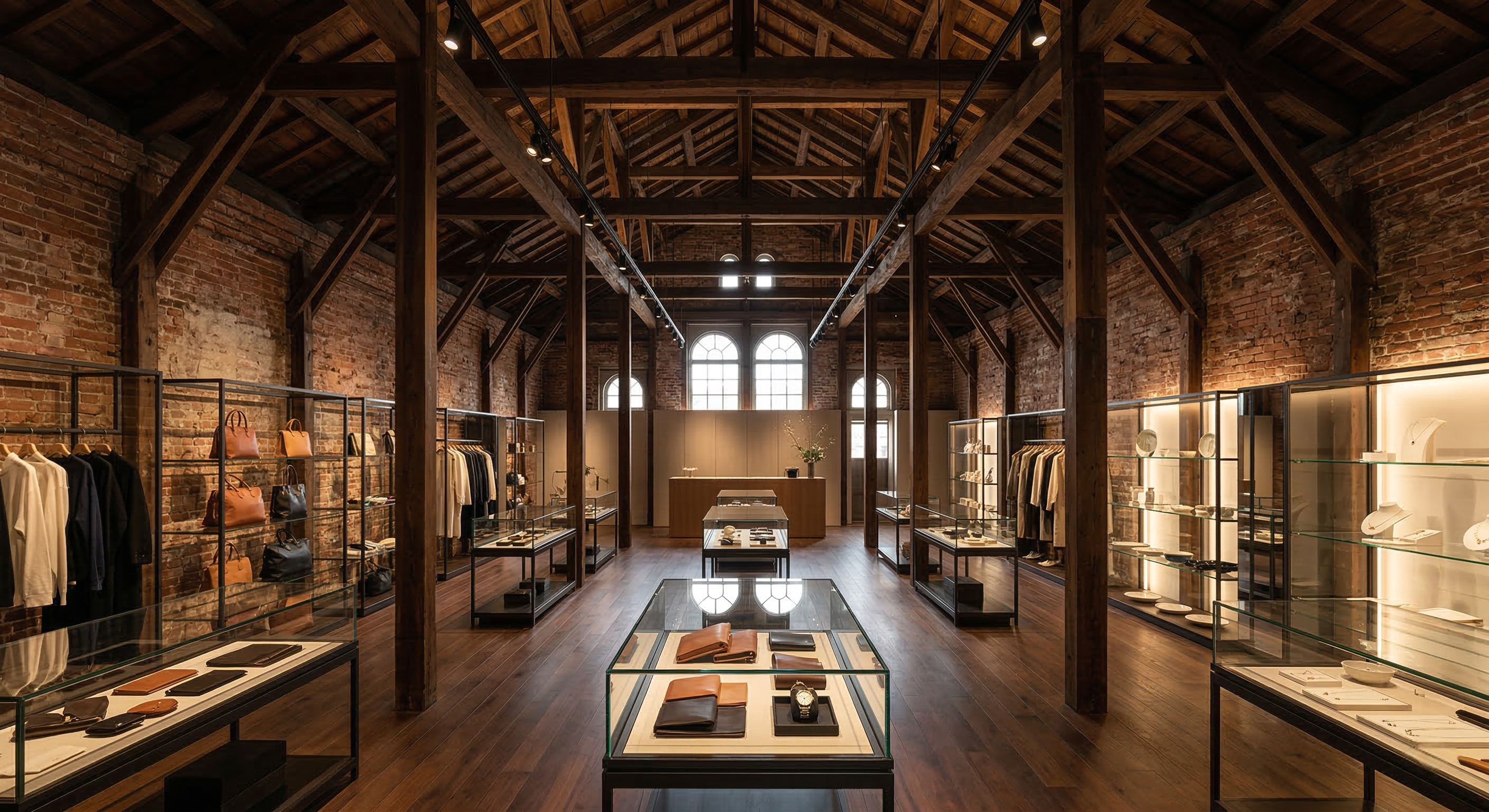
The stone warehouses that once stored vast quantities of herring and trade goods now house upscale restaurants, boutique galleries, and artisan workshops. This adaptive reuse demonstrates how historical preservation can coexist with modern luxury tourism.
| Building Type | Original Use | Current Function | Notable Features |
|---|---|---|---|
| Canal Warehouses | Commodity storage | Restaurants, shops | Northern European architecture |
| Bank Buildings | Financial services | Museums, galleries | Neoclassical design |
| Merchant Houses | Residential | Cultural centers | Traditional Japanese elements |
| Railway Facilities | Transportation | Exhibition spaces | Industrial heritage |
The Otaru Canal represents the city’s most iconic feature, serving as the centerpiece for tourism and cultural activities. This waterway, completed in 1923, originally facilitated cargo transfer between ships and warehouses.
The canal district transforms dramatically between day and night, offering two distinct experiences for luxury travelers. By day, the vintage gas lamps and stone pathways create a charming backdrop for strolls and photography.
As evening approaches, the lighting of antique gas lamps along the canal creates an enchanting atmosphere. The reflections of light on the water, combined with the historic architecture, create a romantic setting unmatched elsewhere in Hokkaido.
The canal stretches 1,140 meters, with a walking path offering continuous views of the waterway and its surroundings. Premium guided experiences can include private photography sessions, historical narratives from local experts, or exclusive access to selected buildings.
Otaru, Hokkaido, has cultivated a reputation as Japan’s premier destination for handcrafted glasswork. This tradition emerged from practical needs in fishing and oil lamp production but has evolved into a sophisticated art form.
The city hosts over 100 glass studios and galleries, ranging from small artisan workshops to major commercial operations. Watching master craftspeople shape molten glass into delicate forms provides insight into skills perfected over generations.
Notable Glass Experiences:
Beyond glasswork, Otaru, Hokkaido, maintains strong traditions in music box craftsmanship. The Otaru Music Box Museum houses thousands of pieces, from antique European imports to contemporary Japanese creations.
These specialty establishments offer experiences that transcend simple shopping. Visitors can select components and create custom music boxes, choosing from hundreds of melodies and decorative elements. The combination of visual artistry and musical mechanics creates memorable keepsakes.

The city’s culinary scene reflects its maritime heritage and Hokkaido’s exceptional agricultural bounty. Fresh seafood remains central to the dining experience, complemented by locally produced ingredients and innovative culinary techniques.
Otaru’s sushi restaurants consistently rank among Japan’s finest, offering exceptional quality that rivals Tokyo’s Tsukiji-sourced establishments. The proximity to fishing grounds ensures supreme freshness, with daily catches determining menu offerings.
Signature Seafood Items:
Premium omakase experiences at intimate sushi counters provide the ultimate culinary journey. Master chefs prepare each piece with precision, explaining the provenance and characteristics of every ingredient.
The dessert culture in Otaru, Hokkaido, reflects European influences combined with Japanese precision. Patisseries along Sakaimachi Street offer elaborate confections using Hokkaido dairy products and seasonal fruits.
Le Tao represents the city’s flagship confectionery brand, famous for double fromage cheesecakes that blend Italian mascarpone with Hokkaido cream cheese. The company operates multiple locations offering a variety of specialty items and café experiences.
| Confection Type | Key Ingredients | Best Season | Recommended Pairing |
|---|---|---|---|
| Double Fromage | Mascarpone, cream cheese | Year-round | Coffee or tea |
| Chocolate | Premium cacao, local cream | Winter | Port wine |
| Fruit Tarts | Seasonal berries, custard | Summer | Champagne |
| Shiroi Koibito | White chocolate, langue de chat | Year-round | Green tea |
Each season brings a distinct character to Otaru, Hokkaido, creating year-round appeal for discerning travelers. Understanding seasonal highlights helps optimize visit timing based on personal preferences.
In February, the city transforms into a winter wonderland during the Otaru Snow Light Path Festival. Thousands of snow lanterns and ice sculptures line the canal and historic streets, creating ethereal beauty during the coldest months.
The Otaru Tourism Association coordinates extensive winter programming, including ice bar experiences, illuminated pathway tours, and traditional winter cuisine celebrations.
Private winter experiences might include exclusive access to illuminated sites before public hours, heated canal cruises with premium sake tastings, or reservations at sought-after restaurants during peak festival periods.
Spring brings cherry blossoms to numerous parks and temple grounds throughout Otaru, Hokkaido. Temiya Park and Asari川 offer particularly beautiful hanami opportunities with fewer crowds than major cities.
Summer festivals celebrate maritime heritage with traditional boat races, seafood markets, and musical performances. The pleasantly cool Hokkaido summer offers comfortable conditions for outdoor exploration and dining.
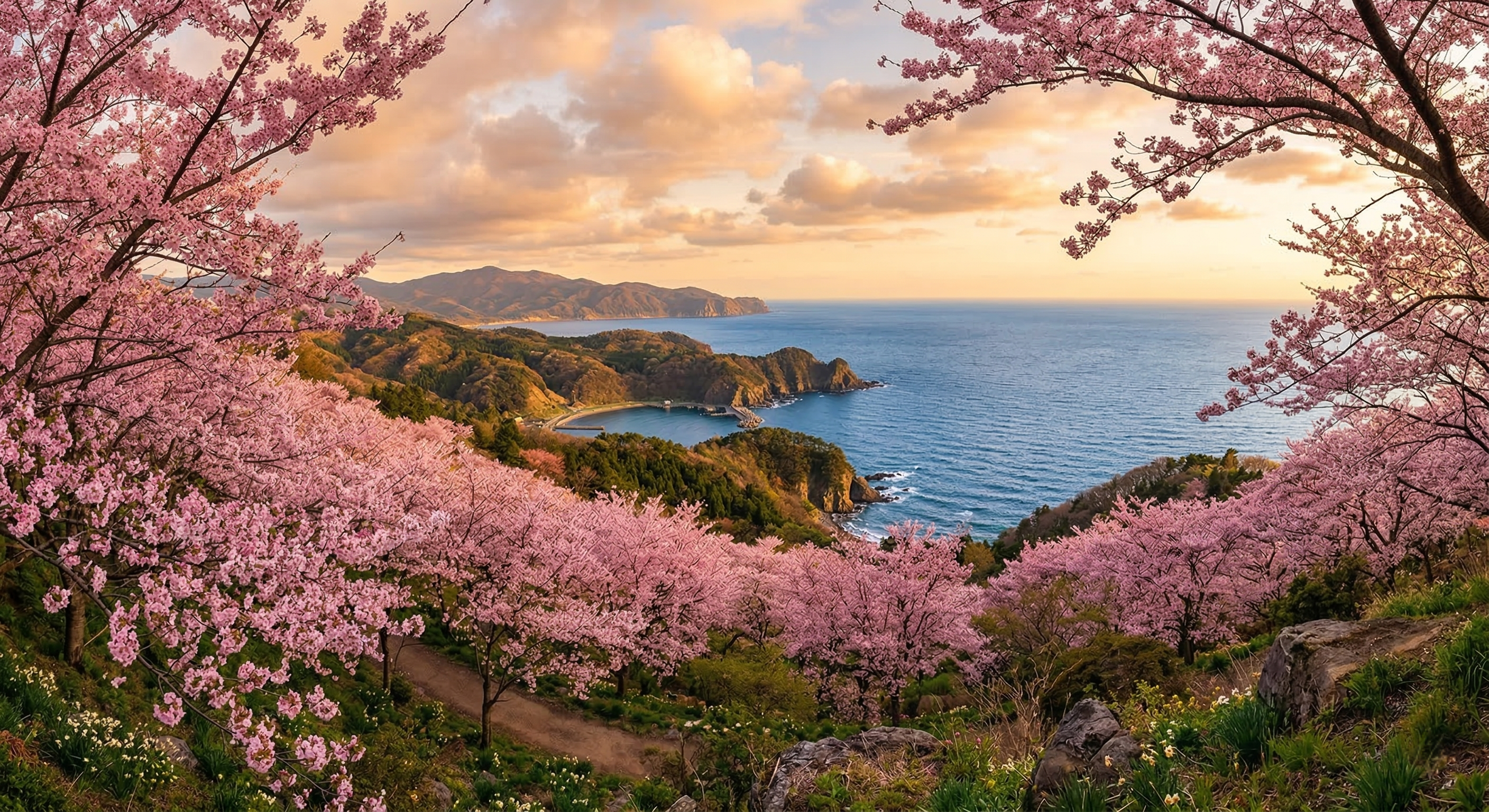
Otaru, Hokkaido, is well situated for day trips or as a base for exploring western Hokkaido. The 40-minute train journey connects the two cities efficiently, though overnight stays offer a deeper appreciation of Otaru’s atmosphere.
Multiple transportation options serve luxury travelers visiting Otaru, Hokkaido. The JR rapid train from Sapporo offers frequent service, comfortable seating, and scenic coastal views. Private car services provide flexibility and convenience, particularly for travelers with limited time or specific itinerary requirements.
The International Information Center assists visitors with navigation, reservations, and cultural insights. Multi-lingual staff can arrange exclusive experiences and address specific needs.
Premium transportation elevates the journey between destinations. Private vehicles with professional drivers familiar with local routes ensure seamless transitions while providing regional context and recommendations.
Western Hokkaido offers numerous complementary destinations near Otaru, Hokkaido. Yoichi, famous for its whisky distilleries, lies just 30 minutes away. The Shakotan Peninsula provides dramatic coastal scenery and exceptional seafood.
Recommended Extensions:
Selecting appropriate accommodations significantly impacts the Otaru Hokkaido experience. Options range from historic canal-side hotels to contemporary resorts with onsen facilities.
Several properties blend Western comfort with Japanese hospitality traditions. Rooms often feature canal views, premium bedding, and access to private onsen facilities. Breakfast services showcase local ingredients prepared with careful attention to presentation and seasonality.
Traditional ryokan provide immersive Japanese experiences with tatami rooms, kaiseki dinners, and yukata robes. Staff attention to detail ensures personalized service matching individual preferences.
Luxury travel in Otaru, Hokkaido, extends beyond standard tourism through carefully curated, exclusive experiences. Private after-hours museum access, master craftsman workshops, and chef’s table dinners create memorable moments unavailable through conventional booking channels.
The emergence as an international tourist destination has expanded premium service offerings while maintaining authentic local character. Sophisticated travelers appreciate experiences that balance exclusivity with cultural authenticity.
Sakaimachi Street is Otaru, Hokkaido’s primary shopping destination, featuring over 100 specialty stores in preserved historic buildings. Unlike commercial shopping districts elsewhere, Sakaimachi emphasizes handcrafted goods and local products.
Guided shopping tours with local experts provide context about products, artisans, and historical significance. Understanding the stories behind items transforms shopping from a transaction to a cultural exchange.
Glass studios, music box shops, sake merchants, and confectioneries line the street. Each establishment maintains a distinctive character while contributing to the cohesive district atmosphere. Private shopping experiences can include early access, personal consultations with artisans, or custom commissions.
Shopping Categories:
Understanding Otaru Hokkaido’s cultural context enriches the visitor experience beyond surface-level tourism. The city’s identity reflects complex historical influences, economic transformations, and preservation efforts that shape its contemporary character.
The National Diet Library’s digital exhibition documents Otaru’s landmarks and cultural significance through historical photographs and research materials. These resources reveal how conscious preservation decisions created today’s tourist destination.
Local organizations work continuously to maintain architectural integrity while adapting buildings for modern use. This balance between preservation and functionality demonstrates sustainable tourism development that respects heritage while meeting contemporary needs.
The city’s economic shifts and heritage preservation showcase successful adaptation strategies that other Japanese cities study as models. Converting obsolete commercial infrastructure into cultural assets created economic renewal without sacrificing historical character.
Beyond tourist areas, Otaru, Hokkaido, maintains vibrant residential neighborhoods where daily life continues with minimal influence from tourism. Visiting local markets, neighborhood cafés, and community spaces provides a perspective on contemporary life in a heritage city.
The balance between tourism development and community preservation remains delicate. Residents appreciate economic benefits while protecting neighborhood character and quality of life. Respectful visitors recognize this dynamic and engage thoughtfully with local culture.
Optimal visit planning considers seasonal factors, personal interests, and desired depth of experience. While day trips from Sapporo provide introductions, overnight stays allow fuller immersion in the city’s atmosphere and culinary offerings.
Seasonal Considerations:
| Season | Highlights | Considerations | Ideal Duration |
|---|---|---|---|
| Winter | Snow festivals, illuminations | Cold weather, crowds | 2-3 days |
| Spring | Cherry blossoms, mild weather | Variable temperatures | 1-2 days |
| Summer | Festivals, outdoor dining | Peak tourism season | 2 days |
| Autumn | Foliage, harvest cuisine | Pleasant conditions | 1-2 days |
First-time visitors typically allocate one full day for core attractions: the canal district, Sakaimachi shopping, and dinner at premium sushi establishments. Additional days enable deeper exploration of museums, artisan workshops, and surrounding areas.
Luxury travelers benefit from professional trip design that matches itineraries to specific interests. Whether prioritizing culinary experiences, cultural immersion, shopping, or photography, Otaru, Hokkaido, offers sufficient depth to satisfy specialized interests.
Private guides provide invaluable context, facilitating meaningful interactions with artisans, chefs, and cultural practitioners. This human element transforms sightseeing into a genuine cultural exchange, creating lasting memories beyond typical tourist experiences.
Otaru, Hokkaido, represents one of Japan’s most rewarding destinations for travelers seeking authentic cultural experiences within a manageable, elegant setting. The city’s successful transformation from a commercial port to a cultural destination offers lessons in heritage preservation while providing visitors with extraordinary access to Japanese craftsmanship, cuisine, and history. For discerning travelers planning a Hokkaido journey, Japan Royal Service creates bespoke Otaru experiences with private transportation, exclusive access to artisan workshops, reservations at premier dining establishments, and personalized itineraries that reveal the city’s hidden depths beyond standard tourist routes.