
LINE ID japanroyalservice
+817013781777 click here
+817013781777 click here
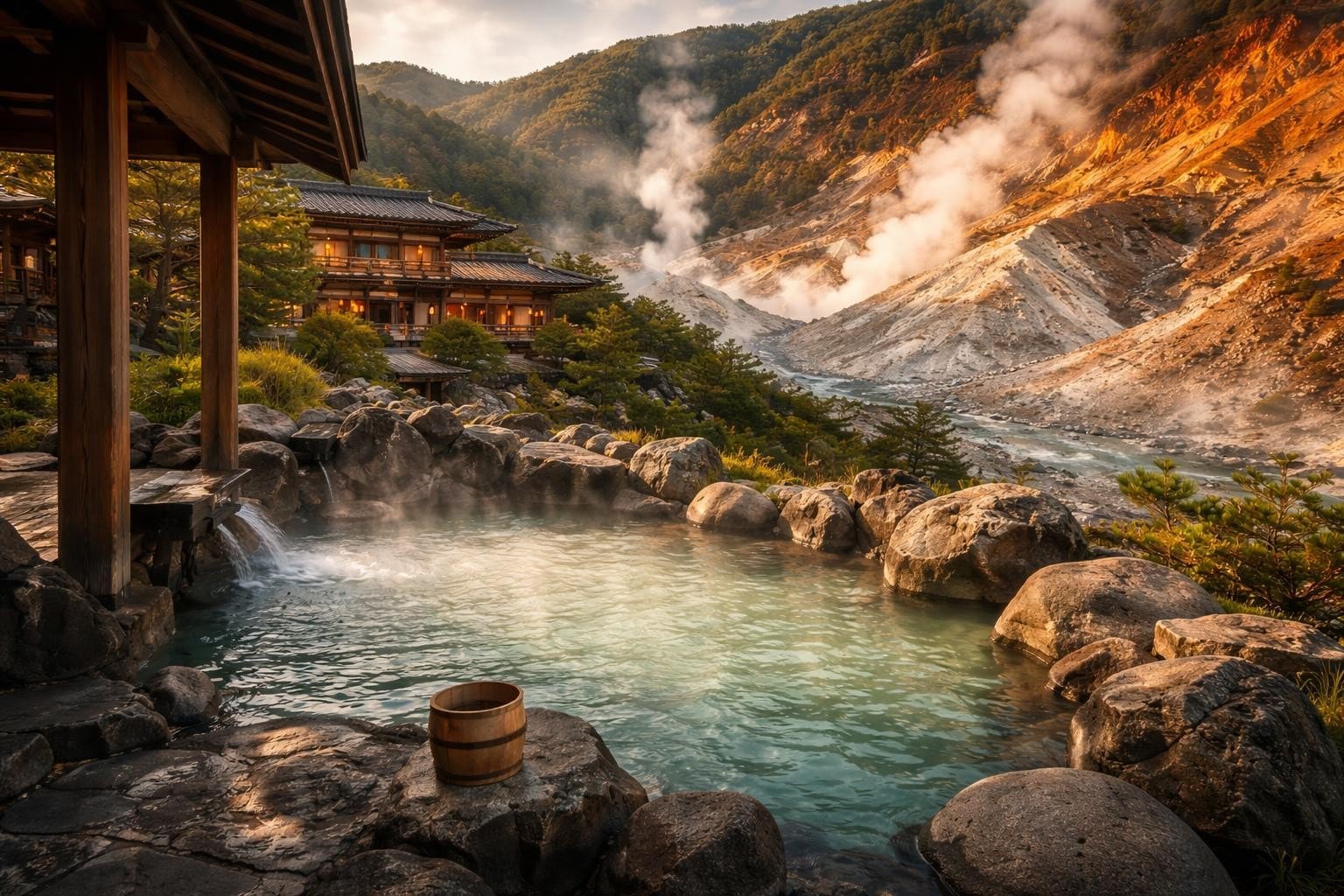
Nestled in the southwestern region of Hokkaido, Japan’s northernmost island, Noboribetsu stands as one of the country’s most celebrated hot spring destinations. This remarkable town draws discerning travelers seeking authentic thermal experiences, combining natural volcanic wonders with luxurious hospitality traditions that span over a century. The destination’s unique geological features produce nine distinct types of mineral-rich waters, making it an unparalleled wellness retreat that attracts visitors year-round. For those seeking extraordinary experiences beyond typical tourist paths, Noboribetsu’s rich history reveals layers of cultural significance, transforming a simple spa visit into an immersive journey through Japan’s thermal heritage.
The foundation of Noboribetsu’s reputation rests upon its extraordinary geological composition. The area siliesithin the Shikotsu-Toya National Park, where active volcanoes continue to shape the landscape and fuel the region’s renowned hot springs. This comprehensive overview from Britannica details how the town developed around these natural thermal resources, evolving from a remote wilderness into Japan’s premier onsen destination.
What distinguishes this destination from other thermal resorts is its remarkable diversity of water types. Each spring possesses unique mineral compositions that offer specific therapeutic benefits:
The concentration of these varied spring types within a single location remains exceptionally rare globally. This diversity allows visitors to experience multiple treatments during a single stay, creating comprehensive wellness programs that address multiple health objectives simultaneously.

Jigokudani, or Hell Valley, serves as the dramatic source of Noboribetsu’s thermal waters. This volcanic crater spans approximately 11 hectares and produces roughly 10,000 tons of hot spring water daily. Steam vents, sulfurous streams, and bubbling pools create an otherworldly landscape that captivates photographers and nature enthusiasts alike.
Walking trails wind through this geothermal wonderland, offering varying perspectives of the volcanic activity. The paths range from easy fifteen-minute strolls to longer explorations that reach additional thermal features deeper into the valley. Winter visits present a particularly striking contrast, as snow blankets the surrounding landscape while steam continues rising from the heated earth.
The hospitality infrastructure surrounding Noboribetsu’s hot springs reflects generations of refinement. Traditional ryokan establishments offer an authentic immersion into Japanese bathing culture, where meticulous attention to detail transforms every element into a ceremony. These properties feature private and communal bathing facilities, kaiseki dining experiences, and service standards that anticipate guest needs before they are articulated.
| Accommodation Type | Key Features | Ideal For |
|---|---|---|
| Traditional Ryokan | Tatami rooms, kaiseki cuisine, cultural immersion | Authentic experience seekers |
| Modern Resort Hotels | Contemporary amenities, multiple bath varieties, and international services | Comfort-focused travelers |
| Boutique Properties | Exclusive access, personalized service, intimate settings | Luxury connoisseurs |
Premium properties provide access to exclusive bathing areas with superior views and enhanced privacy. Some establishments maintain proprietary spring sources, offering water compositions unavailable in public facilities. The integration of traditional architecture with modern comfort amenities creates environments where cultural authenticity coexists with contemporary luxury expectations.
Seasonal variations significantly influence the bathing experience. Autumn foliage frames outdoor rotenburo baths in brilliant reds and golds, while winter snow creates dramatic temperature contrasts that heighten the sensory experience. Spring brings fresh mountain air infused with emerging vegetation, and summer offers extended evening bathing under clear Hokkaido skies.
The transformation of Noboribetsu from wilderness to destination reveals fascinating insights into Japanese modernization and tourism development. Indigenous Ainu populations recognized the healing properties of the thermal waters long before commercial development began. Their traditional relationship with these natural resources emphasized spiritual connection and therapeutic application, principles that continue influencing contemporary wellness philosophies.
The late nineteenth century marked significant development, as Japanese entrepreneurs recognized the springs’ commercial potential. Infrastructure improvements, including railway connections, made the remote location increasingly accessible to travelers from major population centers. By the early twentieth century, the destination had established its reputation among Japanese seeking traditional healing treatments.
Contemporary Noboribetsu balances tourism development with cultural preservation through various initiatives. The Noboribetsu City Historical Museum maintains exhibits documenting Ainu heritage, volcanic geology, and the evolution of onsen culture. These educational resources provide context that enriches visitor understanding beyond surface-level tourism.
Annual festivals celebrate regional traditions, including demon folklore connected to the area’s volcanic landscape. These cultural events offer opportunities for travelers seeking authentic local experiences beyond standard tourist activities. Participation in traditional ceremonies or seasonal celebrations adds meaningful dimensions to luxury travel itineraries.

Strategically positioned in southwestern Hokkaido, the town serves as an excellent base for exploring regional attractions. New Chitose Airport lies approximately one hour away by direct bus or private vehicle, making international access remarkably convenient. This proximity enables seamless integration into comprehensive Hokkaido itineraries that might include Sapporo, Otaru, or other destinations.
While public transportation options exist, private vehicles or arranged transfers provide superior comfort and flexibility. Premium transportation services allow spontaneous stops at viewpoints, local artisan workshops, or seasonal attractions that fixed schedules cannot accommodate. Winter conditions particularly favor professional drivers who are familiar with regional road conditions and weather patterns.
The journey between major destinations becomes part of the experience when approached thoughtfully. Hokkaido’s landscapes transition dramatically from coastal areas to volcanic regions to agricultural zones. Strategic routing maximizes scenic value while minimizing travel fatigue, ensuring a refreshed arrival at each destination rather than exhaustion.
Each season offers distinct advantages for visiting Noboribetsu, allowing travelers to align their journey with specific interests and preferences. Understanding seasonal characteristics enables more informed planning and enhanced satisfaction.
Winter (December-February)
Spring (March-May)
Summer (June-August)
Autumn (September-November)
The Noboribetsu dining experience extends far beyond standard hot spring resort fare. Hokkaido’s reputation for exceptional ingredients finds full expression in local restaurants and ryokan dining rooms. The island’s cold waters yield premium seafood, while fertile agricultural lands produce vegetables and dairy products of remarkable quality.
Kaiseki dining represents the pinnacle of Japanese culinary artistry, presenting multiple courses that reflect seasonal availability and regional characteristics. Each dish receives meticulous preparation and presentation, transforming meals into aesthetic experiences that engage all senses. Local specialties include:
Premium establishments source ingredients from specific producers known for exceptional quality. Some properties maintain relationships with individual fishermen, farmers, or artisans, ensuring consistent access to superior products. This dedication to ingredient excellence elevates dining experiences beyond generic luxury standards into truly memorable culinary journeys.

Modern wellness approaches integrate traditional onsen bathing with contemporary therapeutic modalities. Leading properties offer comprehensive programs addressing specific health objectives through customized treatment combinations. Medical professionals sometimes supervise extended wellness stays, monitoring progress and adjusting protocols based on individual responses.
The therapeutic applications of different spring types enable targeted treatment approaches:
These structured programs transform casual bathing into purposeful wellness interventions. Extended stays allow cumulative benefits to accrue, particularly for chronic conditions requiring sustained treatment. The combination of natural thermal therapy, superior nutrition, stress reduction, and professional guidance creates powerful healing environments unavailable in conventional settings.
Discerning travelers increasingly seek experiences beyond standard tourism offerings. Noboribetsu accommodates these preferences through various exclusive access opportunities. Private bathing facilities within premium properties provide complete seclusion, allowing couples or families to enjoy thermal waters without sharing space with other guests. Some establishments offer reservation-only time slots for particularly desirable bathing locations.
Beyond accommodations, customized experiences might include:
These elevated experiences require planning and coordination with local providers who maintain necessary relationships and access permissions. Professional travel services specializing in bespoke Japanese experiences possess the networks and expertise to arrange such opportunities seamlessly.
The visual appeal of volcanic landscapes, traditional architecture, and seasonal transformations makes Noboribetsu exceptionally photogenic. Serious photographers find endless subjects, from dramatic Hell Valley steam vents to intimate details of traditional bathing culture. Detailed guides to Jigokudani help identify optimal viewing locations and timing for various lighting conditions.
Seasonal considerations significantly impact photographic opportunities. Winter’s snow and steam combinations create ethereal scenes impossible during warmer months. Autumn foliage provides vibrant color contrasts against volcanic rock formations. Early morning and late afternoon light enhances landscape drama, while nighttime bathing under stars offers unique compositional possibilities.
Respectful photography practices remain essential, particularly regarding bathing facilities where privacy expectations vary by location. Public areas typically permit photography, while private or communal bathing spaces prohibit cameras entirely. Understanding these boundaries ensures compliance with local customs while still documenting memorable experiences.
Strategic itinerary planning positions Noboribetsu within comprehensive Hokkaido journeys rather than as an isolated visit. The destination pairs naturally with Sapporo’s urban sophistication, Otaru’s canal district charm, or Lake Toya’s caldera landscapes. Multi-destination itineraries create varied experiences that showcase Hokkaido’s diversity while maintaining coherent thematic connections.
Transportation logistics influence routing decisions significantly. Private vehicle arrangements provide maximum flexibility for spontaneous diversions or extended stops at compelling locations. Professional drivers familiar with regional characteristics enhance safety while providing local insights that guidebooks cannot match. Winter conditions particularly benefit from experienced navigation through potentially challenging road situations.
The comparison between Japanese thermal experiences and other global phenomena offers an interesting perspective. While some travelers seek diverse natural wonders like those exploring northern lights tours in Iceland, Noboribetsu presents an entirely different natural spectacle rooted in volcanic geothermal activity and centuries of refined hospitality tradition.
Successful visits require attention to various practical elements beyond simple accommodation bookings. Language capabilities vary among establishments, with larger properties typically maintaining English-speaking staff while smaller traditional ryokan may require Japanese communication or translator assistance. Understanding bathing etiquette prevents cultural missteps that could diminish enjoyment or cause unintended offense.
Essential preparation elements include:
The Japan National Tourism Organization’s resources provide valuable planning information for international visitors, covering everything from transportation options to seasonal event calendars. These official sources offer reliable information that helps set accurate expectations and facilitates smoother travel experiences.
While thermal bathing forms the primary attraction, numerous complementary activities enhance extended stays. The surrounding Shikotsu-Toya National Park offers hiking trails ranging from gentle walks to challenging mountain ascents. Lake Kuttara, one of Japan’s clearest bodies of water, provides serene settings for contemplation and nature observation.
| Activity Type | Season | Difficulty Level | Duration |
|---|---|---|---|
| Hell Valley Walking | Year-round | Easy | 1-2 hours |
| Bear Park Visits | Spring-Autumn | Easy | 2-3 hours |
| Lake Kuttara Hiking | Summer-Autumn | Moderate | 3-4 hours |
| Marine Park Aquarium | Year-round | Easy | 2-3 hours |
Cultural facilities provide educational dimensions to visits. Museums documenting regional history, Ainu heritage, and volcanic geology offer context that enriches understanding of the area’s significance. These intellectual pursuits complement physical relaxation, creating balanced experiences that engage both body and mind.
Seasonal festivals celebrate local traditions and folklore, often featuring dramatic performances and traditional costumes. These events provide authentic cultural encounters distinct from manufactured tourist entertainment. Participation opportunities occasionally arise, allowing travelers to engage directly rather than merely observe from the sidelines.
Noboribetsu represents the pinnacle of Japanese hot spring culture, where geological marvels meet centuries of refined hospitality tradition. Whether seeking therapeutic wellness programs, cultural immersion, or simply extraordinary relaxation, this Hokkaido destination delivers experiences that resonate long after departure. Japan Royal Service specializes in crafting personalized Noboribetsu experiences that align perfectly with your preferences, arranging exclusive access, premium accommodations, and seamless logistics that transform great trips into unforgettable journeys through Japan’s most remarkable destinations.