
LINE ID japanroyalservice
+817013781777 click here
+817013781777 click here
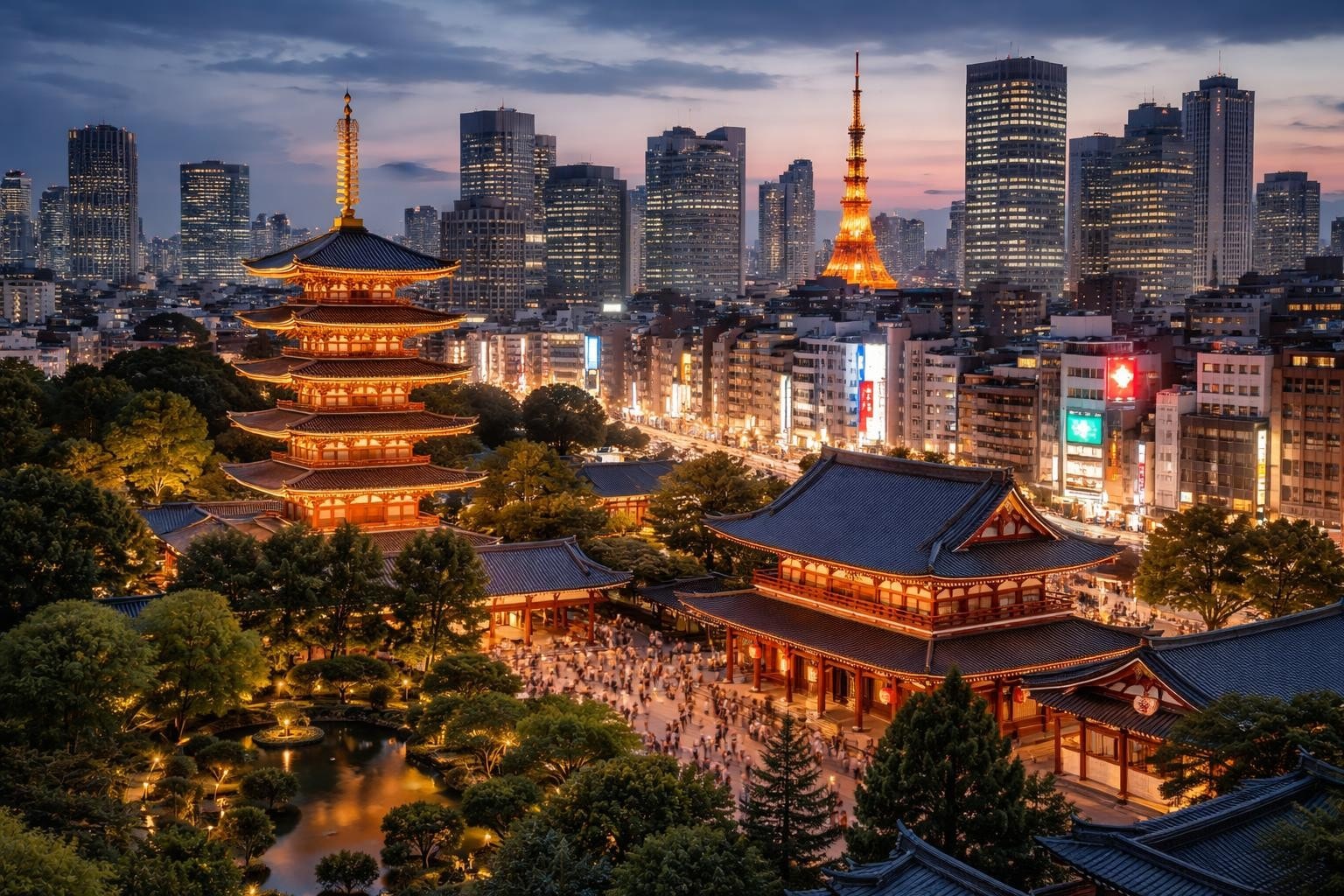
Tokyo represents a captivating fusion of ancient tradition and cutting-edge modernity, where centuries-old temples stand beside gleaming skyscrapers and tranquil gardens offer respite from bustling shopping districts. As Japan’s vibrant capital, this metropolitan masterpiece attracts discerning travelers seeking extraordinary experiences that span cultural immersion, culinary excellence, and architectural wonder. Understanding the best places to visit in Tokyo, Japan, requires more than a simple checklist-it demands insider knowledge, thoughtful planning, and access to exclusive experiences that transform a standard itinerary into an unforgettable journey.
The Asakusa district preserves Tokyo’s traditional character with remarkable authenticity. At its heart stands Sensō-ji Temple, the city’s oldest Buddhist temple, founded in 628 AD. The approach to the temple through Nakamise-dori shopping street presents visitors with over 90 shops selling traditional crafts, snacks, and souvenirs that have served pilgrims for centuries.
Key experiences in Asakusa include:
The neighborhood transforms as evening approaches, when lanterns illuminate the temple grounds, ds and fewer crowds allow for contemplative moments. Luxury travelers benefit from private guided tours that provide access to temple areas typically restricted to the publias, as well as opportunities to meet resident monks who share insights into Buddhist practices and temple history.

Nestled within a 170-acre evergreen forest in the heart of Tokyo, Meiji Jingu Shrine honors Emperor Meiji and Empress Shoken. This Shinto sanctuary provides a stark contrast to the surrounding urban landscape, offering a peaceful retreat where towering trees filter sunlight and gravel paths lead to sacred structures.
The shrine complex demonstrates traditional Japanese architectural principles through its cypress wood construction and copper roofing. Visitors pass through massive torii gates crafted from 1,500-year-old cypress trees, experiencing a gradual transition from the secular world to sacred space. Weekend visits frequently coincide with traditional Shinto weddings, providing glimpses into time-honored ceremonies that continue to shape Japanese life.
Shibuya Crossing epitomizes Tokyo’s urban energy, with thousands of pedestrians crossing simultaneously from all directions in a carefully choreographed ballet of movement. The surrounding Shibuya district pulses with fashion boutiques, entertainment venues, and dining establishments that cater to every taste and budget.
Adjacent Harajuku showcases youth culture and avant-garde fashion along Takeshita Street, while nearby Omotesando Avenue presents high-end boutiques designed by world-renowned architects. These contrasting neighborhoods illustrate Tokyo’s ability to embrace multiple identities simultaneously.
| District | Character | Best For | Optimal Visiting Time |
|---|---|---|---|
| Shibuya | Urban energy, nightlife | Shopping, dining, entertainment | Evening (5 PM – 10 PM) |
| Harajuku | Youth culture, fashion | Street style, unique boutiques | Afternoon (12 PM – 5 PM) |
| Omotesando | Sophisticated luxury | Designer shopping, architecture | Morning (10 AM – 1 PM) |
Modern Tokyo’s skyline takes on a dramatic expression through architectural landmarks such as Tokyo Skytree and Roppongi Hills. Tokyo Skytree, standing at 634 meters, offers unparalleled views across the metropolitan area and beyond. The observation decks provide perspectives that reveal Tokyo’s vast scale and intricate urban planning.
Roppongi Hills represents a complete lifestyle destination, combining residential space, offices, shopping, dining, and the Mori Art Museum. The Tokyo City View observation deck provides 360-degree panoramas, while the complex’s carefully curated retail and culinary offerings attract sophisticated visitors seeking premium experiences.
Tokyo’s gardens exemplify masterful landscape design, balancing natural elements with artistic intention. These carefully maintained green spaces provide essential breathing room within the dense urban environment.
Shinjuku Gyoen spans 144 acres and combines three distinct garden styles: Japanese traditional, English landscape, and French formal. Originally an imperial garden, this sanctuary now welcomes visitors year-round, though spring cherry blossoms and autumn foliage draw particularly large crowds.
The garden’s seasonal highlights:
Exclusive access arrangements can include private morning visits before public opening hours, accompanied by expert guides who explain the philosophical principles underlying Japanese garden design.

Hamarikyu Gardens uniquely combine traditional landscape design with tidal ponds connected to Tokyo Bay. This Edo-period garden served feudal lords and members of the imperial family before opening to the public. The tidal pools rise and fall with ocean rhythms, creating ever-changing scenery that reminds visitors of Tokyo’s coastal geography.
The garden’s teahouse, situated on an island within the pond, offers traditional matcha tea ceremonies in an authentic setting. Viewing the garden from this vantage point, with Shiodome’s modern skyscrapers forming the backdrop, perfectly captures Tokyo’s temporal duality.
While the wholesale fish market relocated to Toyosu in 2018, the Tsukiji Outer Market continues thriving with hundreds of shops and restaurants. This area represents Tokyo’s culinary heart, where professionals and enthusiasts alike source premium ingredients and enjoy unparalleled seafood preparations.
Early morning visits to Toyosu Market’s wholesale facilities require reservations but provide extraordinary insights into the global seafood trade. Watching the auction process reveals the expertise and rapid decision-making that connects Japanese waters with dining tables worldwide.
Ginza epitomizes luxury retail in Tokyo, with flagship stores from international brands lining wide boulevards. This district has maintained its upscale character since the Meiji era, when Western architectural styles first influenced Japanese construction. Weekend pedestrian zones transform main streets into pleasant walking environments where window shopping becomes an art form.
Ginza’s luxury offerings include:
Bespoke shopping experiences can include personal stylists, private viewings, and access to artisan workshops where craftspeople demonstrate centuries-old techniques.
Tokyo’s museum landscape ranges from world-class fine art institutions to quirky specialized collections that reflect Japanese passions and hobbies.
Located in Ueno Park, the Tokyo National Museum houses the world’s largest collection of Japanese art, including samurai armor, Buddhist sculptures, ukiyo-e prints, and ceremonial objects spanning millennia. The museum’s six buildings each focus on specific regions or periods, requiring multiple visits for comprehensive exploration.
Private curator-led tours provide context that transforms object viewing into cultural education. Understanding the historical significance, artistic techniques, and symbolic meanings embedded in exhibited pieces deepens appreciation for Japan’s artistic heritage.
These digital art museums represent Tokyo’s embrace of technology-enhanced experiences. TeamLab Borderless creates immersive environments where projected imagery responds to visitor movement, while TeamLab Planets incorporates water, mirrors, and other physical elements into interactive installations.
These venues challenge traditional museum concepts by eliminating barriers between artwork and observer. Visitors wade through water, walk on soft surfaces, and become part of the artwork themselves, creating Instagram-worthy moments that also provoke contemplation about art’s evolving nature.
Yanaka survived World War II bombing, preserving its shitamachi (downtown) character with narrow lanes, traditional wooden houses, and over 70 temples. This neighborhood offers authentic glimpses of Tokyo’s pre-war atmosphere, where residents maintain community bonds and traditional businesses serve multi-generational clientele.
Walking tours through Yanaka reveal hidden gardens, artisan workshops, and family-run shops selling handmade goods. The nearby Yanaka Cemetery becomes particularly beautiful during cherry blossom season, when locals gather for hanami parties beneath flowering trees.
Shimokitazawa attracts creative types with its vintage clothing shops, intimate live music venues, and independent coffee shops. The neighborhood’s resistance to large-scale redevelopment has preserved its bohemian character and human scale. Narrow streets discourage vehicular traffic, creating pedestrian-friendly environments perfect for aimless wandering and serendipitous discoveries.
This area demonstrates Tokyo’s neighborhood diversity, where distinct communities maintain unique identities despite metropolitan pressures toward homogenization. Evening visits reveal the nightlife scene, with tiny bars and theaters creating vibrant cultural exchanges.

While focusing on places to visit in Tokyo, Japan, the city’s excellent transportation connections enable rewarding day trips that complement urban experiences.
Located two hours north of Tokyo, Nikko features UNESCO World Heritage shrines and temples set against mountainous landscapes. Toshogu Shrine’s elaborate decorations contrast sharply with Tokyo’s minimalist aesthetics, showcasing different expressions of Japanese artistic sensibility. The surrounding national park offers hiking trails, waterfalls, and Lake Chuzenji.
This coastal city served as Japan’s political center during the Kamakura period (1185-1333). The Great Buddha statue, numerous temples, and beaches create diverse experiences within a compact geography. Hiking trails connecting temples wind through bamboo forests and offer panoramic coastal views.
Navigating Tokyo’s complexity requires planning, local knowledge, and, at times, professional assistance. The city’s efficient public transportation system connects all major attractions, though luxury travelers often prefer private vehicles with English-speaking drivers who navigate traffic patterns and parking challenges.
Essential travel tips:
Language barriers rarely prevent basic communication, but deeper cultural understanding requires guides who explain context, history, and significance beyond surface observations. The top attractions and hidden gems throughout Tokyo reward those who invest time in understanding their deeper meanings.
Tokyo transforms with each season, offering distinct experiences that shape what places to visit in Tokyo, Japan, and when.
| Season | Temperature Range | Highlights | Considerations |
|---|---|---|---|
| Spring | 10-20°C (50-68°F) | Cherry blossoms, pleasant weather | Crowds at popular viewing spots |
| Summer | 25-35°C (77-95°F) | Festivals, fireworks | High humidity, occasional typhoons |
| Autumn | 15-25°C (59-77°F) | Fall foliage, comfortable temperatures | Popular season with higher prices |
| Winter | 0-10°C (32-50°F) | Winter illuminations, fewer tourists | Cold but generally dry |
Understanding seasonal patterns helps travelers align their interests with the optimal time to visit. Cherry blossom forecasts begin circulating in January, allowing precise trip planning for this iconic Japanese experience. Similarly, autumn foliage predictions help schedule visits to gardens and temples when natural beauty peaks.
Tokyo’s public transportation achieves legendary efficiency and reliability. The subway system comprises 13 lines operated by two companies, while JR East operates commuter rail lines, including the circular Yamanote Line, which connects major stations. IC cards like Suica or Pasmo simplify fare payment across all systems.
For first-time travelers navigating Tokyo independently, smartphone apps provide real-time route planning in English. However, luxury travelers often prefer private car services that eliminate navigation stress, provide climate-controlled comfort, and allow flexible itinerary adjustments without worrying about last trains or crowded platforms.
Premium transportation options include vehicles equipped with WiFi, refreshments, and multi-lingual drivers who serve as informal guides. This approach particularly benefits families with children, seniors with mobility needs, and anyone who values privacy and personalized service over public transit efficiency.
Respecting local customs enhances experiences and demonstrates cultural appreciation. Basic etiquette includes removing shoes when entering homes, temples, and traditional restaurants; bowing when greeting or thanking someone; and speaking quietly in public spaces.
Dining etiquette specifics:
Understanding these customs prevents awkward situations and opens doors to genuine cultural exchanges. Many Tokyo residents appreciate foreign visitors who attempt Japanese phrases and demonstrate awareness of local practices.
Tokyo offers exceptional luxury accommodations ranging from traditional ryokan to ultra-modern hotels with cutting-edge technology. Properties such as Aman Tokyo, Four Seasons Otemachi, and Peninsula Tokyo offer Western comfort alongside Japanese aesthetic sensibilities and service excellence.
Traditional ryokan experiences, while less common in Tokyo than in cities like Kyoto, offer opportunities to sleep on tatami mats, enjoy kaiseki dinners, and experience Japanese hospitality in intimate settings. These properties often limit guest numbers, ensuring personalized attention and tranquil atmospheres despite their urban locations.
Bespoke travel services coordinate every detail, from airport transfers to restaurant reservations to guided experiences tailored to specific interests. Whether focusing on architecture, cuisine, traditional arts, or contemporary culture, customized itineraries ensure efficient time use and access to experiences unavailable to independent travelers.
Tokyo’s remarkable diversity ensures that places to visit in Tokyo, Japan, satisfy every interest, from ancient spiritual sites to cutting-edge technology showcases, from tranquil gardens to vibrant entertainment districts. With proper planning and local expertise, travelers experience the city’s full spectrum while avoiding common pitfalls and crowds. Japan Royal Service creates bespoke Tokyo experiences that combine iconic landmarks with exclusive access to hidden gems, supported by luxury transportation and expert guides who reveal the stories behind the sights. Contact our team to design your personalized Tokyo journey that transforms standard tourism into unforgettable cultural immersion.