
LINE ID japanroyalservice
+817013781777 click here
+817013781777 click here
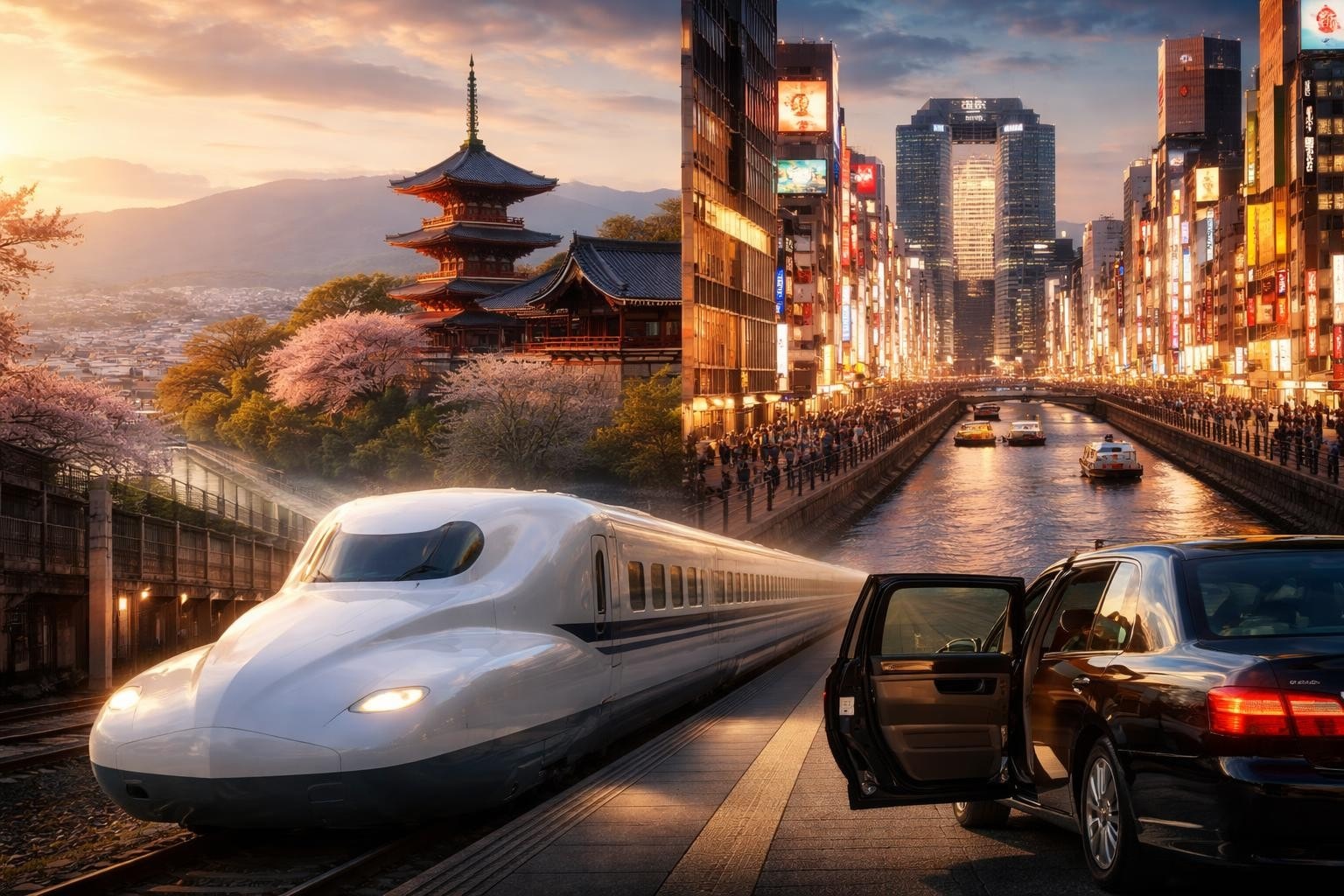
The journey from Kyoto to Osaka represents more than a simple commute between two cities. This route connects Japan’s ancient cultural capital with its vibrant commercial heart, offering discerning travelers the opportunity to experience the best of both worlds. Whether you’re planning a day trip or incorporating both destinations into a comprehensive Kansai region itinerary, understanding your transportation options ensures a seamless, luxurious experience that maximizes your valuable time in Japan.
The distance between these two iconic cities spans approximately 50 kilometers, making them ideal companions for an extended visit to the Kansai region. The proximity allows travelers to base themselves in one location while easily exploring the other, or to split their accommodations between both destinations for a more immersive experience.

Modern infrastructure has transformed the route between Kyoto and Osaka into one of Japan’s most accessible intercity connections. Multiple transportation networks serve this corridor, each offering distinct advantages in terms of speed, comfort, cost, and scenic value. The range of transportation options between Kyoto and Osaka includes rapid rail services and private chauffeur-driven vehicles.
Kyoto preserves Japan’s imperial legacy through its UNESCO World Heritage sites, traditional ryokan accommodations, and kaiseki dining experiences. Osaka delivers contemporary Japanese culture through its innovative culinary scene, modern architecture, and dynamic entertainment districts.
Together, these cities offer a balanced perspective on Japan’s evolution from a historical powerhouse to a modern economic leader. Sophisticated travelers recognize that experiencing both destinations within a single journey offers invaluable cultural depth.
Selecting the right mode of transport depends on your priorities: time efficiency, comfort level, privacy, flexibility, or authentic Japanese travel experiences. Each option presents unique benefits for different travel styles and schedules.
The Tokaido Shinkansen represents Japan’s legendary bullet train service, connecting Kyoto Station to Shin-Osaka Station in approximately 13-15 minutes. This remarkable engineering achievement delivers unparalleled speed while maintaining exceptional safety standards and punctuality.
Key advantages of Shinkansen travel:
For Japan Rail Pass holders traveling from Kyoto to Osaka, the Hikari and Kodama trains provide covered passage, though the ultra-fast Nozomi trains require supplementary payment. Standard reserved seats cost approximately ¥3,220, while Green Car accommodations elevate the experience with wider seats and reduced passenger density.
The JR Tokaido Line offers Special Rapid services that complete the journey in roughly 28-30 minutes, providing an economical alternative to the Shinkansen. These trains serve multiple stations along the route, providing access to intermediate destinations such as Takatsuki and Ibaraki.
Private railway companies also operate premium limited express services. The Hankyu Railway connects Kawaramachi in central Kyoto to Umeda in Osaka in approximately 43 minutes, while the Keihan Railway links Gion-Shijo to Yodoyabashi in about 48 minutes. These alternatives often deliver superior convenience for travelers whose accommodations or destinations align with their station networks.
| Transportation Option | Duration | Cost Range | Best For |
|---|---|---|---|
| Shinkansen (Nozomi) | 13 minutes | ¥3,220+ | Maximum speed, tight schedules |
| JR Special Rapid | 28-30 minutes | ¥570 | JR Pass holders, budget-conscious |
| Hankyu Railway | 43 minutes | ¥400 | Central Kyoto to the Umeda area |
| Keihan Railway | 48 minutes | ¥420 | Gion area to the business districts |
| Private Transfer | 60-90 minutes | ¥25,000+ | Privacy, luggage, custom routing |
For discerning travelers who prioritize comfort, privacy, and flexibility, private chauffeur-driven transfers transform the Kyoto-to-Osaka journey into a curated experience. Professional drivers navigate the route while passengers enjoy climate-controlled luxury vehicles equipped with amenities tailored to individual preferences.
Benefits of private transportation include:
Private services particularly excel when traveling with elderly companions, young children, or substantial shopping acquisitions from Kyoto’s artisan districts. The ability to customize your route allows you to stop at attractions along the way, such as historic castle towns or scenic viewpoints overlooking the Kansai plains.
Understanding the temporal dynamics of the Kyoto-Osaka corridor helps optimize your travel experience. Peak travel periods, seasonal considerations, and daily traffic patterns all influence journey quality and efficiency.
Weekday morning rush hours (7:30-9:00 AM) and evening commutes (5:00-7:00 PM) see significant passenger volumes on all rail services. Business travelers and students fill carriages during these windows, potentially reducing comfort levels on unreserved seating.

Optimal travel windows include:
The cherry blossom season (late March to early April) and the autumn foliage period (November) bring exceptional tourist volumes to Kyoto. Planning transportation between Kyoto and Osaka during peak seasons requires reservations, particularly for Shinkansen Green Car seats and private transfer services.
Many travelers debate whether to base themselves in a single city to explore both cities or to relocate their accommodations midway through their Kansai visit. Each approach offers distinct advantages depending on your travel style and priorities.
Single-base advantages:
Split-stay benefits:
For comprehensive Kansai exploration, alternative lodging options between Kyoto and Osaka, such as Otsu, offer peaceful retreats with convenient access to both destinations.
Both Kyoto and Osaka feature multiple stations serving different railway networks and districts. Understanding this complexity prevents confusion and ensures efficient navigation, particularly for first-time visitors to the Kansai region.
Kyoto Station serves as the primary terminus for Shinkansen services and JR conventional lines. This architectural landmark combines transportation hub functionality with shopping complexes, restaurants, and hotels within a stunning glass-and-steel structure.
Alternative departure points include Kawaramachi Station for Hankyu Railway services and various Keihan Line stations throughout eastern Kyoto, including Gion-Shijo and Sanjo. Selecting your departure station based on accommodation location minimizes preliminary travel time and simplifies luggage transport.
Unlike Kyoto’s centralized station, Osaka distributes arrival points across several major terminals. Shin-Osaka Station serves Shinkansen passengers, situated slightly north of the downtown core. Most visitors require a brief local train ride to reach central destinations such as Umeda, Namba, or Dotonbori.
For those seeking detailed routes from Kyoto to specific Osaka districts, understanding the connection between arrival stations and final destinations proves essential. The Hankyu Line terminates at Umeda Station in northern Osaka, while Keihan services reach Yodoyabashi and can connect to southern districts through the subway network.
| Osaka District | Best Arrival Station | Transfer Requirements | Travel Time from Kyoto |
|---|---|---|---|
| Umeda/Kita | Osaka Station (JR) | None from Kyoto Station | 30 minutes |
| Namba/Minami | Namba Station | One transfer via subway | 50-60 minutes |
| Dotonbori | Namba Station | One transfer via subway | 50-60 minutes |
| Business District | Shin-Osaka | None via Shinkansen | 15 minutes |
| Tennoji | Tennoji Station | Direct JR service | 45 minutes |
The journey from Kyoto to Osaka offers opportunities beyond mere transportation. Thoughtful planning transforms transit time into valuable experiences that enhance your overall Japan adventure.
Highway-based private transfers can include stops at intermediate attractions that are not easily accessible by rail. The route passes near several worthwhile detours for travelers not constrained by rigid schedules.
Notable intermediate destinations include:
These additions transform a simple transfer into a half-day tour, particularly valuable for travelers looking to make the most of their time in the Kansai region. Private services accommodate these flexible itineraries without the complexity of managing multiple train connections with luggage.
Both departure and arrival stations house exceptional dining opportunities. Kyoto Station’s restaurant floor showcases regional specialties ranging from traditional kaiseki to contemporary fusion cuisine, while Osaka’s stations serve as gateways to the city’s renowned food culture.
For those traveling during meal times, the transportation information from official Kyoto sources helps coordinate dining plans with transit schedules. Station-area restaurants often offer superior quality to on-train food services, and taking the time for a proper meal enhances the overall journey experience.

Japanese transportation excels in many areas, but luggage storage can sometimes pose a challenge for Western travelers accustomed to different standards. Shinkansen trains provide overhead racks and space behind the last row of seats in each car, yet these fill quickly during peak travel periods.
Effective luggage solutions include:
Premium travelers often prefer luggage forwarding services, which collect bags from Kyoto accommodations in the morning and deliver them to Osaka hotels by evening. This service, costing approximately ¥2,000-3,000 per bag, provides the freedom to explore during the day without burden.
Various rail passes offer potential savings for travelers making multiple journeys throughout the Kansai region. Evaluating these options requires calculating your specific itinerary’s transportation costs against pass prices.
The nationwide Japan Rail Pass covers most JR services on the Kyoto to Osaka route, including the Hikari and Kodama Shinkansen trains. However, the fastest Nozomi services require supplementary payment. For travelers holding JR Passes, the time difference between Hikari (15 minutes) and Nozomi (13 minutes) rarely justifies additional expense.
Pass-worthy scenarios include:
The Kansai Area Pass and Kansai Wide Area Pass provide economical options for travelers focusing exclusively on this region. These passes cover JR conventional lines between Kyoto and Osaka, though not Shinkansen services, and include access to Nara, Kobe, and other Kansai destinations.
Private railway companies offer their own pass products, such as the Hankyu Tourist Pass and Keihan Sightseeing Pass. These specialized options benefit travelers whose itineraries align closely with specific railway networks and station locations.
The Kyoto to Osaka corridor experiences varying demand throughout the year, influenced by seasonal attractions, festivals, and cultural events that draw both domestic and international visitors.
Late March through early April transforms Kyoto into Japan’s premier hanami destination. Increased visitor volumes affect all transportation options, with Shinkansen reserved seats and private transfer services booking weeks in advance. The fastest and most economical travel methods remain consistent, but availability requires earlier planning during peak cherry blossom weeks.
Osaka simultaneously celebrates sakura season, though not as intensely as Kyoto. Strategic travelers often base themselves in Osaka during peak periods, enjoying lower accommodation costs while making day trips to Kyoto’s famous viewing sites.
November brings spectacular autumn colors to Kyoto’s temple gardens and the approaches to the mountains. This season rivals the cherry blossom period in visitor numbers, again impacting transportation availability and pricing for premium services.
Both cities host numerous festivals throughout the year, from Kyoto’s Gion Matsuri in July to Osaka’s Tenjin Matsuri. These events create localized transportation surges on specific dates, requiring advance awareness and booking for affected travel days.
The Kyoto-Osaka route serves significant business travel demand, as corporations maintain operations in both cities. Understanding business traveler needs helps optimize this journey for professional purposes.
Morning meetings in Osaka commonly draw Kyoto-based professionals, making early Shinkansen services particularly crowded with business travelers. Reserved seating ensures punctual arrival for critical appointments, while Green Car accommodations provide quiet spaces for final preparation or confidential phone calls.
Return journeys often take place during the evening rush hour, when unreserved carriages are overcrowded with commuters. Business travelers benefit from reserved seating or private transfers that turn travel time into productive work sessions, with Wi-Fi connectivity and privacy for sensitive discussions.
Many business travelers extend Kansai trips to include leisure components, experiencing Kyoto’s cultural attractions before or after Osaka meetings. This combination maximizes travel investment while providing cultural enrichment beyond conference rooms and office towers.
Private chauffeur services particularly excel for these hybrid itineraries, seamlessly transitioning from business-appropriate vehicles for professional appointments to tourist-oriented transportation for cultural exploration. Professional drivers understand both corporate punctuality requirements and the flexibility needs of leisure travelers.
Modern technology simplifies travel planning and execution between Kyoto and Osaka through various digital platforms and services. Leveraging these tools enhances convenience and ensures a smooth journey.
Japan’s railway companies offer smartphone applications providing real-time schedules, platform information, and digital ticketing options. Hyperdia and Google Maps deliver accurate route planning, including multiple transportation modes and transfer guidance.
Digital ticketing through Shinkansen Ticket Office applications or Smartex eliminates physical ticket counter queues, particularly valuable during peak travel periods. These platforms also facilitate last-minute changes when schedules shift unexpectedly.
Shinkansen Green Car seats and private transfer services both benefit from reservations, particularly during high-demand periods. Most premium services accept bookings three to six months in advance, enabling integration with overall trip-planning timelines.
For comprehensive Kansai exploration, including specialized experiences, Japan Royal Service offers curated options that provide access to exclusive arrangements not available through standard booking channels.
Japan’s transportation infrastructure increasingly accommodates travelers with mobility challenges, families with young children, and those requiring special assistance. Understanding available services ensures that all travelers can navigate the journey from Kyoto to Osaka comfortably.
Shinkansen trains feature wheelchair-accessible seating areas with dedicated spaces and nearby accessible restrooms. Station staff provide boarding assistance, including portable ramps for platform-to-train transitions. Advance notification through reservation systems ensures appropriate preparations.
Kyoto and Osaka stations both offer barrier-free routes between platforms and street level, though the complexity of major terminals sometimes requires guidance. Station staff typically speak functional English and respond helpfully to assistance requests.
Families traveling with young children appreciate the spaciousness and restroom facilities available on Shinkansen services. Some trains feature dedicated family seating areas or multi-purpose rooms for nursing mothers and childcare needs.
Private transfers are often the most practical option for families with strollers, car seats, and substantial baby equipment. Door-to-door service eliminates the challenges of navigating crowded stations while carrying children and belongings.
Successfully navigating from Kyoto to Osaka represents a gateway to experiencing the best of Japan’s Kansai region, where ancient traditions and modern innovation coexist in fascinating harmony. Whether you prioritize speed, comfort, cultural immersion, or flexibility, the transportation options connecting these two iconic cities accommodate every preference and travel style. For discerning travelers seeking seamless, luxurious experiences throughout Japan, Japan Royal Service specializes in creating bespoke itineraries that combine premium transportation with exclusive cultural access, ensuring every aspect of your Kansai journey exceeds expectations.