
LINE ID japanroyalservice
+817013781777 click here
+817013781777 click here
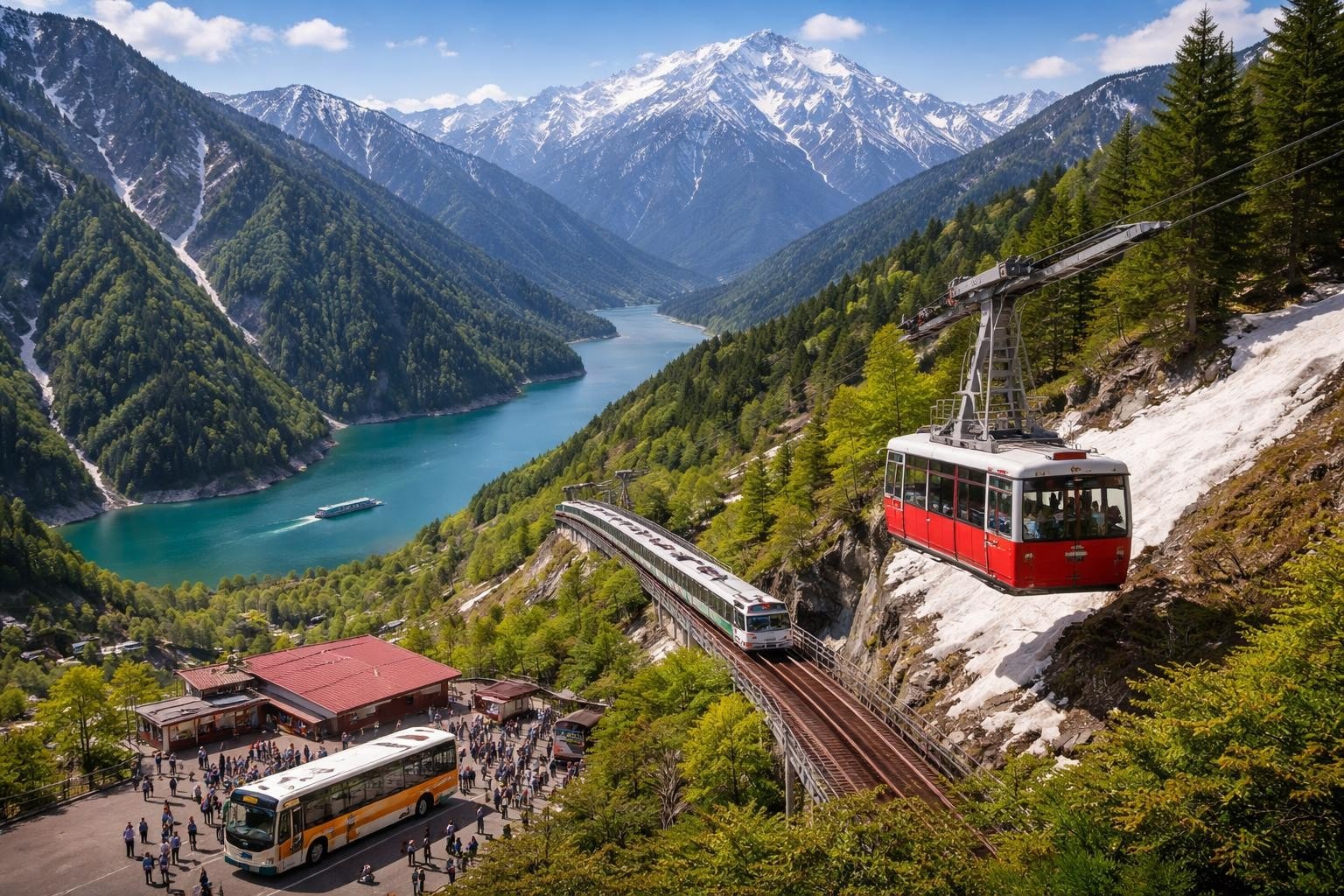
The Tateyama Kurobe Alpine Route stands as one of Japan’s most spectacular mountain traverses, offering an unparalleled journey through the Northern Alps. This 37-kilometer route connects Toyama Prefecture with Nagano Prefecture, utilizing six different modes of transportation to navigate dramatic elevation changes and pristine alpine landscapes. For discerning travelers seeking authentic Japanese experiences beyond the typical tourist trail, the Kurobe Alpine Adventure presents a perfect blend of natural wonder, engineering marvels, and seasonal transformations that few destinations can match.
Understanding the operational calendar is essential for any Kurobe Alpine expedition. The route operates seasonally, typically opening from mid-April through late November, with exact dates varying annually based on snow conditions and weather patterns. Spring visitors encounter the famous snow walls at Murodo, while autumn travelers witness brilliant foliage across mountain valleys.
Each season transforms the alpine corridor into a distinct experience. The spring opening period from mid-April through June features the iconic Yuki-no-Otani snow corridor, where walls reach heights of 20 meters. Summer months offer comfortable temperatures and clear mountain views ideal for photography and hiking. Autumn delivers spectacular color gradients across elevations, creating layered landscapes of crimson, gold, and evergreen.
Winter closure allows maintenance crews to prepare infrastructure and assess snow conditions. This downtime ensures safety and optimal visitor experiences during operational months. Booking becomes crucial during peak periods, particularly the spring opening weeks, when international visitors converge to witness the snow walls.

The Kurobe Alpine Traverse employs six distinct transportation systems, each engineered for specific terrain challenges. This multi-modal approach transforms the journey into an experience that showcases Japanese precision engineering while minimizing environmental impact on fragile alpine ecosystems.
| Transport Mode | Section | Duration | Key Feature |
|---|---|---|---|
| Cable Car | Tateyama Station to Bijodaira | 7 min | Rapid elevation gain |
| Highland Bus | Bijodaira to Murodo | 50 min | Snow wall corridor |
| Tunnel Trolleybus | Murodo to Daikanbo | 10 min | Through the mountain interior |
| Ropeway | Daikanbo to Kurobedaira | 7 min | Panoramic valley views |
| Cable Car | Kurobedaira to Kurobe Dam | 5 min | Steep descent |
| Electric Bus | Kurobe Dam to Ogizawa | 30 min | Lakeside route |
Beginning at Tateyama Station, the cable car ascends through dense forest, covering 500 vertical meters in 7 minutes. This entirely underground system protects the mountain landscape while delivering passengers to Bijodaira Station. The engineering achievement represents Japan’s commitment to preserving natural beauty while enabling visitor access.
At Bijodaira, travelers board highland buses that navigate hairpin turns, ascending to Murodo at 2,450 meters. During spring, this section passes through the famous snow walls, creating a surreal corridor where buses appear miniature against towering white cliffs.
The tunnel trolleybus section through Mount Tateyama showcases another engineering marvel. Operating entirely on electricity, these vehicles traverse 3.7 kilometers through the mountain, maintaining comfortable temperatures regardless of external weather conditions. Windows in the mountain’s rock offer glimpses of its geological layers, revealing the volcanic and sedimentary history of the Japanese Alps.
The ropeway segment from Daikanbo to Kurobedaira provides the journey’s most dramatic visual moment. Moving 500 meters vertically without support towers, the cabin offers unobstructed 360-degree views of the Kurobe Valley, Mount Tsurugi, and distant peaks stretching toward the Sea of Japan.
Situated at 2,450 meters in elevation, Murodo is the highest point on the Kurobe Alpine Route and the most developed station. This alpine plateau serves as a base for multiple hiking trails, geological sites, and seasonal attractions that justify extended stops for travelers seeking deeper mountain immersion.
Mikurigaike Pond ranks among Japan’s highest-elevation volcanic lakes, with its emerald waters reflecting Mount Tateyama’s peaks on calm days. The one-hour loop trail around the pond passes sulfurous vents and alpine flora unique to this elevation. Geothermal activity maintains portions of the shoreline ice-free even during winter months.
Jigokudani Valley, meaning “Hell Valley,” is named for volcanic gases emerging from fissures in the mountainside. Wooden walkways guide visitors through this active geothermal zone where temperatures contrast sharply with the surrounding alpine air. The sulfur smell and hissing vents create an otherworldly atmosphere reminiscent of Japan’s volcanic origins.
The Tateyama Sanzan peaks form a sacred trinity in mountain worship traditions. These three peaks-Oyama, Onanjiyama, and Fuji-no-Oritate-have attracted pilgrims for centuries. Modern hiking routes maintain this spiritual heritage while accommodating recreational mountaineers.
Hotel Tateyama at Murodo provides Japan’s highest-elevation hotel accommodation, offering western- and Japanese-style rooms with mountain views. The hotel’s restaurant emphasizes local Toyama ingredients, including mountain vegetables and regional preparations that connect culinary experiences with the surrounding landscape.
For luxury travelers seeking exclusive experiences, private dining arrangements can showcase kaiseki courses adapted for altitude, where chefs modify traditional preparations to account for atmospheric pressure effects on cooking. These personalized dining experiences elevate the Kurobe Alpine journey beyond standard tourism.

The route’s eastern terminus features the Kurobe Dam, Japan’s tallest dam at 186 meters. Completed in 1963 after seven years of challenging construction, this concrete arch dam created Kurobe Lake while generating significant hydroelectric power for central Japan’s development boom.
The dam’s construction history reveals human determination against mountain obstacles. Workers faced extreme conditions, including avalanches and rock bursts, while excavating tunnels and establishing foundation structures. The project required developing new construction techniques still employed in modern Japanese civil engineering.
A memorial observatory chronicles these construction challenges through photographs, equipment displays, and personal accounts from workers who spent months in mountain isolation. For visitors interested in Japan’s post-war modernization, the dam represents a pivotal infrastructure achievement that enabled economic expansion.
From late June through mid-October, the dam performs daily water releases, creating a dramatic 186-meter cascade down the dam face. The spray generates rainbows on sunny days, making this scheduled event a photographic highlight. The Japan National Tourism Organization notes these releases attract thousands of visitors during peak season, warranting strategic timing for those seeking less crowded viewing experiences.
The Kurobe Alpine Route connects two distinct regions of central Japan, each offering unique cultural and natural attractions beyond the mountain traverse itself. Strategic planning allows travelers to combine alpine experiences with broader regional exploration.
Approaching from Toyama Prefecture provides access to Toyama City’s cultural attractions, traditional crafts, and coastal landscapes along Toyama Bay. The region’s pharmaceutical heritage, stemming from centuries of traditional medicine production, manifests in museums and artisan workshops worth exploring. Rich experiences through the Japanese Alps extend beyond the alpine route to include coastal valleys and mountain villages.
Tateyama Town serves as the western gateway, offering hot spring resorts and traditional inns where travelers can prepare for mountain adventures or recover afterward. These establishments offer kaiseki dining, onsen experiences, and personal service that epitomize Japanese hospitality.
The eastern approach through Nagano Prefecture connects with Omachi City and the broader Nagano region, famous for 1998 Winter Olympics venues, wasabi cultivation, and Shinshu soba traditions. This side offers diverse cultural perspectives and culinary specialties that complement the Kurobe Alpine Traverse.
Post-mountain relaxation opportunities include numerous onsen towns, where hot spring bathing eases hiking fatigue and provides intimate contact with residents. These towns maintain traditional architecture and lifestyle patterns that are increasingly rare in urban Japan.
While the standard Kurobe Alpine Traverse requires no hiking, multiple trail options allow adventurous travelers to explore alpine zones more intimately. These range from 30-minute nature walks to multi-day mountaineering expeditions requiring technical skills and proper equipment.
Technical mountaineers tackle Mount Tsurugi (2,999 meters) and Mount Tateyama (3,015 meters) via routes requiring overnight stays at mountain huts. These expeditions demand proper equipment, weather monitoring, and mountaineering experience. Guided services through specialized outfitters ensure safety while maximizing summit success rates. The summer months from July through September provide the most stable weather windows for peak attempts. Even then, afternoon thunderstorms and rapidly changing conditions require flexible planning and early morning starts.

Mountain dining options span from basic cafeteria fare to sophisticated preparations showcasing regional ingredients. The Kurobe Alpine Route’s elevation and remoteness create logistical challenges that make quality dining experiences particularly noteworthy achievements.
Toyama Bay seafood appears in mountain restaurants despite the distance from the ocean waters. White shrimp, firefly squid, and yellowtail are prepared in special ways to preserve their delicate flavors during mountain transport. These coastal-mountain connections exemplify Japanese culinary ingenuity in bridging geographical distances.
Shinshu beef from Nagano Prefecture features in higher-end dining options, particularly at Hotel Tateyama, where chefs prepare sukiyaki and shabu-shabu courses adapted to the altitude. The beef’s marbling and flavor intensity remain unchanged at higher elevations, though cooking times adjust for the differences in atmospheric pressure.
Mountain vegetables, including sansai (wild mountain vegetables), appear seasonally and are harvested from the slopes surrounding the route. Fiddlehead ferns, bamboo shoots, and wild mushrooms are tempuraed and featured in simmered dishes that highlight their natural flavors.
Restaurant capacity at mountain stations remains limited, creating long queues during peak hours. Luxury travelers benefit from pre-arranged dining reservations or packed lunch services featuring elevated preparations beyond standard bento boxes. These might include artisan rice balls, seasonal vegetables from Kyoto suppliers, and locally crafted sweets.
The Kurobe Alpine Route delivers exceptional photographic subjects across elevations, seasons, and weather conditions. Understanding optimal timing and positions elevates casual snapshots into portfolio-worthy images that capture the essence of the Japanese Alps.
| Location | Best Time | Subject |
|---|---|---|
| Yuki-no-Otani | April-May mornings | Snow wall height comparison |
| Daikanbo Observatory | Afternoon clear days | Valley panorama |
| Mikurigaike Pond | Early morning calm | Mountain reflections |
| Kurobe Dam | Post-release | Rainbow formation in mist |
Weather variability requires patience and flexibility. Mountain fog can obscure views within minutes, yet also creates atmospheric conditions for moody landscape work. Sunrise photography requires overnight stays at Murodo, providing access to the dawn light when most day visitors remain in valley accommodations.
Transforming the standard Kurobe Alpine Traverse into an exclusive luxury experience requires strategic planning, private arrangements, and attention to comfort details that standard tourism overlooks. Discerning travelers appreciate enhancements that respect their time while deepening cultural and natural connections.
While public transit serves most visitors adequately, private vehicle services to route terminals eliminate crowd navigation and schedule constraints. Luxury sedans with English-speaking drivers provide door-to-door service from hotels in Tokyo, Kyoto, or regional cities, allowing travelers to depart according to personal schedules rather than tour operator timelines.
Helicopter transfers represent the ultimate luxury option, weather permitting. These flights bypass ground transportation entirely, delivering passengers directly to Murodo while providing aerial perspectives impossible from standard routes. Environmental regulations limit helicopter operations, making advance coordination essential.
Private mountain guides transform the experience from sightseeing into deep cultural and natural education. These professionals explain geological formations, identify alpine flora and fauna, share historical construction details, and adjust pacing to individual fitness levels and interests. Their knowledge extends beyond factual information into storytelling that contextualizes the landscape within Japanese cultural traditions.
For those who appreciate the kind of bespoke experiences that define luxury travel in Japan, combining the Kurobe Alpine Route with surrounding regional attractions creates comprehensive itineraries showcasing central Japan’s diversity.
Successfully navigating the Kurobe Alpine route requires understanding ticketing systems, weather preparation, and logistical details that differ from those of typical Japanese tourist destinations. Advanced preparation prevents complications that might diminish the mountain experience.
Through-tickets covering all six transportation segments simplify purchasing and offer cost savings compared to individual segment tickets. These can be purchased at terminal stations or reserved online through official route operators. Peak season often sees advance sellouts, particularly for morning departures when snow walls receive optimal lighting.
Reserved seating on Highland buses provides guaranteed boarding during crowded periods. The modest additional fee proves worthwhile during spring opening weeks, when thousands converge on Murodo at once. Standard tickets operate on a first-come, first-served boarding policy, which can mean waiting for subsequent departures.
Mountain weather changes rapidly regardless of valley conditions. Even summer visits require layered clothing, including wind protection and rain gear. Spring travelers encounter winter conditions at Murodo despite mild valley temperatures. Temperature differences of 15-20 degrees Celsius between terminals represent normal variations.
Essential items include:
The Kurobe Alpine Route traverses sacred mountains central to Japanese religious traditions, blending Buddhism and Shinto practices. Understanding these spiritual dimensions adds depth to what might otherwise register as purely scenic travel.
Mount Tateyama ranks among Japan’s three sacred mountains alongside Mount Fuji and Mount Haku. For centuries, ascetic mountain monks (yamabushi) practiced spiritual disciplines on these peaks, establishing trails and mountain huts that evolved into modern hiking infrastructure. The spiritual legacy persists through shrine structures at Murodo and peak summits, where visitors can observe traditional mountain worship practices. In the summer months, pilgrims undertake overnight climbs to witness sunrise from sacred peaks, continuing traditions spanning a millennium. These spiritual practitioners approach the mountain differently than recreational tourists, their presence reminding visitors of the deeper cultural meanings embedded in Japanese mountain landscapes.
The Kurobe Alpine Route integrates seamlessly into broader central Japan itineraries, combining coastal, mountain, and cultural attractions. Strategic planning creates comprehensive journeys showcasing regional diversity while maintaining coherent thematic threads.
Takayama, in Gifu Prefecture, offers preserved Edo-period streetscapes, morning markets, and sake breweries in a mountain town setting. The three-hour journey from Toyama creates natural routing between alpine experiences and cultural immersion in traditional Japanese urbanism.
Kanazawa presents refined traditional arts, ts including gold leaf production, Kutani ceramics, and geisha districts rivaling Kyoto’s famous Gion quarter. The city’s contemporary attractions include the 21st Century Museum of Contemporary Art, creating interesting contrasts between historical preservation and modern creativity.
The Noto Peninsula extends northward from Kanazawa into the Sea of Japan, offering coastal villages, artisan communities, and agricultural landscapes representing rural Japan’s enduring traditions. This region receives far fewer international visitors than major cities, providing authentic encounters with regional lifestyles.
Those planning comprehensive journeys across Japan’s diverse regions benefit from services that specialize in luxury travel experiences designed around individual interests rather than standard tour itineraries.
The Kurobe Alpine Route’s development philosophy emphasizes environmental preservation alongside accessibility. Understanding these conservation principles helps visitors appreciate the engineering choices that minimize landscape disruption while enabling public access to fragile alpine ecosystems.
Underground cable cars, electric vehicles, and ropeway systems eliminate combustion emissions within the alpine zone. These choices preceded global environmental movements by decades, demonstrating Japan’s early recognition of the fragility of mountain ecosystems. The infrastructure investment required for these cleaner technologies vastly exceeded conventional road construction costs, reflecting values prioritizing preservation over economic efficiency.
Visitor capacity management through seasonal operations and ticketing systems prevents overcrowding that would damage alpine vegetation and wildlife habitats. Unlike many international mountain destinations, where unregulated access causes erosion and habitat degradation, the Kurobe Alpine maintains strict controls to ensure sustainable tourism levels.
Travelers contribute to conservation by adhering to designated pathways, removing all waste, and respecting wildlife observation distances. The alpine zone’s short growing season makes vegetation particularly vulnerable to trampling damage. Single footsteps off-trail can destroy plants that take decades to recover.
Photography enthusiasts should resist the urge to approach wildlife closely or to use drones without proper permits. These devices disturb nesting birds and other alpine species, already stressed by climate change, which is affecting their mountain habitats.
International travelers familiar with alpine routes in Europe, North America, or other Asian ranges often choose the Kurobe Alpine experience over these alternatives. Understanding similarities and distinctions provides context for what makes the Japanese route unique.
Transportation diversity exceeds most international alpine routes. Where European passes might use trains or cable cars exclusively, the six-mode Kurobe Alpine System creates variety that itself becomes part of the experience. Each transition point offers different perspectives and engineering approaches.
Cultural integration distinguishes the Japanese approach from purely scenic international routes. The combination of natural beauty, engineering achievement, and spiritual heritage creates layered meanings absent from many Western mountain experiences. Visitors encounter not just landscapes but cultural values expressed through infrastructure choices and regional connections.
Seasonal accessibility concentrates the experience into defined periods, creating intensity through scarcity. Unlike year-round European passes, the Kurobe Alpine’s limited season creates urgency and makes each visit feel more exclusive and time-sensitive.
Maximizing the Kurobe Alpine experience requires consulting multiple sources of information, understanding seasonal variations, and coordinating logistics across transportation modes and accommodations. National Geographic’s detailed exploration provides a comprehensive background for those seeking authoritative English-language information.
Weather forecasting for mountain conditions differs significantly from that for valley conditions. Specialized mountain weather services provide elevation-specific forecasts essential for hiking plans and photography timing. Japanese meteorological services provide detailed mountain forecasts updated multiple times daily during the operational season.
Accommodation booking windows vary by property and season. Murodo hotels accept reservations months in advance, often filling for spring opening weekends and autumn foliage peaks. Valley accommodations offer more flexibility but still warrant booking during peak tourism periods.
For travelers accustomed to the personalized attention and seamless logistics that characterize premium Japan experiences, working with specialists ensures all arrangements align with personal preferences and travel styles.
The Kurobe Alpine Route represents Japan’s successful integration of natural preservation, engineering excellence, and accessible mountain experiences that few destinations worldwide achieve with similar sophistication. From the towering snow walls of spring through autumn’s brilliant foliage transitions, each season transforms these Northern Alps passages into distinct journeys worthy of repeated visits. For discerning travelers seeking experiences beyond conventional tourism, combining this alpine adventure with Japan’s broader cultural and natural treasures creates comprehensive itineraries showcasing the nation’s remarkable diversity. Japan Royal Service specializes in designing bespoke journeys, coordinating private transportation, exclusive access, and personalized guiding that transform standard itineraries into extraordinary adventures tailored to your interests and travel preferences.