
LINE ID japanroyalservice
+817013781777 click here
+817013781777 click here
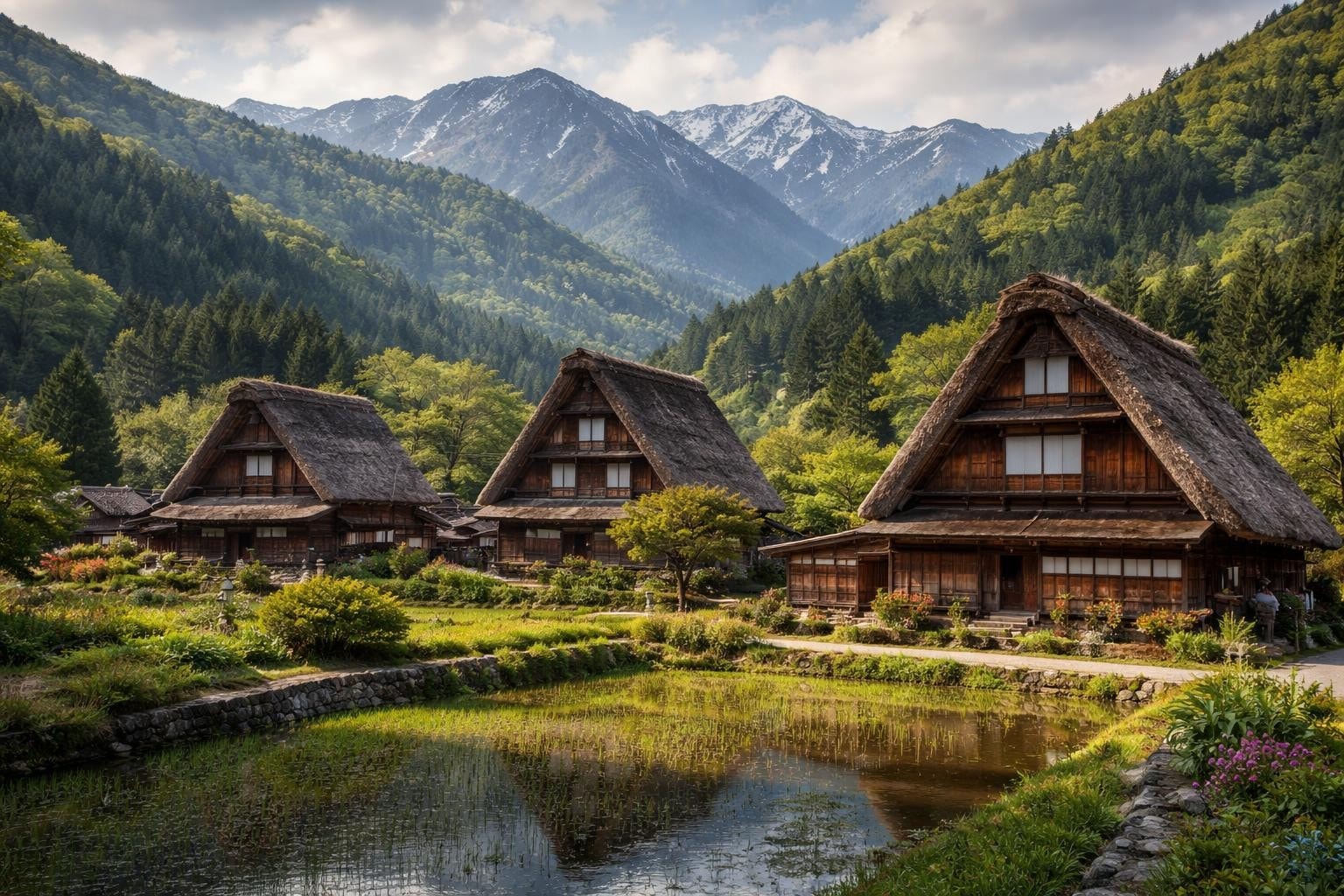
Nestled in the mountainous terrain of Gifu Prefecture, Japan, Shirakawa represents one of the country’s most pristine examples of traditional rural life. The village gained international recognition when UNESCO designated its gassho-zukuri farmhouses as World Heritage Sites in 1995, joining a select group of locations of exceptional cultural significance. Beyond the iconic thatched-roof structures, this remote mountain settlement offers discerning travelers an authentic glimpse into centuries-old Japanese traditions, agricultural practices, and architectural ingenuity that have survived remarkably intact despite modernization.
According to the village of Shirakawa, the region’s isolation in the Shogawa River Valley enabled its unique culture to develop independently over centuries. The name “Shirakawa” translates to “white river,” referring to the pristine mountain streams that flow through the area. This geographical seclusion protected the village from external influences while simultaneously creating economic challenges that shaped its distinctive architectural solutions.
The defining characteristic of Japan Shirakawa is its gassho-zukuri farmhouses, whose name means “constructed like hands in prayer.” These structures feature steep thatched roofs designed to withstand heavy snowfall, which can exceed ten meters in the winter months.
Key architectural features include:
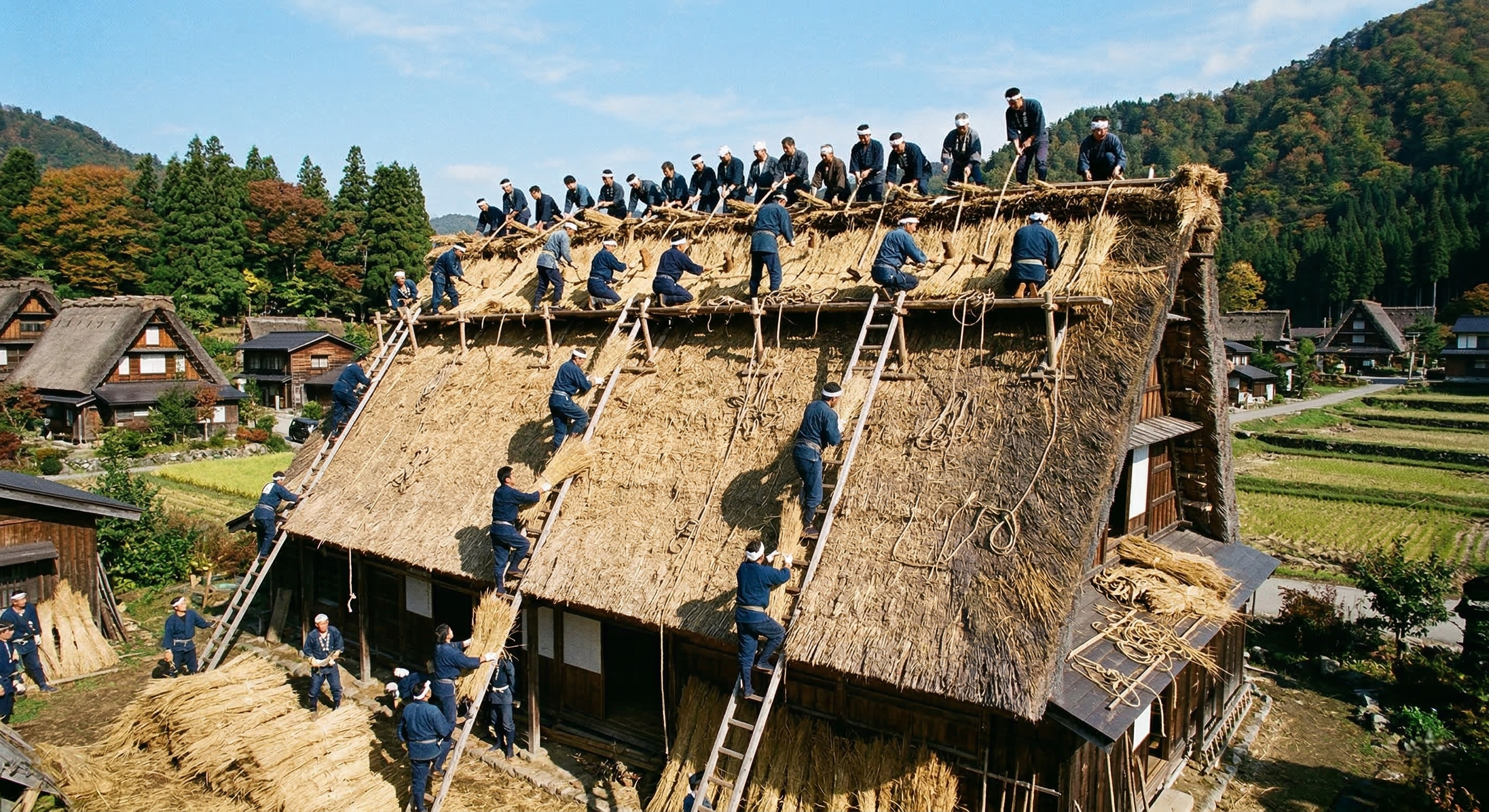
The communal effort required for roof thatching, known as “yui,” exemplifies the cooperative spirit that sustained japan shirakawa communities for generations. When one family needed re-thatching, entire villages would mobilize to complete the work in a single day.
The 1995 UNESCO recognition of Japan’s Shirakawa fundamentally transformed the village’s trajectory. Conservation design for traditional agricultural villages presents unique challenges, balancing preservation with contemporary living requirements.
| Conservation Aspect | Traditional Approach | Modern Adaptation |
|---|---|---|
| Roof Maintenance | Community thatching events | Scheduled preservation with professional support |
| Economic Sustainability | Agriculture and forestry | Heritage tourism with regulated visitor numbers |
| Population Retention | Extended family farming | Tourism employment opportunities |
| Infrastructure | Minimal external connections | Controlled development preserving aesthetic integrity |
The village implemented strict building codes prohibiting modern construction styles within designated preservation zones. Residents must maintain traditional exteriors while permitted to modernize interiors for contemporary comfort. This balanced approach enables authentic cultural preservation without forcing impractical living conditions.
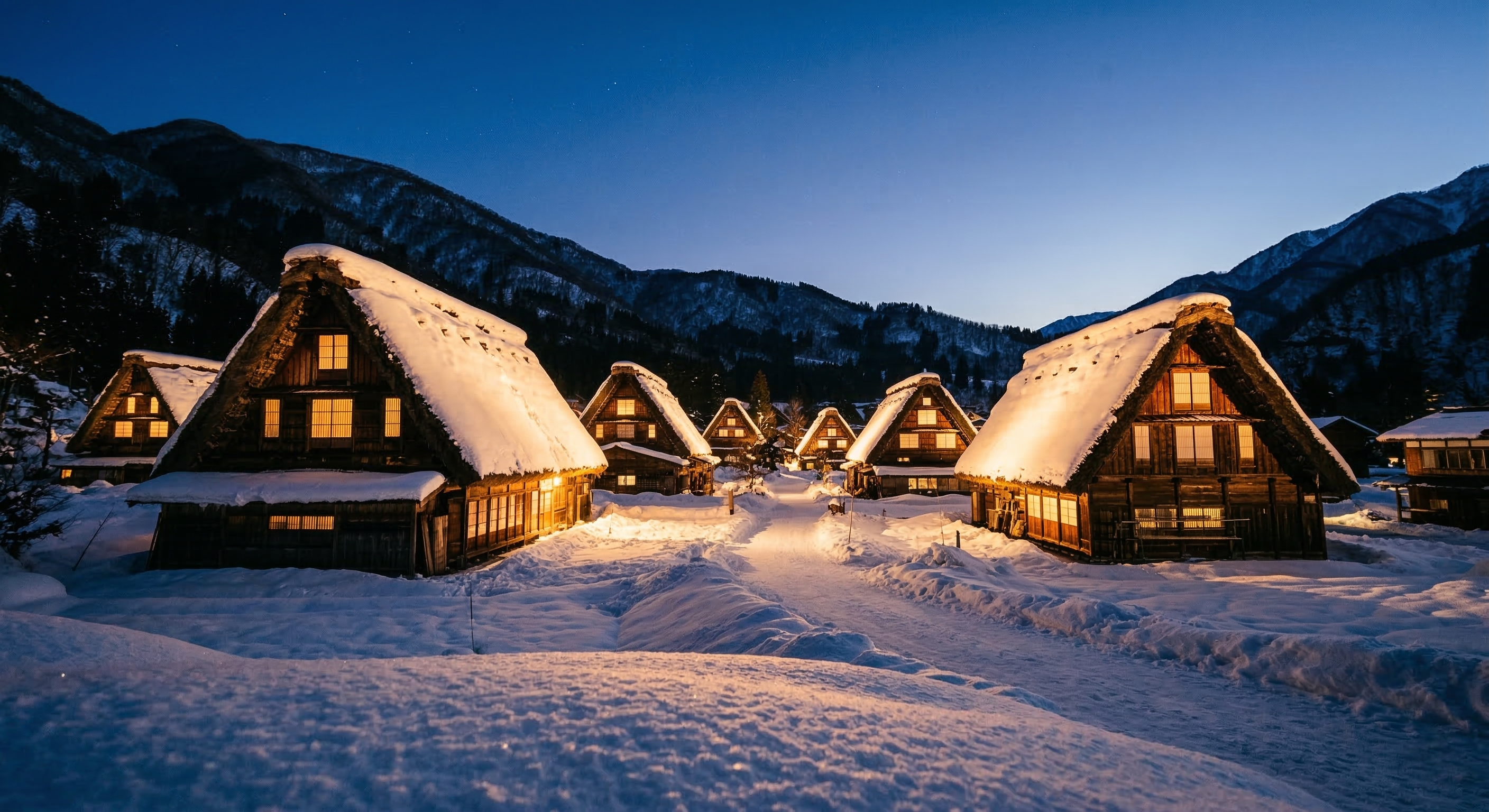
Japan’s Shirakawa presents dramatically different experiences across seasons, each offering distinct atmospheric qualities:
Winter illuminations, scheduled on specific weekends between January and February, attract substantial crowds and require reservations months in advance. Discerning travelers often prefer the shoulder seasons when Japan’s Shirakawa reveals its authentic character without overwhelming tourist presence.
While gassho-zukuri farmhouses are the primary attraction, Japan’s Shirakawa offers deeper cultural engagement opportunities for travelers seeking authentic experiences.
The traditional industries that sustained Shirakawa Village included silk farming, forestry, and specialized agriculture adapted to mountainous terrain. Several farmhouses feature historical displays of silkworm cultivation on the upper floors, explaining the economic rationale for the distinctive architectural design.
Authentic cultural activities include:
The Wada House, the largest gassho-zukuri structure open to public viewing, showcases 250 years of architectural evolution and family history through preserved artifacts and documentation. Its scale reflects the wealth generated by combining agriculture with trading activities along mountain routes.
Accessing this mountain village requires strategic planning, as Japan Shirakawa’s remoteness presents both its primary appeal and logistical challenges. The village lies approximately 50 kilometers northwest of Takayama and is connected by limited public transportation.
| Access Method | Duration from Tokyo | Advantages | Considerations |
|---|---|---|---|
| Train + Bus | 5-6 hours | Cost-effective, scenic route | Limited schedules, weather-dependent |
| Private Vehicle | 5-6 hours | Flexibility, luggage convenience | Winter driving requires expertise |
| Luxury Private Transfer | 5-6 hours | Door-to-door comfort, customized stops | Premium investment |
Highway buses connect Shirakawa-go with Takayama, Kanazawa, and Nagoya, operating on reduced schedules during the winter months. Reservations become essential during peak seasons, particularly autumn foliage periods and winter illumination events.
For travelers prioritizing comfort and flexibility, private luxury transportation eliminates logistical concerns while enabling spontaneous stops at scenic viewpoints and regional attractions en route.
Most tourists allocate 2-4 hours for Shirakawa, Japan, which is sufficient for exploring the village and for lunch at traditional restaurants. However, overnight stays provide incomparable experiences:
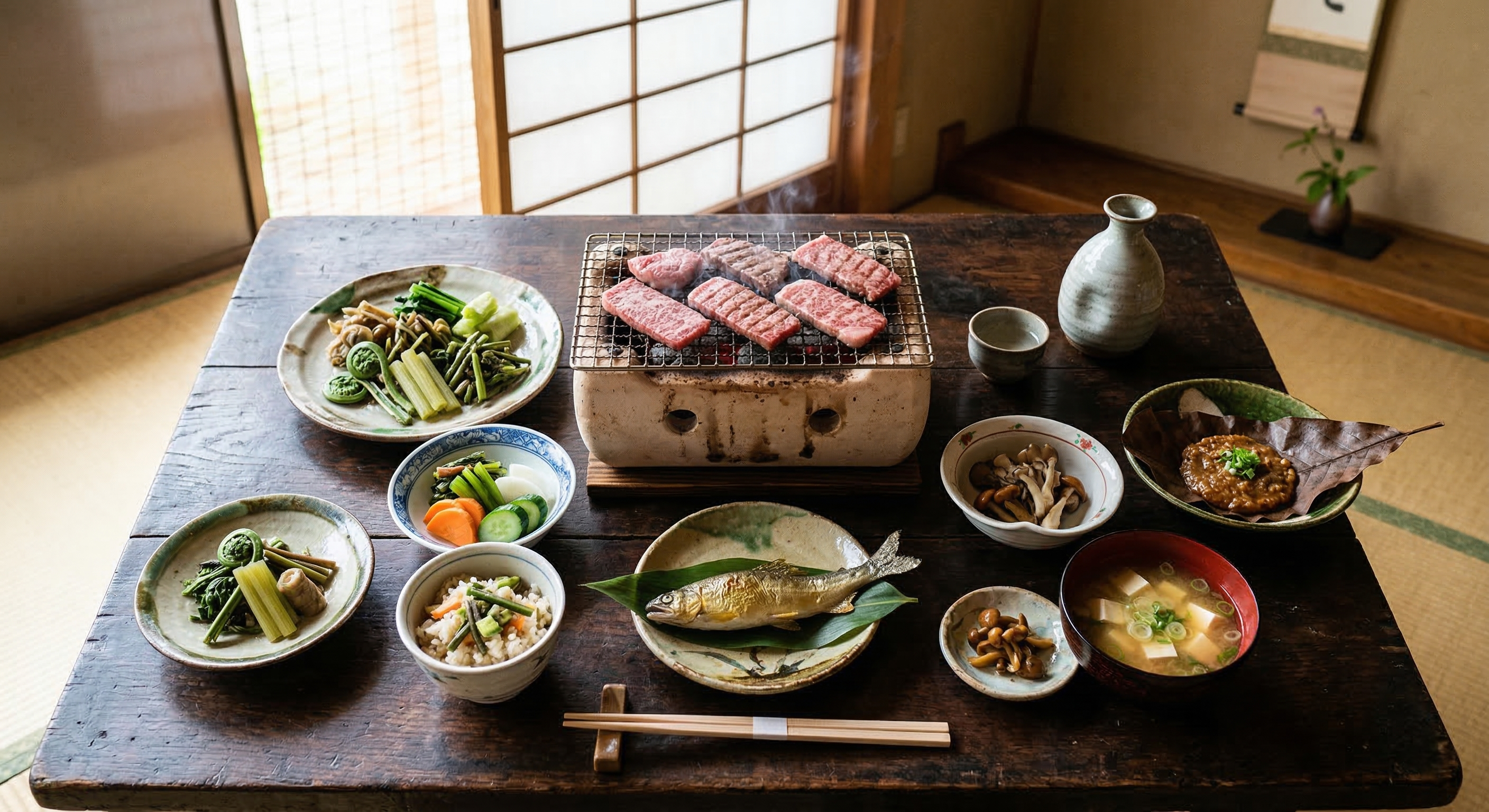
Farmhouse accommodations (minshuku) offer traditional kaiseki dinners featuring regional ingredients and irori (hearth) cooking methods. These multi-course meals showcase mountain vegetables, river fish, and Hida-region specialties, prepared with techniques passed down across generations.
The Shiroyama Viewpoint offers the iconic elevated perspective featured in countless Japan Shirakawa photographs. Accessed via a 10-15-minute walk from the village center, this observation deck offers views of the entire settlement against mountain backgrounds.
Photography considerations:
Professional photographers often visit multiple times throughout the seasons, recognizing that seasonal and atmospheric variations transform Japan’s Shirakawa. The interplay between natural elements and architectural forms creates endless compositional possibilities.
Japan’s Shirakawa represents the most famous settlement within a broader cultural landscape. The neighboring Gokayama region, spanning Nanto City in Toyama Prefecture, contains additional gassho-zukuri villages also designated as World Heritage Sites under the same 1995 recognition.
These smaller settlements in Gokayama offer more intimate experiences with fewer tourists:
The combined World Heritage designation encompasses Japan’s Shirakawa and Gokayama specifically to recognize the broader cultural landscape rather than a single village. Travelers with adequate time gain a deeper appreciation by experiencing multiple settlements and by understanding how geographical variations influenced architectural adaptations and economic specializations.
Unlike many preservation sites that function as open-air museums, Japan’s Shirakawa remains a functioning community where approximately 600 residents maintain their daily lives amidst constant tourist presence. This dynamic creates both opportunities and tensions between preservation and livability.
Balancing tradition and modernity:
The village implements various regulations that control commercial development, limit new construction, and manage visitor impact. Parking fees, designated walkways, and prohibited areas help protect residential privacy while accommodating tourism’s economic benefits.
Mountain geography profoundly influenced Japan’s Shirakawa culinary traditions, emphasizing preservation techniques, wild ingredients, and locally adapted agriculture. The harsh winters necessitated food preservation expertise, resulting in distinctive regional specialties.
Several farmhouse restaurants serve set meals (teishoku) featuring these regional ingredients in traditional presentations. The emphasis on seasonal, locally sourced ingredients aligns with contemporary sustainable dining principles while maintaining centuries-old culinary wisdom.
Annual festivals in Japan, such as Shirakawa, provide windows into living traditions that extend beyond architectural preservation. These events combine Shinto religious practices, agricultural celebrations, and community bonding.
| Festival | Period | Significance |
|---|---|---|
| Doburoku Festival | October 14-19 | Harvest Thanksgiving with sacred sake offerings |
| Spring Festival | April-May | Welcoming the agricultural season with shrine ceremonies |
| Fire Prevention Festival | Variable dates | Traditional fire management demonstrations |
The Doburoku Festival, celebrating the harvest with sacred, unfiltered sake, exemplifies how Japan’s Shirakawa maintains living traditions rather than staging demonstrations for tourists. Visitors attending these authentic cultural events gain privileged insights into community values and spiritual practices.
The symbiotic relationship among architecture, agriculture, and the environment in Japan’s Shirakawa offers lessons in sustainable living, increasingly relevant to contemporary concerns. Traditional practices developed from necessity now appear remarkably aligned with modern environmental consciousness.
Sustainable traditional practices:
The Shirakawa Spring Source in different regions of Japan demonstrates the cultural significance of pristine water sources, reflecting the values Japan’s Shirakawa embodies through environmental stewardship. The village’s preservation extends beyond buildings to encompass entire ecosystems supporting traditional lifestyles.
Japan’s Shirakawa attracts significant scholarly attention from architecture historians, anthropologists, and conservation specialists studying traditional building techniques, rural sustainability, and heritage management. The village serves as a living laboratory for understanding pre-industrial Japanese society and for developing effective preservation strategies.
Research themes include:
This academic interest underscores Japan’s Shirakawa’s significance beyond tourism, contributing to broader discussions about cultural preservation, sustainable development, and the maintenance of traditional knowledge systems in modernizing societies.
For discerning travelers, Japan Shirakawa works exceptionally well within curated itineraries combining multiple central Japan destinations. The village’s location enables strategic routing between major cultural centers.
Complementary destinations and routing:
Bespoke travel experiences incorporate Japan’s Shirakawa within thoughtfully paced itineraries that avoid rushed schedules. Multi-day explorations of the Japanese Alps region reveal interconnected cultural landscapes, traditional industries, and natural environments that enrich the Shirakawa experience.
While Japan Shirakawa maintains rustic character, discerning travelers can access comfort through strategic planning and appropriate service providers.
Farmhouse stays (minshuku):
Nearby luxury hotels:
Strategic planning enables luxury travelers to experience Japan’s Shirakawa authentically without sacrificing comfort entirely. This might involve day visits from premium accommodations, private transportation eliminating public transit limitations, or carefully selected farmhouse stays offering renovated facilities while maintaining traditional character.
Professional guides fluent in English and knowledgeable about architecture, history, and cultural practices transform visits from sightseeing to educational experiences. These specialists provide access to areas, perspectives, and interactions unavailable to independent travelers navigating language barriers and cultural protocols.
Discovering Japan is more than visiting a picturesque village; it offers profound insights into Japanese values of community, environmental harmony, and cultural preservation that resonate in contemporary life. Whether you’re drawn to architectural heritage, cultural immersion, or pristine mountain landscapes, this UNESCO World Heritage Site delivers experiences that justify its international acclaim. Japan Royal Service specializes in creating bespoke journeys to Shirakawa-go and throughout Japan’s cultural heartland, providing luxury transportation, expert guides, and carefully curated experiences that reveal both famous landmarks and hidden treasures tailored to your specific interests and preferences.